
How Drip Irrigation Technology for Orchards Improves Water Control and Fruit Yield




How Drip Irrigation Technology for Orchards Improves Water Control and Fruit Yield
For orchard operators facing rising water costs, uneven soil moisture, and pressure to improve fruit quality, drip irrigation technology for orchards offers a practical path to better control and stronger yields.
By sending water directly into the root zone, it reduces waste, limits stress, and supports more stable production under changing weather and soil conditions.
In real orchard management, that shift matters because small improvements in water timing often turn into visible gains in fruit size, color, and pack-out quality.
Why Water Control Matters More in Orchards
An orchard is not a uniform field. Tree age, root depth, canopy size, row spacing, and slope all change how water moves and how roots absorb it.
Traditional surface irrigation often applies too much water in one zone and too little in another. That creates inconsistency across blocks and between rows.
More importantly, orchards respond slowly to mistakes. Overwatering can weaken roots and reduce oxygen. Underwatering can reduce cell expansion during fruit development.
This is where drip irrigation technology for orchards becomes valuable. It improves irrigation accuracy, supports balanced tree growth, and helps managers react faster to seasonal pressure.
How Drip Irrigation Technology for Orchards Works
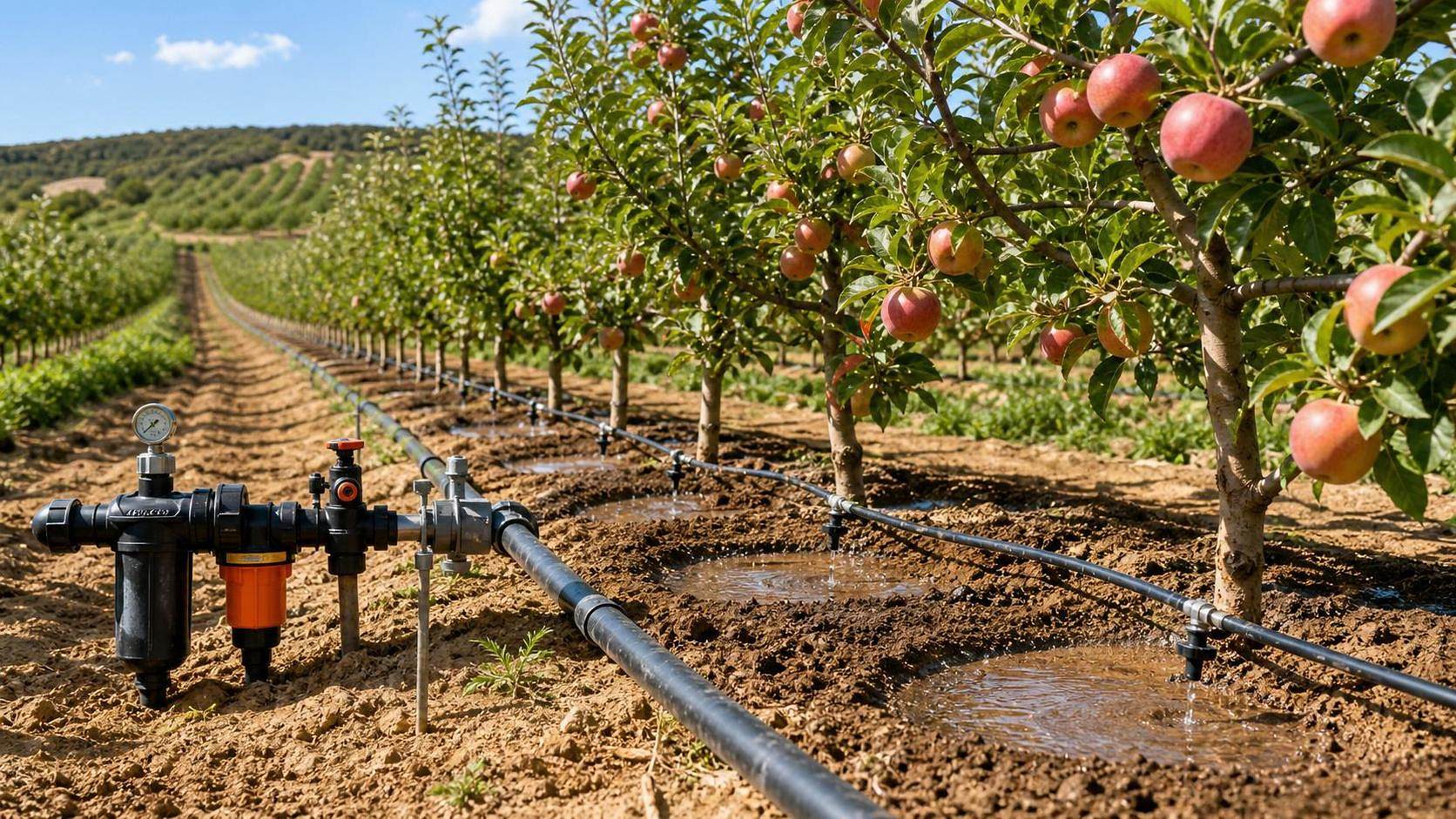
At its core, the system moves water through mains, submains, laterals, filters, valves, and emitters placed along the tree row.
Each emitter releases water slowly. That low flow allows moisture to build around active roots instead of flooding the entire surface.
Modern drip irrigation technology for orchards often includes pressure regulation, automated scheduling, moisture sensors, and fertigation units.
This means water application can be matched to tree stage, evapotranspiration, weather forecasts, and soil texture instead of following a fixed calendar.
That is the practical difference between simply irrigating and actually managing water as a production input.
Key components that shape performance
- Filtration systems that prevent emitter clogging from sand, algae, or mineral deposits.
- Pressure-compensating emitters for orchards with long rows or elevation changes.
- Control valves that divide blocks for different tree varieties or soil zones.
- Fertigation units that deliver nutrients with precise timing and lower losses.
- Sensors and controllers that support more responsive irrigation decisions.
How Better Water Control Lifts Fruit Yield
Fruit yield improves when the tree avoids repeated stress during critical growth periods. Consistent root-zone moisture helps maintain normal physiological activity.
In flowering and fruit set, stable water availability supports retention. During enlargement, it helps fruits reach target size with fewer setbacks.
Later in the season, precise irrigation can also reduce abrupt swings that trigger cracking, poor firmness, or uneven maturity in sensitive crops.
Drip irrigation technology for orchards also protects yield indirectly. It keeps the alley drier, reduces weed pressure near non-target zones, and lowers disease risk linked to excess moisture.
When water, nutrients, and oxygen are better balanced, trees usually produce more uniform fruit. That often matters as much as total tonnage.
Yield-related benefits commonly seen in orchards
- Higher fruit size consistency across the block.
- Better retention during hot and dry periods.
- More reliable color and finish where irrigation timing affects canopy stress.
- Lower losses from split fruit, weak roots, or nutrient washout.
- Improved pack-out value through more uniform grading.
Where Drip Irrigation Technology for Orchards Solves Real Field Problems
The strongest case for drip irrigation is usually not theory. It is the ability to solve specific operational bottlenecks.
On sandy soils, water moves fast and disappears quickly. Drip lines allow short and frequent irrigation cycles that reduce deep percolation losses.
On heavier soils, slower application prevents runoff and supports better infiltration. This is especially useful on sloped orchard ground.
In regions with restricted water supply, drip irrigation technology for orchards helps stretch limited volumes across larger planted areas.
In mixed-variety orchards, separate zones allow different schedules for blocks with different maturity curves or crop loads.
That flexibility becomes even more useful when heat events arrive earlier or last longer than expected.
How to Set Up a Practical Irrigation Strategy
A good system starts with design, but performance comes from daily management. The goal is not just installation. It is repeatable control.
- Map the orchard by soil type, slope, variety, and tree age before placing zones.
- Select emitter spacing and flow rate based on root spread and infiltration pattern.
- Install reliable filtration sized for the water source and expected particle load.
- Use pressure checks at the head, middle, and end of representative rows.
- Set irrigation frequency around crop stage and local evapotranspiration data.
- Add soil moisture monitoring to confirm that scheduling matches actual field response.
- Review performance weekly, especially during flowering, fruit fill, and heat stress periods.
This kind of routine turns drip irrigation technology for orchards into a management tool, not just a hardware investment.
Simple indicators worth tracking
Common Risks and How to Avoid Them
Drip systems are precise, but that also means small faults can spread quietly if nobody checks the details.
The first risk is clogging. Poor water quality, iron, organic matter, or fertilizer residues can reduce emitter performance over time.
The second risk is underestimating root pattern changes. Young trees and mature trees do not need the same wetting profile.
The third risk is overreliance on automatic schedules. Weather shifts quickly, and fixed programs can miss heat spikes or cool periods.
- Flush lines regularly and maintain filters on a defined schedule.
- Inspect representative emitters, not just the pump station.
- Adjust run time as canopy, crop load, and season progress.
- Use sensor data to verify assumptions instead of relying on habit.
In practice, the best results come from combining automation with field observation. The system should guide decisions, not replace agronomic judgment.
Why This Matters in Agriculture 4.0
From a broader industry view, drip irrigation technology for orchards fits the same direction shaping modern farm equipment and intelligent field systems.
Water management is no longer separate from machinery, data, and sustainability goals. It now sits inside a connected production model.
That is why platforms such as AP-Strategy focus on irrigation alongside combine technology, tractor systems, and precision farming tools.
The more obvious signal is this: better orchards are being managed with measured inputs, tighter feedback loops, and clearer performance benchmarks.
As water pressure rises globally, efficient orchard irrigation will increasingly shape production cost, market quality, and long-term resilience.
A Practical Next Step
If orchard performance is being limited by uneven moisture, rising water bills, or unstable fruit quality, start with a block-by-block irrigation review.
Check water source quality, pressure balance, emitter condition, and soil moisture response before the next peak-demand period begins.
That review usually reveals whether the orchard needs a full redesign, better scheduling, stronger filtration, or more accurate monitoring.
Done well, drip irrigation technology for orchards improves water control, protects tree health, and creates the steady conditions that support higher fruit yield season after season.
Related News
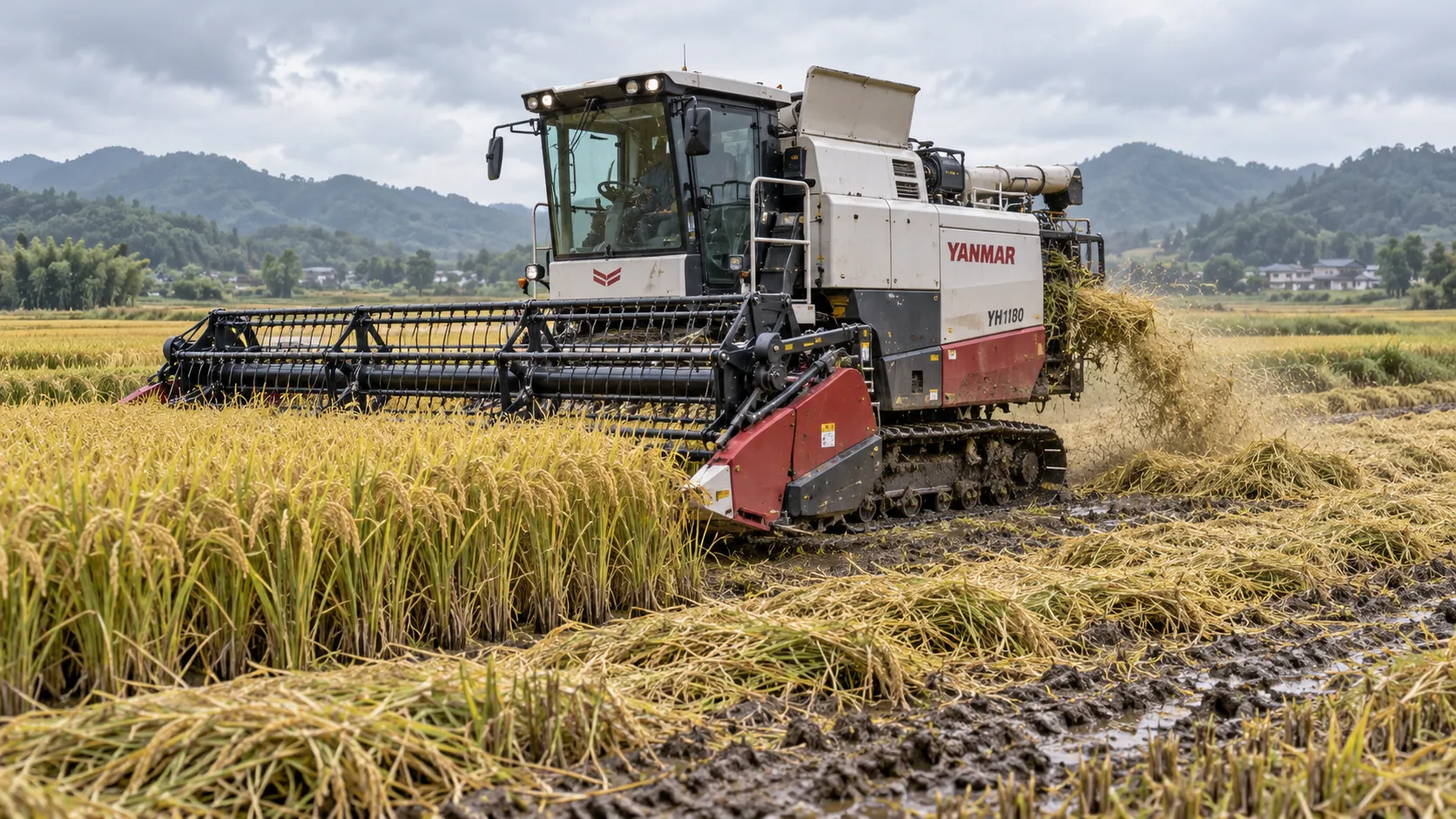
How to Specify Combine Harvester Systems for High-Moisture Grain and Variable Field Conditions
Combine harvester systems for high-moisture grain: learn how to specify threshing, cleaning, headers, traction, and automation for reliable harvests in variable fields.
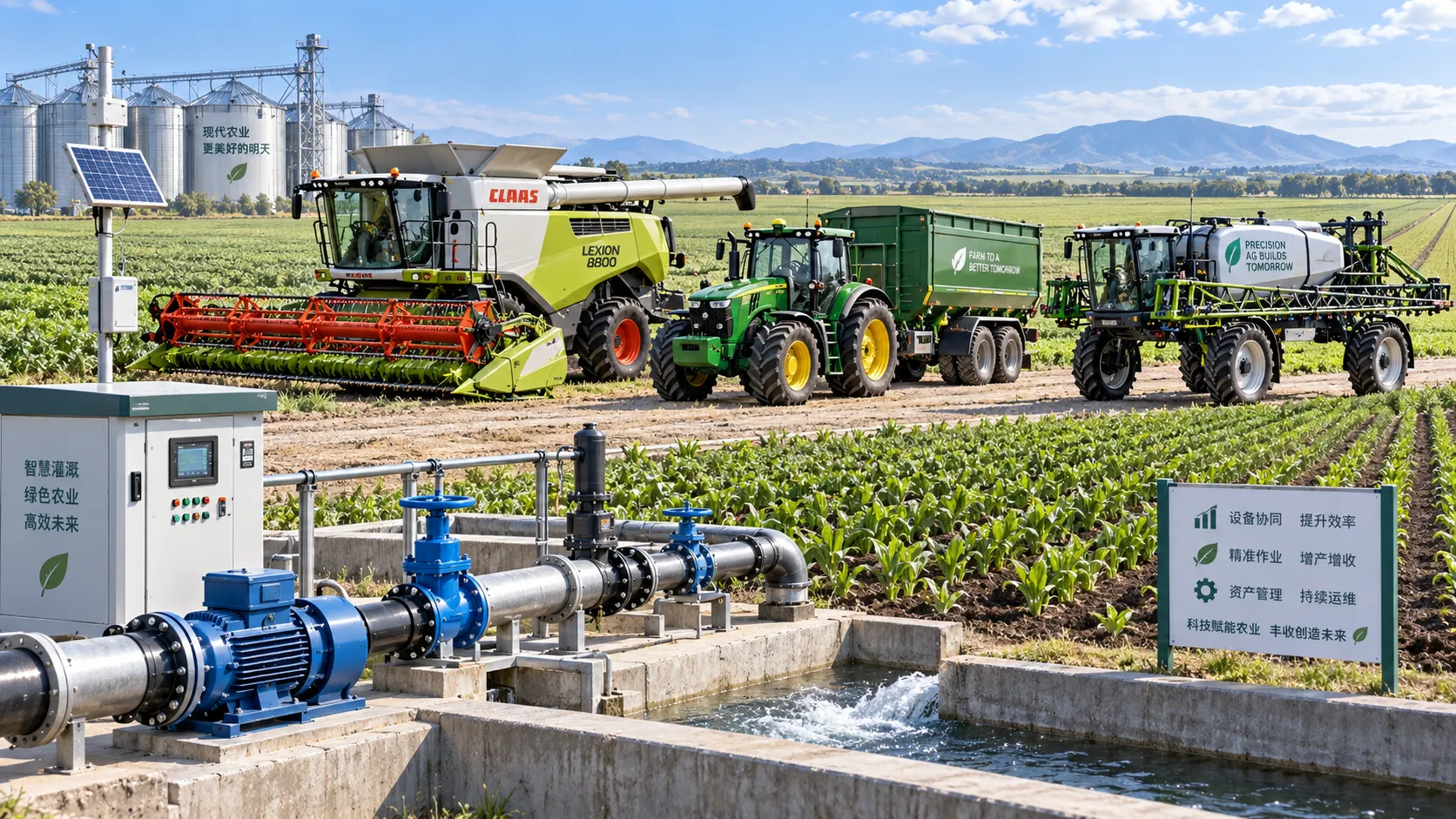
How to Compare Agricultural Equipment Platforms for Fleet Management and ROI
Agricultural equipment platform comparison: evaluate fleet data, maintenance, precision workflows, and ROI to choose a system that delivers measurable results.
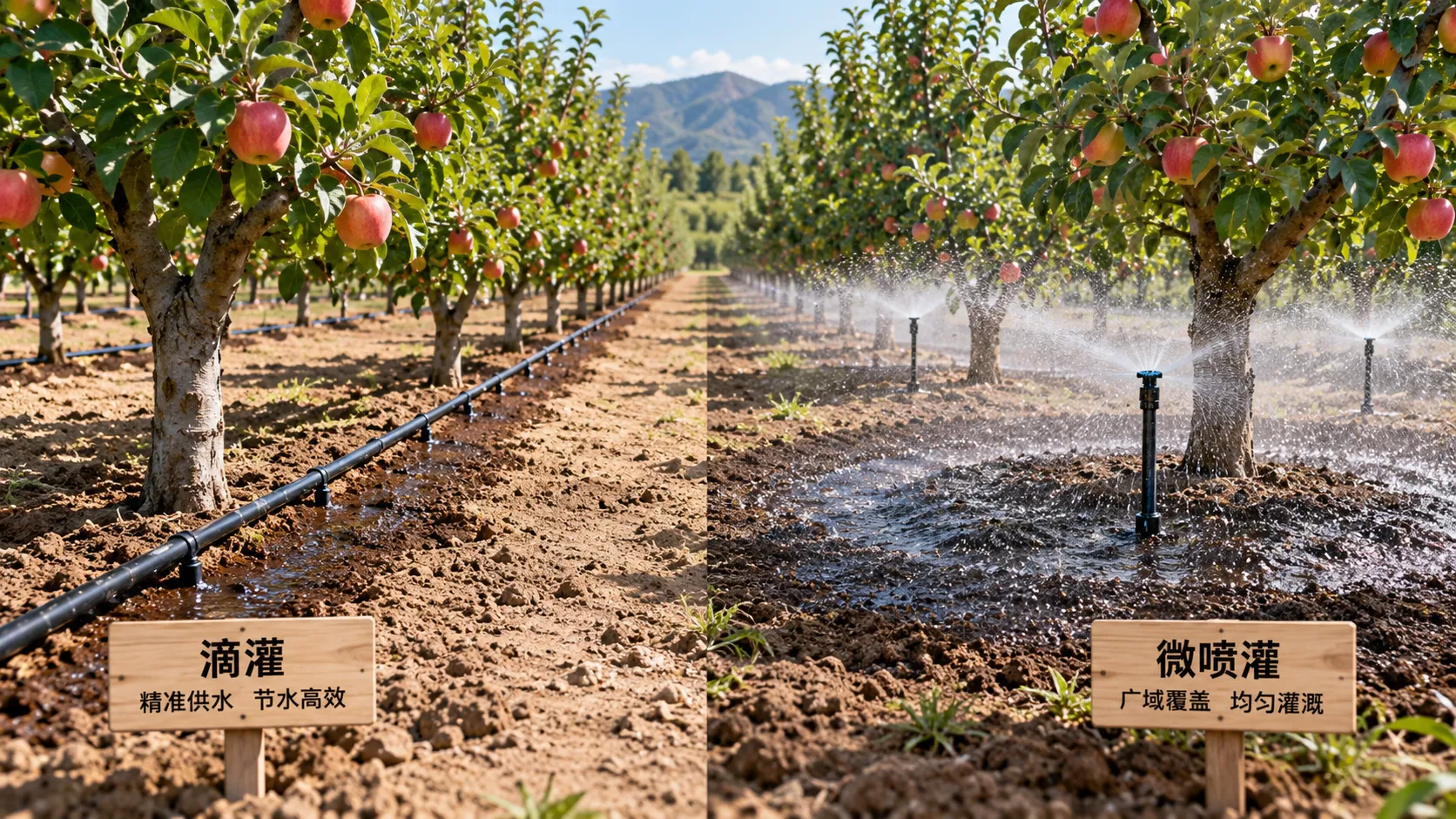
Drip vs. Micro-Sprinkler Irrigation: Which System Fits Your Orchard?
Irrigation solution comparison for orchards: discover whether drip or micro-sprinklers best match your water, soil, roots, fertigation, and frost needs.
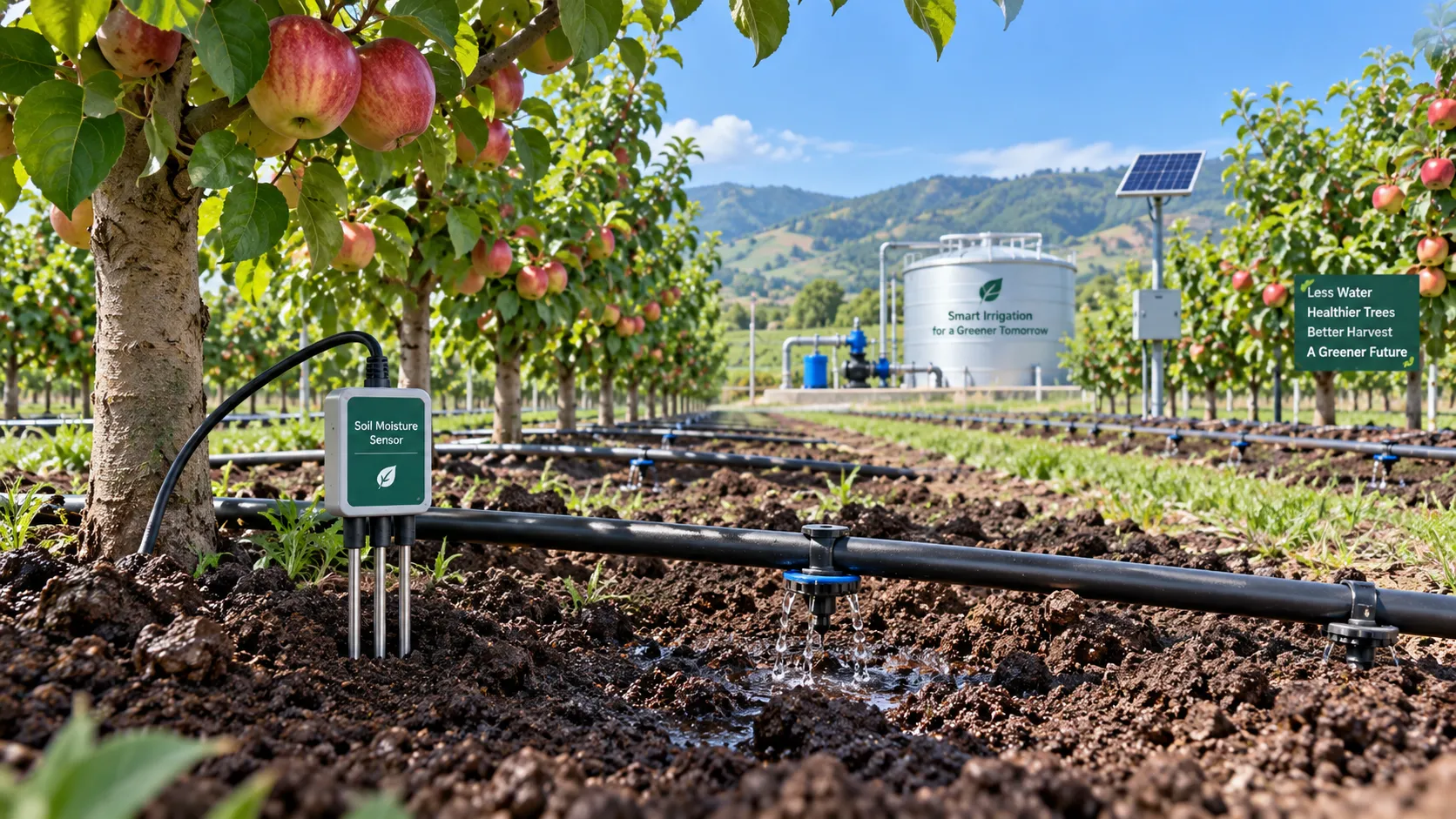
Orchard Water Management: Using Soil Moisture Data to Schedule Irrigation
Agricultural water management for orchards made practical: use soil moisture data to optimize irrigation timing, protect yield, reduce costs, and improve resilience.
Tractor Chassis Price: What Buyers Should Compare Beyond the Initial Quote
Tractor chassis price is only the start. Compare load capacity, compatibility, durability, and lifecycle costs to choose a reliable, high-value chassis.
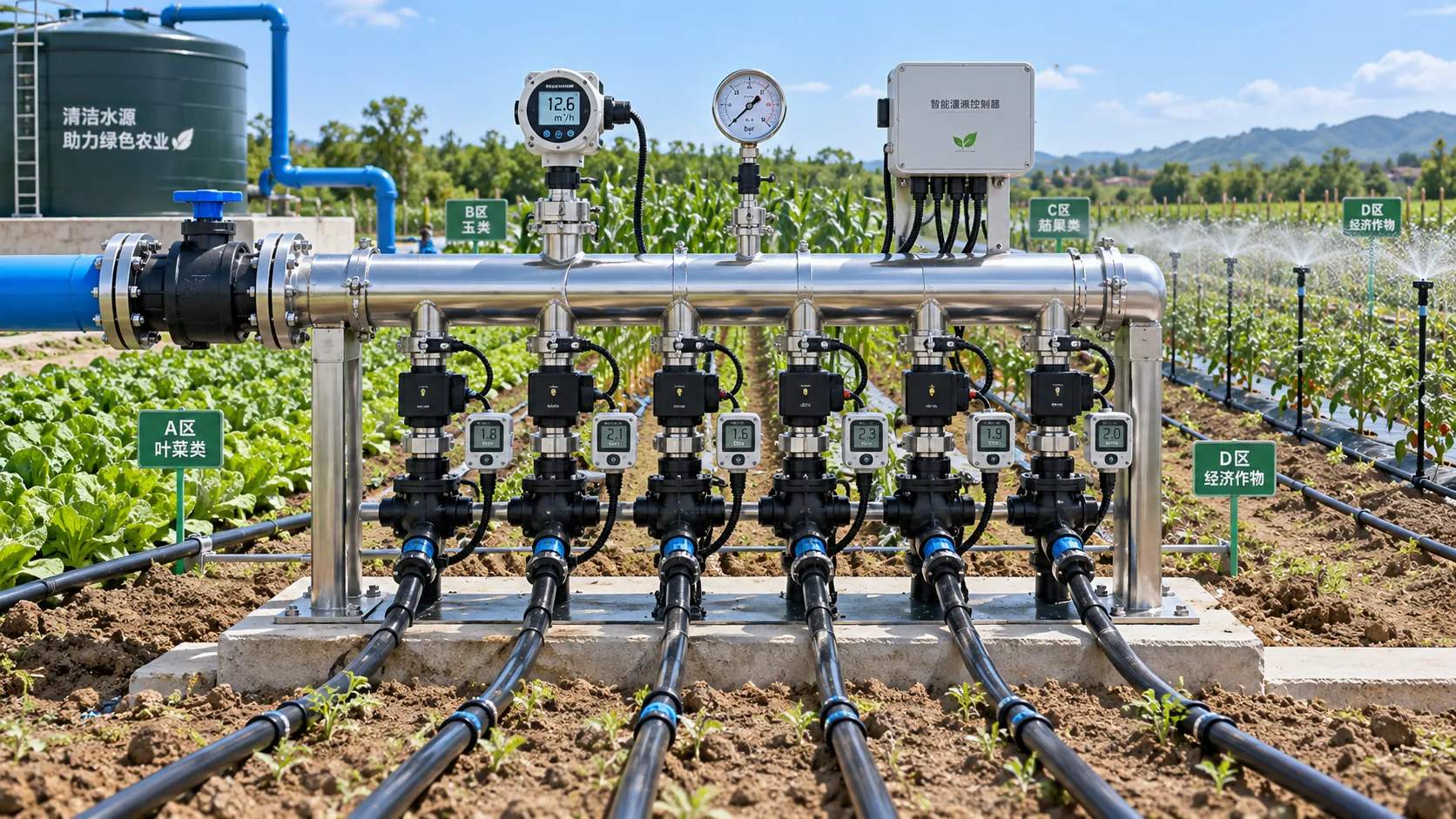
How to Select Smart Irrigation Valves for Multi-Zone Water Management?
Intelligent irrigation systems valves: learn how to match smart valves with multi-zone flow, pressure, control, feedback, and communication needs for reliable water management.
Climate-Smart Farming for Drought: A Practical Plan for Protecting Yields
Climate-smart farming for drought: build smarter water budgets, protect critical crop stages, improve irrigation uniformity, and safeguard yields with practical field-proven strategies.
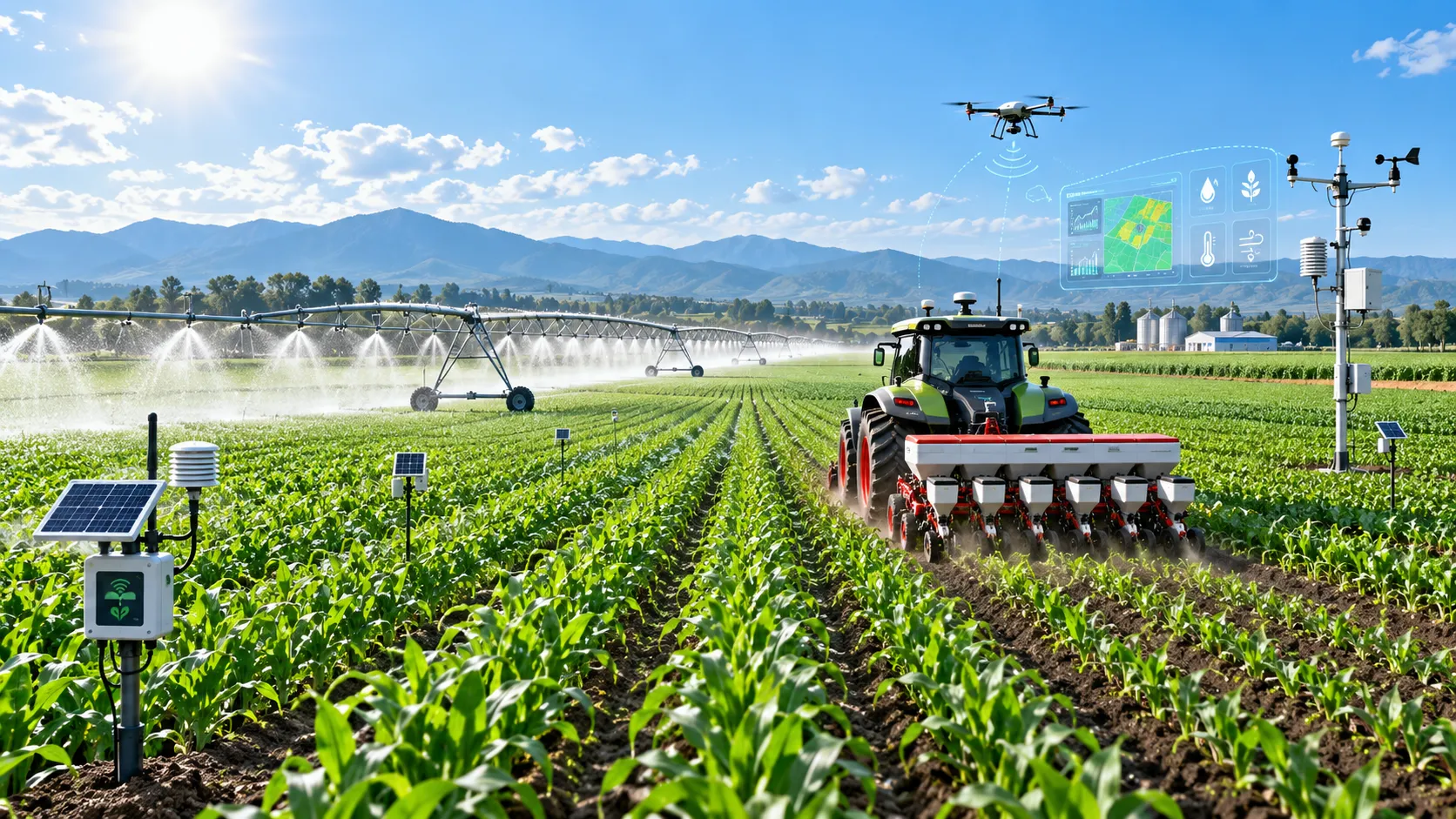
How Digital Agriculture Platforms Turn Field Data Into Better Input Decisions
Digital agriculture platforms turn field data into smarter fertilizer, water, seed, and equipment decisions—helping farms cut risk, improve margins, and scale sustainability.
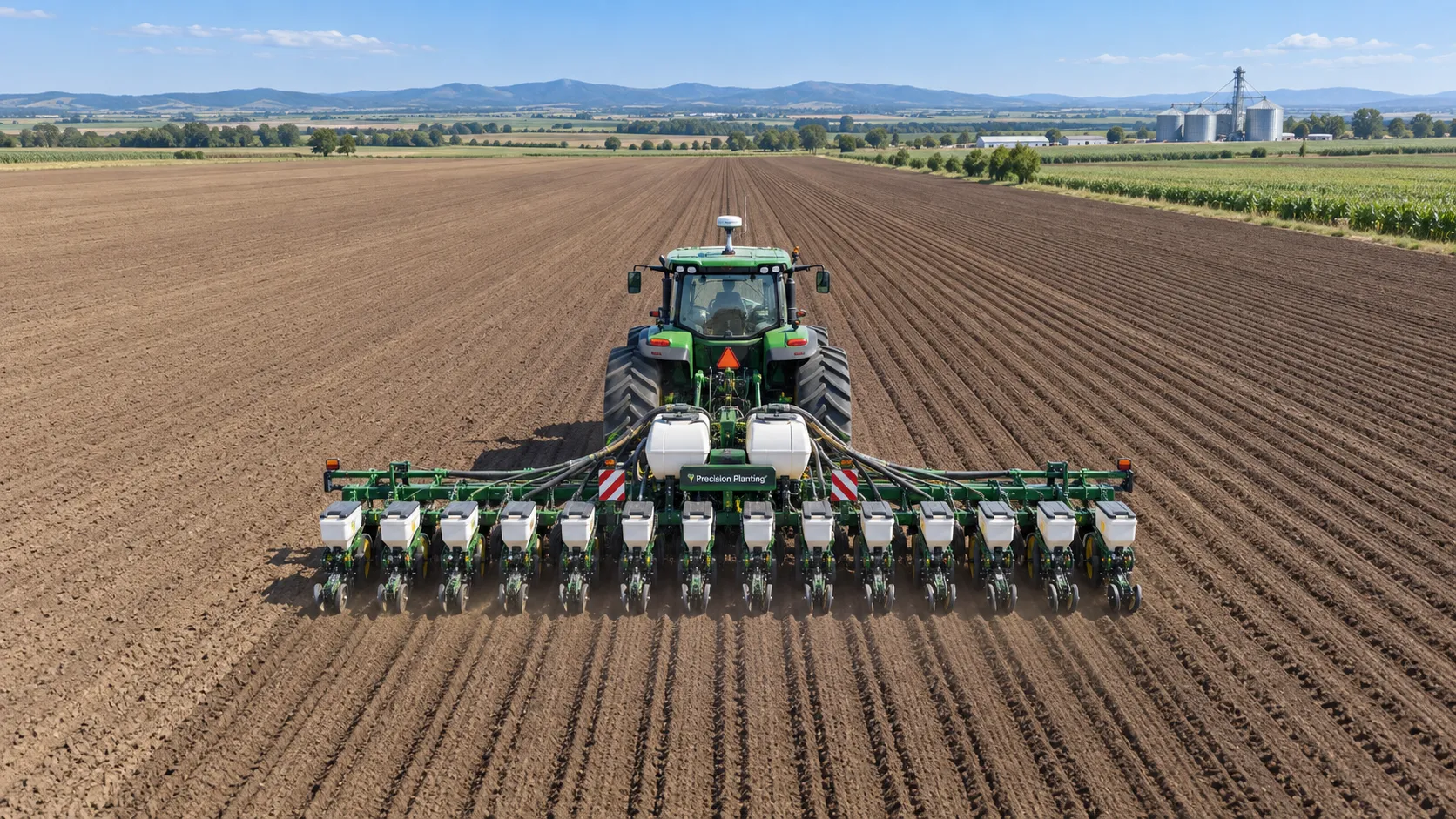
GPS-Guided Farm Machinery: Where It Delivers Measurable Field Efficiency Gains
Agri-mechanization GPS guided systems deliver measurable field efficiency gains through reduced overlap, precise planting, smarter inputs, and reliable farm data.
Related News
- 00
0000-00
Drip vs. Micro-Sprinkler Irrigation: Which System Fits Your Orchard? - 00
0000-00
How to Select Smart Irrigation Valves for Multi-Zone Water Management? - 00
0000-00
Automated Water-Saving Irrigation: How to Cut Water Use Without Reducing Crop Yields - 00
0000-00
How to Evaluate Drip Irrigation System Manufacturers for Large Farm Projects - 00
0000-00
Wireless Agricultural Automation for Remote Irrigation and Field Monitoring
Popular Tags
Hydrological Resource Strategist
Weekly Insights
Stay ahead with our curated technology reports delivered every Monday.