
Smart Cultivation Solutions Price: What Drives Cost and How to Compare Vendors
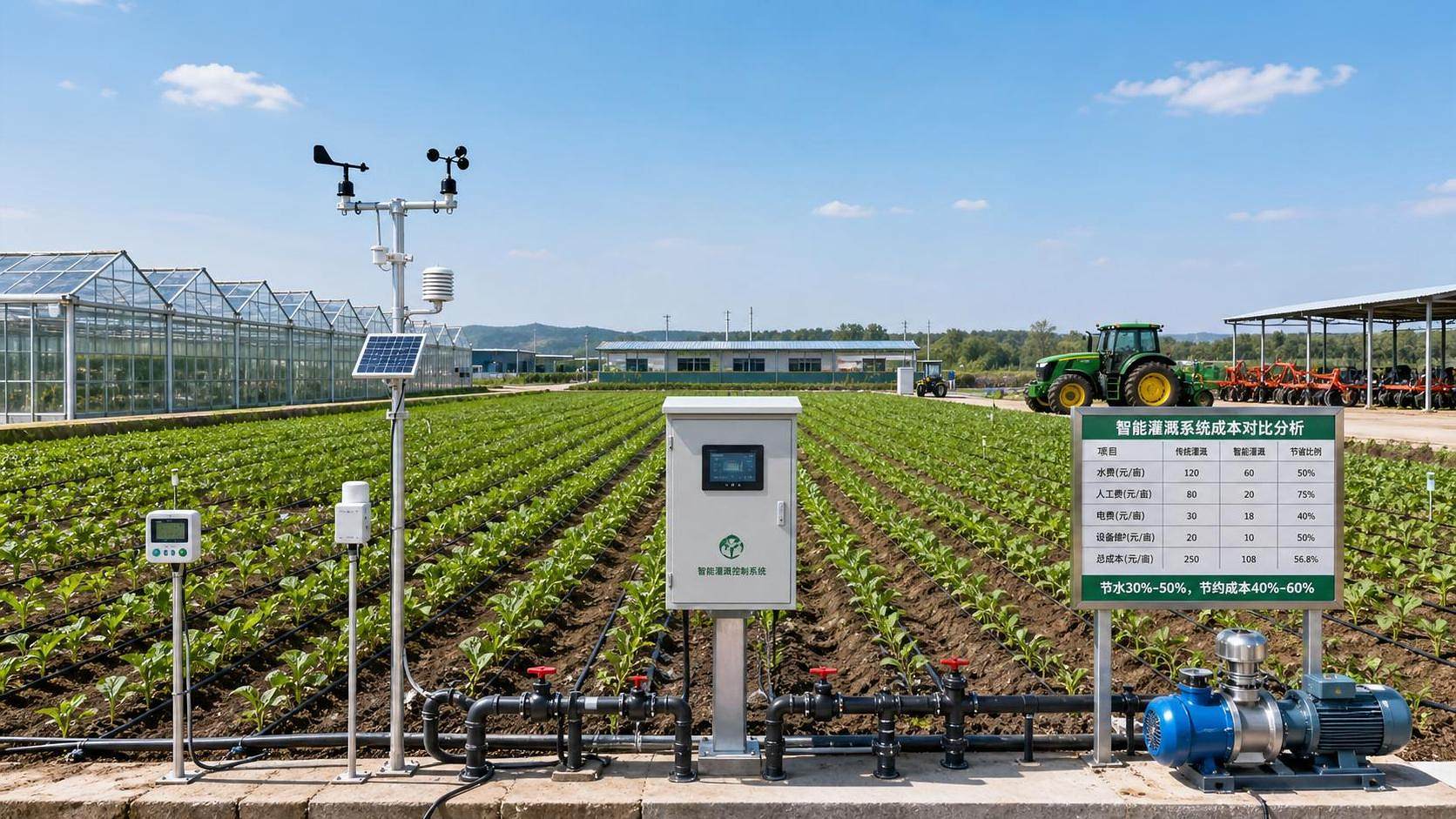




Smart Cultivation Solutions Price: What Drives Cost and How to Compare Vendors
Evaluating smart cultivation solutions price is not just about collecting three quotes and picking the lowest number.
The real cost sits inside hardware quality, software capability, field fit, and long-term service reliability.
That matters even more as farms push toward data-led irrigation, automated field operations, and measurable resource efficiency.
In practical buying decisions, smart cultivation solutions price should be judged against output stability, labor savings, water control, and upgrade flexibility.
A cheaper package can become expensive fast if sensors drift, software licenses expand unexpectedly, or service response is weak during peak season.
A stronger comparison method helps control risk and supports farm modernization plans that must work for years, not just this budget cycle.
What Is Included in Smart Cultivation Solutions Price
Smart cultivation solutions price usually covers more than devices placed in the field.
It may include control units, soil and climate sensors, valves, pumps, GPS links, analytics dashboards, mobile access, and integration support.
Some vendors also bundle commissioning, crop-model setup, staff training, and preventive maintenance.
Others keep the entry price low, then charge separately for nearly every additional function.
This is why two proposals with similar labels can have very different commercial meaning.
Before comparing numbers, confirm the scope in writing.
- Field hardware and controller specifications
- Communication method and network requirements
- Software license period and user limits
- Data storage, reporting, and API access
- Installation, calibration, and testing scope
- Warranty length and response commitments
When that scope is clear, smart cultivation solutions price becomes easier to compare on equal terms.
Main Cost Drivers Behind Smart Cultivation Solutions Price
1. Automation level
Basic monitoring systems cost less than closed-loop platforms that automatically adjust irrigation, nutrient dosing, or equipment schedules.
The more autonomous the system, the higher the engineering, controls, and validation cost.
2. Sensor accuracy and durability
Low-cost sensors may work in pilot projects, yet fail under dust, salinity, heat, or heavy field vibration.
Higher-grade components raise smart cultivation solutions price, but often reduce recalibration, replacement, and yield-related errors.
3. Irrigation efficiency design
Systems built for variable-rate irrigation, pressure control, leak alerts, and water reuse analytics generally carry a higher initial cost.
Still, they can deliver lower water consumption and better consistency across large zones.
4. Software intelligence
A dashboard that only shows data is very different from one that predicts evapotranspiration, flags anomalies, and recommends actions.
Advanced models increase smart cultivation solutions price because they require ongoing updates, data validation, and support resources.
5. Integration complexity
Costs rise when the platform must connect with existing tractors, weather stations, pumps, ERP tools, or farm management systems.
Integration is often where cheap quotations become expensive projects.
6. Service footprint
Regional support teams, spare parts access, and harvest-season response windows strongly influence total cost.
This factor is often underestimated during first-round sourcing.
How to Compare Vendors Without Getting Misled by the Quote
A clean vendor comparison needs structure.
Otherwise, smart cultivation solutions price gets distorted by different assumptions, hidden exclusions, and optimistic performance claims.
- Use one requirement sheet for every vendor.
- Break pricing into hardware, software, installation, training, and annual service.
- Request expected operating life for key components.
- Ask for field performance references in similar crops and climate conditions.
- Check whether updates, remote diagnostics, and data exports are included.
- Score each vendor on cost, risk, scalability, and support.
From a procurement perspective, the strongest offer is rarely the one with the lowest line-item total.
It is the one that holds its performance under real workload, seasonal pressure, and future expansion.
A Practical Cost Comparison Table
This table helps turn smart cultivation solutions price into a usable decision framework rather than a raw number comparison.
Hidden Costs That Often Appear Later
Several costs stay outside the first proposal.
These items can materially change smart cultivation solutions price over the contract period.
- Annual calibration visits
- Battery and communication module replacement
- Cloud storage upgrades
- Paid agronomic model tuning
- On-site retraining after staff turnover
- Regulatory or cybersecurity compliance work
More noticeably, data ownership terms can create future lock-in.
If operational data cannot be exported cleanly, switching vendors later becomes harder and more expensive.
That is a commercial risk, not only a technical detail.
How to Judge Value, Not Just Smart Cultivation Solutions Price
Cost matters, but value decides whether the project keeps delivering.
A balanced review usually combines commercial, operational, and technical indicators.
Look at measurable outcomes
Check expected water savings, labor reduction, decision speed, and yield stability.
Test vendor execution discipline
Good suppliers define milestones, acceptance standards, and support boundaries before the contract is signed.
Review scalability
A lower smart cultivation solutions price may look attractive today, yet fail when new fields, crops, or control points are added.
Check strategic fit
The best system should support productivity goals, sustainability targets, and data-led modernization across the wider farm equipment environment.
That broader view is increasingly important in the Agriculture 4.0 cycle, where irrigation, machinery, sensing, and analytics work as one operating system.
Final Buying Checklist
Before approving any purchase, verify these points carefully.
- The quoted smart cultivation solutions price matches the full project scope.
- Performance claims are backed by similar field cases.
- Support response times are contractually defined.
- Software fees and expansion costs are transparent.
- Data access and ownership terms are acceptable.
- The platform can scale with future irrigation and mechanization plans.
In the end, smart cultivation solutions price should be treated as part of a total value equation.
The most effective sourcing decisions come from comparing lifecycle cost, field reliability, intelligence depth, and vendor accountability together.
That approach makes it easier to select a solution that performs well today and still fits tomorrow’s cultivation strategy.
Related News
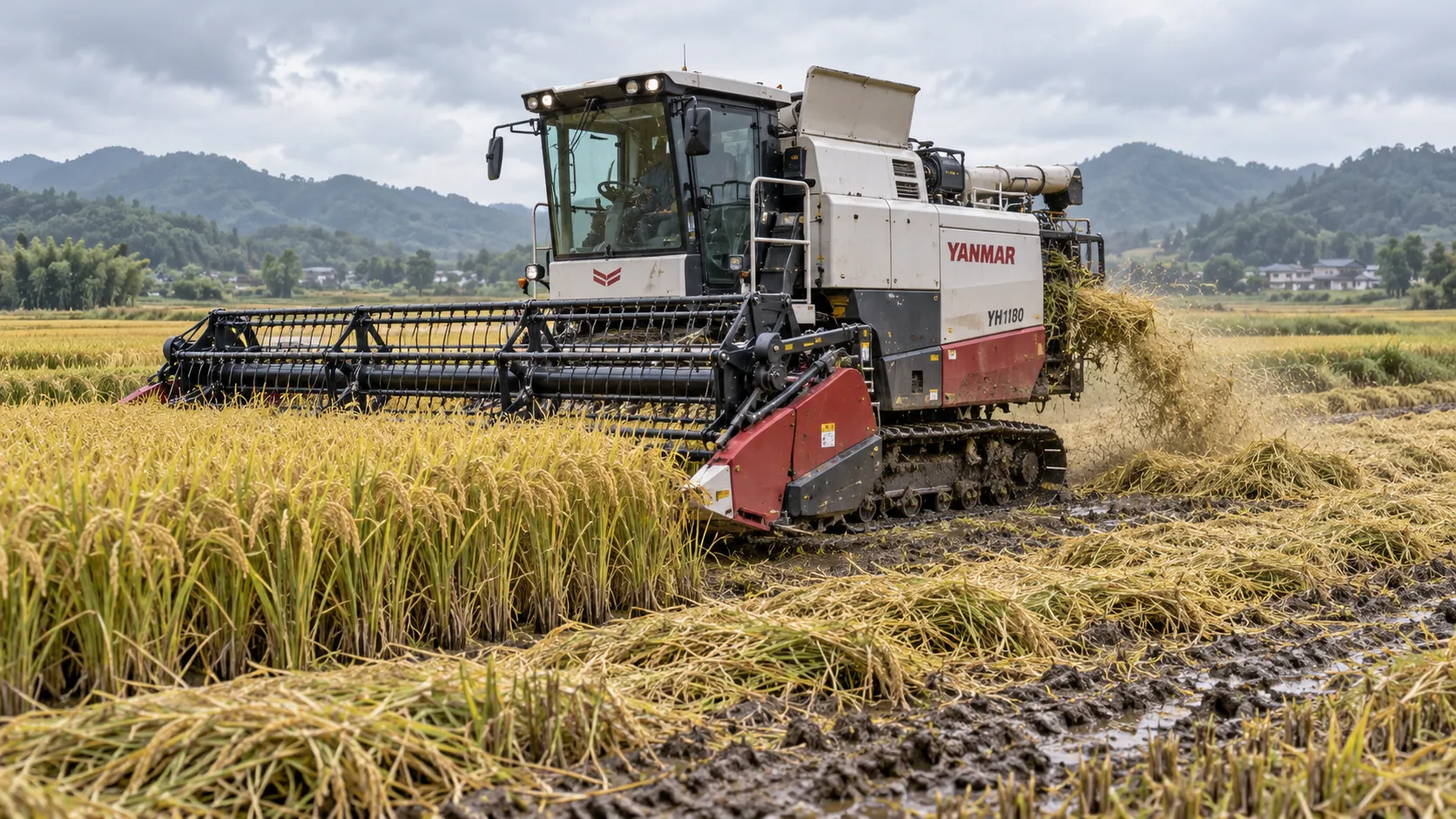
How to Specify Combine Harvester Systems for High-Moisture Grain and Variable Field Conditions
Combine harvester systems for high-moisture grain: learn how to specify threshing, cleaning, headers, traction, and automation for reliable harvests in variable fields.
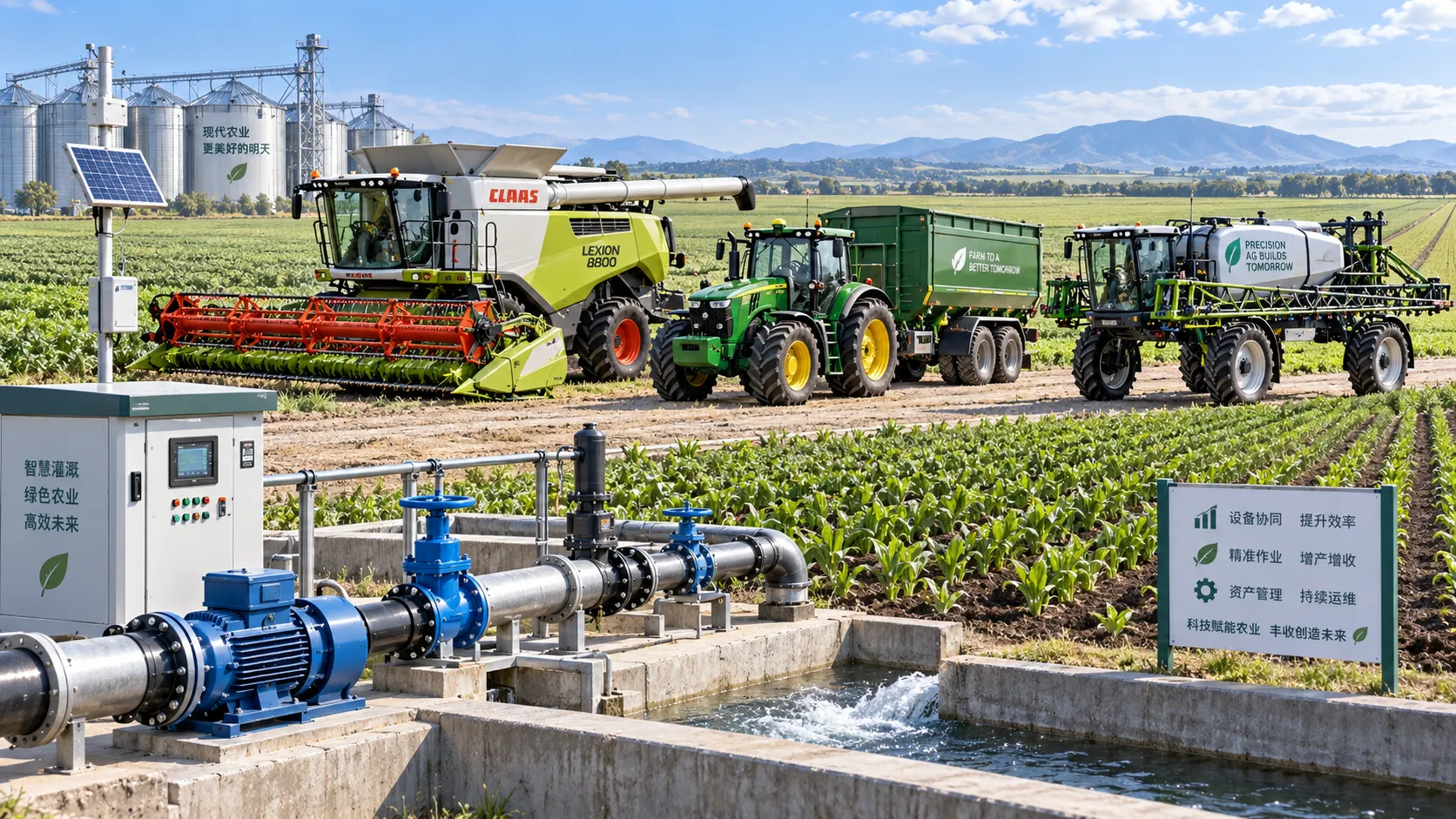
How to Compare Agricultural Equipment Platforms for Fleet Management and ROI
Agricultural equipment platform comparison: evaluate fleet data, maintenance, precision workflows, and ROI to choose a system that delivers measurable results.
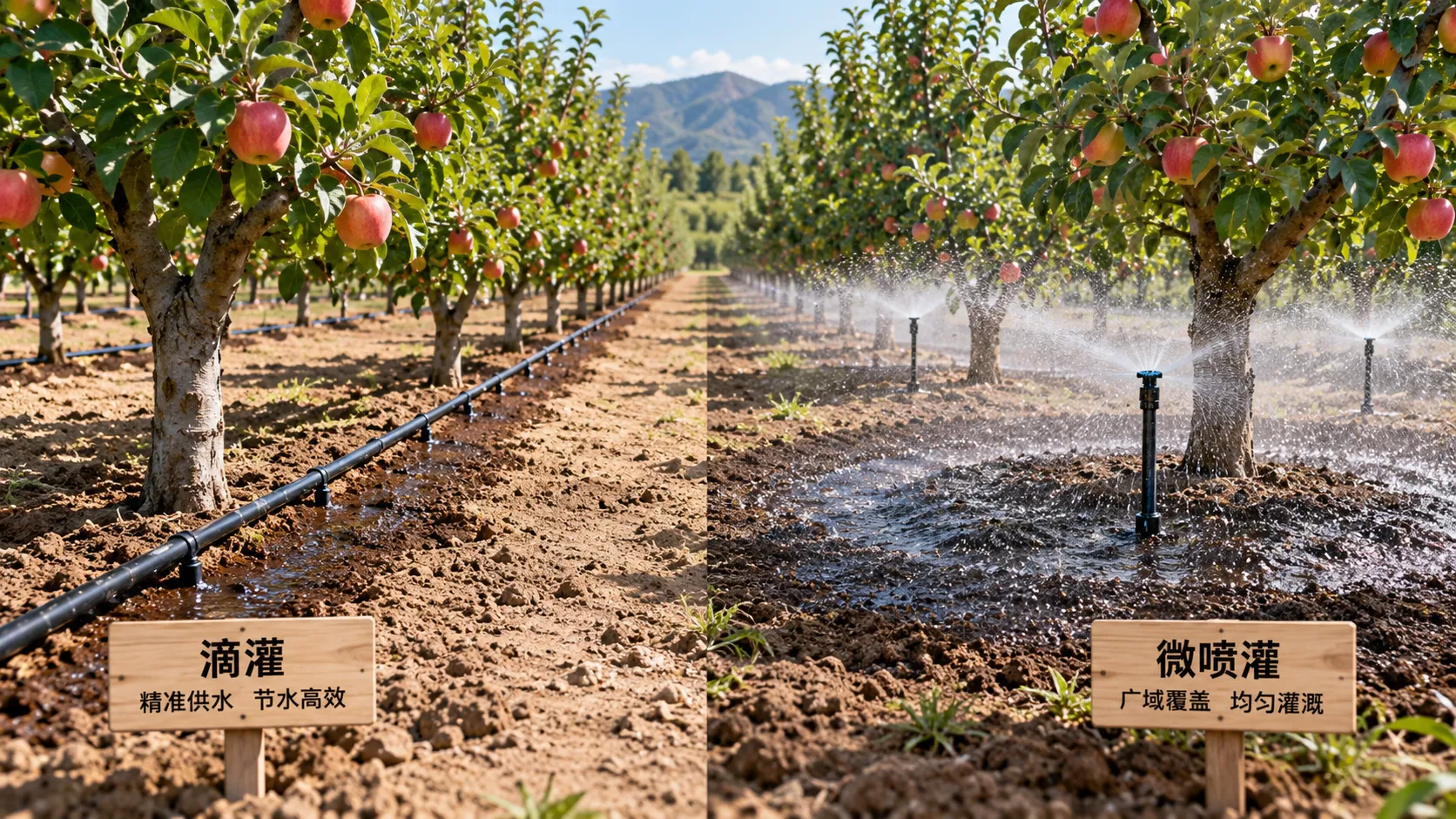
Drip vs. Micro-Sprinkler Irrigation: Which System Fits Your Orchard?
Irrigation solution comparison for orchards: discover whether drip or micro-sprinklers best match your water, soil, roots, fertigation, and frost needs.
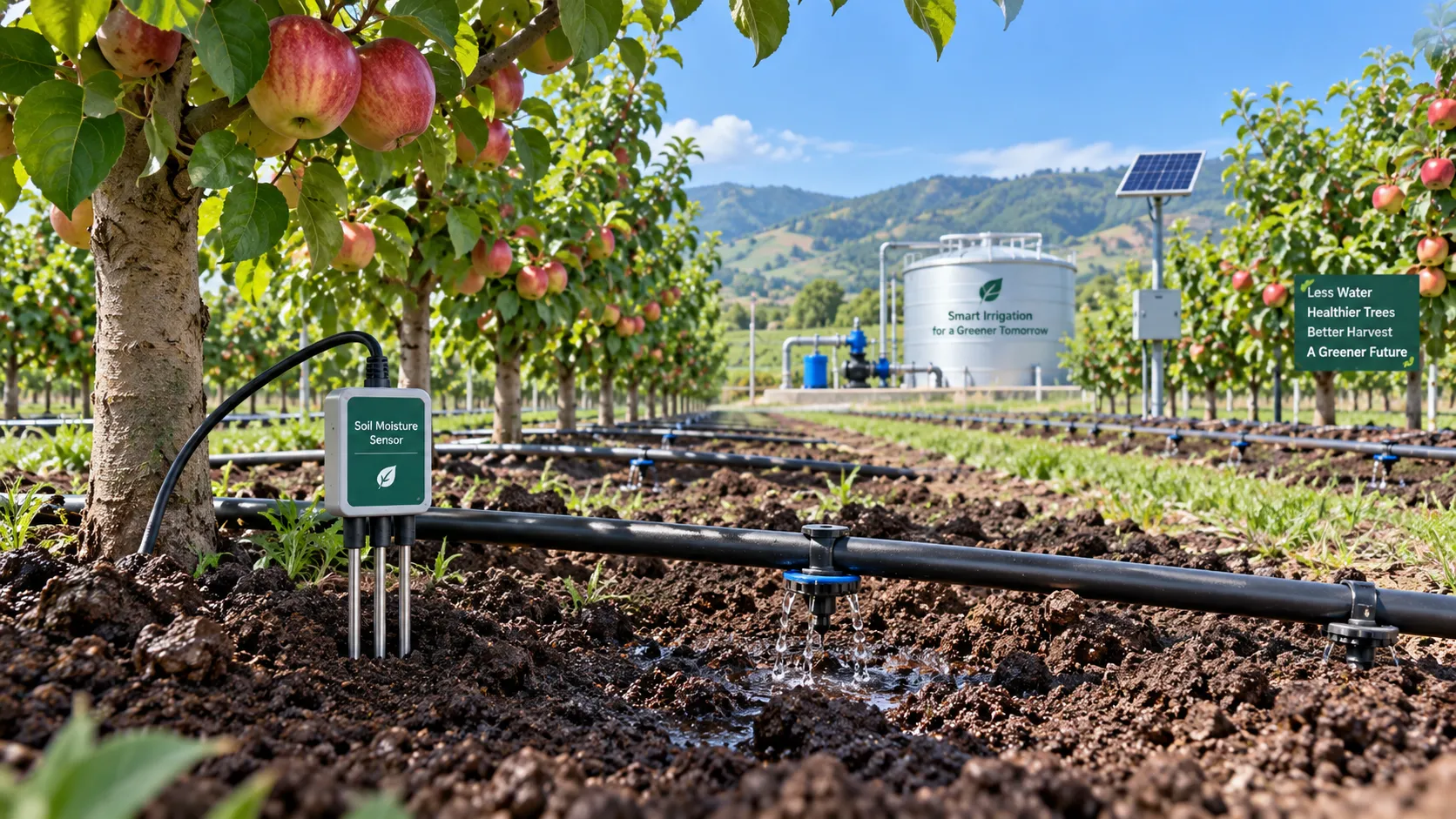
Orchard Water Management: Using Soil Moisture Data to Schedule Irrigation
Agricultural water management for orchards made practical: use soil moisture data to optimize irrigation timing, protect yield, reduce costs, and improve resilience.
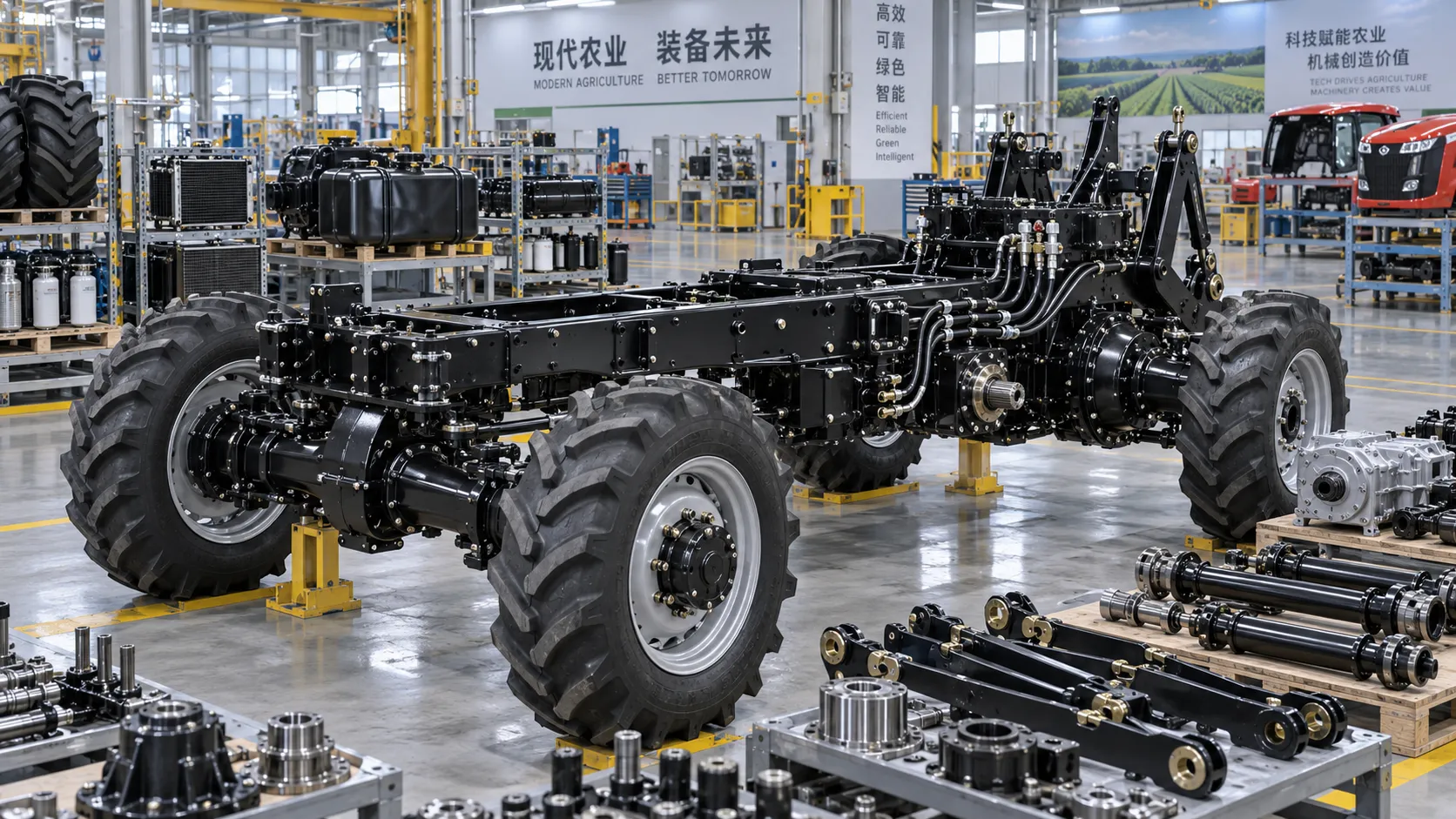
Tractor Chassis Price: What Buyers Should Compare Beyond the Initial Quote
Tractor chassis price is only the start. Compare load capacity, compatibility, durability, and lifecycle costs to choose a reliable, high-value chassis.
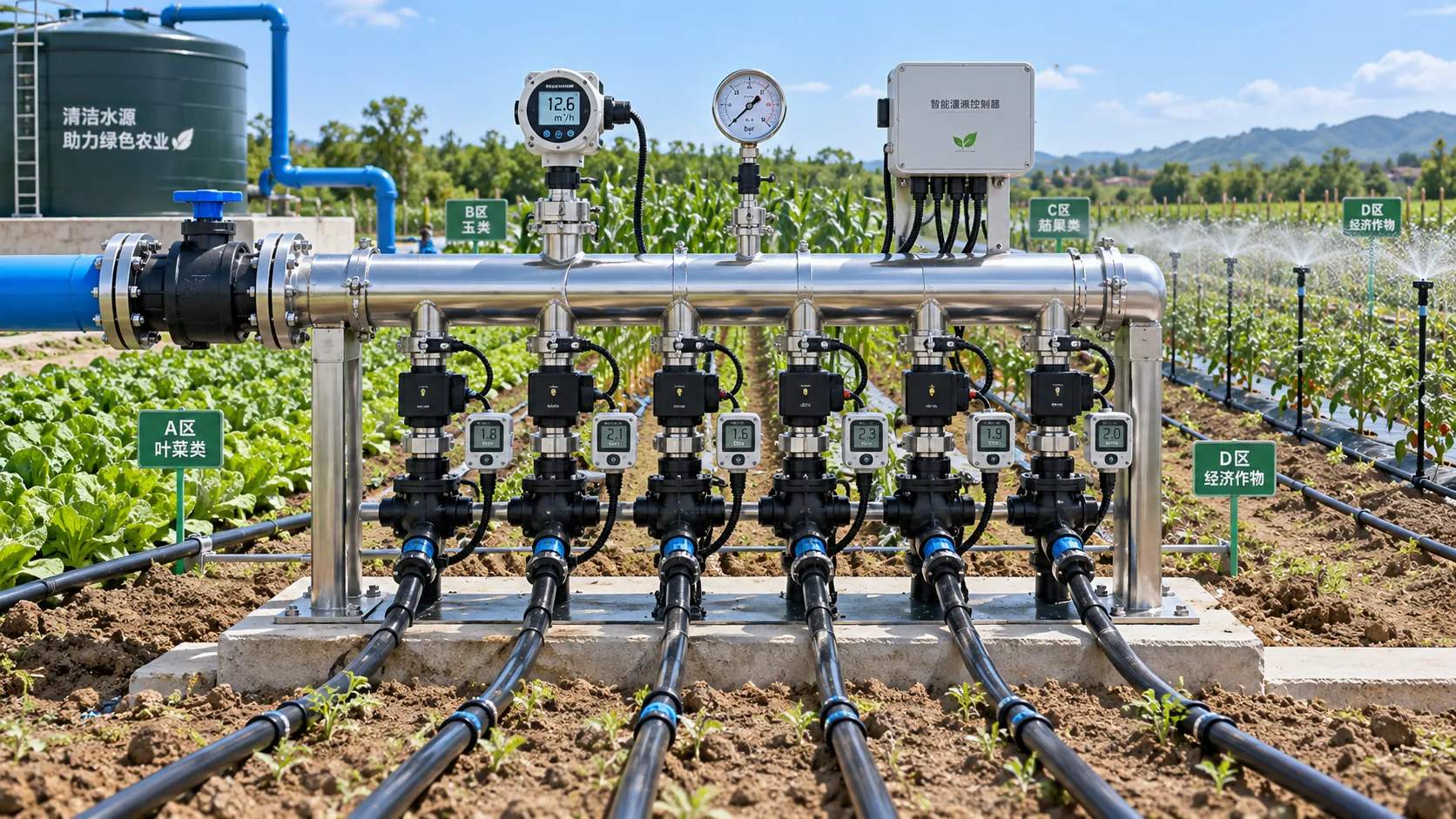
How to Select Smart Irrigation Valves for Multi-Zone Water Management?
Intelligent irrigation systems valves: learn how to match smart valves with multi-zone flow, pressure, control, feedback, and communication needs for reliable water management.
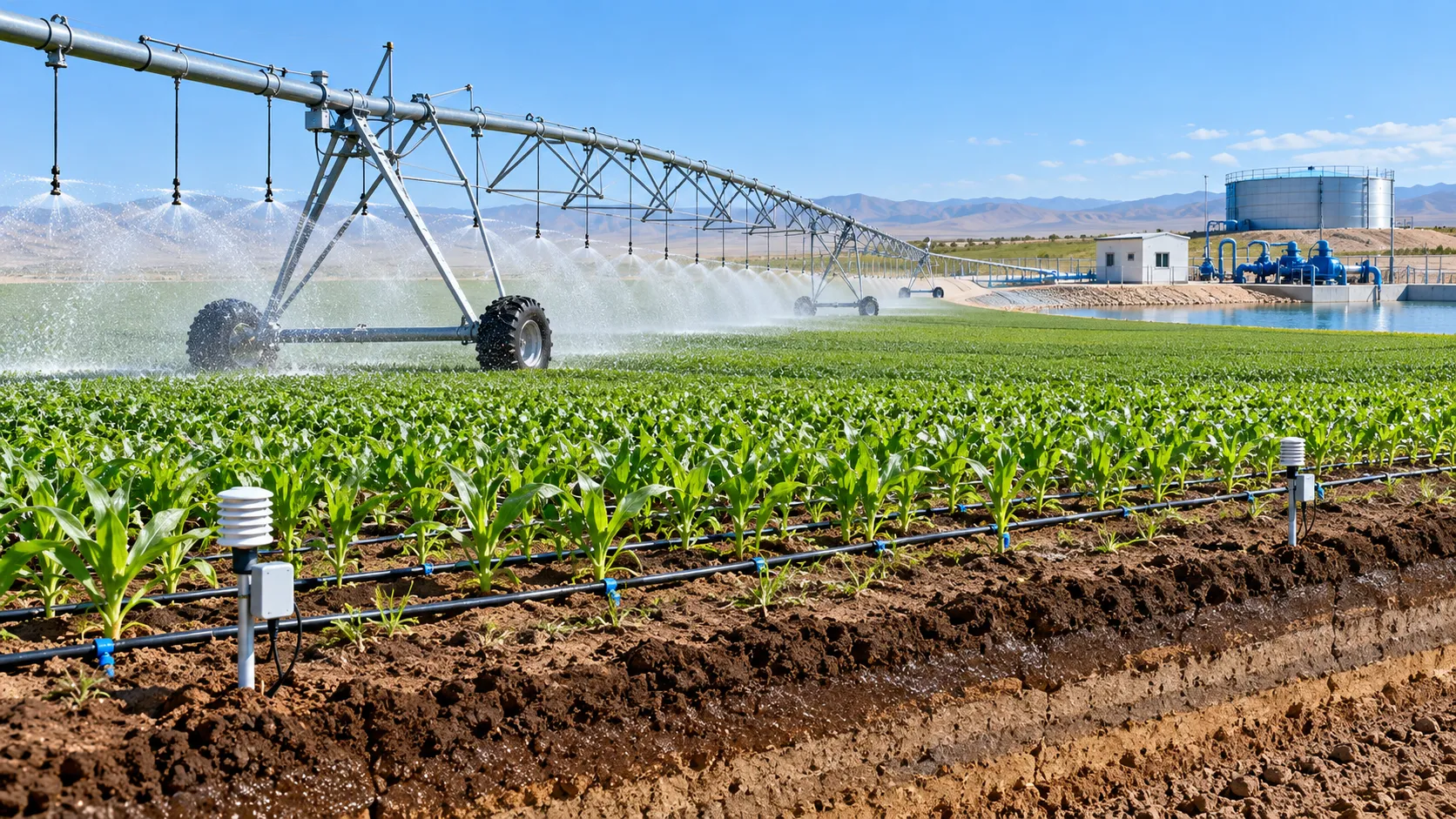
Climate-Smart Farming for Drought: A Practical Plan for Protecting Yields
Climate-smart farming for drought: build smarter water budgets, protect critical crop stages, improve irrigation uniformity, and safeguard yields with practical field-proven strategies.
How Digital Agriculture Platforms Turn Field Data Into Better Input Decisions
Digital agriculture platforms turn field data into smarter fertilizer, water, seed, and equipment decisions—helping farms cut risk, improve margins, and scale sustainability.
GPS-Guided Farm Machinery: Where It Delivers Measurable Field Efficiency Gains
Agri-mechanization GPS guided systems deliver measurable field efficiency gains through reduced overlap, precise planting, smarter inputs, and reliable farm data.
Related News
- 00
0000-00
How to Compare Agricultural Equipment Platforms for Fleet Management and ROI - 00
0000-00
Tractor Chassis Price: What Buyers Should Compare Beyond the Initial Quote - 00
0000-00
How Digital Agriculture Platforms Turn Field Data Into Better Input Decisions - 00
0000-00
When Does Agricultural Machinery Leasing Cost Less Than Owning Equipment? - 00
0000-00
Selecting Grain Farm Equipment by Acreage, Crop Mix, and Harvest Window
Popular Tags
Ms. Elena Rodriguez
Weekly Insights
Stay ahead with our curated technology reports delivered every Monday.