
How to Evaluate an Agricultural Machinery Platform for Multi-Brand Fleet Management
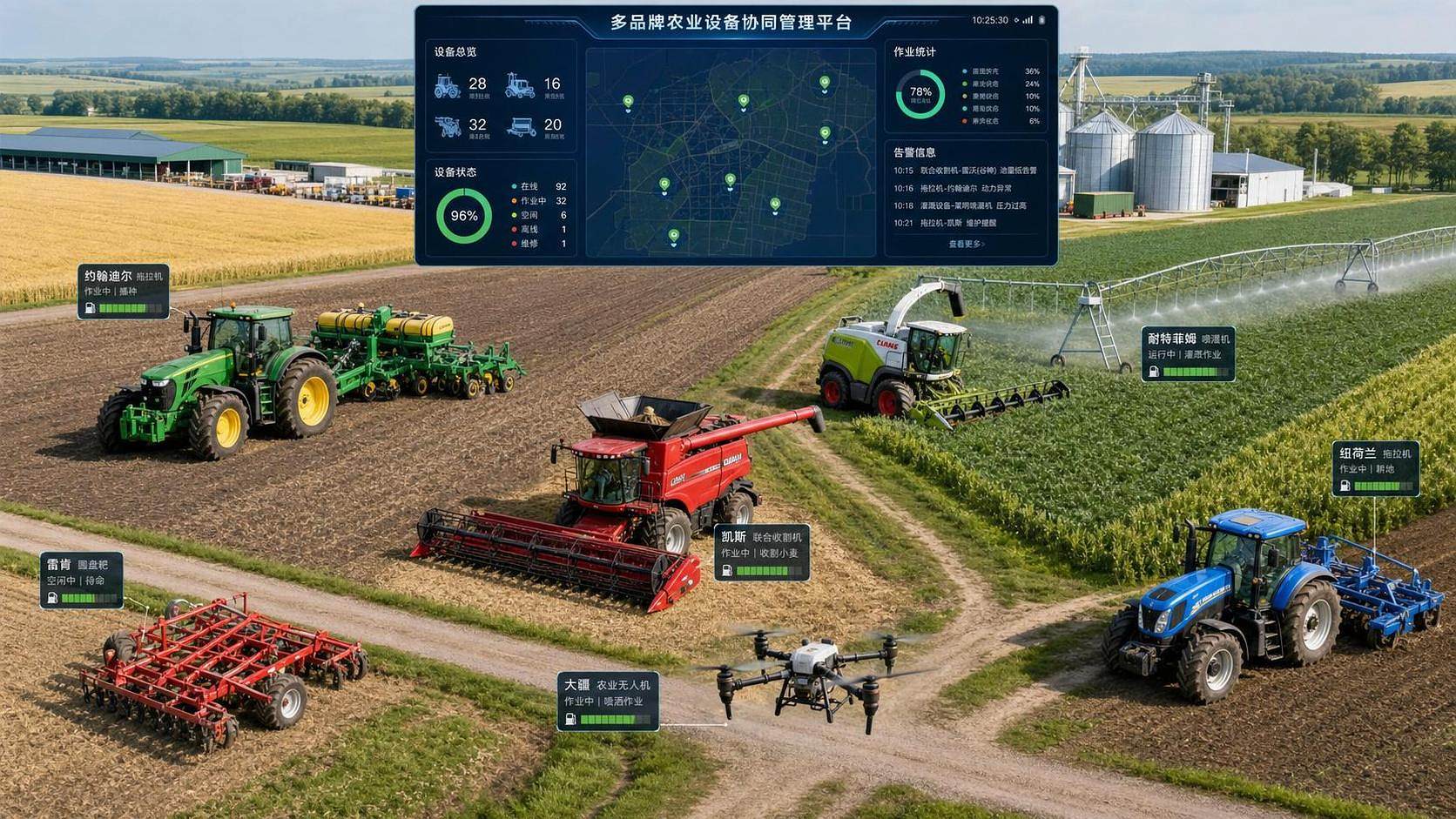




How to Evaluate an Agricultural Machinery Platform for Multi-Brand Fleet Management
Choosing the right agricultural machinery platform is no longer just an IT decision.
It shapes uptime, operating cost, and data control across modern farming fleets.
That matters even more when your equipment comes from several brands.
A strong agricultural machinery platform helps connect machines, people, and field decisions.
A weak one creates data gaps, extra service delays, and fragmented workflows.
In real operations, the difference appears quickly during planting, spraying, harvesting, and transport peaks.
The key is to evaluate the platform as an operating system for the fleet, not just a monitoring tool.
Why Multi-Brand Fleet Management Changes the Evaluation Standard
Single-brand environments are simpler.
Data formats, service logic, and machine interfaces usually come from one ecosystem.
Multi-brand fleets are different.
They combine tractors, combines, implements, and irrigation assets with different protocols and software maturity.
That means an agricultural machinery platform must normalize data before it can support decisions.
It also needs to handle uneven telemetry quality across legacy and newer equipment.
From a decision perspective, interoperability becomes the first filter, not an extra feature.
What Decision Makers Should Look For First
- Coverage across major machine brands and model generations
- Reliable ingestion of engine, hydraulic, fuel, and work status data
- Support for mixed assets, including implements and irrigation equipment
- Clear ownership of data, access rights, and export capability
- A practical path to connect legacy equipment without major retrofit cost
Core Evaluation Criteria for an Agricultural Machinery Platform
1. Equipment Compatibility and Integration Depth
Compatibility is not a yes-or-no checkbox.
The real question is how deeply the agricultural machinery platform can read and interpret each machine.
Some platforms only show location and engine hours.
Others capture task progress, fault codes, fuel burn, implement behavior, and operator patterns.
That depth directly affects service planning and field execution.
Ask for a brand-by-brand matrix, not a generic compatibility claim.
2. Data Standardization Across Brands
An agricultural machinery platform becomes valuable when it turns mixed machine data into one operational language.
Without that, your dashboard may look unified while the underlying logic remains fragmented.
Compare how the platform defines idle time, work time, fuel efficiency, and machine availability.
If those definitions change by brand, benchmarking will be misleading.
3. Maintenance Intelligence and Service Workflow
Predictive maintenance is often overpromised.
What matters is whether the agricultural machinery platform can improve service timing and spare parts readiness.
Look for alert quality, fault prioritization, technician workflow, and repair history tracking.
A useful system helps teams act earlier, not simply read more alarms.
This becomes critical during harvest windows where every downtime hour has a direct revenue impact.
4. Precision Agriculture and Workflow Integration
The best agricultural machinery platform should connect fleet data with agronomic action.
That includes field boundaries, guidance lines, prescription maps, task records, and input traceability.
For enterprises investing in Agriculture 4.0, this link is no longer optional.
It is the basis for measuring machine productivity against agronomic outcomes.
5. Scalability, Security, and Governance
A platform that works for fifty machines may fail at five hundred.
Review user roles, site structures, API access, and audit trails early.
Data governance is especially important when operations span dealers, contractors, and regional subsidiaries.
A credible agricultural machinery platform should support scale without losing control.
Questions to Ask During Vendor Evaluation
Vendor demos usually look clean.
The real insight comes from asking operational questions that expose limitations.
- Which brands and model years support full telemetry, partial telemetry, or gateway-only access?
- How does the agricultural machinery platform validate data quality from different OEM sources?
- What happens when cellular coverage drops during field operations?
- Can the system integrate with ERP, FMIS, dealer service systems, and irrigation controls?
- Who owns historical fleet data if the contract ends?
- What implementation resources are required from internal teams?
These questions usually reveal whether the platform is built for enterprise reality or for presentation value.
Common Risks When Selecting an Agricultural Machinery Platform
Overestimating OEM Neutrality
Some providers present themselves as open platforms.
In practice, one preferred brand may still receive the best analytics and fastest support.
That imbalance can distort fleet decisions over time.
Ignoring Legacy Equipment Constraints
Many fleets still depend on older tractors, combines, and irrigation assets.
If the agricultural machinery platform cannot onboard those assets economically, visibility stays incomplete.
That reduces both reporting accuracy and ROI.
Buying for Features Instead of Decisions
A long feature list can be distracting.
The better test is simple.
Will the agricultural machinery platform help reduce downtime, lower input waste, and improve task timing?
If the answer remains vague, the platform is not ready for strategic deployment.
A Practical Scoring Model for Final Selection
A structured scorecard keeps the evaluation disciplined.
It also helps align technical teams with commercial and operational priorities.
The exact weights can vary by business model.
Still, this approach keeps the agricultural machinery platform tied to measurable business value.
What Strong Platforms Typically Have in Common
Across the market, the stronger platforms usually share a few traits.
- They treat machine data as an operational asset, not a visual dashboard feed.
- They support both current field execution and long-cycle asset planning.
- They integrate precision farming, service management, and business reporting.
- They remain practical when mixed brands, mixed ages, and mixed regions are involved.
This is where industry intelligence also matters.
AP-Strategy has consistently highlighted the same pattern across global mechanization trends.
The future of fleet management is not just autonomy or electrification alone.
It is the ability to connect machine performance, agronomic precision, and sustainability targets inside one decision framework.
Final Decision Guidance
The right agricultural machinery platform should make a multi-brand fleet easier to run, not harder to explain.
Focus on compatibility depth, data consistency, maintenance actionability, and precision agriculture integration.
Then test governance, scalability, and implementation realism before making the final commitment.
In practical terms, shortlist platforms only after a real pilot with mixed brands and live field conditions.
That is usually the fastest way to separate attractive software from strategic infrastructure.
When the evaluation stays tied to uptime, cost control, and agronomic execution, the best choice becomes much clearer.
Related News
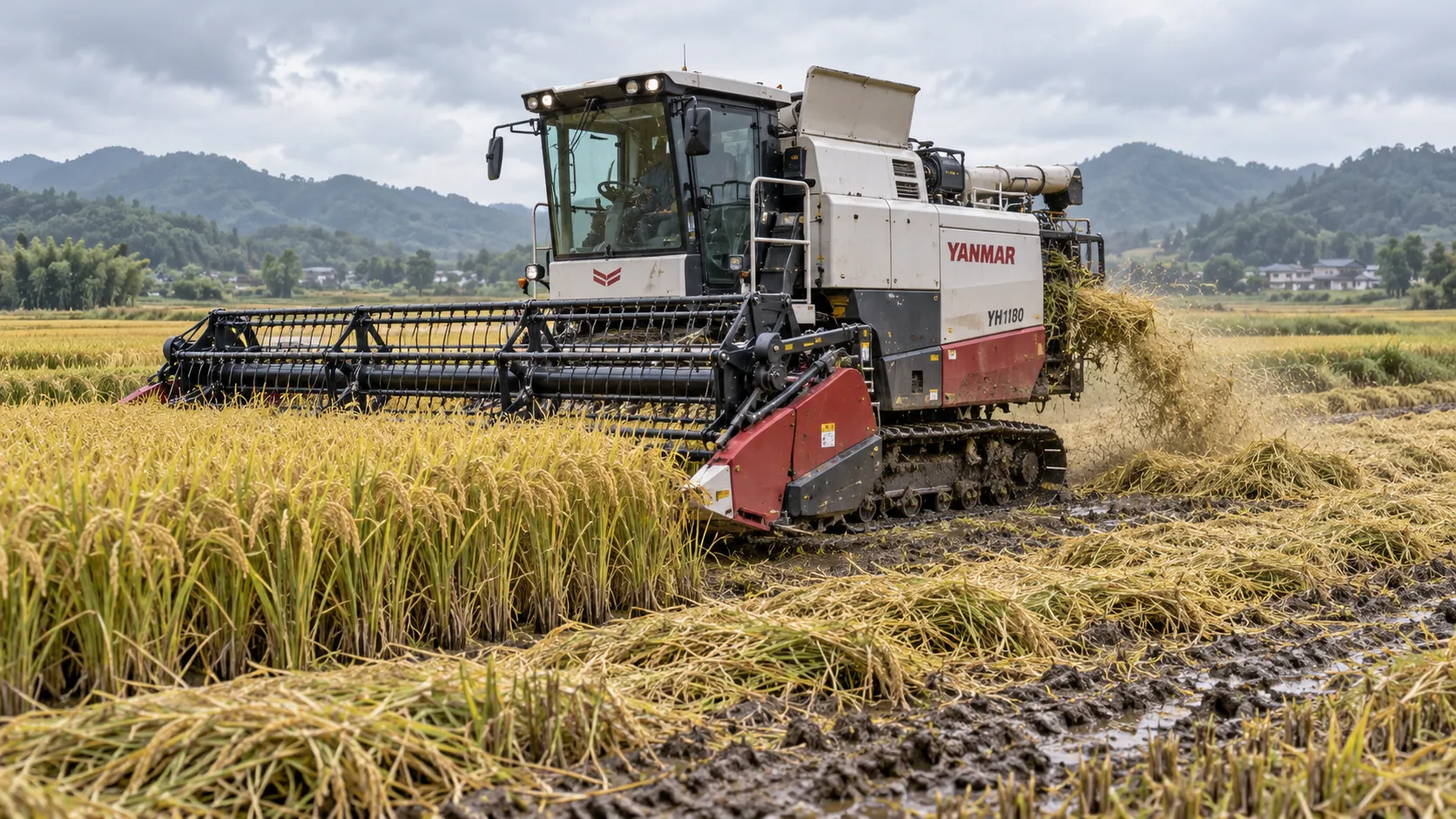
How to Specify Combine Harvester Systems for High-Moisture Grain and Variable Field Conditions
Combine harvester systems for high-moisture grain: learn how to specify threshing, cleaning, headers, traction, and automation for reliable harvests in variable fields.
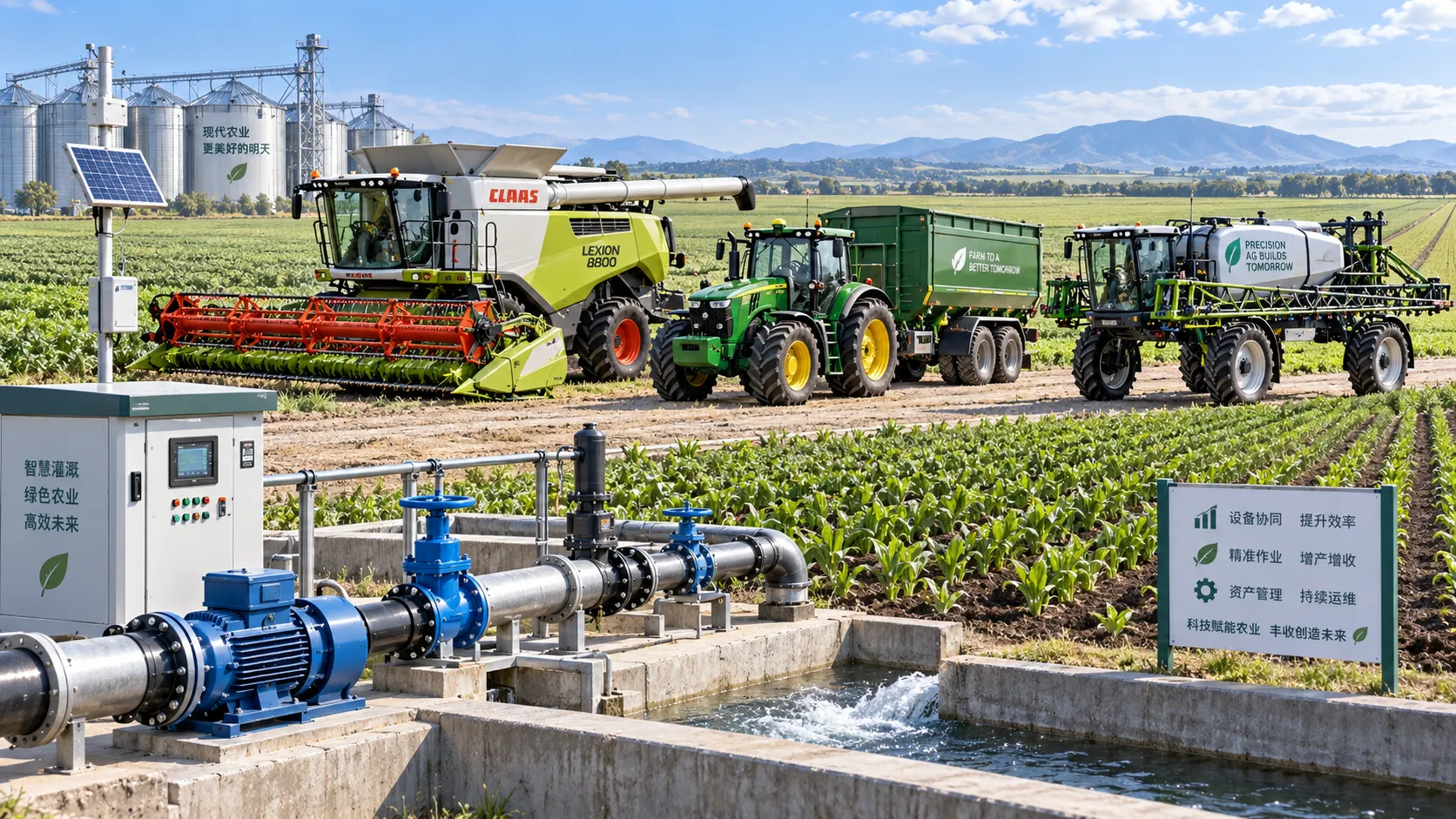
How to Compare Agricultural Equipment Platforms for Fleet Management and ROI
Agricultural equipment platform comparison: evaluate fleet data, maintenance, precision workflows, and ROI to choose a system that delivers measurable results.
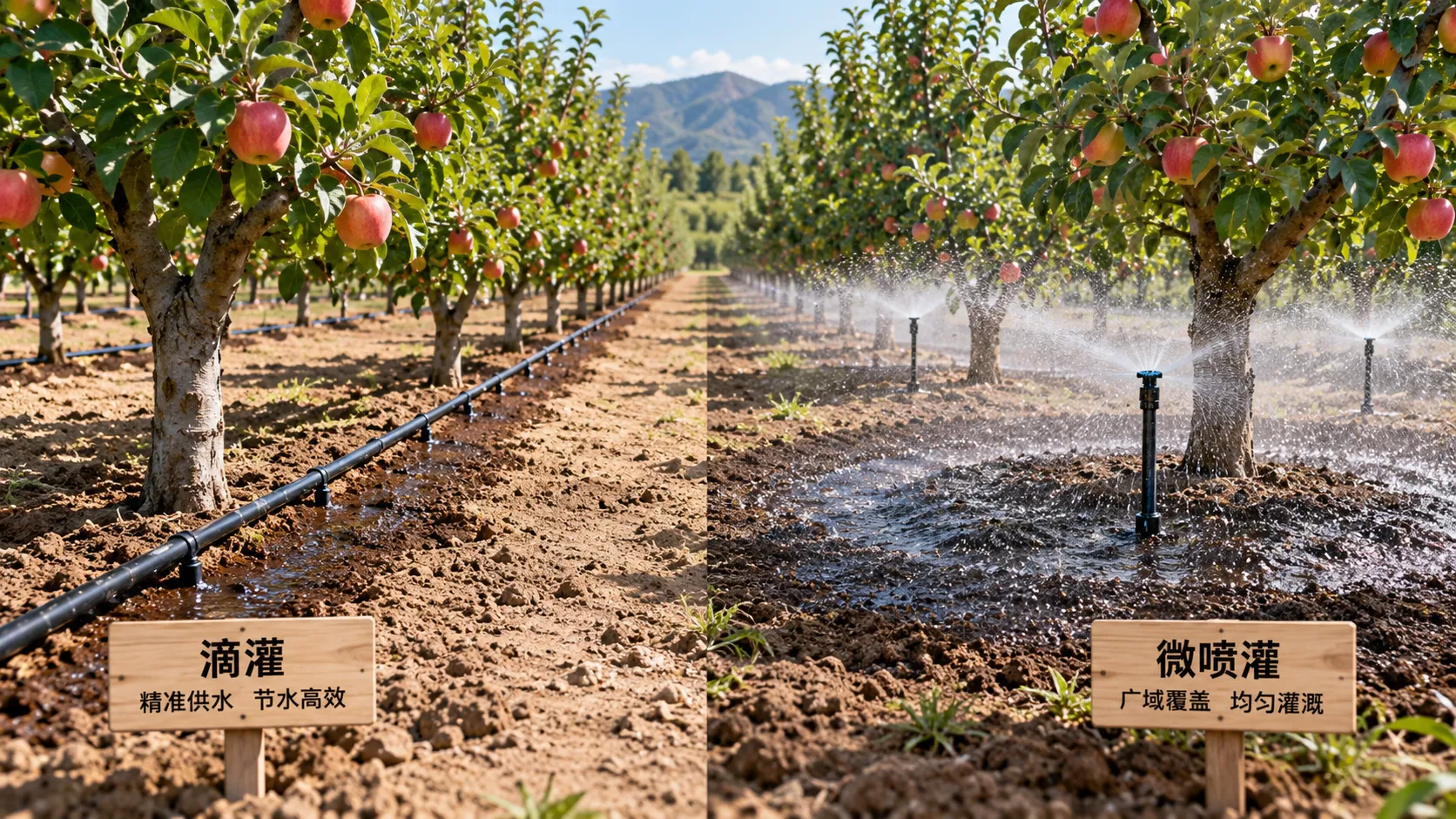
Drip vs. Micro-Sprinkler Irrigation: Which System Fits Your Orchard?
Irrigation solution comparison for orchards: discover whether drip or micro-sprinklers best match your water, soil, roots, fertigation, and frost needs.
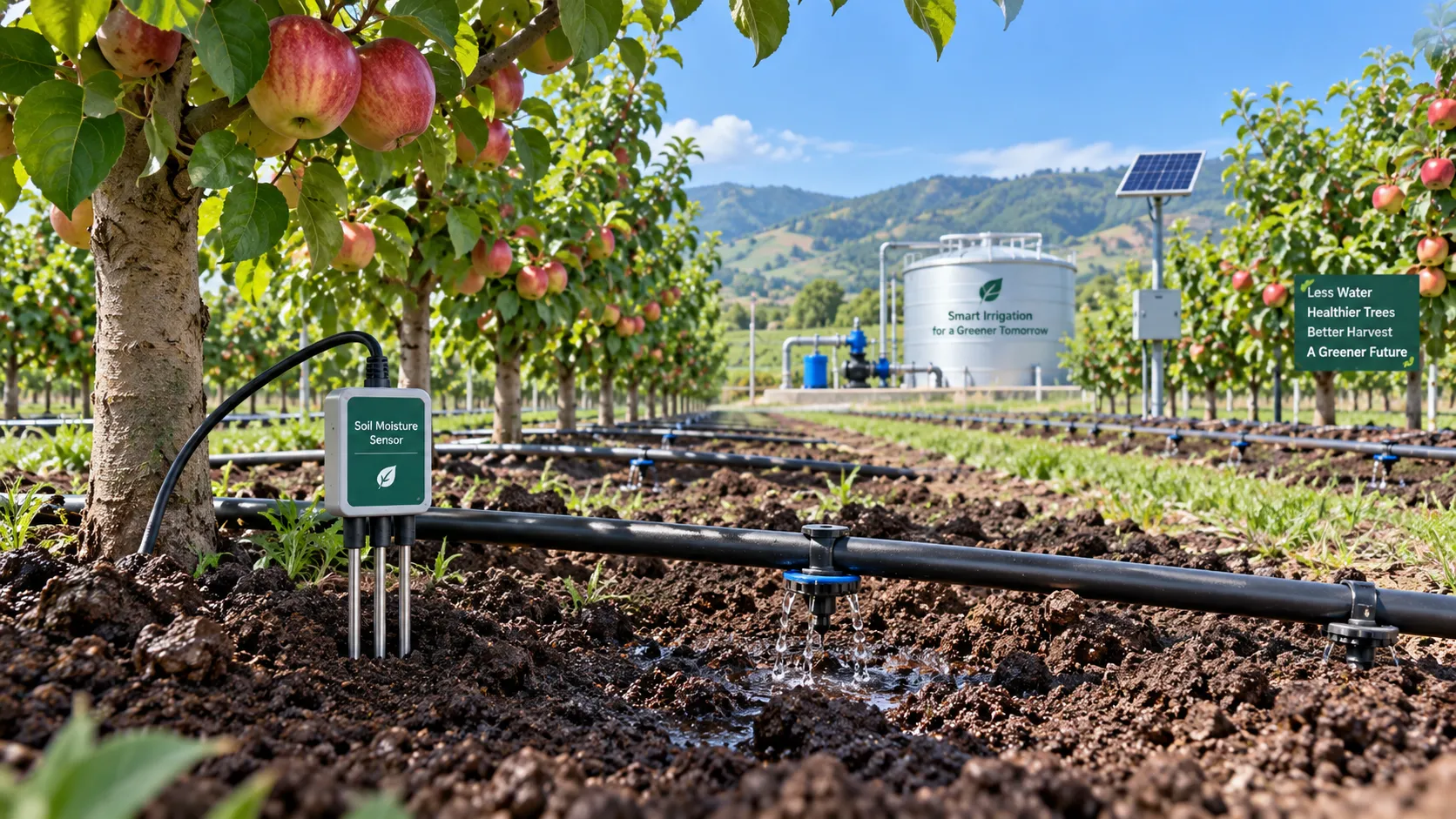
Orchard Water Management: Using Soil Moisture Data to Schedule Irrigation
Agricultural water management for orchards made practical: use soil moisture data to optimize irrigation timing, protect yield, reduce costs, and improve resilience.
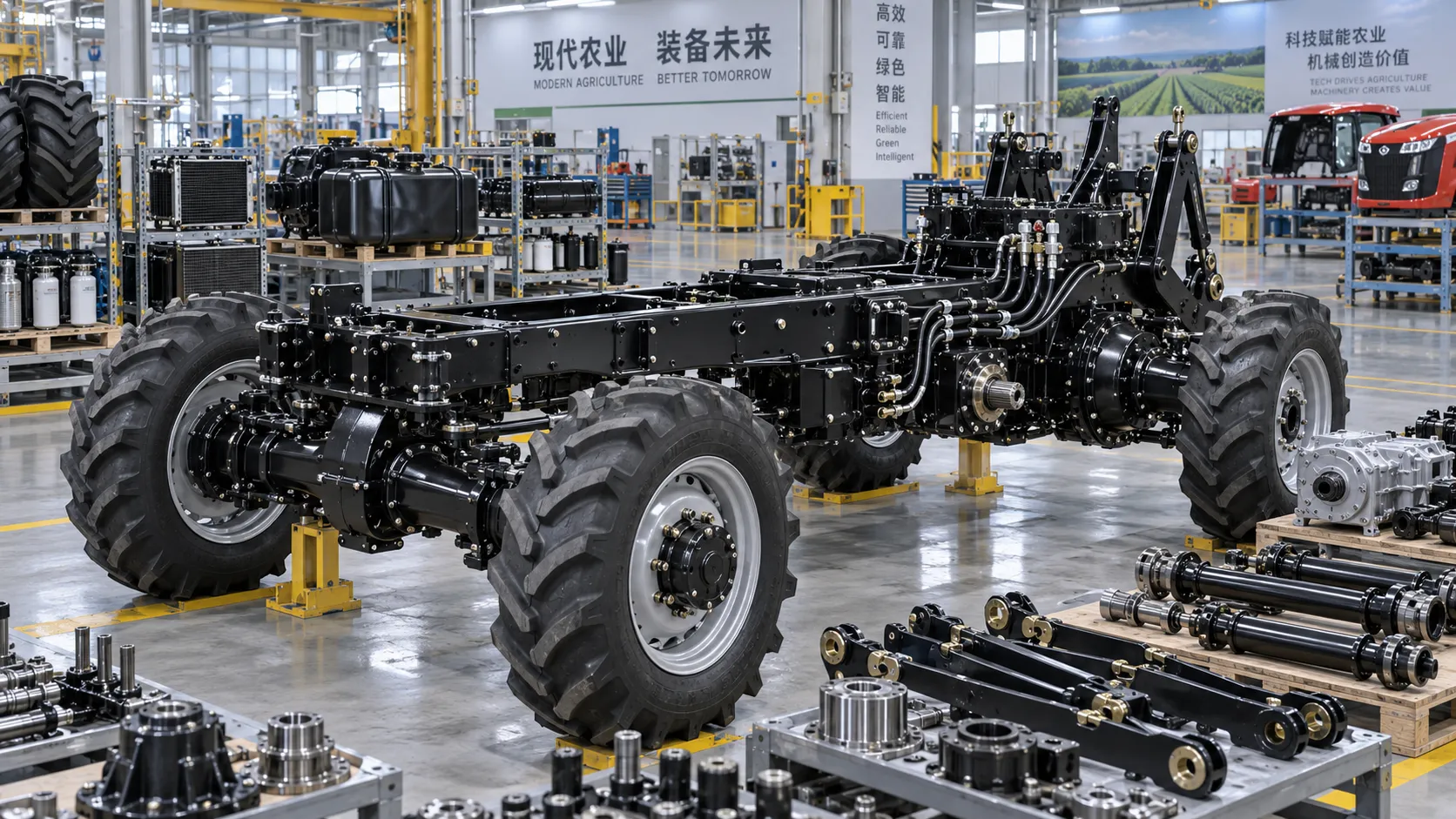
Tractor Chassis Price: What Buyers Should Compare Beyond the Initial Quote
Tractor chassis price is only the start. Compare load capacity, compatibility, durability, and lifecycle costs to choose a reliable, high-value chassis.
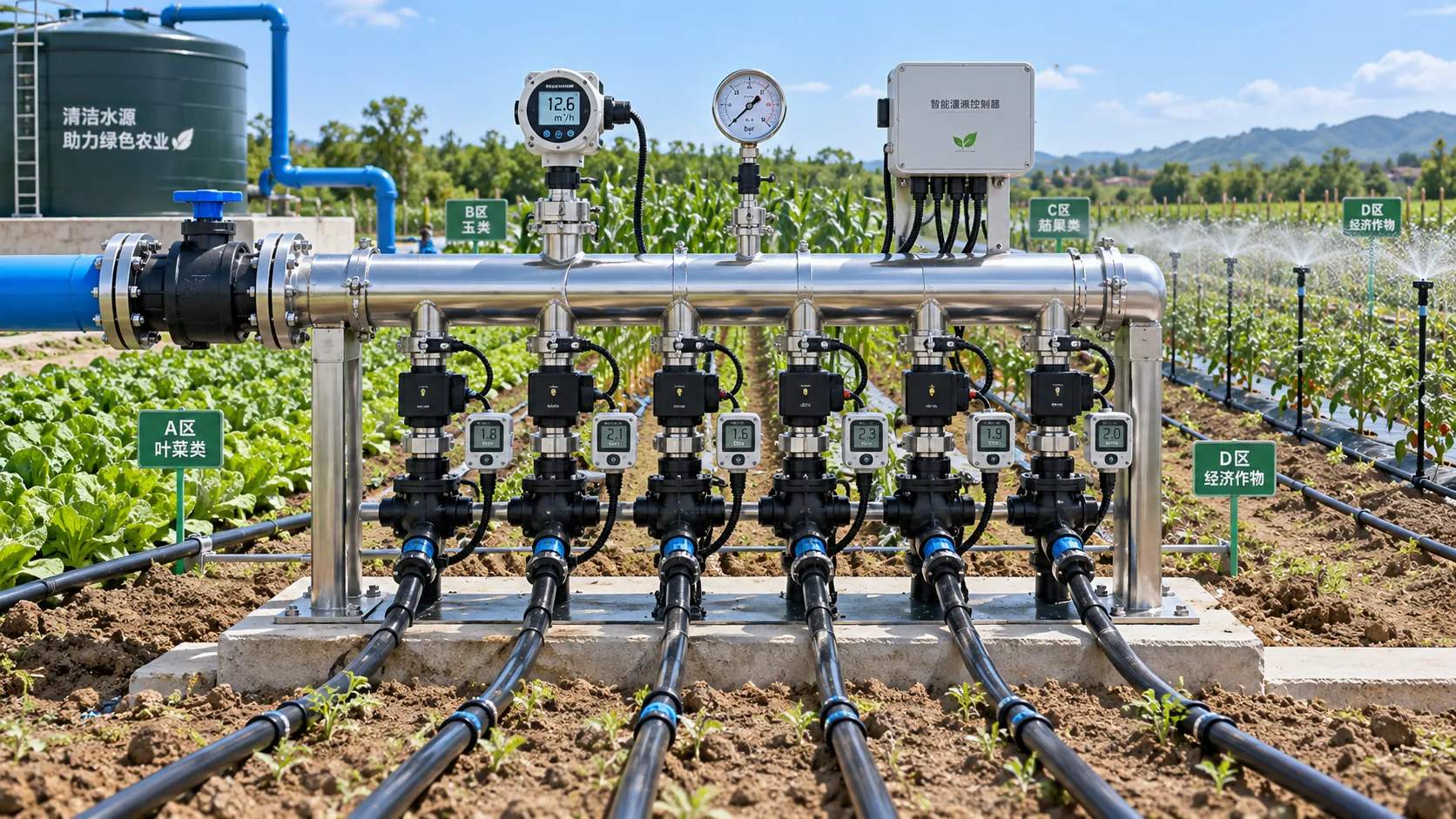
How to Select Smart Irrigation Valves for Multi-Zone Water Management?
Intelligent irrigation systems valves: learn how to match smart valves with multi-zone flow, pressure, control, feedback, and communication needs for reliable water management.
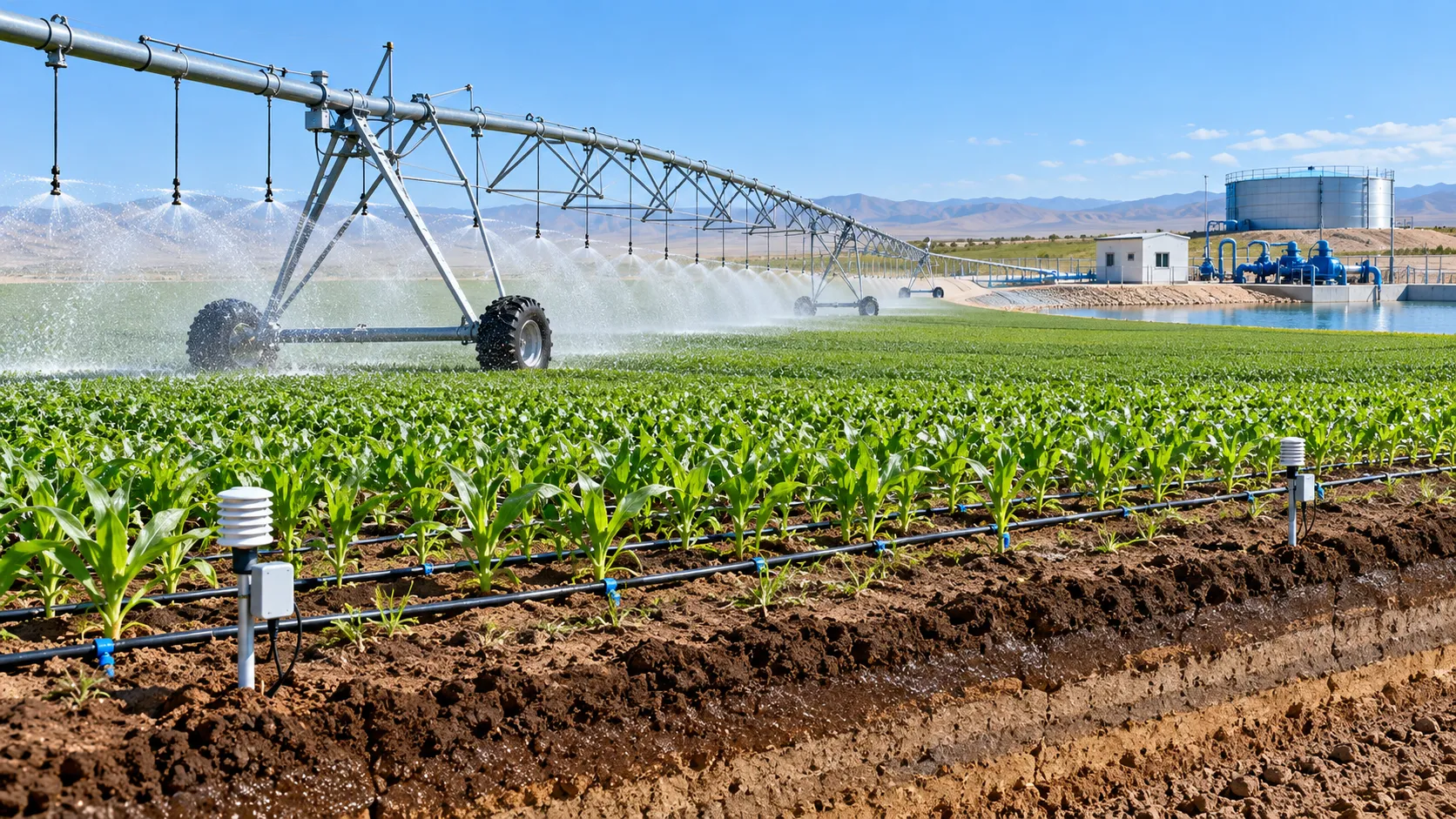
Climate-Smart Farming for Drought: A Practical Plan for Protecting Yields
Climate-smart farming for drought: build smarter water budgets, protect critical crop stages, improve irrigation uniformity, and safeguard yields with practical field-proven strategies.
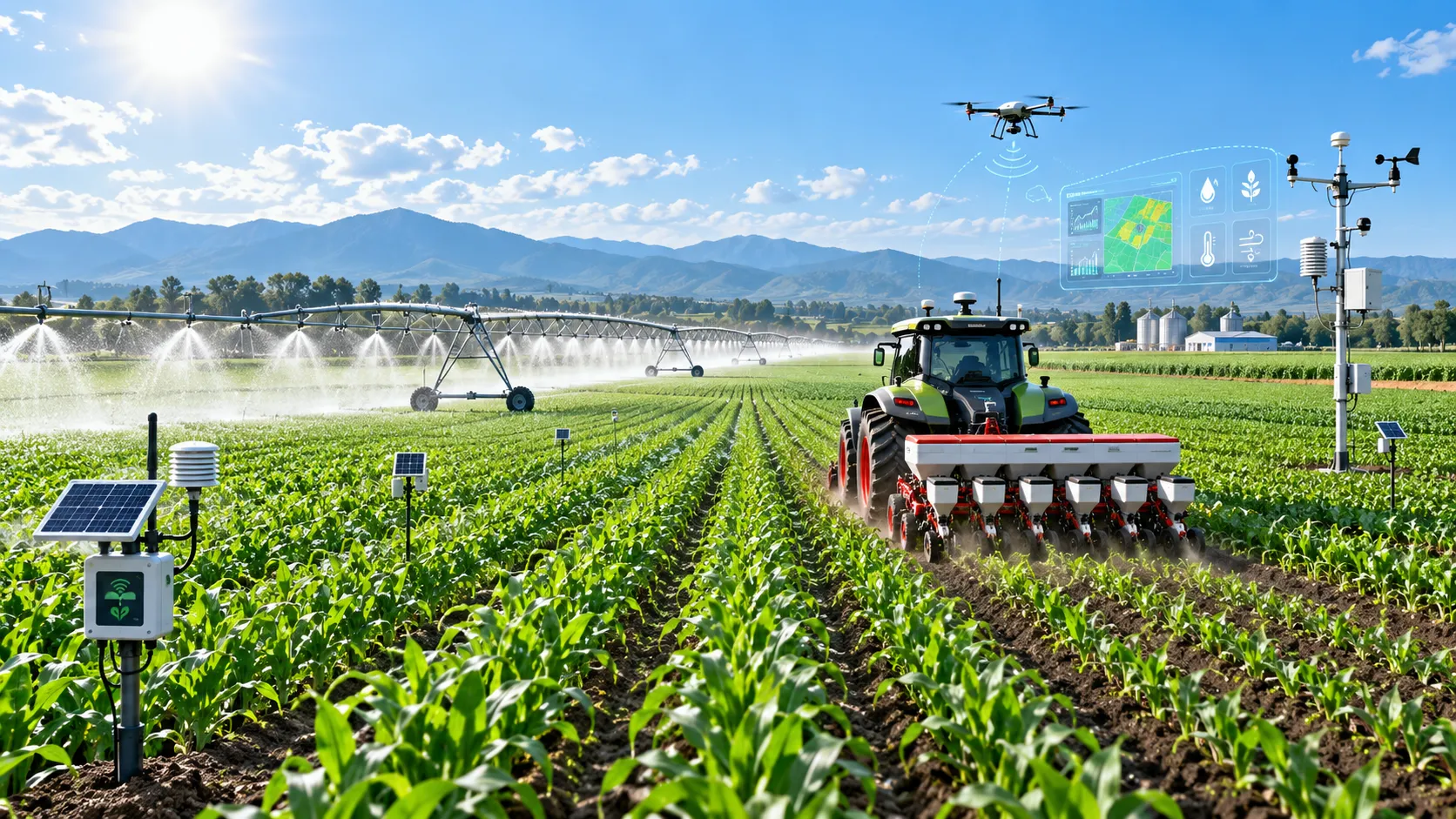
How Digital Agriculture Platforms Turn Field Data Into Better Input Decisions
Digital agriculture platforms turn field data into smarter fertilizer, water, seed, and equipment decisions—helping farms cut risk, improve margins, and scale sustainability.
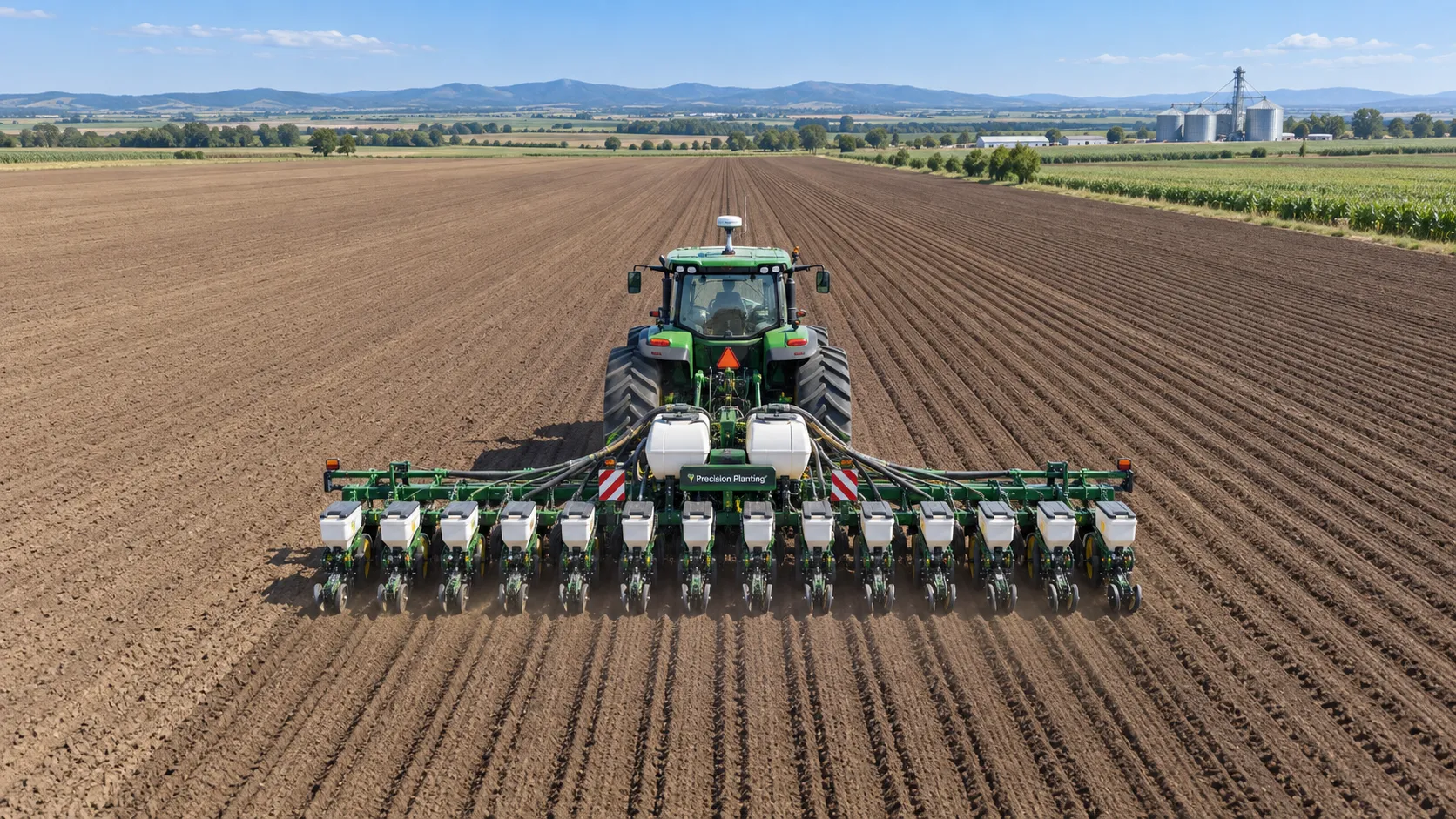
GPS-Guided Farm Machinery: Where It Delivers Measurable Field Efficiency Gains
Agri-mechanization GPS guided systems deliver measurable field efficiency gains through reduced overlap, precise planting, smarter inputs, and reliable farm data.
Related News
- 00
0000-00
How to Compare Agricultural Equipment Platforms for Fleet Management and ROI - 00
0000-00
Tractor Chassis Price: What Buyers Should Compare Beyond the Initial Quote - 00
0000-00
How Digital Agriculture Platforms Turn Field Data Into Better Input Decisions - 00
0000-00
When Does Agricultural Machinery Leasing Cost Less Than Owning Equipment? - 00
0000-00
Selecting Grain Farm Equipment by Acreage, Crop Mix, and Harvest Window
Popular Tags
Ms. Elena Rodriguez
Weekly Insights
Stay ahead with our curated technology reports delivered every Monday.