
Combine Harvester Market Insights: Key Demand Shifts, Pricing Signals, and Dealer Opportunities
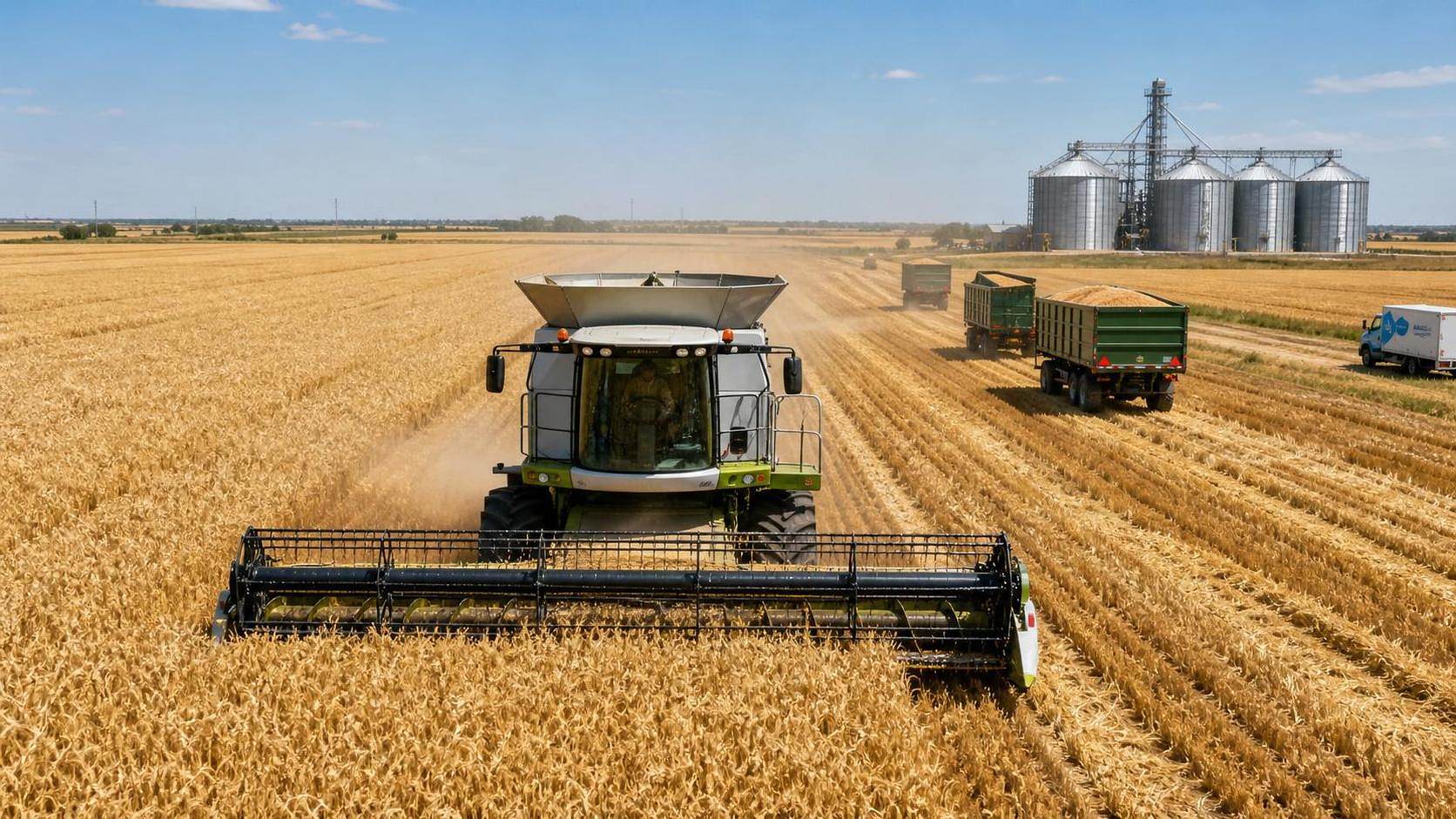




Combine harvester demand is moving into a more selective cycle
The latest combine harvester market insight content points to a market that is still active, but no longer driven by volume alone.
Replacement decisions are becoming more deliberate. Buyers are comparing fuel burn, grain loss control, uptime, and operator support before making commitments.
That shift matters across the wider agri-equipment chain. A combine is now judged as part of an Agriculture 4.0 operating system, not a standalone machine.
This is where AP-Strategy’s perspective becomes useful. The strongest signals sit between mechanical performance, precision data, seasonal risk, and food security pressure.
From recent market movement, the clearer message is this: demand has not weakened uniformly. It has become segmented, technical, and timing-sensitive.
That makes combine harvester market insight content especially valuable for channel planning, inventory structure, and commercial positioning in a competitive harvest window.
What is changing now is the shape of demand, not only the pace
In several regions, fleet renewal is no longer tied only to machine age. It is tied to field efficiency under volatile labor, fuel, and weather conditions.
Large grain operations are still investing, but they are concentrating budgets on fewer machines with stronger throughput and cleaner data integration.
Mid-sized operators are showing a different pattern. They often delay full replacement, while favoring retrofit-friendly platforms or used units with service visibility.
A more noticeable signal is crop-specific demand. Rice, wheat, corn, and mixed-crop environments are shaping header choices, cleaning systems, and terrain handling priorities.
This means combine harvester market insight content now needs to track use-case fit, not just national shipment totals or broad equipment sentiment.
- Higher interest in telematics-ready combines that support maintenance visibility during narrow harvest periods.
- Stronger attention to grain loss monitoring in regions facing tighter margin pressure.
- Growing demand for machines that can perform across uneven moisture and residue conditions.
- More scrutiny of parts access, technician coverage, and preseason inspection programs.
The practical result is a more layered market. Sales velocity can remain healthy even when unit decisions take longer.
Why pricing signals are becoming harder to read at first glance
Pricing in the combine segment is no longer a simple reflection of steel cost or annual demand. It is being shaped by a wider cost and value equation.
Electronic controls, guidance compatibility, emissions compliance, and software-linked support are changing both list prices and transaction expectations.
At the same time, freight, currency movement, and region-specific financing conditions can alter final pricing faster than standard catalog adjustments suggest.
That is why good combine harvester market insight content should separate price inflation from value migration. The two are not the same.
In actual transactions, financing terms can now be as decisive as machine specification. That changes how pricing signals should be interpreted.
The strongest demand driver is operational certainty during narrow harvest windows
Weather volatility is compressing workable harvest days in many markets. That raises the value of uptime, adaptive settings, and fast support response.
A combine that reduces field delays by even a small margin can protect more value than a lower upfront price in a difficult season.
This is one reason higher-spec combines continue to attract attention even when financing costs remain elevated.
Another driver comes from labor. Skilled operators are harder to secure in some regions, so interface simplicity and automated calibration features matter more.
AP-Strategy has long linked combine performance with the broader mechanics of smart cultivation. That view is increasingly aligned with real market behavior.
Machines are being assessed alongside tractor power, data workflows, field mapping, and irrigation planning because harvest performance now influences wider farm decisions.
Technology demand is becoming practical, not experimental
There is still interest in autonomous and advanced sensing functions, but buying decisions are becoming more grounded in measurable returns.
The most persuasive features are not the most futuristic ones. They are the features that cut loss, reduce setup time, or simplify in-season decisions.
That includes yield mapping reliability, auto-adjust cleaning systems, moisture-aware settings, and maintenance alerts tied to field workload.
Well-made combine harvester market insight content should therefore read technology demand through operational proof, not innovation headlines alone.
- Telematics matters when it shortens downtime diagnosis.
- Automation matters when it lowers dependence on top-tier operator experience.
- Sensor systems matter when they protect grain quality and reduce cleaning losses.
- Platform compatibility matters when data must flow into broader precision farming tools.
This trend also supports stronger aftersales value. Digital support, software updates, and calibration guidance increasingly influence renewal loyalty.
Channel opportunities are opening where service depth matches equipment complexity
One of the clearest takeaways from current combine harvester market insight content is that channel opportunity is no longer defined by territory coverage alone.
The more complex the machine mix becomes, the more value shifts toward diagnosis speed, preseason readiness, and parts predictability.
That creates room for stronger market positions in several practical areas.
- Certified used combine programs with documented maintenance history.
- Pre-harvest inspection campaigns tied to wear-part planning.
- Crop-specific setup support for headers, threshing, and cleaning calibration.
- Remote troubleshooting capabilities during peak seasonal demand.
- Bundled offers that connect combines with tractors, farm tools, or data services.
More importantly, these opportunities fit the broader AP-Strategy view of mechanization, precision farming, and resource efficiency as one connected field system.
When channel strategy reflects that connection, commercial resilience improves even in uneven demand cycles.
The next signals to watch are less about headline volume and more about decision quality
Looking ahead, the market may stay mixed by region, crop outlook, and financing environment. But the key indicators are already becoming clearer.
Watch whether trade-in activity improves, whether used values hold after harvest, and whether software-enabled models keep winning despite tighter budgets.
Also watch policy movement around emissions, sustainability reporting, and water efficiency. Those issues increasingly influence machinery priorities across the farm system.
This is especially relevant in an environment where intelligent irrigation, power chassis efficiency, and harvesting performance are becoming more strategically linked.
The more reliable combine harvester market insight content will therefore combine field economics with technology adoption, service readiness, and regional operational risk.
A sensible next step is to review inventory mix, refine pricing assumptions by region, and compare which service-led offers align with current replacement behavior.
It is also worth building a simple watchlist around uptime metrics, trade cycle timing, used equipment turnover, and demand for precision-ready harvesting systems.
The market is still moving, but it is rewarding sharper interpretation. That is the real message behind today’s combine harvester market insight content.
Related News
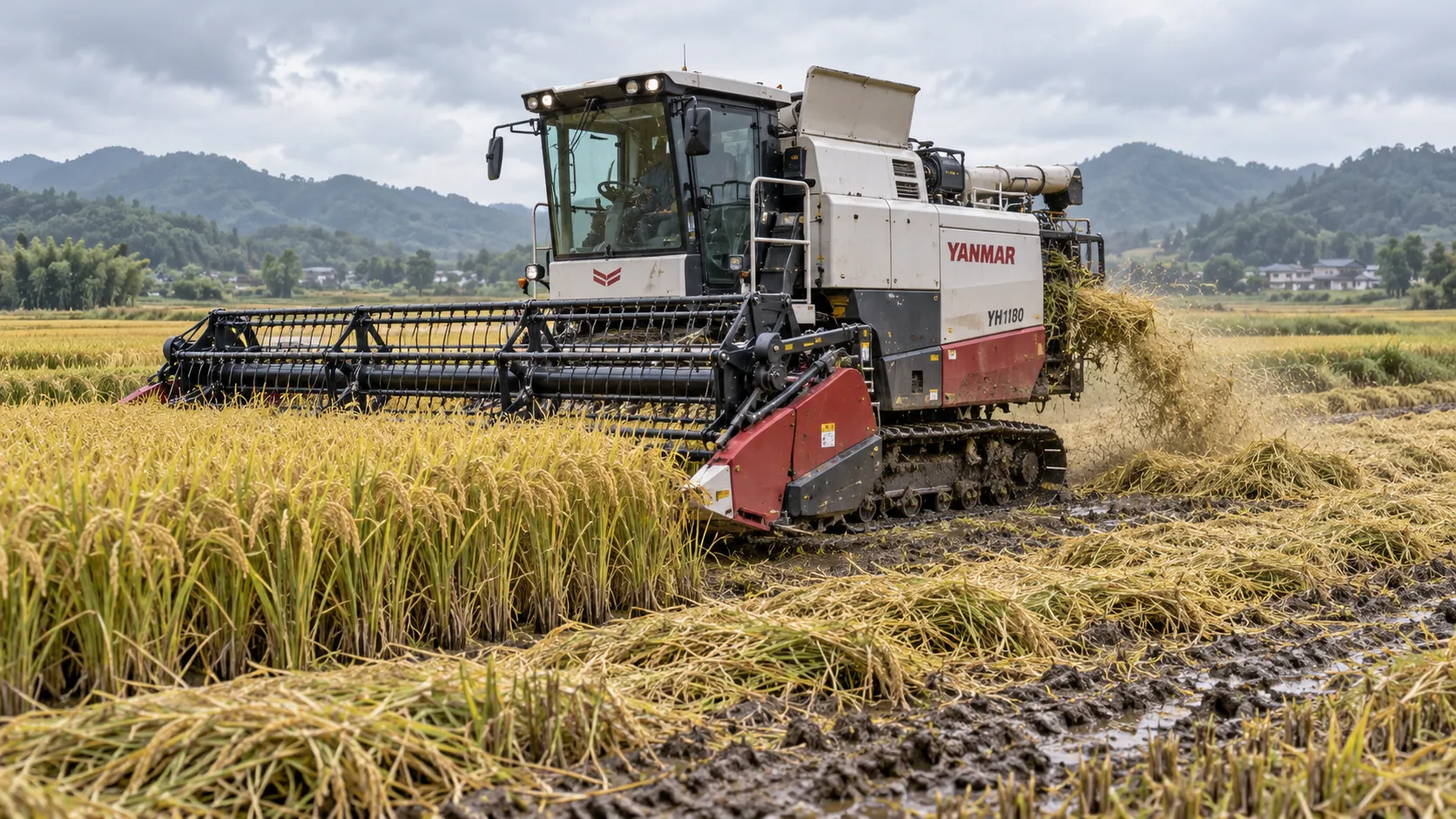
How to Specify Combine Harvester Systems for High-Moisture Grain and Variable Field Conditions
Combine harvester systems for high-moisture grain: learn how to specify threshing, cleaning, headers, traction, and automation for reliable harvests in variable fields.
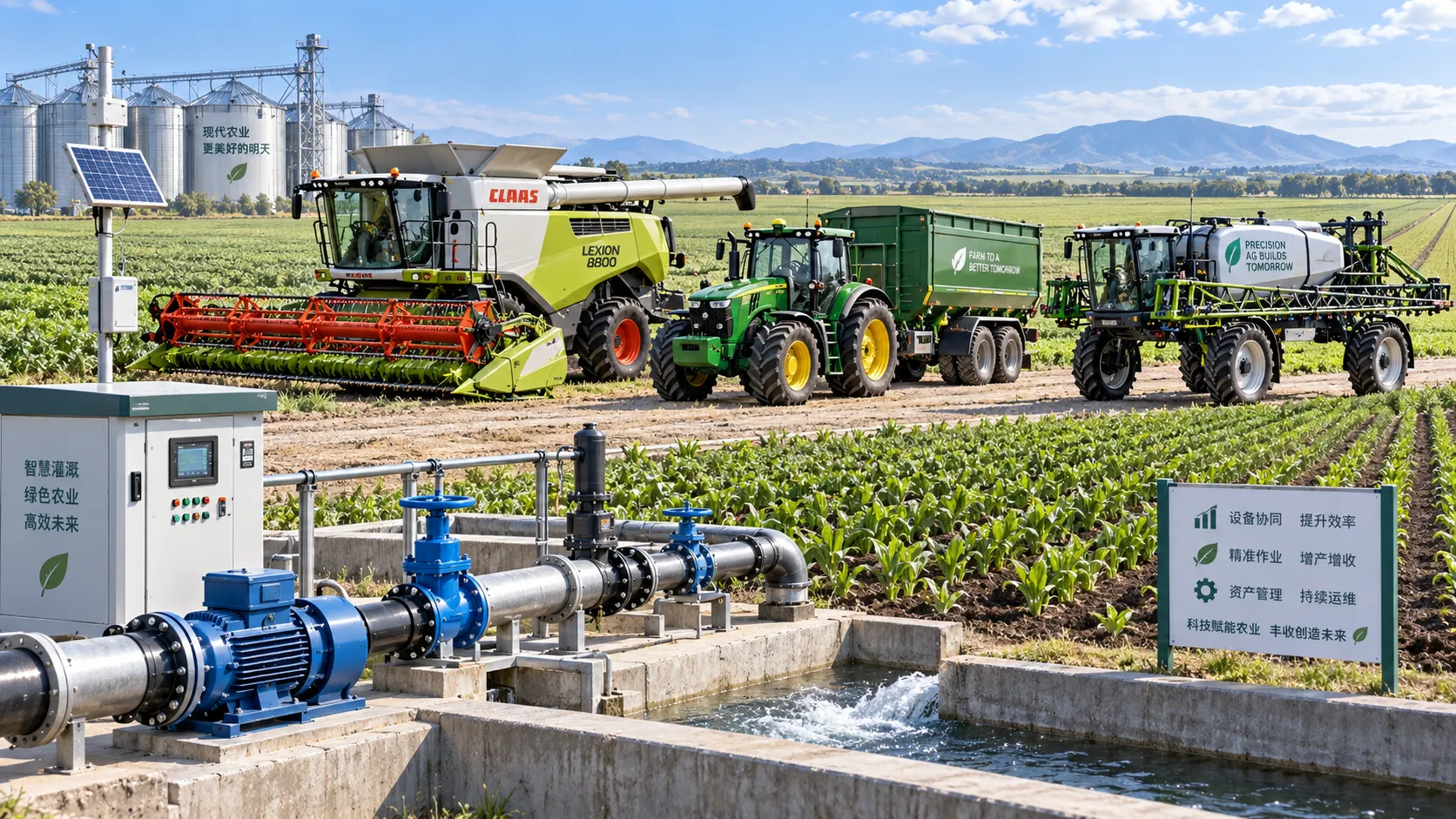
How to Compare Agricultural Equipment Platforms for Fleet Management and ROI
Agricultural equipment platform comparison: evaluate fleet data, maintenance, precision workflows, and ROI to choose a system that delivers measurable results.
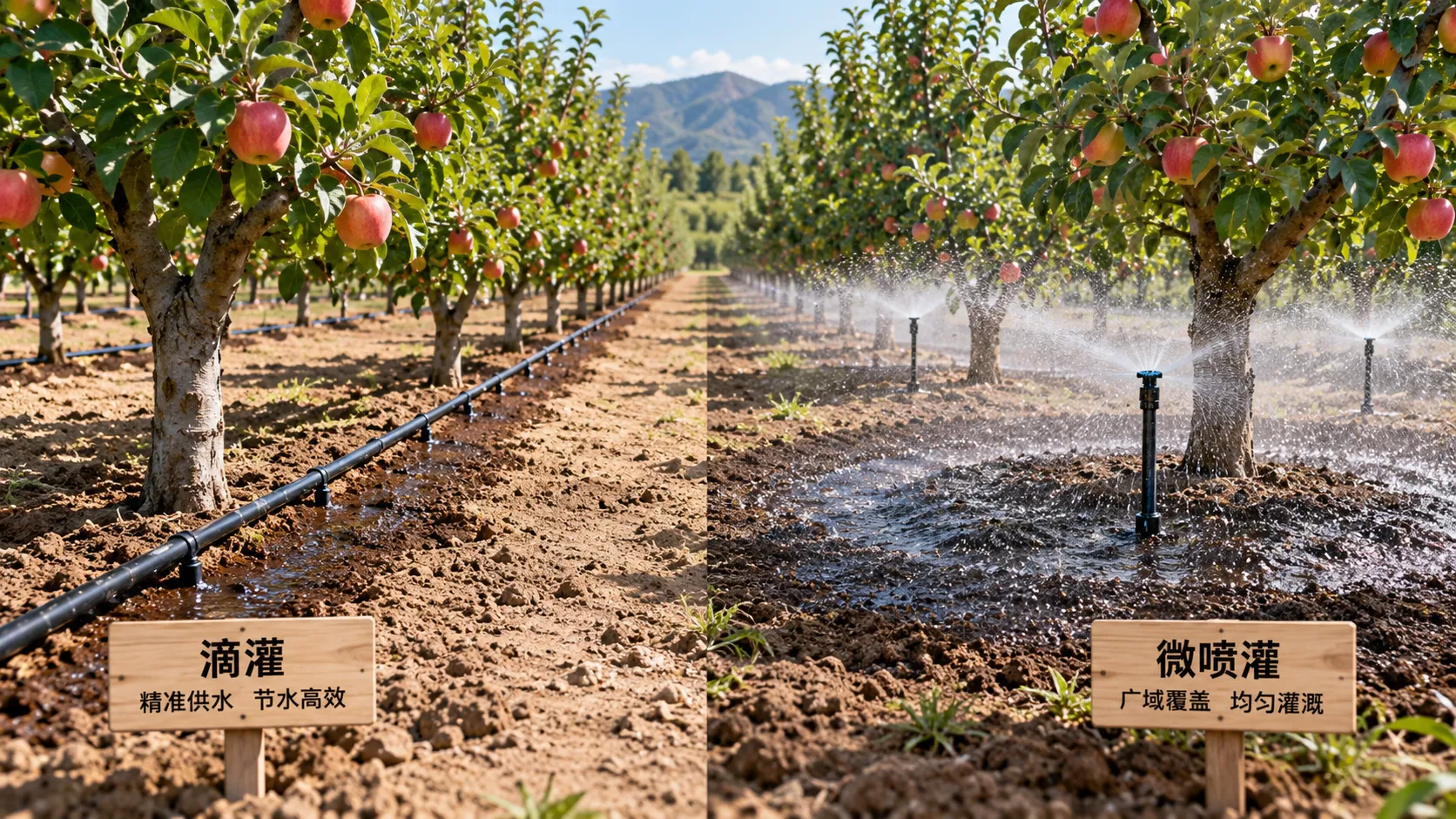
Drip vs. Micro-Sprinkler Irrigation: Which System Fits Your Orchard?
Irrigation solution comparison for orchards: discover whether drip or micro-sprinklers best match your water, soil, roots, fertigation, and frost needs.
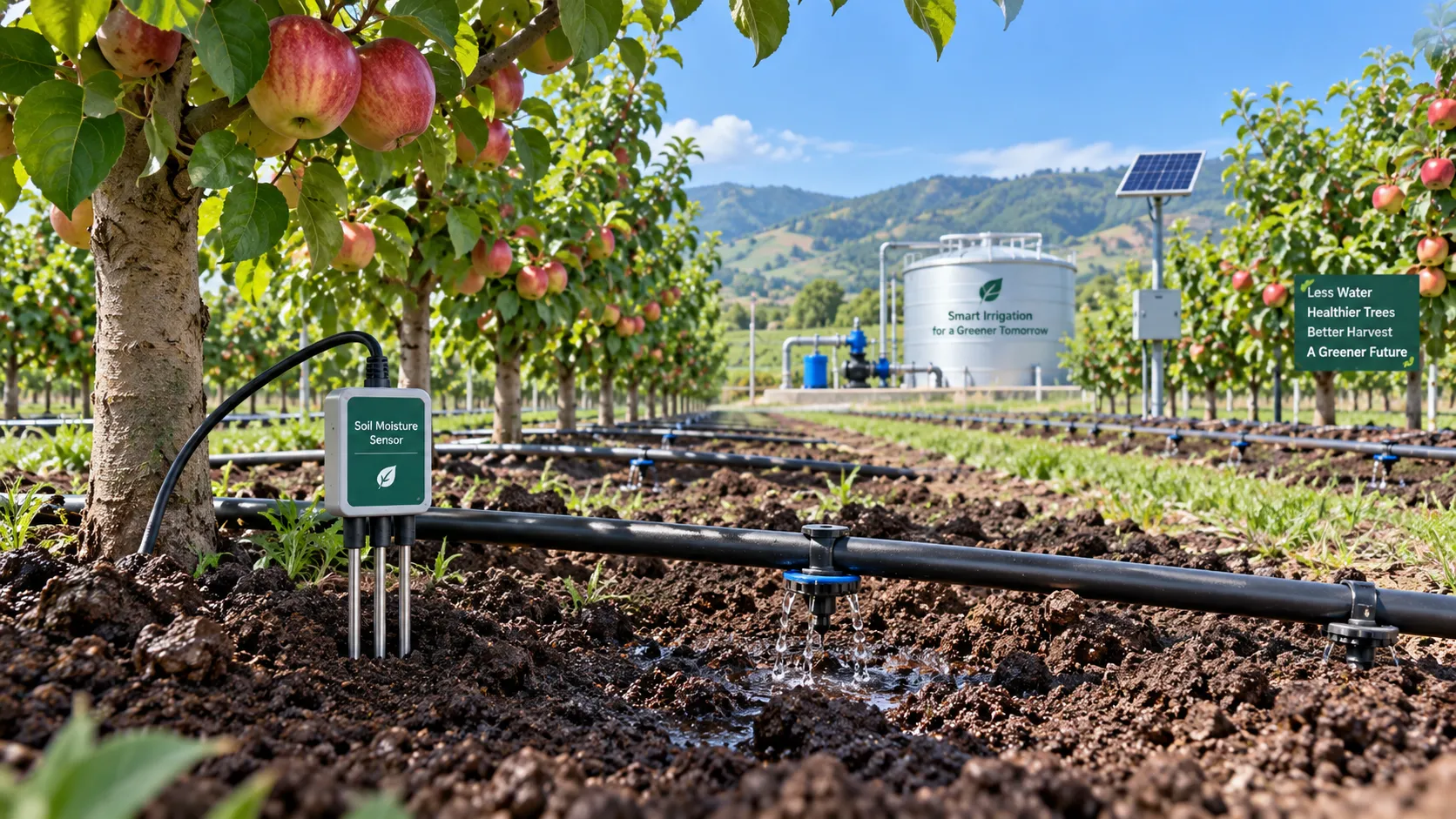
Orchard Water Management: Using Soil Moisture Data to Schedule Irrigation
Agricultural water management for orchards made practical: use soil moisture data to optimize irrigation timing, protect yield, reduce costs, and improve resilience.
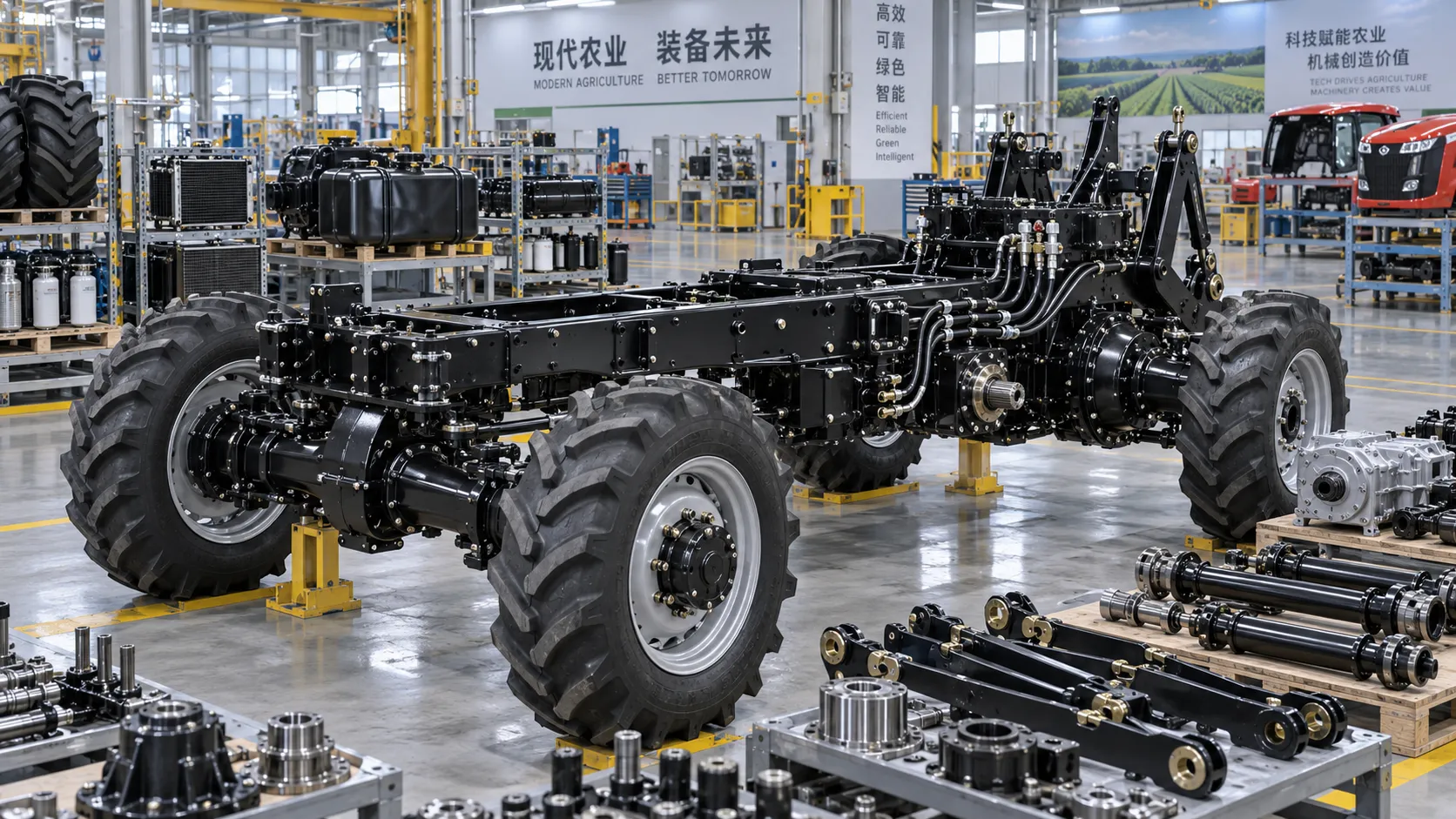
Tractor Chassis Price: What Buyers Should Compare Beyond the Initial Quote
Tractor chassis price is only the start. Compare load capacity, compatibility, durability, and lifecycle costs to choose a reliable, high-value chassis.
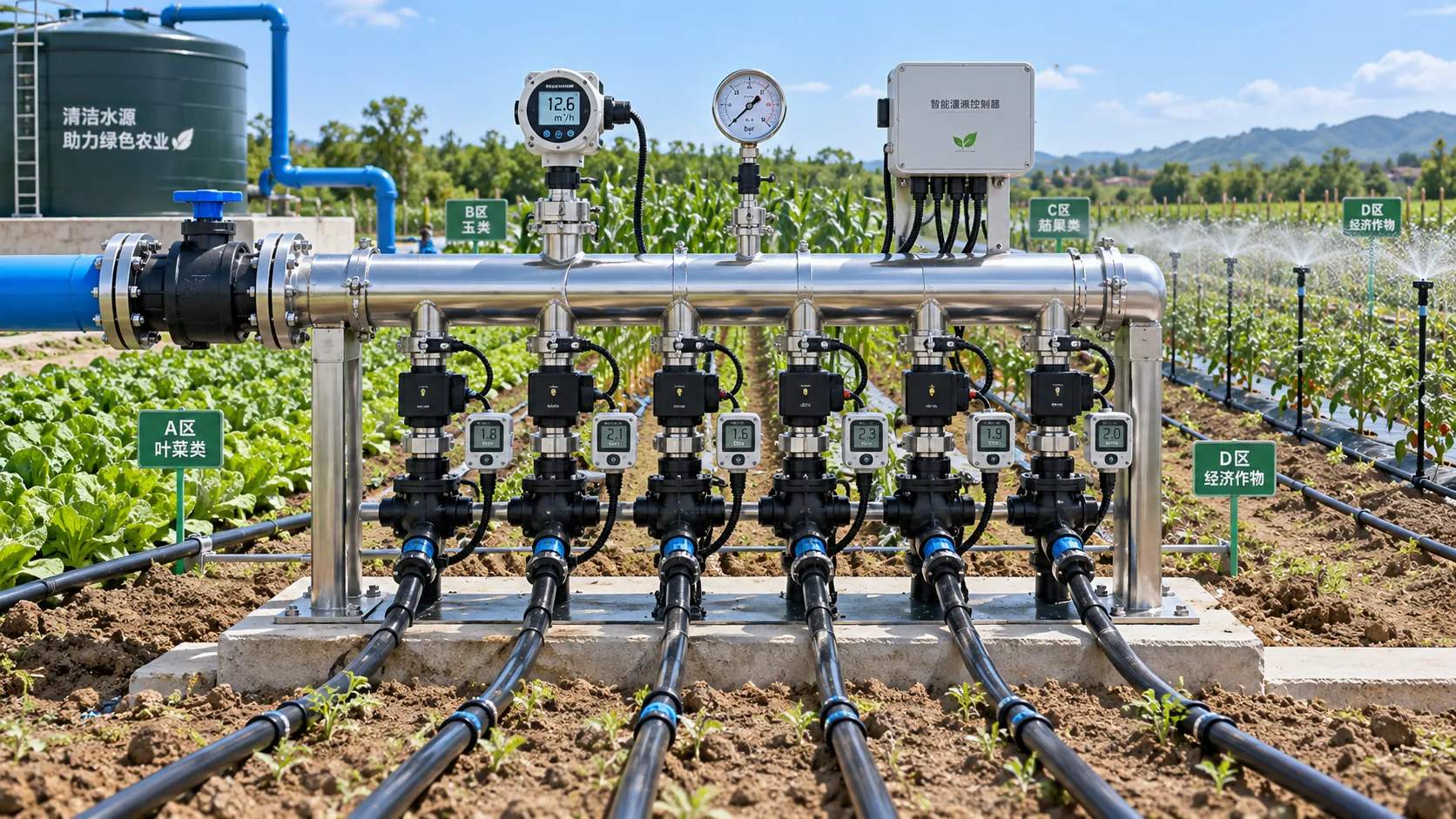
How to Select Smart Irrigation Valves for Multi-Zone Water Management?
Intelligent irrigation systems valves: learn how to match smart valves with multi-zone flow, pressure, control, feedback, and communication needs for reliable water management.
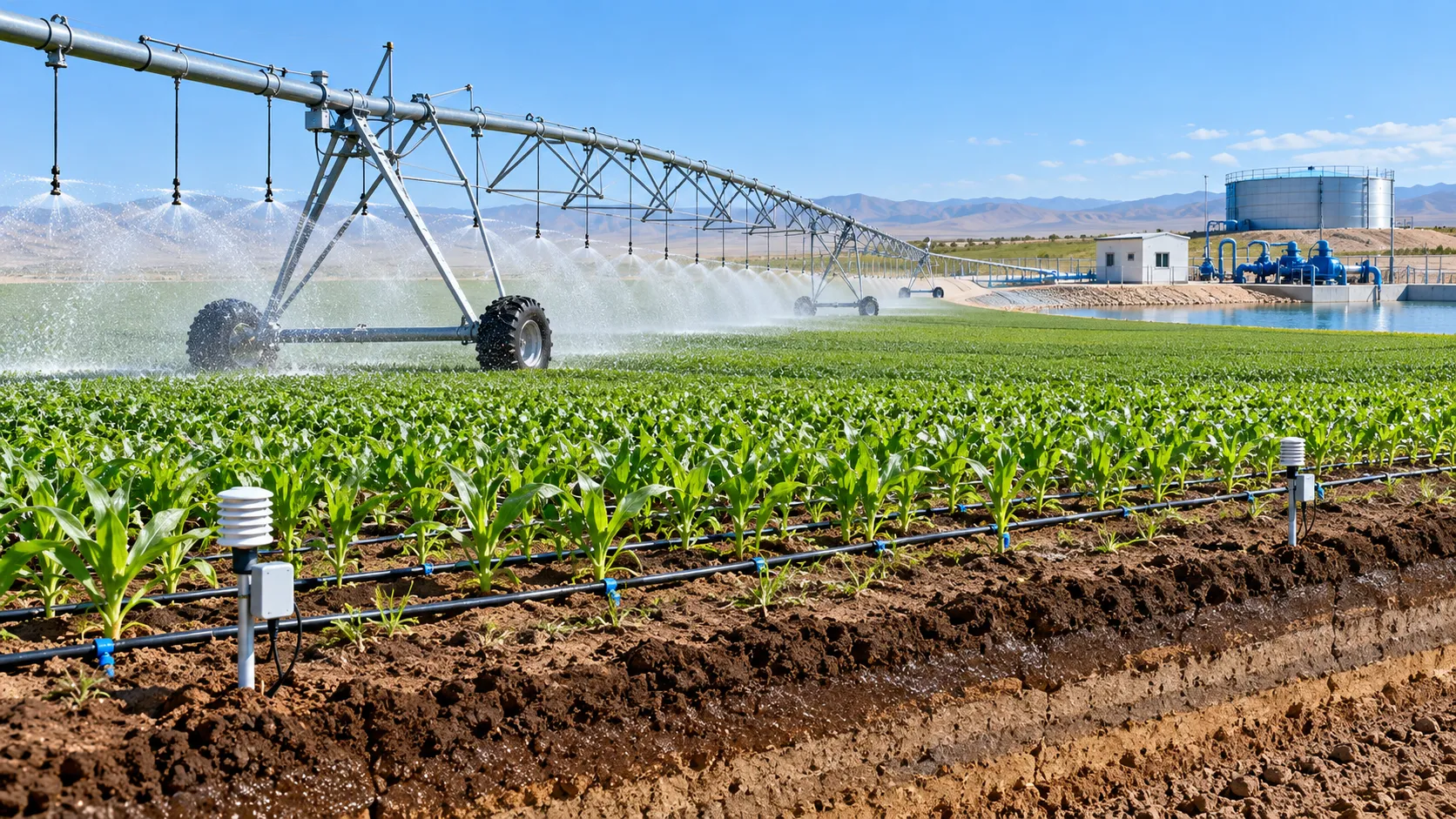
Climate-Smart Farming for Drought: A Practical Plan for Protecting Yields
Climate-smart farming for drought: build smarter water budgets, protect critical crop stages, improve irrigation uniformity, and safeguard yields with practical field-proven strategies.
How Digital Agriculture Platforms Turn Field Data Into Better Input Decisions
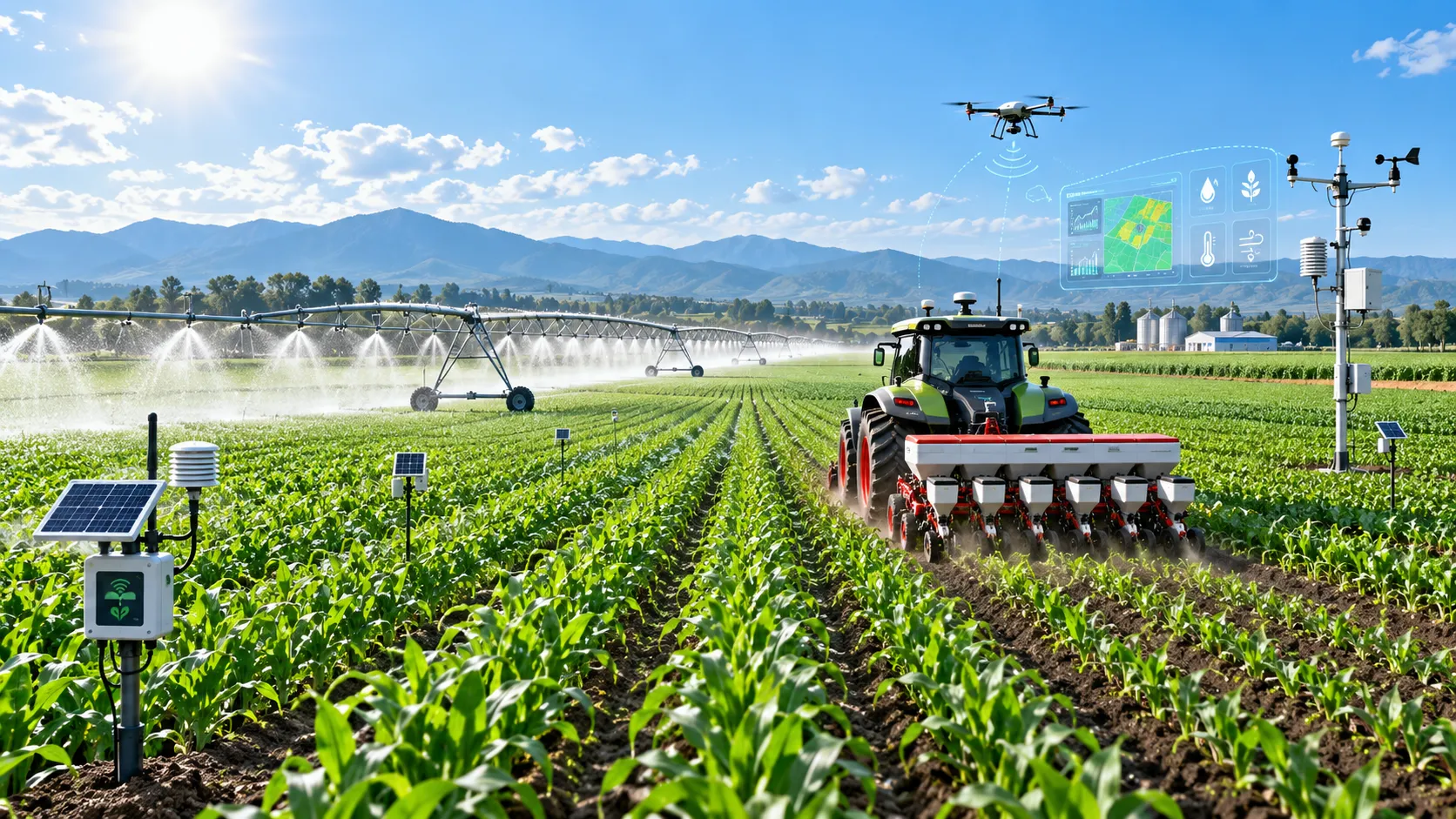
Digital agriculture platforms turn field data into smarter fertilizer, water, seed, and equipment decisions—helping farms cut risk, improve margins, and scale sustainability.
GPS-Guided Farm Machinery: Where It Delivers Measurable Field Efficiency Gains
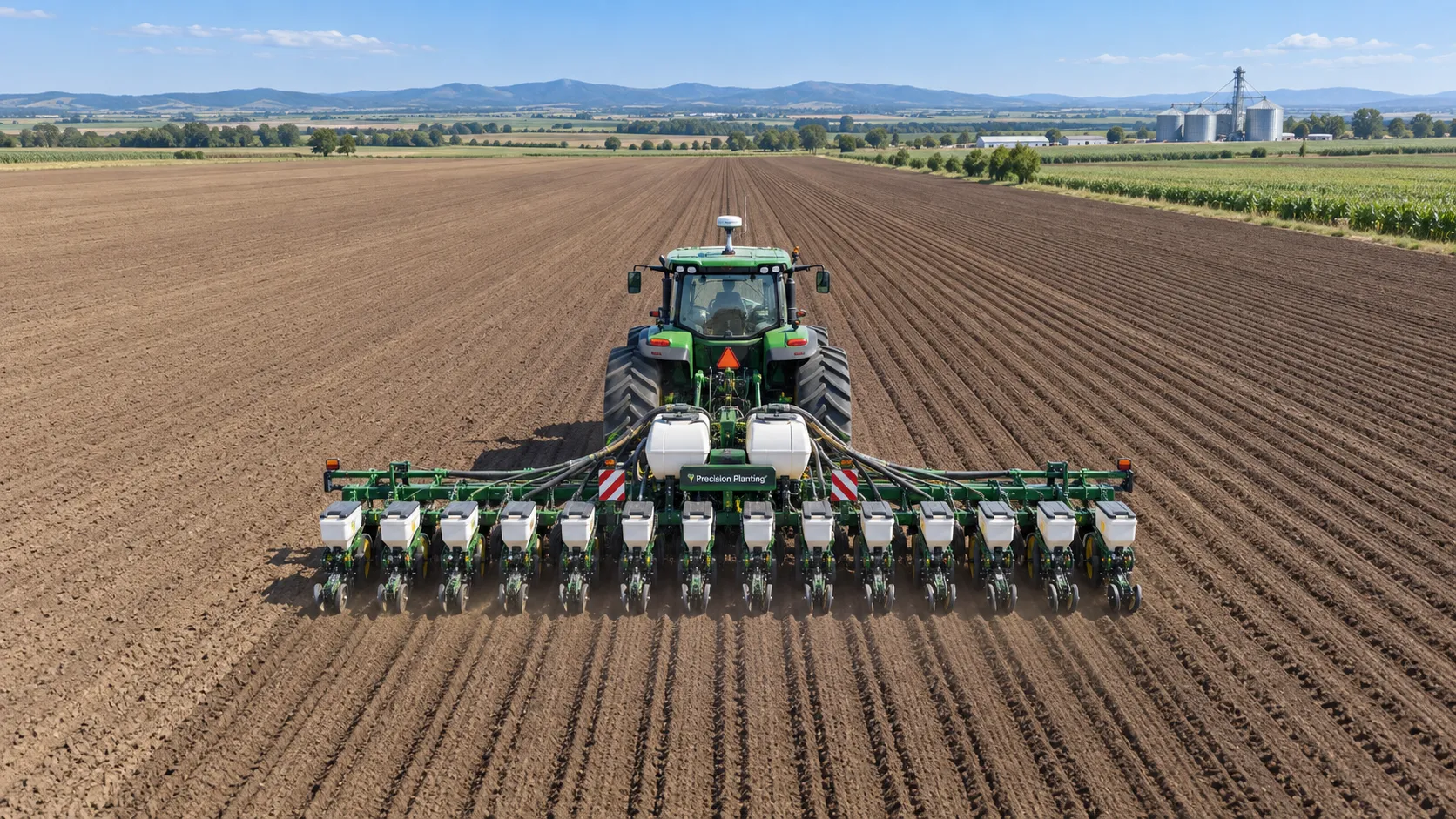
Agri-mechanization GPS guided systems deliver measurable field efficiency gains through reduced overlap, precise planting, smarter inputs, and reliable farm data.
Related News
- 00
0000-00
How to Compare Agricultural Equipment Platforms for Fleet Management and ROI - 00
0000-00
Tractor Chassis Price: What Buyers Should Compare Beyond the Initial Quote - 00
0000-00
How Digital Agriculture Platforms Turn Field Data Into Better Input Decisions - 00
0000-00
When Does Agricultural Machinery Leasing Cost Less Than Owning Equipment? - 00
0000-00
Selecting Grain Farm Equipment by Acreage, Crop Mix, and Harvest Window
Popular Tags
Ms. Elena Rodriguez
Weekly Insights
Stay ahead with our curated technology reports delivered every Monday.