
How Intelligent Farm Tools Manufacturers Build Smarter Workflows on Large Farms




Why workflow thinking matters before tool selection
On large farms, equipment choices shape daily workflow more than most upgrade plans initially assume.
A capable intelligent farm tools manufacturer does more than supply implements with sensors and controls.
It influences pass accuracy, refill timing, machine utilization, operator workload, and how field data returns into decisions.
That becomes critical when operations span multiple crops, scattered fields, variable soils, and narrow seasonal windows.
In practice, large farms rarely need the same answer everywhere.
A high-speed seeding program, a sensitive nutrient plan, and a water-constrained irrigation block place different demands on tool intelligence.
This is where AP-Strategy’s Agriculture 4.0 perspective is useful.
It connects machinery performance, precision algorithms, and sustainability pressures instead of treating them as separate topics.
The result is a better way to evaluate an intelligent farm tools manufacturer through actual field workflow, not catalog language.
Field conditions change the real job of intelligent tools
Different field environments create different definitions of “smart.”
On broad, uniform acreage, intelligence often means stable automation at operating speed.
On fragmented land, it often means faster adjustment, cleaner turn management, and fewer setup errors between blocks.
In dry regions, the same intelligent farm tools manufacturer may be judged by prescription control and water response rather than mechanical throughput alone.
More often, the difference comes from system interaction.
Tool performance depends on tractor chassis stability, GNSS quality, hydraulic behavior, and compatibility with irrigation or harvest data.
AP-Strategy regularly frames this as a connected equipment problem.
That is a useful correction because many farms still compare implements in isolation.
When broadacre planting is the bottleneck
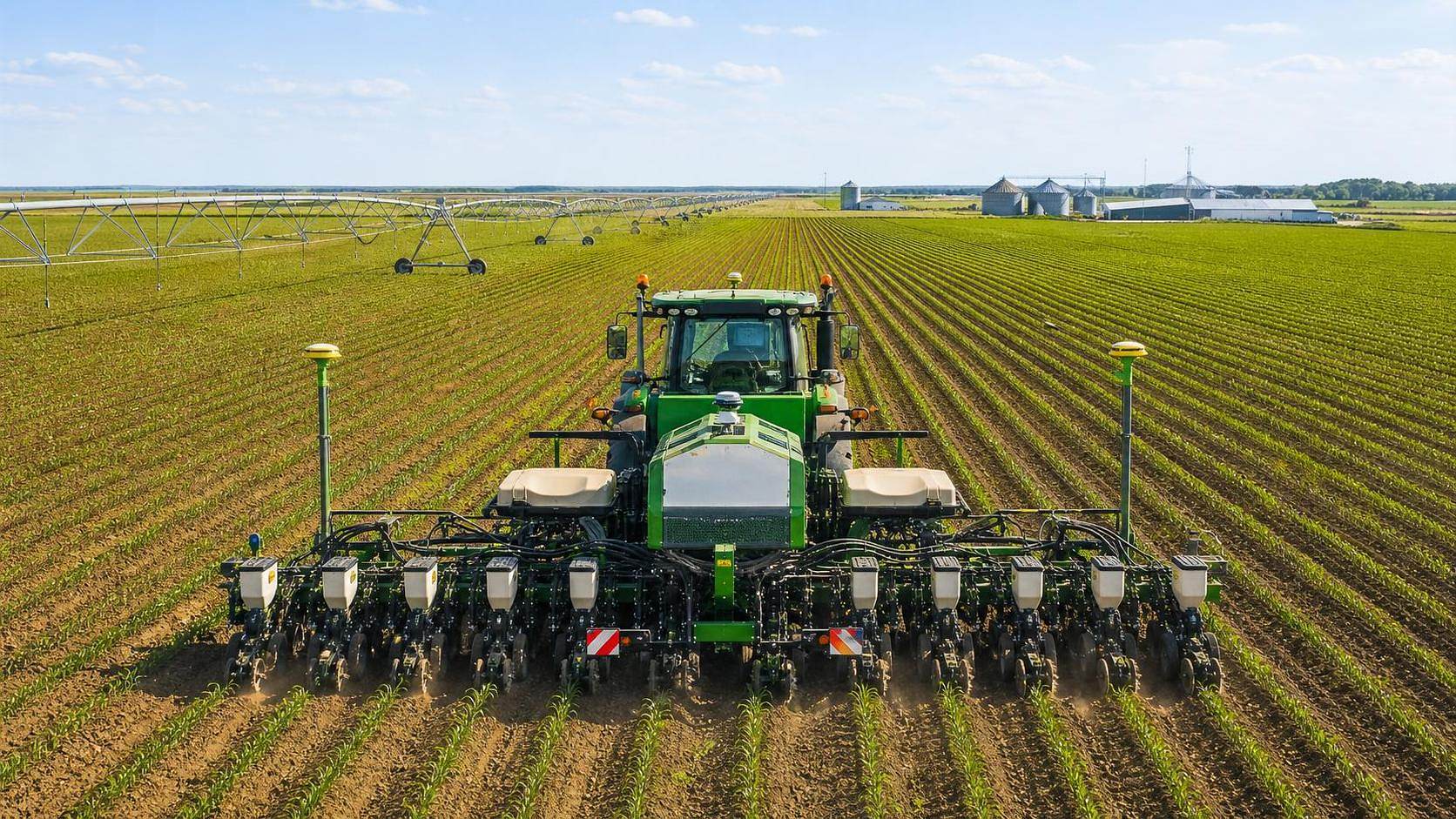
For large-scale planting, speed matters, but uniformity matters more over an entire season.
An intelligent farm tools manufacturer serving this scenario needs precise depth control, row shutoff logic, reliable section response, and strong downforce management.
The first judgment point is consistency under changing field resistance.
If sensor feedback reacts slowly, overlap and skip rates rise even when nominal specifications look strong.
The second point is data quality.
Seeding records should be usable later for fertilizer planning, scouting zones, and harvest analysis.
A smarter workflow begins when planting data remains structured across the season, not trapped inside one terminal.
Where nutrient application becomes a precision issue
Nutrient passes create a different test.
Here, an intelligent farm tools manufacturer is judged by rate stability, calibration discipline, and map execution under changing travel speeds.
Variable-rate capability alone is not enough.
Large farms need proof that the system can hold target rates across uneven terrain, partial fills, and long operating hours.
This is also where compatibility with satellite guidance and field prescriptions becomes decisive.
If file handling is clumsy or controller logic varies by machine brand, efficiency gains disappear in setup time and correction work.
Irrigation-linked tools need another kind of intelligence
On farms balancing crop response with water limits, tools are judged differently again.
A strong intelligent farm tools manufacturer should support moisture-informed application timing, localized dosing, and clean integration with water-saving irrigation systems.
This matters because water and input decisions increasingly interact.
Prescription fertilization that ignores transpiration models or irrigation timing may look efficient on paper but underperform in the field.
AP-Strategy’s coverage of hydrological strategy and smart irrigation trends highlights this shift clearly.
The best manufacturers now design for closed-loop adjustment instead of one-time application commands.
Mixed fleets expose weak integration quickly
A common large-farm reality is not one crop or one machine brand.
It is a mixed fleet built over several investment cycles.
In this setting, the right intelligent farm tools manufacturer is often the one with the least friction.
ISO compatibility, controller stability, software updates, and hydraulic matching become as important as field performance.
This is especially true when tool data needs to connect with combine harvesters, telematics dashboards, and service records.
A tool that performs well alone but creates manual reconciliation later is not a smart workflow upgrade.
More practical evaluations look at the whole pass cycle:
- How long setup takes after changing tractors or operators.
- Whether field maps transfer without reformatting.
- How quickly faults are diagnosed during season peaks.
- Whether service parts are regionally available.
The usual misread: strong specs, weak field fit
The biggest mistake is treating all precision tools as interchangeable once they share guidance and control labels.
That hides important differences in sensor durability, actuator speed, cleaning tolerance, and software maturity.
Another misread is focusing only on purchase price.
A lower-cost intelligent farm tools manufacturer may still produce higher seasonal cost through downtime, recalibration, and fragmented data handling.
There is also a planning issue many operations miss.
A tool chosen for one stable field pattern may struggle later when crop mix, labor availability, or water restrictions change.
That is why AP-Strategy’s intelligence model matters.
It encourages long-cycle thinking across mechanization, harvesting, chassis performance, and irrigation response.
A practical way to judge manufacturer fit before rollout
Before full deployment, it helps to compare manufacturers through workflow checkpoints rather than feature counts.
- Match tools to the most time-sensitive field operation first.
- Test control accuracy under real travel speeds and refill conditions.
- Confirm data can move into planning, harvest review, and irrigation decisions.
- Check hydraulic, electrical, and terminal compatibility across the active fleet.
- Estimate seasonal maintenance effort, not only acquisition cost.
- Review local support depth for sensors, software, and wear parts.
A reliable intelligent farm tools manufacturer usually stands out during these checks.
Its value appears in fewer exceptions, clearer data, and smoother interaction with the rest of the field system.
What smarter workflow decisions look like next
Large-farm upgrades work best when tool selection starts from operating scenarios, not abstract equipment categories.
The right intelligent farm tools manufacturer fits the realities of acreage scale, crop variability, labor structure, and water strategy.
That fit should also support future changes in autonomous functions, resource-saving standards, and connected agronomic decision models.
A useful next step is to map field operations by risk, timing pressure, and data dependency.
Then compare each intelligent farm tools manufacturer against those conditions, including integration limits, maintenance demands, and implementation effort.
That process produces better answers than specification sheets alone, and it aligns with AP-Strategy’s broader view of food security, smart cultivation, and durable field productivity.
Related News
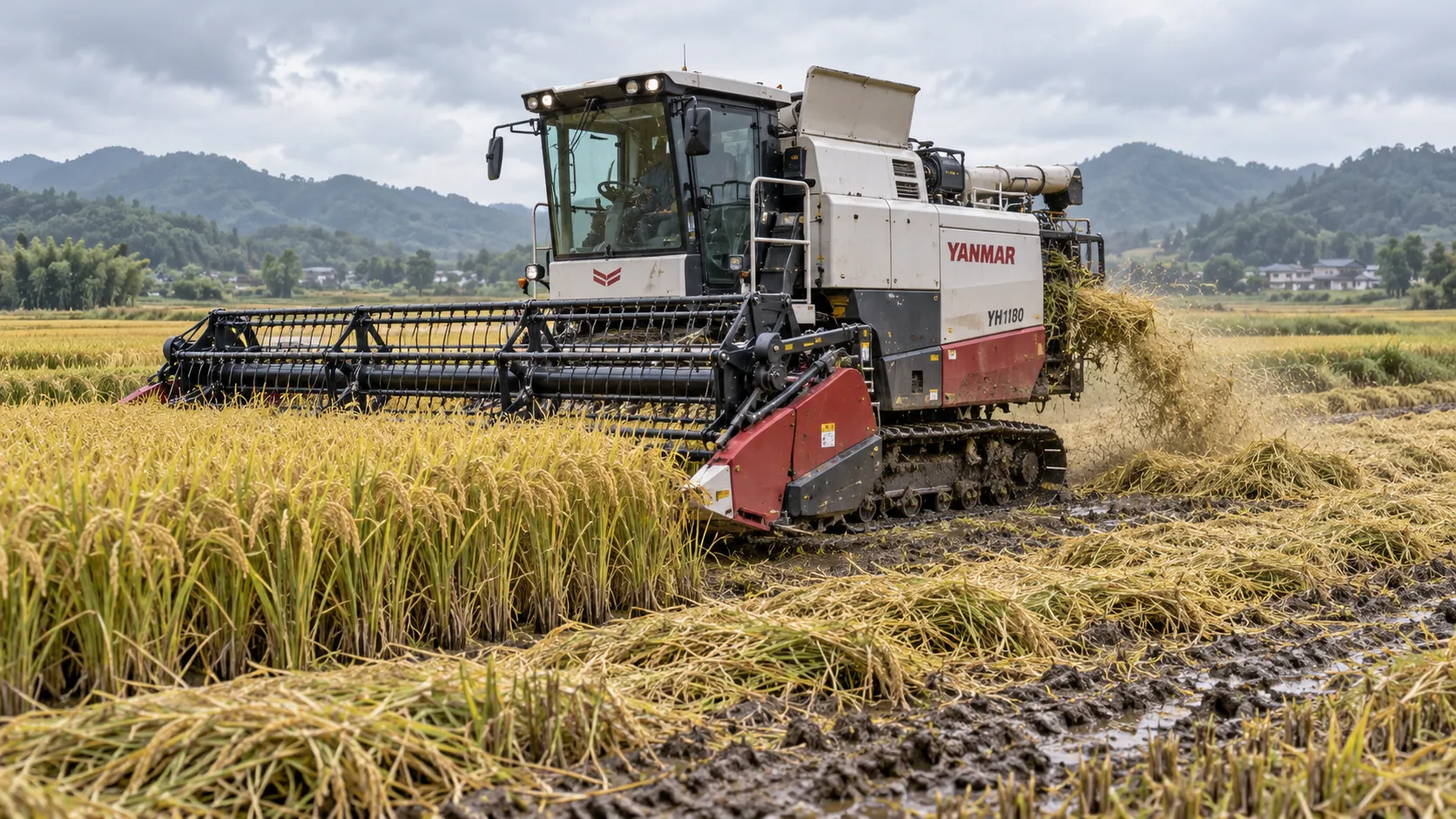
How to Specify Combine Harvester Systems for High-Moisture Grain and Variable Field Conditions
Combine harvester systems for high-moisture grain: learn how to specify threshing, cleaning, headers, traction, and automation for reliable harvests in variable fields.
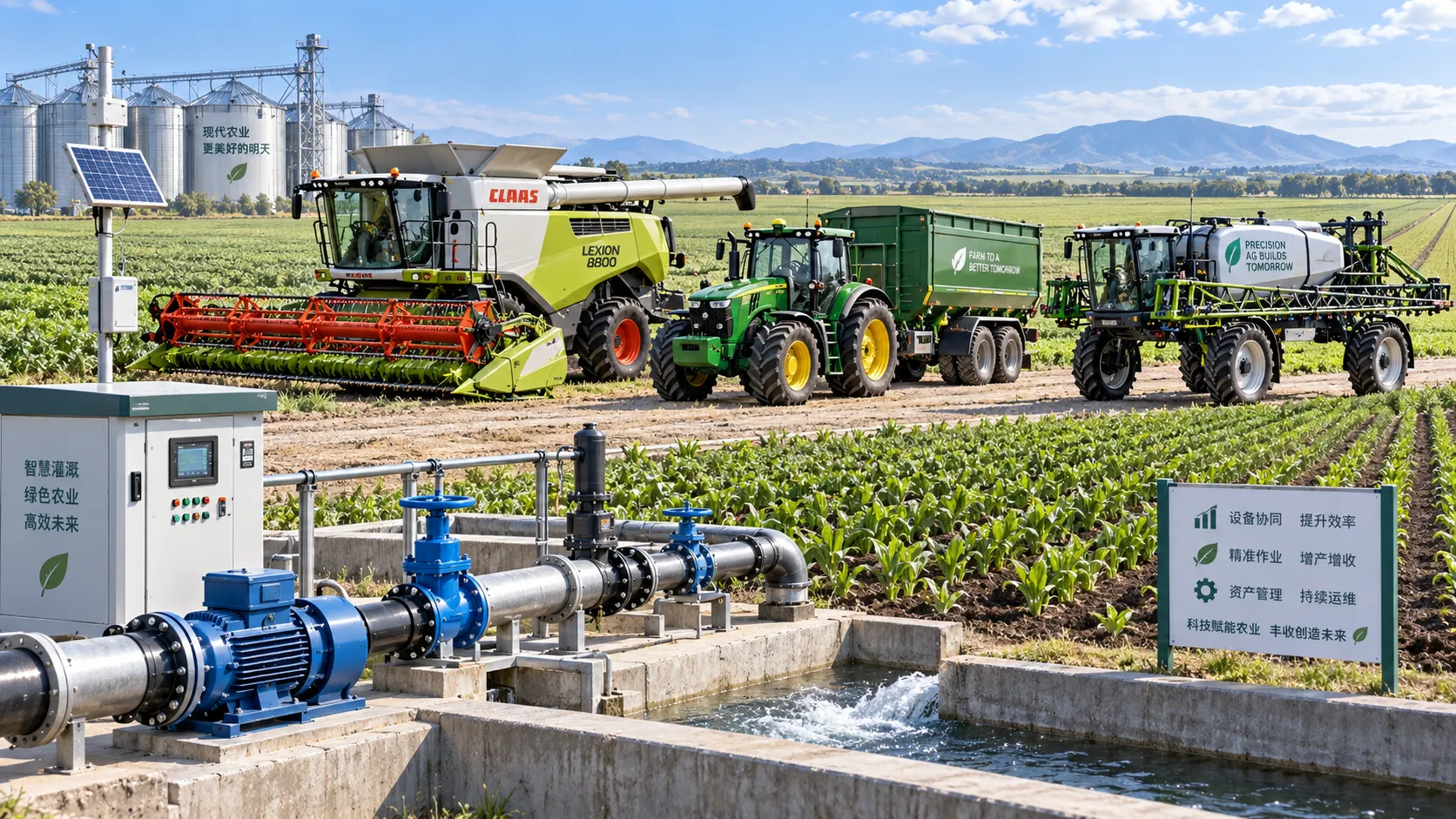
How to Compare Agricultural Equipment Platforms for Fleet Management and ROI
Agricultural equipment platform comparison: evaluate fleet data, maintenance, precision workflows, and ROI to choose a system that delivers measurable results.
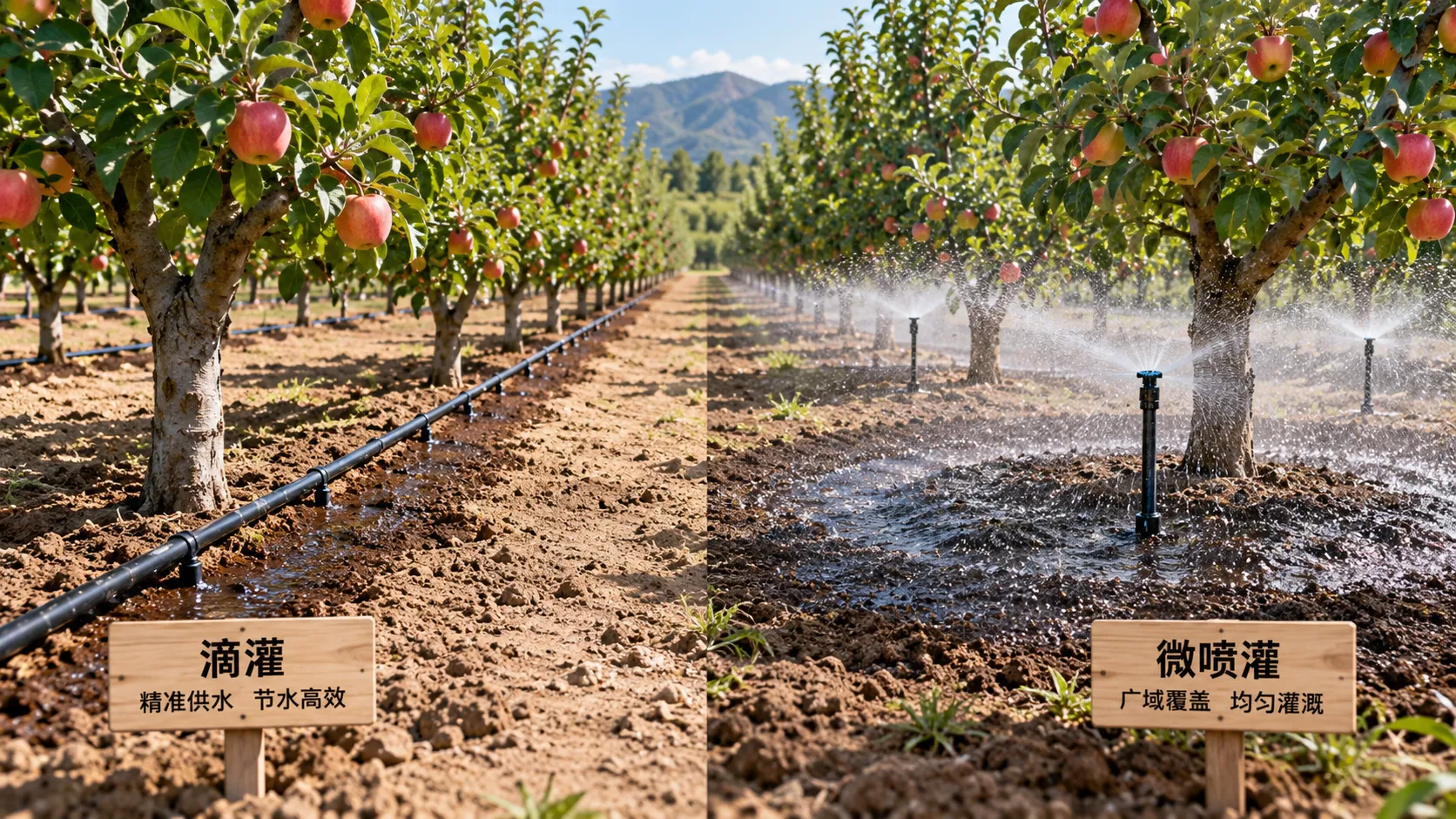
Drip vs. Micro-Sprinkler Irrigation: Which System Fits Your Orchard?
Irrigation solution comparison for orchards: discover whether drip or micro-sprinklers best match your water, soil, roots, fertigation, and frost needs.
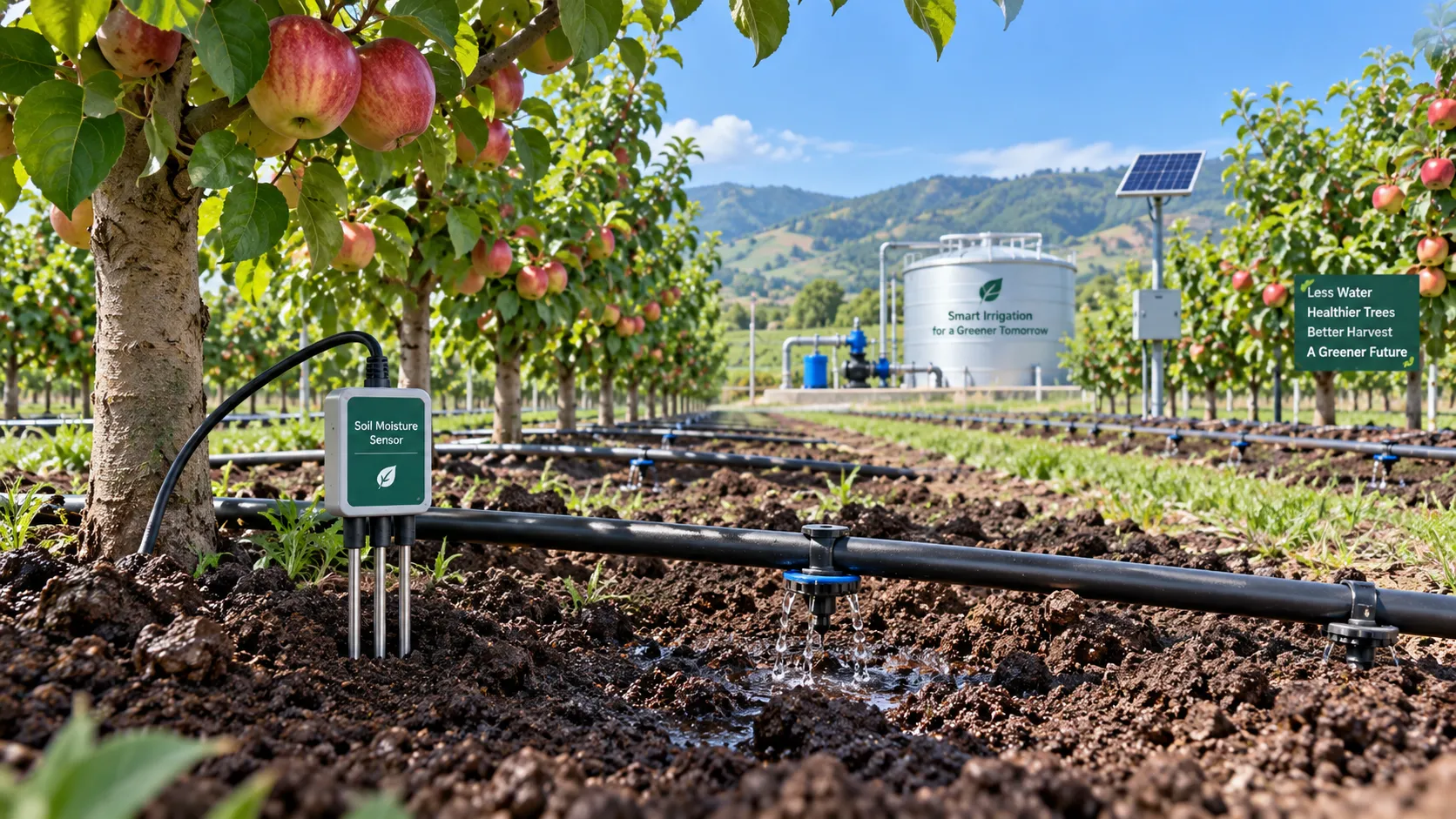
Orchard Water Management: Using Soil Moisture Data to Schedule Irrigation
Agricultural water management for orchards made practical: use soil moisture data to optimize irrigation timing, protect yield, reduce costs, and improve resilience.
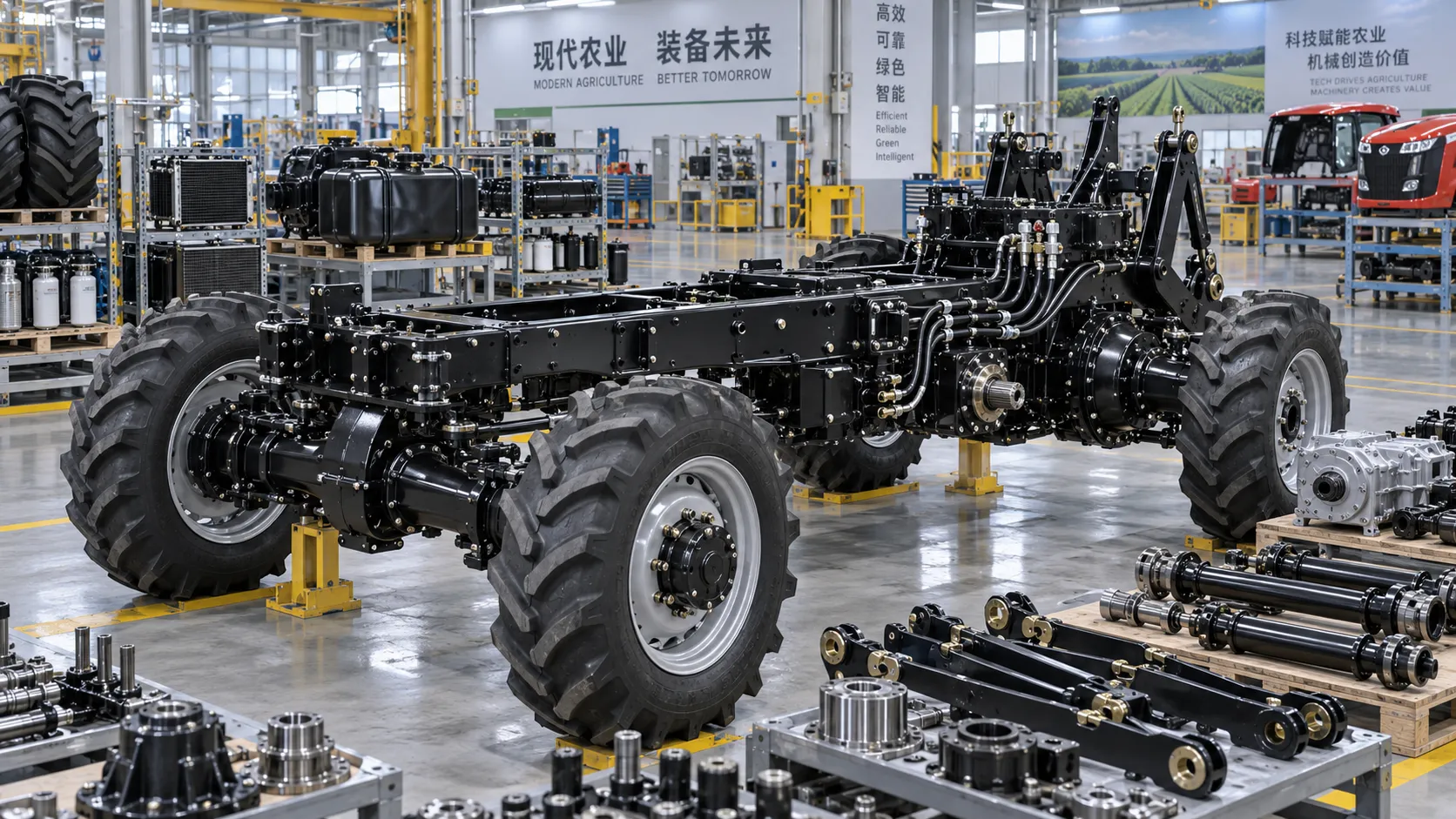
Tractor Chassis Price: What Buyers Should Compare Beyond the Initial Quote
Tractor chassis price is only the start. Compare load capacity, compatibility, durability, and lifecycle costs to choose a reliable, high-value chassis.
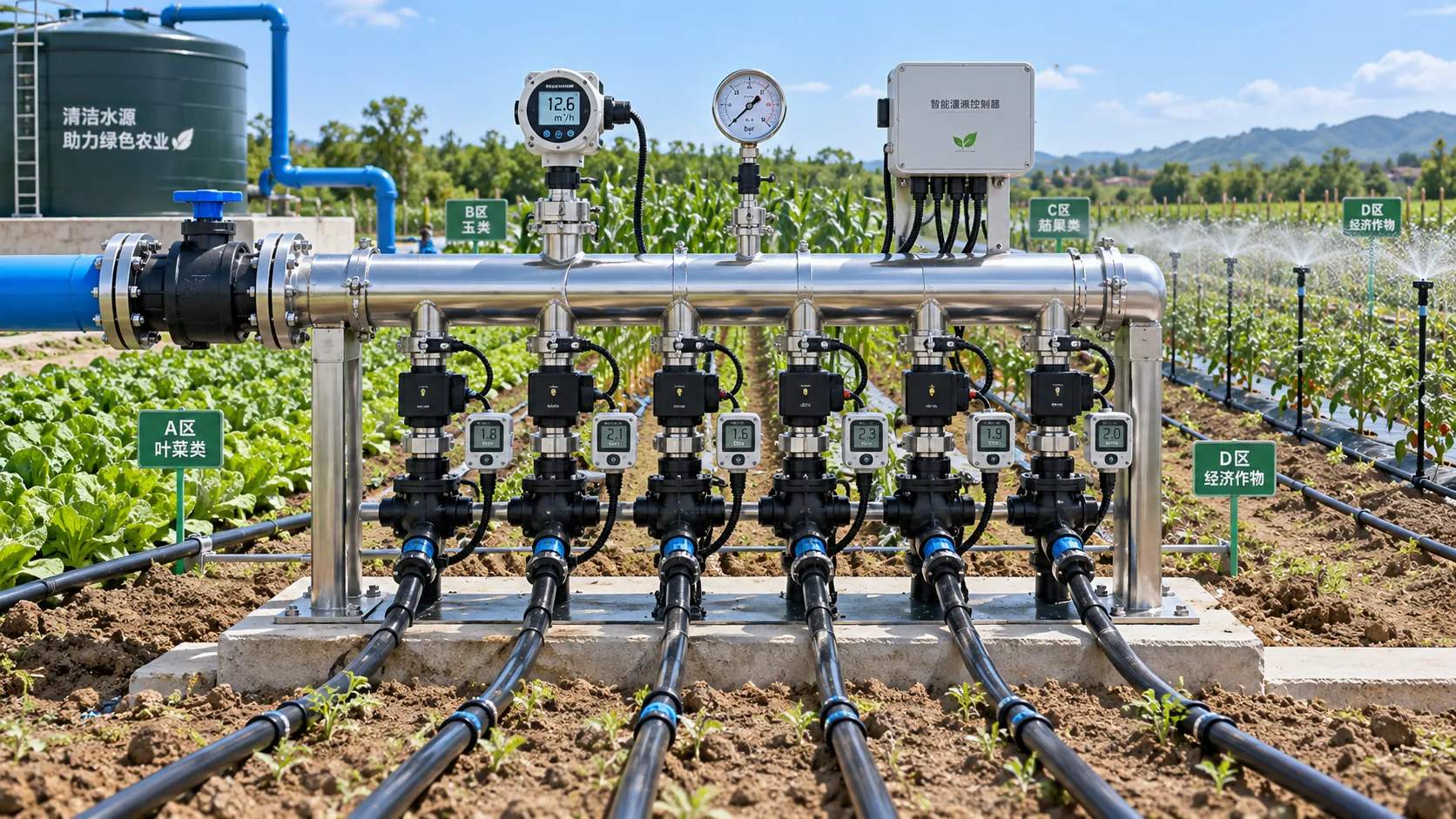
How to Select Smart Irrigation Valves for Multi-Zone Water Management?
Intelligent irrigation systems valves: learn how to match smart valves with multi-zone flow, pressure, control, feedback, and communication needs for reliable water management.
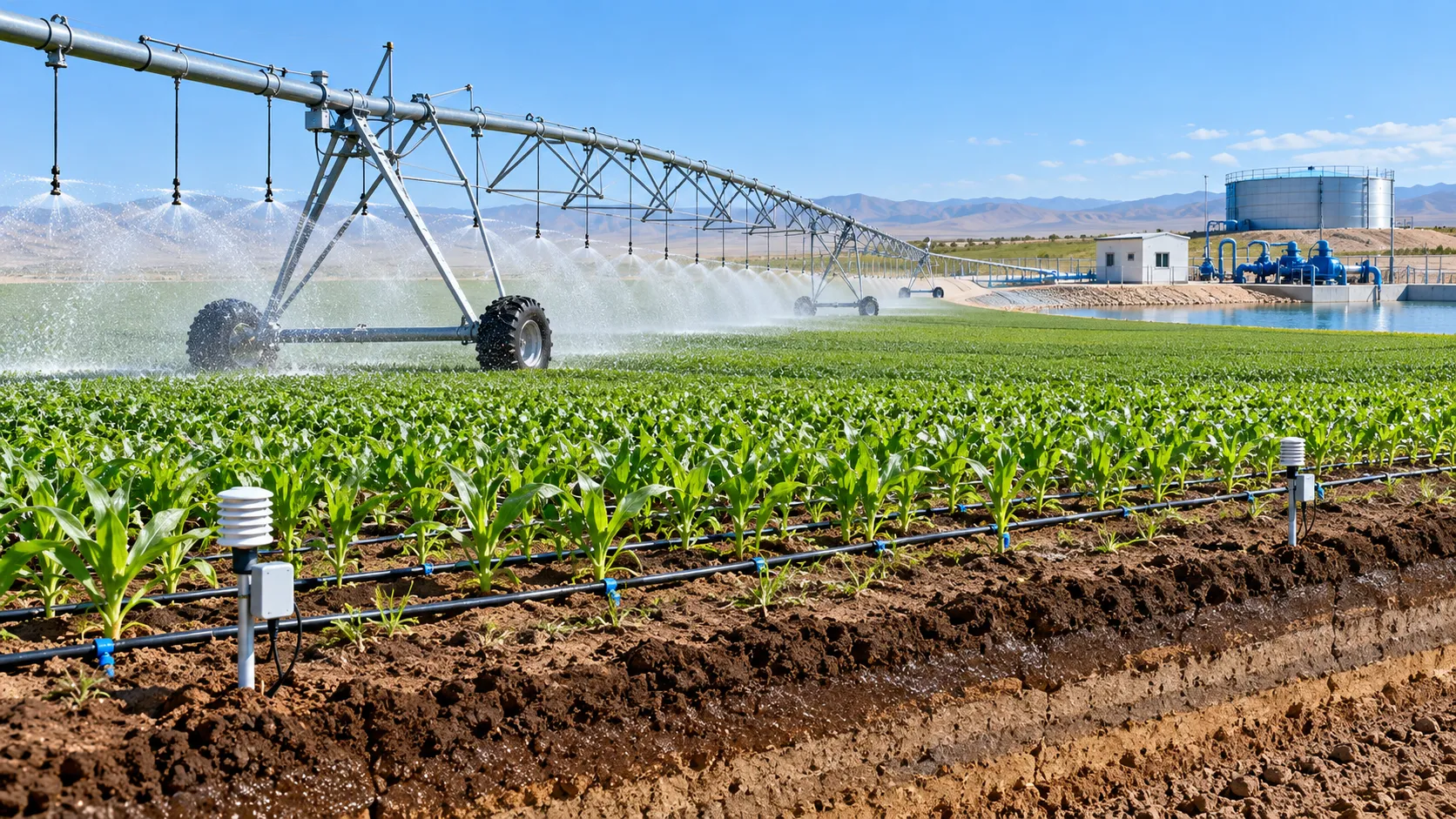
Climate-Smart Farming for Drought: A Practical Plan for Protecting Yields
Climate-smart farming for drought: build smarter water budgets, protect critical crop stages, improve irrigation uniformity, and safeguard yields with practical field-proven strategies.
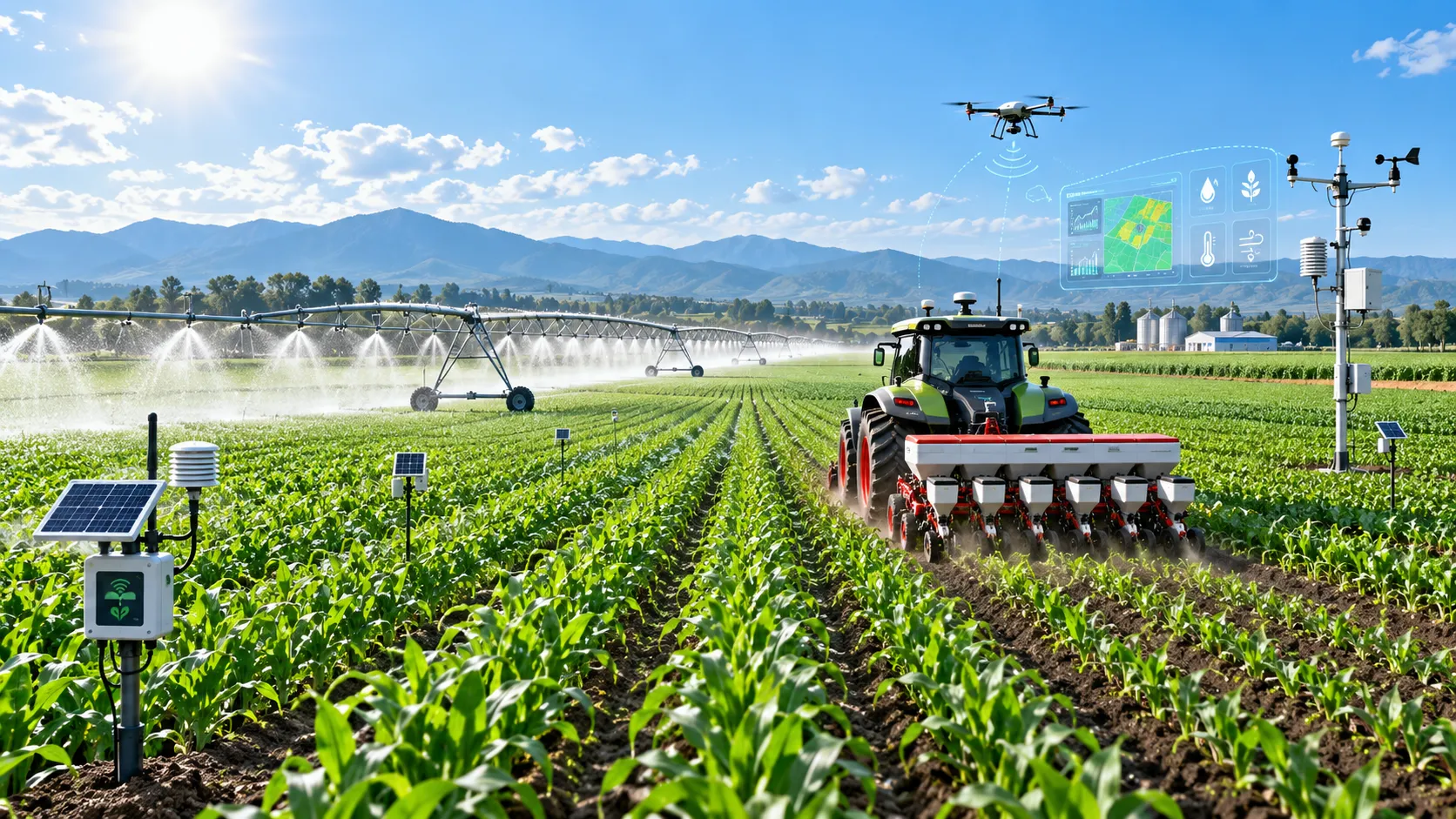
How Digital Agriculture Platforms Turn Field Data Into Better Input Decisions
Digital agriculture platforms turn field data into smarter fertilizer, water, seed, and equipment decisions—helping farms cut risk, improve margins, and scale sustainability.
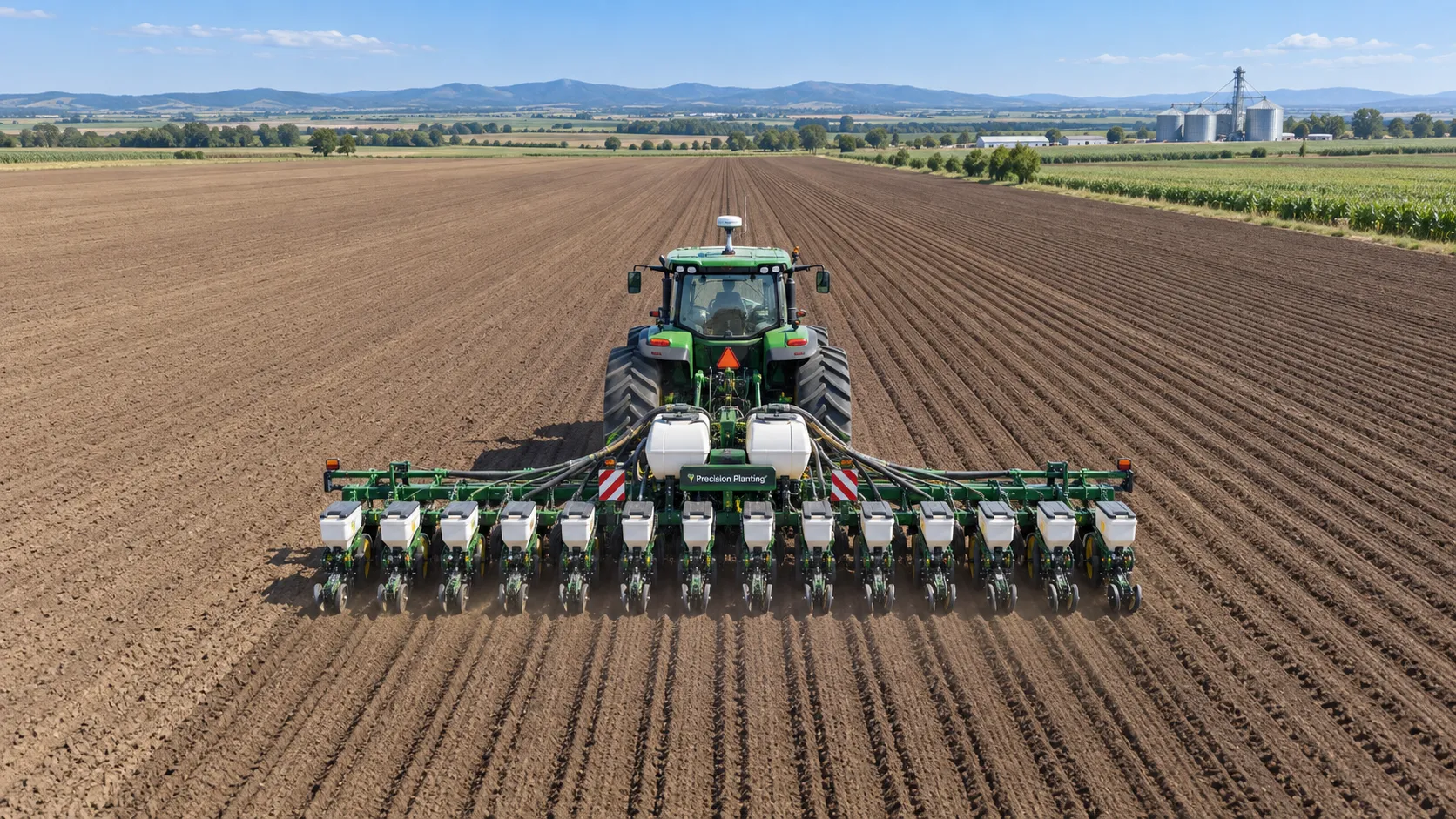
GPS-Guided Farm Machinery: Where It Delivers Measurable Field Efficiency Gains
Agri-mechanization GPS guided systems deliver measurable field efficiency gains through reduced overlap, precise planting, smarter inputs, and reliable farm data.
Related News
- 00
0000-00
How to Compare Agricultural Equipment Platforms for Fleet Management and ROI - 00
0000-00
Tractor Chassis Price: What Buyers Should Compare Beyond the Initial Quote - 00
0000-00
How Digital Agriculture Platforms Turn Field Data Into Better Input Decisions - 00
0000-00
When Does Agricultural Machinery Leasing Cost Less Than Owning Equipment? - 00
0000-00
Selecting Grain Farm Equipment by Acreage, Crop Mix, and Harvest Window
Popular Tags
Ms. Elena Rodriguez
Weekly Insights
Stay ahead with our curated technology reports delivered every Monday.