
Agricultural Technology Insights by Region: What Buyers Should Compare First
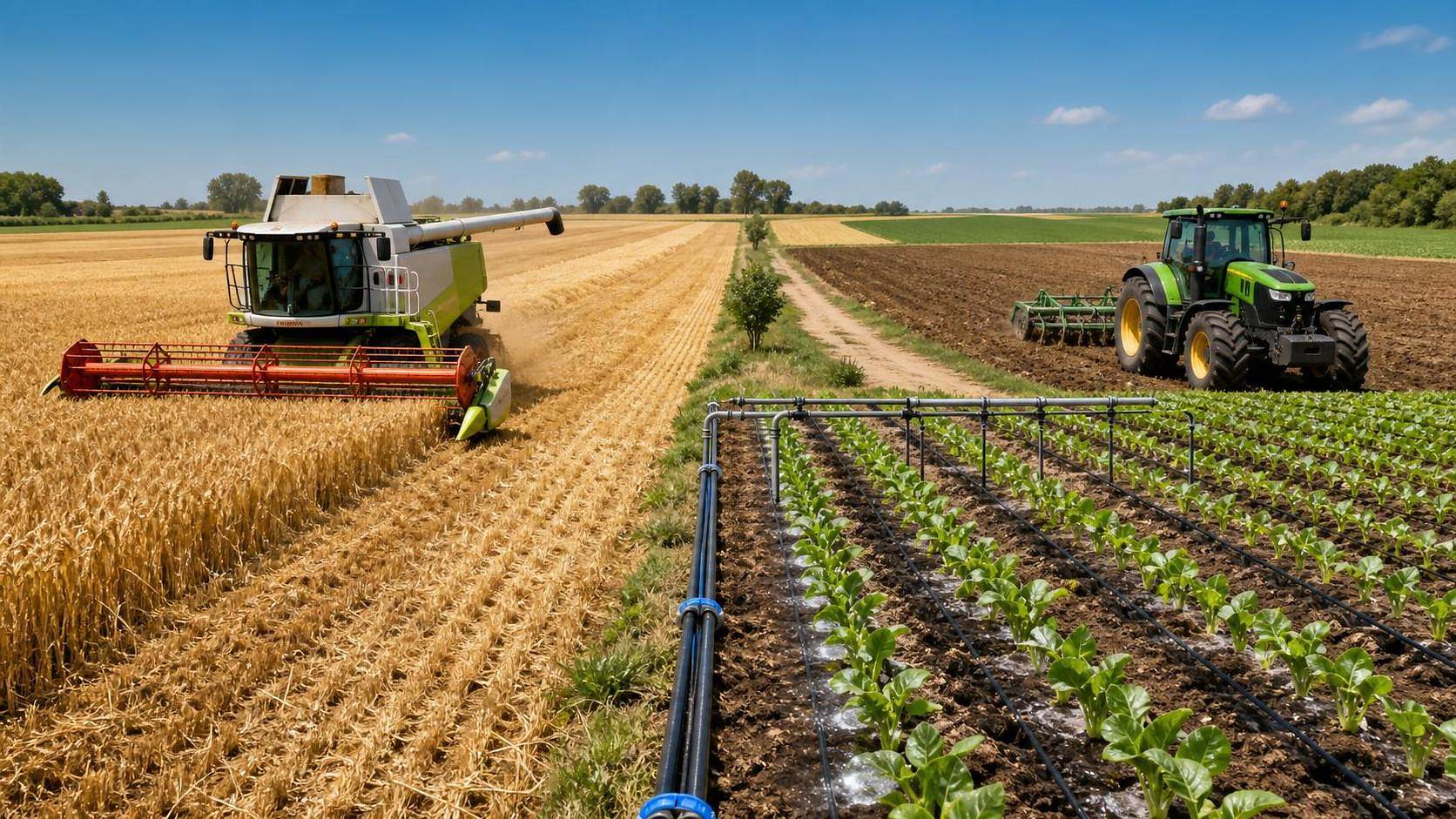




Agricultural technology insights by region often determine whether a promising equipment investment delivers durable returns or creates hidden operational drag.
In cross-border agriculture, machine specifications alone rarely explain field performance, maintenance cost, or compliance exposure.
Regional crop cycles, water pressure, labor conditions, dealer coverage, and public incentives shape the real value of machinery, software, and irrigation systems.
That is why agricultural technology insights by region have become a practical starting point for evaluating combines, tractor platforms, intelligent tools, and water-saving systems.
Why regional comparison now matters more
Agriculture 4.0 is not spreading evenly.
Some markets prioritize autonomous guidance and data integration, while others still focus on rugged mechanics, fuel efficiency, and repair simplicity.
Climate volatility adds another layer.
A machine tuned for broad, dry fields may underperform in high-moisture harvest windows or fragmented plots with frequent turning.
At the same time, policy pressure is rising.
Water allocation rules, emissions standards, import controls, and digital traceability expectations now influence technology selection as much as horsepower or header size.
This is the practical value behind agricultural technology insights by region.
They turn broad market interest into a structured decision frame grounded in local operating reality.
What the phrase really covers
Regional insight is not just a market snapshot.
It combines agronomic conditions, machine suitability, infrastructure readiness, and policy signals into a single commercial reading.
For large-scale equipment, this means asking how field size, soil load, transport distance, and seasonal intensity affect chassis durability and powertrain performance.
For combine harvesters, the focus shifts to crop type, residue level, moisture range, grain loss sensitivity, and cleaning stability.
For intelligent farm tools, the issue is often data quality.
Satellite correction access, connectivity reliability, sensor calibration support, and operator adoption all affect precision outcomes.
For irrigation, the regional lens is even sharper.
Water rights, evaporation rates, filtration needs, energy cost, and crop water response determine whether smart irrigation produces measurable savings.
The first variables worth comparing
Before brand shortlists become too narrow, several variables deserve attention.
These are not background details.
They are the conditions that decide whether a technology fits the region or only looks strong in brochures.
How regional patterns change equipment priorities
High-acreage grain regions
Scale rewards throughput, fuel efficiency, and reliability over feature density alone.
Large combines, robust tractor chassis, and rapid service access usually carry more value than highly specialized add-ons.
Still, precision layers matter when input costs rise.
Guidance accuracy, variable-rate application, and fleet visibility improve margin control across broad operations.
Water-stressed production zones
Here, agricultural technology insights by region often begin with irrigation rather than harvesting.
Smart valves, pressure control, filtration durability, and crop-specific evapotranspiration models can decide system payback.
A lower-cost setup may appear attractive.
Yet poor emitter consistency or weak monitoring can erase water savings very quickly.
Mixed and fragmented farming areas
Maneuverability, multi-crop adaptability, and operator simplicity usually matter more than maximum machine size.
In these settings, compact equipment, flexible headers, and easy calibration routines support better annual utilization.
Where AP-Strategy adds useful context
A regional comparison is stronger when it connects field mechanics with market intelligence.
That is where AP-Strategy’s framing is relevant.
Its coverage of large-scale agri-machinery, combine harvesting technology, tractor chassis, intelligent tools, and water-saving irrigation reflects the core systems shaping food security.
More importantly, the Strategic Intelligence Center perspective links those systems to grain market shifts, environmental rules, and technology evolution.
That integrated view matters because procurement choices now sit between engineering and policy.
A powerful harvester may still underperform commercially if cleaning loss controls are weak for local crop conditions.
An advanced irrigation network may also struggle if local water governance or power pricing changes the economics.
Common mistakes in regional technology evaluation
- Treating global brand reputation as proof of local suitability.
- Using purchase price as the main comparison point.
- Ignoring service response time during narrow planting or harvest windows.
- Assuming precision tools create value without reliable correction signals or operator discipline.
- Overlooking policy trends that can quickly change emissions, subsidy, or water-use assumptions.
These mistakes usually come from evaluating technology in isolation.
Agricultural technology insights by region help prevent that by forcing a wider commercial and operational view.
A practical way to apply the comparison
A useful process begins with the operating environment, not the catalog.
Map the region by crop system, water status, field scale, labor intensity, and logistics constraints.
Then compare technology across three layers.
- Mechanical fit: power, durability, throughput, adaptability, and maintenance access.
- Digital fit: guidance quality, sensor reliability, software interoperability, and reporting value.
- Strategic fit: subsidy alignment, compliance outlook, sustainability targets, and long-cycle resale prospects.
This approach makes agricultural technology insights by region actionable.
It turns scattered market information into a repeatable screening method for shortlisting equipment and system partners.
What to review next
The most effective next step is to build a regional comparison sheet before reviewing detailed quotations.
Include crop conditions, water metrics, labor assumptions, service radius, digital infrastructure, and policy exposure.
Then test every shortlisted machine or irrigation solution against that frame.
Agricultural technology insights by region become most valuable when they guide decisions early, before capital is locked into the wrong configuration.
For teams tracking global agriculture, the better question is no longer which technology looks strongest overall.
It is which technology remains strongest under the regional conditions that actually govern performance, risk, and long-term return.
Related News
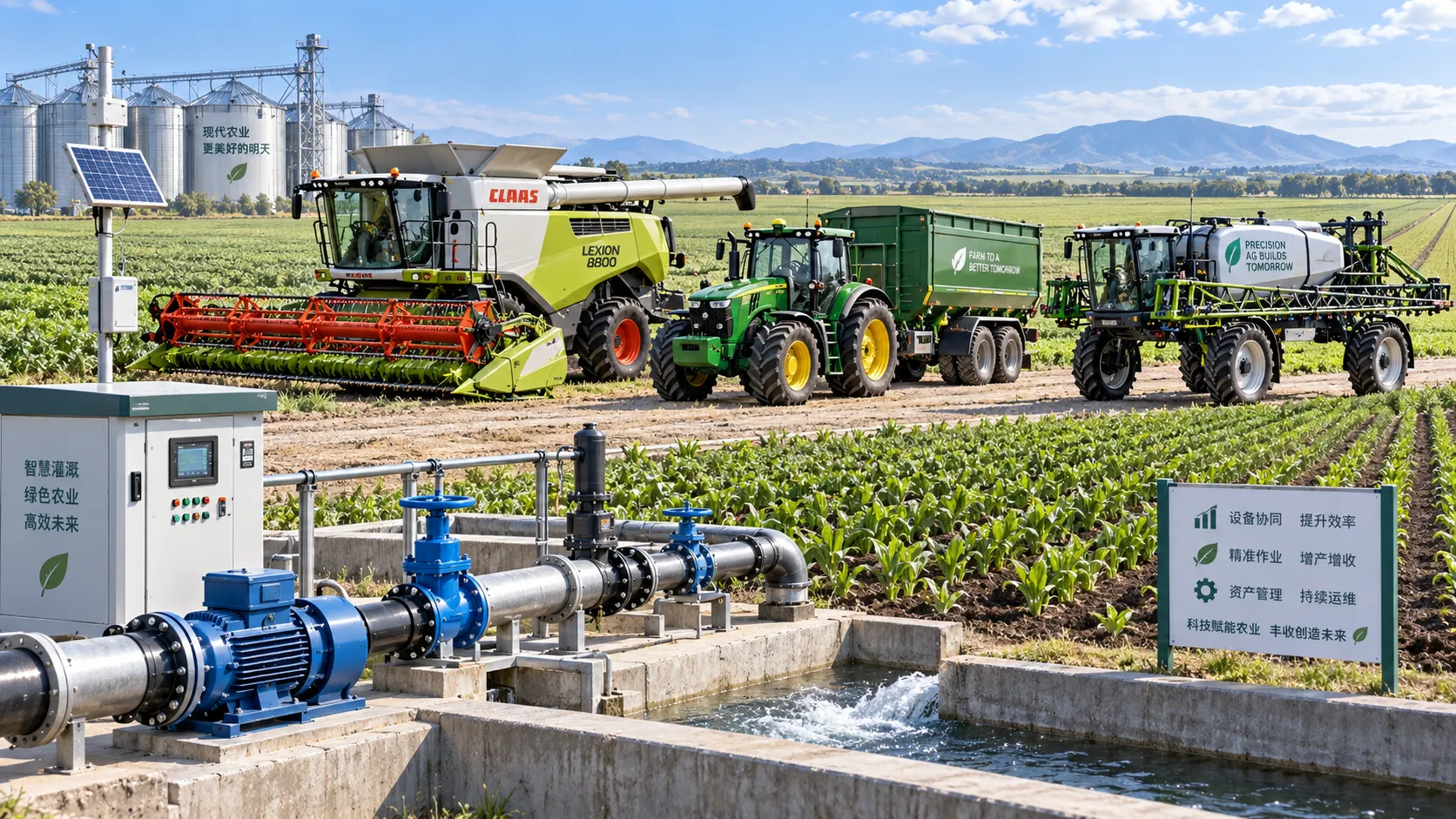
How to Compare Agricultural Equipment Platforms for Fleet Management and ROI
Agricultural equipment platform comparison: evaluate fleet data, maintenance, precision workflows, and ROI to choose a system that delivers measurable results.
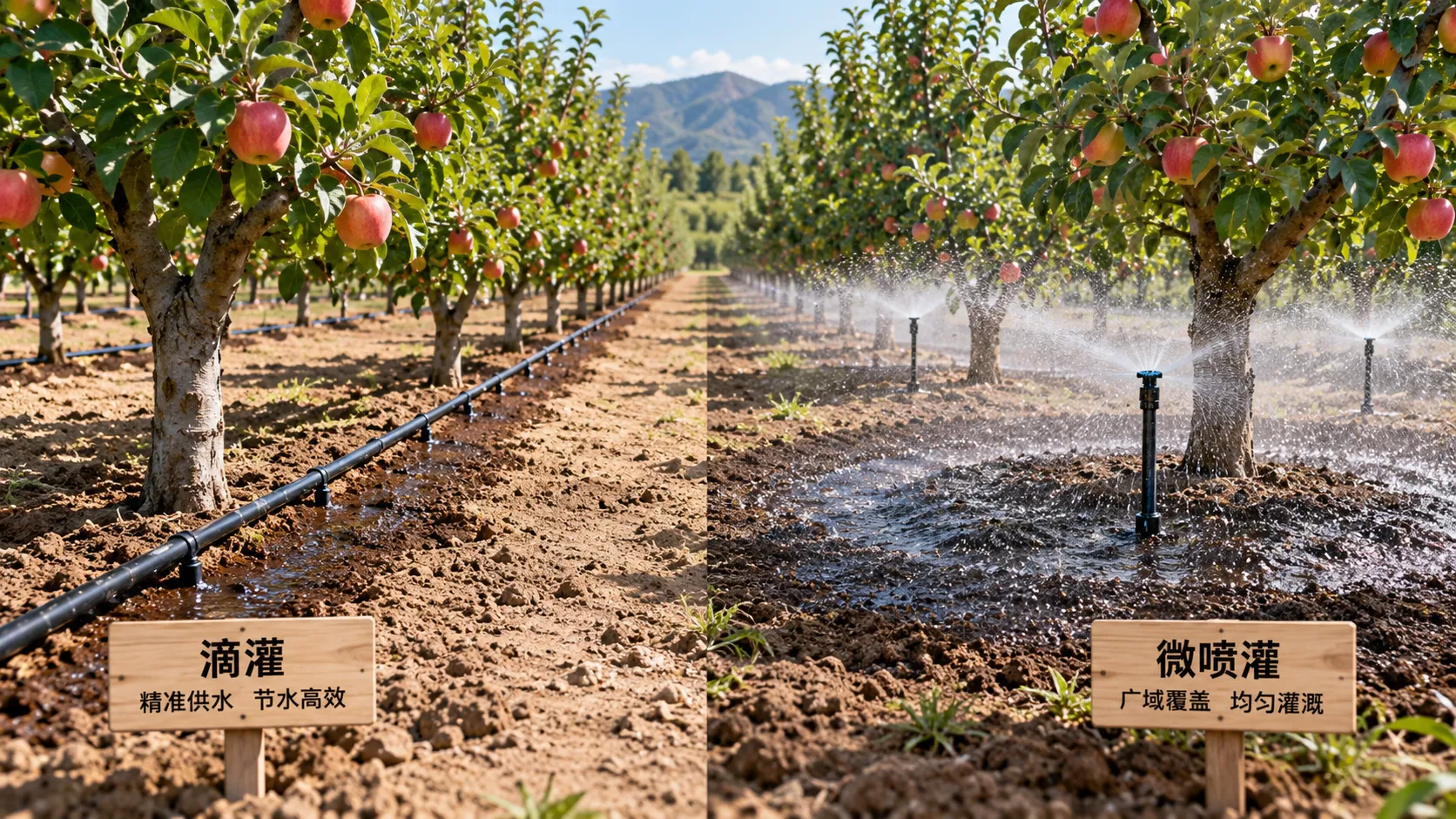
Drip vs. Micro-Sprinkler Irrigation: Which System Fits Your Orchard?
Irrigation solution comparison for orchards: discover whether drip or micro-sprinklers best match your water, soil, roots, fertigation, and frost needs.
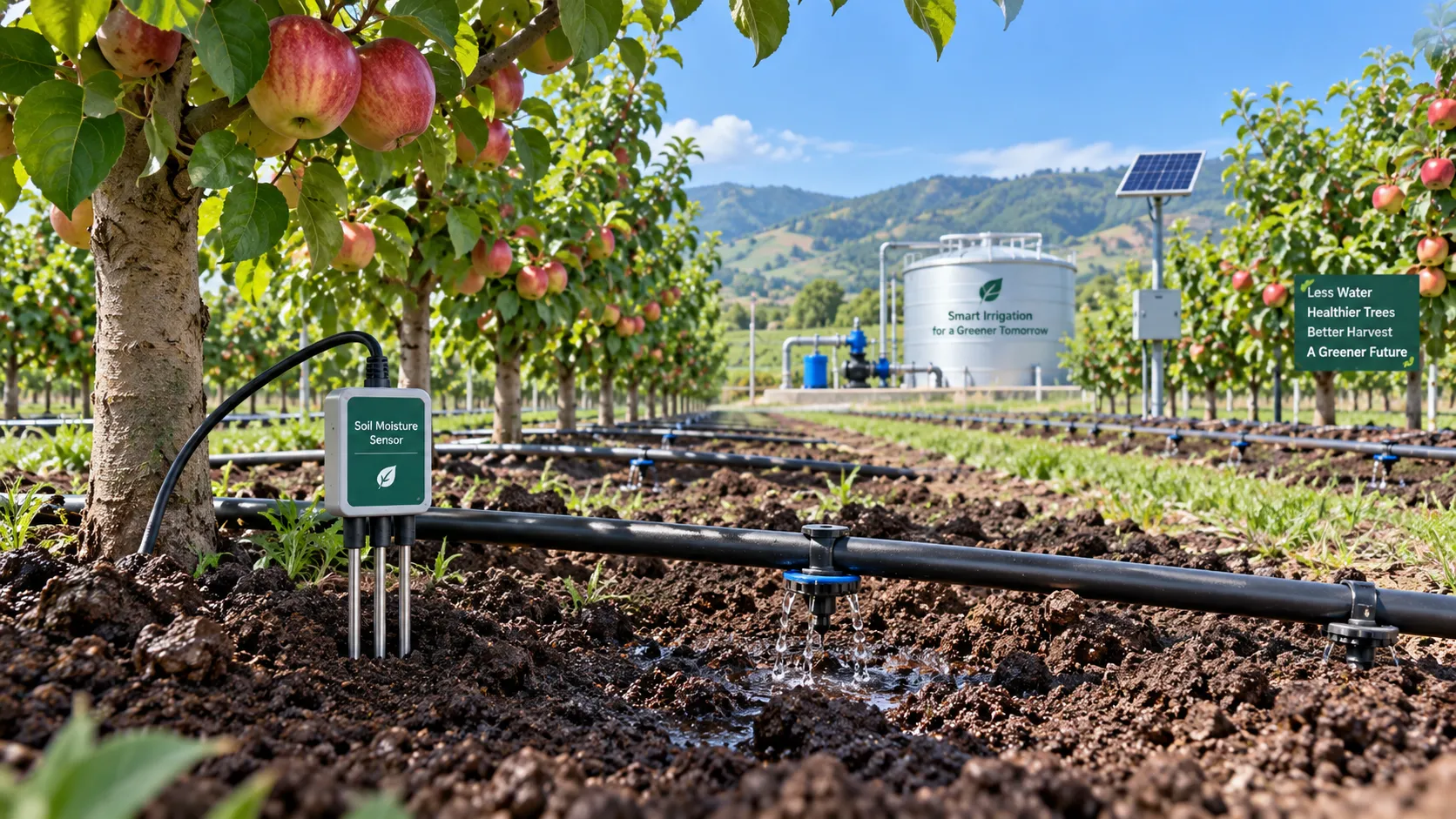
Orchard Water Management: Using Soil Moisture Data to Schedule Irrigation
Agricultural water management for orchards made practical: use soil moisture data to optimize irrigation timing, protect yield, reduce costs, and improve resilience.
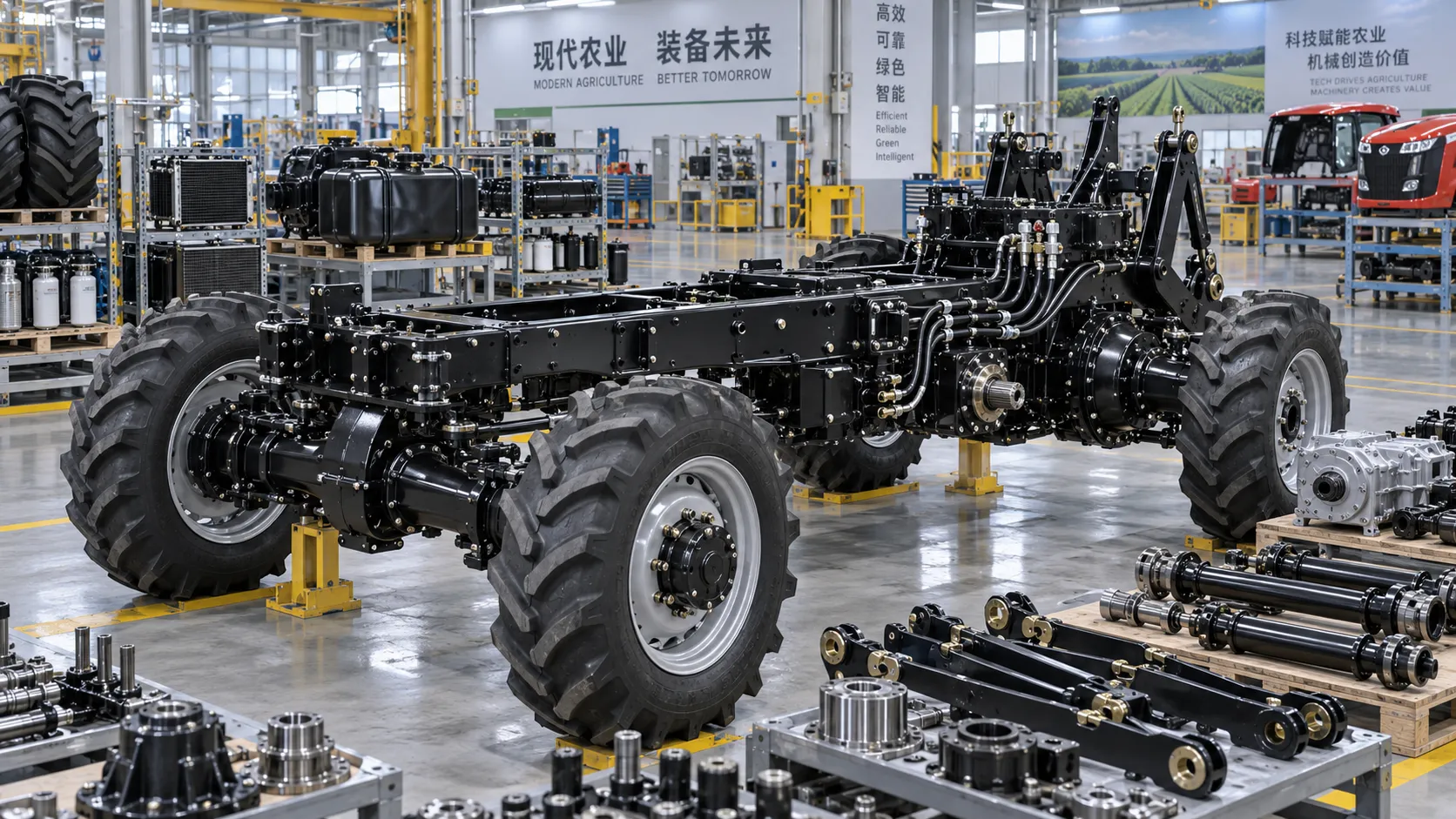
Tractor Chassis Price: What Buyers Should Compare Beyond the Initial Quote
Tractor chassis price is only the start. Compare load capacity, compatibility, durability, and lifecycle costs to choose a reliable, high-value chassis.
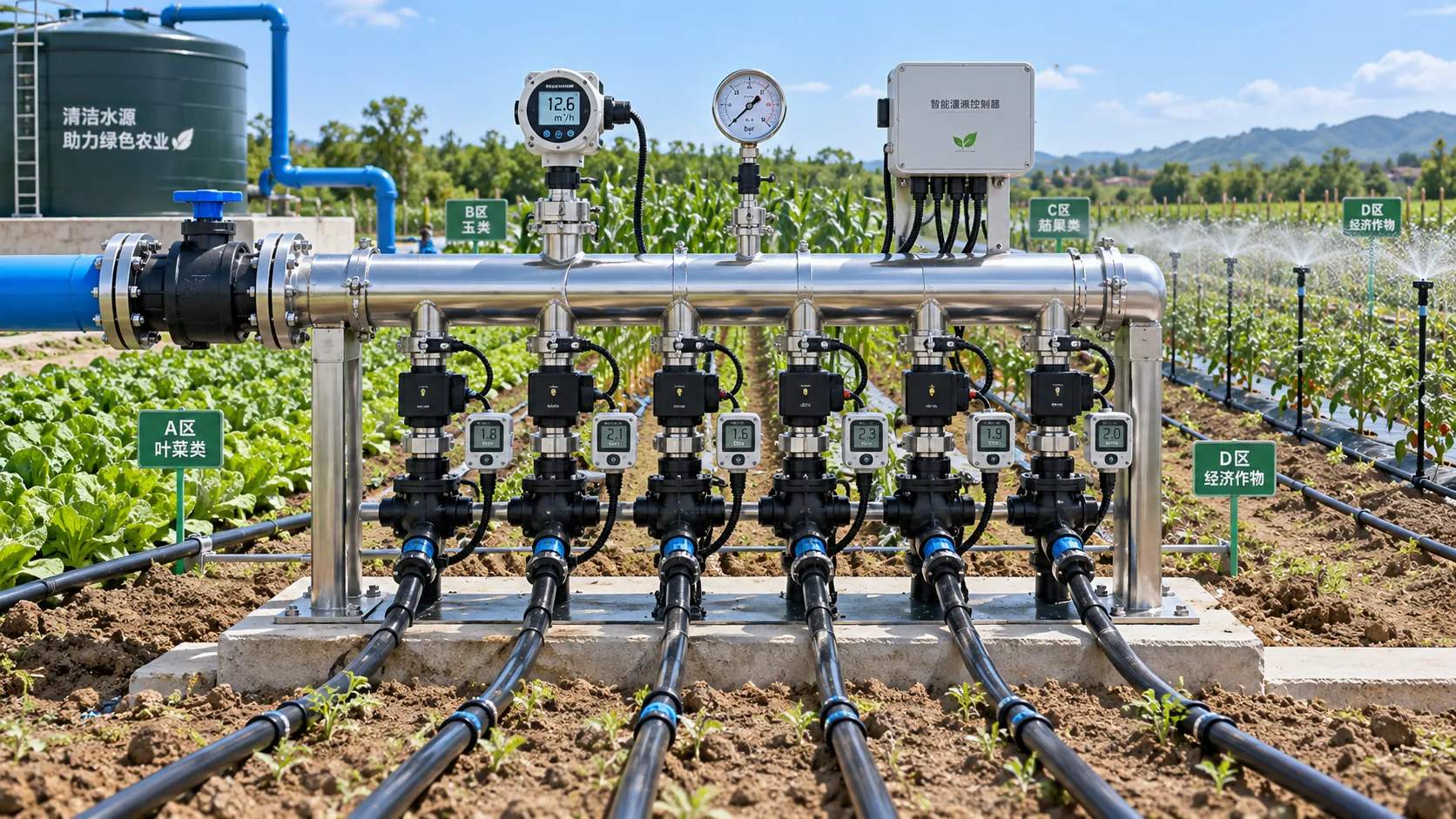
How to Select Smart Irrigation Valves for Multi-Zone Water Management?
Intelligent irrigation systems valves: learn how to match smart valves with multi-zone flow, pressure, control, feedback, and communication needs for reliable water management.
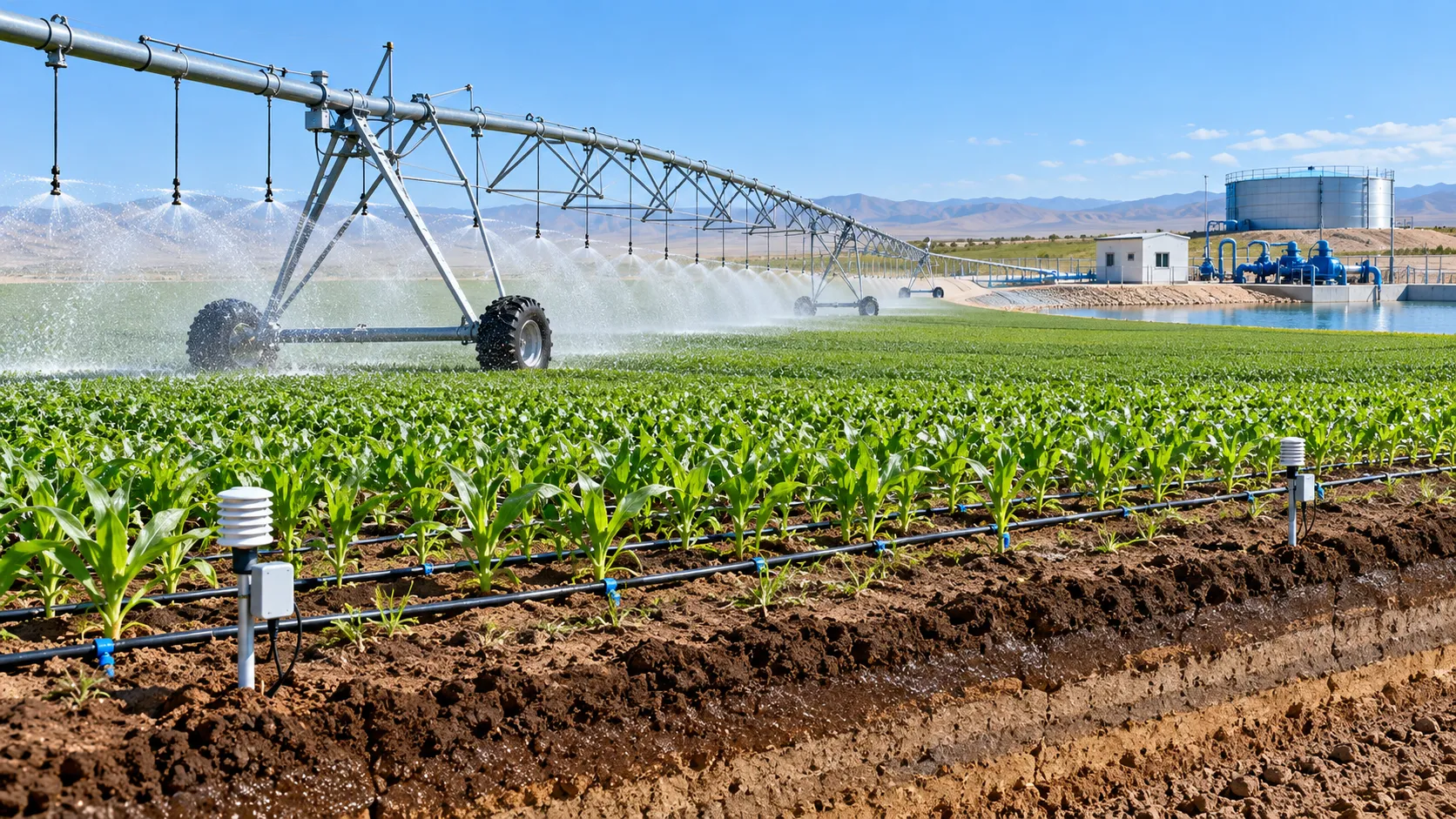
Climate-Smart Farming for Drought: A Practical Plan for Protecting Yields
Climate-smart farming for drought: build smarter water budgets, protect critical crop stages, improve irrigation uniformity, and safeguard yields with practical field-proven strategies.
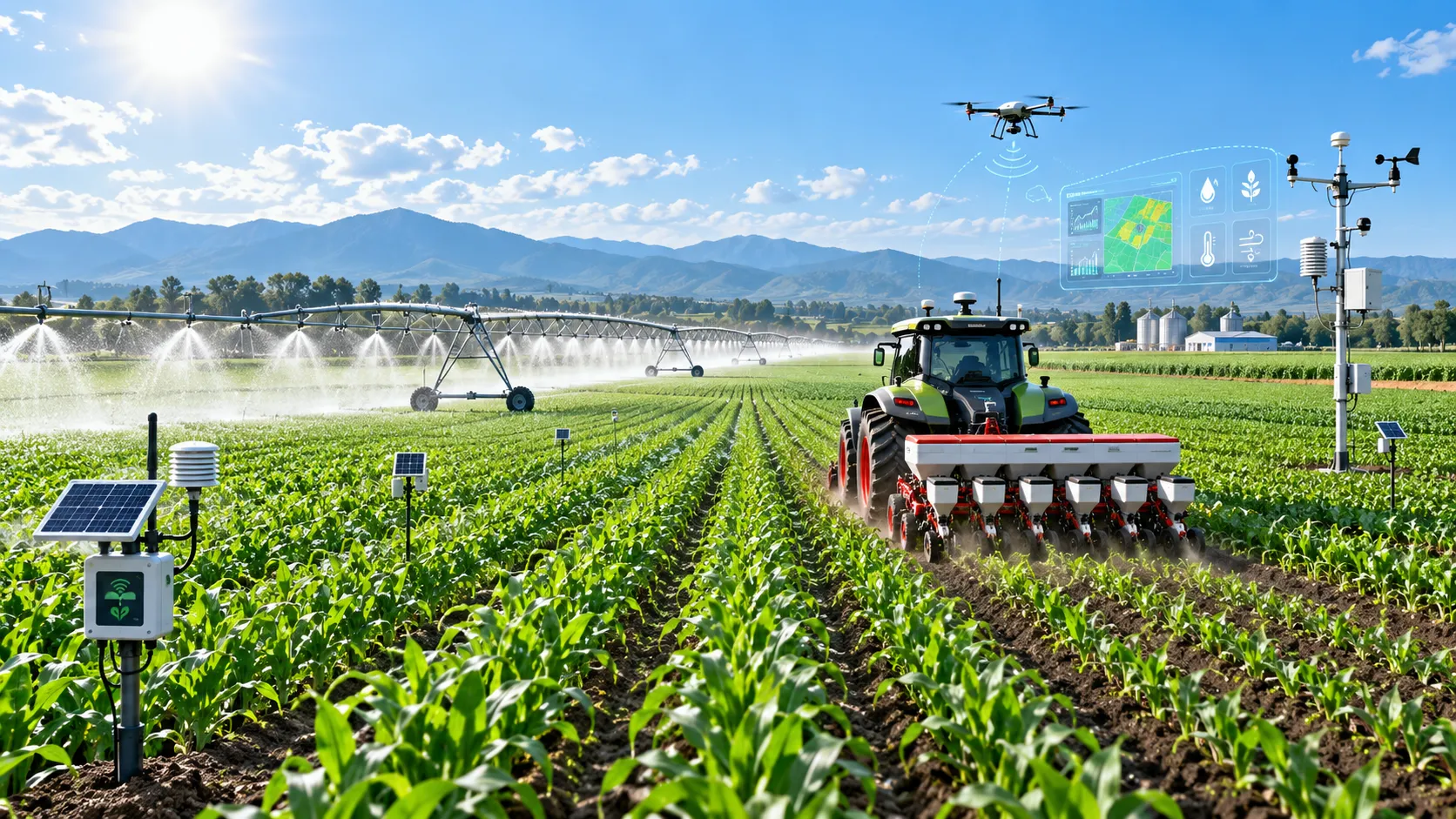
How Digital Agriculture Platforms Turn Field Data Into Better Input Decisions
Digital agriculture platforms turn field data into smarter fertilizer, water, seed, and equipment decisions—helping farms cut risk, improve margins, and scale sustainability.
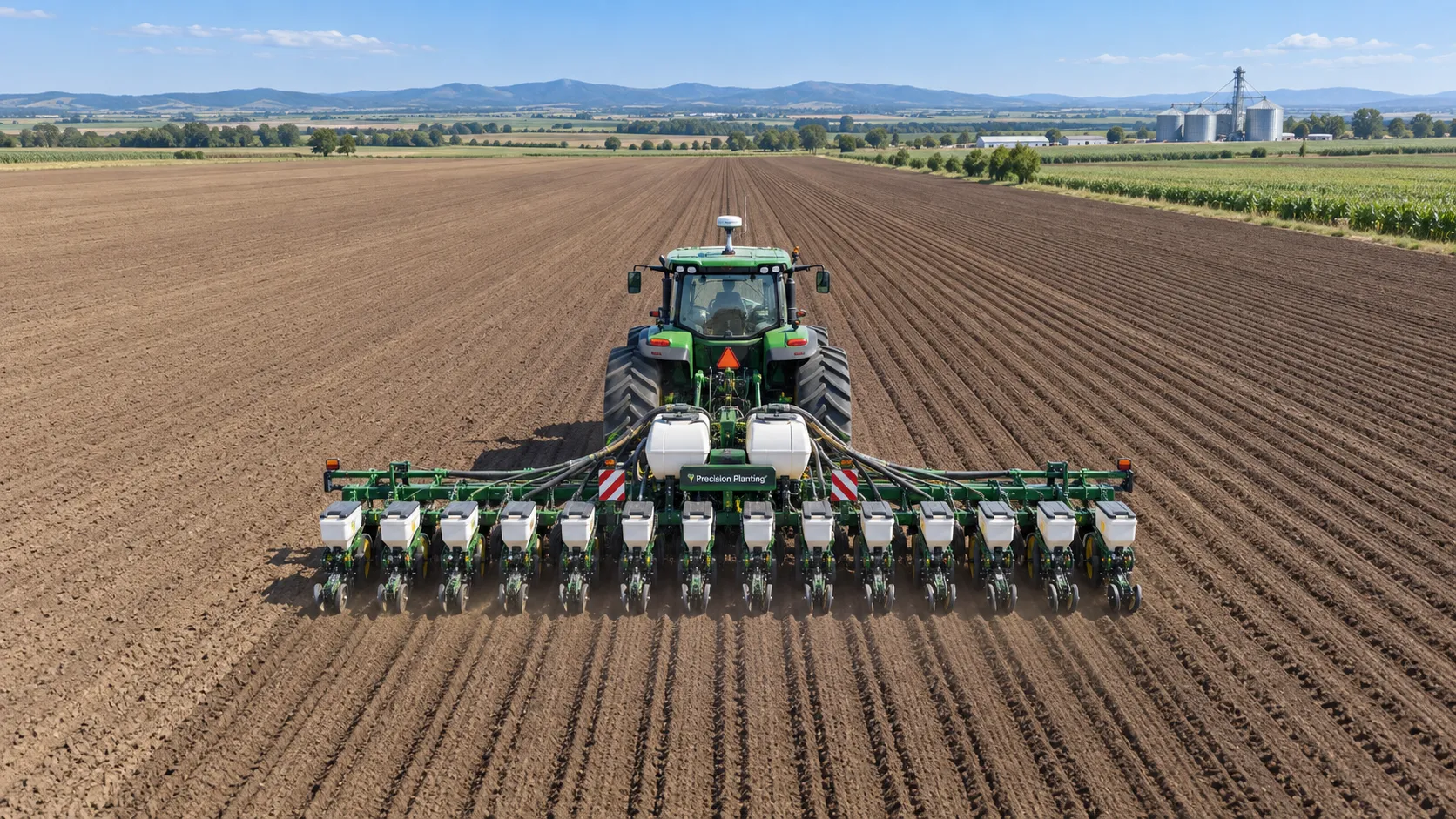
GPS-Guided Farm Machinery: Where It Delivers Measurable Field Efficiency Gains
Agri-mechanization GPS guided systems deliver measurable field efficiency gains through reduced overlap, precise planting, smarter inputs, and reliable farm data.
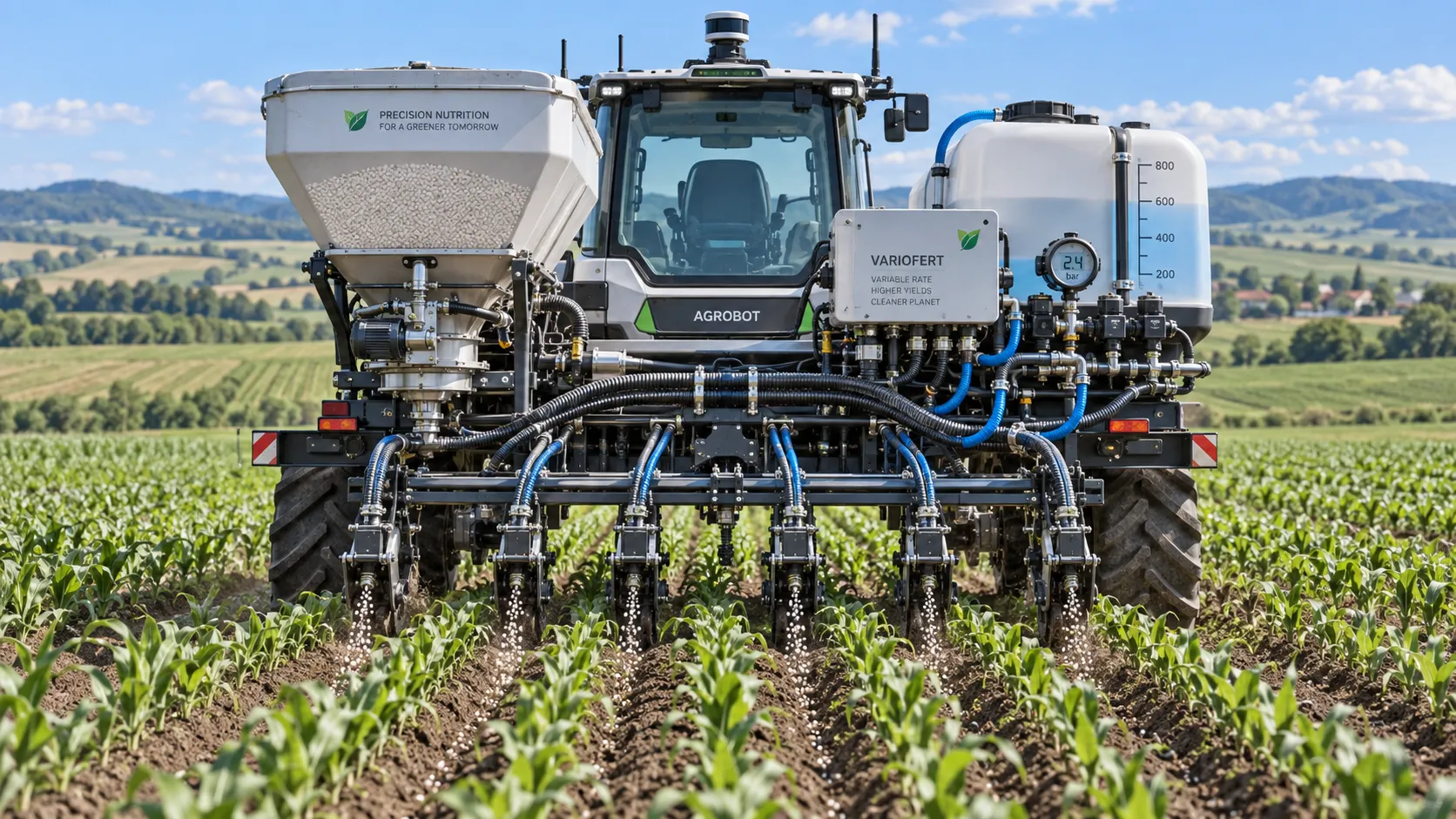
How Sensor Feedback Enables Accurate Variable-Rate Fertilization in Field Conditions
Precision fertilization systems with sensor feedback improve variable-rate accuracy by verifying flow, managing latency, and ensuring reliable field application.
Related News
- 00
0000-00
How Does Farm Mechanization Affect Food Security in Developing Regions? - 00
0000-00
Agricultural Technology Insights by Region: Where Adoption Is Growing Fastest - 00
0000-00
How Climate-Smart Agriculture Technology Improves Yield, Soil Health, and Risk Resilience - 00
0000-00
Smart Farming Solutions in Latin America: Which Technologies Fit Large Farms Best? - 00
0000-00
Long-Cycle Agri-Trade Price Trends: How to Read Supply, Freight, and Currency Signals
Popular Tags
Prof. Marcus Chen
Weekly Insights
Stay ahead with our curated technology reports delivered every Monday.