
Global Grain Market Demand: Key Drivers, Trade Shifts, and Buyer Risks to Watch
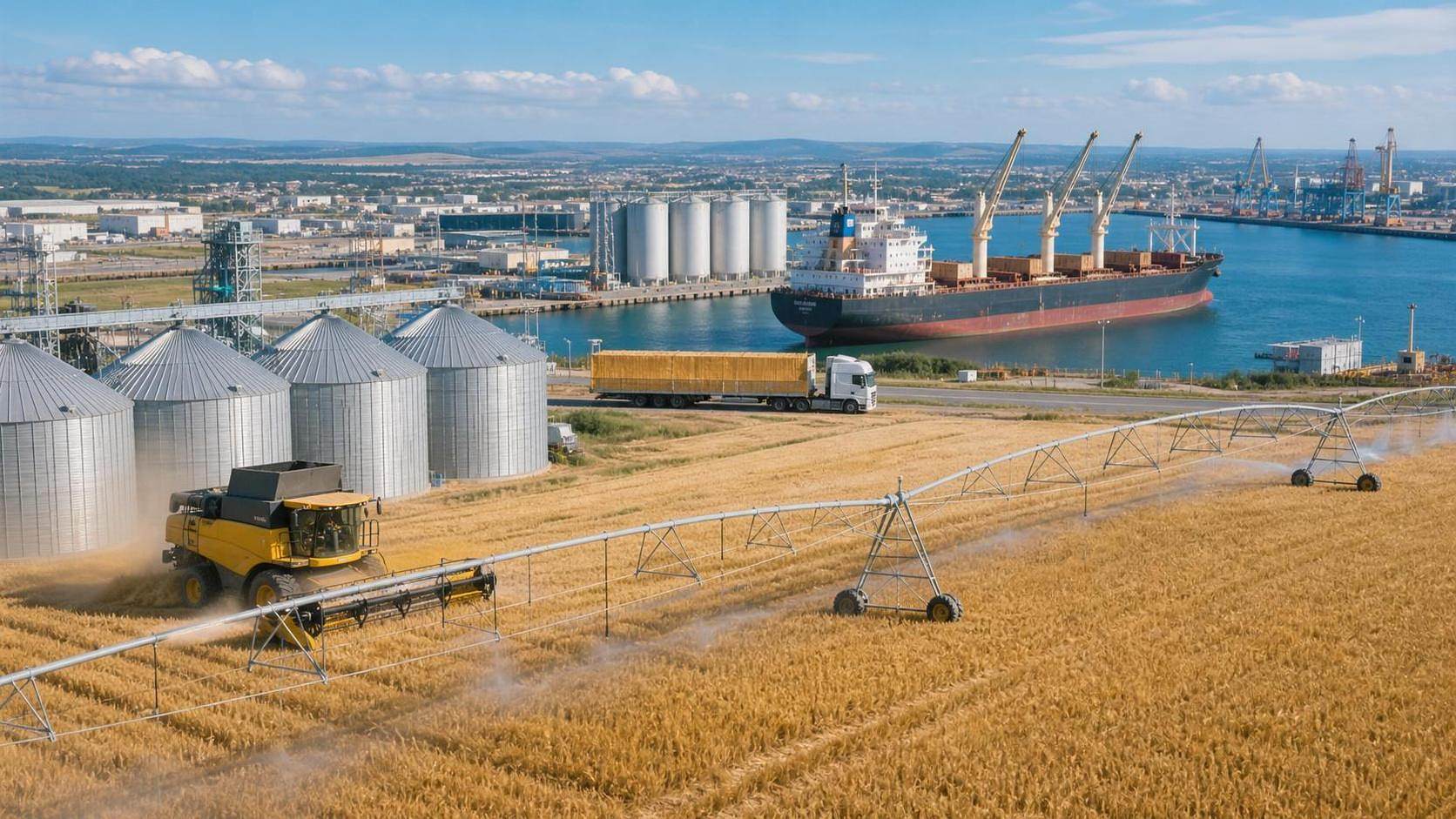




Global grain market demand is no longer moving in a straight line
Global grain market demand is being reshaped by a tighter mix of weather risk, logistics realignment, fiscal pressure, and food security policy.
That shift matters well beyond commodity trading.
It is influencing machinery utilization, harvest timing, storage investment, irrigation priorities, and the pace of field-level automation.
The more important signal is not simply that grain demand remains large.
It is that demand is becoming more conditional, more regional, and more sensitive to disruption.
For organizations tracking the Agriculture 4.0 cycle, this creates a wider decision frame.
Market demand now connects directly with combine efficiency, water availability, fleet productivity, and precision input control.
This is where the perspective of AP-Strategy becomes useful.
Reading global grain market demand through equipment performance and field intelligence often reveals risk earlier than price charts alone.
Recent demand signals are showing a more fragmented market
From recent trade behavior, grain demand is still resilient, but the structure underneath it is changing.
Import demand is increasingly shaped by short-term availability, freight security, and domestic policy buffers.
Some buyers are extending origin diversity.
Others are shortening coverage windows to avoid carrying expensive inventory through unstable pricing cycles.
That makes global grain market demand look firm in aggregate, yet uneven in timing and destination.
Another visible change is the rising link between crop quality and demand quality.
In practical terms, buyers are not only watching tonnage.
They are watching moisture variability, protein consistency, residue standards, and shipment reliability.
This is one reason harvest technology and post-harvest handling now matter more in market analysis.
Why the shift feels sharper this cycle
- Climate volatility is creating larger yield swings between regions and between planting seasons.
- Trade routes remain exposed to shipping disruption, insurance cost, and geopolitical friction.
- Public food security policies are encouraging reserve rebuilding in some markets.
- Currency pressure is changing import affordability, even where consumption demand is stable.
- Feed, fuel, and food uses are competing more directly for the same grain balance.
Taken together, these forces are making global grain market demand more reactive than many long-cycle plans assumed.
Trade shifts are changing where demand lands and how risk travels
The current trade pattern is not just about new buyers entering the market.
It is also about established flows being rerouted, delayed, or split across more origins.
That creates a different map for global grain market demand.
A demand center may remain active, while its preferred shipping corridor changes.
A producing region may still export heavily, yet face tighter quality scrutiny or seasonal congestion.
This is where traditional assumptions can become expensive.
More noticeably, logistics volatility is now feeding back into production strategy.
When transport reliability weakens, storage, drying, and harvest speed become part of market access.
That brings farm machinery and water management closer to the center of commercial planning.
The strongest demand drivers now sit across food, energy, and resilience
Global grain market demand is often discussed as a food story, but that picture is incomplete.
Demand is being reinforced by feed demand recovery, biofuel mandates, and state-level buffer strategies.
At the same time, climate stress is limiting how easily supply can catch up.
This produces a market where every efficiency gain in the field can have downstream pricing value.
Where the pressure is coming from
Food consumption growth remains a core base, especially in regions where wheat, corn, and rice remain politically sensitive staples.
Feed demand is more cyclical, yet still influential.
Livestock recovery can quickly tighten grain balances, particularly when weather damage reduces local crop quality.
Energy policy is another variable.
When biofuel blending incentives strengthen, grain allocation decisions become more contested.
Then there is resilience demand.
Governments and large market participants increasingly treat supply continuity as a strategic issue, not a routine sourcing issue.
That mindset alone can reshape global grain market demand even before actual shortages appear.
The impact is spreading into field operations and equipment strategy
One underappreciated consequence of shifting grain demand is its effect on operational discipline.
When margins depend more on quality retention and delivery reliability, field losses become less tolerable.
That raises the value of high-efficiency combines, robust tractor chassis, precision tools, and water-saving irrigation systems.
The connection is direct.
A cleaner harvest can support grade consistency.
Better hydraulic control supports stable field performance in compressed weather windows.
Sensor-based tools reduce waste when fertilizer and water costs are volatile.
In dry regions, irrigation intelligence can protect both yield and crop uniformity.
This explains why platforms like AP-Strategy do not separate grain market intelligence from mechanization and agronomic technology.
The market now rewards integrated decisions more than isolated upgrades.
What deserves closer attention now
- Harvest loss rates during unstable weather windows
- Water-use efficiency in grain-producing areas facing regulatory pressure
- Equipment uptime where labor availability is inconsistent
- Data visibility between field operations, storage, and shipment timing
- The gap between nominal production volume and export-ready quality
Buyer risk is shifting from price alone to execution risk
Price volatility still matters, but it is no longer the only serious exposure.
Execution risk is growing faster in many grain corridors.
That includes late vessel loading, variable grade outcomes, policy-led export controls, and uncertain inland movement.
In that environment, global grain market demand can look healthy on paper while actual fulfillment becomes harder.
A useful way to read the risk is to separate headline supply from dependable supply.
Dependable supply depends on infrastructure, weather timing, machine readiness, crop handling, and regulatory continuity.
This is why decision quality increasingly depends on cross-functional intelligence.
A logistics update without field context can misread real availability.
A yield estimate without irrigation or harvesting context can overstate deliverable volume.
The next phase will reward better signal reading, not louder forecasting
The most credible outlook for global grain market demand is not a single directional call.
It is a disciplined reading of linked signals.
Watch regional weather stress, planting economics, export policy tone, water constraints, and equipment deployment capacity together.
That combination gives a clearer view of where demand may accelerate and where supply may fail to respond smoothly.
A practical next step is to build a short list of indicators that are reviewed continuously, not seasonally.
- Track origin concentration risk alongside freight route exposure
- Compare price views with field performance and water availability data
- Assess whether current harvesting and irrigation capacity match tighter quality expectations
- Review supply plans against policy disruption scenarios, not only average demand assumptions
Global grain market demand will remain large, but the advantage will increasingly go to those reading the operating conditions behind the numbers.
In the current cycle, better judgment starts where market signals, field technology, and resource efficiency meet.
Related News
How Sensor Feedback Enables Accurate Variable-Rate Fertilization in Field Conditions
Precision fertilization systems with sensor feedback improve variable-rate accuracy by verifying flow, managing latency, and ensuring reliable field application.
How to Select Precision Crop Protection Equipment for Variable Field Conditions
Precision crop protection equipment selection made simple: compare terrain, canopy, weather, control accuracy, and data workflows for reliable applications.
When Does Agricultural Machinery Leasing Cost Less Than Owning Equipment?
Agricultural machinery leasing can lower farm costs when use is seasonal or uncertain. Compare utilization, maintenance, cash flow, and risk to make a smarter equipment decision.
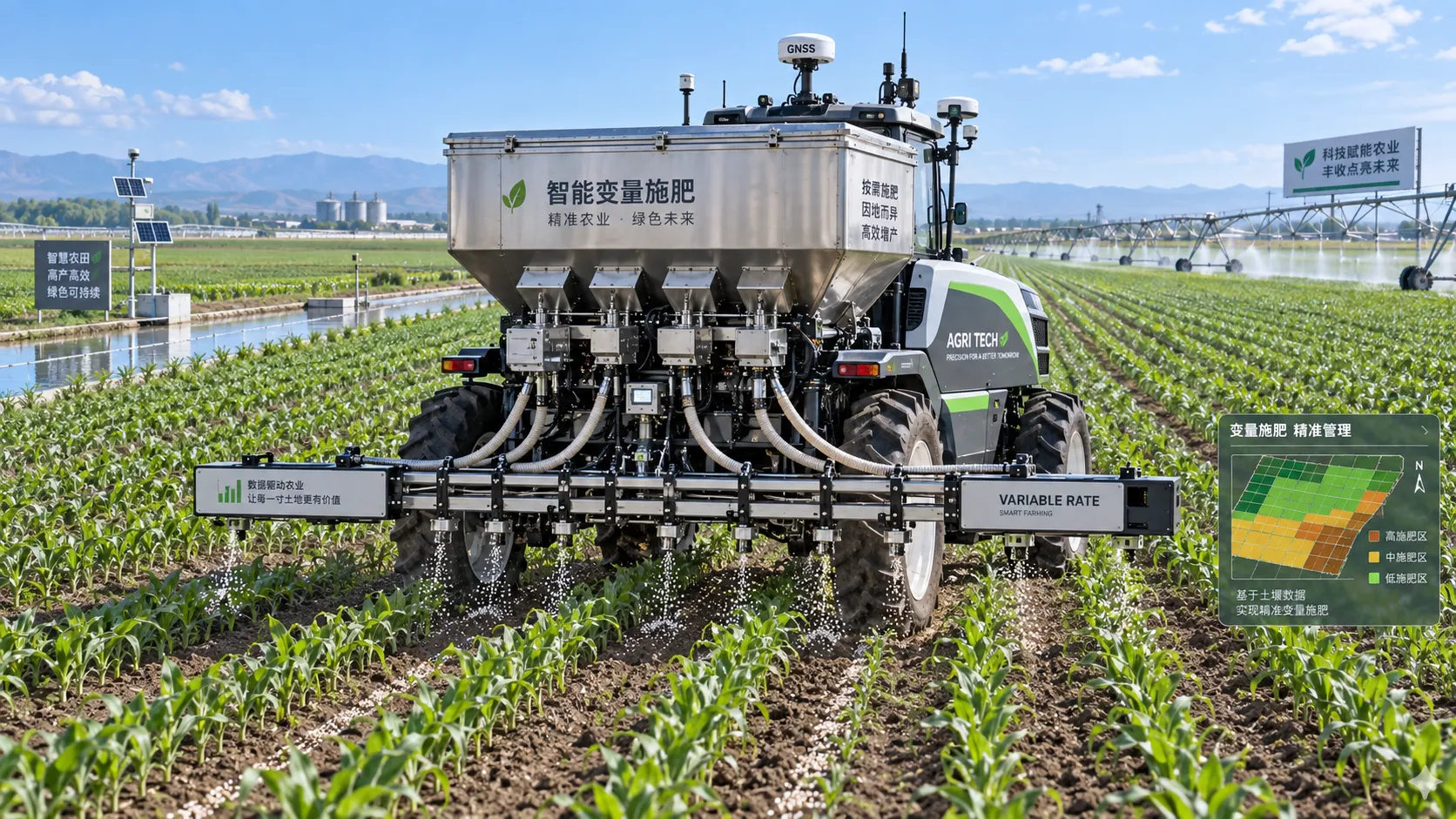
How to Evaluate Precision Fertilization System Suppliers for Farm-Scale Deployment
Precision fertilization systems suppliers: learn how to compare accuracy, integration, uptime, service, and total cost for confident farm-scale deployment.
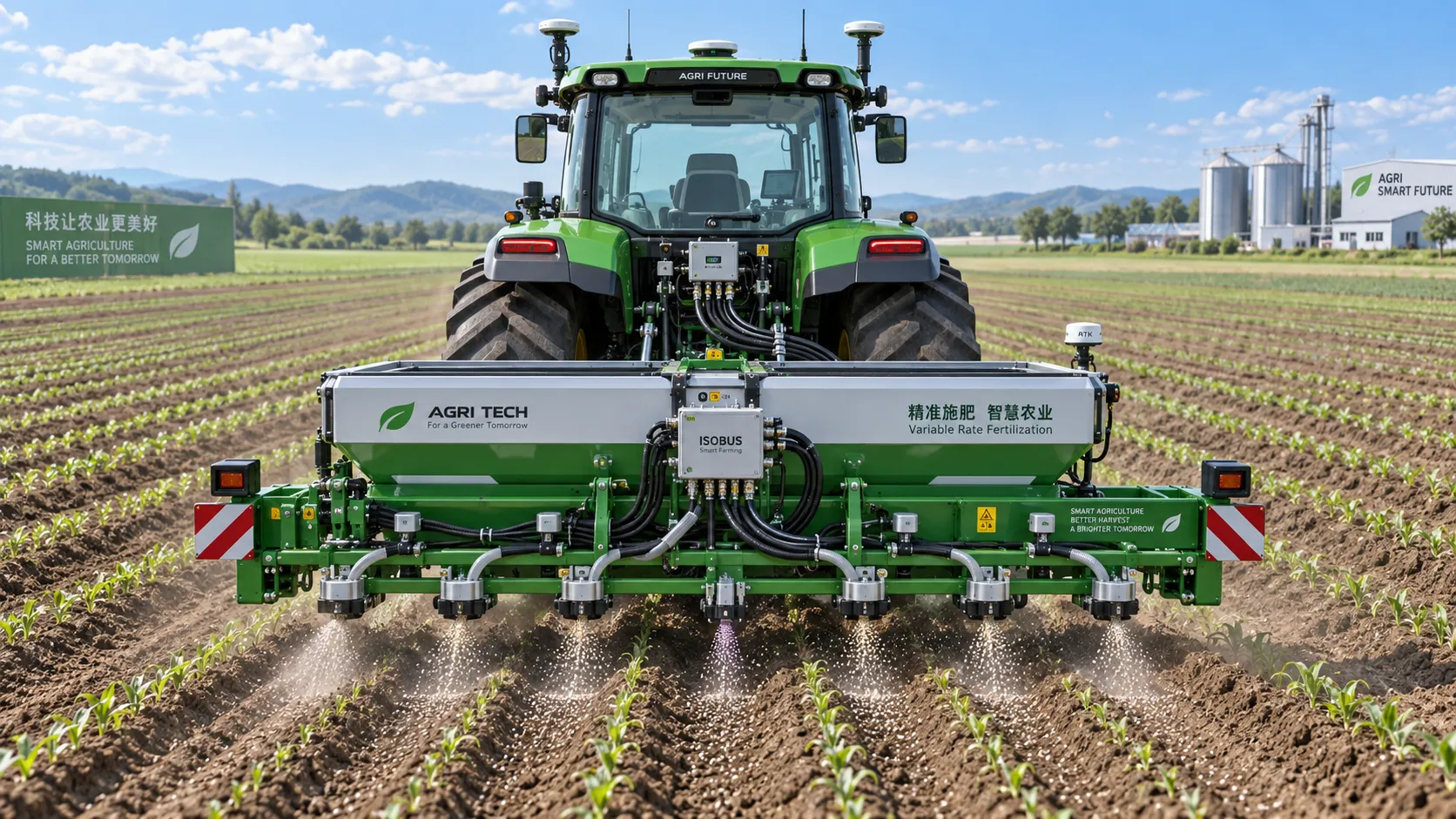
ISOBUS for Smart Agriculture: How It Connects Tractors, Implements, and Farm Data
ISOBUS for smart agriculture connects tractors, implements, terminals, and farm data—helping growers improve precision, documentation, and smarter field decisions.
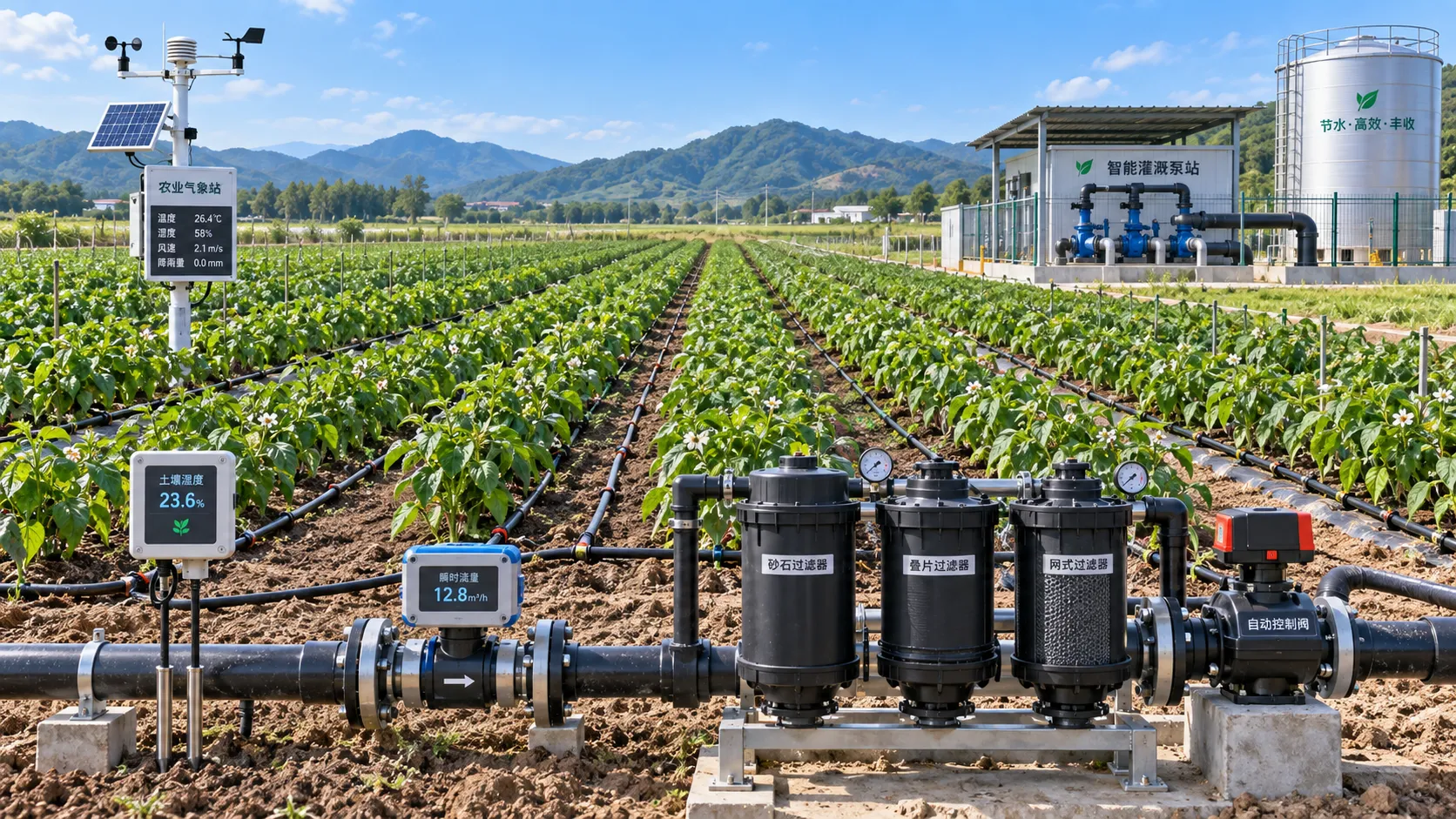
Automated Water-Saving Irrigation: How to Cut Water Use Without Reducing Crop Yields
Automated water-saving irrigation helps farms cut water use, protect crop yields, improve scheduling, and gain reliable control with sensors, flow monitoring, and smart zones.
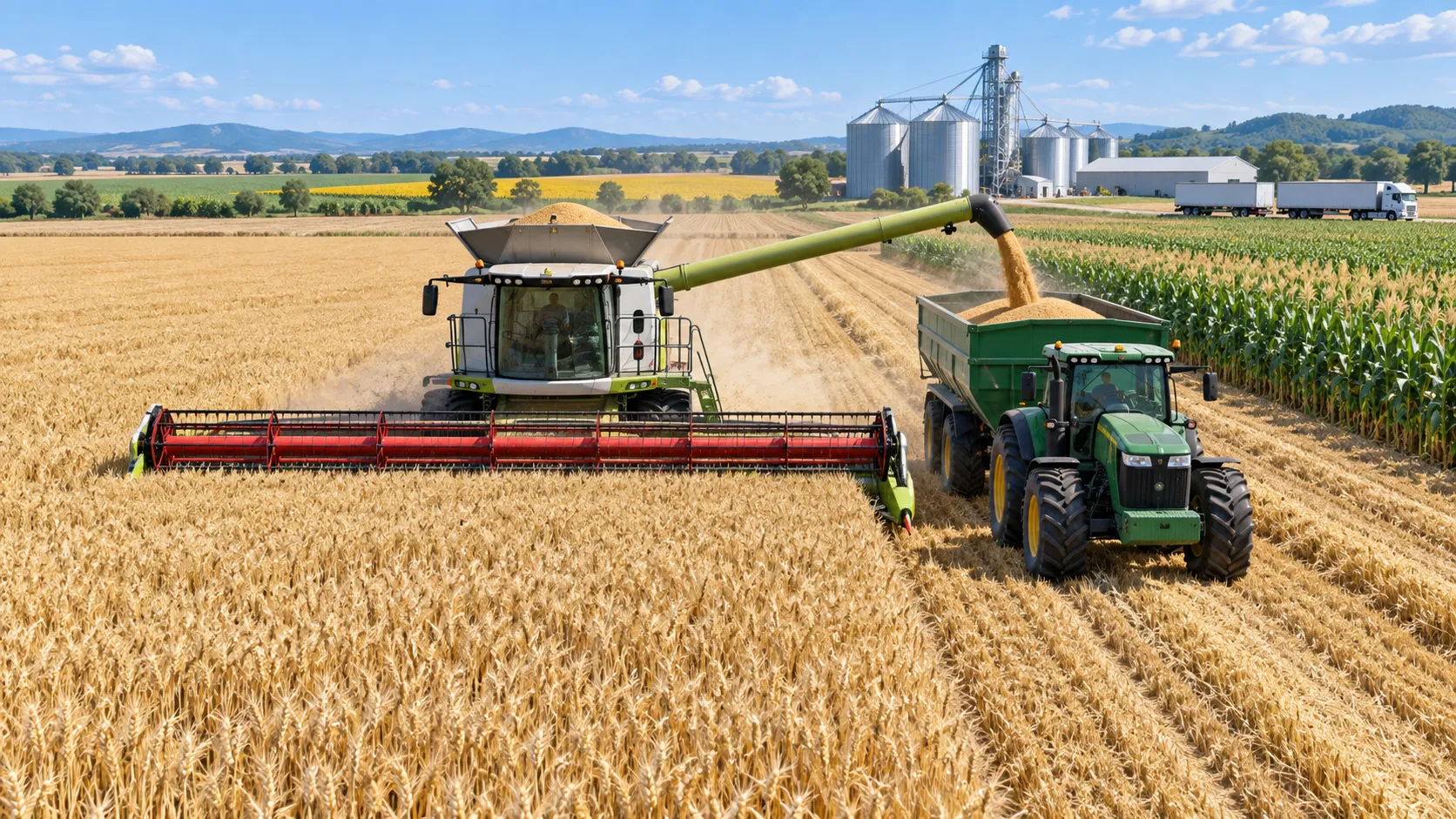
Selecting Grain Farm Equipment by Acreage, Crop Mix, and Harvest Window
Agricultural equipment selection for grain farming: match machinery to acreage, crop mix, and harvest windows to improve uptime, efficiency, and returns.
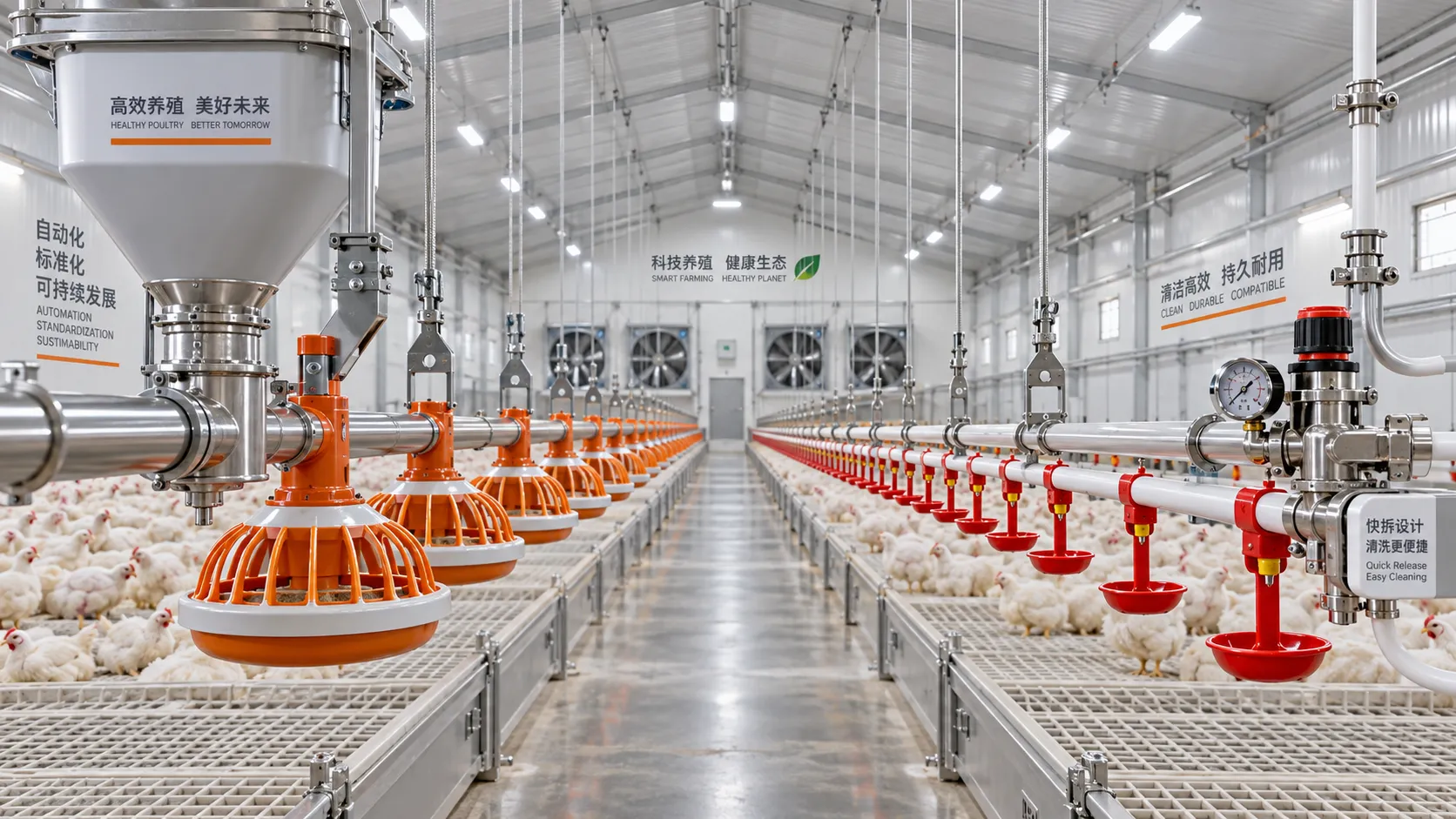
Poultry Equipment Selection: Evaluating Durability, Cleaning, and Compatibility
Poultry equipments selection guide: evaluate durability, cleaning access, and system compatibility to improve hygiene, reduce downtime, and support efficient flock management.
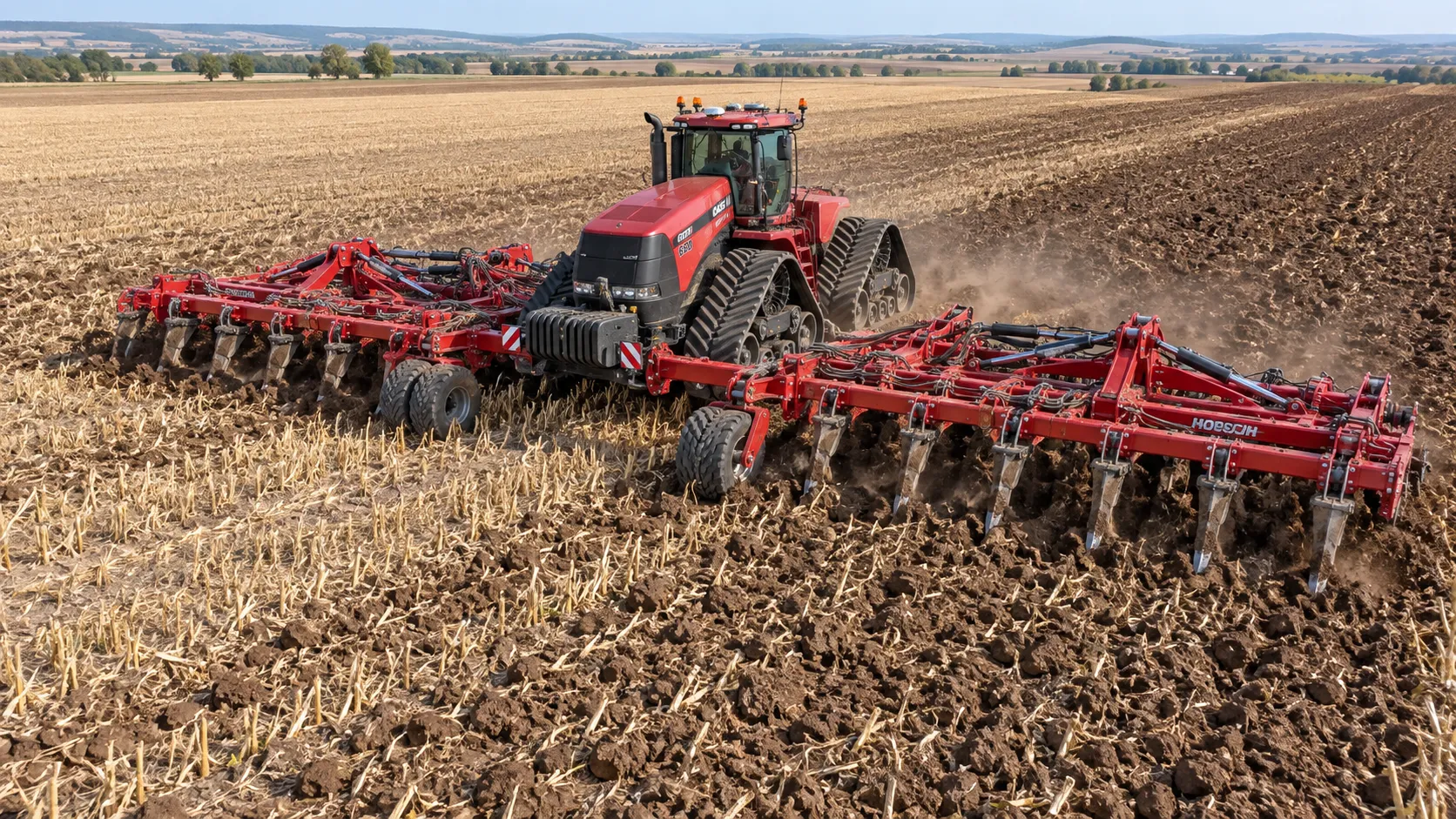
How to Select Heavy-Duty Farm Implements for High-Acreage, High-Horsepower Operations
Heavy duty farm implements: learn how to match draft, hydraulics, hitch capacity, frame strength, and field conditions for reliable high-acreage performance.
Related News
- 00
0000-00
How Does Farm Mechanization Affect Food Security in Developing Regions? - 00
0000-00
Agricultural Technology Insights by Region: Where Adoption Is Growing Fastest - 00
0000-00
How Climate-Smart Agriculture Technology Improves Yield, Soil Health, and Risk Resilience - 00
0000-00
Smart Farming Solutions in Latin America: Which Technologies Fit Large Farms Best? - 00
0000-00
Long-Cycle Agri-Trade Price Trends: How to Read Supply, Freight, and Currency Signals
Popular Tags
Prof. Marcus Chen
Weekly Insights
Stay ahead with our curated technology reports delivered every Monday.