
Sustainable Farming Practices in Latin America: What Buyers and Investors Are Watching
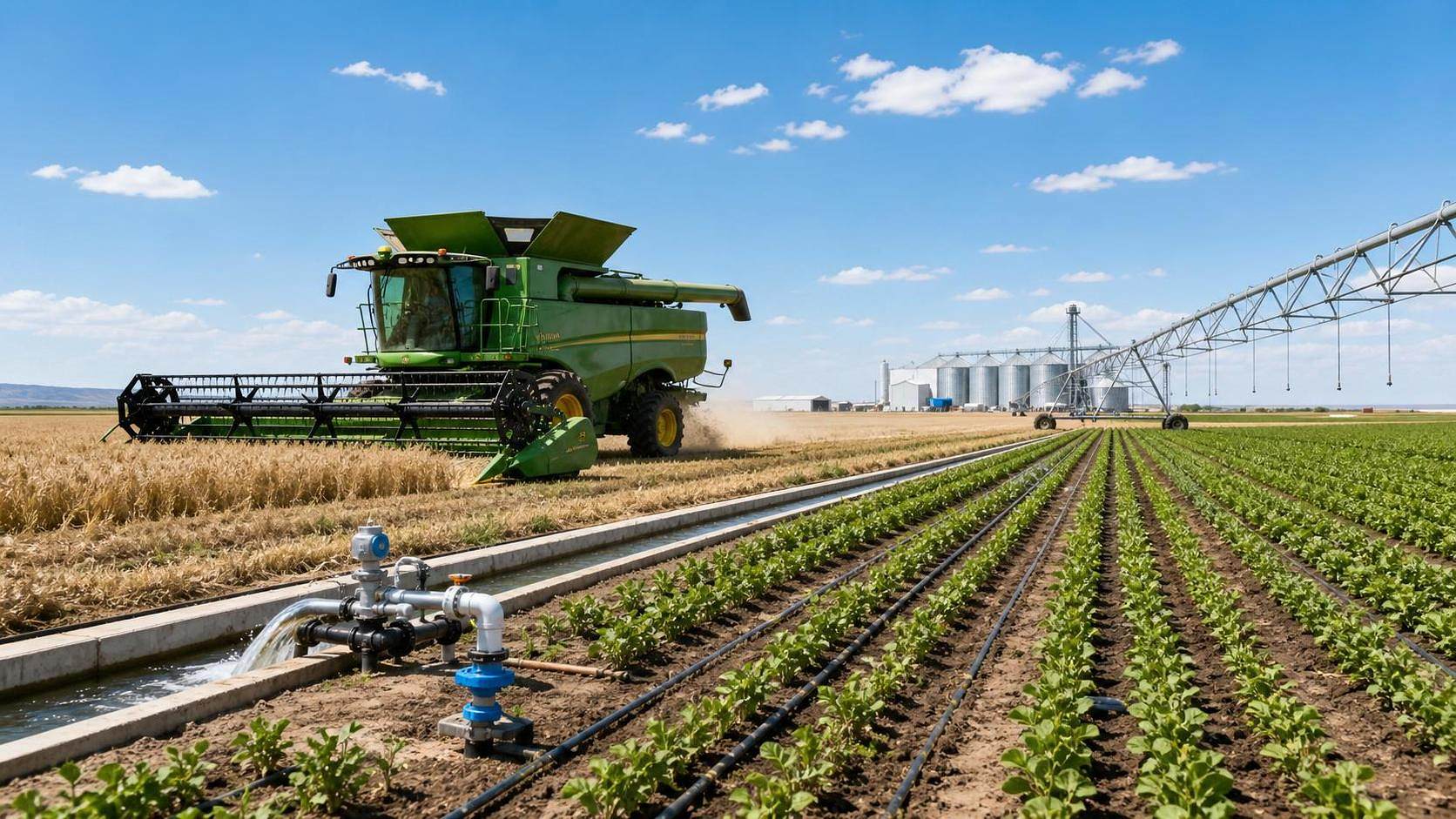




Sustainable farming practices in Latin America have become a commercial signal, not just a policy phrase. Climate pressure, stricter land governance, and tighter capital allocation are pushing buyers and investors to examine how production systems actually perform.
That shift matters because the region sits at the intersection of scale, biodiversity, export dependency, and infrastructure gaps. What looks sustainable on paper must now hold up in machine hours, water use, harvest losses, traceability records, and long-term asset productivity.
In that context, sustainable farming practices Latin America are increasingly judged through operational evidence. The strongest cases combine agronomic resilience with measurable efficiency, especially in mechanization, irrigation, and data-based field management.
Why the regional signal is getting stronger
Latin America is central to global supply in soybeans, corn, sugar, coffee, beef, fruit, and specialty crops. Any change in farm performance can quickly affect export reliability, cost structures, and compliance exposure.
The market is also under closer scrutiny from importers, lenders, insurers, and regulators. Deforestation risk, watershed stress, soil depletion, and input inefficiency are no longer side issues in commercial evaluation.
This is why sustainable farming practices Latin America are watched through a wider lens. The conversation includes yield stability, emissions intensity, machine optimization, labor predictability, and the ability to document responsible production.
What sustainability means in operational terms
In practical business terms, sustainability is not limited to certification logos or broad environmental claims. It refers to a production model that protects output quality while reducing waste, volatility, and resource pressure.
For large farms and integrated supply chains, that usually includes controlled input use, precision irrigation, lower harvesting losses, healthier soils, and more transparent field records. These factors shape both margin quality and financing confidence.
AP-Strategy follows this shift closely because Agriculture 4.0 is turning sustainability into a measurable performance layer. Machinery efficiency, satellite-guided field tools, and intelligent irrigation are no longer separate from sustainability goals.
The issue is no longer whether farms adopt technology
The real question is whether technology improves field-level outcomes without adding hidden fragility. Durable returns depend on how equipment, agronomy, and water management work together across seasons.
The indicators attracting the most attention
Commercial review increasingly focuses on signals that can be tracked over time. The most relevant indicators are usually operational, auditable, and linked to asset performance.
These are the kinds of metrics that give sustainable farming practices Latin America real commercial weight. They move the discussion from narrative to evidence.
Mechanization is now part of the sustainability case
One common mistake is to treat sustainability and heavy machinery as opposing forces. In reality, poor mechanization often leads to more waste, more passes, greater fuel use, and weaker crop quality.
Large-scale agri-machinery matters when it reduces overlap, supports timely fieldwork, and protects soil structure. Tractor chassis performance, transmission efficiency, and hydraulic control influence both productivity and field impact.
Combine harvesters are especially visible in this discussion. Harvest-loss reduction is one of the clearest examples of sustainable farming practices Latin America creating immediate value. Lower losses mean more marketable output from the same planted area.
AP-Strategy’s focus on harvester cleaning-loss dynamics, power systems, and intelligent field tools reflects this reality. Sustainability becomes more credible when machine data supports agronomic claims.
Precision tools matter beyond cost savings
Satellite positioning, sensor feedback, and prescription applications are often discussed as efficiency upgrades. They are also risk-control tools, especially when land-use compliance and input transparency are under review.
Water management is becoming a defining filter
Water-saving irrigation systems are moving from technical preference to strategic requirement. In several Latin American corridors, rainfall variability and regulatory scrutiny are changing how irrigation assets are valued.
Decision quality improves when irrigation is judged by system intelligence, not only installed capacity. Timing accuracy, pressure stability, emitter performance, and real-time water feedback now matter more than nominal scale alone.
This is where sustainable farming practices Latin America align closely with AP-Strategy’s intelligence model. Smart irrigation, transpiration prediction, and water recycling logic help identify whether a farm can scale without amplifying resource stress.
Where commercial value is actually being created
The value of sustainable farming practices Latin America is not confined to branding or premium pricing. In many cases, the first gains appear in volatility control and better use of capital-intensive assets.
- More stable yields under weather stress
- Lower loss rates during harvest and storage transition
- Improved eligibility for export programs and risk screening
- Cleaner operational data for financing and insurance reviews
- Longer useful performance from machinery and irrigation systems
The strongest operations usually show discipline in both field practice and data architecture. That includes maintenance records, application logs, machine calibration history, and seasonal performance benchmarks.
Different production contexts require different judgment
Not every farm or supply chain should be judged by the same model. Row crops, permanent crops, mixed farming systems, and export-oriented horticulture each expose sustainability in different ways.
In broadacre systems, fleet efficiency, soil compaction control, and harvest timing often carry the most weight. In irrigated fruit or specialty crops, water precision and traceable input management may matter more.
That is why sustainable farming practices Latin America should be assessed through operating context. A generic checklist can miss the real constraints behind land, water, and equipment performance.
How to read claims without being misled
Sustainability claims are easy to publish and harder to verify. Better evaluation starts by separating narrative value from operating evidence.
- Check whether field data covers more than one season
- Compare yield gains with water, fuel, and input intensity
- Look for machine calibration and uptime records
- Review how traceability is maintained across suppliers and contractors
- Test whether claimed improvements can scale without new bottlenecks
Usually, the most reliable operations do not rely on one flagship metric. They show consistency across agronomy, equipment, water systems, and reporting discipline.
What to watch next
The next phase of sustainable farming practices Latin America will likely be shaped by data interoperability, autonomous equipment adoption, and tighter linkage between environmental claims and machine-level proof.
That creates a clearer role for intelligence platforms such as AP-Strategy. Market participants increasingly need more than news flow. They need a way to connect policy shifts, equipment evolution, irrigation science, and field economics.
A useful next step is to build a review framework around water productivity, harvest-loss control, traceability depth, and asset utilization. That makes sustainable farming practices Latin America easier to compare across regions, crops, and investment horizons.
The farms and supply chains attracting durable confidence are rarely the loudest. They are the ones where sustainability can be seen in operating results, equipment logic, and repeatable performance over time.
Related News
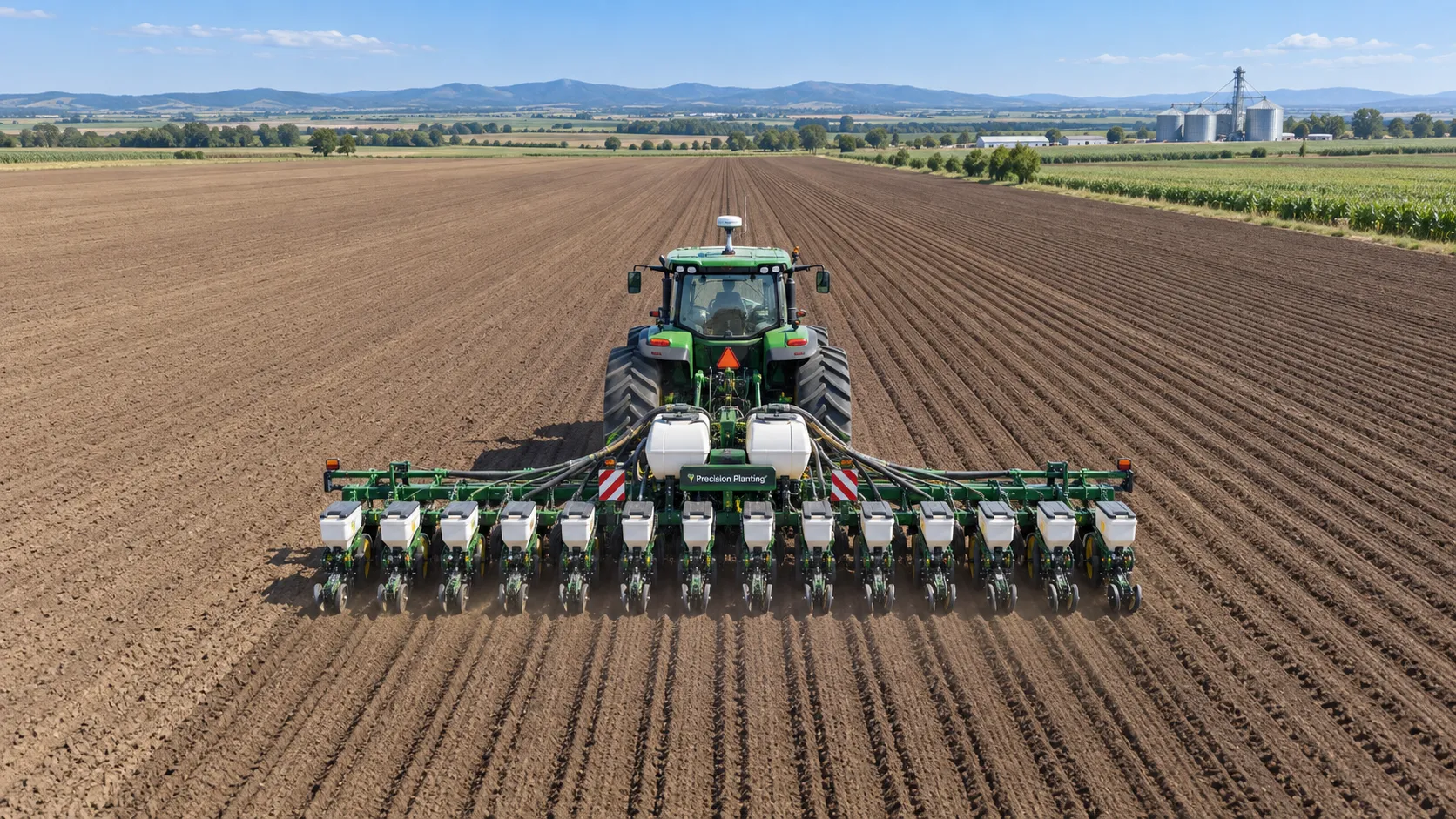
GPS-Guided Farm Machinery: Where It Delivers Measurable Field Efficiency Gains
Agri-mechanization GPS guided systems deliver measurable field efficiency gains through reduced overlap, precise planting, smarter inputs, and reliable farm data.
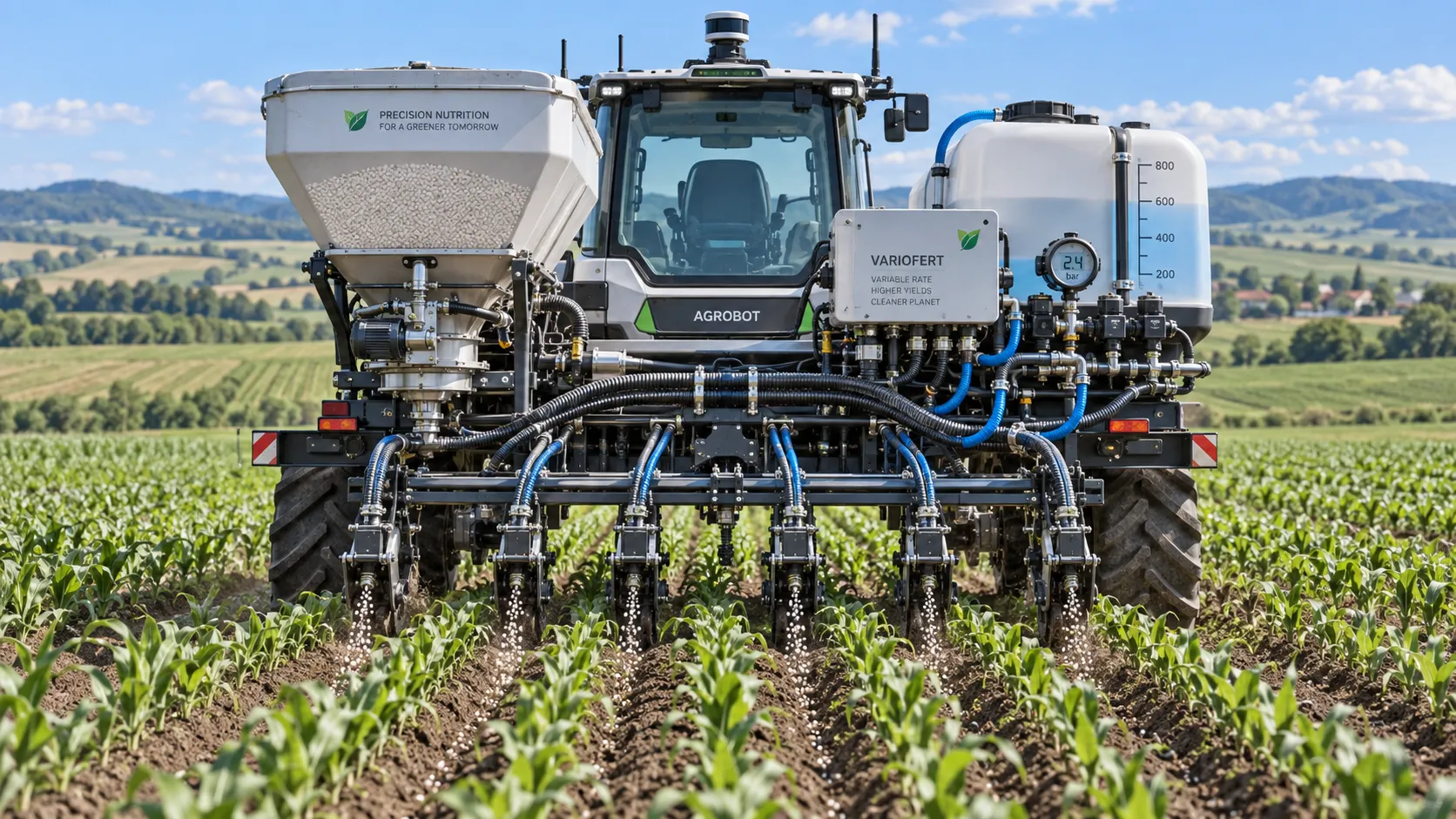
How Sensor Feedback Enables Accurate Variable-Rate Fertilization in Field Conditions
Precision fertilization systems with sensor feedback improve variable-rate accuracy by verifying flow, managing latency, and ensuring reliable field application.
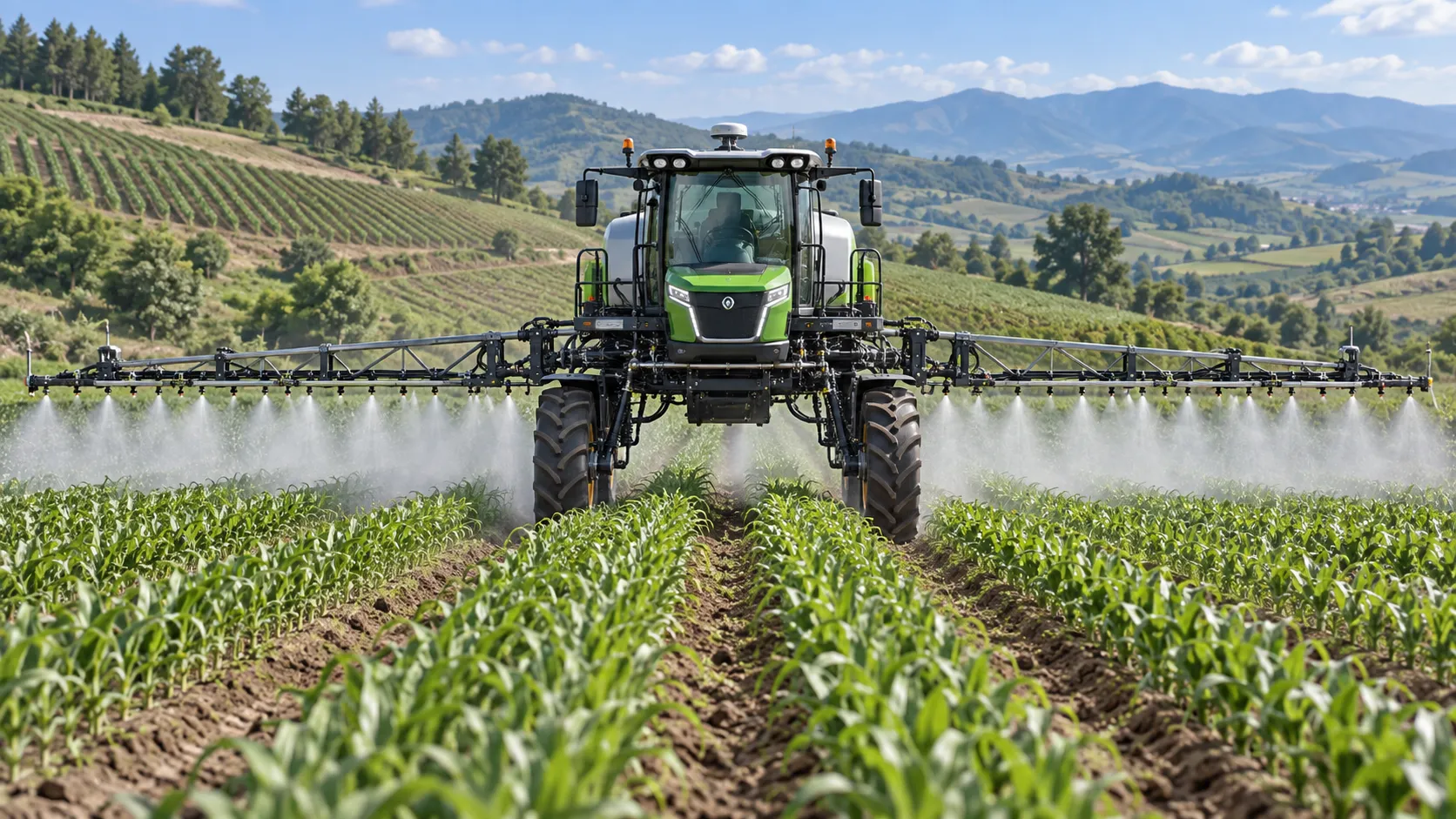
How to Select Precision Crop Protection Equipment for Variable Field Conditions
Precision crop protection equipment selection made simple: compare terrain, canopy, weather, control accuracy, and data workflows for reliable applications.
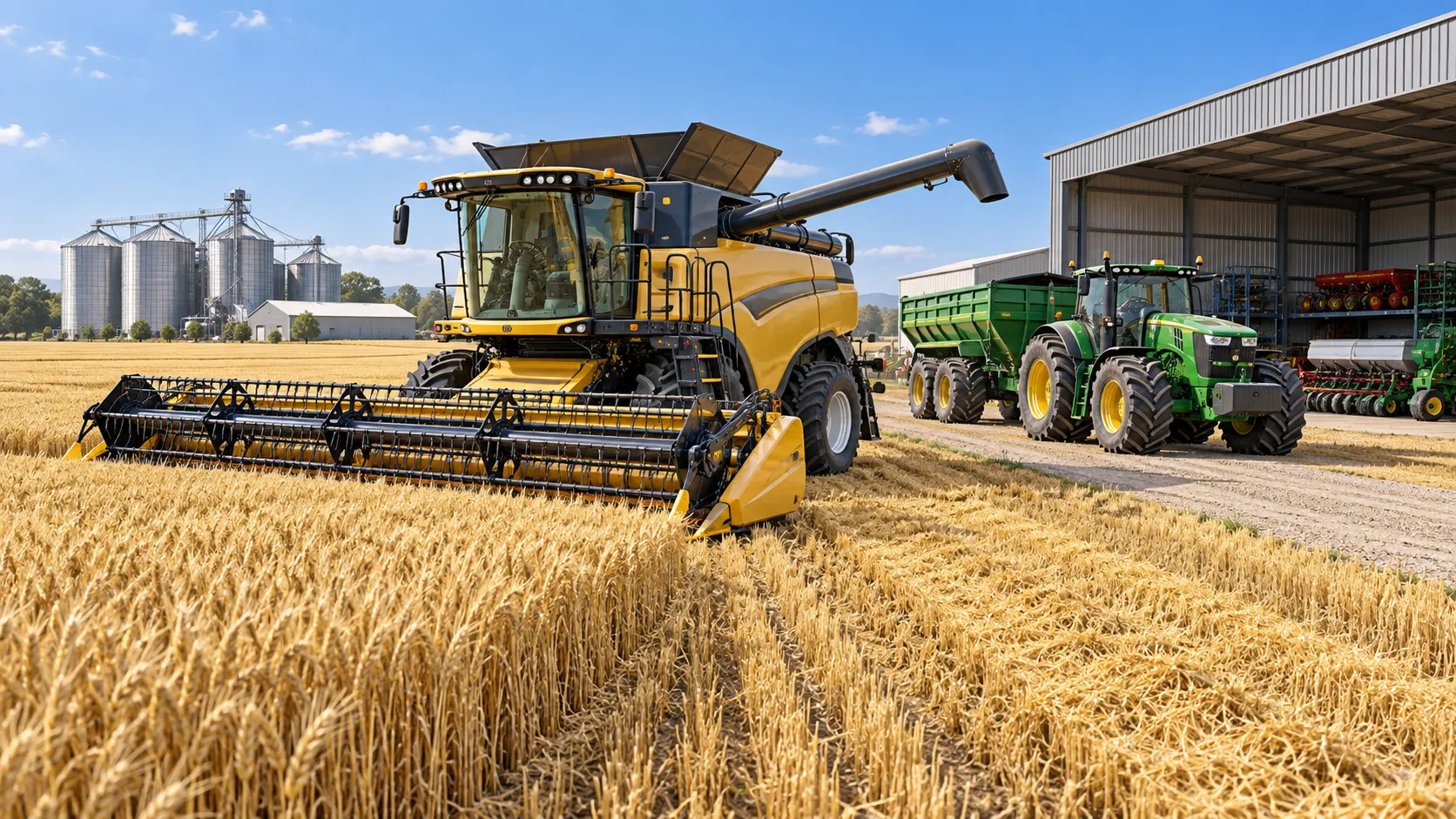
When Does Agricultural Machinery Leasing Cost Less Than Owning Equipment?
Agricultural machinery leasing can lower farm costs when use is seasonal or uncertain. Compare utilization, maintenance, cash flow, and risk to make a smarter equipment decision.
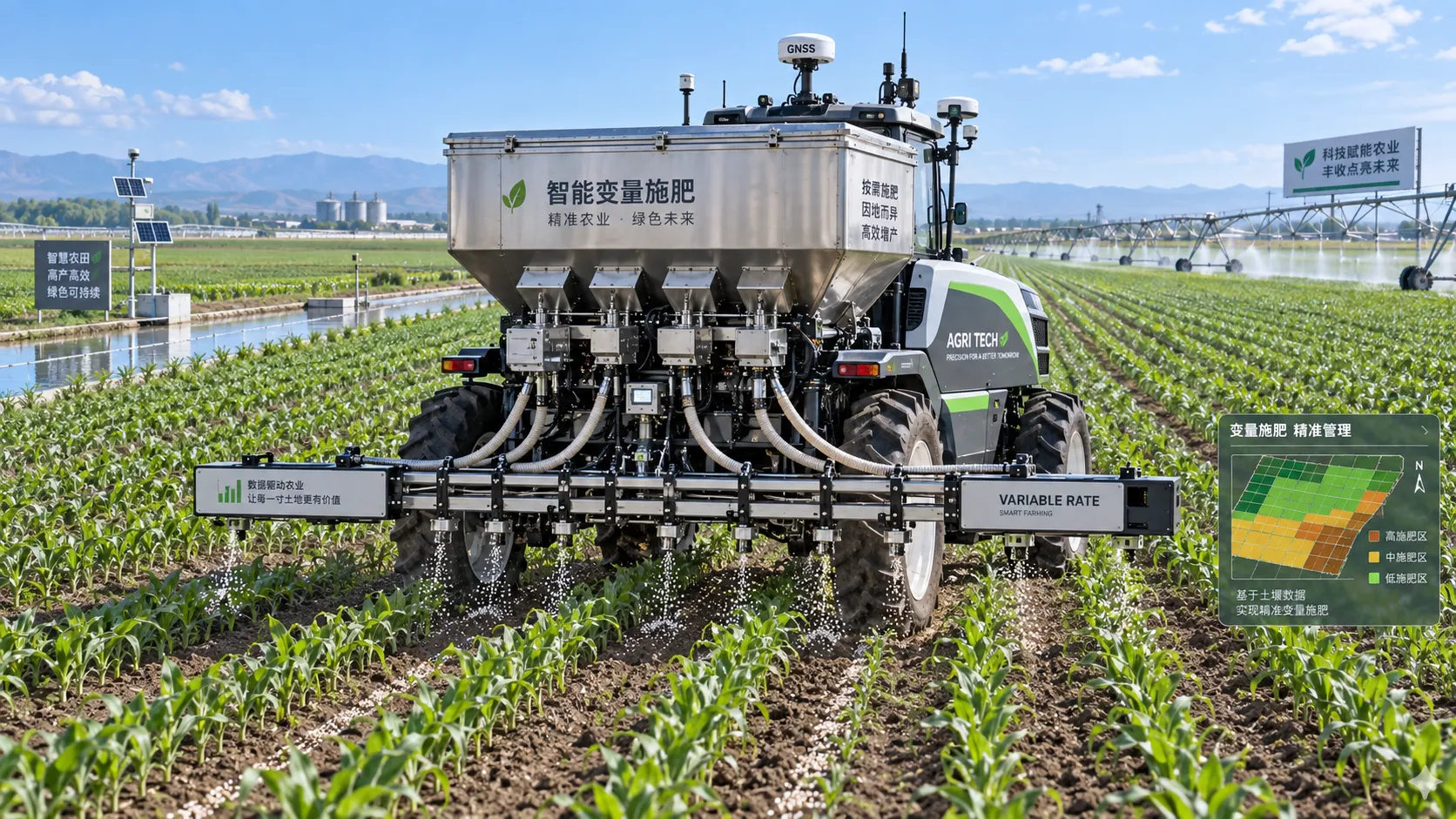
How to Evaluate Precision Fertilization System Suppliers for Farm-Scale Deployment
Precision fertilization systems suppliers: learn how to compare accuracy, integration, uptime, service, and total cost for confident farm-scale deployment.
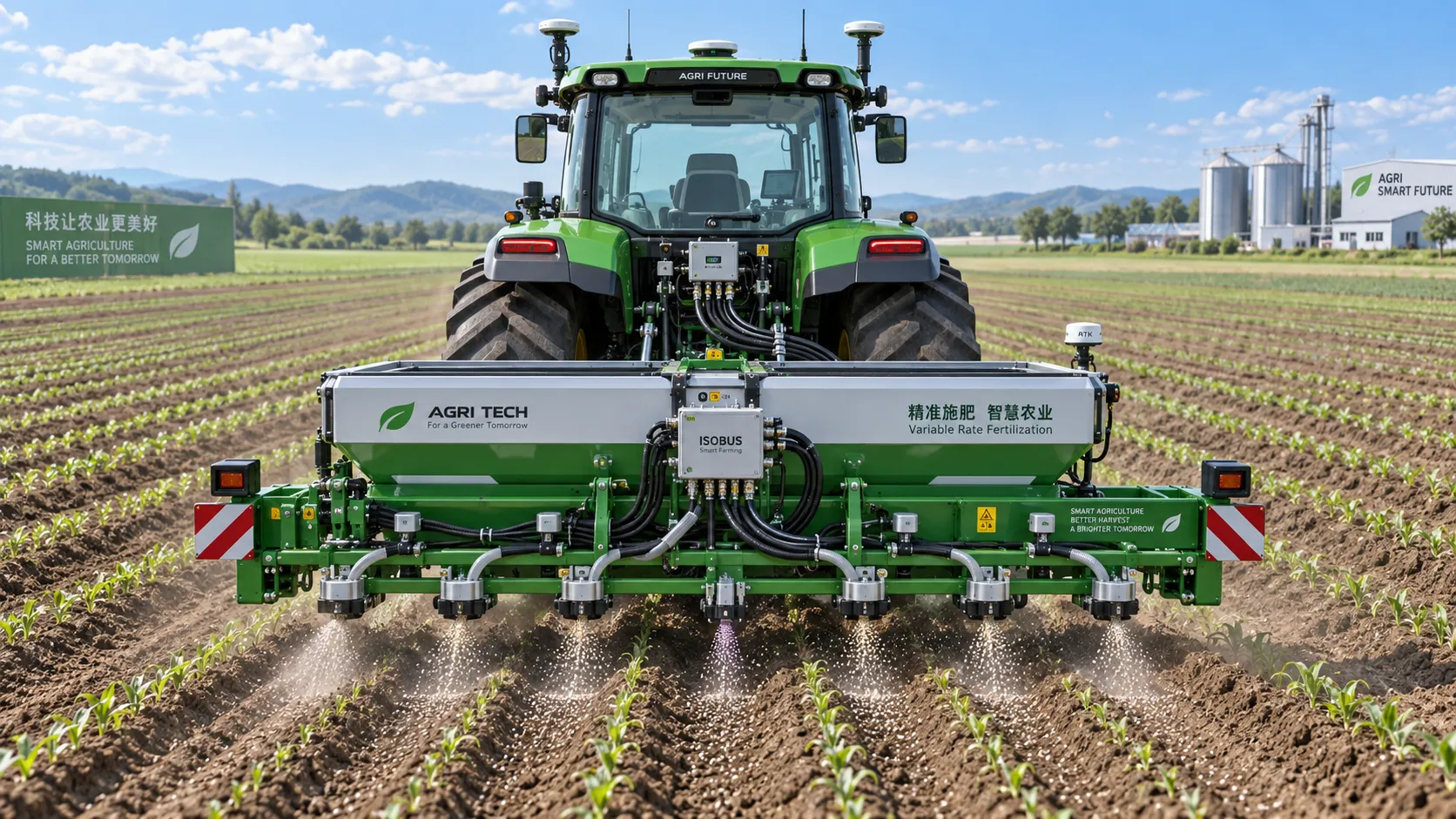
ISOBUS for Smart Agriculture: How It Connects Tractors, Implements, and Farm Data
ISOBUS for smart agriculture connects tractors, implements, terminals, and farm data—helping growers improve precision, documentation, and smarter field decisions.
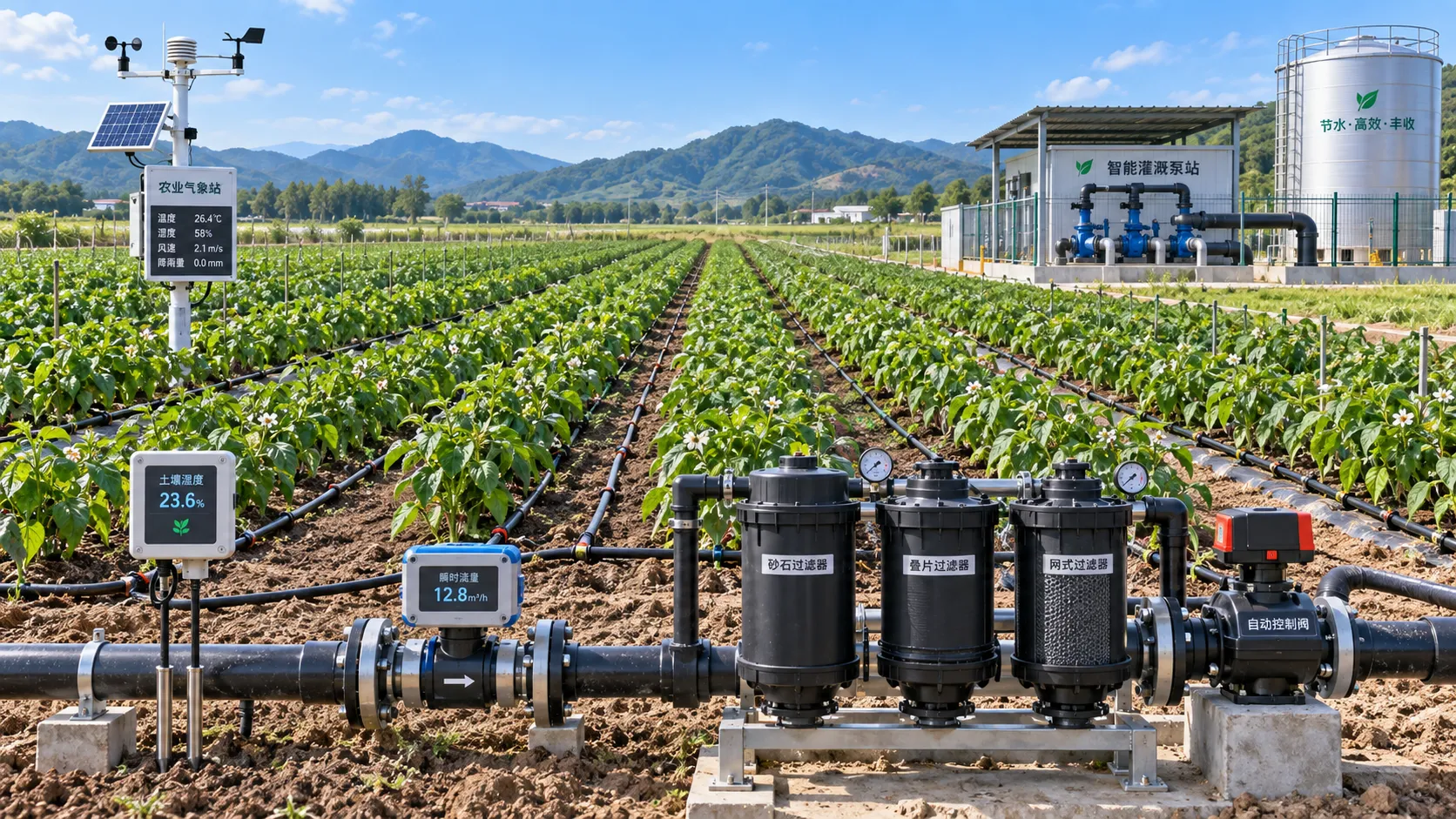
Automated Water-Saving Irrigation: How to Cut Water Use Without Reducing Crop Yields
Automated water-saving irrigation helps farms cut water use, protect crop yields, improve scheduling, and gain reliable control with sensors, flow monitoring, and smart zones.
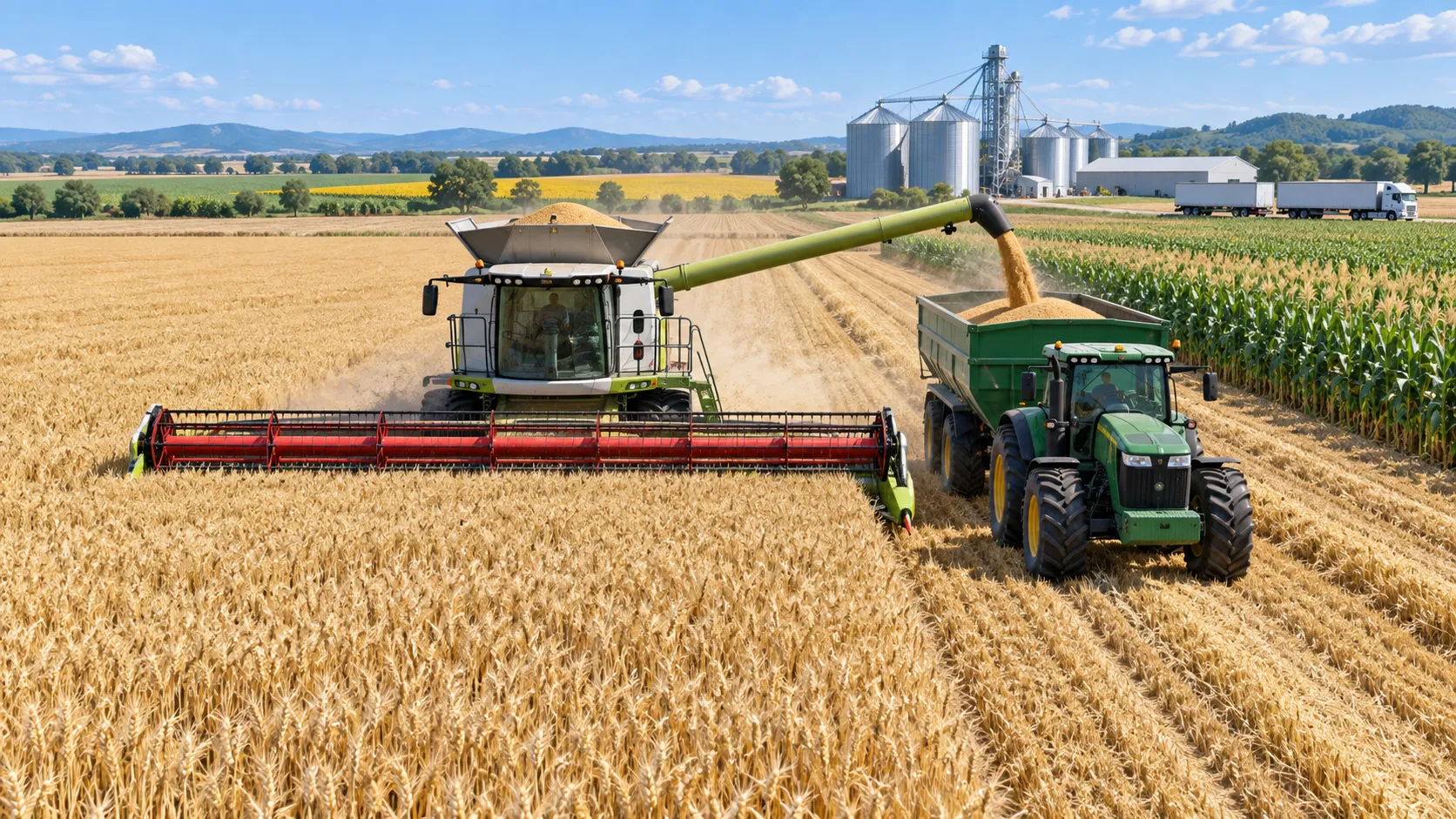
Selecting Grain Farm Equipment by Acreage, Crop Mix, and Harvest Window
Agricultural equipment selection for grain farming: match machinery to acreage, crop mix, and harvest windows to improve uptime, efficiency, and returns.
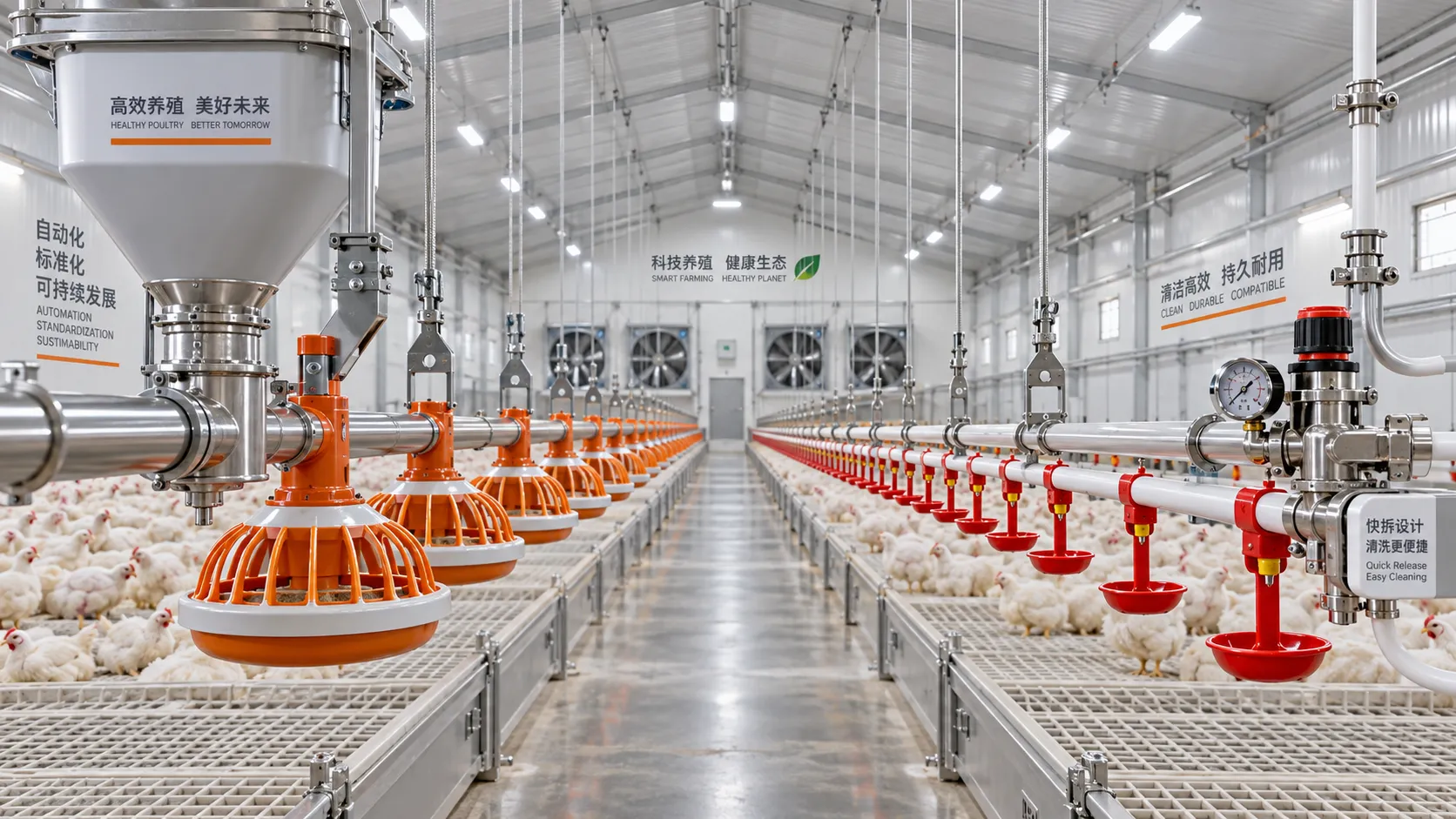
Poultry Equipment Selection: Evaluating Durability, Cleaning, and Compatibility
Poultry equipments selection guide: evaluate durability, cleaning access, and system compatibility to improve hygiene, reduce downtime, and support efficient flock management.
Related News
- 00
0000-00
How Does Farm Mechanization Affect Food Security in Developing Regions? - 00
0000-00
Agricultural Technology Insights by Region: Where Adoption Is Growing Fastest - 00
0000-00
How Climate-Smart Agriculture Technology Improves Yield, Soil Health, and Risk Resilience - 00
0000-00
Smart Farming Solutions in Latin America: Which Technologies Fit Large Farms Best? - 00
0000-00
Long-Cycle Agri-Trade Price Trends: How to Read Supply, Freight, and Currency Signals
Popular Tags
Prof. Marcus Chen
Weekly Insights
Stay ahead with our curated technology reports delivered every Monday.