
Digital Farming Technology Standards Explained: Interoperability, Data, and Compliance
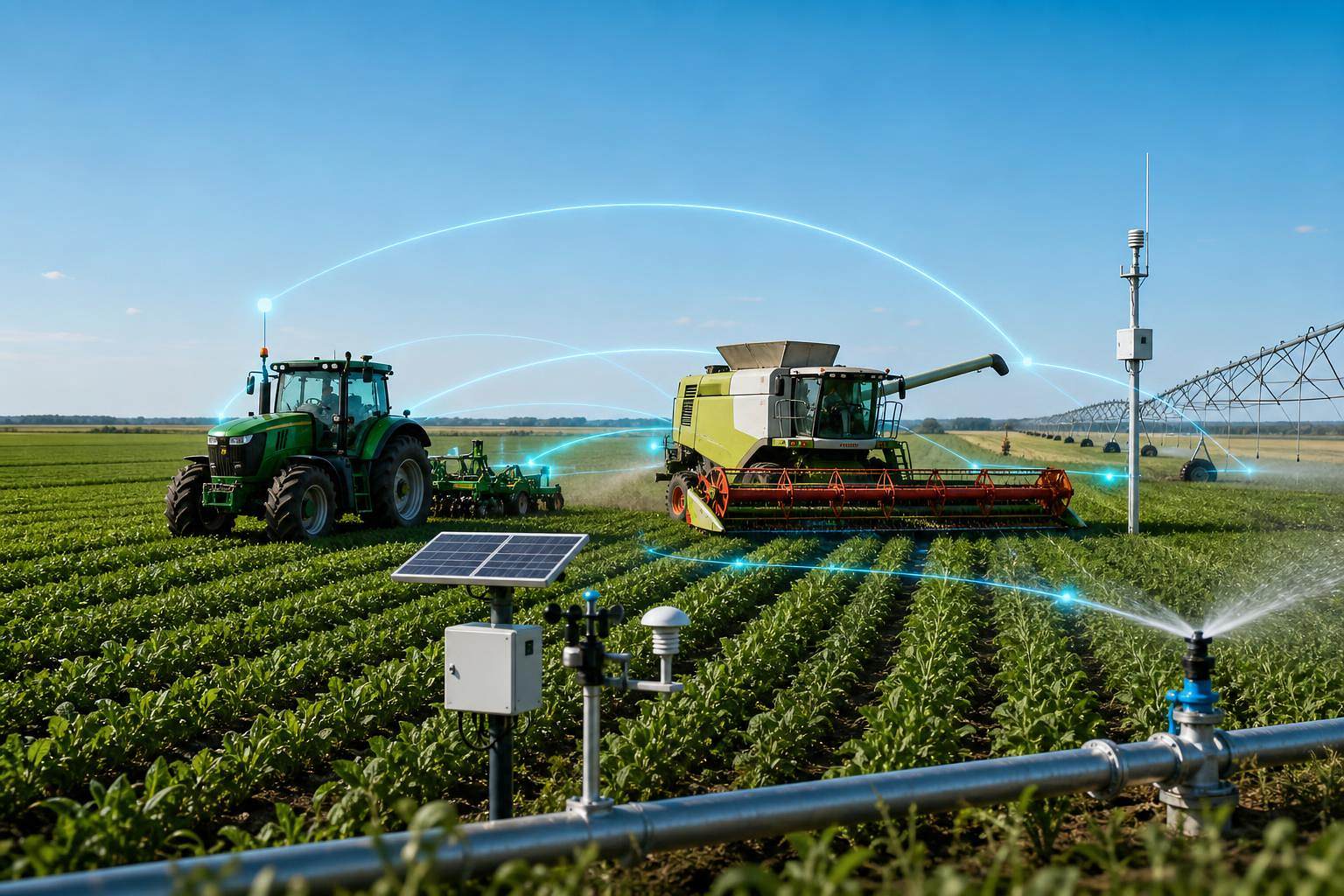




Digital farming technology standards now shape how Agriculture 4.0 systems connect, exchange data, and stay auditable over time. In large-scale machinery, combine harvesting, tractor control, intelligent farm tools, and smart irrigation, technical performance alone is no longer enough. The real question is whether platforms can work together, preserve usable data, and meet regional compliance expectations without expensive customization. That is why digital farming technology standards have become a practical evaluation issue, not just a policy topic.
Why standards matter beyond equipment specifications
A modern farm system is rarely built from one supplier. It usually combines machines, sensors, guidance systems, telematics, irrigation controls, agronomic software, and external data feeds.
Without shared rules, every connection becomes a custom project. Integration slows down. Data quality weakens. Service costs increase. Upgrade paths become uncertain.
Digital farming technology standards reduce that friction. They create common expectations for machine communication, data structure, interface behavior, traceability, and security handling.
From an operational view, this affects field efficiency. From a commercial view, it affects lifecycle cost. From a strategic view, it shapes long-term system resilience.
That is especially relevant in the AP-Strategy landscape, where heavy machinery, combine intelligence, precision tools, and water-saving irrigation increasingly depend on coordinated digital control.
What digital farming technology standards actually cover
The term sounds broad because it is broad. It includes technical, data, process, and regulatory layers that together support digital farming operations.
Interoperability rules
These define how equipment and software exchange instructions and status information. In practice, they affect task data transfer, implement control, positioning inputs, and remote monitoring.
Data structure and semantics
Two systems may both export field data, yet still disagree on units, timestamps, boundaries, or event labels. Standards help ensure the same agronomic event means the same thing everywhere.
Compliance and governance
This part addresses ownership, consent, retention, cybersecurity, audit trails, and reporting expectations. It matters when data crosses borders, suppliers, or regulated sustainability frameworks.
Performance and reliability expectations
A standard is not only about file exchange. It may also shape communication stability, update compatibility, fault logging, and the ability to recover after signal loss or partial system failure.
Interoperability is where evaluation usually gets difficult
Interoperability looks simple on a brochure. It becomes complicated when one tractor, one implement controller, one yield mapping tool, and one irrigation dashboard all need to cooperate.
In large-scale operations, the issue is rarely whether data can move once. The real issue is whether it can move repeatedly, accurately, and with low manual intervention.
For example, combine harvesters generate yield, moisture, speed, loss, and coverage information. If that data cannot align with field records or prescription systems, analysis quality drops quickly.
The same applies to intelligent irrigation. Sensor feedback, weather inputs, pump control logic, and water-use reporting need shared logic, not just shared connectivity.
When digital farming technology standards are mature, they reduce the dependence on proprietary bridges. That improves vendor flexibility and makes future expansion easier.
Data standards influence more than reporting
It is tempting to treat data standards as an afterthought. In practice, they shape algorithm quality, agronomic recommendations, maintenance planning, and sustainability claims.
A prescription map is only useful if the receiving machine interprets zones, rates, and spatial references correctly. A cleaning-loss model is only useful if sensor data is trustworthy and comparable.
This is why digital farming technology standards matter across AP-Strategy’s focus areas. They connect field-level observation with machine action and management-level decision support.
Better data structure also improves historical value. Records from one season can support benchmarking, predictive maintenance, water optimization, and asset planning in later seasons.
Poor structure does the opposite. Files become hard to compare. Audit confidence drops. Analytics teams spend time repairing datasets instead of learning from them.
Compliance is now part of system design
Compliance in digital agriculture is expanding. It is no longer limited to machine safety or basic recordkeeping.
Today, compliance may involve data privacy obligations, cybersecurity controls, environmental reporting frameworks, water-use documentation, and traceable decision logic for automated actions.
That shift matters for global deployments. A machine platform may operate across regions with different rules on data storage, cross-border transfer, or digital service accountability.
Digital farming technology standards help create a defensible baseline. They support consistent logs, version tracking, user permissions, and cleaner audit evidence.
For irrigation systems, compliance can intersect with water allocation rules and sustainability reporting. For autonomous machinery, it can touch software validation and remote operation safeguards.
Useful compliance checks
- Who owns generated machine and field data, and how is access granted?
- Can system changes be traced through logs, versions, and user actions?
- Are retention periods and export formats clear before deployment?
- Does the platform support secure updates and role-based permissions?
- Can regulatory or sustainability reports be reproduced from source records?
Where standards create direct operational value
The value of standards becomes visible in recurring workflows. That is where integration quality either saves time or keeps creating hidden cost.
Large-scale field operations
Task plans can move from farm management software to tractors and implements with fewer conversion steps. That reduces setup errors and improves execution consistency.
Combine harvesting analysis
Reliable standards help synchronize yield, grain loss, and machine settings. That creates better post-harvest diagnostics and stronger seasonal benchmarking.
Tractor chassis and powertrain monitoring
Telematics data becomes more useful when formats stay consistent across fleets. Maintenance signals, hydraulic load trends, and usage history can then support asset planning.
Intelligent farm tools
Prescription-based work depends on positioning, rate control, and sensor response. Standards improve the chance that recommendations remain accurate from software to field application.
Water-saving irrigation systems
When moisture sensors, weather models, valves, and reporting tools share common data logic, irrigation decisions become easier to verify and refine.
How to assess digital farming technology standards in practice
A useful assessment starts with workflows, not with feature lists. The question is how data and commands travel across the real operating chain.
That means checking the full path from data creation to action, storage, analysis, reporting, and later retrieval.
- Map every system touchpoint, including machines, implements, sensors, gateways, and software layers.
- Test routine scenarios, not only best-case demonstrations.
- Verify what happens during software updates or temporary signal loss.
- Review whether export formats remain usable outside the original vendor environment.
- Check whether data definitions are documented clearly enough for future analytics.
This is also where intelligence-led review has an advantage. AP-Strategy’s focus on machinery performance, precision algorithms, and irrigation modeling reflects a wider truth: standards only matter when linked to field reality.
A platform may look compliant on paper, yet still perform poorly in mixed fleets, complex crop conditions, or distributed water networks. Standards need to hold under operational pressure.
What deserves attention next
Digital farming technology standards will keep evolving as autonomy, electrification, sustainability reporting, and AI-driven recommendations move deeper into field operations.
The most practical next step is to turn standards into a decision framework. Compare systems by interoperability depth, data clarity, compliance readiness, and long-term portability.
Where operations depend on heavy machinery, harvesting efficiency, intelligent tools, or irrigation control, that framework helps separate scalable platforms from isolated digital features.
A careful review of digital farming technology standards does more than reduce technical risk. It improves procurement discipline, protects future integration options, and supports smarter agriculture at system level.
Related News
Climate-Smart Farming for Drought: A Practical Plan for Protecting Yields
Climate-smart farming for drought: build smarter water budgets, protect critical crop stages, improve irrigation uniformity, and safeguard yields with practical field-proven strategies.
How Digital Agriculture Platforms Turn Field Data Into Better Input Decisions
Digital agriculture platforms turn field data into smarter fertilizer, water, seed, and equipment decisions—helping farms cut risk, improve margins, and scale sustainability.
GPS-Guided Farm Machinery: Where It Delivers Measurable Field Efficiency Gains
Agri-mechanization GPS guided systems deliver measurable field efficiency gains through reduced overlap, precise planting, smarter inputs, and reliable farm data.
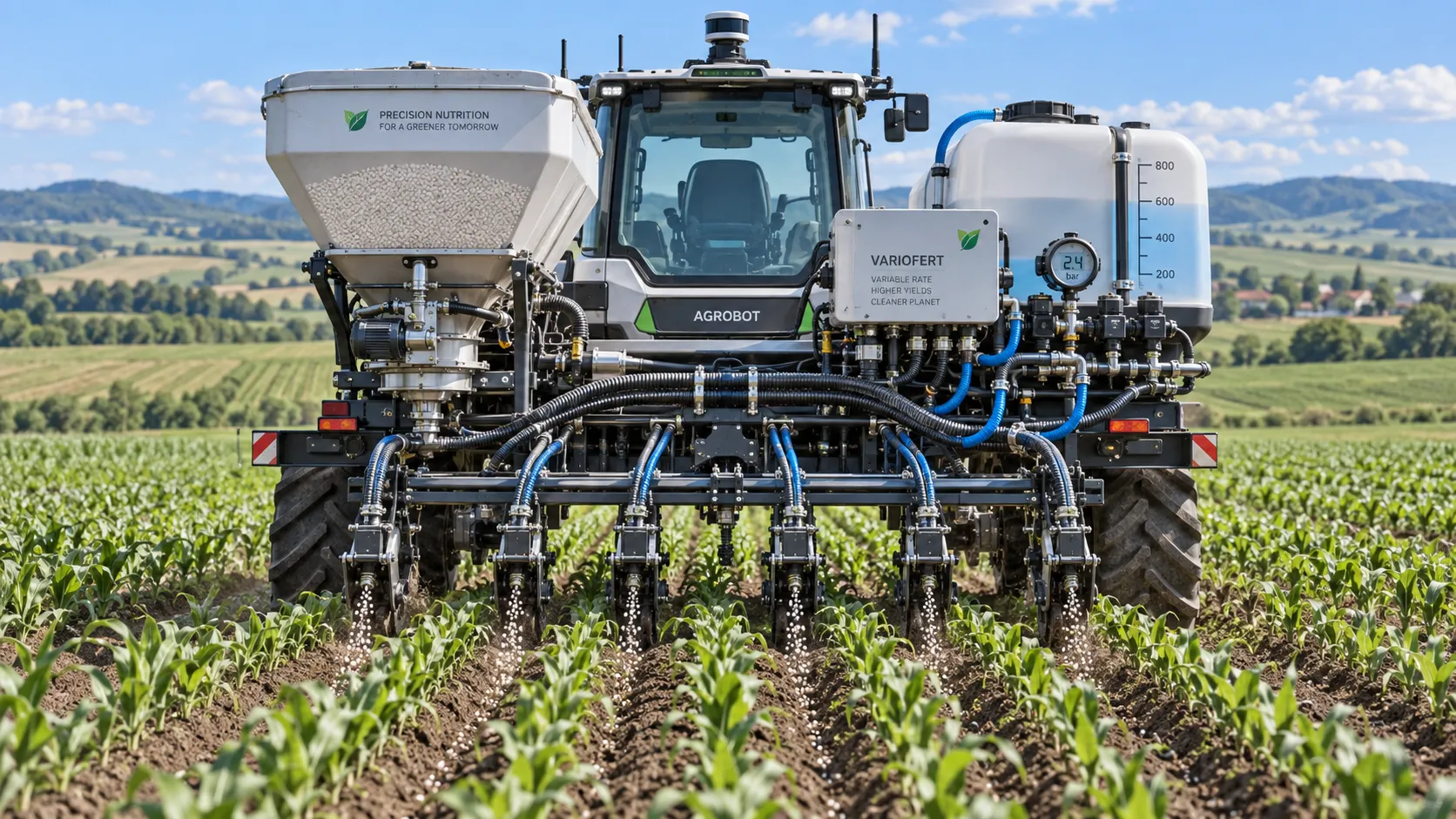
How Sensor Feedback Enables Accurate Variable-Rate Fertilization in Field Conditions
Precision fertilization systems with sensor feedback improve variable-rate accuracy by verifying flow, managing latency, and ensuring reliable field application.
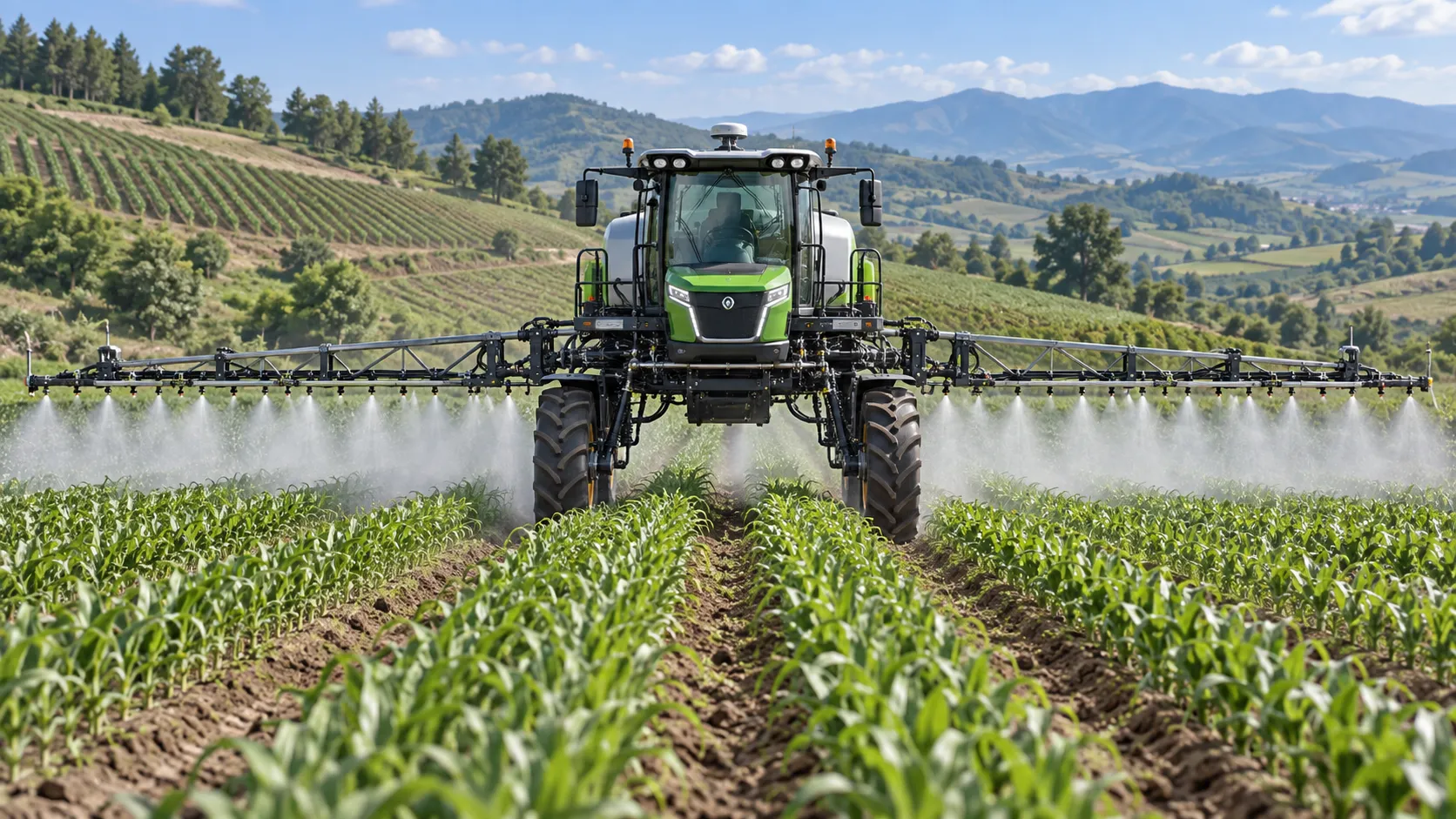
How to Select Precision Crop Protection Equipment for Variable Field Conditions
Precision crop protection equipment selection made simple: compare terrain, canopy, weather, control accuracy, and data workflows for reliable applications.
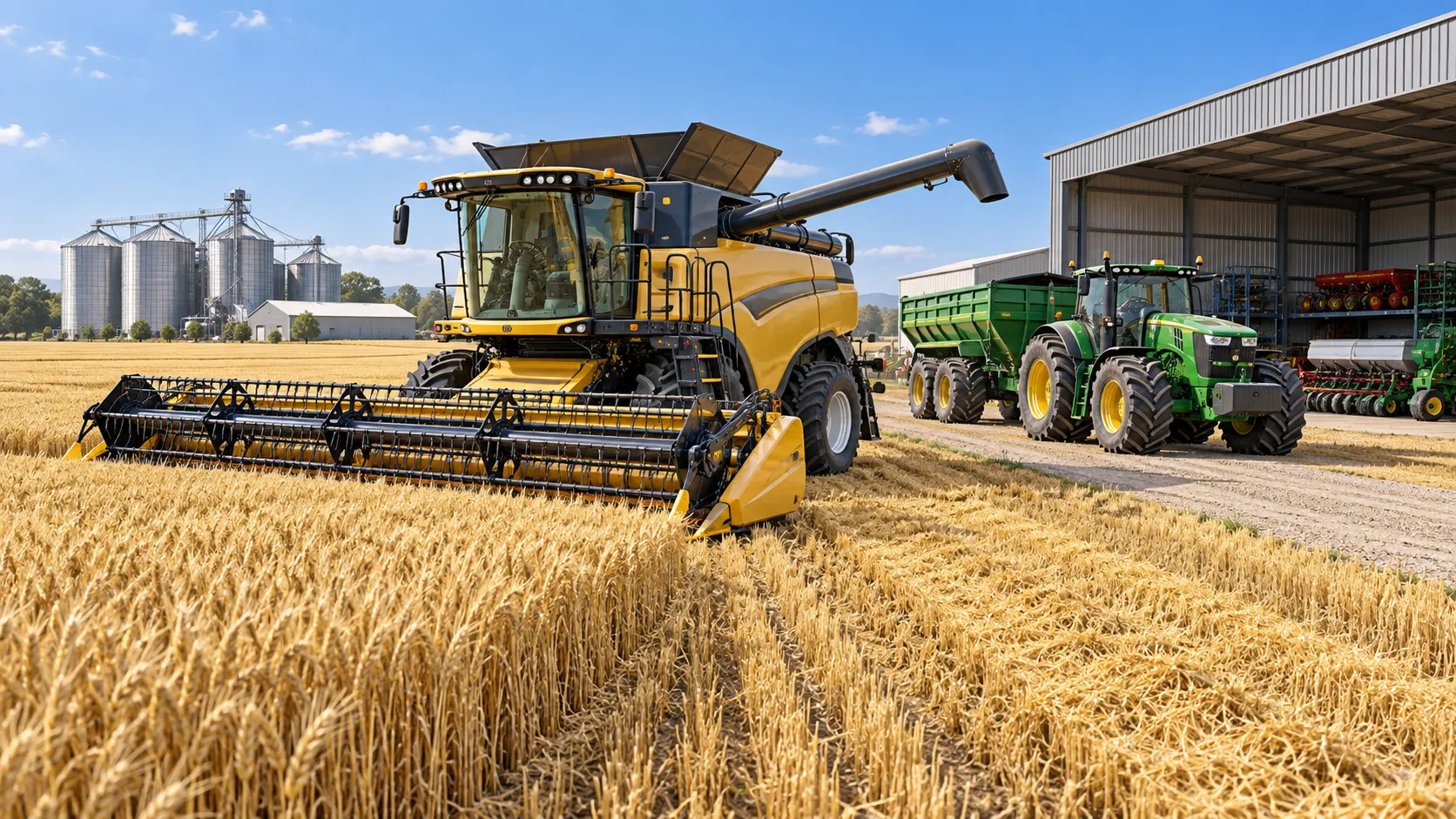
When Does Agricultural Machinery Leasing Cost Less Than Owning Equipment?
Agricultural machinery leasing can lower farm costs when use is seasonal or uncertain. Compare utilization, maintenance, cash flow, and risk to make a smarter equipment decision.
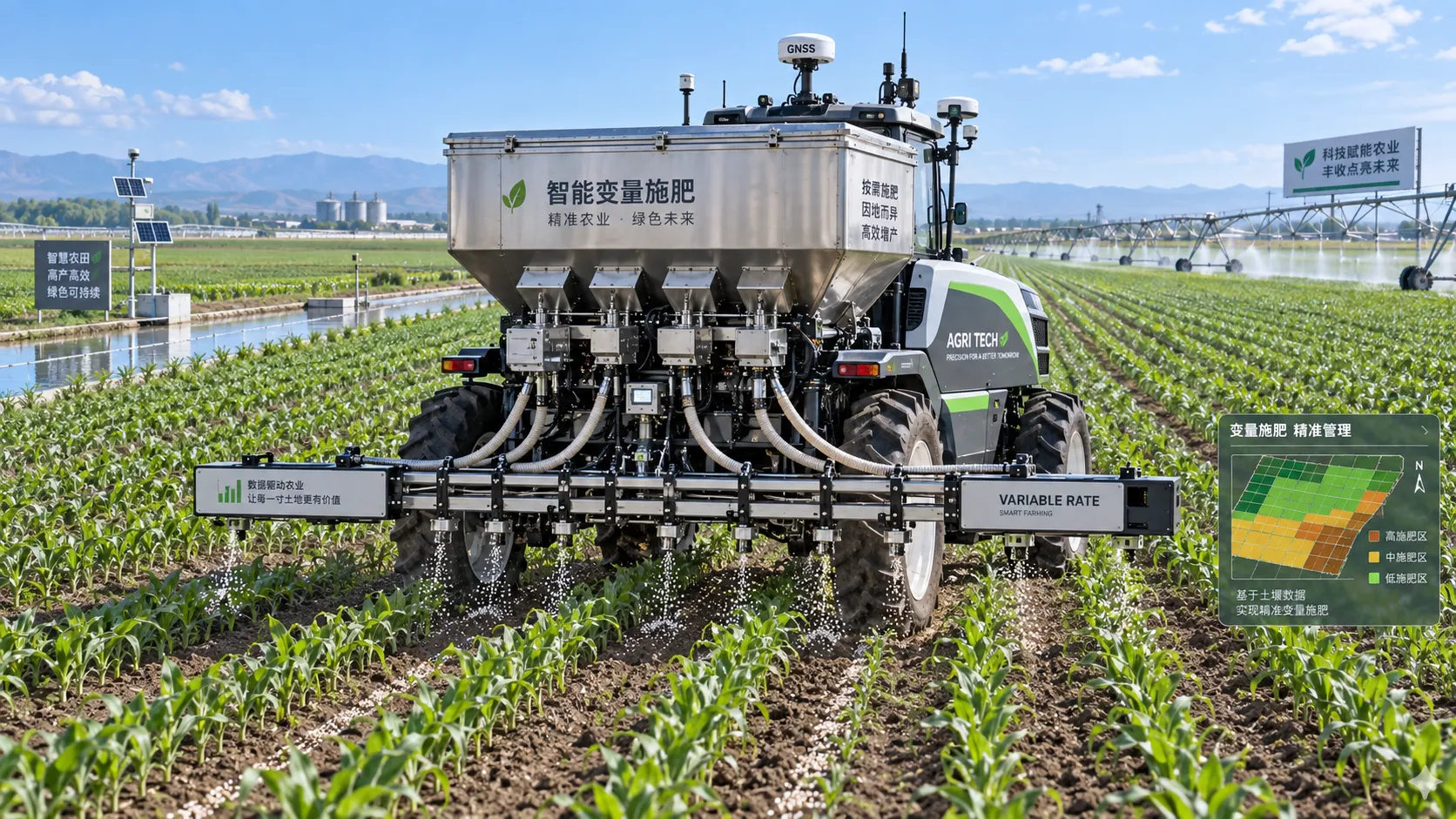
How to Evaluate Precision Fertilization System Suppliers for Farm-Scale Deployment
Precision fertilization systems suppliers: learn how to compare accuracy, integration, uptime, service, and total cost for confident farm-scale deployment.
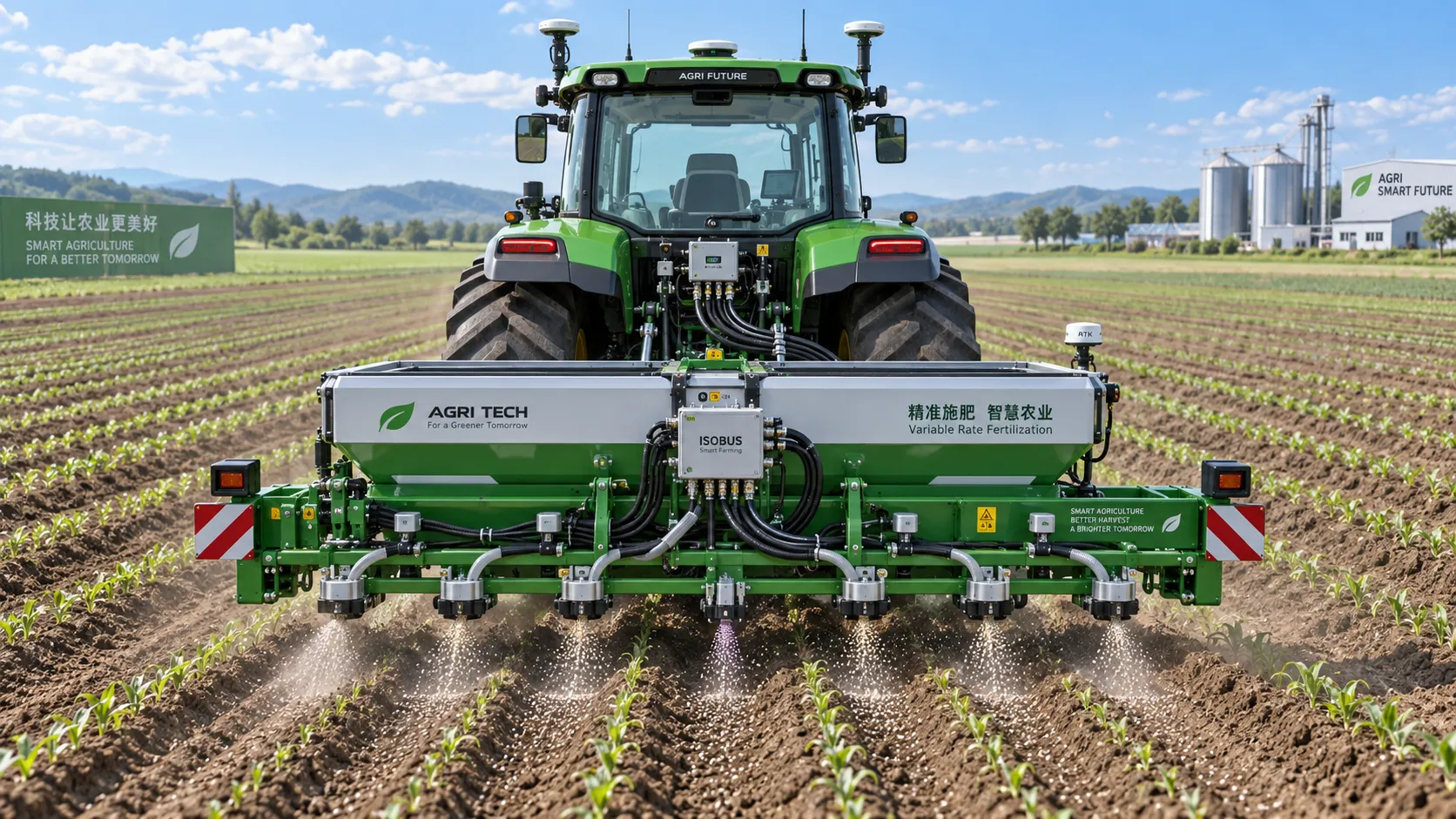
ISOBUS for Smart Agriculture: How It Connects Tractors, Implements, and Farm Data
ISOBUS for smart agriculture connects tractors, implements, terminals, and farm data—helping growers improve precision, documentation, and smarter field decisions.
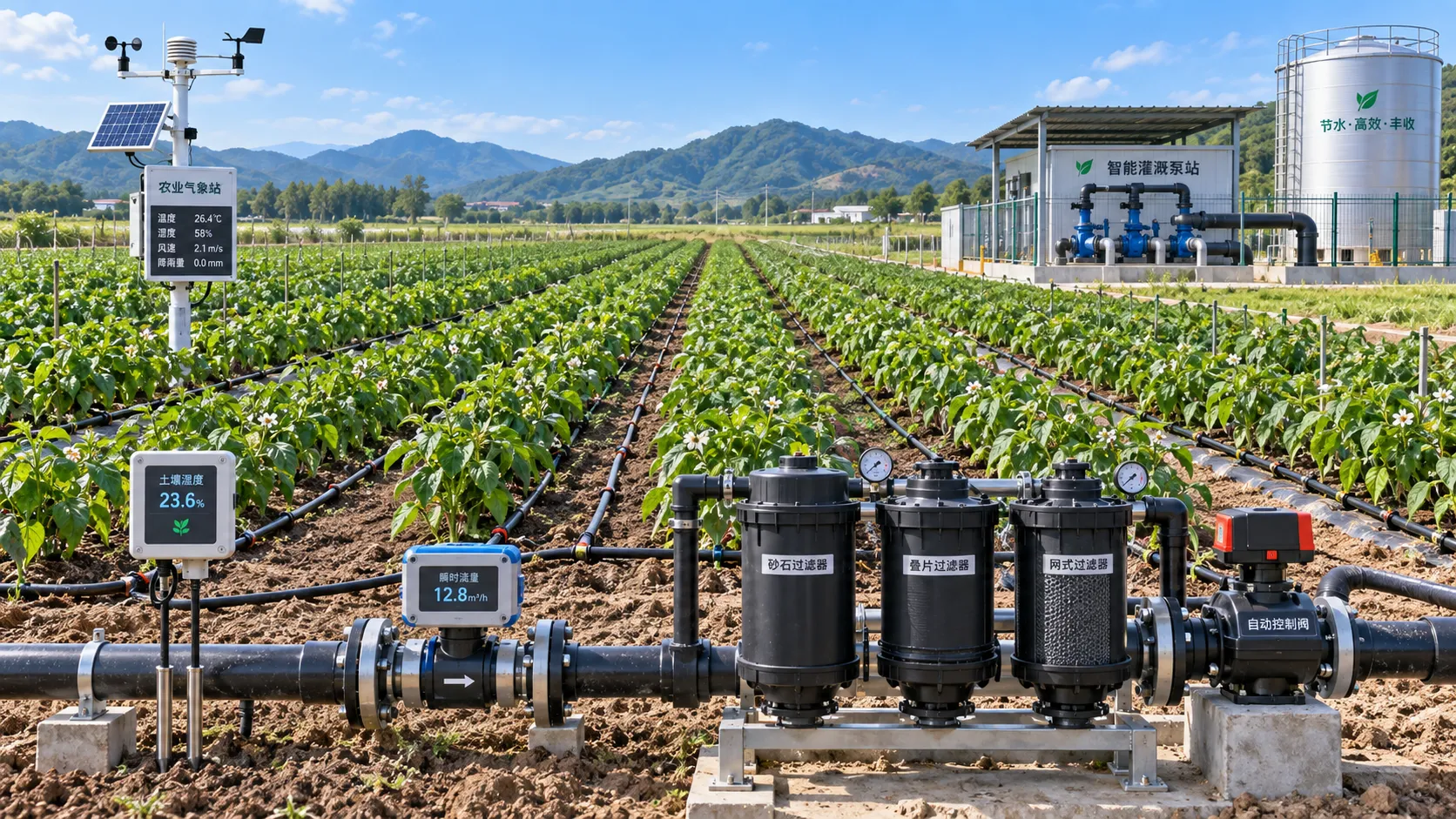
Automated Water-Saving Irrigation: How to Cut Water Use Without Reducing Crop Yields
Automated water-saving irrigation helps farms cut water use, protect crop yields, improve scheduling, and gain reliable control with sensors, flow monitoring, and smart zones.
Related News
- 00
0000-00
How Does Farm Mechanization Affect Food Security in Developing Regions? - 00
0000-00
Agricultural Technology Insights by Region: Where Adoption Is Growing Fastest - 00
0000-00
How Climate-Smart Agriculture Technology Improves Yield, Soil Health, and Risk Resilience - 00
0000-00
Smart Farming Solutions in Latin America: Which Technologies Fit Large Farms Best? - 00
0000-00
Long-Cycle Agri-Trade Price Trends: How to Read Supply, Freight, and Currency Signals
Popular Tags
Prof. Marcus Chen
Weekly Insights
Stay ahead with our curated technology reports delivered every Monday.