
Agricultural Technology Insights on Smart Machinery: Trends Reshaping Farm Operations
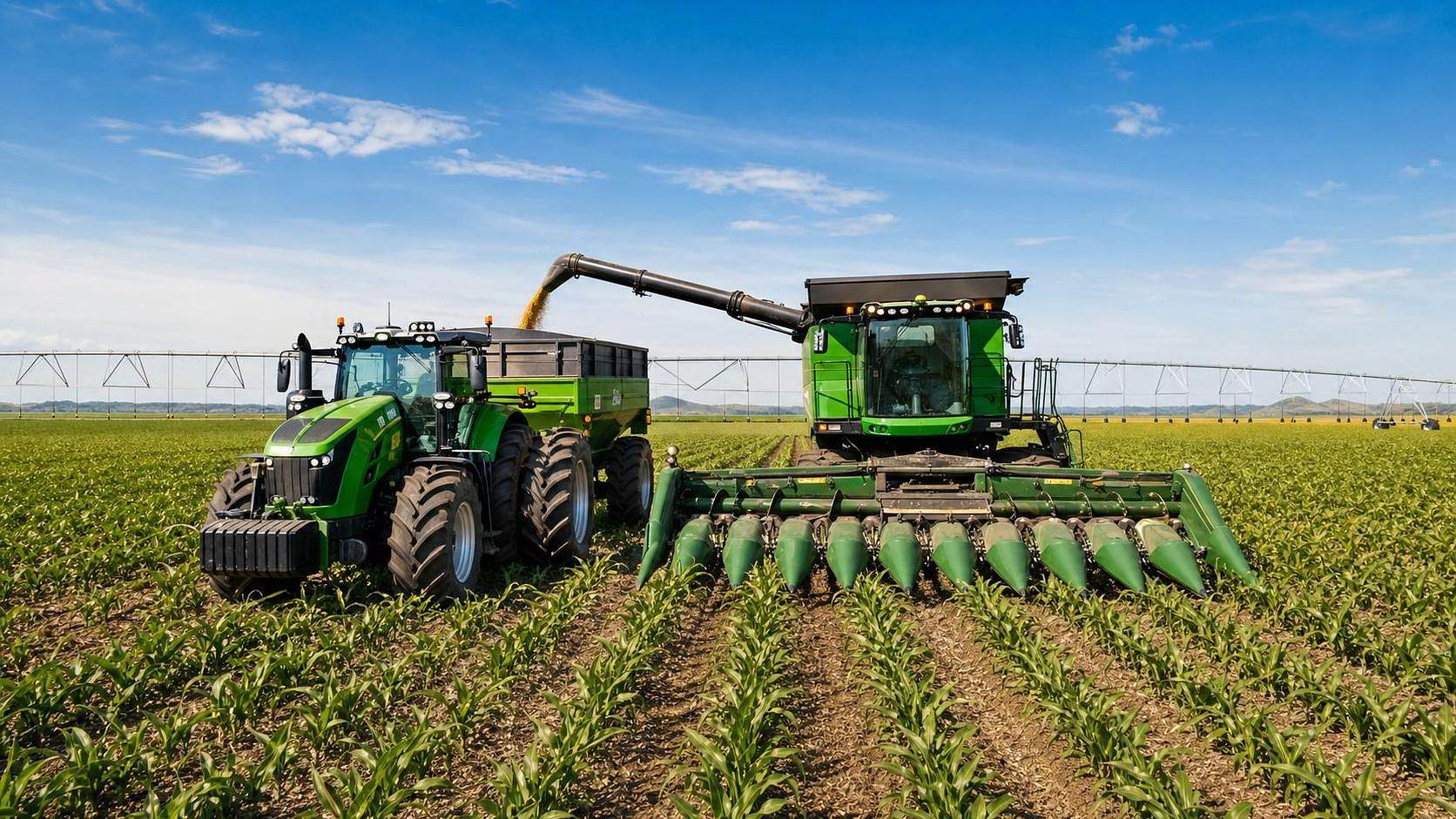




Agricultural technology insights on smart machinery have moved from specialist discussion to board-level relevance. Farm operations are now shaped by automation, sensor feedback, software logic, and resource pressure at the same time.
That matters because machinery decisions no longer sit only within field performance. They affect yield stability, labor planning, water use, service models, trade timing, and long-cycle capital allocation across the wider agricultural equipment market.
Seen through this lens, smart machinery is not a single product category. It is an operating system for Agriculture 4.0, linking mechanical strength with positioning data, machine vision, predictive maintenance, and sustainability targets.
Why smart machinery is changing the operating model
Traditional farm equipment was judged mainly by horsepower, throughput, durability, and fuel economy. Those factors still matter, but they no longer explain the full value of a machine in commercial use.
Today, performance depends on how well equipment senses conditions, adjusts in real time, and feeds usable data back into planning. A machine that works harder is not always better.
A machine that works more precisely, with lower loss and better timing, often creates stronger returns. This is where agricultural technology insights on smart machinery become especially useful for strategic evaluation.
The pressure comes from several directions at once. Climate volatility is raising uncertainty. Labor availability is uneven. Input costs remain sensitive. Environmental policy is becoming more measurable and less symbolic.
In that environment, smart machinery helps convert uncertainty into controllable variables. It does not remove agricultural risk, but it makes operations more observable and more adjustable.
What the term really covers in practice
Smart machinery includes far more than autonomous tractors. It covers large-scale field equipment, combine harvesters, intelligent farm tools, connected tractor chassis, and digitally managed irrigation systems.
The practical common ground is closed-loop control. Sensors capture operating conditions. Software interprets those signals. Mechanical systems respond with changes in speed, rate, pressure, path, or timing.
That loop is what turns equipment from static hardware into an adaptive asset. It also explains why businesses now evaluate machinery through both engineering and data capability.
AP-Strategy has framed this shift around five pillars tied to food security: large-scale agri-machinery, combine harvesters, tractor chassis, intelligent farm tools, and water-saving irrigation systems.
This is a useful structure because it reflects how farm performance is actually built. Soil preparation, planting, crop care, harvesting, mobility, and water management are no longer separate technical islands.
Where the market is paying closest attention
Autonomy with operational discipline
Autonomy attracts attention, but the real business question is narrower. Can guided or semi-autonomous functions reduce overlap, idle time, operator fatigue, and avoidable inconsistency without raising service complexity?
In many cases, incremental autonomy creates more value than full autonomy. Path guidance, headland optimization, machine synchronization, and remote diagnostics often pay back earlier than fully unmanned systems.
Precision harvesting and loss control
Combine harvesting remains one of the clearest areas where agricultural technology insights on smart machinery translate into measurable field economics. Small improvements in grain loss or cleaning efficiency can have outsized seasonal impact.
Dynamic adjustment systems, crop-condition sensing, and feedback algorithms are gaining weight because they improve performance in uneven crop environments, not just under ideal test conditions.
Water intelligence as a machinery issue
Irrigation is increasingly assessed as part of smart machinery strategy. Water-saving systems now rely on sensors, forecasting models, valve control, and networked field decisions as much as on pipes and emitters.
This matters in regions where climate stress is reshaping crop economics. Equipment value is being judged by water productivity, not simply installed capacity.
Electrification and hybrid subsystems
Full electrification across heavy-duty agriculture is still uneven, but hybrid systems are moving faster. Transmission efficiency, hydraulic optimization, and smarter power distribution are becoming meaningful decision variables.
How value shows up beyond the machine itself
The strongest returns rarely come from a single feature list. They come from how smart machinery changes workflow reliability, cost visibility, and timing precision across the season.
For example, a connected tractor chassis is not valuable only because of stronger control logic. Its value expands when transmission behavior, hydraulic response, and implement compatibility improve field consistency.
Likewise, intelligent farm tools create value when prescription tasks align with geospatial data and sensor feedback. Precision matters because it reduces wasted input, not because it sounds digitally advanced.
A useful way to frame agricultural technology insights on smart machinery is to look at four business outcomes together: throughput, precision, resilience, and information quality.
Typical scenarios shaping demand
Different operating environments push smart machinery in different directions. The same technology stack will not carry equal value in every crop system or regional context.
- Large-scale row crop operations often prioritize guidance accuracy, machine uptime, and integrated harvest analytics.
- Mixed terrain or variable crop environments tend to reward adaptive combine settings and stronger operator-assist functions.
- Water-stressed regions usually place greater value on sensor-led irrigation scheduling and transpiration-based decision models.
- Markets with constrained labor availability often accelerate demand for automation, remote monitoring, and simpler service workflows.
This is why intelligence platforms such as AP-Strategy matter. The most useful market view does not just report product launches. It connects machine capability with crop conditions, policy signals, and trade demand.
How to read the signals more carefully
Not every smart feature improves commercial value. Some functions look impressive in isolated demonstrations but create weak results in mixed fleets, uneven digital maturity, or fragile service networks.
A disciplined review usually starts with operating pain points, not product narratives. Field bottlenecks, harvest loss, irrigation inefficiency, maintenance lag, and data fragmentation should lead the analysis.
From there, agricultural technology insights on smart machinery become more actionable. The question shifts from “What is new?” to “What solves a measurable constraint at system level?”
- Check whether data outputs can be integrated across machines, tools, and irrigation assets.
- Examine whether autonomous or precision functions reduce dependency on ideal operator skill.
- Review support infrastructure, spare parts access, and software update reliability.
- Measure gains in loss control, input placement, fuel use, and water recovery separately.
- Track exposure to policy change, especially where emissions, water use, or traceability standards are tightening.
What deserves attention next
The next phase will likely be defined by better coordination among machines rather than isolated equipment intelligence. Harvesters, tractors, implements, and irrigation controls will increasingly operate as linked decision nodes.
That raises the importance of strategic intelligence. AP-Strategy’s emphasis on evolutionary trends, commercial insights, and field-level performance logic reflects a market that now rewards informed comparison over simple equipment expansion.
A practical next step is to build a review framework around the five pillars already shaping Agriculture 4.0. Compare large-scale machinery, harvest systems, chassis technology, intelligent tools, and irrigation through the same operating criteria.
Used well, agricultural technology insights on smart machinery help separate durable value from short-term excitement. They support clearer judgments on productivity, resilience, and long-horizon competitiveness in a changing agricultural landscape.
The most useful decisions will come from linking field realities with reliable intelligence, then testing each technology against actual operating constraints, resource goals, and regional market signals.
- Agriculture 4.0
- food security
- soil preparation
- tractor chassis
- intelligent farm tools
- water-saving irrigation
- farm equipment
- combine harvesters
- water-saving irrigation systems
- agricultural technology insights
- agricultural equipment
- agricultural technology insights on smart machinery
- large-scale agri-machinery
- irrigation systems
Related News
Farm Machinery Sourcing: How to Vet Suppliers, Specs, and Lifecycle Costs
Farm machinery information for sourcing: learn to vet suppliers, compare specifications, control lifecycle costs, and secure reliable uptime for smarter equipment purchases.
How to calculate ROI on precision agriculture equipment before buying
Calculating ROI on precision agriculture equipment: learn to assess total ownership costs, savings, payback, NPV, risks, and farm-scale value before you buy.
Tractor Specification Sheets: Matching PTO, Hydraulics, and Weight to Farm Tasks
Specification-oriented articles for tractors: match PTO, hydraulics, lift capacity, ballast, and weight to real farm tasks for safer, more efficient equipment choices.
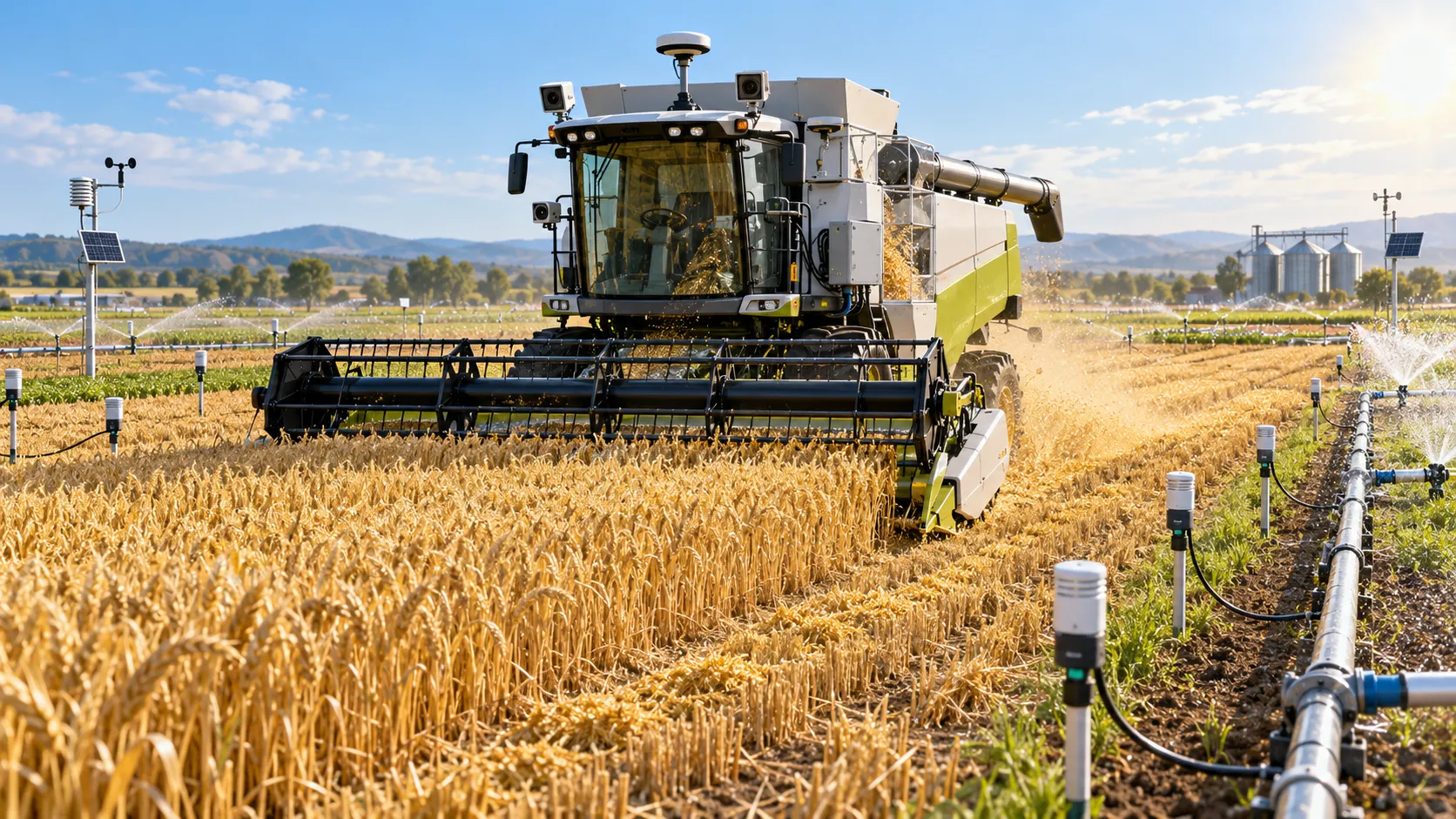
How to Evaluate Dynamic Feedback Algorithm Suppliers for Precision Farming Systems
Dynamic feedback algorithms supplier evaluation guide for precision farming—compare validation, integration, safety, and pilots to choose with confidence.
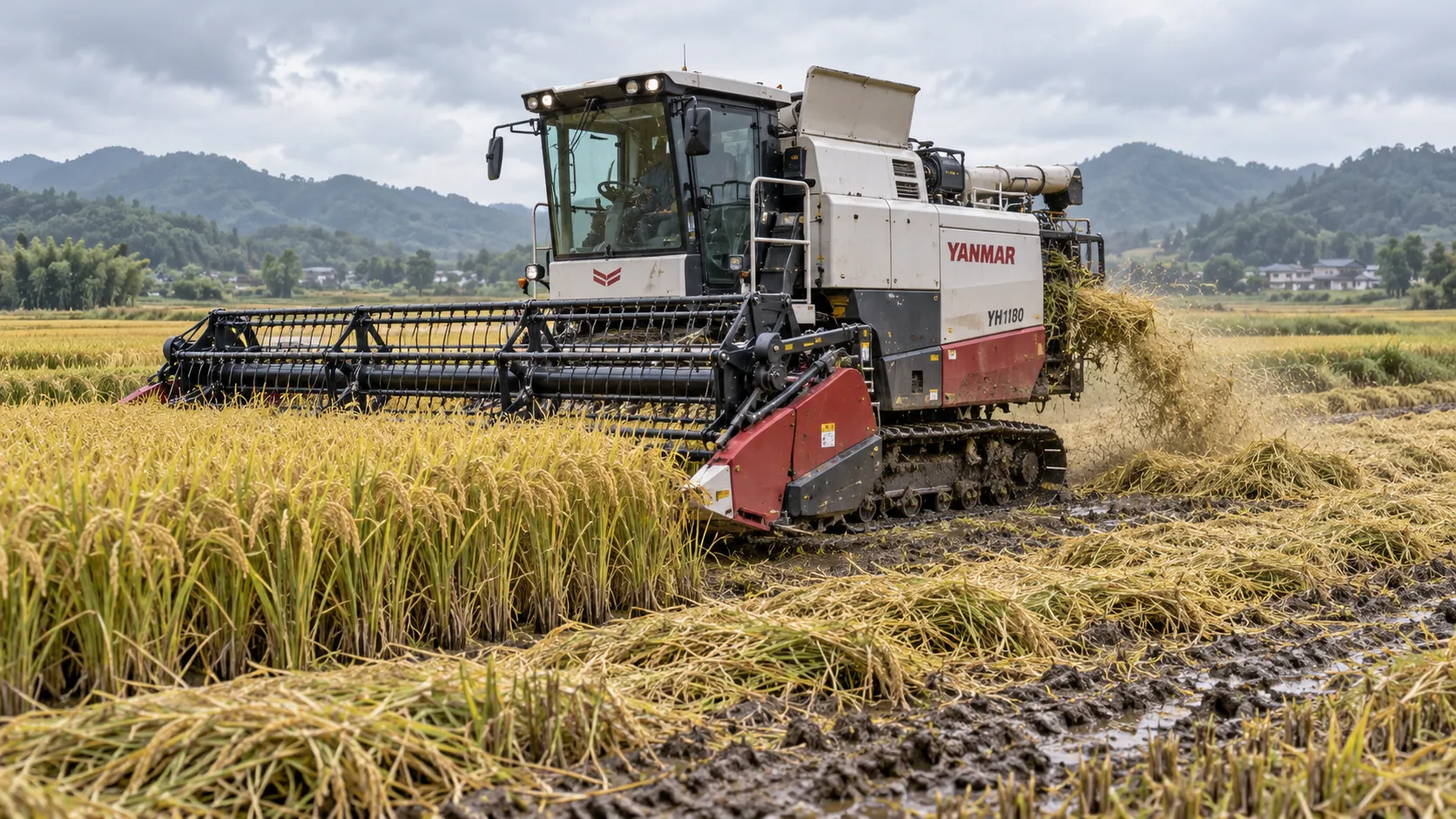
How to Specify Combine Harvester Systems for High-Moisture Grain and Variable Field Conditions
Combine harvester systems for high-moisture grain: learn how to specify threshing, cleaning, headers, traction, and automation for reliable harvests in variable fields.
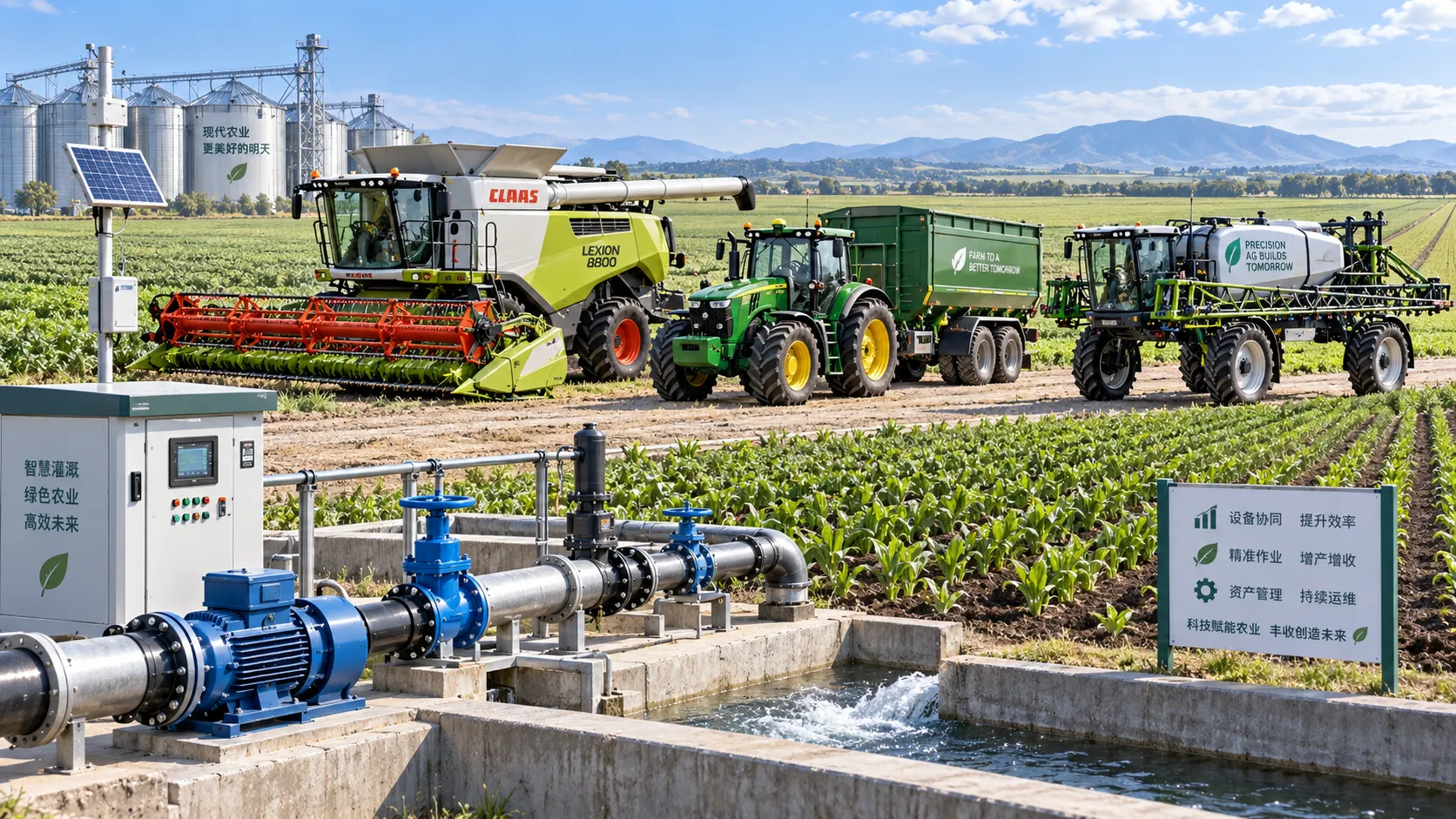
How to Compare Agricultural Equipment Platforms for Fleet Management and ROI
Agricultural equipment platform comparison: evaluate fleet data, maintenance, precision workflows, and ROI to choose a system that delivers measurable results.
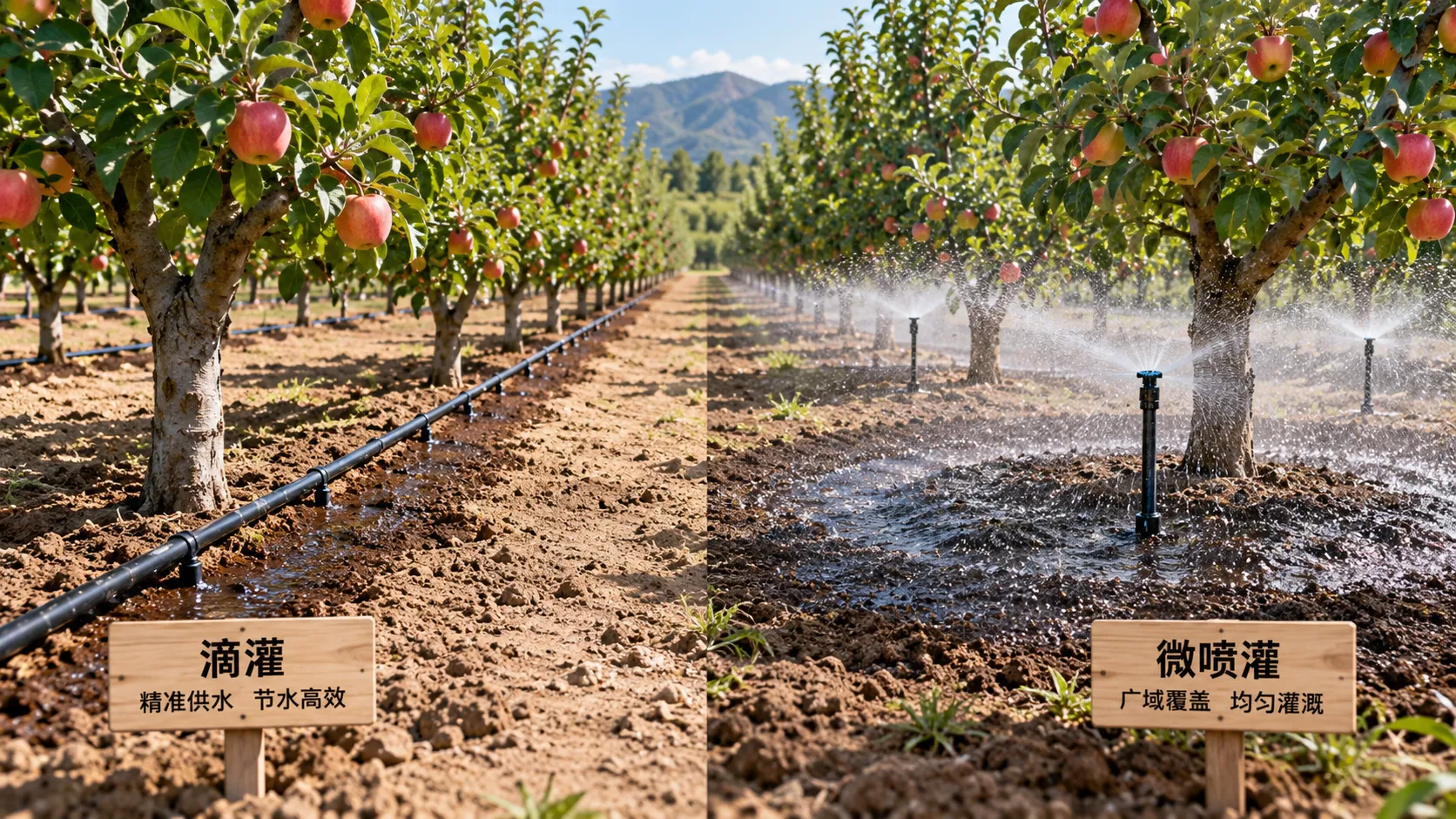
Drip vs. Micro-Sprinkler Irrigation: Which System Fits Your Orchard?
Irrigation solution comparison for orchards: discover whether drip or micro-sprinklers best match your water, soil, roots, fertigation, and frost needs.
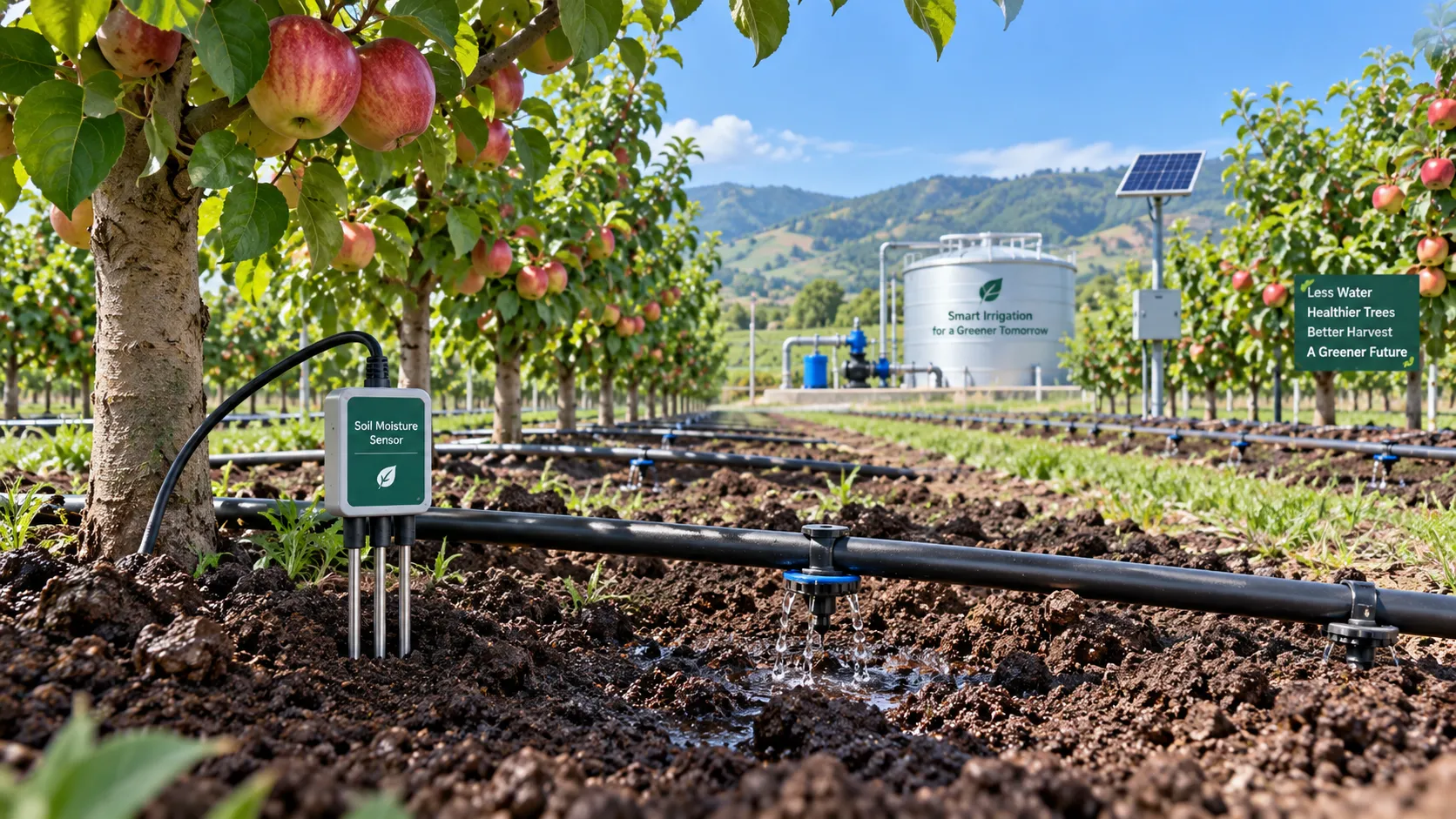
Orchard Water Management: Using Soil Moisture Data to Schedule Irrigation
Agricultural water management for orchards made practical: use soil moisture data to optimize irrigation timing, protect yield, reduce costs, and improve resilience.
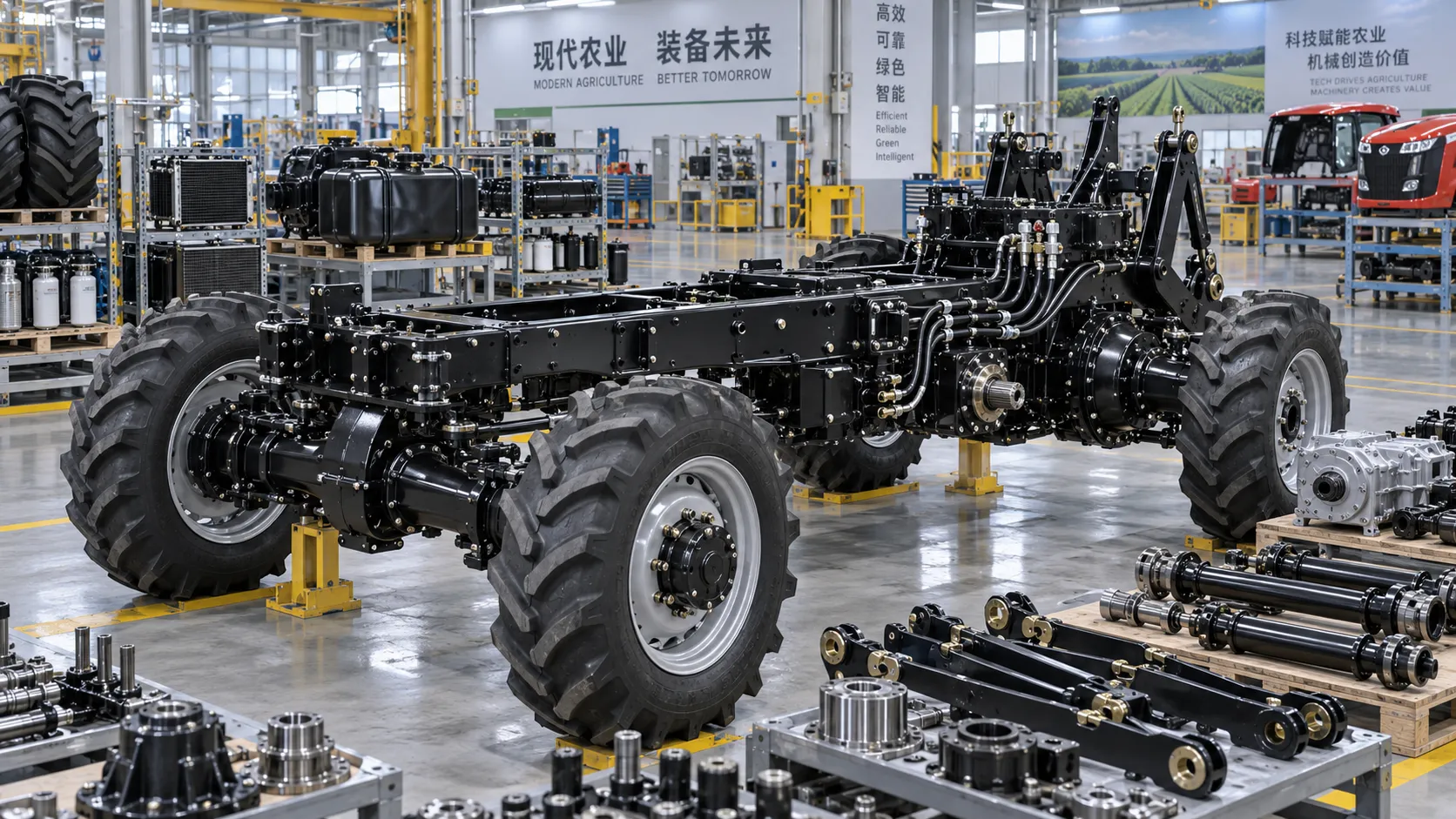
Tractor Chassis Price: What Buyers Should Compare Beyond the Initial Quote
Tractor chassis price is only the start. Compare load capacity, compatibility, durability, and lifecycle costs to choose a reliable, high-value chassis.
Related News
- 00
0000-00
How Does Farm Mechanization Affect Food Security in Developing Regions? - 00
0000-00
Agricultural Technology Insights by Region: Where Adoption Is Growing Fastest - 00
0000-00
How Climate-Smart Agriculture Technology Improves Yield, Soil Health, and Risk Resilience - 00
0000-00
Smart Farming Solutions in Latin America: Which Technologies Fit Large Farms Best? - 00
0000-00
Long-Cycle Agri-Trade Price Trends: How to Read Supply, Freight, and Currency Signals
Popular Tags
Prof. Marcus Chen
Weekly Insights
Stay ahead with our curated technology reports delivered every Monday.