
Brazil Expands ANATEL Approval for Soil Moisture Sensors
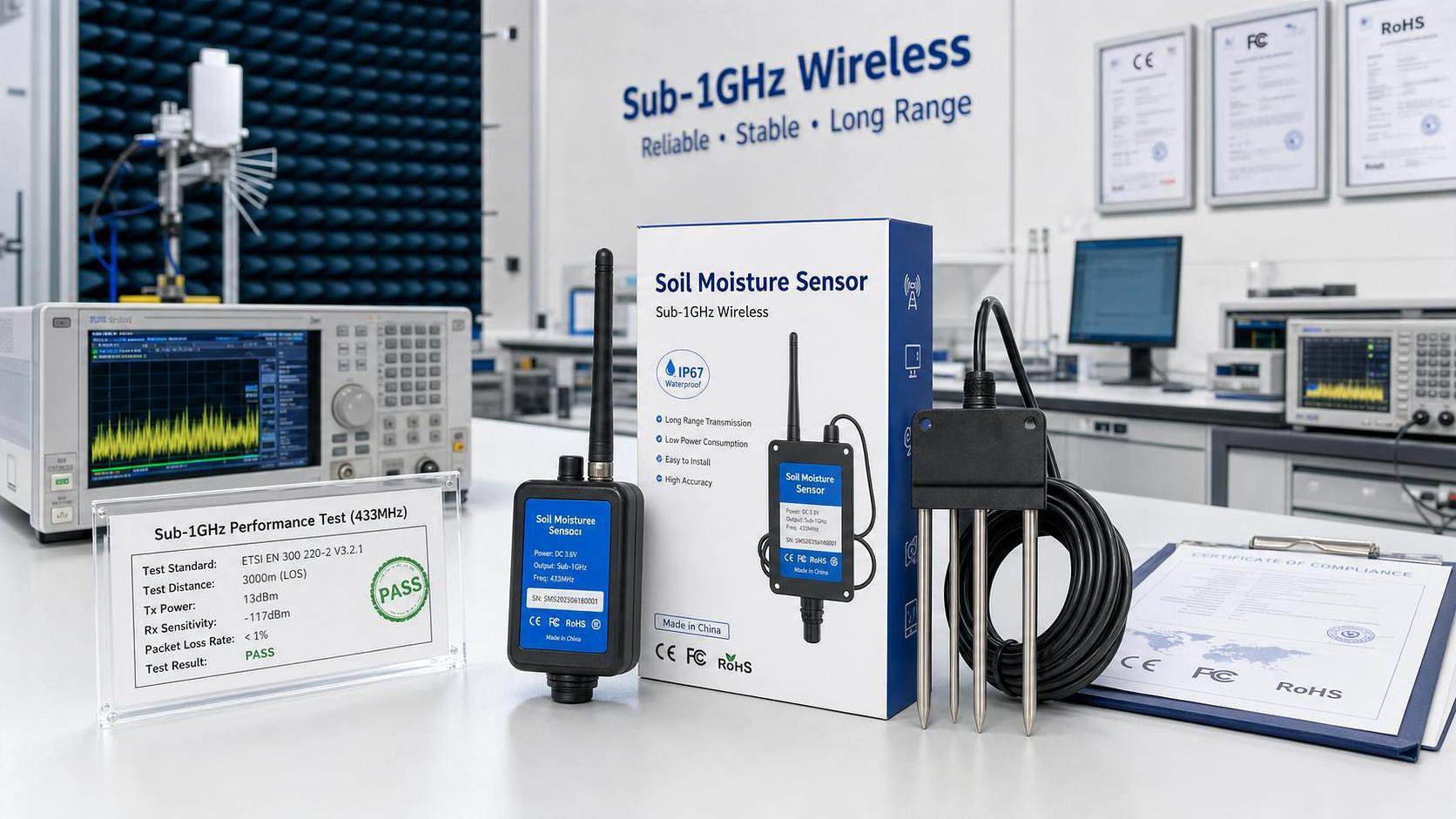




On July 10, 2026, Brazil introduced a new compliance requirement for soil moisture sensors that use Sub-1GHz bands such as 868MHz and 915MHz. The change matters because products that previously moved through the market with only INMETRO safety certification will, from October 1, 2026, also need ANATEL wireless equipment approval and an ANATEL ID marking. For importers, Chinese manufacturers, testing providers, and procurement teams, this is not just a labeling update but a shift that can affect certification sequencing, shipment preparation, and market access timing.
What the ordinance changes in practice
According to the provided information, ANATEL issued Ordinance No. 882/2026 on July 10, 2026. The ordinance requires all soil moisture sensors using Sub-1GHz spectrum, including bands such as 868MHz and 915MHz, to obtain ANATEL certification for wireless equipment under HCD from October 1, 2026, and to carry an ANATEL ID number. The same information indicates that these products had previously required only INMETRO safety certification. It also states that importers now need to coordinate with Chinese suppliers on RF testing and local representative registration.
Where the new requirement may be felt first
Import and market entry workflows face an added compliance step
From an industry perspective, importers are likely to feel the immediate effect because the rule adds a second certification track to products that were previously managed under a single safety approval path. The practical pressure point is the point of market entry: import documentation, certification readiness, product marking, and launch scheduling may all need closer alignment once ANATEL approval becomes mandatory for the covered devices.
Chinese manufacturers will need earlier technical coordination
Analysis shows that Chinese suppliers may be affected at the product preparation stage. The reason is straightforward: RF testing is now part of the path to compliance for the relevant sensor category, which means technical files, radio specifications, and product labeling arrangements may need to be prepared earlier than before. For manufacturers serving Brazil through distributors or import partners, the change increases the need for synchronized timelines rather than late-stage certification handling.
Testing and certification service providers may see tighter sequencing demands
Certification-related companies and testing bodies may be affected because the new rule links safety and wireless approval more closely in commercial execution. What deserves closer attention is not only the existence of two approvals, but the order in which companies prepare reports, submit materials, and complete local registration steps. Delays in one part of that chain could influence shipment or delivery planning.
Procurement and delivery teams may need to revisit acceptance criteria
For buyers, distributors, and supply chain service providers, the impact may show up in sourcing and delivery control. Products covered by the new rule may require updated supplier qualification checks, document review, and confirmation that the ANATEL ID marking is in place before dispatch or receipt. This is especially relevant where purchasing decisions were previously based on INMETRO compliance alone.
What companies should review now
Check whether product portfolios fall within the covered radio bands
Companies dealing in soil moisture sensors should first verify whether their products use Sub-1GHz frequencies such as 868MHz or 915MHz, because that is the trigger described in the provided information. This is a practical screening step for exporters, importers, and buyers that need to separate affected models from unaffected ones before adjusting compliance plans.
Reassess certification files and labeling readiness
Analysis shows that document control may become a near-term issue. Businesses should review whether existing technical files, RF test arrangements, and product marking workflows are prepared for ANATEL HCD certification and ANATEL ID labeling. The provided information does not include detailed execution rules, so this should be treated as a compliance readiness review rather than confirmation of a final operational procedure.
Align importer and supplier responsibilities earlier in the cycle
The provided information specifically notes the need for importers to coordinate with Chinese suppliers on RF testing and local representative registration. Observably, this makes responsibility allocation an immediate practical issue. Companies may need to confirm who handles testing inputs, who manages local representation, and how those steps are built into order timing and shipment commitments.
Watch for follow-up language in commercial and tender documents
Because the rule introduces a new approval requirement and marking obligation, businesses may need to monitor how these points begin to appear in purchase specifications, bid documents, and supplier qualification requests. The current input does not provide those downstream documents, so this remains an area to watch rather than a confirmed market-wide outcome.
Why this looks like an execution signal, not just a policy headline
Observably, this update is more than a general regulatory discussion because it sets a defined compliance date and identifies a concrete product category and radio condition. At the same time, it is more appropriate to understand this as an execution-stage signal that still requires follow-up observation. The confirmed facts establish the new requirement, but the practical market effect will depend on how certification handling, local registration practice, and document expectations are applied in actual transactions.
How the market is likely to interpret this update for now
From an industry perspective, the main significance of this development is that a product segment once managed primarily through safety certification now faces a dual-approval path in Brazil when Sub-1GHz wireless functionality is involved. That does not by itself prove broad disruption, but it does indicate a higher compliance threshold for affected soil moisture sensors. At this stage, the update is best understood as a landed regulatory change with immediate planning implications and with further execution details still worth monitoring.
Basis of this article and points that still need verification
This article is based on the user-provided news title, event date, and event summary. For developments of this kind, relevant source types typically include official regulatory notices, publications from supervisory authorities, trade or customs updates, industry association releases, standards documentation, and reporting by authoritative industry media. A specific official source link was not provided in the input, so the exact official publication path still needs to be verified on an ongoing basis. Follow-up attention should remain on detailed implementation language, certification practice, tender document changes, market feedback, and how companies actually execute the new requirement in supply and delivery workflows.
Related News

Farm Machinery Sourcing: How to Vet Suppliers, Specs, and Lifecycle Costs
Farm machinery information for sourcing: learn to vet suppliers, compare specifications, control lifecycle costs, and secure reliable uptime for smarter equipment purchases.

How to calculate ROI on precision agriculture equipment before buying
Calculating ROI on precision agriculture equipment: learn to assess total ownership costs, savings, payback, NPV, risks, and farm-scale value before you buy.

Tractor Specification Sheets: Matching PTO, Hydraulics, and Weight to Farm Tasks
Specification-oriented articles for tractors: match PTO, hydraulics, lift capacity, ballast, and weight to real farm tasks for safer, more efficient equipment choices.

How to Evaluate Dynamic Feedback Algorithm Suppliers for Precision Farming Systems
Dynamic feedback algorithms supplier evaluation guide for precision farming—compare validation, integration, safety, and pilots to choose with confidence.

How to Specify Combine Harvester Systems for High-Moisture Grain and Variable Field Conditions
Combine harvester systems for high-moisture grain: learn how to specify threshing, cleaning, headers, traction, and automation for reliable harvests in variable fields.

How to Compare Agricultural Equipment Platforms for Fleet Management and ROI
Agricultural equipment platform comparison: evaluate fleet data, maintenance, precision workflows, and ROI to choose a system that delivers measurable results.

Drip vs. Micro-Sprinkler Irrigation: Which System Fits Your Orchard?
Irrigation solution comparison for orchards: discover whether drip or micro-sprinklers best match your water, soil, roots, fertigation, and frost needs.
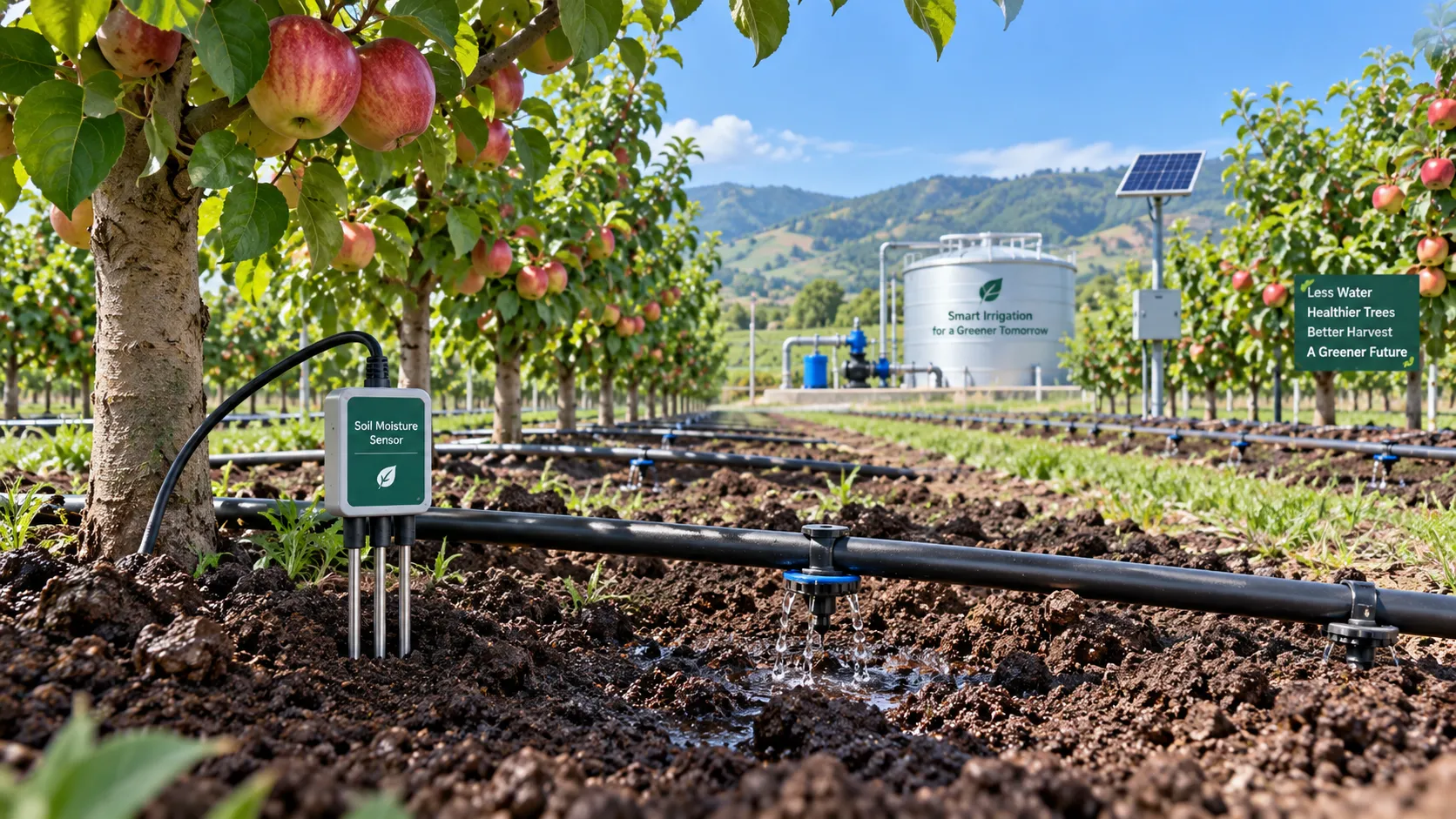
Orchard Water Management: Using Soil Moisture Data to Schedule Irrigation
Agricultural water management for orchards made practical: use soil moisture data to optimize irrigation timing, protect yield, reduce costs, and improve resilience.

Tractor Chassis Price: What Buyers Should Compare Beyond the Initial Quote
Tractor chassis price is only the start. Compare load capacity, compatibility, durability, and lifecycle costs to choose a reliable, high-value chassis.
Related News
- 00
0000-00
Orchard Water Management: Using Soil Moisture Data to Schedule Irrigation - 00
0000-00
Climate-Smart Farming for Drought: A Practical Plan for Protecting Yields - 00
0000-00
Selecting Real-Time Soil Moisture Sensors for Irrigation Zone Control - 00
0000-00
How Does Climate-Smart Farming Reduce Water Use in Semi-Arid Areas? - 00
0000-00
USDA Rule Takes Effect: Dual FCC and NRCS Approval for Soil Moisture Sensors
Popular Tags
Hydrological Resource Strategist
Weekly Insights
Stay ahead with our curated technology reports delivered every Monday.