
EU CE Update Sets EN ISO 13849-1:2025 for Autonomous Robots





On July 11, 2026, a new EU CE compliance change moved from discussion into a defined market requirement for Autonomous Robots. The update affects products placed on the EU market, including autonomous field work platforms and AI inspection robots, and it matters not only to manufacturers but also to exporters, buyers, certification teams, and delivery planners. The main reason this deserves close attention is that it changes the applicable functional safety baseline for new market activity and creates a near-term transition issue between existing certificates, new orders, and upcoming delivery schedules.
What the published change confirms
According to the information provided, the Official Journal of the European Union published amending directive 2026/1189/EU on July 11, 2026. The directive requires all Autonomous Robots placed on the EU market to comply with the new EN ISO 13849-1:2025 standard from January 1, 2027. The update places particular emphasis on verification of safety control systems at PLd level. Products holding CE certificates under the previous edition may continue to be sold until December 31, 2026, while new orders must begin assessment under the new requirement.
Where the pressure will appear first in business operations
Manufacturers and exporters will face a certification timing issue
From an industry perspective, robot manufacturers and export-facing suppliers are likely to feel the impact first because product placement in the EU market is directly tied to the applicable CE compliance basis. The practical pressure point is the shift from legacy certification reliance to assessment under EN ISO 13849-1:2025 for new orders. What deserves closer attention is the need to review whether ongoing projects, quoted products, and order intake processes still align with the transition timetable set out in the update.
Procurement and buyer-side teams may need to reset technical acceptance conditions
Buyers, procurement departments, and project owners may be affected because ordering decisions made ahead of the 2027 deadline can still trigger immediate compliance review under the new standard. Analysis shows that the main issue is not only product selection, but also whether purchasing documents, technical specifications, supplier qualification records, and acceptance criteria reflect the updated functional safety requirement. This is especially relevant where procurement cycles run across the 2026 to 2027 transition window.
Certification and testing-related service providers may see a change in review focus
Certification-related companies and testing service providers are also likely to be affected because the update specifically highlights stronger PLd-level safety control system verification. Observably, the business impact may appear in assessment scope, document review, test planning, and technical file preparation. Companies involved in these steps should pay attention to whether customers are still preparing submissions on the old basis for orders that now need to move under the new assessment path.
Channel and delivery functions will need to watch the certificate boundary carefully
Distributors, channel partners, and delivery coordination teams may face risk around inventory turnover, delivery commitments, and order classification. Analysis shows that the key distinction in the published information is between products that may still be sold with existing certificates until the end of 2026 and new orders that should already launch assessment against the new rule. This makes contract timing, shipment planning, and supporting compliance documentation more sensitive than under a stable standard cycle.
What companies should review now
Recheck which projects fall under legacy sales and which fall under new assessment
Analysis shows that companies should first separate existing certified products that remain sellable through December 31, 2026 from new orders that need to start under EN ISO 13849-1:2025 assessment. The important point here is operational classification: sales, compliance, and project teams need a common internal view of which business falls into which path.
Review technical files and safety validation material against the PLd focus
What deserves closer attention is the update's explicit emphasis on PLd-level safety control system verification. Companies involved in design, certification, and export documentation should examine whether current technical files, validation records, and supporting compliance materials are prepared for that review focus. The provided information does not define the detailed execution method, so this should be treated as an immediate review priority rather than as a settled checklist.
Check procurement documents, tenders, and supplier qualification language
Observably, the rule change is likely to flow into buyer requirements before the formal 2027 application date through tender wording, supplier screening, and technical bid alignment. Enterprises should therefore review whether purchasing terms, supplier declarations, and bid documents still reference the older compliance basis in ways that could create award, delivery, or acceptance disputes.
Watch for follow-up interpretation in execution practice
It is more appropriate to understand this as a confirmed regulatory change with execution details that still require close monitoring. Companies should continue tracking how the requirement is reflected in certification practice, project acceptance language, and market-side compliance expectations. The input provided does not include those later-stage details, so any conclusion about exact implementation pace should remain cautious.
How this should be read at this stage
Analysis shows that this development is best understood as an implemented compliance signal rather than a preliminary policy discussion. The publication date, the named directive, the application date, and the transition boundary together indicate that the market is being given a clear switch point. At the same time, observably, the more detailed operating impact will depend on how certification reviews, procurement documents, and customer-side acceptance practices absorb the new EN ISO 13849-1:2025 requirement in the months ahead.
A practical reading of the market signal
For the industry, the immediate significance is not simply that a new CE-related requirement exists, but that order handling, certification preparation, and delivery planning now need to account for a defined transition between old and new compliance bases. It is more appropriate to understand this update as a rule now in landing phase: the core requirement is already clear, while the exact market execution rhythm still deserves continued observation through certification practice, tender language, and business-side implementation.
Basis of this article
This article is generated from the user-provided news title, event date, and event summary. For developments of this type, commonly relevant source categories include official notices, regulator publications, trade or customs authority updates, industry association releases, standards documentation, and reporting by established professional media. No specific official source link was provided in the input, so the exact source document link still needs to be verified on an ongoing basis. Follow-up attention should remain on any later clarification of execution details, certification interpretation, tender document updates, market feedback, and company-level implementation.
Related News

Farm Machinery Sourcing: How to Vet Suppliers, Specs, and Lifecycle Costs
Farm machinery information for sourcing: learn to vet suppliers, compare specifications, control lifecycle costs, and secure reliable uptime for smarter equipment purchases.
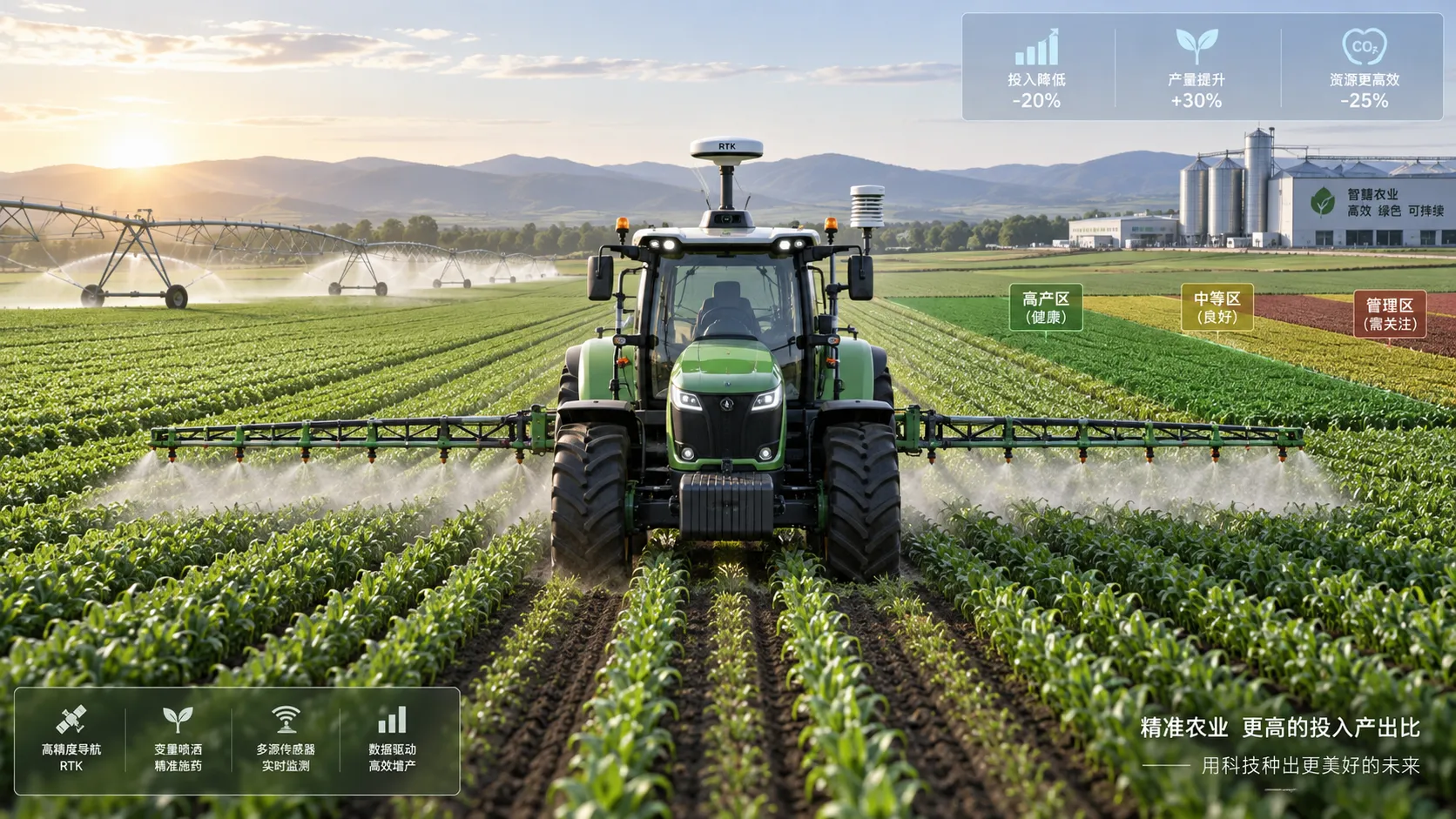
How to calculate ROI on precision agriculture equipment before buying
Calculating ROI on precision agriculture equipment: learn to assess total ownership costs, savings, payback, NPV, risks, and farm-scale value before you buy.

Tractor Specification Sheets: Matching PTO, Hydraulics, and Weight to Farm Tasks
Specification-oriented articles for tractors: match PTO, hydraulics, lift capacity, ballast, and weight to real farm tasks for safer, more efficient equipment choices.

How to Evaluate Dynamic Feedback Algorithm Suppliers for Precision Farming Systems
Dynamic feedback algorithms supplier evaluation guide for precision farming—compare validation, integration, safety, and pilots to choose with confidence.

How to Specify Combine Harvester Systems for High-Moisture Grain and Variable Field Conditions
Combine harvester systems for high-moisture grain: learn how to specify threshing, cleaning, headers, traction, and automation for reliable harvests in variable fields.
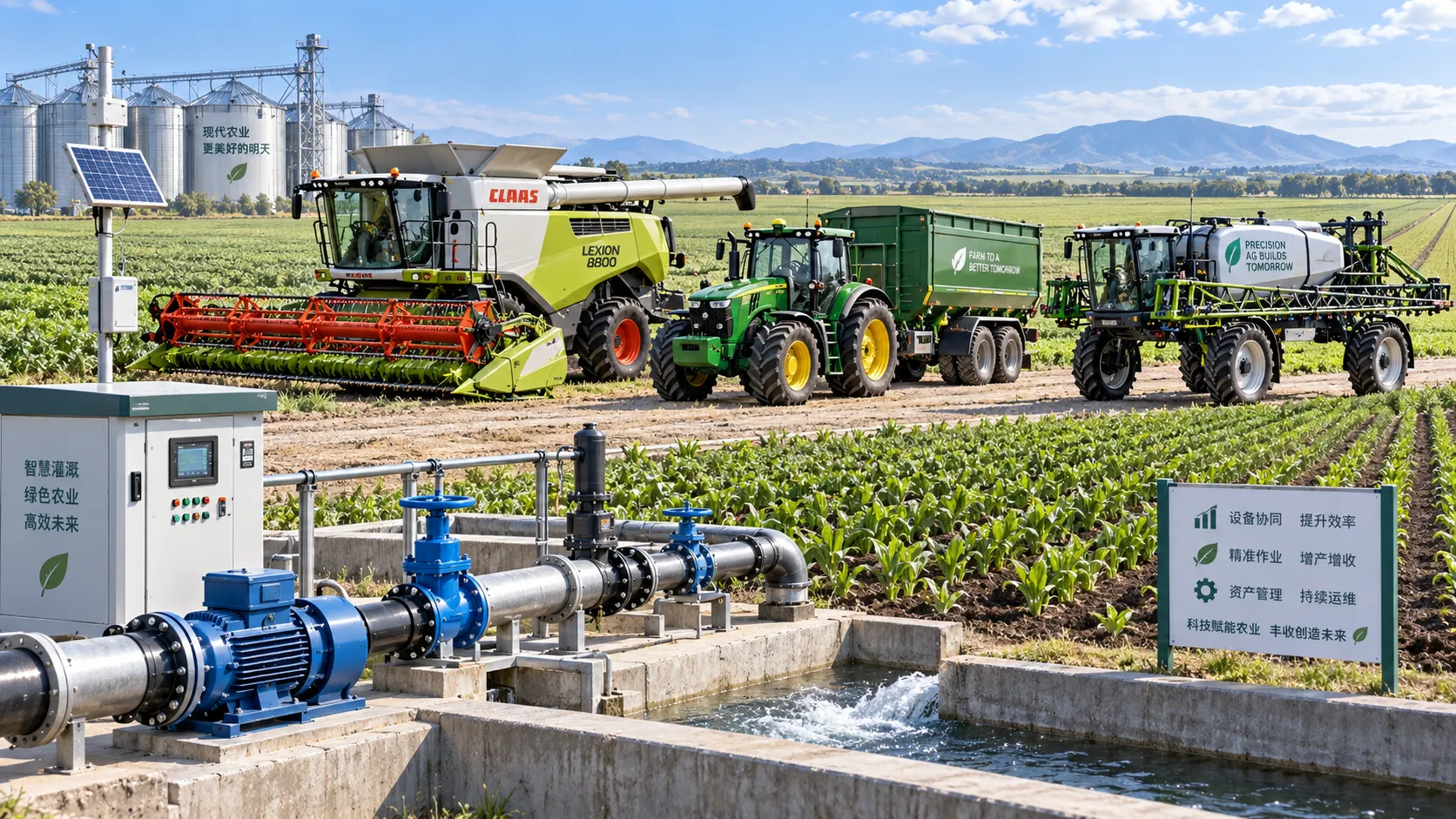
How to Compare Agricultural Equipment Platforms for Fleet Management and ROI
Agricultural equipment platform comparison: evaluate fleet data, maintenance, precision workflows, and ROI to choose a system that delivers measurable results.
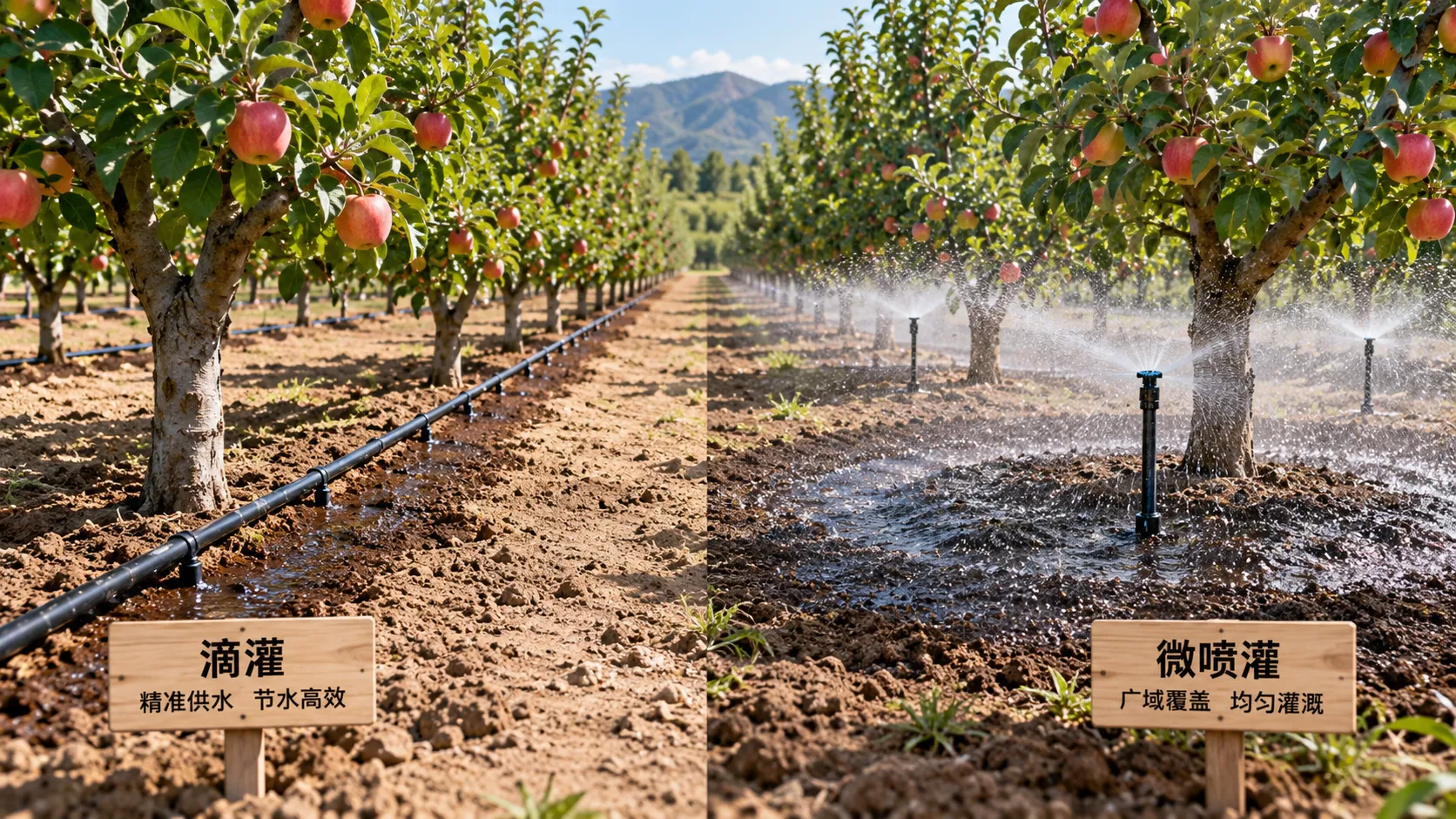
Drip vs. Micro-Sprinkler Irrigation: Which System Fits Your Orchard?
Irrigation solution comparison for orchards: discover whether drip or micro-sprinklers best match your water, soil, roots, fertigation, and frost needs.
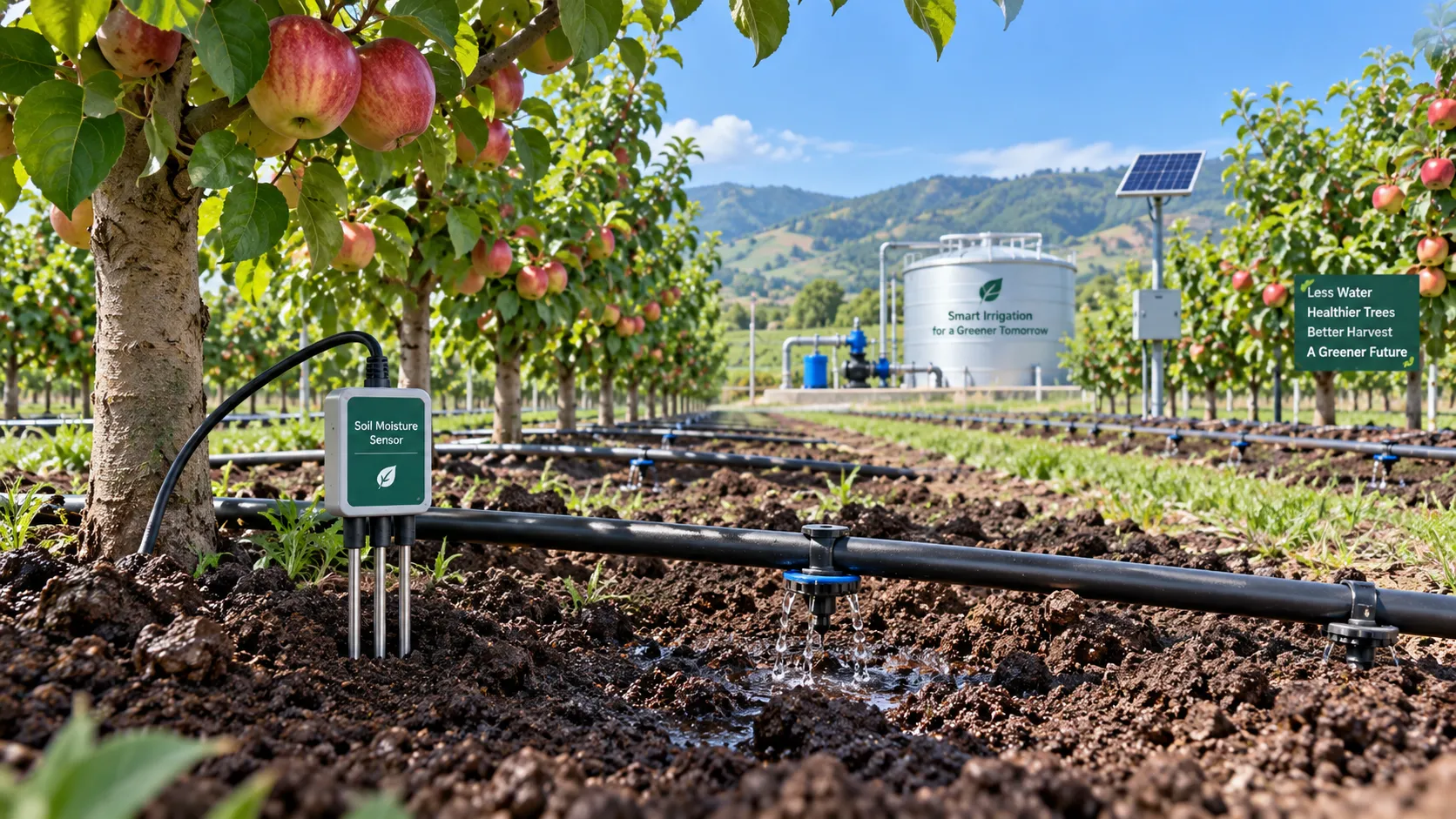
Orchard Water Management: Using Soil Moisture Data to Schedule Irrigation
Agricultural water management for orchards made practical: use soil moisture data to optimize irrigation timing, protect yield, reduce costs, and improve resilience.
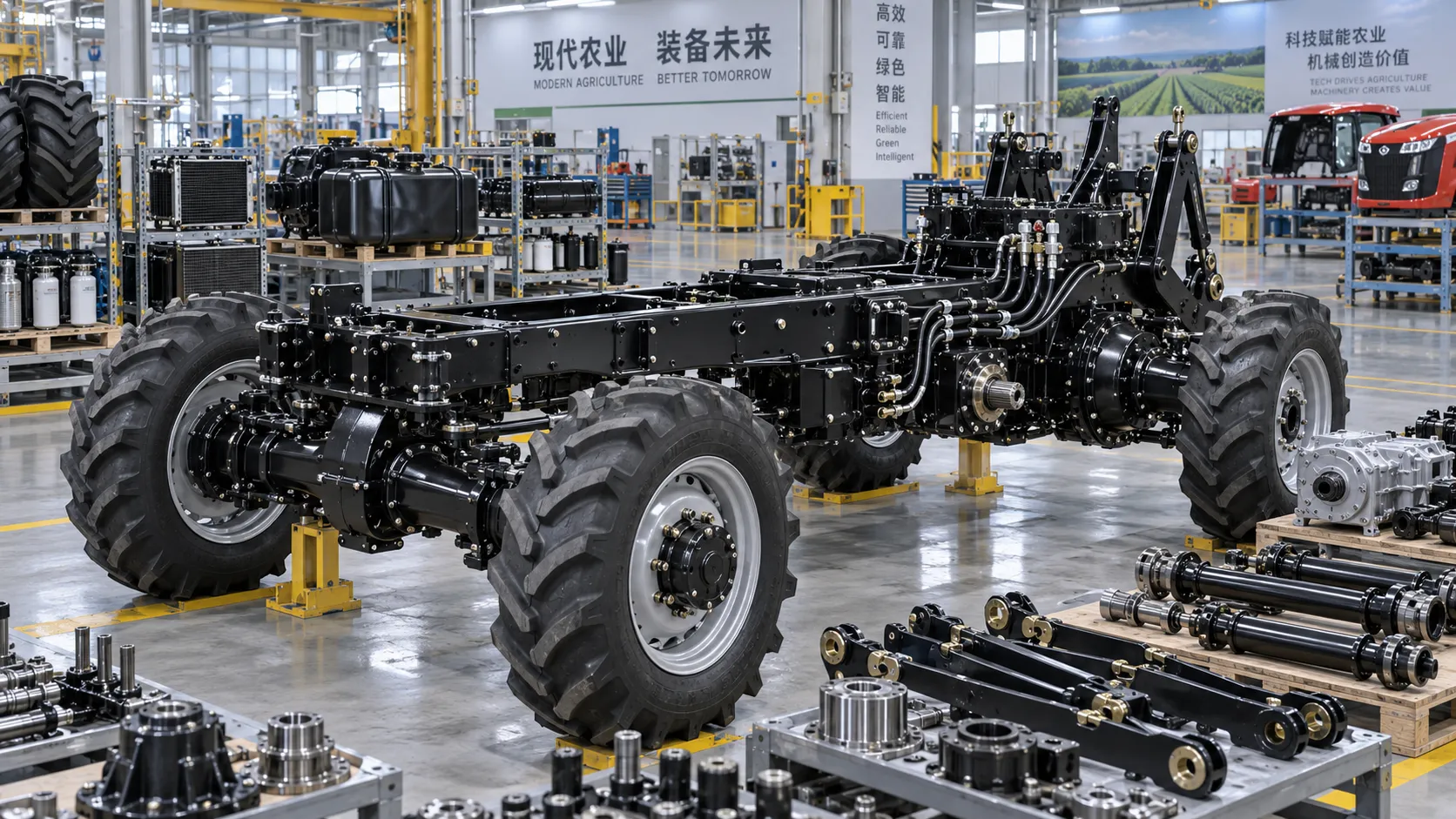
Tractor Chassis Price: What Buyers Should Compare Beyond the Initial Quote
Tractor chassis price is only the start. Compare load capacity, compatibility, durability, and lifecycle costs to choose a reliable, high-value chassis.
Related News
- 00
0000-00
What separates robotic automation providers for equipment production? - 00
0000-00
Which field data collection provider fits an agricultural robotics program? - 00
0000-00
How Autonomous Machinery for Crop Scouting Helps Growers Detect Field Issues Earlier - 00
0000-00
How to Evaluate Autonomous Machinery for Vineyards by Terrain, Tasks, and ROI - 00
0000-00
Brazil ANVISA Rule Requires Portuguese Risk Labels for Farm Robots
Popular Tags
Tractor Power Architect
Weekly Insights
Stay ahead with our curated technology reports delivered every Monday.