
India BIS Tightens Certification for Autonomous Robots
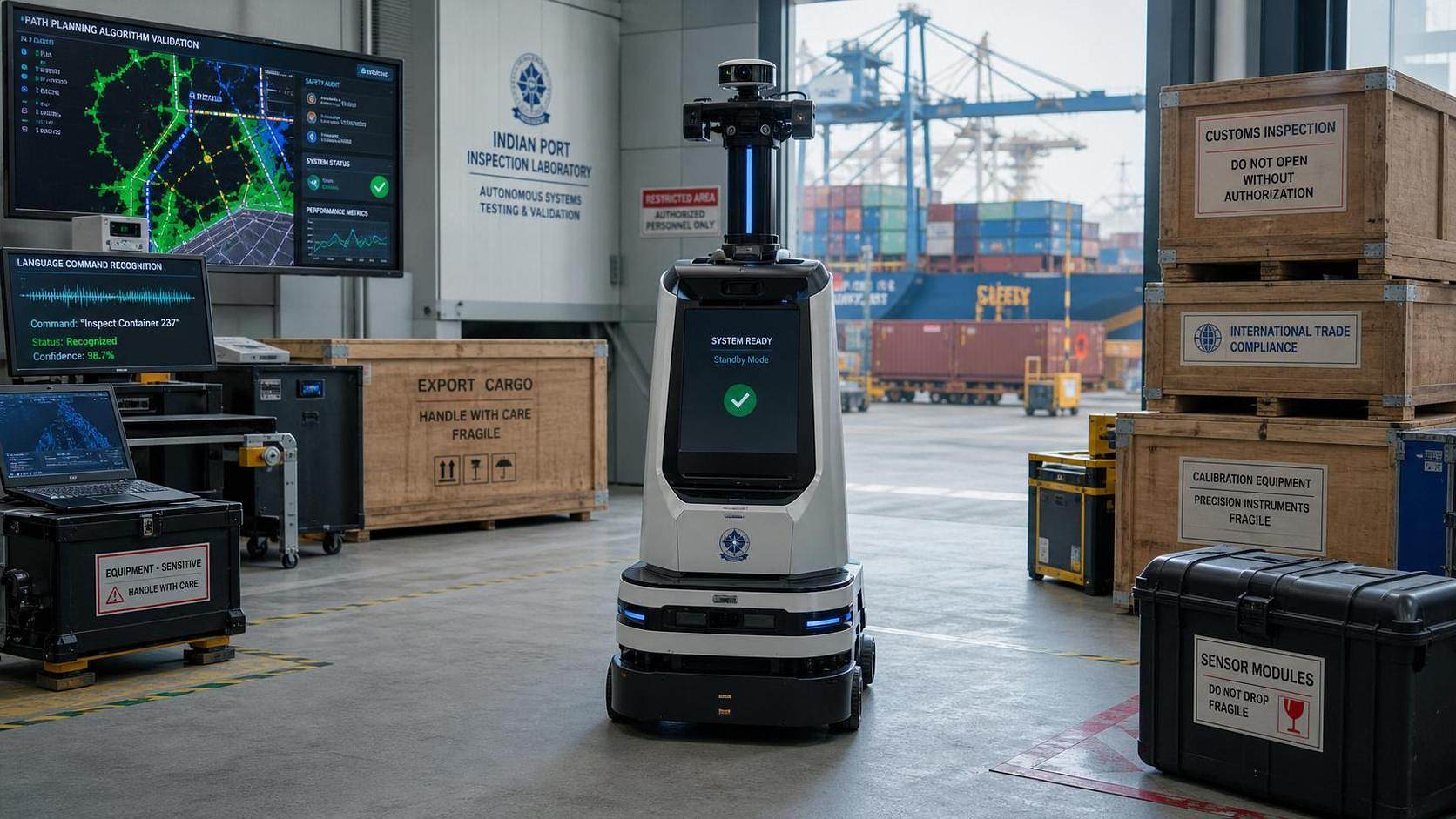




On July 3, 2026, the Bureau of Indian Standards (BIS) issued CMVR Amendment Notice No. 7/2026, introducing a new mandatory certification condition for imported Autonomous Robots, including field-operation models. From October 1, 2026, these products must pass an AI behavior safety white-box audit covering path-planning robustness, failure response in human-machine collaboration, and local-language command understanding. For exporters, buyers, certification teams, and delivery planners, this is worth close attention because it shifts compliance from hardware-focused entry requirements toward algorithm-level review before market access.
What the new BIS notice specifically requires
The confirmed change is limited but clear. BIS released CMVR Amendment Notice No. 7/2026 on July 3, 2026. The notice applies to all imported Autonomous Robots, including those used for field work. Beginning on October 1, 2026, these products must complete an AI behavior safety white-box audit. The audit scope expressly covers three core indicators: path-planning robustness, failure response in human-machine collaboration, and local-language command understanding. The event summary also indicates that Chinese suppliers need to start third-party algorithm verification in advance.
Where the pressure is likely to appear first
Export shipments may face a new pre-clearance compliance step
From an industry perspective, exporters of Autonomous Robots to India are the first group likely to feel the effect because the new requirement is tied to imported products and has a defined effective date. The practical pressure point is not only product design, but also whether shipment timing, certification preparation, and supporting technical materials can align with the new audit requirement. What deserves closer attention is whether existing export plans, especially for products already approaching shipment or customer acceptance, now need additional compliance review before delivery.
Procurement teams may need to revise supplier screening criteria
For buyers, distributors, and procurement functions, the rule change may alter how suppliers are evaluated. Analysis shows that supplier qualification may no longer be judged only by conventional product documentation or prior delivery experience. The new focus on AI behavior safety creates a stronger need to check whether a supplier can support white-box review, provide relevant algorithm-related materials, and complete third-party verification in time. In procurement and tendering contexts, this may lead to closer scrutiny of compliance documents, technical submissions, and delivery commitments.
Certification and testing service providers may become part of the delivery critical path
Certification-related firms and testing bodies are also likely to become more central in the transaction process. Observably, the event summary already points Chinese suppliers toward third-party algorithm verification, which suggests that external validation may become a gating step for market entry and contract performance. For companies handling project schedules, the issue is not only whether testing is required, but whether enough time has been reserved for audit preparation, technical clarification, and any document updates needed for certification files.
After-sales and traceability teams should watch the human-machine interface issue closely
For service teams and quality traceability functions, the inclusion of failure response in human-machine collaboration and local-language command understanding indicates that compliance review may extend into how the product behaves in real use interactions. Analysis shows that this could affect technical documentation, service guidance, and issue-tracking practices, especially where a robot operates around human users or depends on spoken or language-based instructions in the local market.
What companies should prepare for now
Start with the audit scope, not only the product label
Companies shipping to India should first map their affected products against the stated scope: imported Autonomous Robots, including field-operation models. The immediate practical task is to determine whether current models, software versions, and application scenarios are likely to be reviewed against the three named indicators. This is a compliance screening step, not yet proof of final execution outcomes.
Check whether technical files can support white-box review
What deserves closer attention is documentation readiness. A white-box audit implies a review focus on internal AI behavior rather than only external performance claims. Based on the confirmed information, companies should pay attention to whether technical files, test records, and algorithm verification materials are organized well enough to support third-party review. Where internal preparation is weak, certification timing and delivery scheduling may become harder to control.
Reassess delivery windows against the October 1 deadline
Observably, the compliance date is already defined. That makes shipment planning, order confirmation, and acceptance milestones more sensitive for projects tied to the Indian market. Companies should review whether products intended for import on or after October 1, 2026 may require additional lead time for verification and audit-related preparation. This is especially relevant for contracts where delivery dates are tight or where procurement decisions depend on certification readiness.
Track follow-up wording and customer-side document changes
The current notice establishes the rule direction, but the input does not provide detailed execution language beyond the stated requirements. For that reason, companies should monitor how the requirement is reflected in customer specifications, tender documents, import compliance checklists, and certification communication. It would be premature to treat all operational details as settled, but it is reasonable to prepare for stricter review at the documentation and validation stage.
How this signal should be read at this stage
Analysis shows that this development is more than a general policy discussion because it includes a named notice, a release date, a product scope, three explicit audit indicators, and an effective date. That gives it the character of a concrete compliance signal rather than a vague policy direction. At the same time, it is more appropriate to understand this as an implemented rule change whose detailed execution still needs observation, particularly around audit interpretation, certification workflow, and market-side enforcement practice.
A practical reading for the market
For the industry, the significance of this update lies in the fact that market access expectations for imported Autonomous Robots are moving closer to algorithm transparency and behavior safety review. That does not by itself confirm how every case will be handled in practice, but it does indicate that compliance preparation can no longer be treated as a late-stage formality. A neutral reading is that the notice should be taken as a live execution signal with immediate planning value, while follow-on details still require continuous verification.
Basis of this article and what still needs verification
This article is generated based on the user-provided news title, event date, and event summary. For events of this kind, relevant source types typically include official notices, releases from regulatory authorities, customs or trade-administration information, industry association updates, standards organization documents, and reporting by established professional media. A specific official source link was not provided in the input, so the exact publication record and any follow-up explanatory materials still need to be verified on an ongoing basis. What should continue to be watched includes detailed policy wording, certification interpretation, changes in tender documents, market feedback, and how companies are implementing the requirement in practice.
Related News
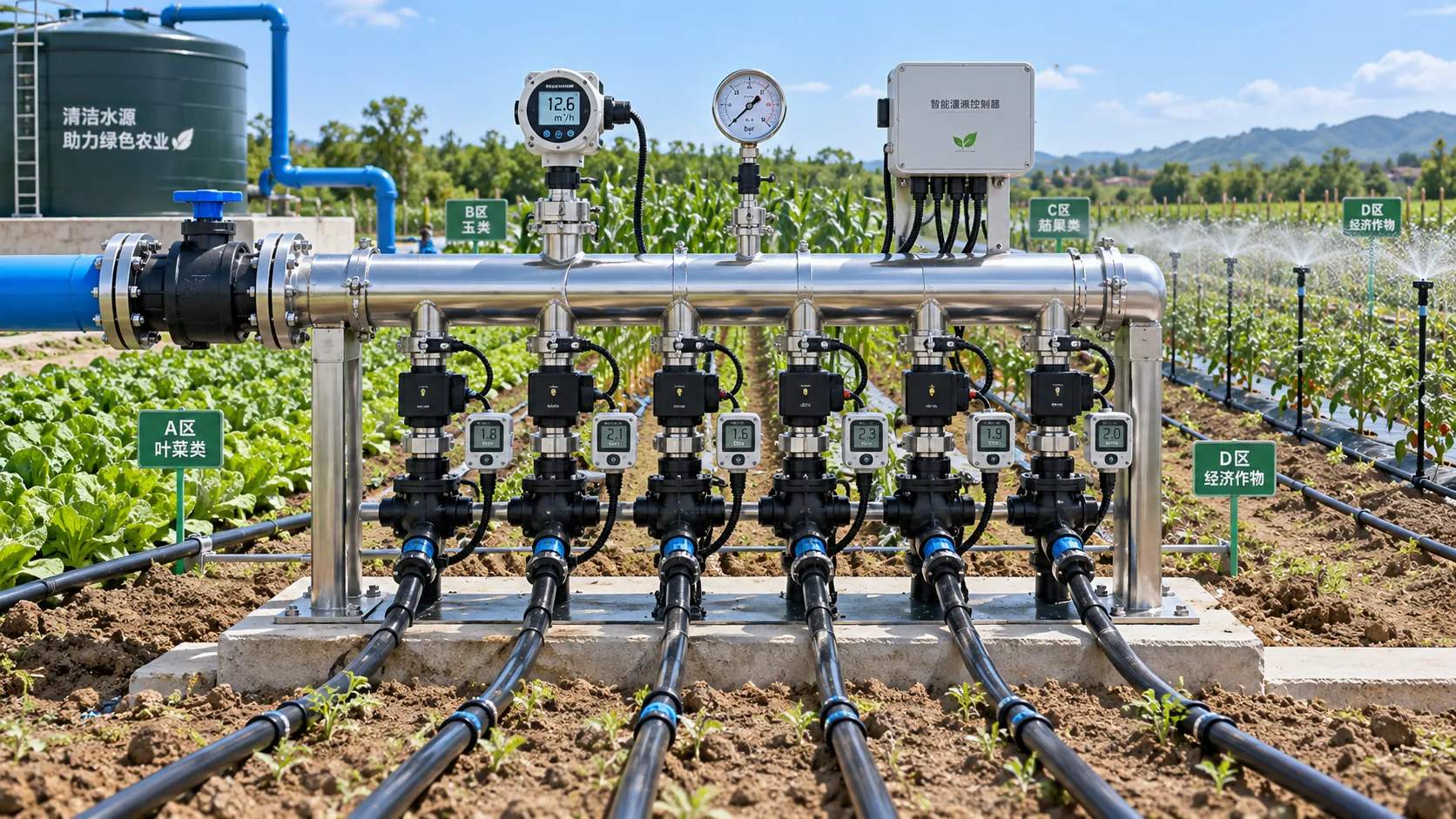
How to Select Smart Irrigation Valves for Multi-Zone Water Management?
Intelligent irrigation systems valves: learn how to match smart valves with multi-zone flow, pressure, control, feedback, and communication needs for reliable water management.
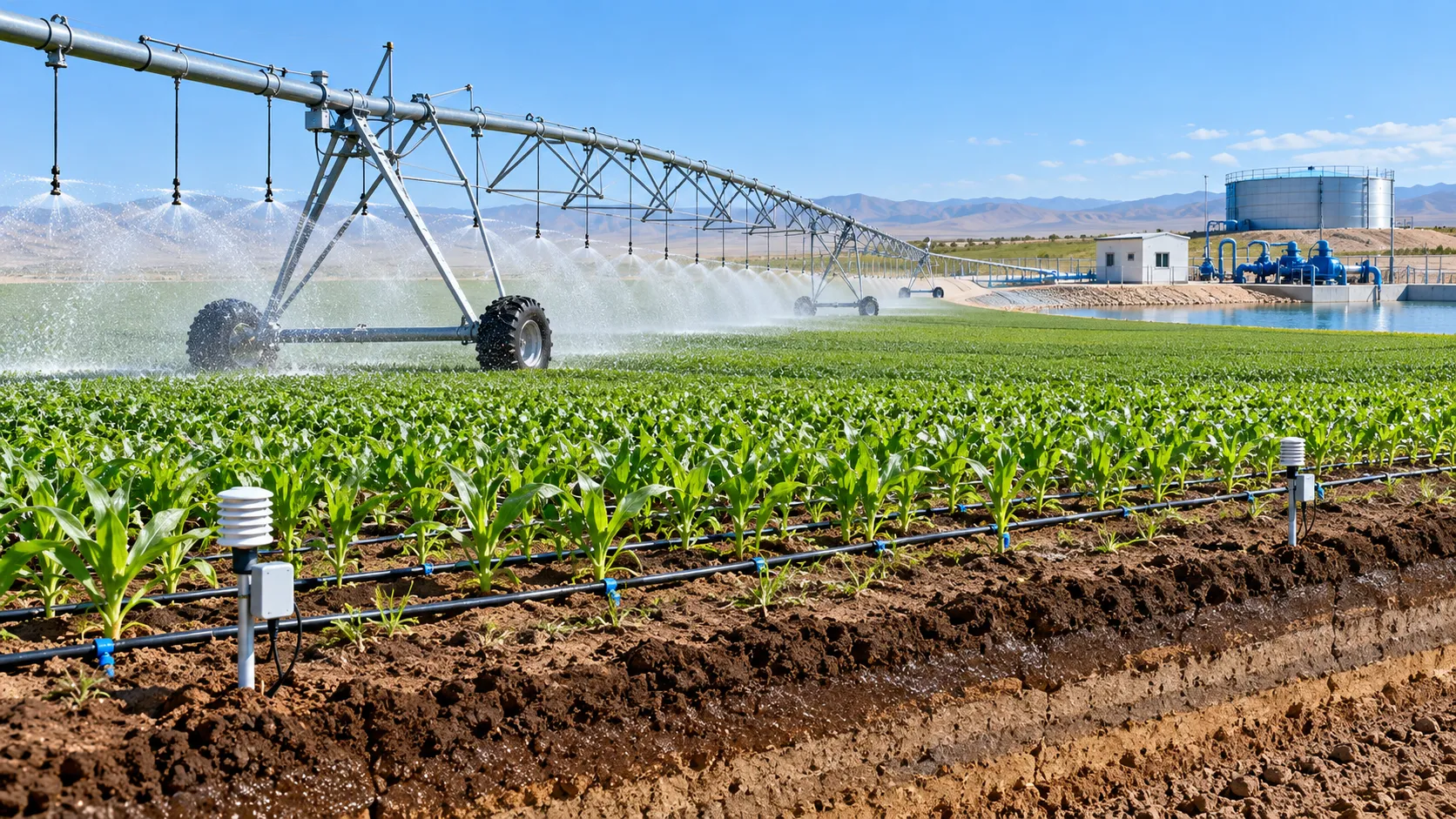
Climate-Smart Farming for Drought: A Practical Plan for Protecting Yields
Climate-smart farming for drought: build smarter water budgets, protect critical crop stages, improve irrigation uniformity, and safeguard yields with practical field-proven strategies.

How Digital Agriculture Platforms Turn Field Data Into Better Input Decisions
Digital agriculture platforms turn field data into smarter fertilizer, water, seed, and equipment decisions—helping farms cut risk, improve margins, and scale sustainability.
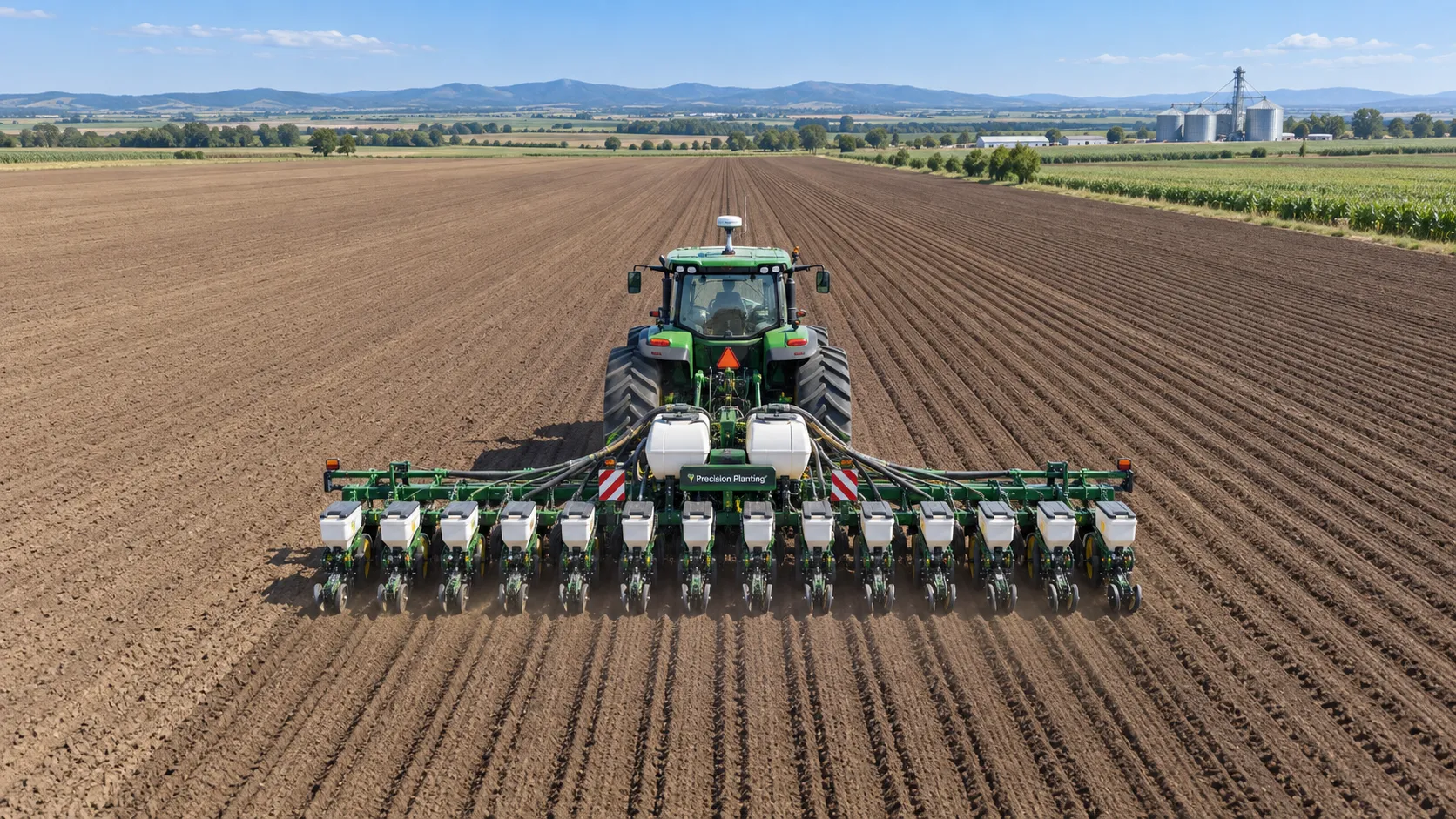
GPS-Guided Farm Machinery: Where It Delivers Measurable Field Efficiency Gains
Agri-mechanization GPS guided systems deliver measurable field efficiency gains through reduced overlap, precise planting, smarter inputs, and reliable farm data.
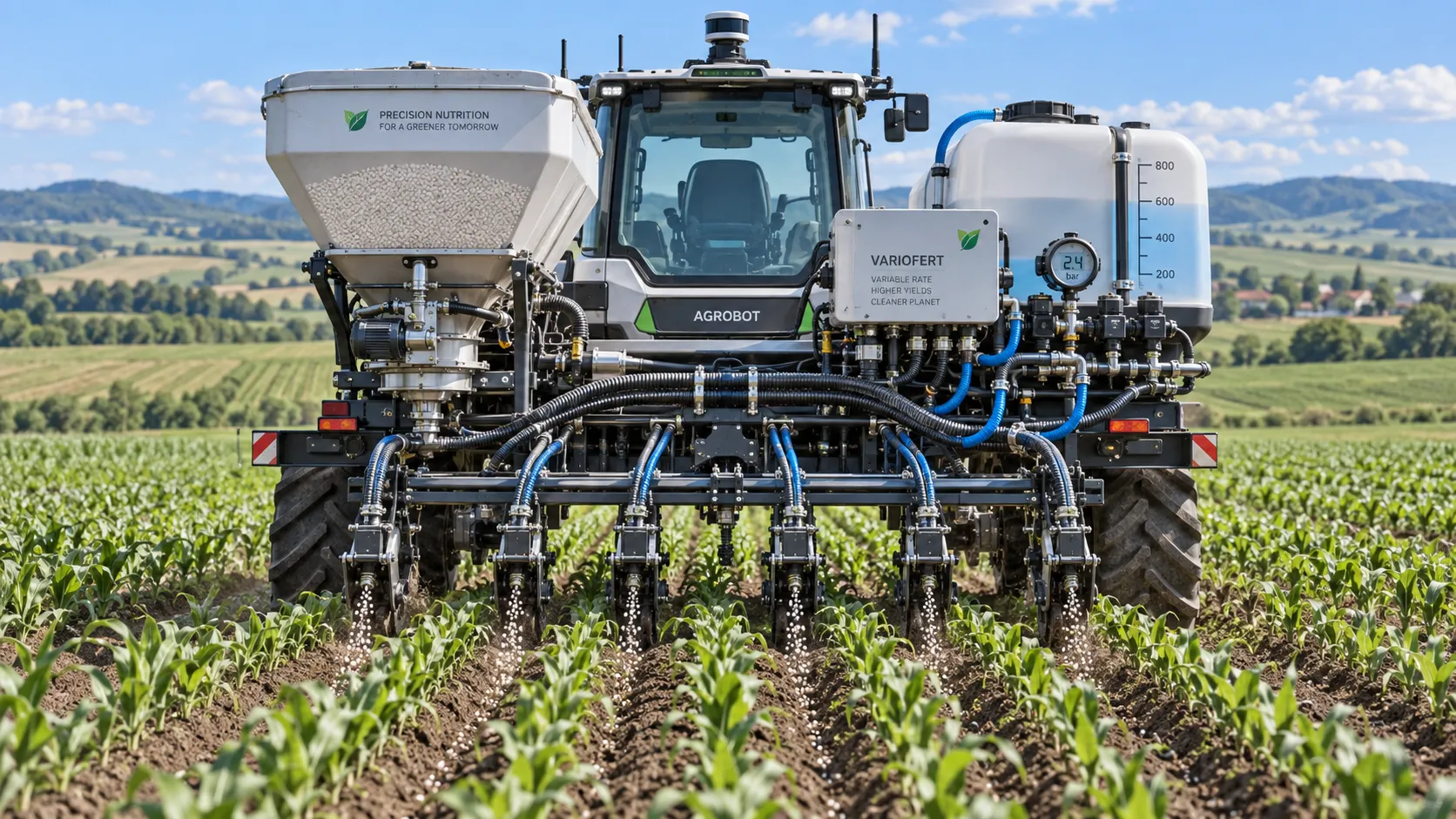
How Sensor Feedback Enables Accurate Variable-Rate Fertilization in Field Conditions
Precision fertilization systems with sensor feedback improve variable-rate accuracy by verifying flow, managing latency, and ensuring reliable field application.

How to Select Precision Crop Protection Equipment for Variable Field Conditions
Precision crop protection equipment selection made simple: compare terrain, canopy, weather, control accuracy, and data workflows for reliable applications.

When Does Agricultural Machinery Leasing Cost Less Than Owning Equipment?
Agricultural machinery leasing can lower farm costs when use is seasonal or uncertain. Compare utilization, maintenance, cash flow, and risk to make a smarter equipment decision.
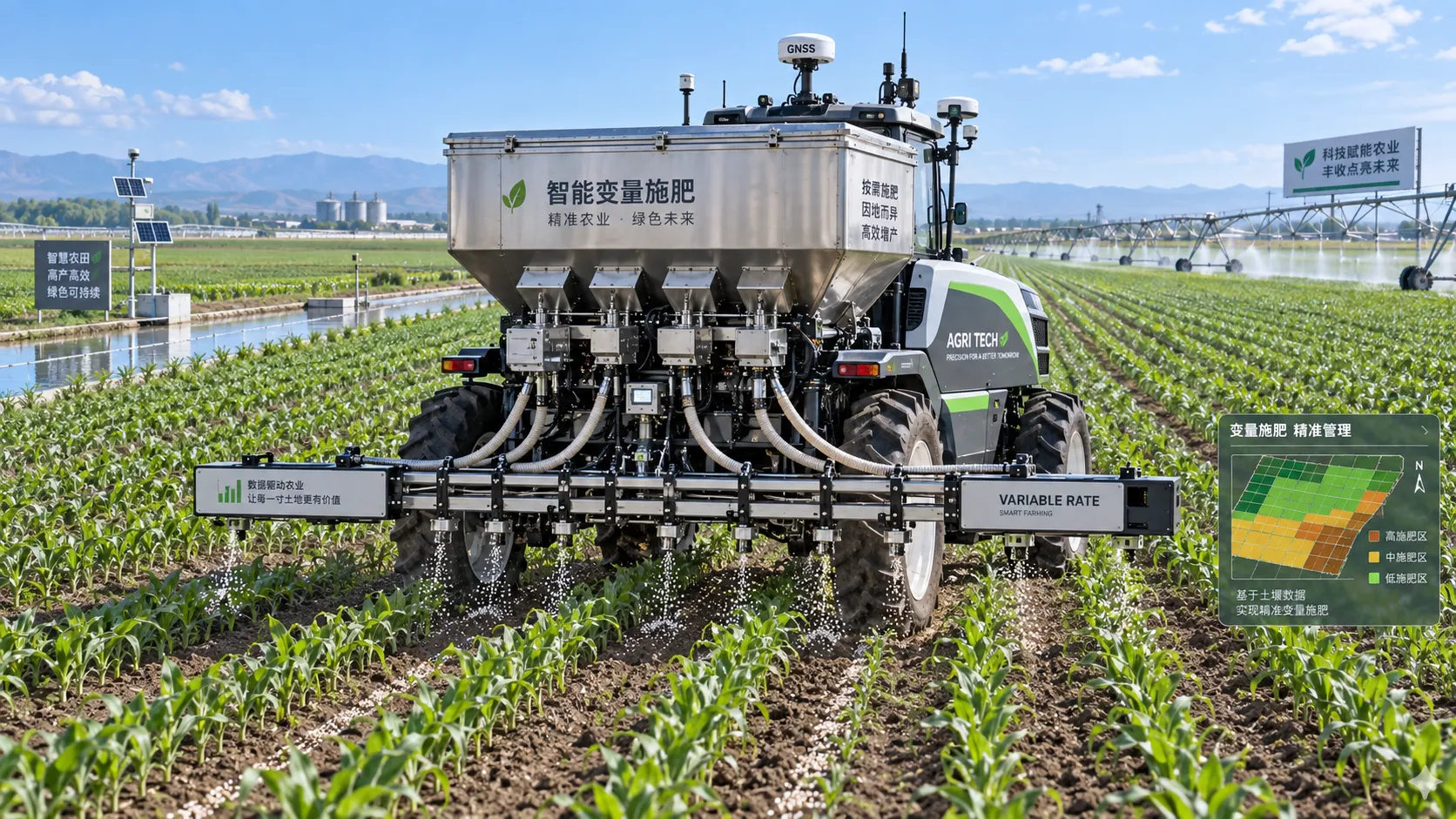
How to Evaluate Precision Fertilization System Suppliers for Farm-Scale Deployment
Precision fertilization systems suppliers: learn how to compare accuracy, integration, uptime, service, and total cost for confident farm-scale deployment.
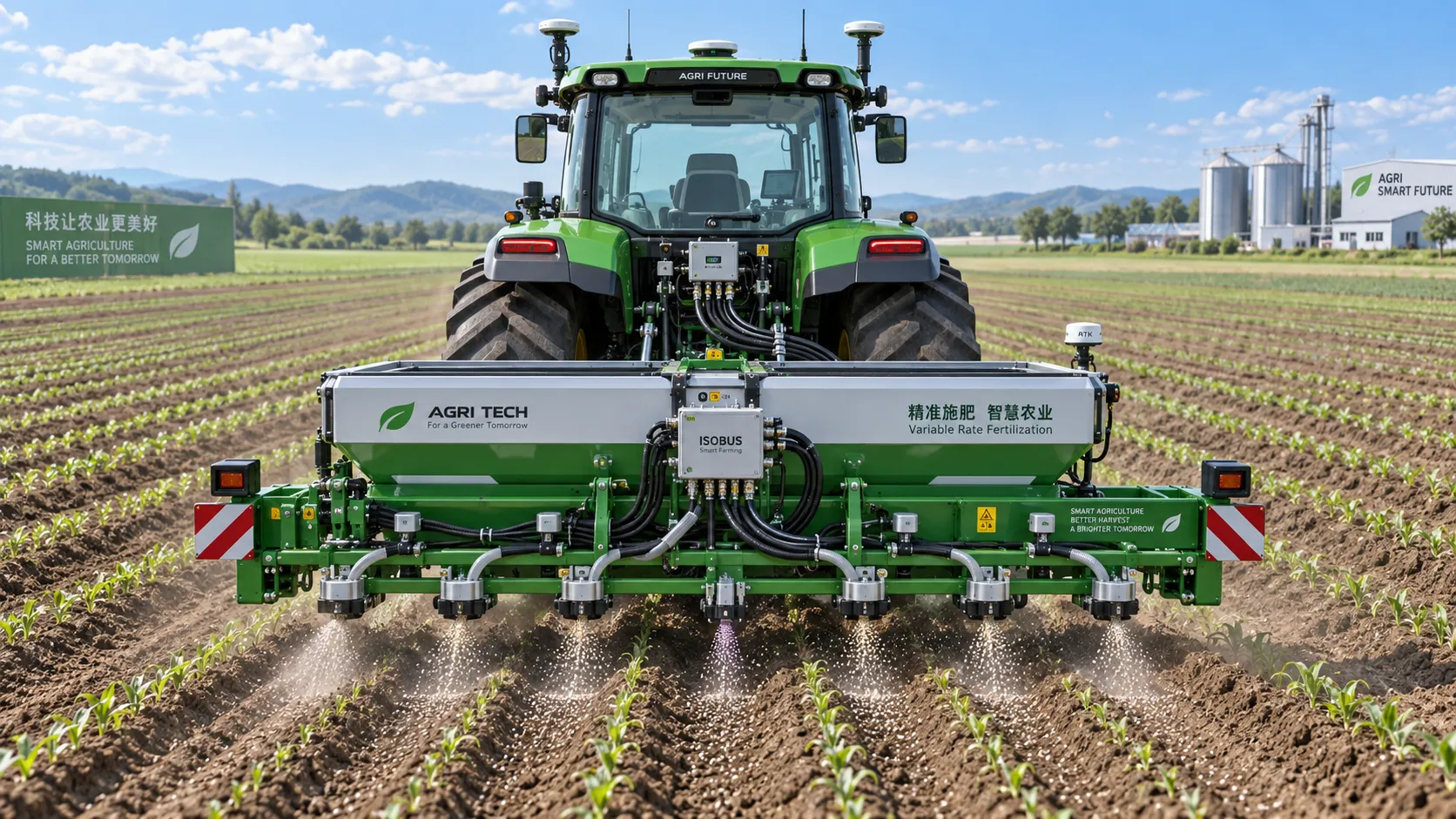
ISOBUS for Smart Agriculture: How It Connects Tractors, Implements, and Farm Data
ISOBUS for smart agriculture connects tractors, implements, terminals, and farm data—helping growers improve precision, documentation, and smarter field decisions.
Related News
- 00
0000-00
What separates robotic automation providers for equipment production? - 00
0000-00
Which field data collection provider fits an agricultural robotics program? - 00
0000-00
How Autonomous Machinery for Crop Scouting Helps Growers Detect Field Issues Earlier - 00
0000-00
How to Evaluate Autonomous Machinery for Vineyards by Terrain, Tasks, and ROI - 00
0000-00
Brazil ANVISA Rule Requires Portuguese Risk Labels for Farm Robots
Popular Tags
Tractor Power Architect
Weekly Insights
Stay ahead with our curated technology reports delivered every Monday.