
DLG Opens Fast-Track Autumn 2026 for Autonomous Robots





On July 5, 2026, Germany’s DLG announced a new “FastTrack Autumn 2026” route for CE+DLG dual certification of Autonomous Robots. For Chinese manufacturers that have already achieved ISO 13849-1:2023 PLd functional safety certification, the process can replace all on-site testing with remote video review and reports from locally authorized laboratories, reducing the certification cycle to 14 working days. For manufacturers, compliance teams, testing partners, and export-facing sales operations, this is worth close attention because it directly affects certification timing, audit format, and near-term market access planning.
What DLG Confirmed on July 5
According to the information provided, DLG launched the “FastTrack Autumn 2026” channel on July 5, 2026 for Autonomous Robots seeking CE+DLG dual certification.
The channel applies to Chinese manufacturers that have already passed ISO 13849-1:2023 PLd-level functional safety certification.
Under this route, remote video auditing and reports issued by locally authorized laboratories may be used in place of all on-site testing.
DLG stated that the certification cycle under this accelerated route can be compressed to 14 working days.
The application window for the channel is open until September 30, 2026.
Where the Immediate Industry Impact May Appear
Export-oriented robot manufacturers
From an industry perspective, the most direct impact falls on Chinese manufacturers of Autonomous Robots that are already within the stated eligibility scope. The key change is procedural: certification may move faster and rely on a different evidence package. This can affect launch scheduling, shipment readiness, and internal coordination between engineering, compliance, and overseas business teams.
Compliance and certification functions
For teams responsible for product certification, the announcement shifts attention from travel and on-site test preparation toward document quality, remote audit readiness, and laboratory coordination. What deserves closer attention is whether internal files, test records, and audit materials are already organized to support a remote review format without delays.
Authorized local laboratories and testing service providers
Testing partners may also be affected because locally authorized laboratory reports are explicitly part of the route described in the announcement. In practical terms, their role in evidence preparation, report timing, and technical communication may become more central during the application period.
Procurement and channel-side planning
For buyers, distributors, and market-facing partners dealing with Autonomous Robots, the shorter stated certification cycle may influence delivery expectations and product intake planning. Analysis shows that the main point to watch is not only speed, but whether suppliers genuinely meet the stated qualification threshold before commercial commitments are made.
What Companies Should Watch Now
Eligibility must be checked before timeline assumptions
The route is not described as universal. It is tied to Chinese manufacturers that have already obtained ISO 13849-1:2023 PLd functional safety certification. Companies should therefore confirm eligibility first, rather than treating the 14-working-day cycle as a default timeline for every Autonomous Robots project.
Remote audit readiness is now a practical issue
Because the process allows remote video auditing in place of on-site testing, operational preparation becomes a concrete issue. Companies should pay close attention to whether product demonstrations, technical records, test evidence, and audit communication can support a fully remote review without creating interpretation gaps.
Laboratory report validity and coordination matter more
The use of reports from locally authorized laboratories is part of the announced route. That makes laboratory selection, report completeness, and timing control more important in the near term. For exporters and certification managers, this is less about general compliance policy and more about whether the evidence chain can be accepted smoothly within the shortened window.
The deadline changes planning discipline
The channel remains open until September 30, 2026. Observably, this creates a limited operational window rather than a standing rule change. Companies with products already near certification readiness may need to align internal review, laboratory reporting, and customer communication against that deadline.
Why This Looks More Like a Process Signal Than a Final Market Shift
Analysis shows that the announcement is best understood first as a certification process adjustment for a defined period and a defined group of applicants. It signals procedural flexibility in how qualification evidence can be reviewed, especially for manufacturers that already hold the specified functional safety certification.
At the same time, it would be premature to read this as a permanent restructuring of certification practice or as a broad result for the entire robotics market. The information provided confirms the existence of a fast-track channel, its eligibility condition, its audit substitution mechanism, its stated timeline, and its closing date. Broader conclusions still require continued observation of how the route is implemented in practice and whether similar arrangements are extended or repeated later.
How This Update Is Best Interpreted at Present
For the industry, this update matters less as a headline about certification speed alone and more as a practical signal about how compliance pathways may be temporarily streamlined for qualifying Autonomous Robots manufacturers. The most reasonable reading today is that this is a short-term, operationally meaningful development with possible implications for export timing and certification preparation, but not yet a basis for wider certainty about longer-term rules.
In that sense, companies should treat the announcement as a near-term planning factor and a compliance execution issue, while keeping a measured view on its broader market significance.
Basis of This Article and What Still Needs Verification
This article is based on the user-provided news title, event date, and event summary. The analysis above draws only on those confirmed inputs and distinguishes factual points from observation.
For this type of development, commonly relevant source categories would include official association announcements, company notices, industry association releases, authoritative media reporting, and standards-related documentation. The specific official source link was not provided in the input, so the original publication and any subsequent clarification still need to be continuously verified.
What remains worth tracking includes whether DLG issues further wording updates on the FastTrack Autumn 2026 route, whether application handling details become more explicit, and whether the temporary window leads to any follow-on arrangements after September 30, 2026.
Related News
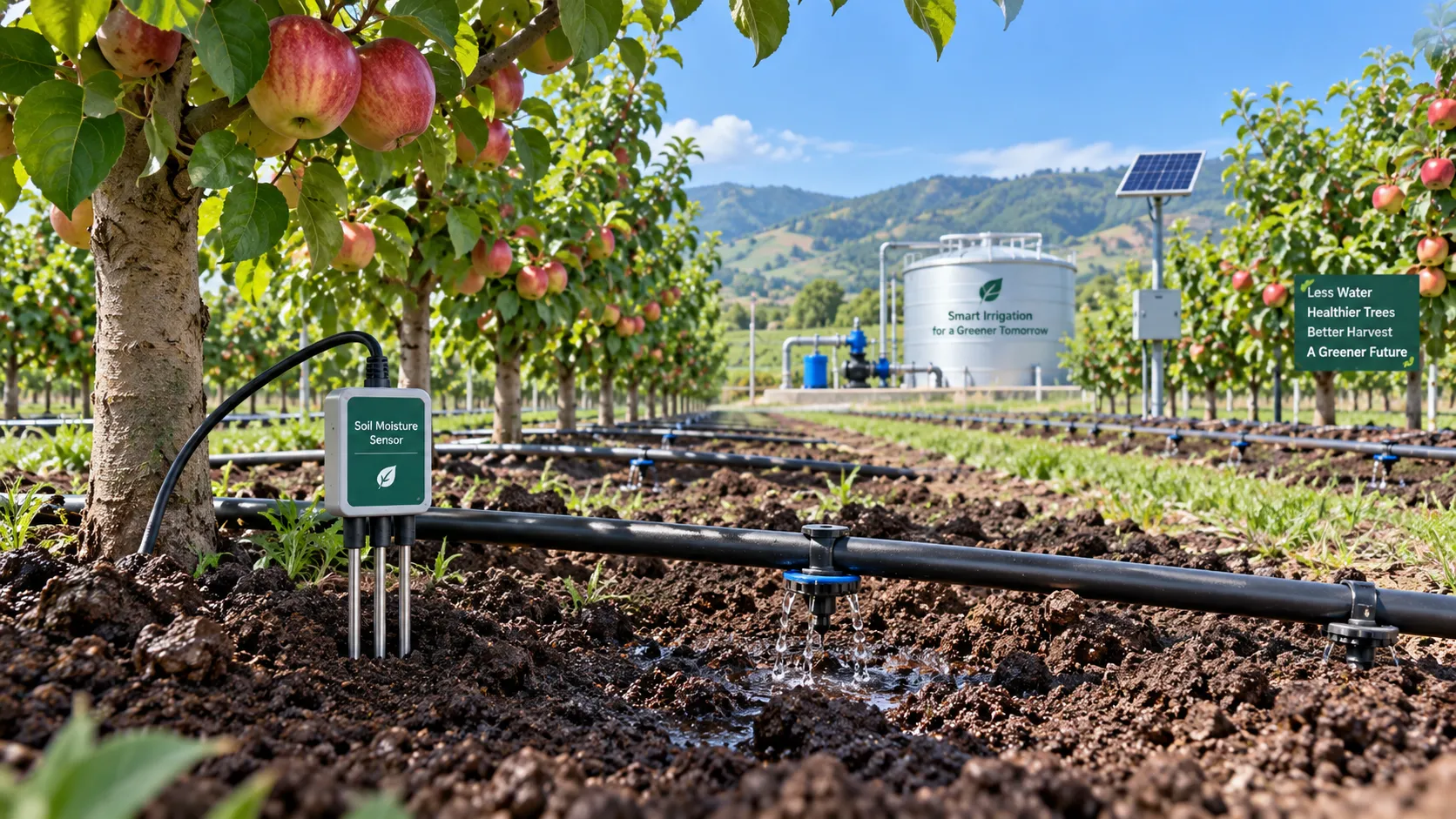
Orchard Water Management: Using Soil Moisture Data to Schedule Irrigation
Agricultural water management for orchards made practical: use soil moisture data to optimize irrigation timing, protect yield, reduce costs, and improve resilience.
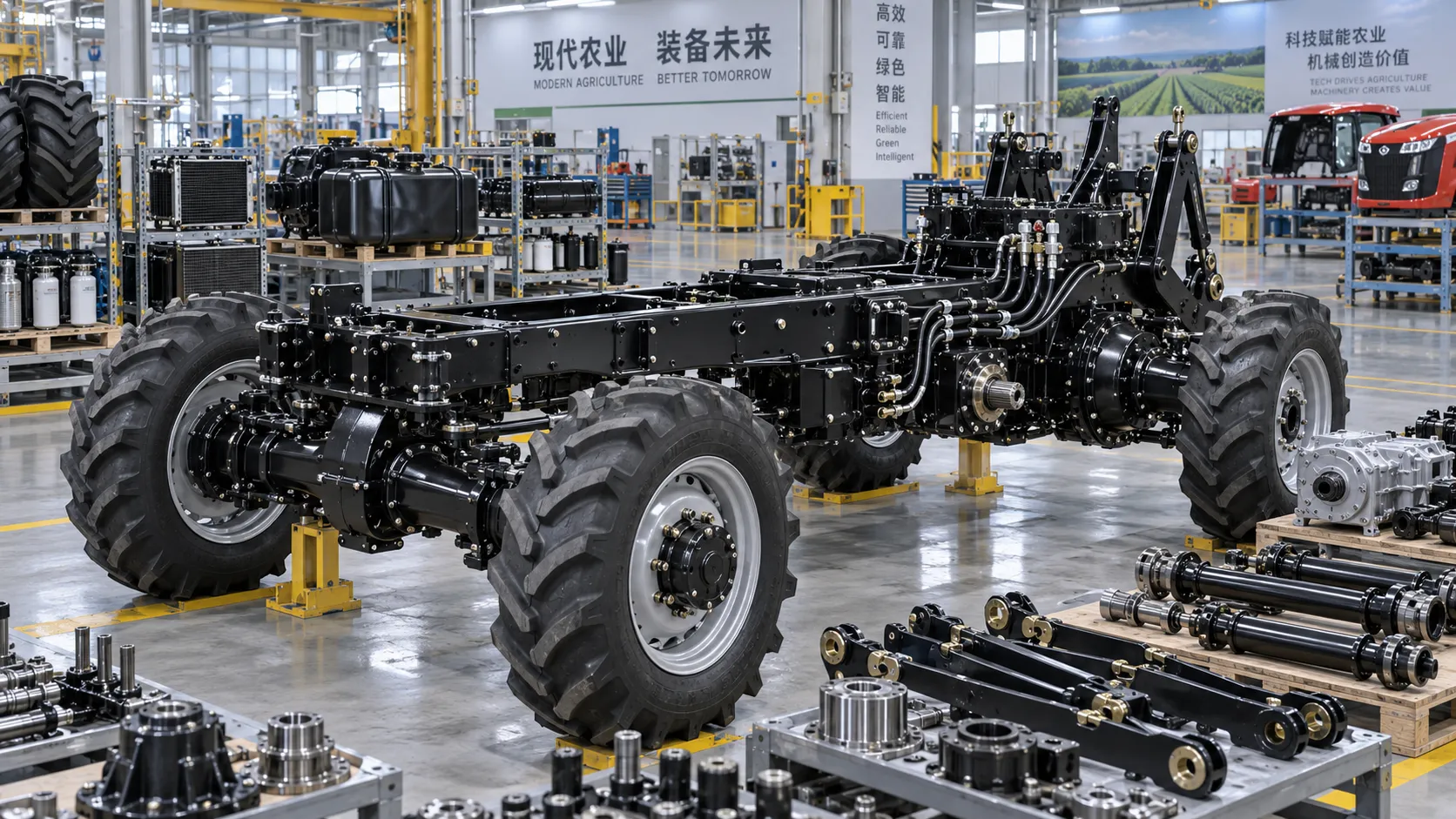
Tractor Chassis Price: What Buyers Should Compare Beyond the Initial Quote
Tractor chassis price is only the start. Compare load capacity, compatibility, durability, and lifecycle costs to choose a reliable, high-value chassis.
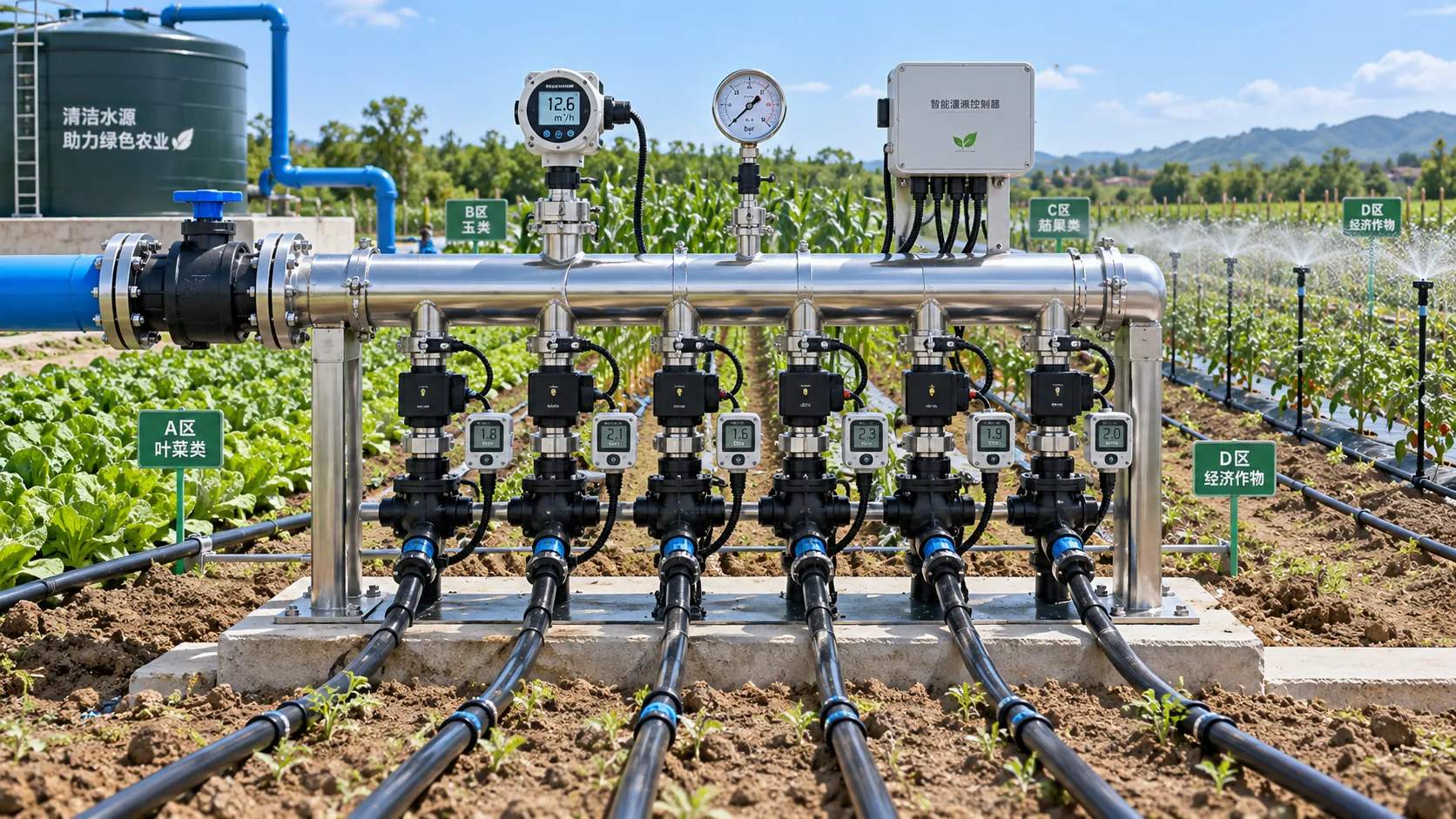
How to Select Smart Irrigation Valves for Multi-Zone Water Management?
Intelligent irrigation systems valves: learn how to match smart valves with multi-zone flow, pressure, control, feedback, and communication needs for reliable water management.
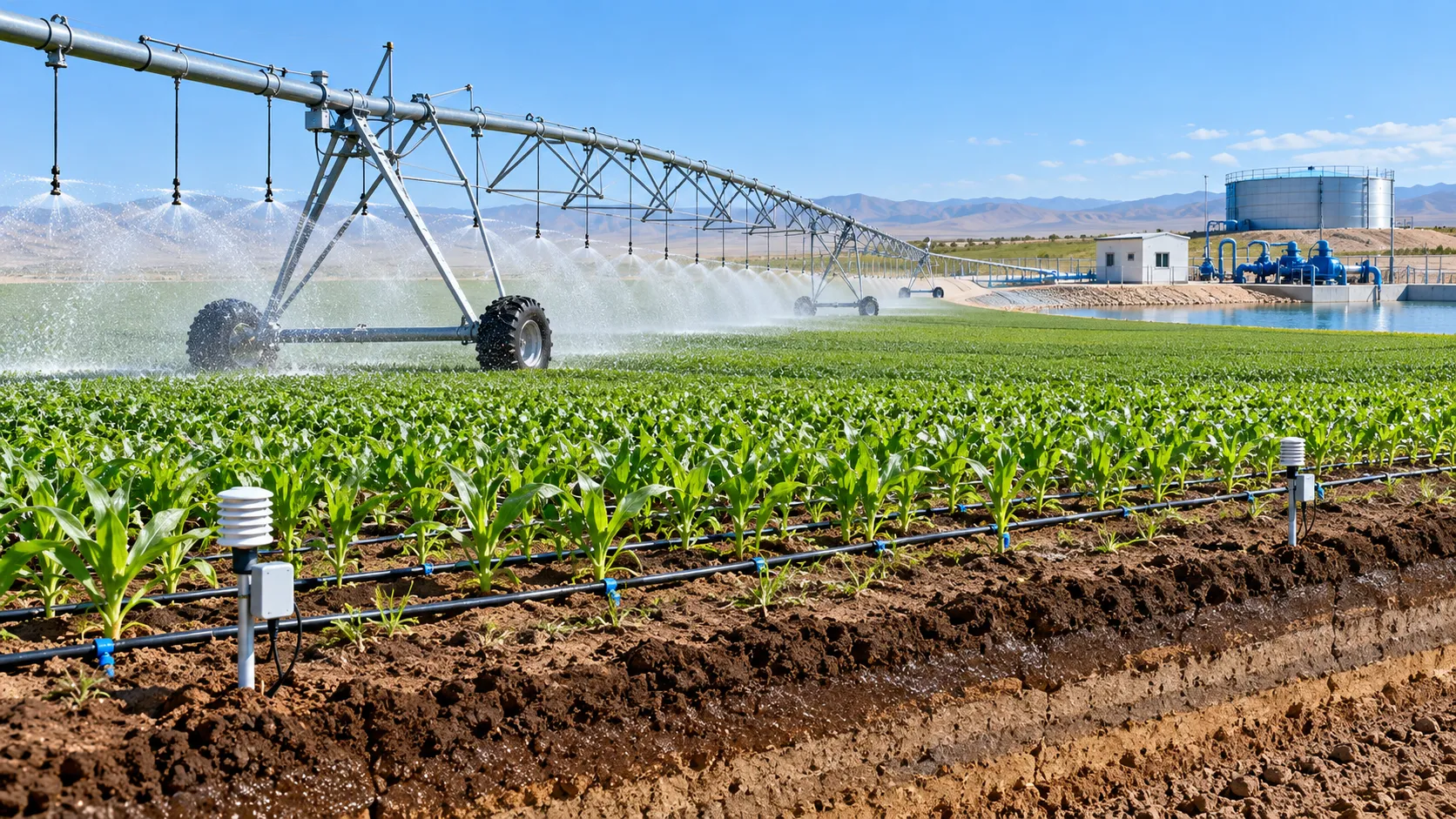
Climate-Smart Farming for Drought: A Practical Plan for Protecting Yields
Climate-smart farming for drought: build smarter water budgets, protect critical crop stages, improve irrigation uniformity, and safeguard yields with practical field-proven strategies.

How Digital Agriculture Platforms Turn Field Data Into Better Input Decisions
Digital agriculture platforms turn field data into smarter fertilizer, water, seed, and equipment decisions—helping farms cut risk, improve margins, and scale sustainability.
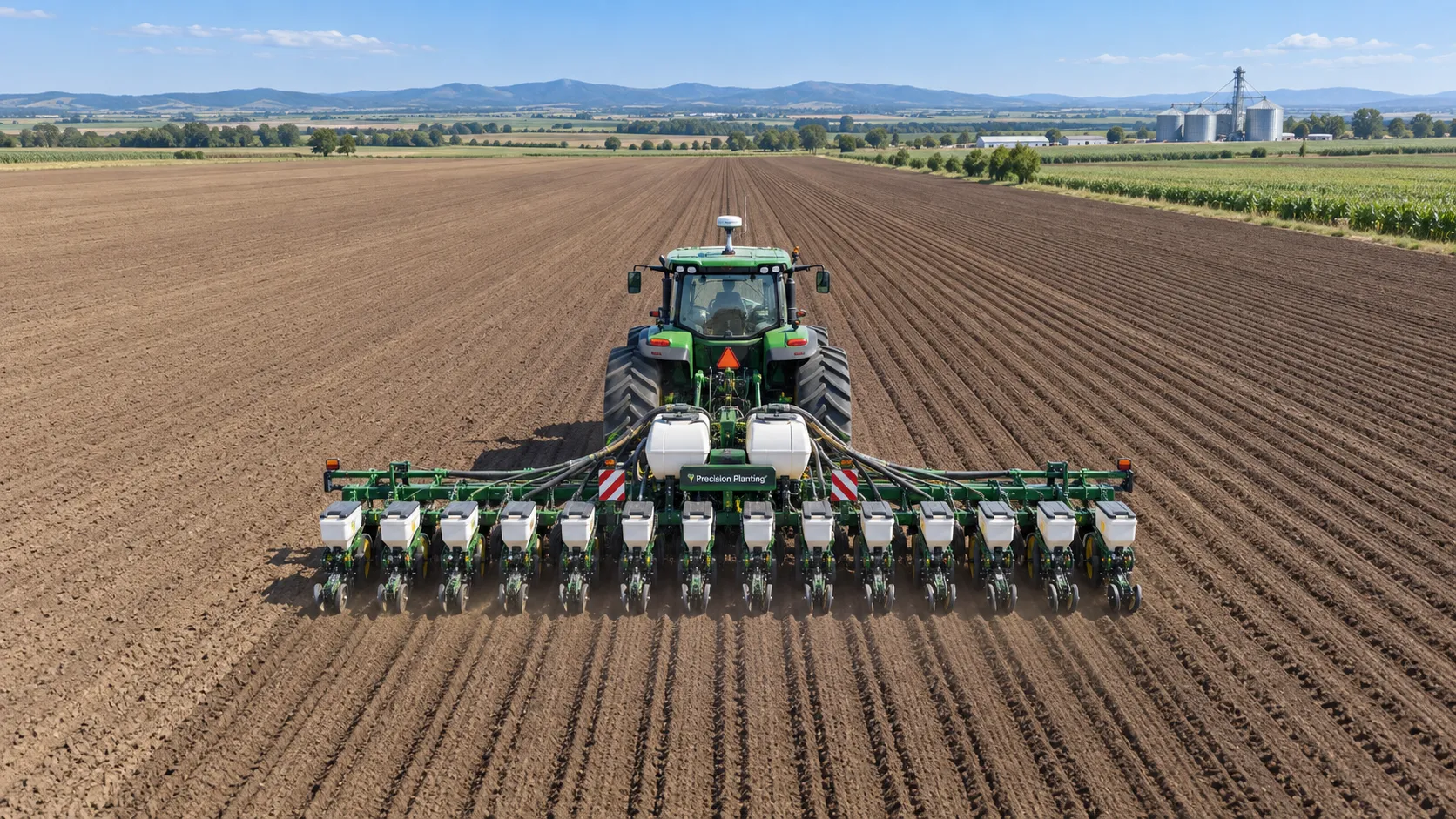
GPS-Guided Farm Machinery: Where It Delivers Measurable Field Efficiency Gains
Agri-mechanization GPS guided systems deliver measurable field efficiency gains through reduced overlap, precise planting, smarter inputs, and reliable farm data.
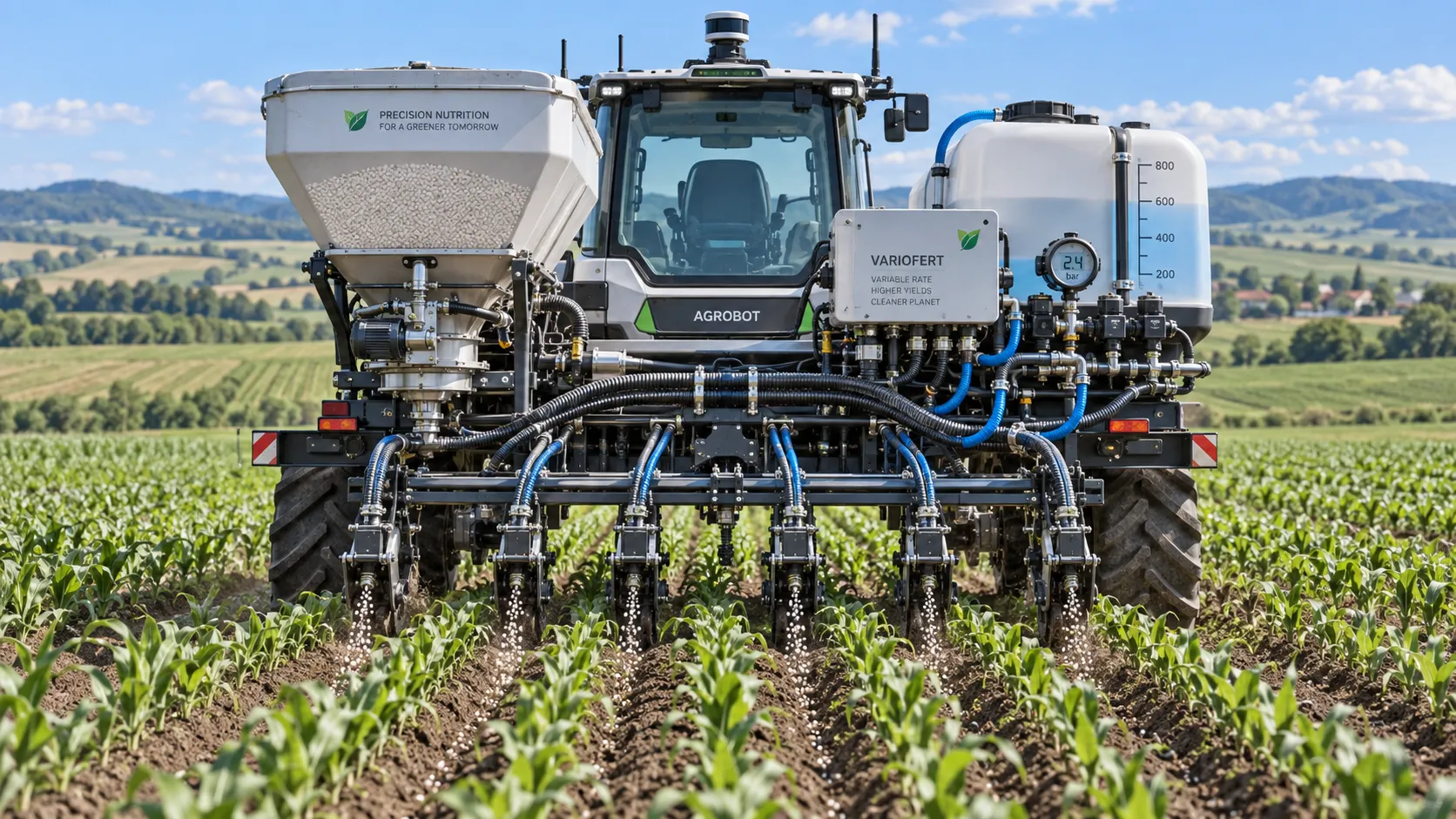
How Sensor Feedback Enables Accurate Variable-Rate Fertilization in Field Conditions
Precision fertilization systems with sensor feedback improve variable-rate accuracy by verifying flow, managing latency, and ensuring reliable field application.

How to Select Precision Crop Protection Equipment for Variable Field Conditions
Precision crop protection equipment selection made simple: compare terrain, canopy, weather, control accuracy, and data workflows for reliable applications.

When Does Agricultural Machinery Leasing Cost Less Than Owning Equipment?
Agricultural machinery leasing can lower farm costs when use is seasonal or uncertain. Compare utilization, maintenance, cash flow, and risk to make a smarter equipment decision.
Related News
- 00
0000-00
What separates robotic automation providers for equipment production? - 00
0000-00
Which field data collection provider fits an agricultural robotics program? - 00
0000-00
How Autonomous Machinery for Crop Scouting Helps Growers Detect Field Issues Earlier - 00
0000-00
How to Evaluate Autonomous Machinery for Vineyards by Terrain, Tasks, and ROI - 00
0000-00
Brazil ANVISA Rule Requires Portuguese Risk Labels for Farm Robots
Popular Tags
Tractor Power Architect
Weekly Insights
Stay ahead with our curated technology reports delivered every Monday.