
DLG Opens Fast-Track Audit Path for Field Robots





On July 6, 2026, the German Agricultural Society (DLG) announced an accelerated certification route for field autonomous robots under its Autonomous Robots 2026 autumn program. The practical change is not only a shorter certification window, but also a shift in how compliance evidence may be reviewed: for products that have already passed pre-screening under the ISO 18134:2024 safety framework, remote video verification and cloud log auditing may replace the traditional on-site audit. For manufacturers, exporters, certification teams, and buyers planning deliveries for the European autumn harvest season, this is a rule change worth tracking because it can affect certification timing, document preparation, and delivery coordination.
What DLG has formally changed
According to the information provided, DLG launched the Autonomous Robots 2026 autumn accelerated certification program on July 6, 2026. The program applies to field autonomous robots that have already passed pre-review under the ISO 18134:2024 safety framework. Under this route, applicants may submit remote video verification together with cloud-based log audit materials instead of undergoing a conventional on-site audit. The first application intake closes on August 15, 2026, and the certification cycle is shortened to 14 working days.
Where this matters in the commercial chain
Export planning and shipment timing
From an industry perspective, export-oriented manufacturers are likely to feel the immediate effect in delivery scheduling. If certification review can move forward without a physical site visit, the certification stage may become less dependent on audit travel and on-site coordination. What deserves closer attention is whether exporters can organize application materials, technical records, and timing around the August 15 intake deadline in a way that supports autumn delivery commitments.
Compliance preparation moves toward digital evidence
For certification-related teams and service providers, the operational shift is the growing importance of reviewable digital records. Because the announced route allows remote video verification and cloud log auditing in place of the traditional on-site audit, the quality, completeness, and traceability of those materials become more relevant in the compliance workflow. Companies involved in product certification should therefore pay close attention to how technical files, operating logs, and supporting review materials are prepared and presented.
Procurement and channel decisions may tighten around eligibility
For buyers, distributors, and channel partners, the announced change may matter less as a general market signal and more as an eligibility filter. The fast-track path is limited to field autonomous robots that have already passed pre-screening under ISO 18134:2024. Observably, this means procurement and channel decisions tied to near-term delivery windows may increasingly focus on whether a supplier has already cleared that prerequisite and can enter the accelerated process within the stated timetable.
What companies should watch now
Confirm whether the product fits the stated scope
Companies should first verify whether their equipment falls within the announced scope of field autonomous robots and whether the ISO 18134:2024 safety framework pre-screening requirement has already been met. This is a threshold issue, because the accelerated route described in the announcement is not presented as a general pathway for all products.
Prepare audit materials for remote review
What deserves closer attention is the practical readiness of remote verification materials. Since the announcement refers to remote video verification and cloud log auditing, applicants should review whether their existing technical documentation, operating records, and supporting files are organized in a form suitable for remote compliance review. The provided information does not define the detailed evidence standard, so companies should treat documentation quality as a live compliance issue rather than assume the process is already fully standardized.
Align sales and delivery commitments with the application window
For export and commercial teams, the first intake deadline of August 15, 2026 and the stated 14-working-day certification cycle make timing discipline more important. Analysis shows that sales promises, shipment planning, and buyer communications may need to be aligned more tightly with certification application readiness. This is particularly relevant where suppliers are trying to capture the autumn harvest delivery window referenced in the announcement.
Keep monitoring how the review approach is applied in practice
Although the announced change is concrete, the input does not provide detailed implementation guidance, review criteria, or case handling rules. For that reason, companies should continue monitoring later clarifications, any changes in certification wording, and how customers or tender documents reflect this route in practice. It is more appropriate to understand the current announcement as an actionable opening, while some execution details may still require observation.
How this announcement is best understood
Analysis shows that this is more than a routine certification notice, because it signals an operational adjustment in how audit evidence may be accepted for a defined class of products. At the same time, it should not yet be read as a broad rewrite of certification practice beyond the scope described. The clearest near-term meaning is that DLG has created a faster, less site-dependent review option for eligible field autonomous robots, and that this may influence how manufacturers and exporters structure compliance work ahead of a seasonal delivery window.
A practical reading for the market
The most balanced interpretation is that this development represents a real execution signal rather than a purely symbolic statement. DLG has identified a specific eligibility condition, a substitute review method, a first intake deadline, and a compressed review cycle. Even so, the market should remain cautious about extrapolating beyond those confirmed facts. For now, the announcement is best understood as a targeted certification facilitation measure with immediate relevance for compliance preparation, export timing, and procurement coordination, especially for suppliers aiming at autumn delivery opportunities.
Basis of this article and what still needs verification
This article is based on the user-provided news title, event date, and event summary. For developments of this kind, commonly relevant source categories would include official announcements, industry association releases, standards-related documents, regulatory communications, trade authority information, and reporting by authoritative sector media. No specific official source link was provided in the input, so the exact primary publication should still be verified. Observably, the points that warrant continued monitoring include any further procedural detail, certification interpretation in practice, changes in tender or buyer documentation, industry feedback, and how companies execute against the accelerated route.
Related News
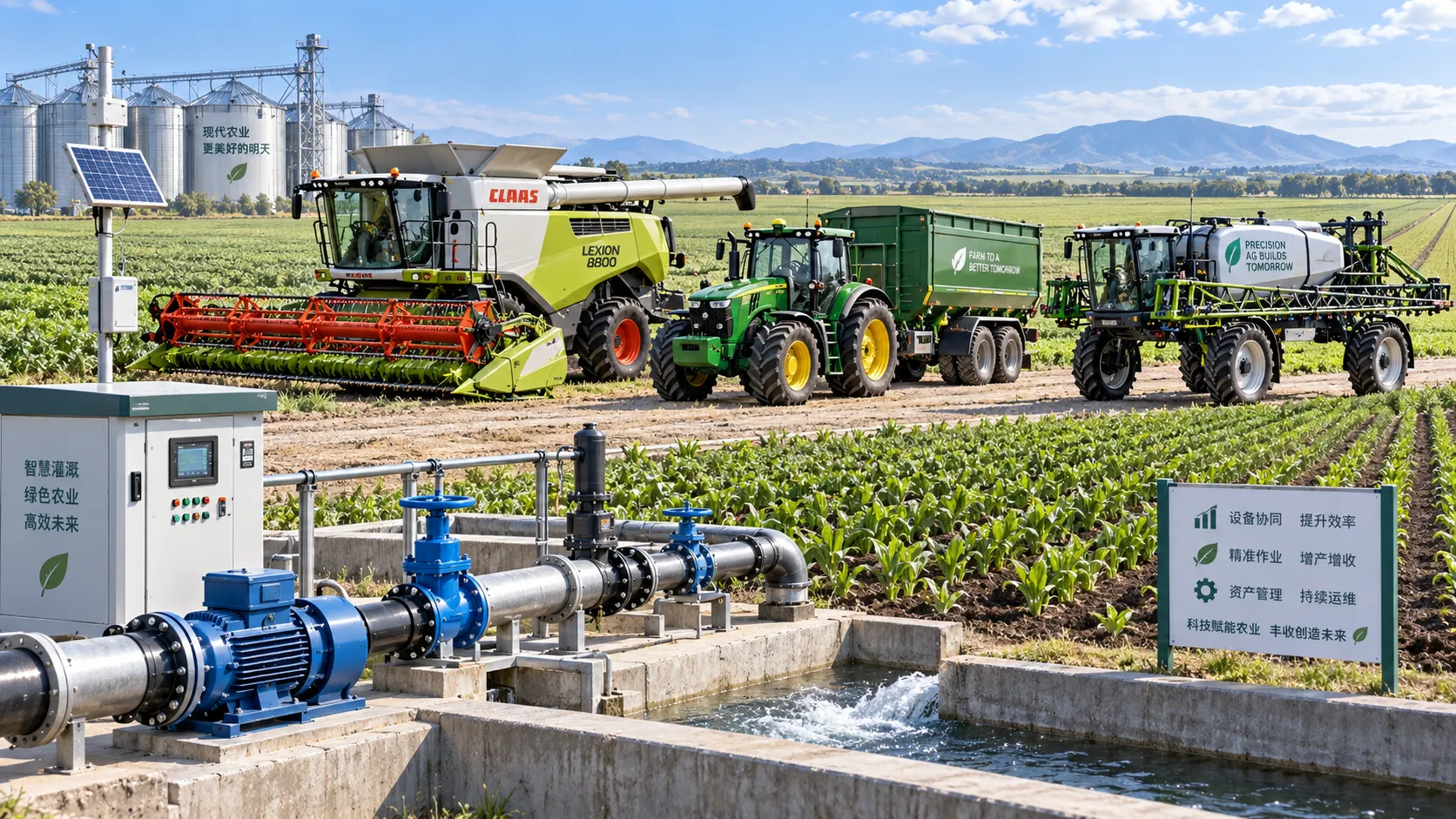
How to Compare Agricultural Equipment Platforms for Fleet Management and ROI
Agricultural equipment platform comparison: evaluate fleet data, maintenance, precision workflows, and ROI to choose a system that delivers measurable results.
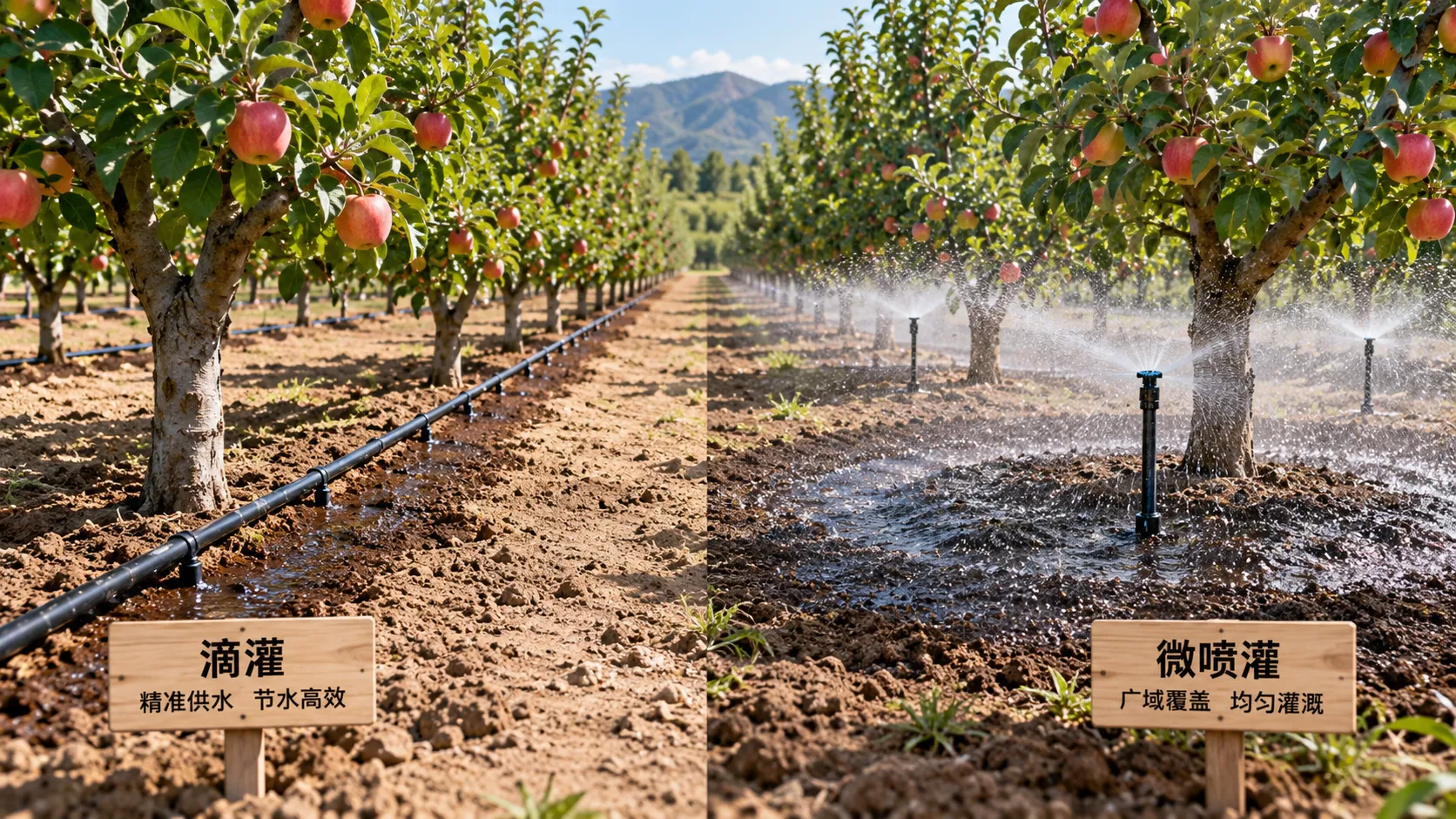
Drip vs. Micro-Sprinkler Irrigation: Which System Fits Your Orchard?
Irrigation solution comparison for orchards: discover whether drip or micro-sprinklers best match your water, soil, roots, fertigation, and frost needs.
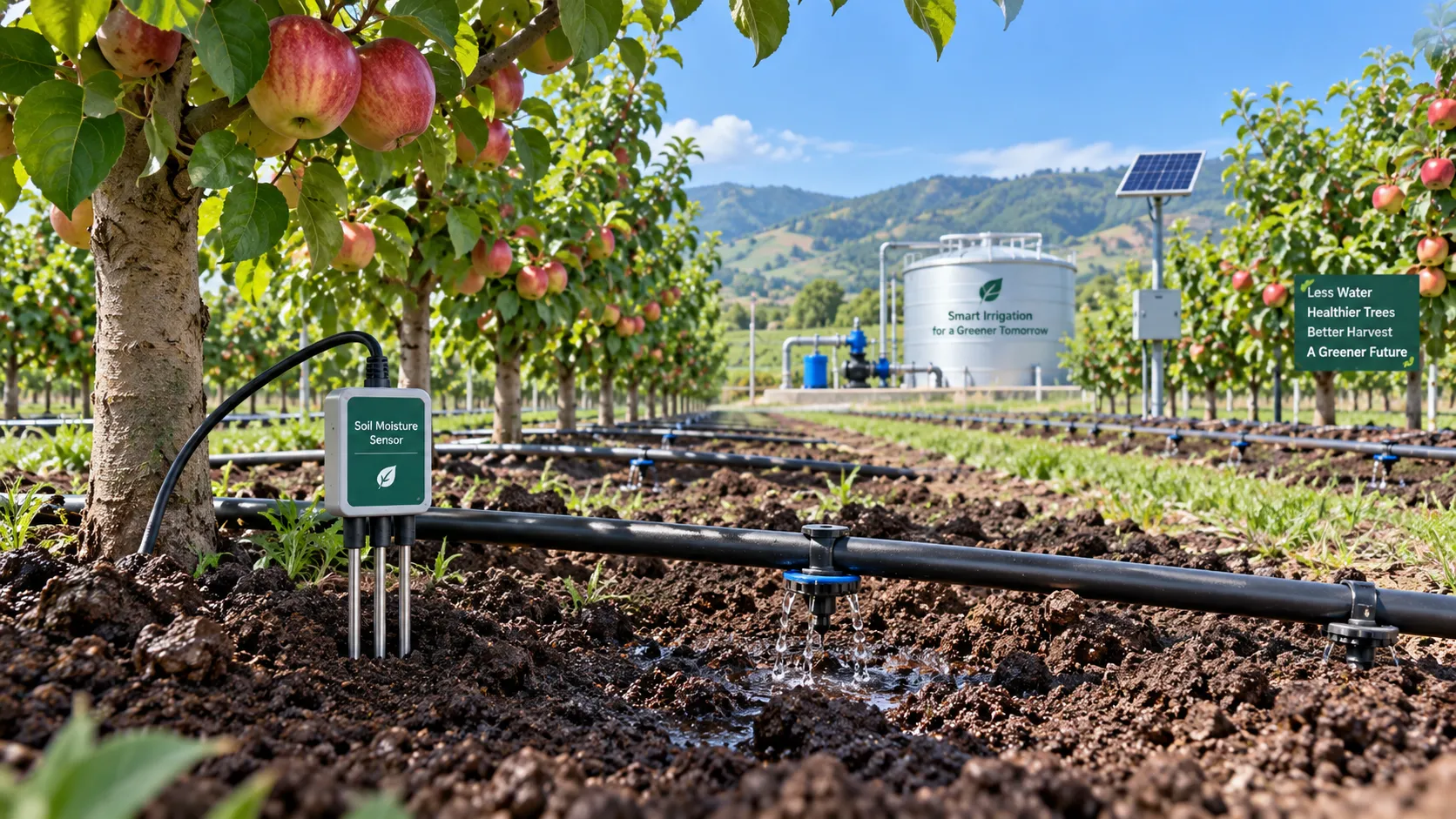
Orchard Water Management: Using Soil Moisture Data to Schedule Irrigation
Agricultural water management for orchards made practical: use soil moisture data to optimize irrigation timing, protect yield, reduce costs, and improve resilience.
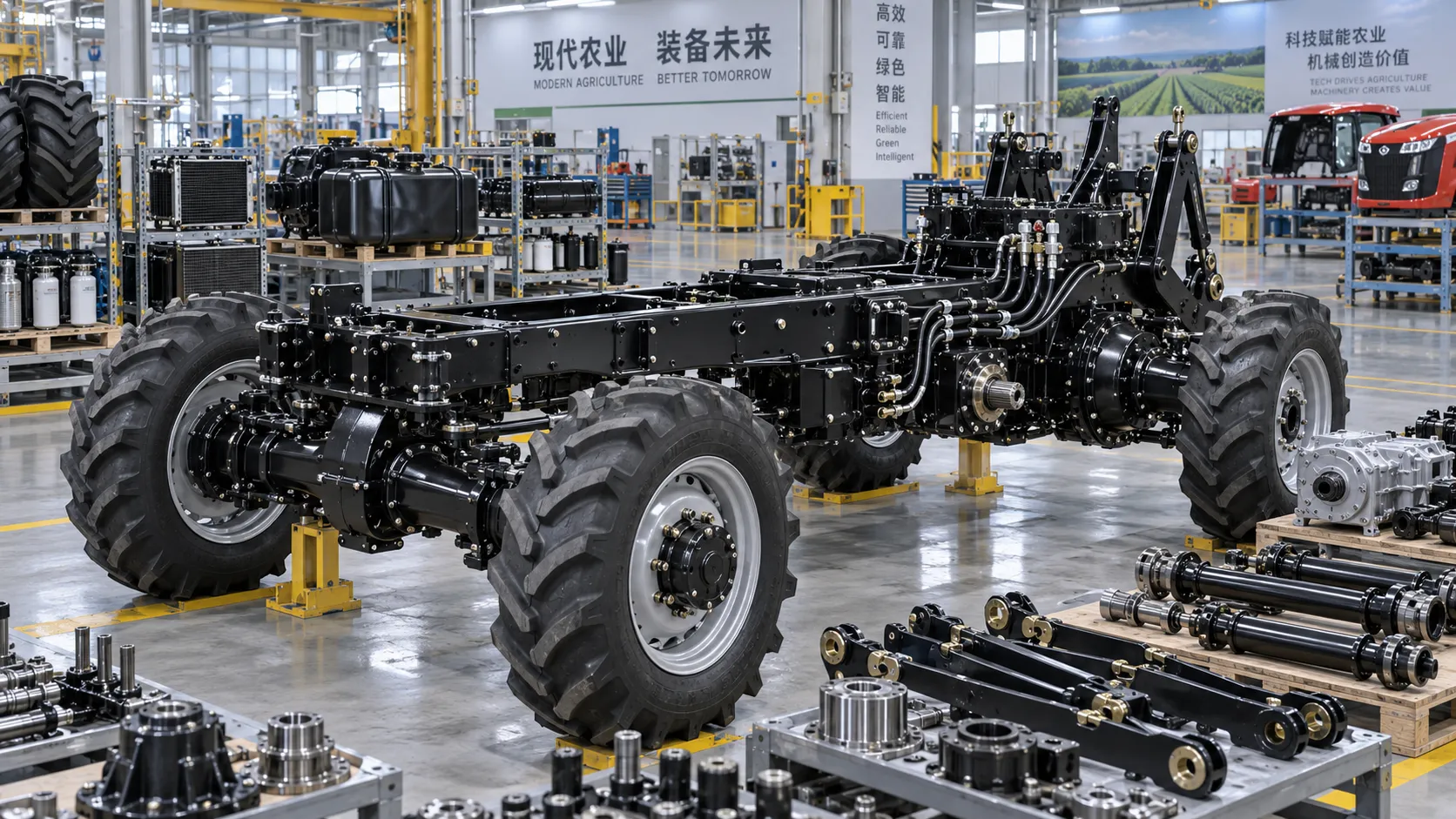
Tractor Chassis Price: What Buyers Should Compare Beyond the Initial Quote
Tractor chassis price is only the start. Compare load capacity, compatibility, durability, and lifecycle costs to choose a reliable, high-value chassis.
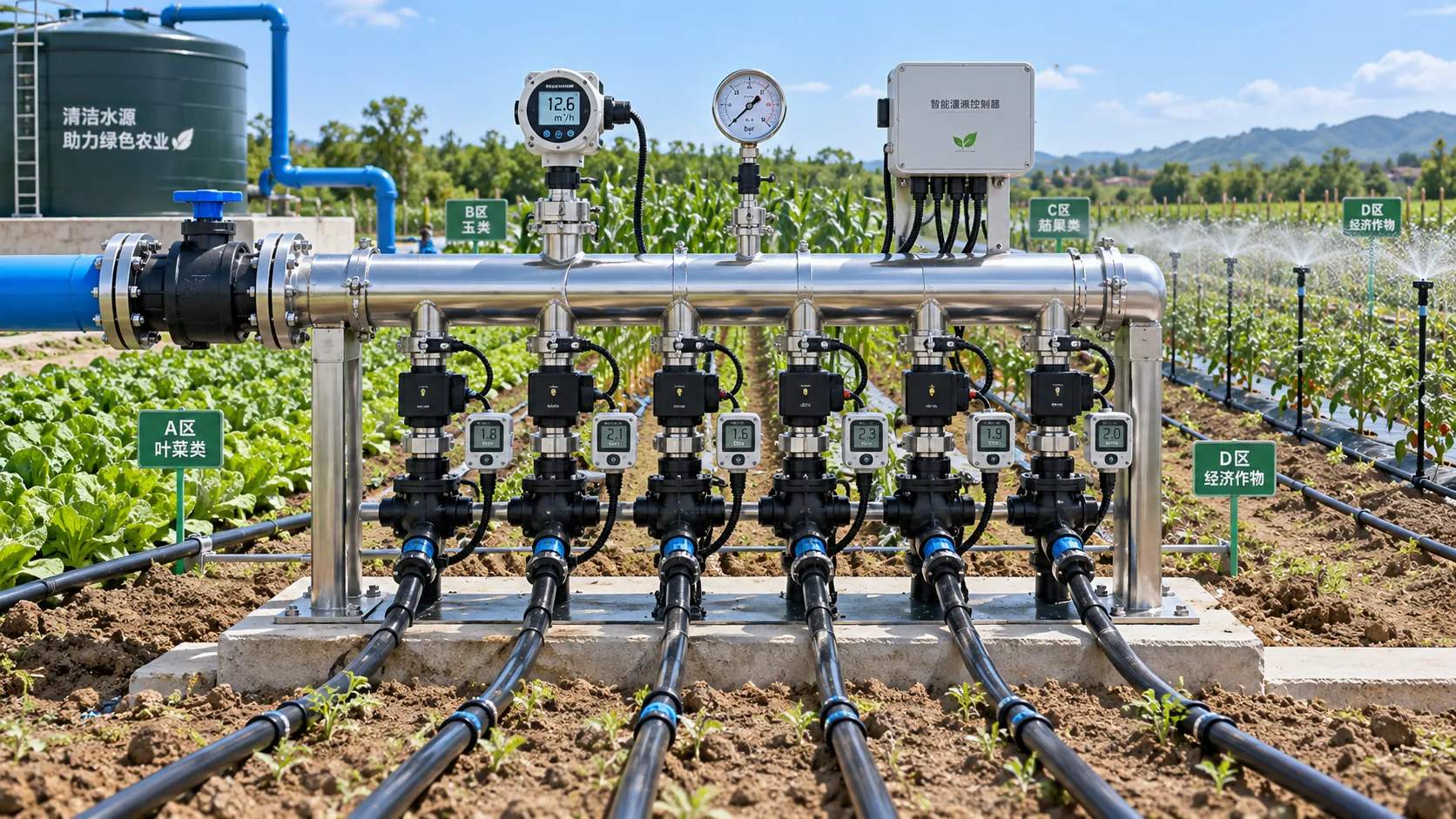
How to Select Smart Irrigation Valves for Multi-Zone Water Management?
Intelligent irrigation systems valves: learn how to match smart valves with multi-zone flow, pressure, control, feedback, and communication needs for reliable water management.
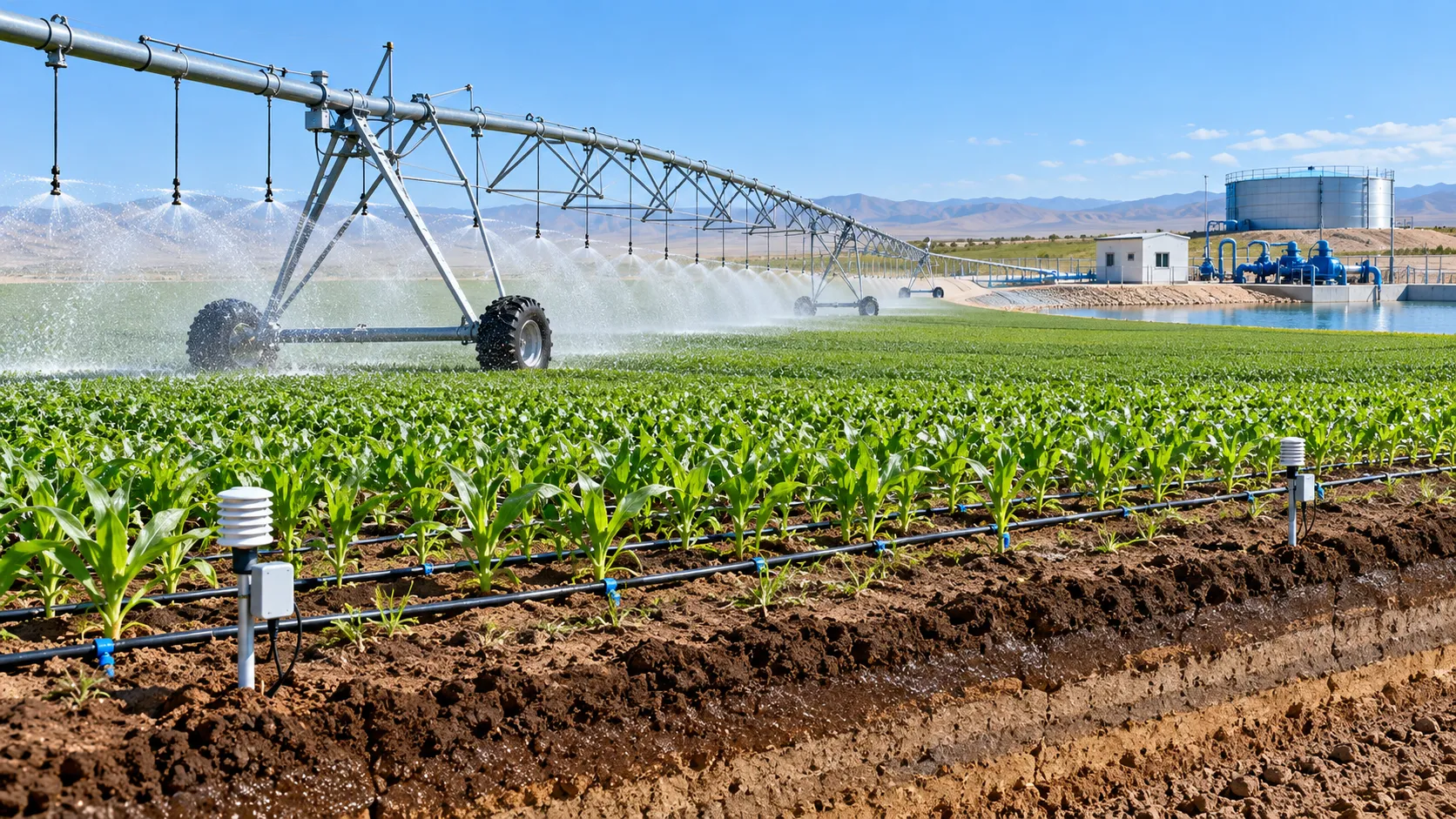
Climate-Smart Farming for Drought: A Practical Plan for Protecting Yields
Climate-smart farming for drought: build smarter water budgets, protect critical crop stages, improve irrigation uniformity, and safeguard yields with practical field-proven strategies.
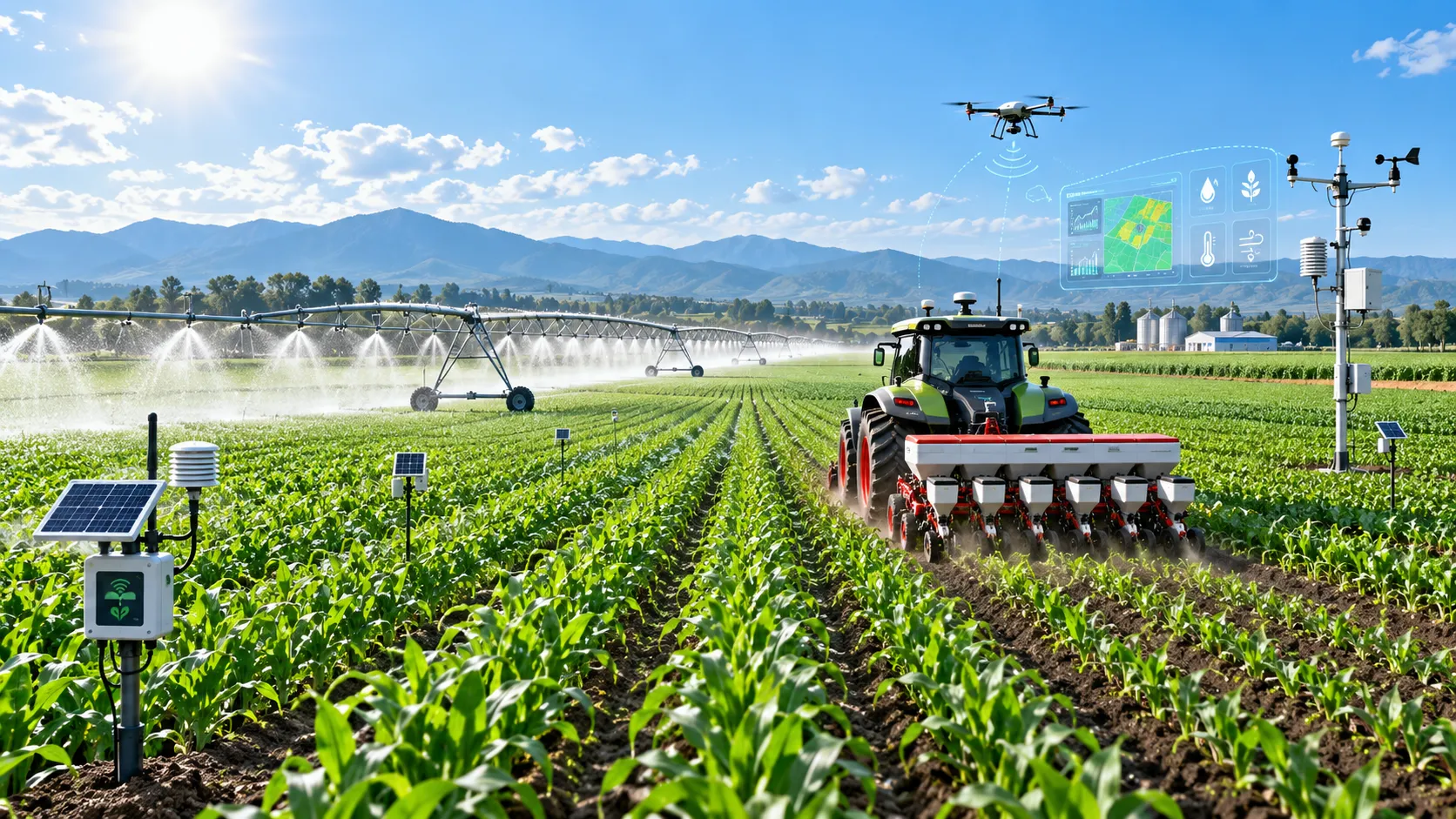
How Digital Agriculture Platforms Turn Field Data Into Better Input Decisions
Digital agriculture platforms turn field data into smarter fertilizer, water, seed, and equipment decisions—helping farms cut risk, improve margins, and scale sustainability.
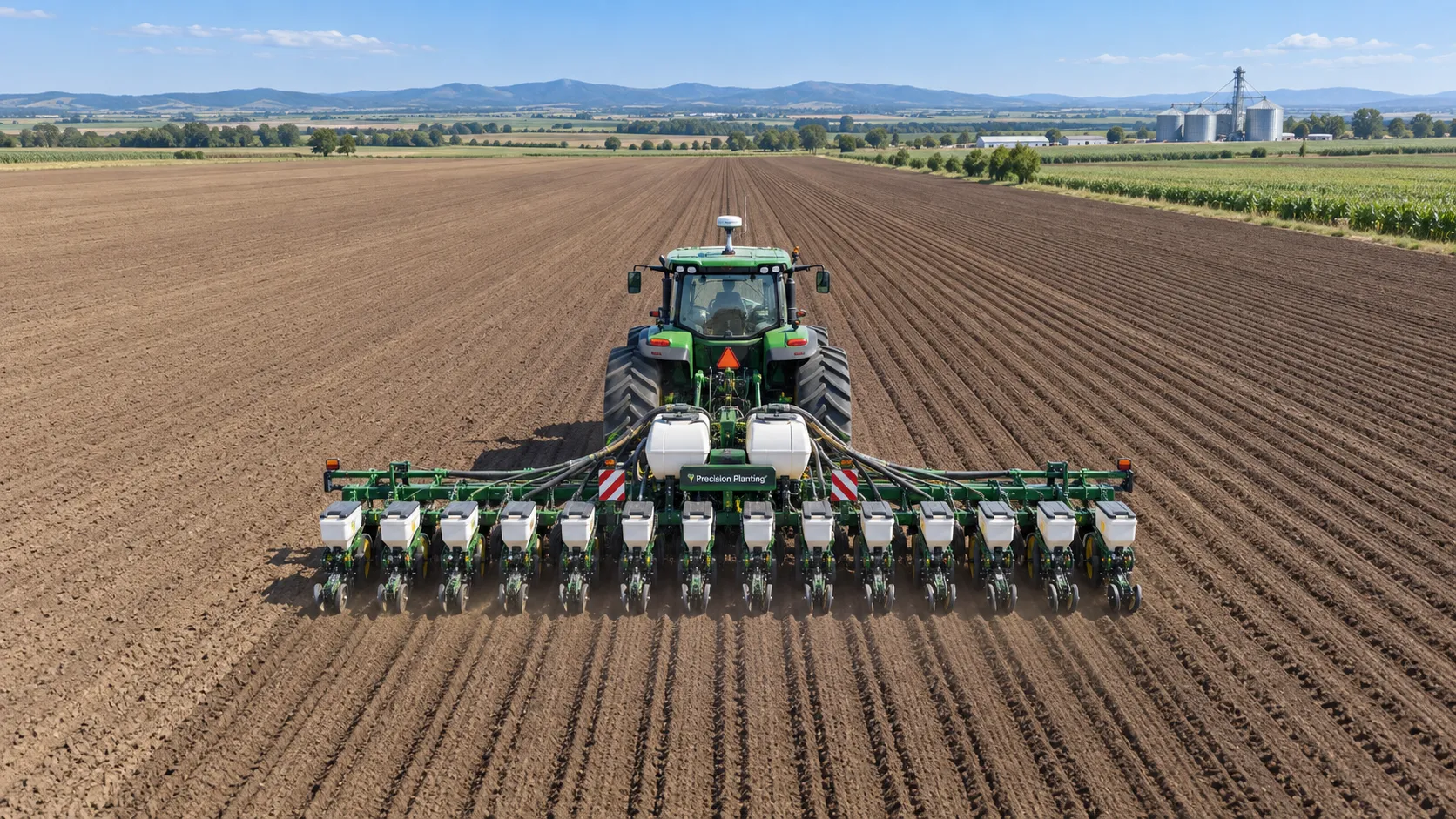
GPS-Guided Farm Machinery: Where It Delivers Measurable Field Efficiency Gains
Agri-mechanization GPS guided systems deliver measurable field efficiency gains through reduced overlap, precise planting, smarter inputs, and reliable farm data.
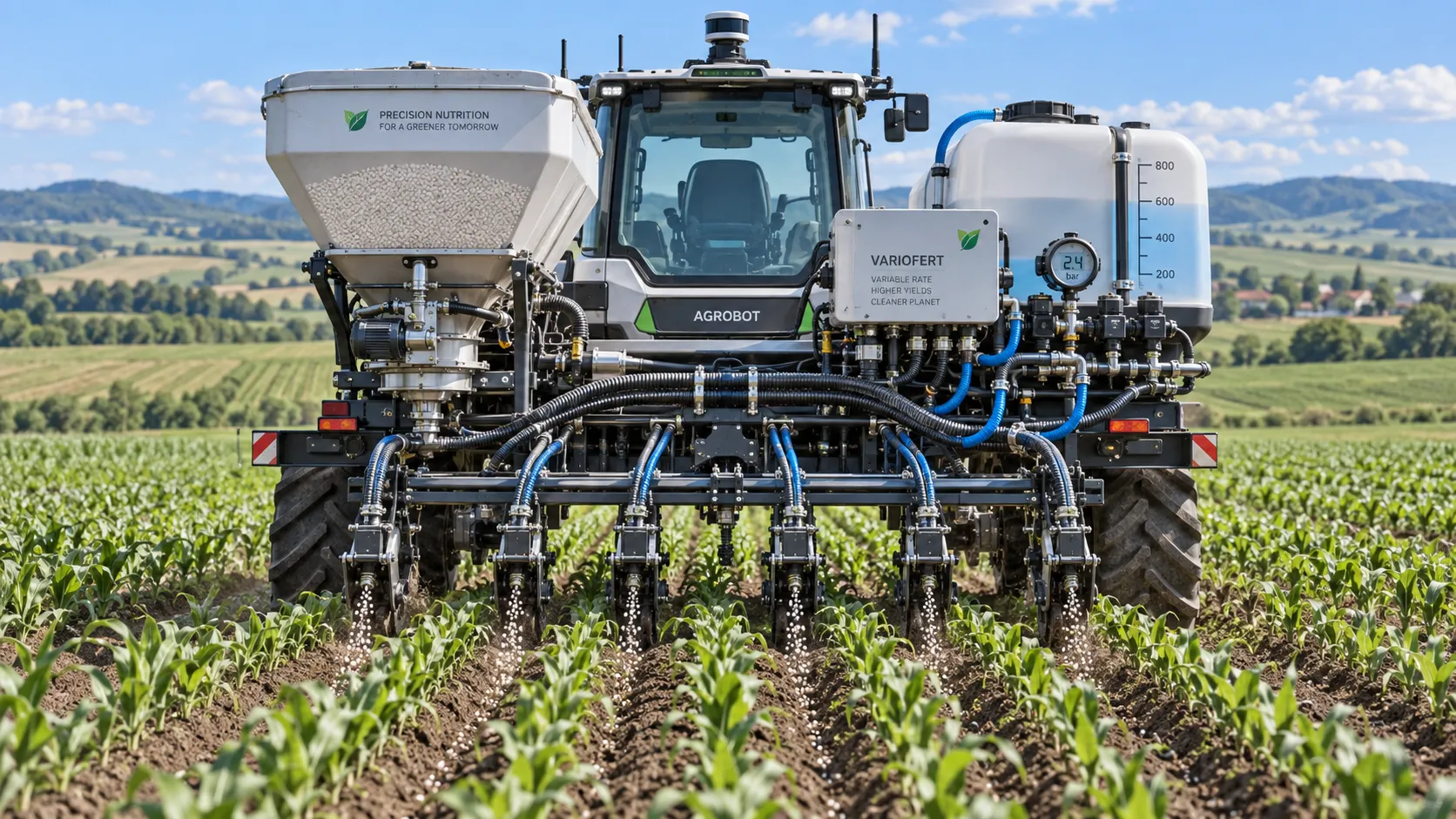
How Sensor Feedback Enables Accurate Variable-Rate Fertilization in Field Conditions
Precision fertilization systems with sensor feedback improve variable-rate accuracy by verifying flow, managing latency, and ensuring reliable field application.
Related News
- 00
0000-00
What separates robotic automation providers for equipment production? - 00
0000-00
Which field data collection provider fits an agricultural robotics program? - 00
0000-00
How Autonomous Machinery for Crop Scouting Helps Growers Detect Field Issues Earlier - 00
0000-00
How to Evaluate Autonomous Machinery for Vineyards by Terrain, Tasks, and ROI - 00
0000-00
Brazil ANVISA Rule Requires Portuguese Risk Labels for Farm Robots
Popular Tags
Tractor Power Architect
Weekly Insights
Stay ahead with our curated technology reports delivered every Monday.