
Brazil ANVISA Rule Requires Portuguese Risk Labels for Farm Robots
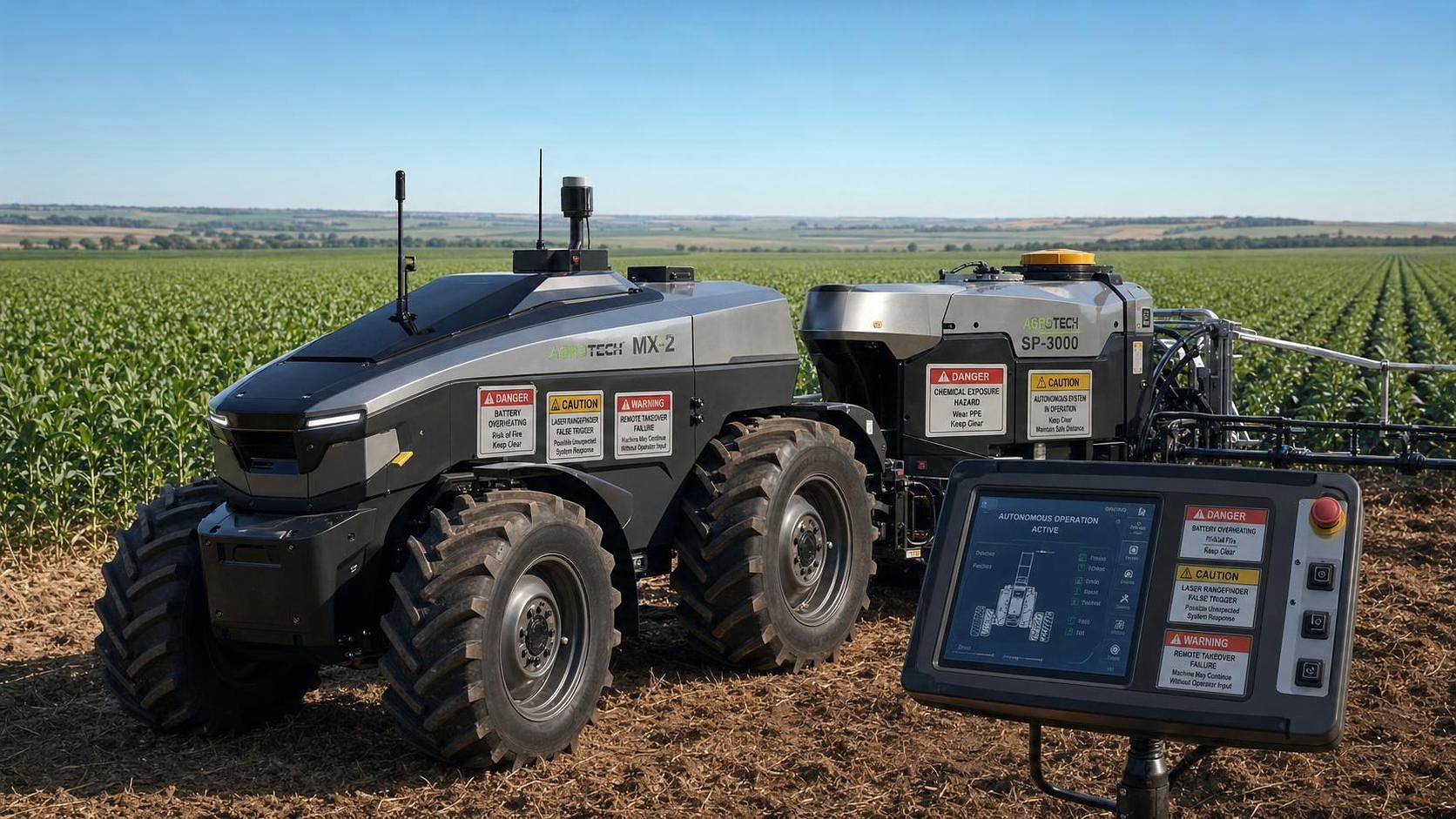




On July 10, 2026, Brazil’s health regulator ANVISA issued Ordinance No. 217/2026, introducing a new compliance requirement for autonomous robots deployed in farmland, including unmanned tractors and autonomous spraying platforms. The change centers on Portuguese-language risk warning labels that must appear both on human-machine interfaces and on prominent parts of the equipment body, which directly affects product registration, environmental permitting status, market entry preparation, delivery readiness, and after-sales compliance for companies involved in agricultural robotics for Brazil.
What the ordinance changes in practical terms
According to the information provided, ANVISA published Ordinance No. 217/2026 on July 10, 2026. The ordinance requires all Autonomous Robots deployed in Brazilian farmland to carry Portuguese risk warning labels aligned with ABNT NBR IEC 62061.
The required warnings must be placed on both the human-machine interface and in clearly visible locations on the machine body. The scenarios specifically covered by the labeling requirement are battery thermal runaway, false triggering of laser ranging, and failure of remote takeover.
The provided summary also states that products without the required labels will be barred from registration and will have CONAMA environmental permits suspended.
Where the immediate pressure may appear across the chain
Market access preparation for equipment suppliers
From an industry perspective, manufacturers and exporters of autonomous agricultural robots may be affected first because the rule is tied to registration eligibility. For these companies, the issue is not only product design but also whether labeling content, placement, and language are ready before submission, shipment, or deployment in Brazil.
What deserves closer attention is the interaction between safety labeling and market access timing. If a product reaches the Brazilian market without the required Portuguese warnings in the specified locations, the risk is not limited to a packaging correction; it may directly affect registration status and the ability to proceed with deployment-linked compliance steps.
Procurement and delivery coordination for buyers and distributors
Buyers, local distributors, and channel partners may also face practical adjustments because acceptance criteria for delivered equipment could become stricter. Analysis shows that procurement review may need to check whether the robot interface and machine body already reflect the required Portuguese warnings for the three named risk scenarios.
For delivery planning, the relevant concern is whether product documentation, specification alignment, and pre-delivery inspection criteria are consistent with the new requirement. Where contracts or tenders refer to compliance, labeling readiness may become part of the handover review even if broader execution details are still not provided in the input.
Compliance support and after-sales service tasks
Certification-related service providers, testing bodies, and after-sales teams may be affected through documentation review, retrofit support, and traceability work. Observably, if equipment already intended for Brazilian farmland needs interface-side and body-side warning updates, service teams may need to verify version control of labels, technical files, and field deployment records.
This does not confirm any specific enforcement workflow beyond the provided summary, but it does indicate that compliance work may extend beyond factory production and into registration support, installation checks, and post-delivery servicing.
What companies should review now
Check whether labeling is treated as a registration condition
Analysis shows that companies serving the Brazilian agricultural robotics market should review whether their internal registration packages explicitly capture Portuguese warning labels as a mandatory submission and readiness item. The key point is that the consequence described in the input is not minor nonconformity but a barrier to registration.
Align technical files with the three named risk scenarios
What deserves closer attention is consistency between labels, interface displays, and technical documentation for battery thermal runaway, false triggering of laser ranging, and failure of remote takeover. If different documents describe these risks differently, companies may face avoidable compliance questions during review, procurement checks, or delivery acceptance.
Review delivery schedules and installed-base exposure
Observably, businesses with near-term shipments or deployment plans for unmanned tractors and autonomous spraying platforms should examine whether products are ready with visible Portuguese warnings in the required locations. For equipment already configured for Brazil, companies may also need to identify whether any installed or soon-to-be-delivered units could require labeling updates, although the input does not provide an official transition arrangement.
Watch for execution language in tenders and official communications
It is more appropriate to understand this stage as one that requires close monitoring of how the rule is reflected in official wording, compliance reviews, and commercial documents. Companies should pay attention to whether tender files, procurement specifications, technical acceptance checklists, and compliance declarations begin to reference the ordinance, the Portuguese warning requirement, or ABNT NBR IEC 62061 alignment more explicitly.
Why this looks like an execution signal, not just a safety note
Analysis shows that this development is more than a general reminder about safe robot use in agriculture. The link between warning labels, product registration, and CONAMA environmental permit status suggests that labeling is being positioned as an operational compliance condition tied to market access and continued project viability.
At the same time, it would be premature to treat every downstream effect as settled fact. The input confirms the rule, the required warning scope, and the stated consequence for noncompliant products, but it does not provide fuller detail on implementation timing, review procedures, or transition treatment. For that reason, the market should read this as a concrete compliance change with further execution details still worth tracking.
How the market may need to interpret this development
From an industry perspective, the most reasonable reading is that Brazil has introduced a more explicit labeling threshold for autonomous agricultural robots operating in farmland, and that threshold matters because it is connected to registration and environmental permitting consequences. The development is therefore best understood as an already landed rule change in principle, while the exact pace and method of enforcement still require continued observation through official implementation language and market practice.
Basis of this article and points that still need verification
This article is based on the user-provided news title, event date, and event summary. For developments of this kind, relevant source types typically include official regulator notices, publications from supervisory authorities, trade or customs authority information, industry association materials, standard-setting documents, and reporting by established industry media.
No specific official source link was provided in the input, so the underlying official publication path still needs ongoing verification. Observably, the main points to keep watching are any further policy detail, certification or compliance interpretation, changes in tender wording, market feedback, and how companies implement the labeling requirement in registration, delivery, and field operations.
Related News
How to Size Low-Pressure Water-Saving Irrigation Systems for Uneven Fields
Low pressure water-saving irrigation systems for uneven fields: learn zoning, pressure mapping, pipe sizing, and pump selection to improve uniformity and reduce water waste.
Farm Machinery Sourcing: How to Vet Suppliers, Specs, and Lifecycle Costs
Farm machinery information for sourcing: learn to vet suppliers, compare specifications, control lifecycle costs, and secure reliable uptime for smarter equipment purchases.
Which costs matter most when calculating precision agriculture ROI?
Calculating ROI on precision agriculture equipment? Discover the costs that shape returns, from installation and subscriptions to downtime, labor, and data integration.
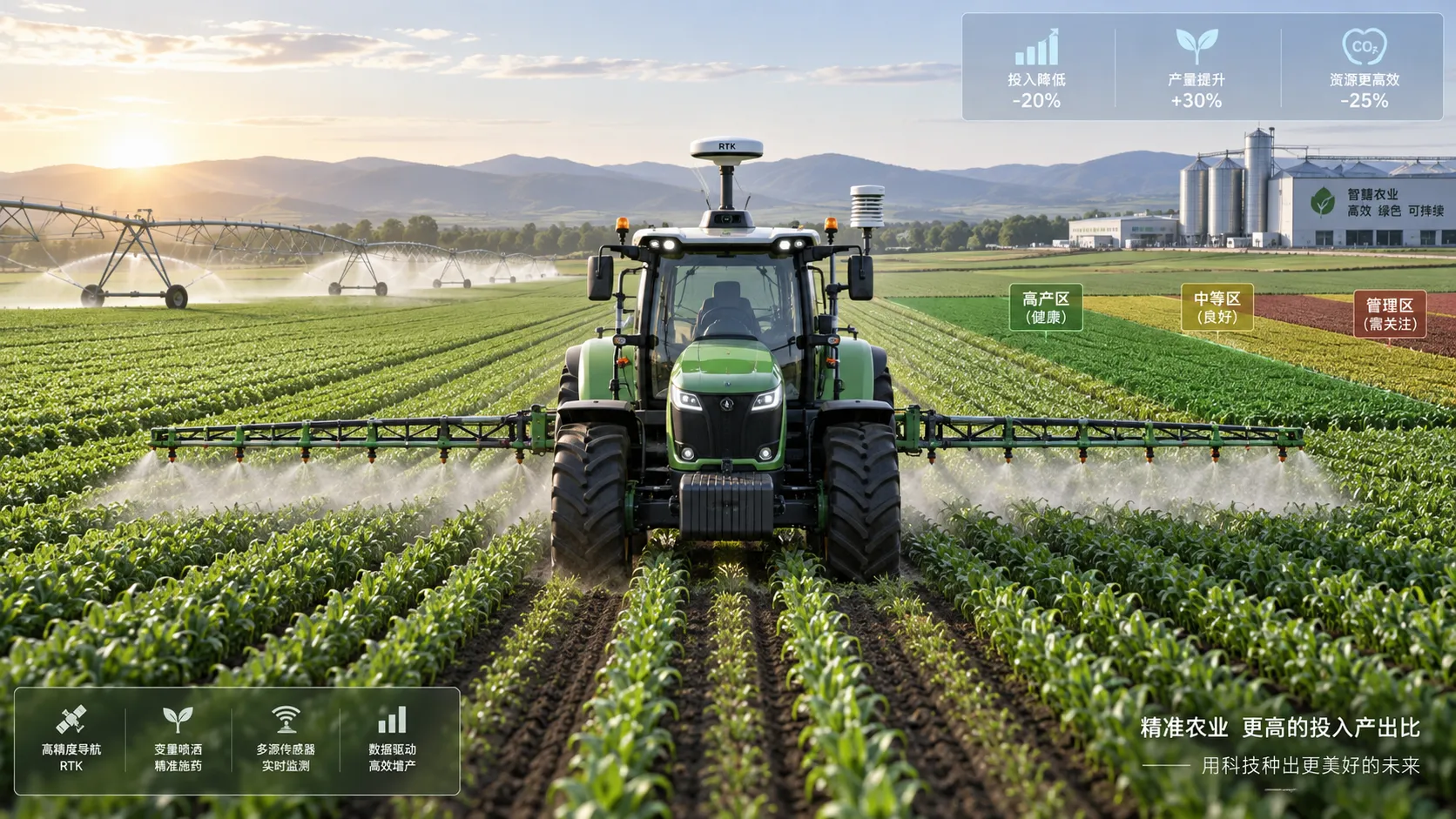
How to calculate ROI on precision agriculture equipment before buying
Calculating ROI on precision agriculture equipment: learn to assess total ownership costs, savings, payback, NPV, risks, and farm-scale value before you buy.
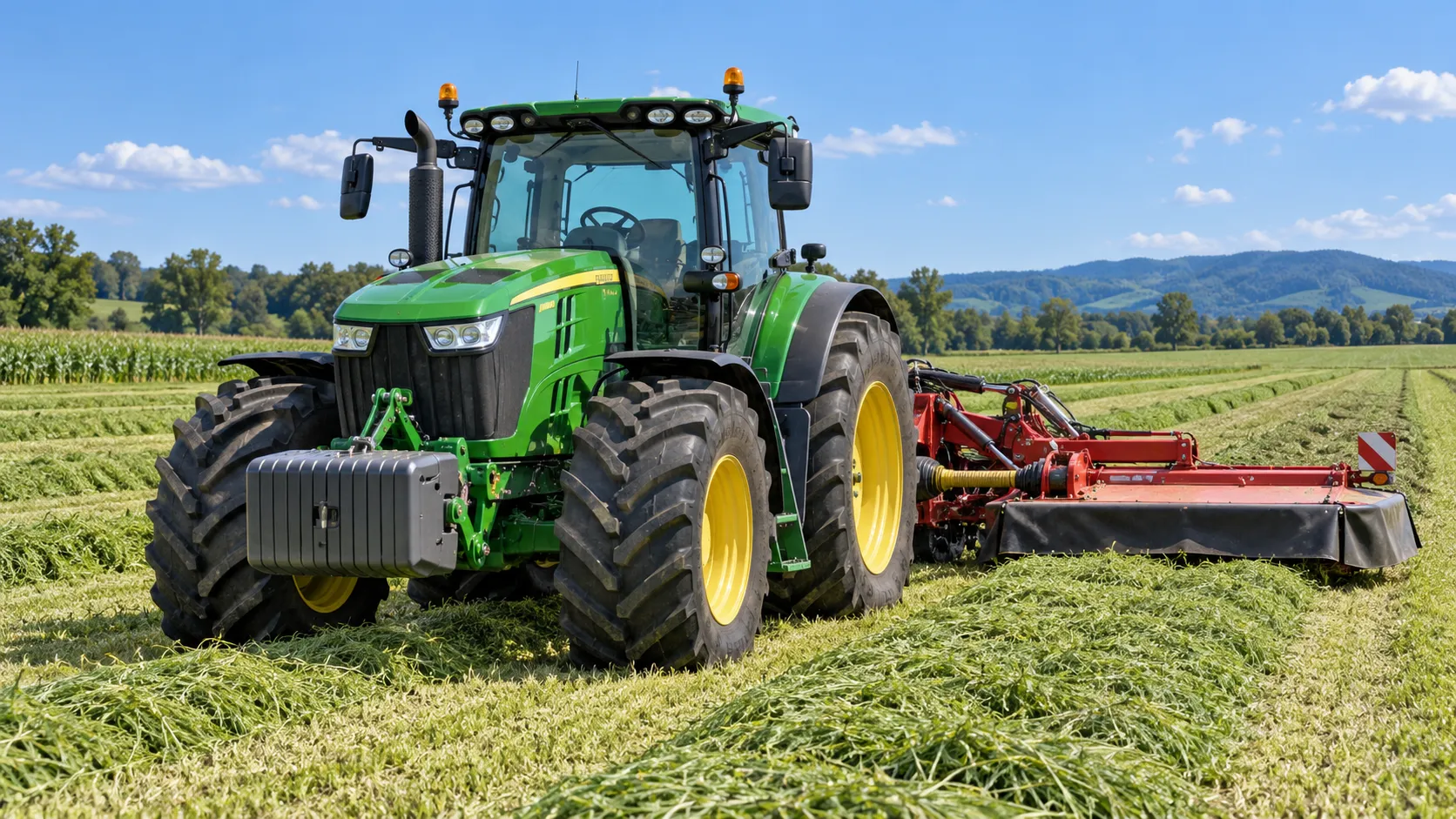
Tractor Specification Sheets: Matching PTO, Hydraulics, and Weight to Farm Tasks
Specification-oriented articles for tractors: match PTO, hydraulics, lift capacity, ballast, and weight to real farm tasks for safer, more efficient equipment choices.
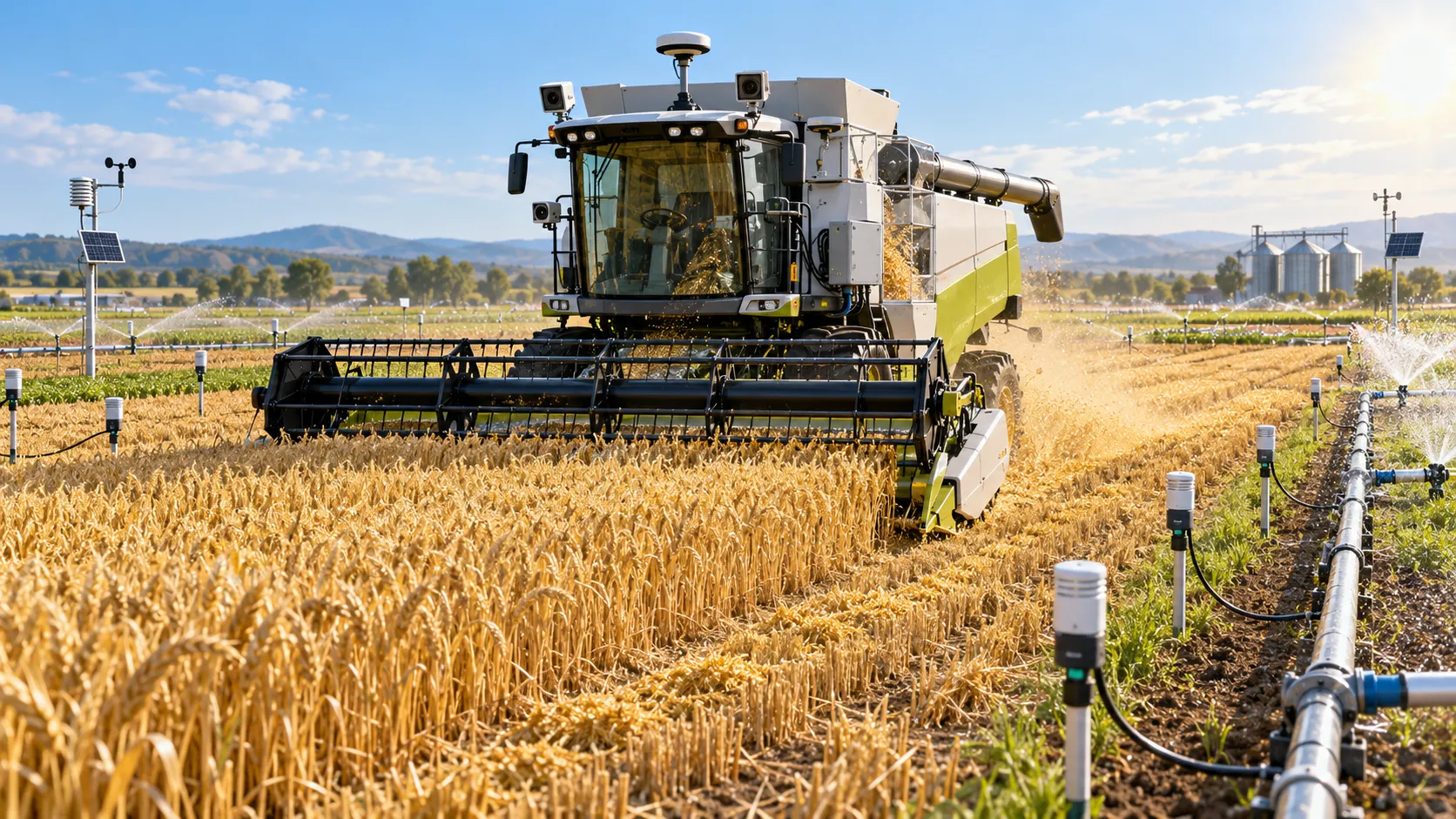
How to Evaluate Dynamic Feedback Algorithm Suppliers for Precision Farming Systems
Dynamic feedback algorithms supplier evaluation guide for precision farming—compare validation, integration, safety, and pilots to choose with confidence.
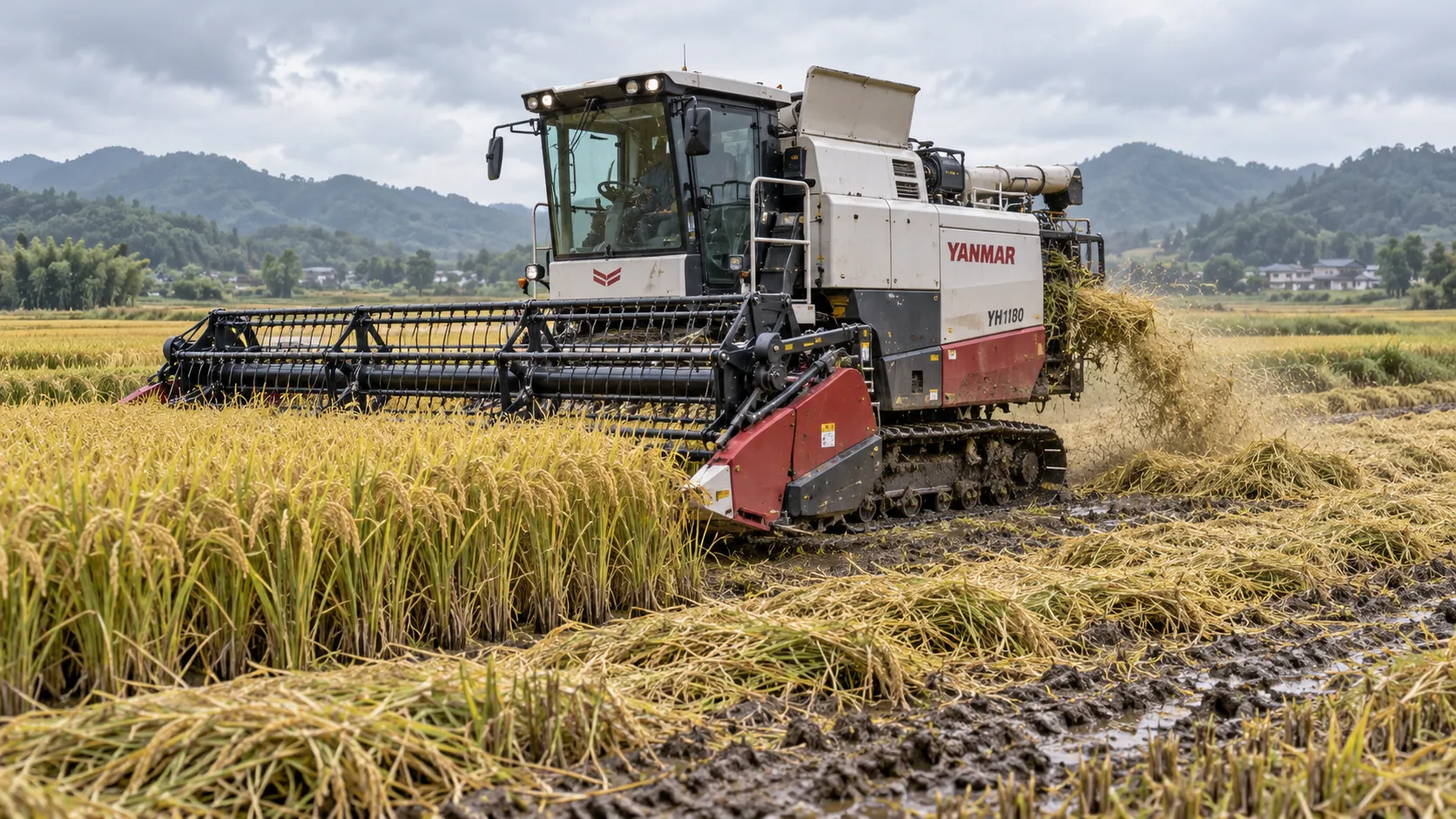
How to Specify Combine Harvester Systems for High-Moisture Grain and Variable Field Conditions
Combine harvester systems for high-moisture grain: learn how to specify threshing, cleaning, headers, traction, and automation for reliable harvests in variable fields.
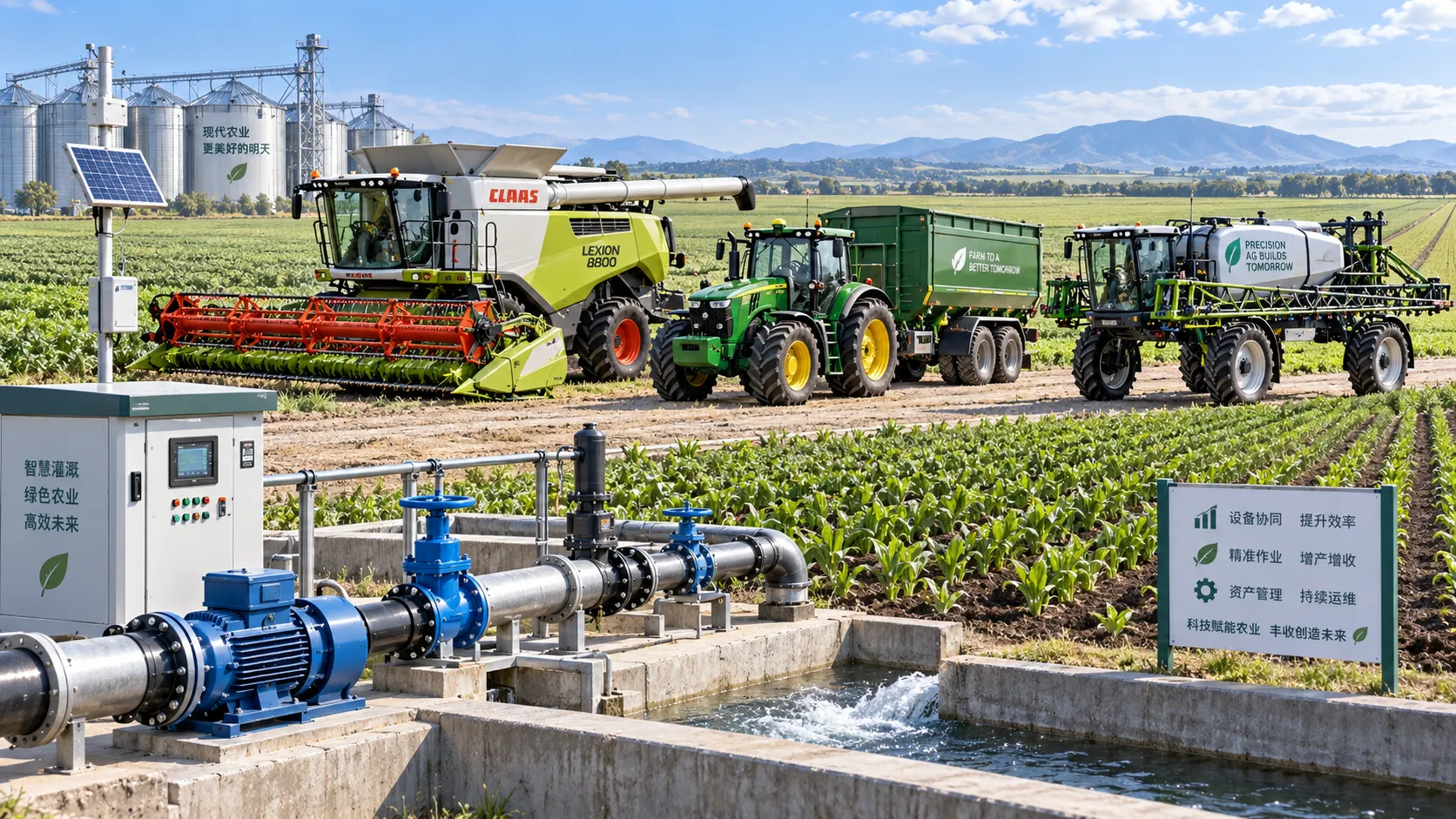
How to Compare Agricultural Equipment Platforms for Fleet Management and ROI
Agricultural equipment platform comparison: evaluate fleet data, maintenance, precision workflows, and ROI to choose a system that delivers measurable results.
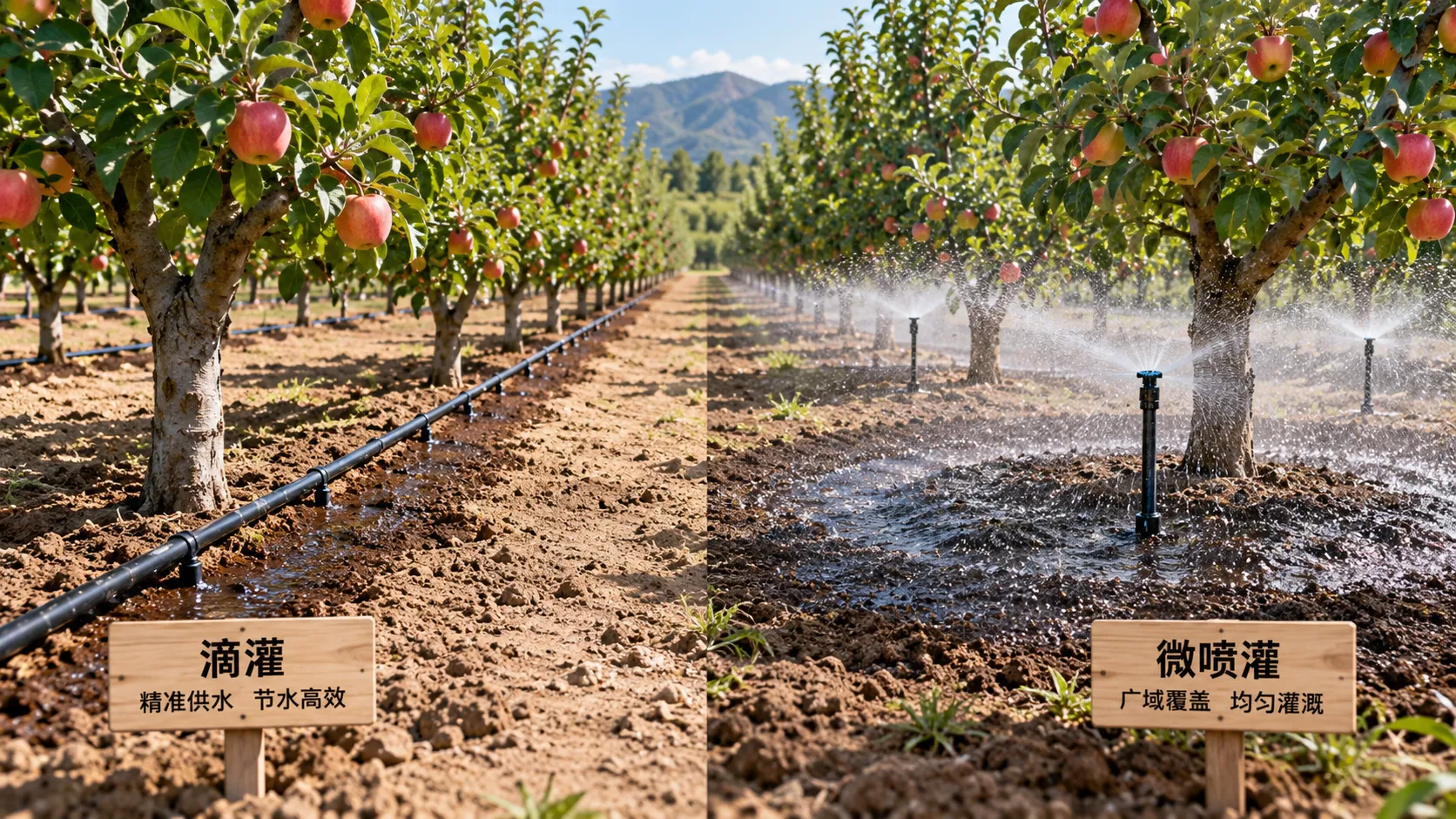
Drip vs. Micro-Sprinkler Irrigation: Which System Fits Your Orchard?
Irrigation solution comparison for orchards: discover whether drip or micro-sprinklers best match your water, soil, roots, fertigation, and frost needs.
Related News
- 00
0000-00
What separates robotic automation providers for equipment production? - 00
0000-00
Which field data collection provider fits an agricultural robotics program? - 00
0000-00
How Autonomous Machinery for Crop Scouting Helps Growers Detect Field Issues Earlier - 00
0000-00
How to Evaluate Autonomous Machinery for Vineyards by Terrain, Tasks, and ROI - 00
0000-00
Brazil ANVISA Rule Requires Portuguese Risk Labels for Farm Robots
Popular Tags
Tractor Power Architect
Weekly Insights
Stay ahead with our curated technology reports delivered every Monday.