
Advanced Irrigation Technology Price: What Drives Cost From Sensors to Automation
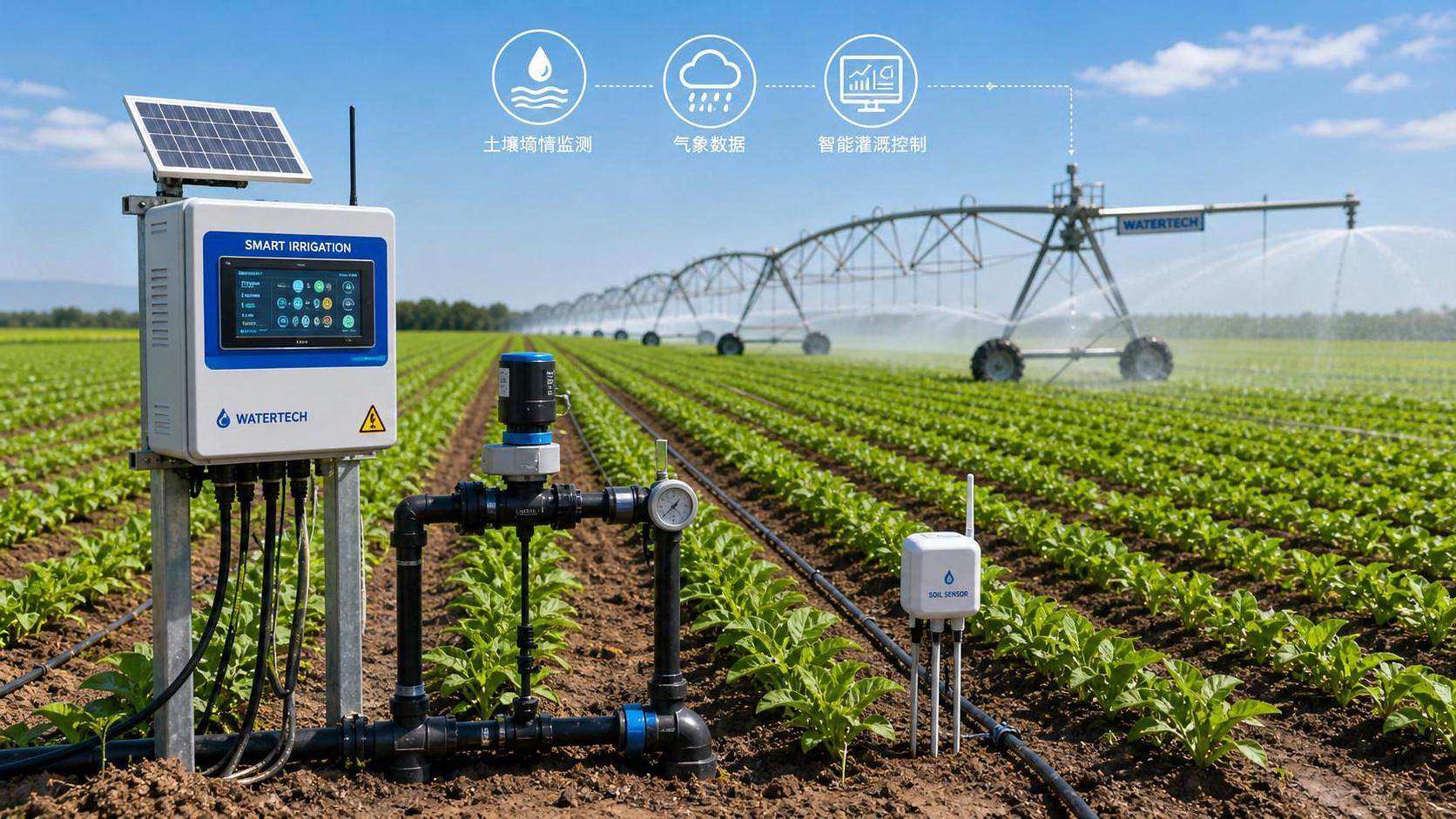




Why does advanced irrigation technology price vary so much?
The short answer is that advanced irrigation technology price is never just the cost of hardware.
In real projects, the number reflects system depth, automation level, data quality, and how tightly each part must work together.
A basic upgrade may add sensors and remote valves. A broader rollout may include controllers, cloud software, telemetry, pumps, and analytics.
That is why two proposals with similar acreage can land in very different budget ranges.
For operations tracking long-cycle capital spending, the better question is not only “What is the price?” but “What is included in the price?”
This matters even more in Agriculture 4.0, where irrigation decisions increasingly connect with machinery planning, field data, and sustainability targets.
AP-Strategy often frames this as a systems issue rather than an equipment-only issue.
That view is practical because water-saving networks now sit beside intelligent farm tools, precision algorithms, and wider resource-efficiency programs.
What usually sits inside the total cost, beyond the irrigation equipment itself?
Many budgets underestimate the non-visible layers behind advanced irrigation technology price.
The equipment line may look manageable, but implementation often expands the real investment.
Common cost blocks include the following:
- Field sensors for soil moisture, pressure, flow, weather, and sometimes nutrient monitoring.
- Control units, valve automation modules, pump interfaces, and power protection components.
- Connectivity through cellular, radio, LoRaWAN, or satellite-supported links.
- Software licenses, dashboards, alert systems, and data storage.
- Integration with existing pivots, drip lines, fertigation units, or farm management platforms.
- Commissioning, calibration, operator training, and seasonal support.
In practice, software and connectivity are where many comparisons become misleading.
One vendor may quote a lower entry price but add recurring fees for dashboards, alerts, API access, or remote updates.
Another may bundle those items upfront, making the quote appear higher while reducing annual overhead.
A clean approval process starts by separating capital expense, subscription expense, and service expense.
Are sensors, controls, or automation the biggest price drivers?
It depends on the starting point of the farm and the depth of automation being considered.
If the field already has serviceable hydraulics and reliable water delivery, sensors may be the first visible upgrade.
If the field lacks remote control, automation hardware quickly becomes the larger cost driver.
The table below gives a more realistic way to judge the structure behind advanced irrigation technology price.
This is why automation often changes the economics more than sensors alone.
Sensors create visibility. Automation turns that visibility into labor savings, timing precision, and repeatable water control.
When budgets are tight, staged adoption usually makes more sense than an all-at-once deployment.
How should price be compared across basic, mid-level, and highly automated systems?
A useful comparison starts with operating outcome, not brochure labels.
Three system tiers often appear in the market, although vendors describe them differently.
Entry smart control
This level usually covers remote monitoring, limited valve control, and simple scheduling based on fixed rules.
It lowers travel time and improves visibility, but water optimization may still depend heavily on manual judgment.
Mid-level precision irrigation
Here, the advanced irrigation technology price typically includes more sensors, zone control, weather-linked logic, and stronger reporting.
This is often the balance point where measurable savings begin to justify software and support costs.
High automation with analytics
This range adds predictive scheduling, wider integration, and more autonomous decision execution.
The price rises, but so does the ability to coordinate irrigation with labor planning, crop stages, and sustainability reporting.
More advanced systems may also support future links with precision fertilization or machinery data environments.
That interoperability is increasingly relevant in the broader agri-equipment ecosystem tracked by AP-Strategy.
Where do buyers misread advanced irrigation technology price most often?
The most common mistake is treating a quote as complete when it only covers the visible package.
Several gaps tend to surface later:
- Installation assumptions were based on ideal wiring, pressure, or signal conditions.
- Annual platform fees were omitted from the first comparison round.
- Existing pumps or filtration units required upgrades to support automated operation.
- Data from sensors was available, but nobody owned the workflow for acting on it.
- Vendor support was limited during peak irrigation periods.
Another weak point is overestimating payback speed.
Water savings matter, but labor efficiency, reduced over-irrigation, crop consistency, and risk reduction often carry equal weight.
In dry regions, the value of control can be obvious. In stable water environments, returns may come more gradually.
A disciplined review should test several seasons, not a single optimistic scenario.
What is the most practical way to judge ROI before approval?
Start by reducing the project to a few measurable levers.
That makes advanced irrigation technology price easier to compare across different architectures.
A useful review normally includes:
- Water use reduction by zone, season, and crop stage.
- Labor hours removed from manual inspection, switching, and emergency response.
- Yield protection from more accurate timing and reduced plant stress.
- Energy effects linked to pumping patterns and pressure control.
- Maintenance burden created by sensors, batteries, communication devices, and software support.
It is also worth checking how the system contributes to reporting needs.
Water accountability, sustainability metrics, and compliance evidence can become material in cross-border agricultural operations.
That is one reason intelligence-led platforms such as AP-Strategy keep connecting irrigation investment with wider resource and market signals.
If two offers appear close in price, the stronger choice is usually the one with clearer data ownership, service scope, and expansion logic.
So what should be clarified before moving to the next quote stage?
At that point, the goal is not to chase the lowest advanced irrigation technology price.
The goal is to confirm which price structure fits operational reality and future scaling.
A strong next step is to document five items in one comparison sheet:
- Included hardware by field zone and control point.
- Recurring software and connectivity charges over three to five years.
- Integration requirements with existing irrigation and farm data systems.
- Expected commissioning timeline, support windows, and training coverage.
- Target ROI assumptions, including water, labor, energy, and crop stability.
When those items are visible, price discussions become more accurate and less reactive.
That usually leads to better approval quality than relying on a headline number alone.
In simple terms, the best irrigation investment is rarely the cheapest package.
It is the one that turns field data, automation, and water efficiency into results that remain defensible over multiple seasons.
Related News
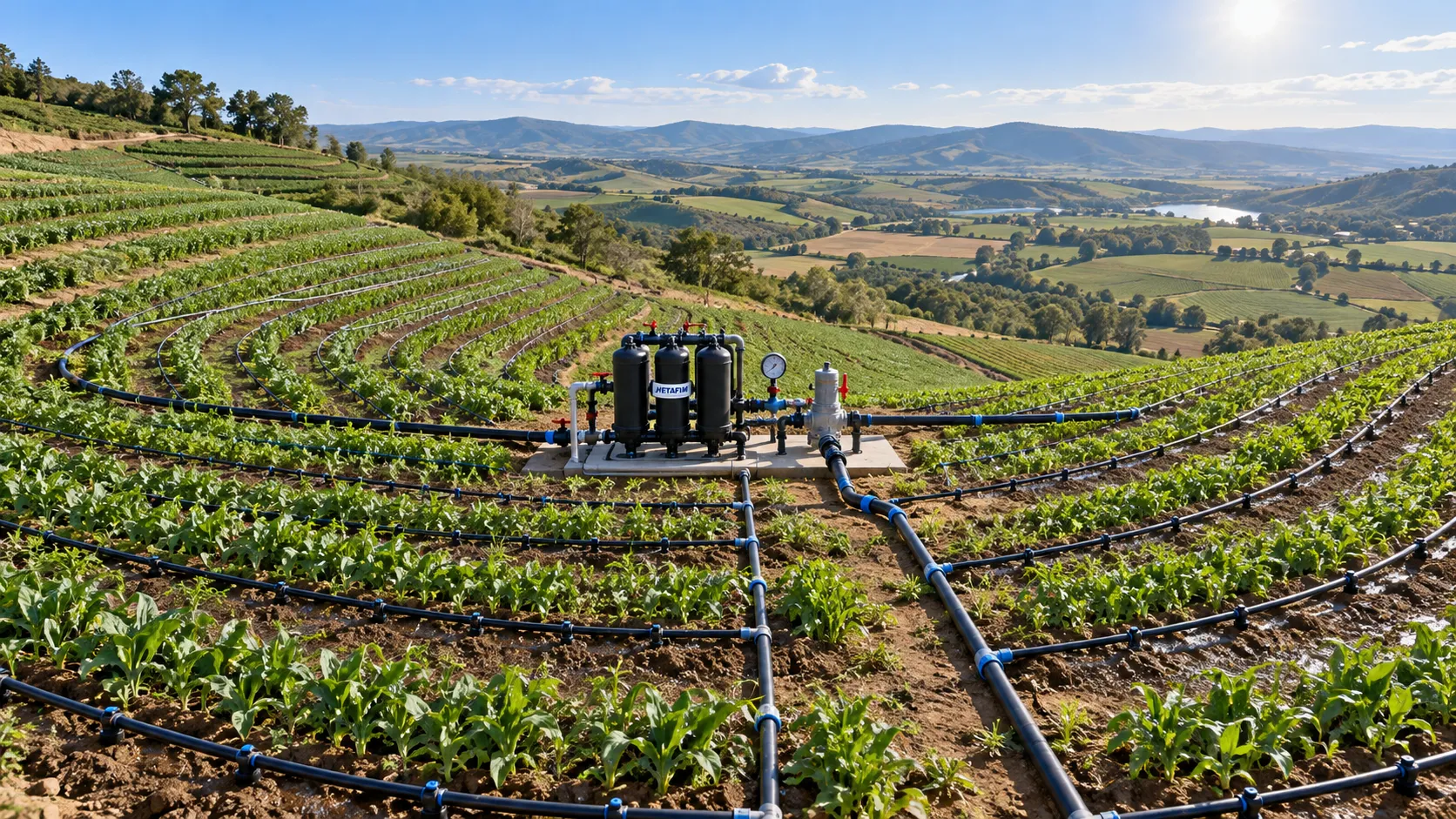
How to Size Low-Pressure Water-Saving Irrigation Systems for Uneven Fields
Low pressure water-saving irrigation systems for uneven fields: learn zoning, pressure mapping, pipe sizing, and pump selection to improve uniformity and reduce water waste.
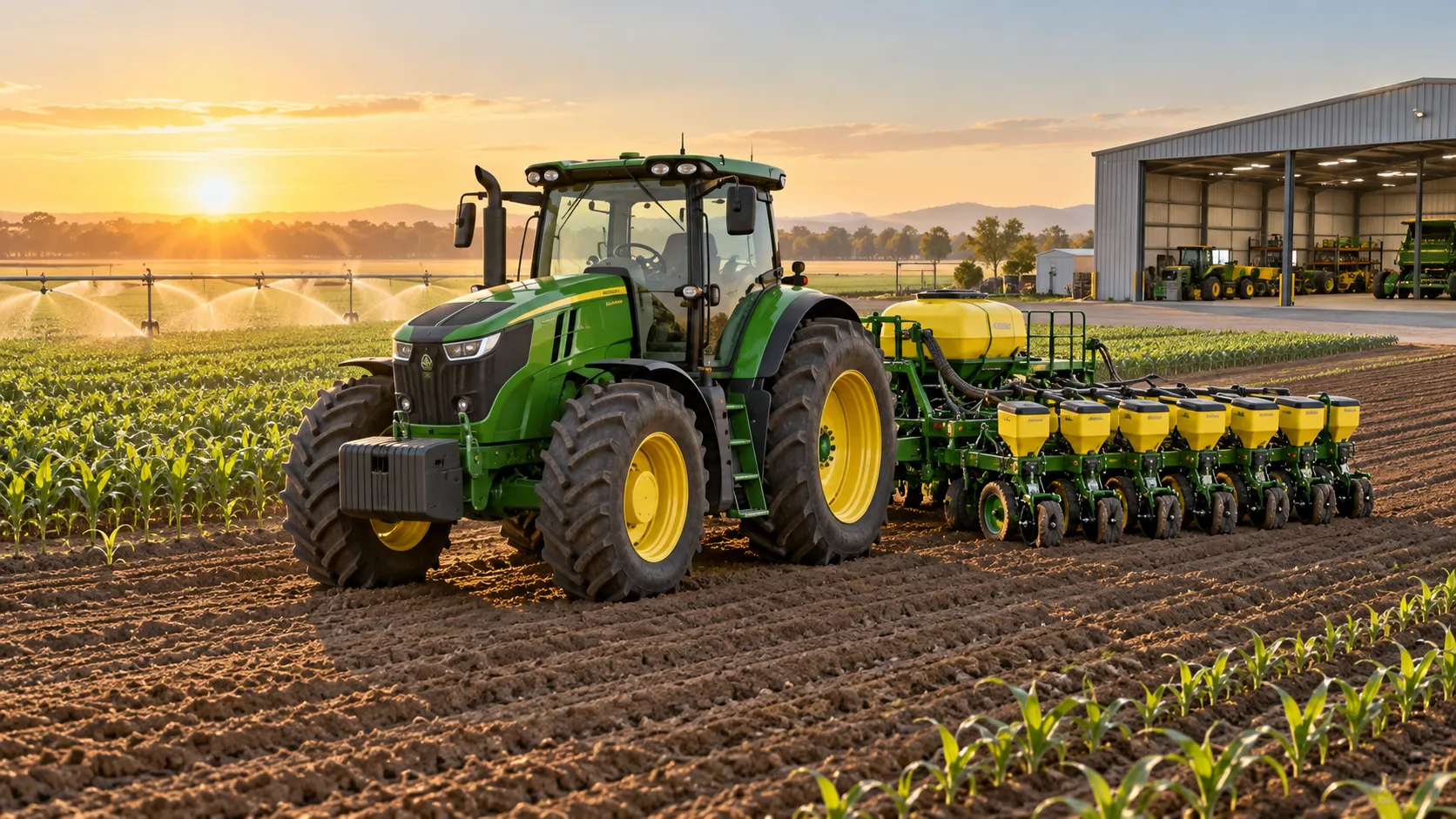
Farm Machinery Sourcing: How to Vet Suppliers, Specs, and Lifecycle Costs
Farm machinery information for sourcing: learn to vet suppliers, compare specifications, control lifecycle costs, and secure reliable uptime for smarter equipment purchases.
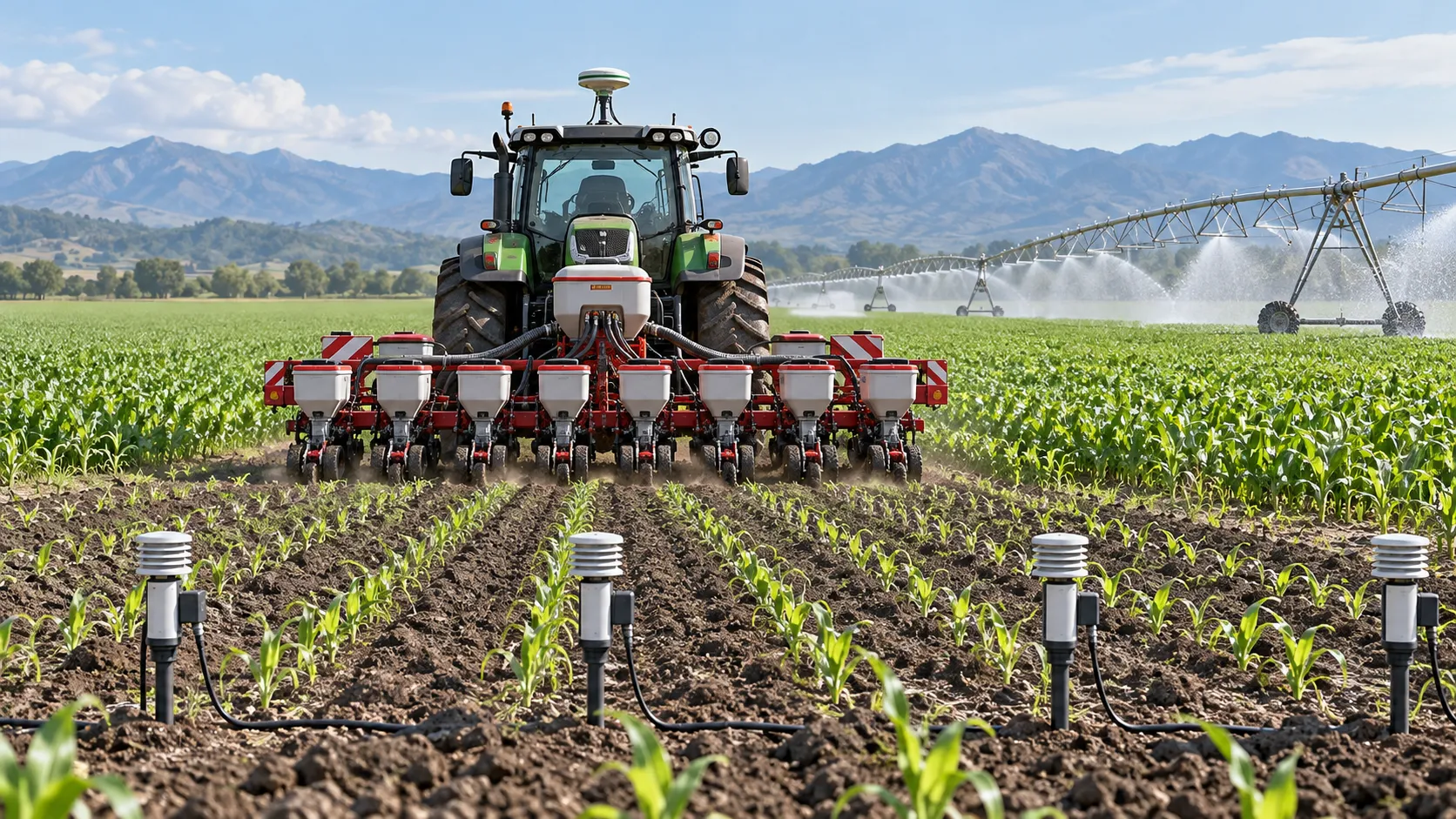
Which costs matter most when calculating precision agriculture ROI?
Calculating ROI on precision agriculture equipment? Discover the costs that shape returns, from installation and subscriptions to downtime, labor, and data integration.
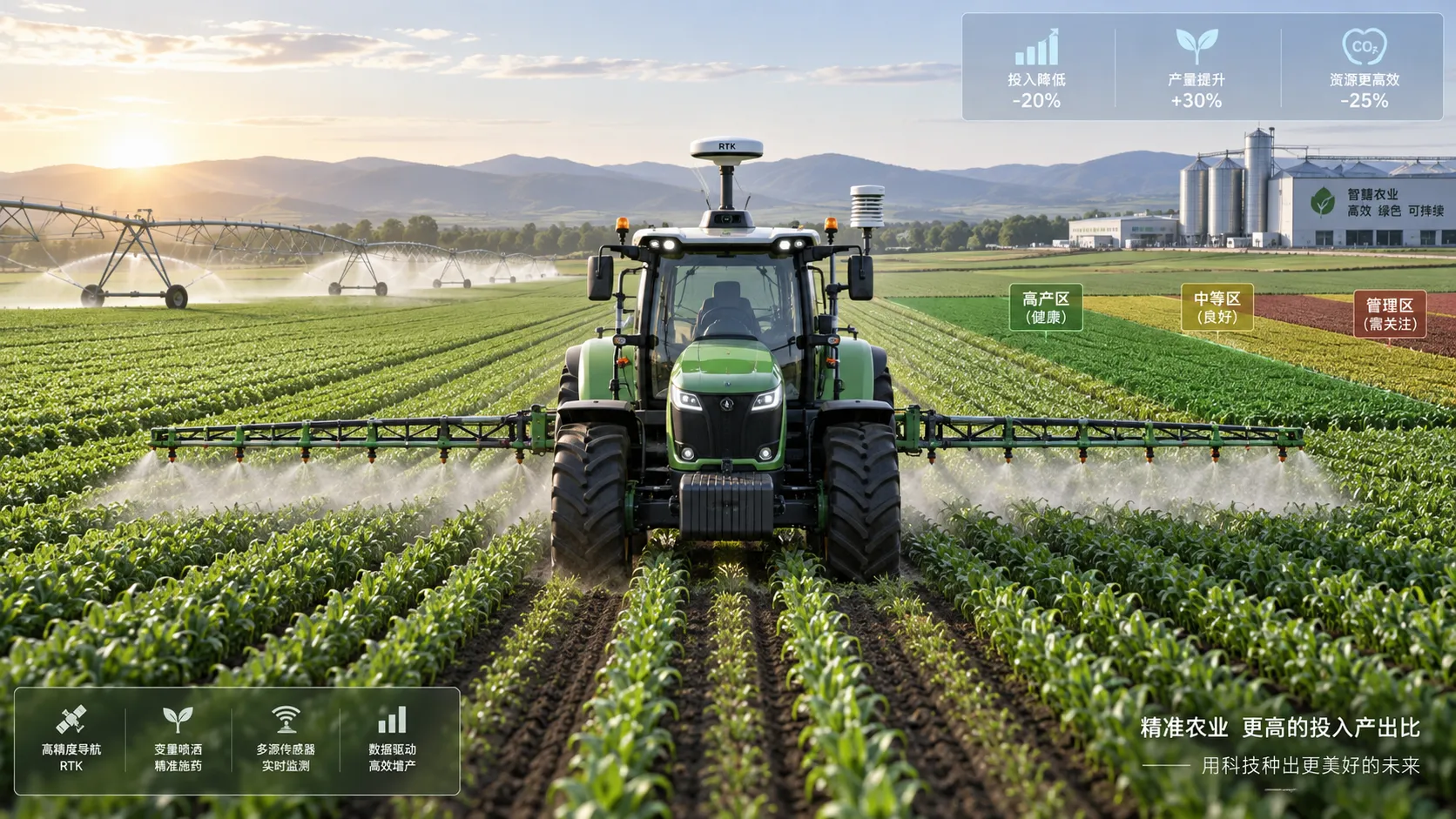
How to calculate ROI on precision agriculture equipment before buying
Calculating ROI on precision agriculture equipment: learn to assess total ownership costs, savings, payback, NPV, risks, and farm-scale value before you buy.
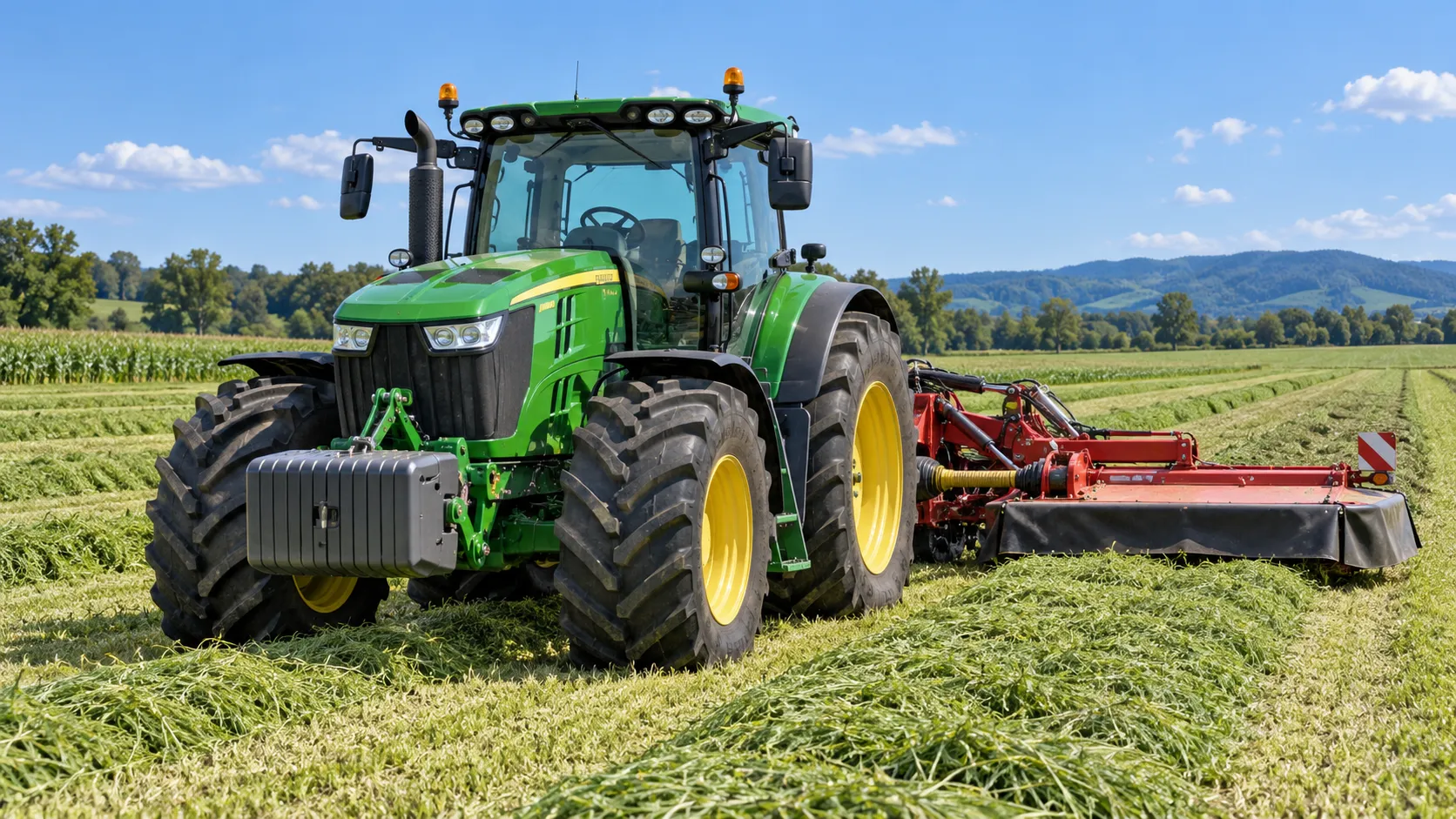
Tractor Specification Sheets: Matching PTO, Hydraulics, and Weight to Farm Tasks
Specification-oriented articles for tractors: match PTO, hydraulics, lift capacity, ballast, and weight to real farm tasks for safer, more efficient equipment choices.
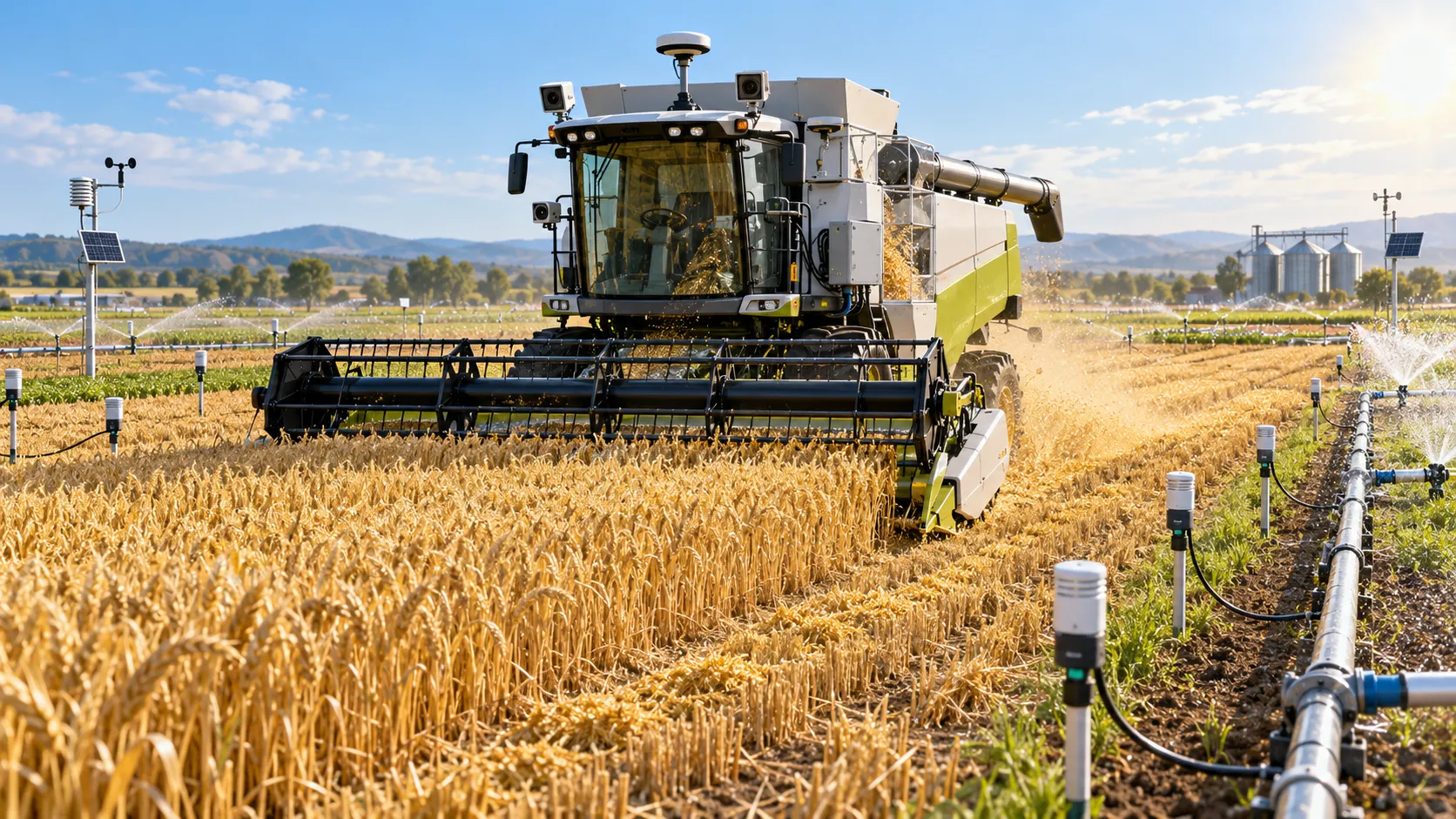
How to Evaluate Dynamic Feedback Algorithm Suppliers for Precision Farming Systems
Dynamic feedback algorithms supplier evaluation guide for precision farming—compare validation, integration, safety, and pilots to choose with confidence.
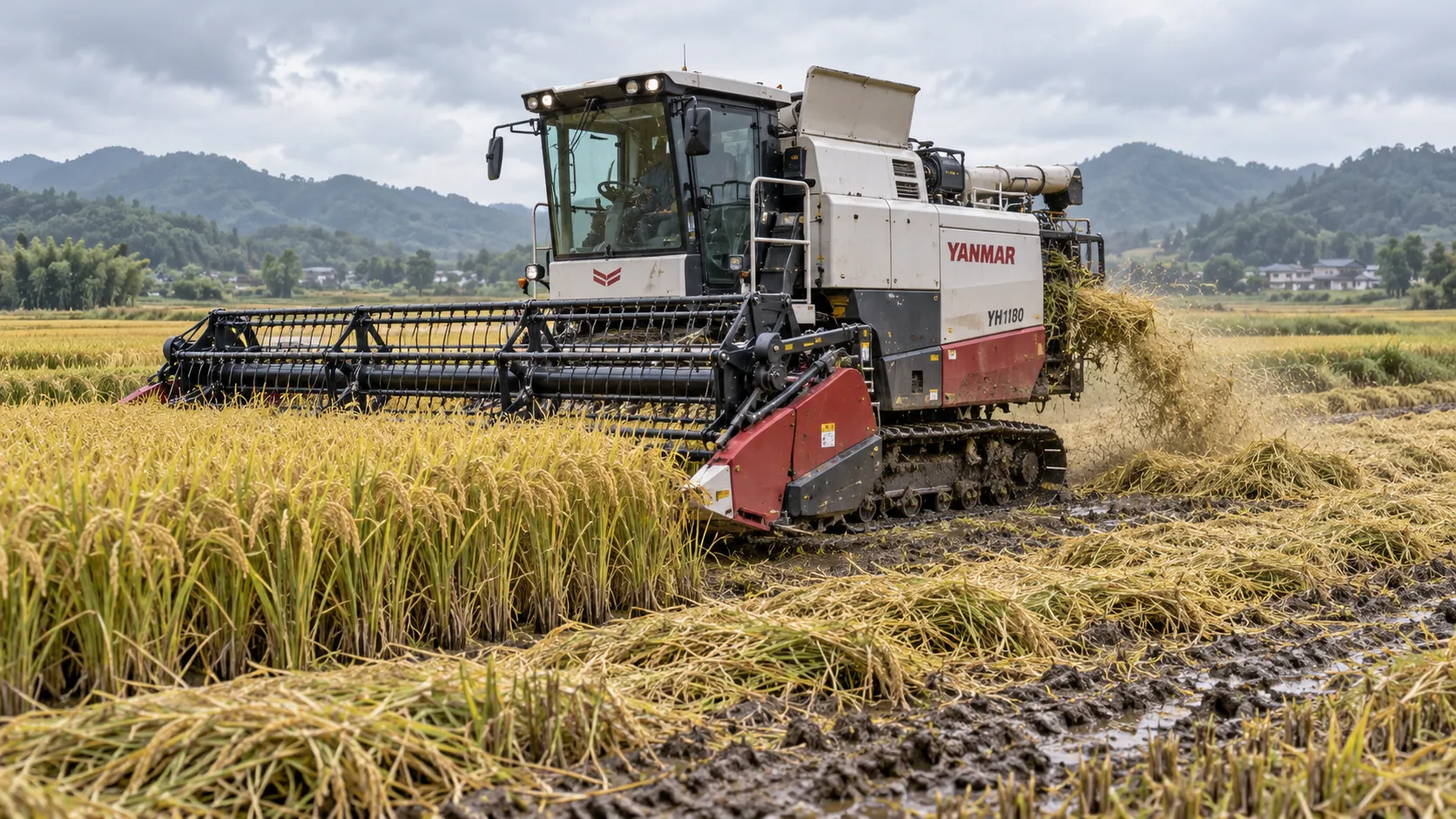
How to Specify Combine Harvester Systems for High-Moisture Grain and Variable Field Conditions
Combine harvester systems for high-moisture grain: learn how to specify threshing, cleaning, headers, traction, and automation for reliable harvests in variable fields.
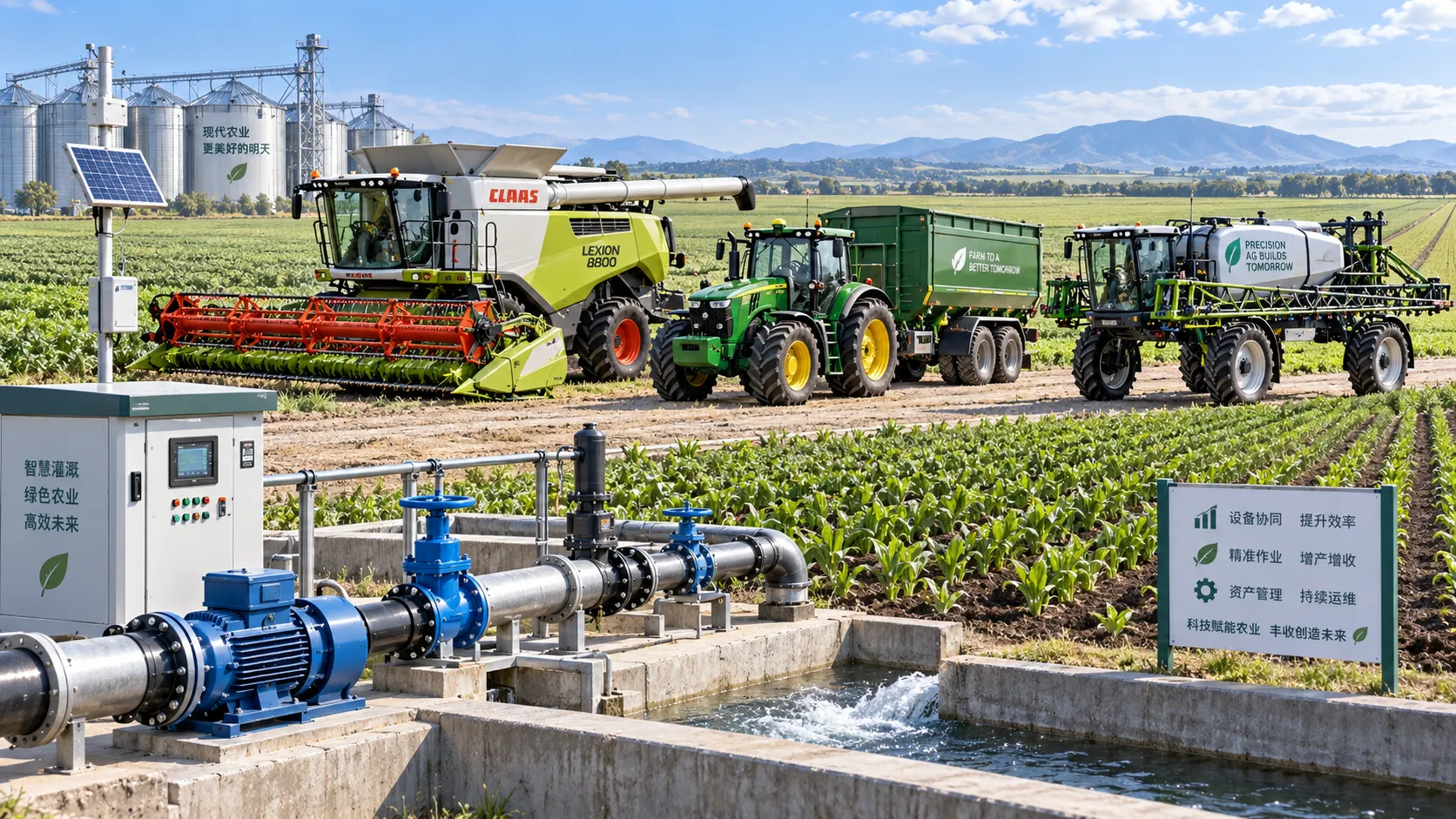
How to Compare Agricultural Equipment Platforms for Fleet Management and ROI
Agricultural equipment platform comparison: evaluate fleet data, maintenance, precision workflows, and ROI to choose a system that delivers measurable results.
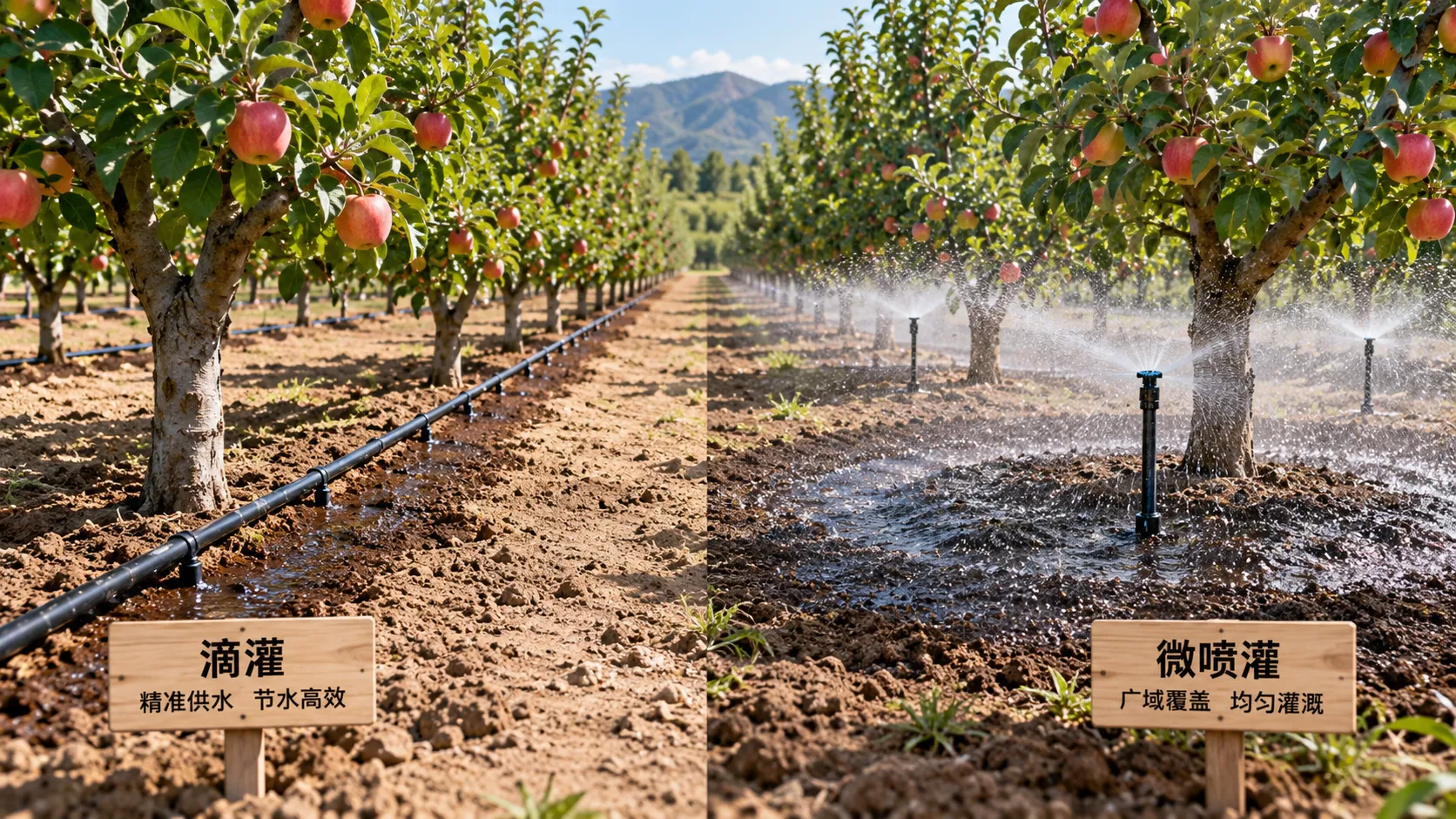
Drip vs. Micro-Sprinkler Irrigation: Which System Fits Your Orchard?
Irrigation solution comparison for orchards: discover whether drip or micro-sprinklers best match your water, soil, roots, fertigation, and frost needs.
Related News
- 00
0000-00
Orchard Water Management: Using Soil Moisture Data to Schedule Irrigation - 00
0000-00
Climate-Smart Farming for Drought: A Practical Plan for Protecting Yields - 00
0000-00
Selecting Real-Time Soil Moisture Sensors for Irrigation Zone Control - 00
0000-00
How Does Climate-Smart Farming Reduce Water Use in Semi-Arid Areas? - 00
0000-00
USDA Rule Takes Effect: Dual FCC and NRCS Approval for Soil Moisture Sensors
Popular Tags
Hydrological Resource Strategist
Weekly Insights
Stay ahead with our curated technology reports delivered every Monday.