
Irrigation Monitoring Systems IoT: What Sensors and Alerts Matter Most in the Field?
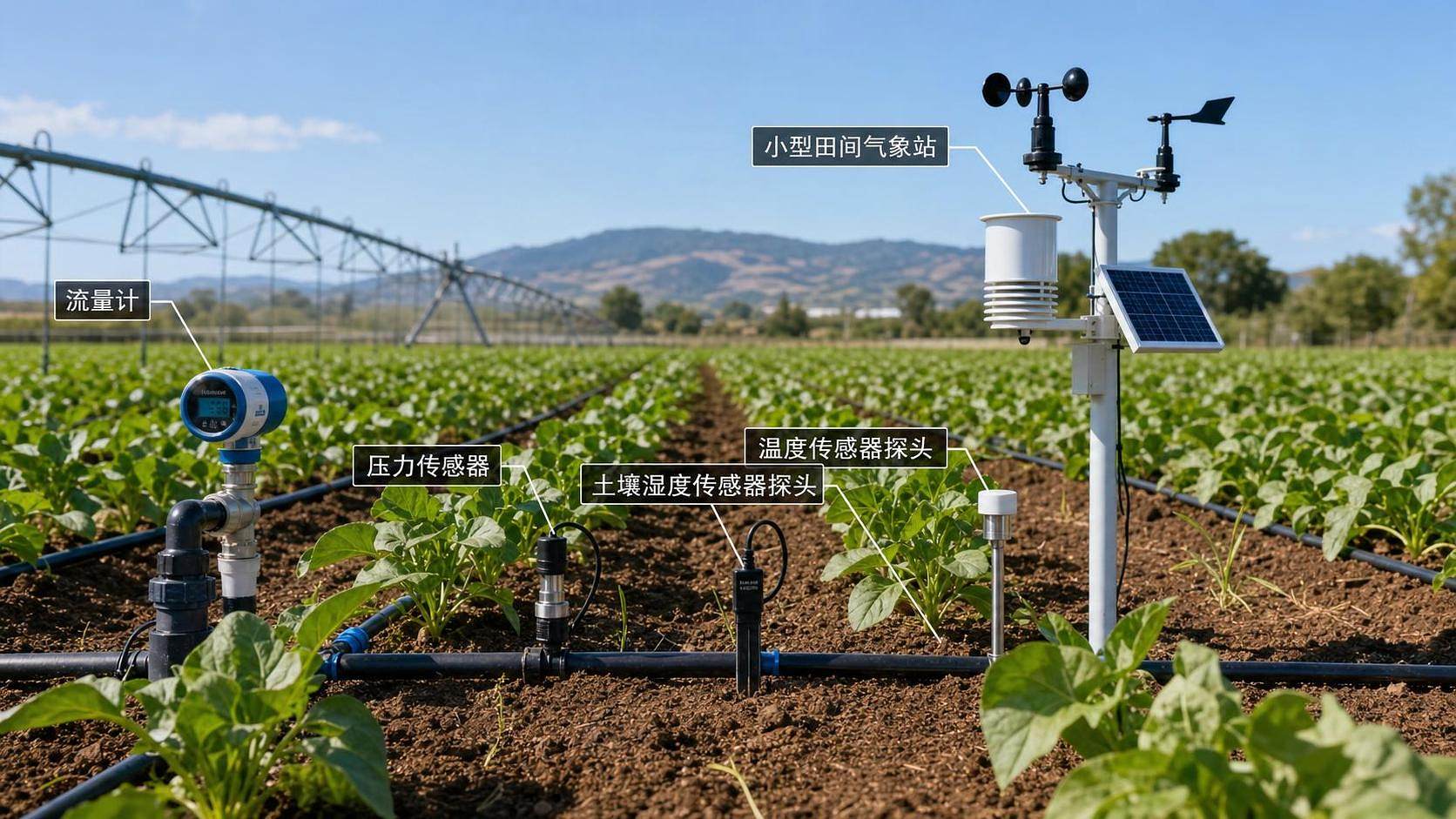




Irrigation Monitoring Systems IoT: What Sensors and Alerts Matter Most in the Field?
In modern precision agriculture, irrigation monitoring systems IoT are no longer optional. They now shape daily decisions about water timing, field variability, labor efficiency, and operating risk.
For technical evaluation, the main issue is not simply whether a platform is connected. The real test is whether field data leads to correct action under changing conditions.
That means looking closely at sensor reliability, alert design, threshold logic, and response speed. A system that reports everything, yet explains nothing, adds noise instead of control.
From a practical standpoint, the best irrigation monitoring systems IoT combine agronomic relevance with operational clarity. They help teams decide when to irrigate, how much to apply, and what needs immediate attention.
Why sensor selection matters more than raw connectivity
Many irrigation platforms promise visibility across the whole network. That sounds useful, but coverage alone does not improve irrigation performance.
What matters is the quality of the field signal. A poor sensor package can produce stable dashboards and still drive weak irrigation decisions.
In technical reviews, evaluators usually focus on three questions. First, does the sensor measure a variable that truly affects irrigation timing?
Second, is the sensor accurate enough under field stress, salinity, compaction, and temperature swings? Third, does the platform convert that reading into useful alerts?
This is where irrigation monitoring systems IoT either prove their value or fall short. Reliable hardware and actionable logic must work together.
The core field sensors that deserve priority
1. Soil moisture sensors
Soil moisture remains the foundation of most irrigation monitoring systems IoT. It directly shows whether water is available in the root zone.
The strongest setups monitor multiple depths, not just one point. Shallow readings show recent infiltration, while deeper readings reveal root access and drainage losses.
This matters in orchards, row crops, and drip zones alike. A single-depth sensor often hides over-irrigation below the active root layer.
2. Soil temperature sensors
Soil temperature does not replace moisture data, but it improves context. Root activity, evaporation behavior, and microbial dynamics all shift with temperature.
In early season management, temperature helps explain why similar moisture levels can produce different crop responses. That makes alert thresholds more intelligent.
3. Flow meters
Flow sensing is often underrated in irrigation monitoring systems IoT. Yet it is one of the fastest ways to detect actual delivery problems.
A valve can open on schedule while the field receives too little water. Flow data catches blocked filters, leaking laterals, pump instability, and broken emitters.
4. Pressure sensors
Pressure data supports system health monitoring. It helps distinguish between pump-side faults, line restrictions, and distribution imbalance across zones.
For drip systems especially, pressure trends are often the earliest signal of maintenance drift. That is operationally valuable long before visible crop stress appears.
5. Weather station inputs
Rainfall, solar radiation, air temperature, humidity, and wind add crucial context. These variables support evapotranspiration estimation and improve irrigation scheduling logic.
A platform without local weather context may still function, but it cannot adapt well to short-term atmospheric demand. That limits decision quality.
Which alerts matter most in the field
Alerts are the action layer of irrigation monitoring systems IoT. Without clear alerts, field teams must constantly inspect dashboards and interpret trends manually.
The most useful alerts are not the loudest ones. They are the alerts tied to direct irrigation risk, equipment loss, or crop performance impact.
- Root-zone depletion alert: triggered when moisture drops below crop-specific thresholds.
- Over-irrigation alert: triggered when deep sensors show drainage beyond the target root depth.
- Flow deviation alert: triggered when actual flow differs from expected zone output.
- Pressure anomaly alert: triggered by sudden drops, spikes, or unstable readings.
- Rain skip alert: triggered when measured rainfall makes the planned irrigation event unnecessary.
- Communication loss alert: triggered when sensor silence prevents dependable field interpretation.
In real operations, alert fatigue is a serious design problem. Strong irrigation monitoring systems IoT rank alerts by severity and tie them to specific field actions.
Threshold logic is where system quality becomes visible
Good thresholds are rarely universal. Sand, loam, clay, rooting depth, crop stage, and irrigation method all influence what should trigger attention.
That is why technical reviews should examine threshold flexibility. Static thresholds may work in simple sites, but they often fail across mixed fields.
A better platform lets teams define thresholds by zone, crop, growth stage, and sensor depth. Ideally, it also supports seasonal recalibration.
More advanced irrigation monitoring systems IoT also use trend-based triggers. For example, rapid moisture decline may matter more than a single low reading.
This also means alerts should reflect persistence. A five-minute pressure fluctuation is different from a recurring distribution failure over several cycles.
How to evaluate data quality, not just hardware lists
Specification sheets rarely tell the whole story. Sensor quality in irrigation monitoring systems IoT depends on installation discipline, calibration support, and signal consistency.
A useful technical evaluation should test how the platform behaves under normal field problems. These include uneven wetting, sensor drift, weak power supply, and patchy network coverage.
- Check whether data sampling intervals match irrigation cycle speed.
- Review how missing data is flagged and interpreted.
- Confirm whether the platform separates sensor fault from agronomic change.
- Inspect historical trend views, not only live dashboards.
- Verify alert delivery across app, SMS, email, or control-room workflows.
This level of review usually reveals whether a system is built for demonstration or for sustained field operations.
Common failure points during deployment
Even well-designed irrigation monitoring systems IoT can disappoint if deployment assumptions are weak. Most failures appear in placement, interpretation, or workflow integration.
- Sensors installed in non-representative soil areas.
- Too few monitoring points for variable fields.
- Thresholds copied across crops with different root behavior.
- Alerts sent without ownership or response procedures.
- No routine maintenance for filters, batteries, and pressure devices.
A technically strong platform should help reduce these risks. It should guide sensor placement, document assumptions, and support operational accountability.
That is often the difference between data collection and real irrigation control improvement.
What a solid evaluation framework looks like
A practical comparison of irrigation monitoring systems IoT should stay focused on field outcomes. The goal is not the longest feature list.
Instead, a useful framework asks whether the system can support measurable water-use control across diverse operating conditions.
When irrigation monitoring systems IoT score well across these areas, they are far more likely to support durable field performance.
Final takeaways for smarter field decisions
The strongest irrigation monitoring systems IoT are built around meaningful field measurements, not just connected devices. Soil moisture starts the story, but flow, pressure, and weather complete it.
Alerts matter most when they translate sensor data into timely action. That requires smart thresholds, limited noise, and clear operational ownership.
For technical assessment, the best question is simple. Will this system improve irrigation decisions under real field variability, not just under ideal test conditions?
That is the standard worth applying when comparing irrigation monitoring systems IoT. It leads to better water control, stronger crop outcomes, and more dependable field management over time.
Related News
How to Evaluate Dynamic Feedback Algorithm Suppliers for Precision Farming Systems
Dynamic feedback algorithms supplier evaluation guide for precision farming—compare validation, integration, safety, and pilots to choose with confidence.
How to Specify Combine Harvester Systems for High-Moisture Grain and Variable Field Conditions
Combine harvester systems for high-moisture grain: learn how to specify threshing, cleaning, headers, traction, and automation for reliable harvests in variable fields.
How to Compare Agricultural Equipment Platforms for Fleet Management and ROI
Agricultural equipment platform comparison: evaluate fleet data, maintenance, precision workflows, and ROI to choose a system that delivers measurable results.
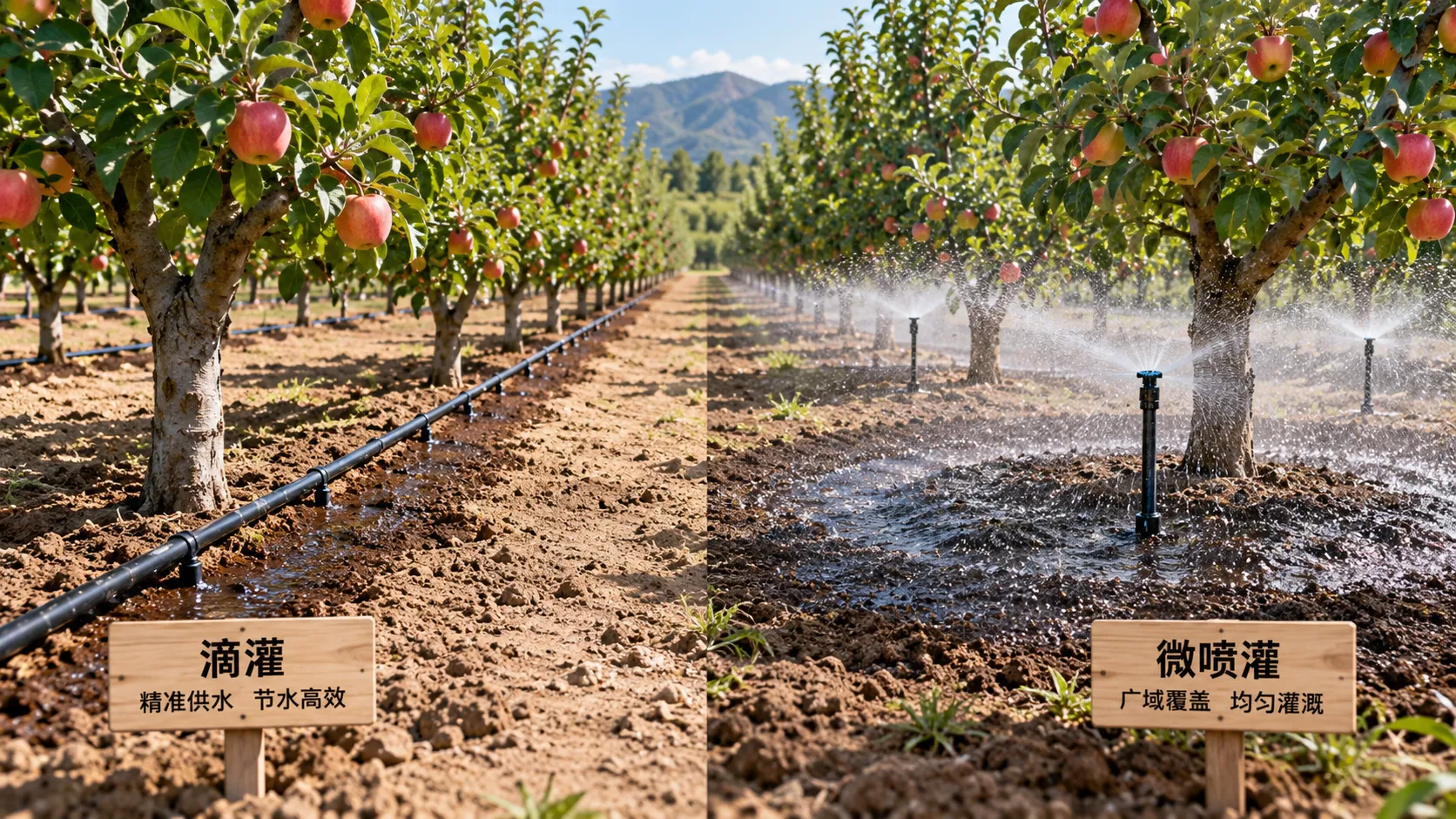
Drip vs. Micro-Sprinkler Irrigation: Which System Fits Your Orchard?
Irrigation solution comparison for orchards: discover whether drip or micro-sprinklers best match your water, soil, roots, fertigation, and frost needs.
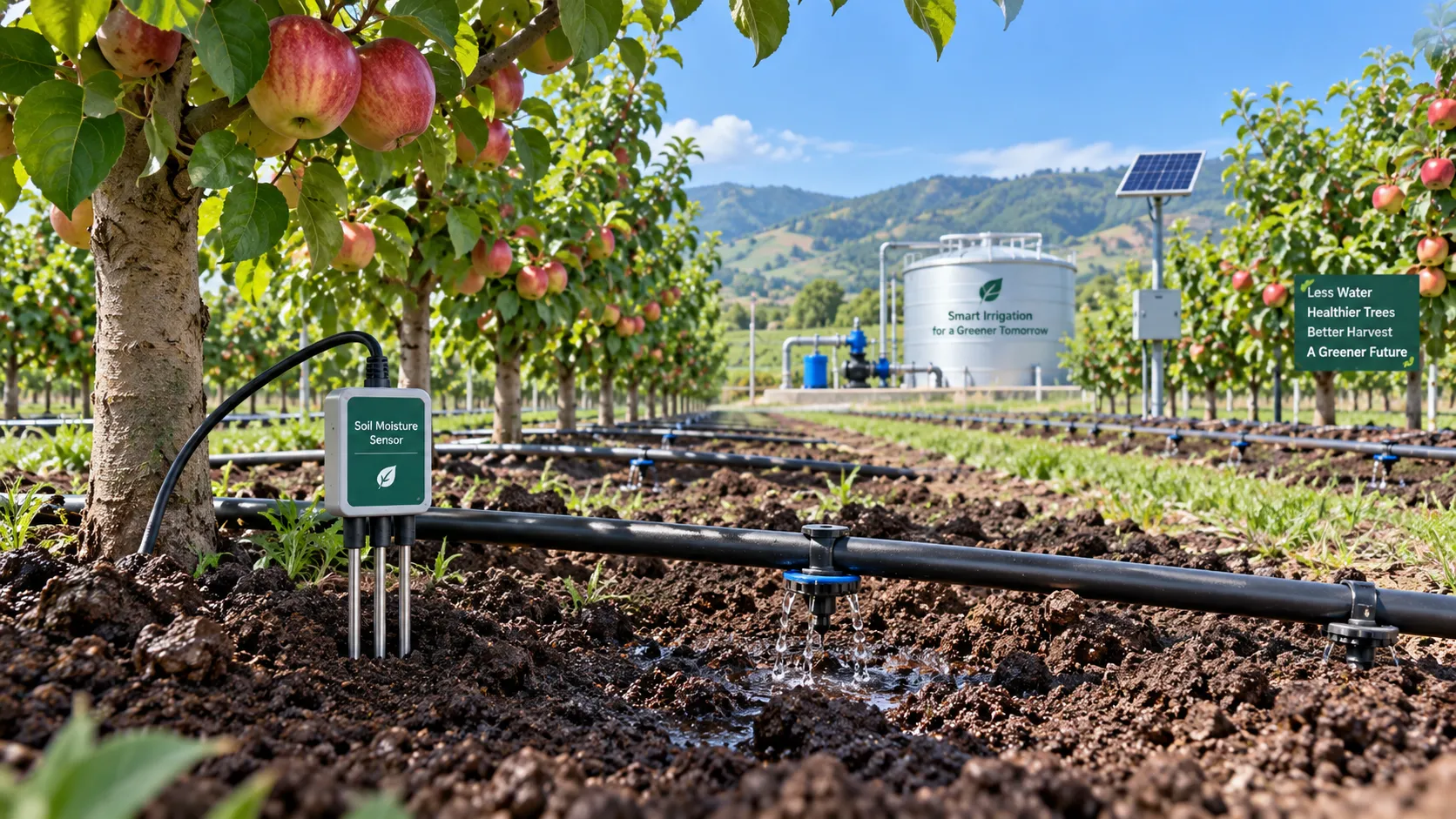
Orchard Water Management: Using Soil Moisture Data to Schedule Irrigation
Agricultural water management for orchards made practical: use soil moisture data to optimize irrigation timing, protect yield, reduce costs, and improve resilience.
Tractor Chassis Price: What Buyers Should Compare Beyond the Initial Quote
Tractor chassis price is only the start. Compare load capacity, compatibility, durability, and lifecycle costs to choose a reliable, high-value chassis.
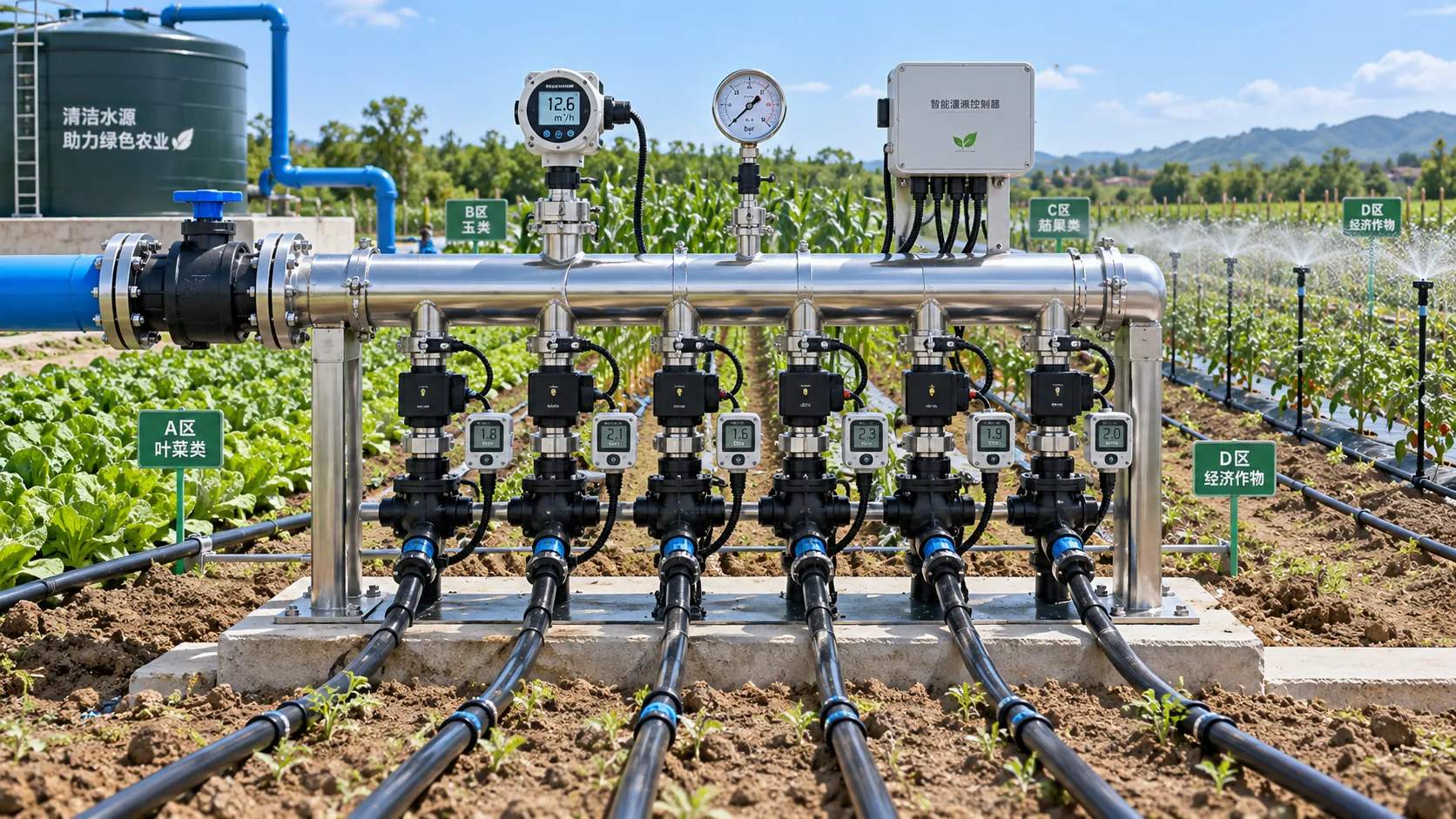
How to Select Smart Irrigation Valves for Multi-Zone Water Management?
Intelligent irrigation systems valves: learn how to match smart valves with multi-zone flow, pressure, control, feedback, and communication needs for reliable water management.
Climate-Smart Farming for Drought: A Practical Plan for Protecting Yields
Climate-smart farming for drought: build smarter water budgets, protect critical crop stages, improve irrigation uniformity, and safeguard yields with practical field-proven strategies.
How Digital Agriculture Platforms Turn Field Data Into Better Input Decisions
Digital agriculture platforms turn field data into smarter fertilizer, water, seed, and equipment decisions—helping farms cut risk, improve margins, and scale sustainability.
Related News
- 00
0000-00
Orchard Water Management: Using Soil Moisture Data to Schedule Irrigation - 00
0000-00
Climate-Smart Farming for Drought: A Practical Plan for Protecting Yields - 00
0000-00
Selecting Real-Time Soil Moisture Sensors for Irrigation Zone Control - 00
0000-00
How Does Climate-Smart Farming Reduce Water Use in Semi-Arid Areas? - 00
0000-00
USDA Rule Takes Effect: Dual FCC and NRCS Approval for Soil Moisture Sensors
Popular Tags
Hydrological Resource Strategist
Weekly Insights
Stay ahead with our curated technology reports delivered every Monday.