
USDA Rule Takes Effect for Soil Moisture Sensor Imports
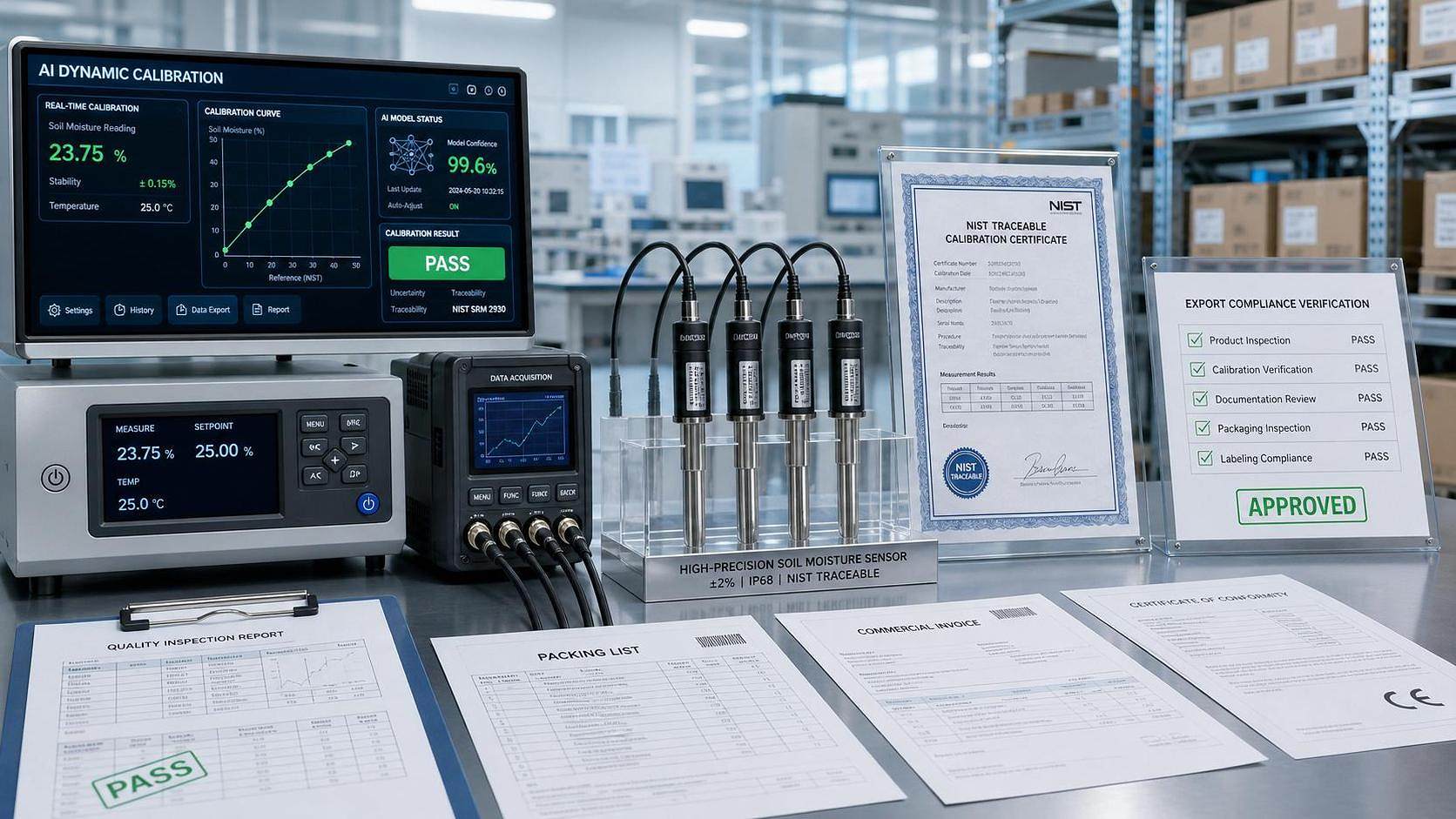




On July 7, 2026, the U.S. Department of Agriculture updated its Precision Ag Equipment Import Compliance Bulletin and put into effect a new import requirement for soil moisture sensors: shipments must now include an AI dynamic calibration report with NIST-traceable certification, or they may be denied customs clearance by CBP. For manufacturers exporting to the U.S., especially those in China, this is not just a documentation change. It directly affects compliance preparation, shipment readiness, and product categories that rely on multi-point adaptive algorithms and temperature-humidity coupled drift compensation modules.
What the New USDA Requirement Explicitly Says
The confirmed information is limited but clear. USDA issued an urgent update to the Precision Ag Equipment Import Compliance Bulletin on July 7, 2026. Under that update, all imported soil moisture sensors must be accompanied by an AI dynamic calibration report that is NIST-traceable. The requirement took effect immediately. The event summary also states that shipments without this documentation may be refused customs clearance by CBP.
The information provided further indicates that the rule has direct implications for the U.S. compliance path of Chinese manufacturers, with particular relevance to products that include multi-point adaptive algorithms and temperature-humidity coupled drift compensation modules.
Where the Immediate Pressure Falls Across the Supply Chain
Export-facing manufacturers may see compliance move upstream into product preparation
From an industry perspective, manufacturers are likely to be affected first because the new requirement is tied to the import file itself. The impact is likely to show up before shipment, in calibration documentation readiness, technical file completeness, and product-level classification of which sensor models require the report. What deserves closer attention is whether existing calibration workflows already support the type of AI dynamic calibration evidence now being requested.
Trading companies and U.S.-bound sellers may face documentation risk at the shipment stage
For companies handling direct export transactions, the practical issue is not only whether a sensor can be sold, but whether it can clear. Analysis shows that the immediate business risk sits in order execution, customs paperwork coordination, and pre-shipment review. Where a shipment includes affected products but lacks the required report, the disruption would likely emerge at the point of customs processing rather than later in end use.
Logistics and compliance service providers may need tighter document screening
Supply chain service providers involved in customs support, shipping coordination, or compliance review are also likely to be affected. Their role becomes more sensitive because the new requirement links a technical calibration document to import acceptance. Observably, this raises the need for earlier document checks, clearer handoff standards between exporter and service provider, and better visibility into whether a shipment contains soil moisture sensors subject to the rule.
Buyers and downstream agricultural users may need to review delivery assumptions
Procurement teams and downstream users are not the direct target of the rule, but they may still feel the effect through lead times and supplier readiness. Analysis shows that for buyers sourcing imported soil moisture sensors for U.S. use, attention may need to shift toward supplier documentation capability, shipment timing, and whether the product configuration includes the technical functions specifically noted in the event summary.
What Companies Should Watch Closely Now
Track any further official wording or implementation clarification
The current requirement is already in force, but companies should pay close attention to whether official language is further clarified in later notices. The immediate rule is clear on the need for an AI dynamic calibration report with NIST traceability, yet the operational interpretation for different product configurations may still matter in practice.
Identify affected product lines before the next shipment cycle
A practical priority is to determine which exported models fall within the soil moisture sensor category covered by the updated bulletin. This becomes more important for product lines that include multi-point adaptive algorithms or temperature-humidity coupled drift compensation modules, because the event summary specifically highlights those features as especially relevant.
Recheck document packages, not only product specifications
Analysis shows that this development should not be treated as a product issue alone. It is also a document control issue. Companies involved in export execution should review whether calibration reports, certification references, and shipment files align well enough to support customs processing, particularly for goods already close to dispatch.
Prepare customer and supplier communication around delivery risk
Where sales, procurement, and fulfillment teams are working across borders, communication discipline becomes important. What deserves closer attention is the distinction between having a technically qualified product and having an import-ready shipment file. That gap can affect delivery commitments, supplier coordination, and customer expectations even before any broader market effect becomes visible.
Why This Looks Bigger Than a Routine Filing Change
This section is analysis rather than confirmed fact. Analysis shows that the update is best understood as a compliance tightening around how sensor performance is documented at the border, not merely as a generic paperwork adjustment. The reference to AI dynamic calibration and NIST traceability suggests that import acceptance is becoming more closely tied to verifiable calibration methodology.
It is more appropriate to understand this as an immediate operational change with possible longer-term signaling value. The immediate result is clear: exporters of soil moisture sensors into the U.S. now need a specific supporting report. The longer-term question, which still requires observation, is whether similar documentation expectations could shape how other precision agriculture equipment is prepared for import review.
How This Development Should Be Read at This Stage
At this stage, the most grounded reading is that USDA's update creates an active compliance checkpoint for imported soil moisture sensors, with direct consequences for customs clearance. For affected businesses, the issue is not abstract policy direction but near-term execution: product identification, report availability, and shipment documentation readiness. Analysis shows that it should currently be treated as both a short-term operational requirement and a policy signal worth watching further, rather than as a basis for broad market conclusions.
Basis of This Article and What Still Needs Verification
This article is based on the user-provided news title, event date, and event summary regarding the USDA update issued on July 7, 2026. The concrete facts used here are limited to the provided description of the revised Precision Ag Equipment Import Compliance Bulletin, the requirement for an AI dynamic calibration report with NIST-traceable certification, the stated customs clearance consequence involving CBP, and the noted relevance for Chinese manufacturers and certain sensor functions.
No specific official source link was provided in the input, so the underlying notice and any later implementation details still need continued verification. For this type of industry development, relevant source categories typically include official agency notices, company compliance updates, industry association communications, authoritative media reporting, and standard-related documentation. The main follow-up area to watch is whether additional official clarification changes how the requirement is interpreted in day-to-day import operations.
Related News
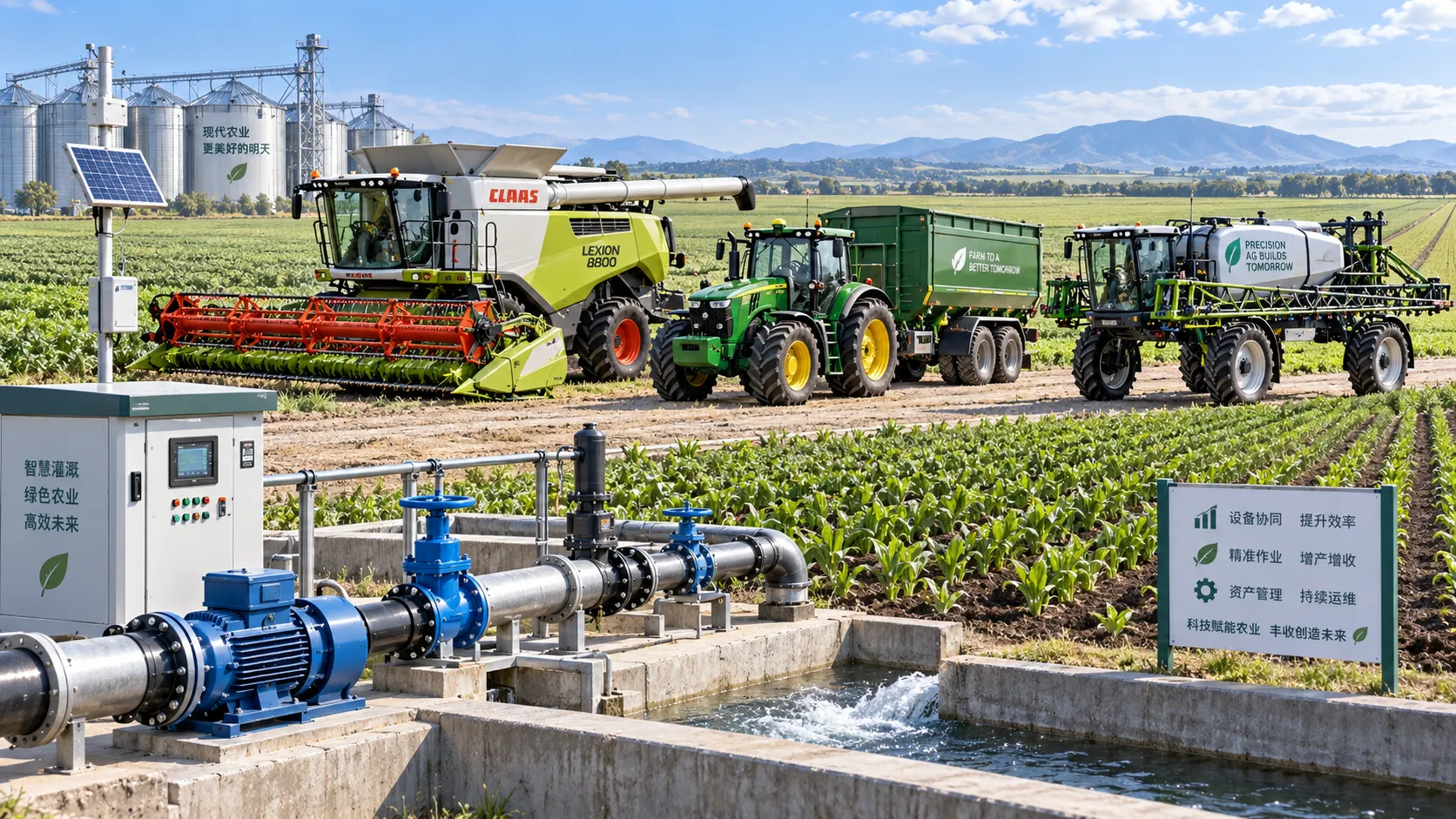
How to Compare Agricultural Equipment Platforms for Fleet Management and ROI
Agricultural equipment platform comparison: evaluate fleet data, maintenance, precision workflows, and ROI to choose a system that delivers measurable results.
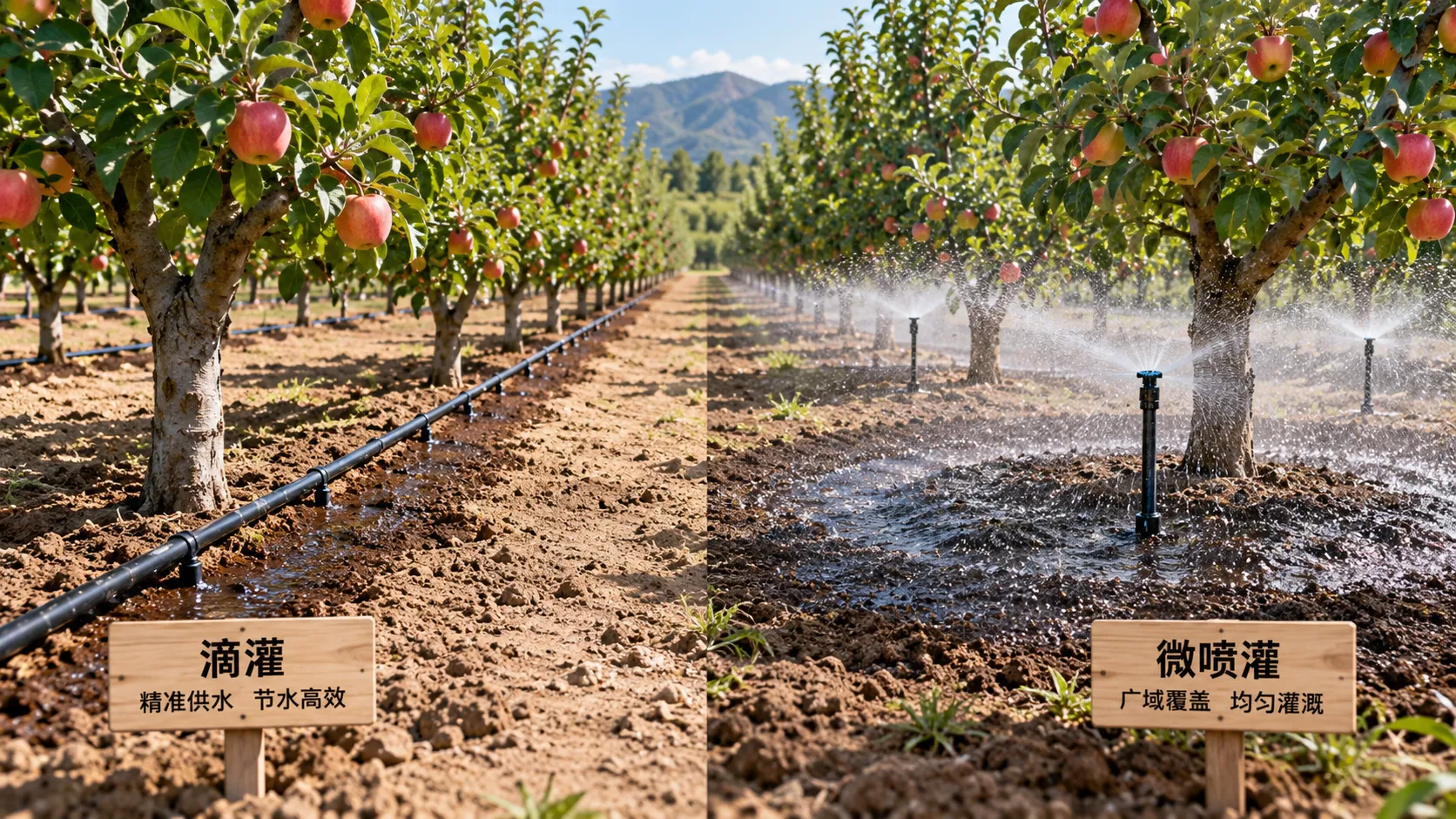
Drip vs. Micro-Sprinkler Irrigation: Which System Fits Your Orchard?
Irrigation solution comparison for orchards: discover whether drip or micro-sprinklers best match your water, soil, roots, fertigation, and frost needs.
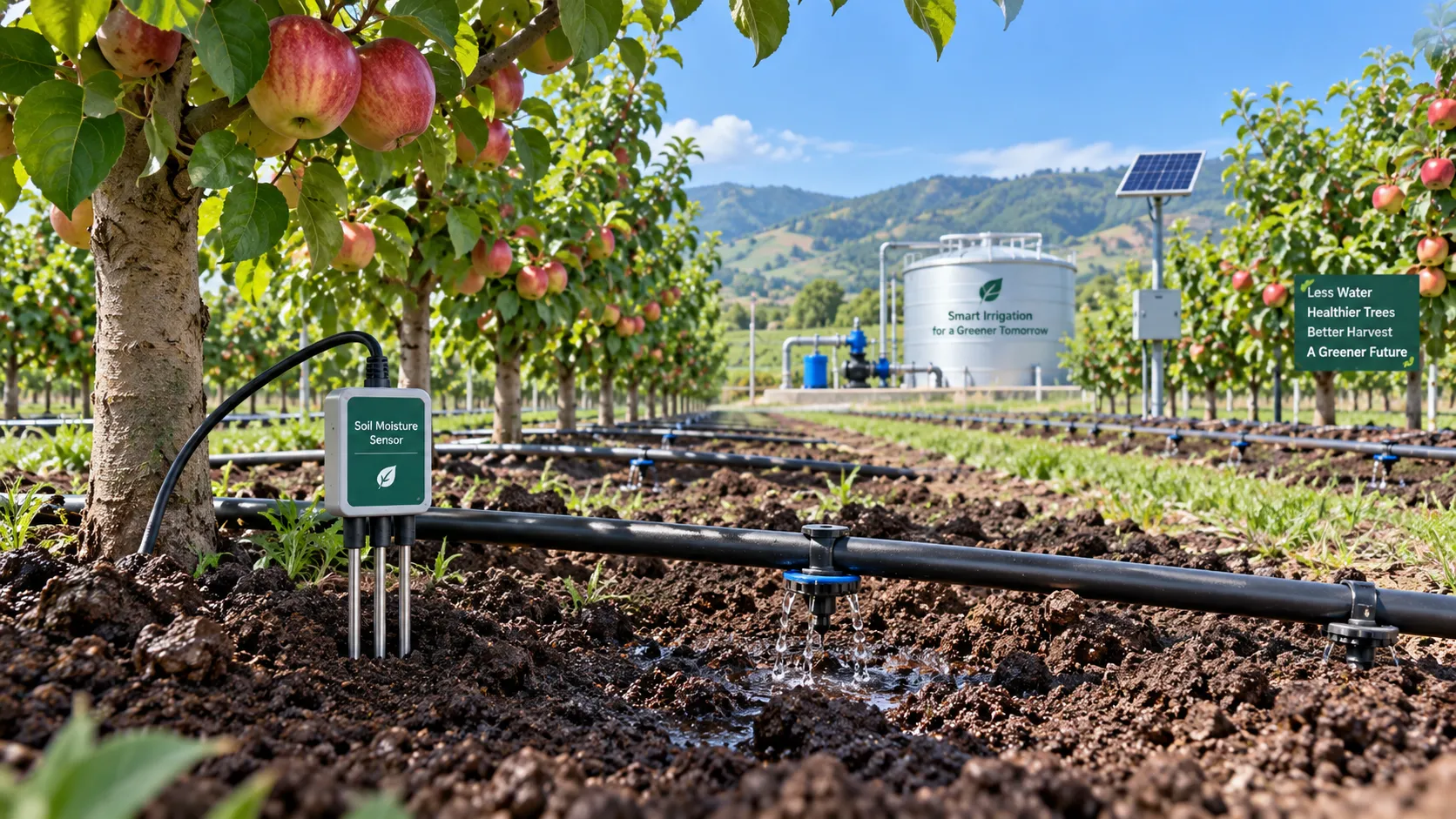
Orchard Water Management: Using Soil Moisture Data to Schedule Irrigation
Agricultural water management for orchards made practical: use soil moisture data to optimize irrigation timing, protect yield, reduce costs, and improve resilience.
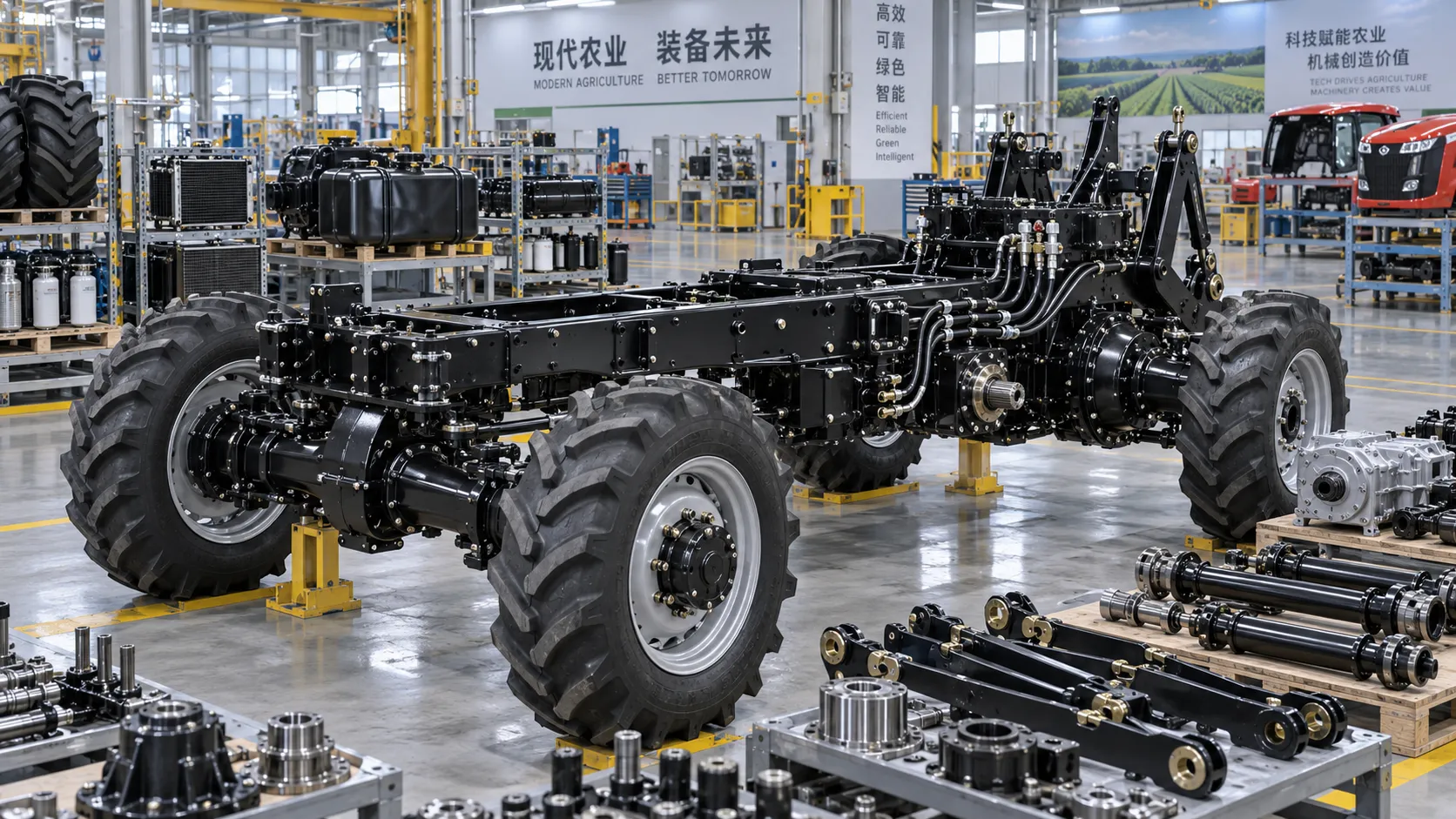
Tractor Chassis Price: What Buyers Should Compare Beyond the Initial Quote
Tractor chassis price is only the start. Compare load capacity, compatibility, durability, and lifecycle costs to choose a reliable, high-value chassis.
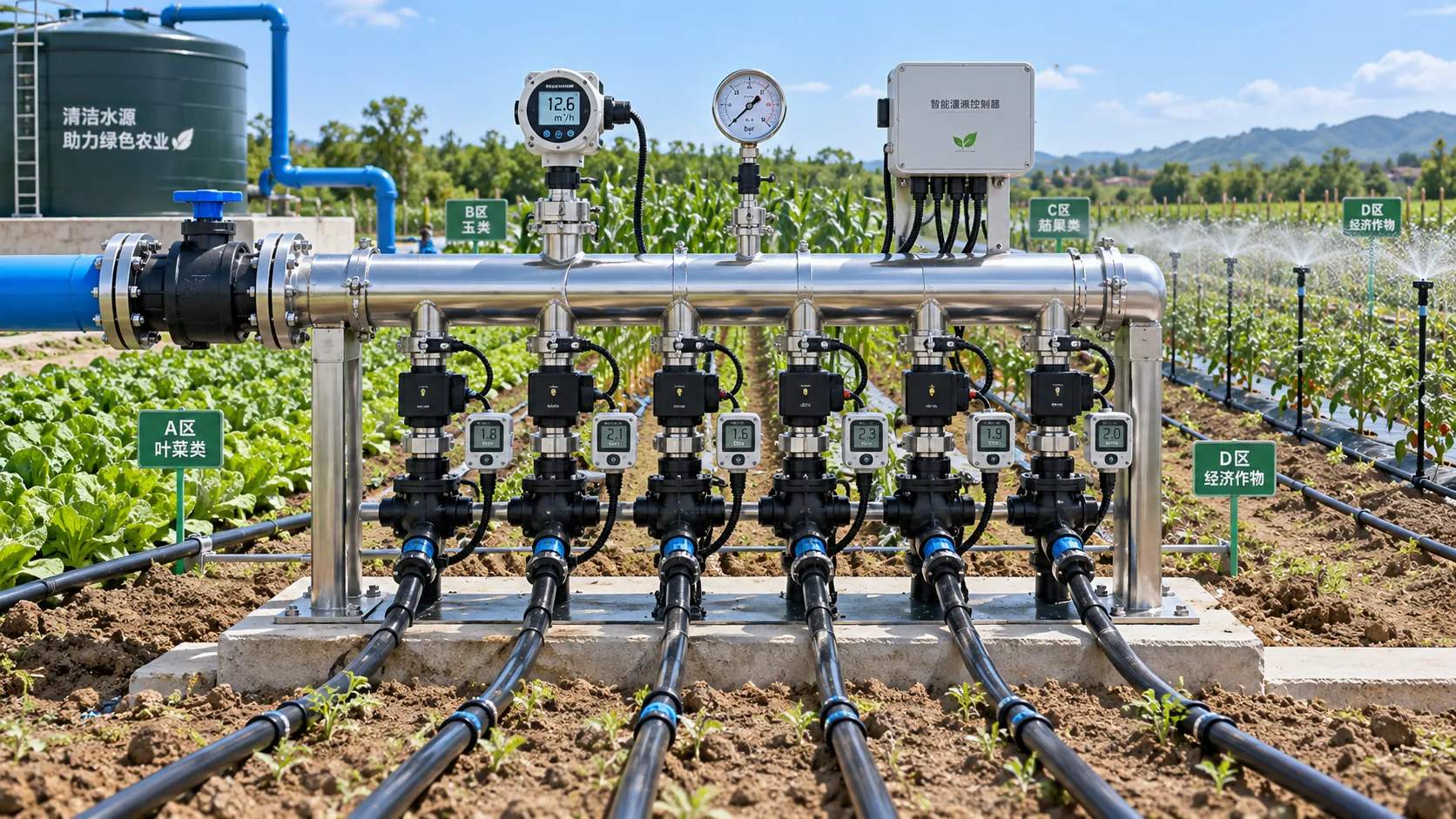
How to Select Smart Irrigation Valves for Multi-Zone Water Management?
Intelligent irrigation systems valves: learn how to match smart valves with multi-zone flow, pressure, control, feedback, and communication needs for reliable water management.
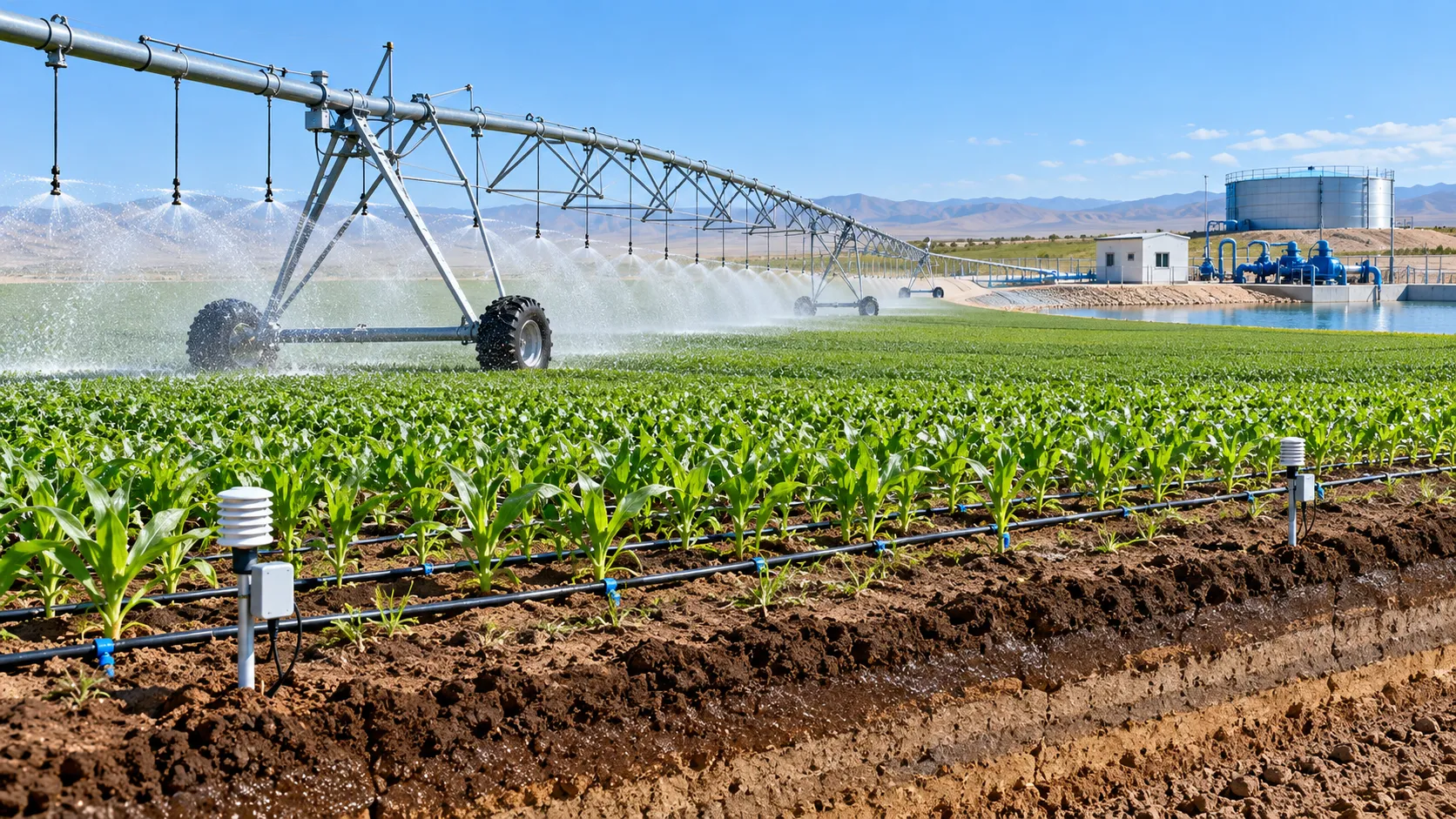
Climate-Smart Farming for Drought: A Practical Plan for Protecting Yields
Climate-smart farming for drought: build smarter water budgets, protect critical crop stages, improve irrigation uniformity, and safeguard yields with practical field-proven strategies.
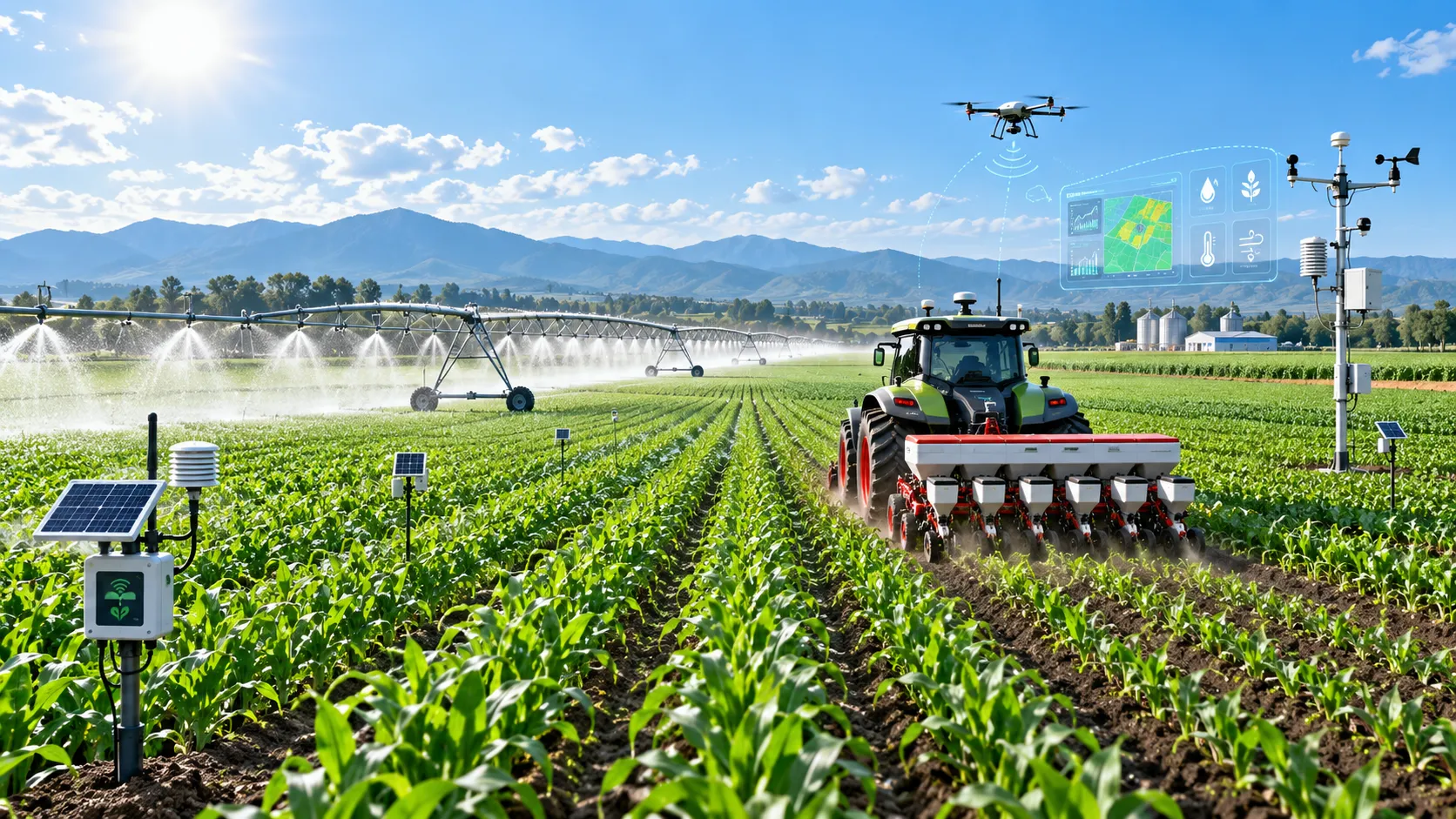
How Digital Agriculture Platforms Turn Field Data Into Better Input Decisions
Digital agriculture platforms turn field data into smarter fertilizer, water, seed, and equipment decisions—helping farms cut risk, improve margins, and scale sustainability.
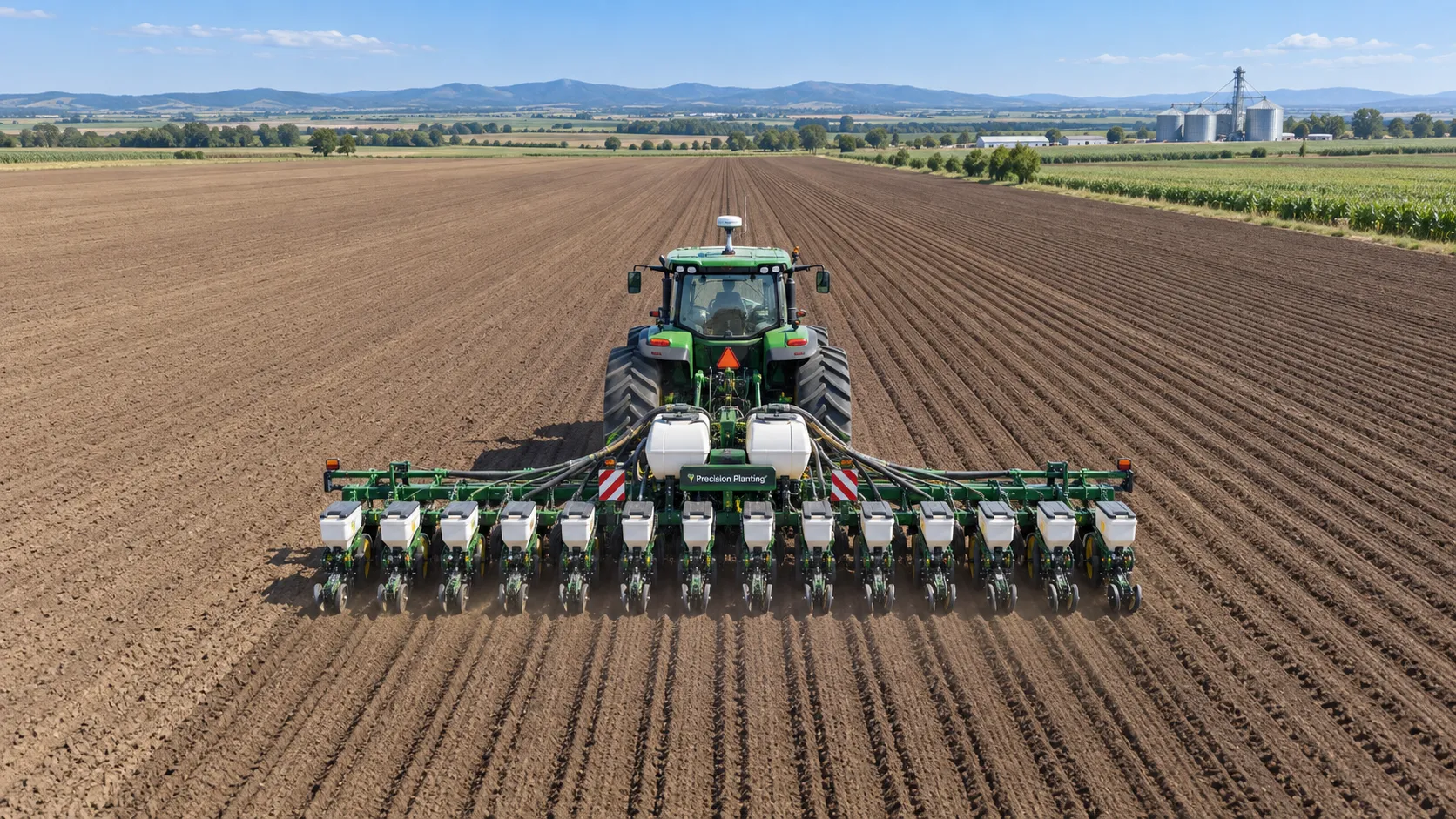
GPS-Guided Farm Machinery: Where It Delivers Measurable Field Efficiency Gains
Agri-mechanization GPS guided systems deliver measurable field efficiency gains through reduced overlap, precise planting, smarter inputs, and reliable farm data.
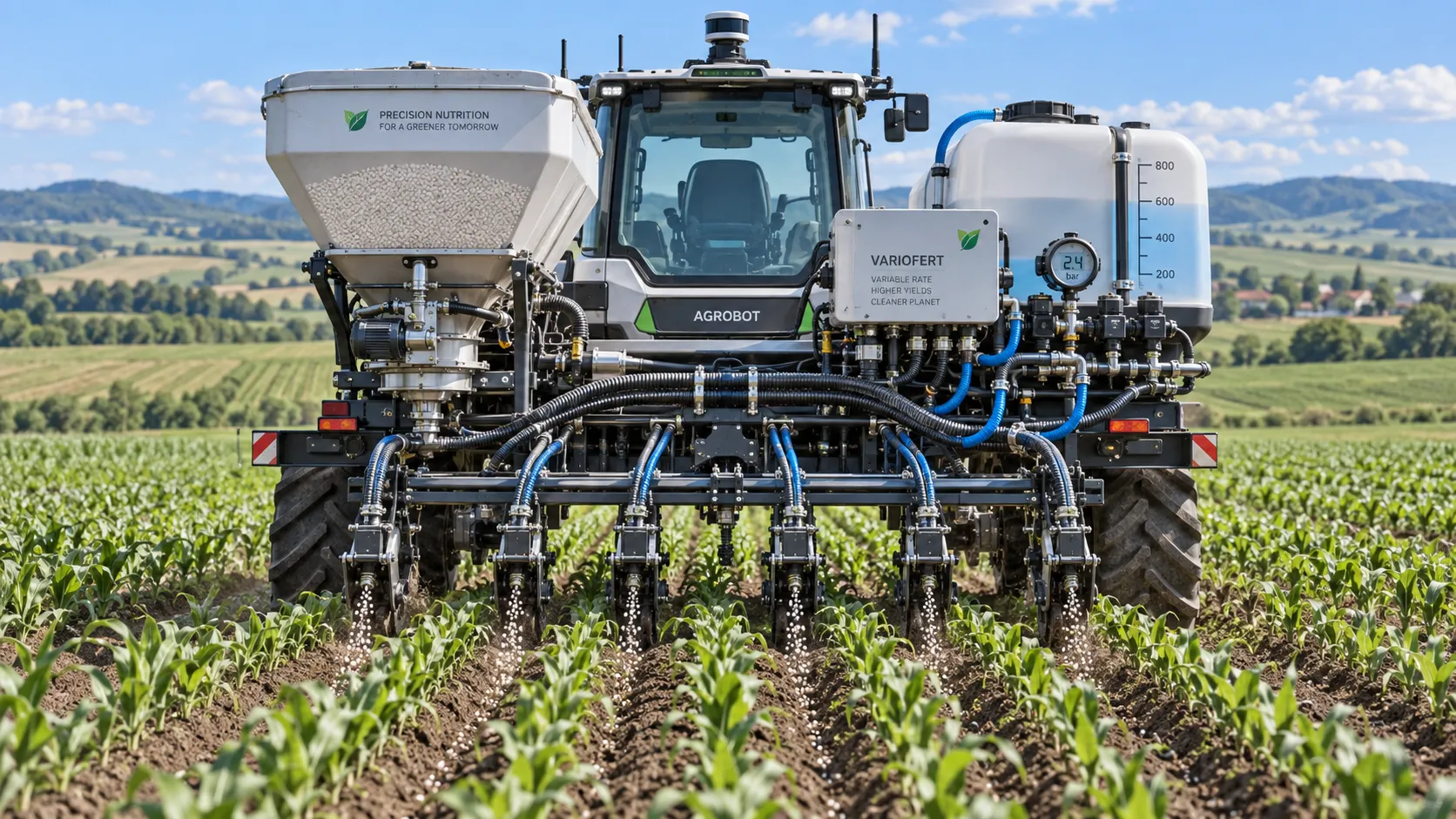
How Sensor Feedback Enables Accurate Variable-Rate Fertilization in Field Conditions
Precision fertilization systems with sensor feedback improve variable-rate accuracy by verifying flow, managing latency, and ensuring reliable field application.
Related News
- 00
0000-00
Orchard Water Management: Using Soil Moisture Data to Schedule Irrigation - 00
0000-00
Climate-Smart Farming for Drought: A Practical Plan for Protecting Yields - 00
0000-00
Selecting Real-Time Soil Moisture Sensors for Irrigation Zone Control - 00
0000-00
How Does Climate-Smart Farming Reduce Water Use in Semi-Arid Areas? - 00
0000-00
USDA Rule Takes Effect: Dual FCC and NRCS Approval for Soil Moisture Sensors
Popular Tags
Hydrological Resource Strategist
Weekly Insights
Stay ahead with our curated technology reports delivered every Monday.