
DLG Opens Fast-Track GPS Guidance Certification
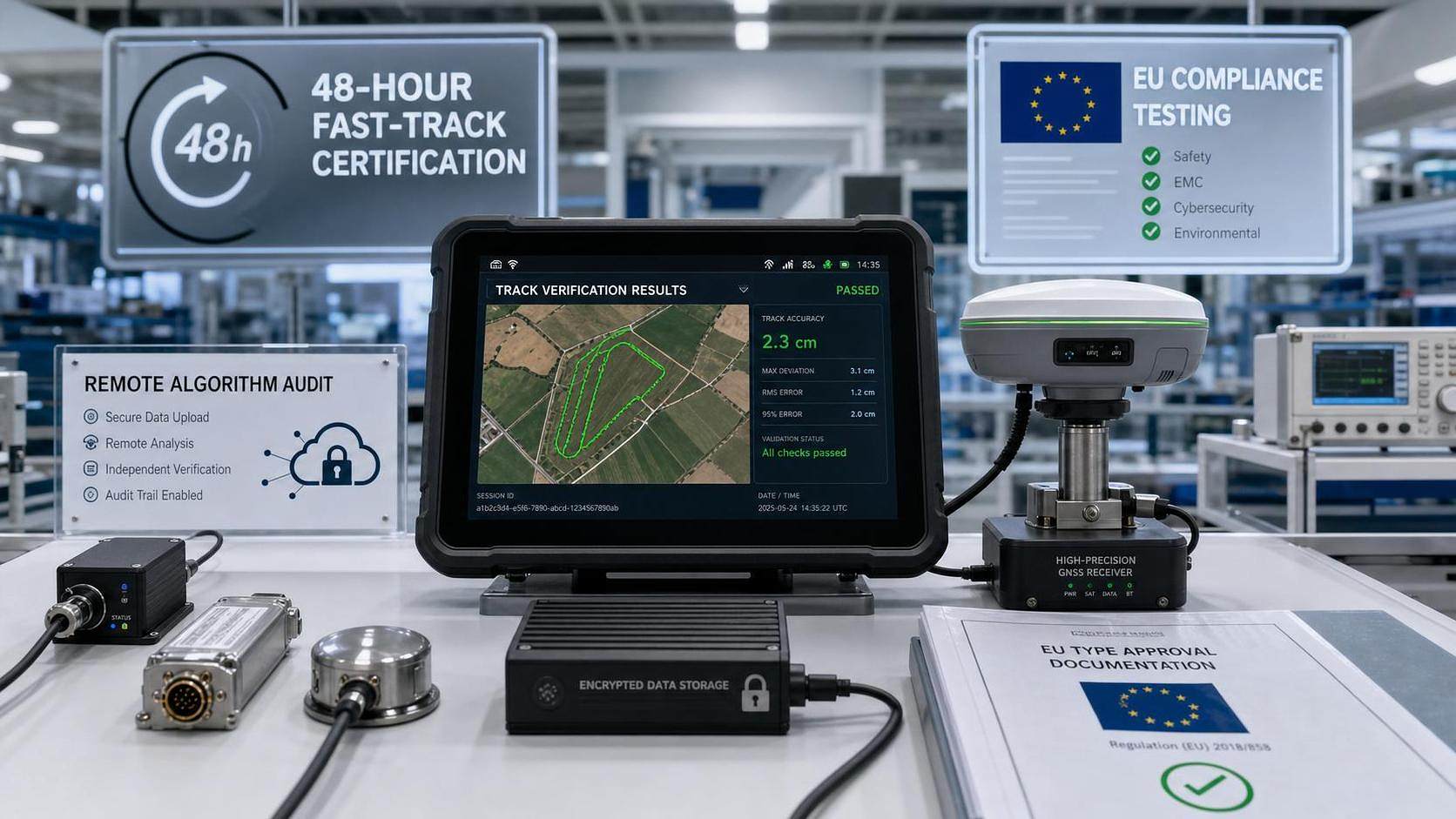




On July 7, 2026, Germany’s DLG announced a new certification route for GNSS-based GPS Guidance Systems that shifts part of the compliance process toward remote algorithm review. Under the new arrangement, manufacturers can submit encrypted positioning algorithm source code and field trajectory datasets through the cloud, with DLG’s AI validation platform checking alignment against ISO 11783-10:2026 and issuing a temporary compliance certificate within 48 hours. For manufacturers, exporters, certification teams, and buyers involved in agricultural navigation equipment, this is worth close attention because it points to a practical change in how market entry, compliance timing, and delivery planning may be handled for products targeting the EU market.
What DLG Confirmed on July 7
The confirmed facts are limited but commercially significant. DLG stated that it has launched an “Algorithm-First Certification” process for global GNSS navigation systems, also described as GPS Guidance Systems. The process allows manufacturers to upload encrypted positioning algorithm source code together with measured trajectory datasets to a cloud-based review channel. DLG’s AI validation platform then automatically compares those materials against ISO 11783-10:2026. According to the announcement, a temporary compliance certificate can be issued within 48 hours. The summary provided also states that this mechanism substantially shortens the time required for Chinese high-precision navigation devices to enter the EU market.
Where the Rule Change May Start to Matter
For device makers preparing EU market entry
Analysis shows the most immediate effect may fall on manufacturers of high-precision navigation equipment that need certification before product launch or shipment. If part of the review can move to encrypted remote submission, the compliance path may become more closely tied to software readiness, test dataset quality, and documentation discipline rather than only physical testing schedules. What deserves closer attention is whether internal certification teams are ready to package algorithm materials and trajectory evidence in a form that supports rapid review.
For exporters and delivery planning teams
From an industry perspective, export-facing businesses may see this as a timing change rather than only a technical change. A temporary compliance certificate issued within 48 hours could affect shipment sequencing, contract delivery commitments, and the timing of customs or distributor-side preparations. Companies involved in cross-border delivery should therefore watch how certification status is described in transaction documents, product files, and customer communications, especially where temporary certification may influence dispatch or acceptance milestones.
For buyers, distributors, and procurement functions
Procurement teams and channel partners may also be affected because certification lead time often shapes sourcing decisions. Observably, a faster route can alter how buyers compare suppliers when project schedules are tight. The practical issue is not only whether a product can obtain a certificate quickly, but also what type of certificate is being issued and how temporary compliance is treated in procurement reviews, qualification files, or tender documentation. That distinction may matter for purchasing decisions and acceptance procedures.
For certification support and testing service providers
Certification-related service providers may need to adjust their role as the workflow gives greater weight to algorithm evidence and measured trajectory datasets submitted through a secure cloud process. Analysis shows that documentation preparation, dataset integrity, and standard mapping to ISO 11783-10:2026 may become more central in pre-certification support work. This does not confirm any reduction in other testing requirements, but it does suggest that service models built around document readiness and traceable validation inputs may become more important.
Practical Points Companies Should Track Now
Prepare algorithm and dataset packages for review
Companies targeting this route should pay close attention to how positioning algorithm source code and measured trajectory datasets are organized, versioned, and retained. The announced process is built around those materials, so weak data traceability or inconsistent technical files could slow use of the fast-track channel even if the formal review window is short.
Check how temporary compliance is referenced in business documents
What deserves closer attention is how a temporary compliance certificate will be treated in contracts, bid files, customer approval procedures, and delivery documentation. The announcement confirms the availability of a temporary certificate, but it does not provide the full downstream execution language for every commercial context. Companies should therefore review whether internal and customer-facing document templates need adjustment.
Monitor execution language around ISO 11783-10:2026 alignment
From an industry perspective, the reference to automatic comparison against ISO 11783-10:2026 makes standard alignment a front-line issue. Businesses should be ready to map their technical documentation and validation evidence clearly to that standard reference. Since the input does not include further procedural detail, it is more appropriate to treat this as an area requiring continued monitoring rather than as a fully settled operating playbook.
Revisit scheduling assumptions across certification and shipment
Analysis shows companies may need to update internal assumptions about certification lead time, production release, and export scheduling. A 48-hour temporary certification window can influence planning, but businesses should avoid treating that timing as a guarantee for every case until more execution feedback, official clarification, or market practice becomes visible.
How This Change Should Be Read at This Stage
Observably, this development is more than a routine product announcement because it signals a procedural adjustment in certification handling for GPS Guidance Systems. At the same time, it should not yet be read as a complete picture of all compliance obligations or downstream acceptance conditions. It is more appropriate to understand this as an execution signal: DLG has introduced a faster, algorithm-centered review path, and the market now needs to watch how that path is interpreted in certification practice, procurement screening, and delivery workflows.
A Shorter Path, but Not the Last Word
The main industry significance of this update is that a recognized certification workflow appears to be moving toward remote algorithm validation with a much shorter temporary approval cycle. For manufacturers and exporters, especially those supplying high-precision navigation equipment into the EU market, that can change the pace of compliance preparation and market entry planning. Still, the most balanced reading is that this is a meaningful operational change with immediate relevance, while the full execution impact will depend on how certification language, commercial acceptance, and market-side implementation develop in practice.
Basis of This Article and What Still Needs Verification
This article is based on the user-provided news title, event date, and event summary. For developments of this kind, relevant source categories typically include official announcements, industry association releases, regulatory publications, standard organization documents, trade authority information, and reporting by established industry media. No specific official source link was provided in the input, so the exact official publication link remains to be verified. What still warrants ongoing attention includes detailed execution rules, certification interpretation, changes in tender or procurement documents, market feedback, and how companies implement the process in actual export and delivery workflows.
Related News

How to Specify Combine Harvester Systems for High-Moisture Grain and Variable Field Conditions
Combine harvester systems for high-moisture grain: learn how to specify threshing, cleaning, headers, traction, and automation for reliable harvests in variable fields.

How to Compare Agricultural Equipment Platforms for Fleet Management and ROI
Agricultural equipment platform comparison: evaluate fleet data, maintenance, precision workflows, and ROI to choose a system that delivers measurable results.
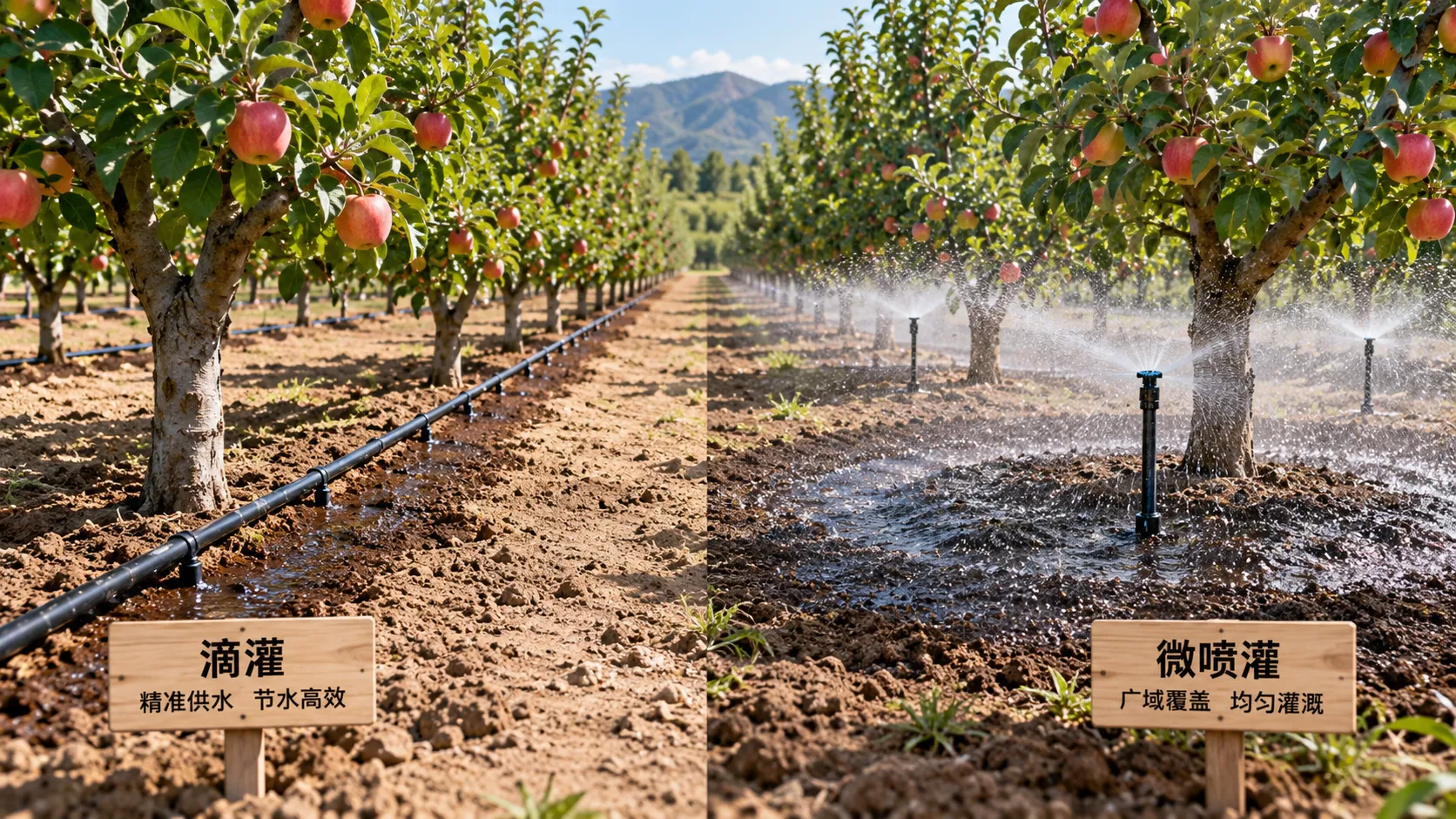
Drip vs. Micro-Sprinkler Irrigation: Which System Fits Your Orchard?
Irrigation solution comparison for orchards: discover whether drip or micro-sprinklers best match your water, soil, roots, fertigation, and frost needs.
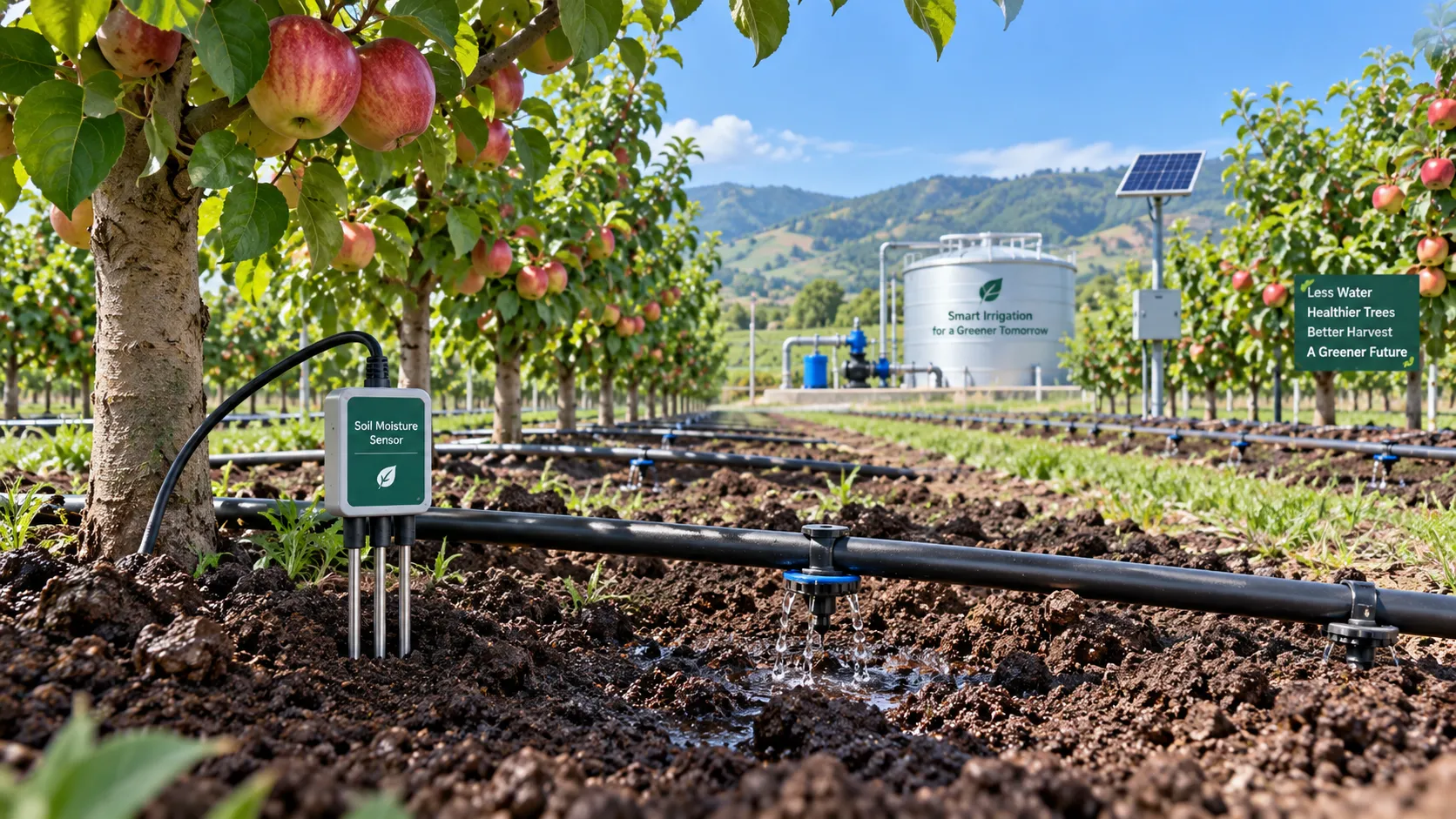
Orchard Water Management: Using Soil Moisture Data to Schedule Irrigation
Agricultural water management for orchards made practical: use soil moisture data to optimize irrigation timing, protect yield, reduce costs, and improve resilience.

Tractor Chassis Price: What Buyers Should Compare Beyond the Initial Quote
Tractor chassis price is only the start. Compare load capacity, compatibility, durability, and lifecycle costs to choose a reliable, high-value chassis.
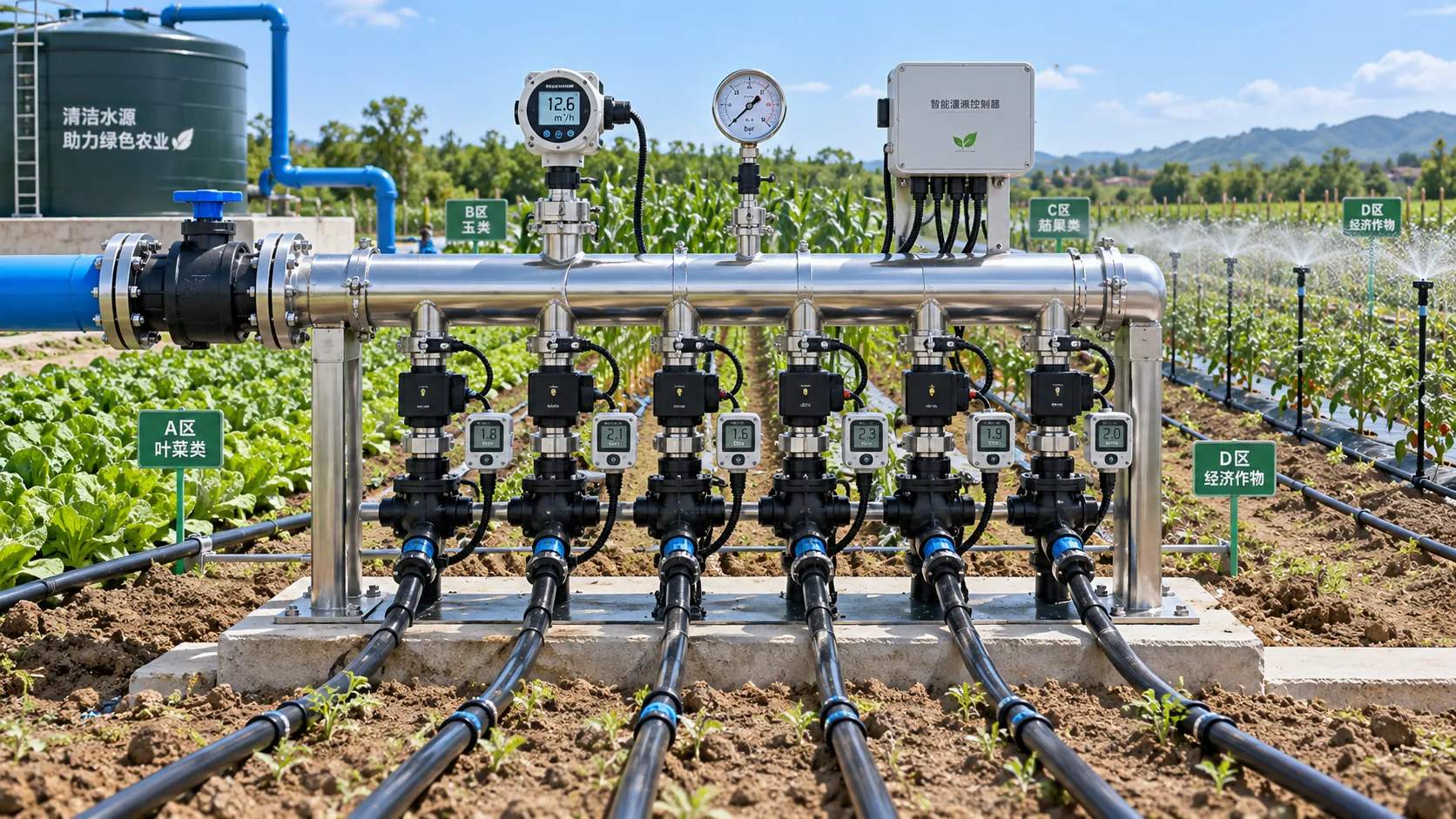
How to Select Smart Irrigation Valves for Multi-Zone Water Management?
Intelligent irrigation systems valves: learn how to match smart valves with multi-zone flow, pressure, control, feedback, and communication needs for reliable water management.
Climate-Smart Farming for Drought: A Practical Plan for Protecting Yields
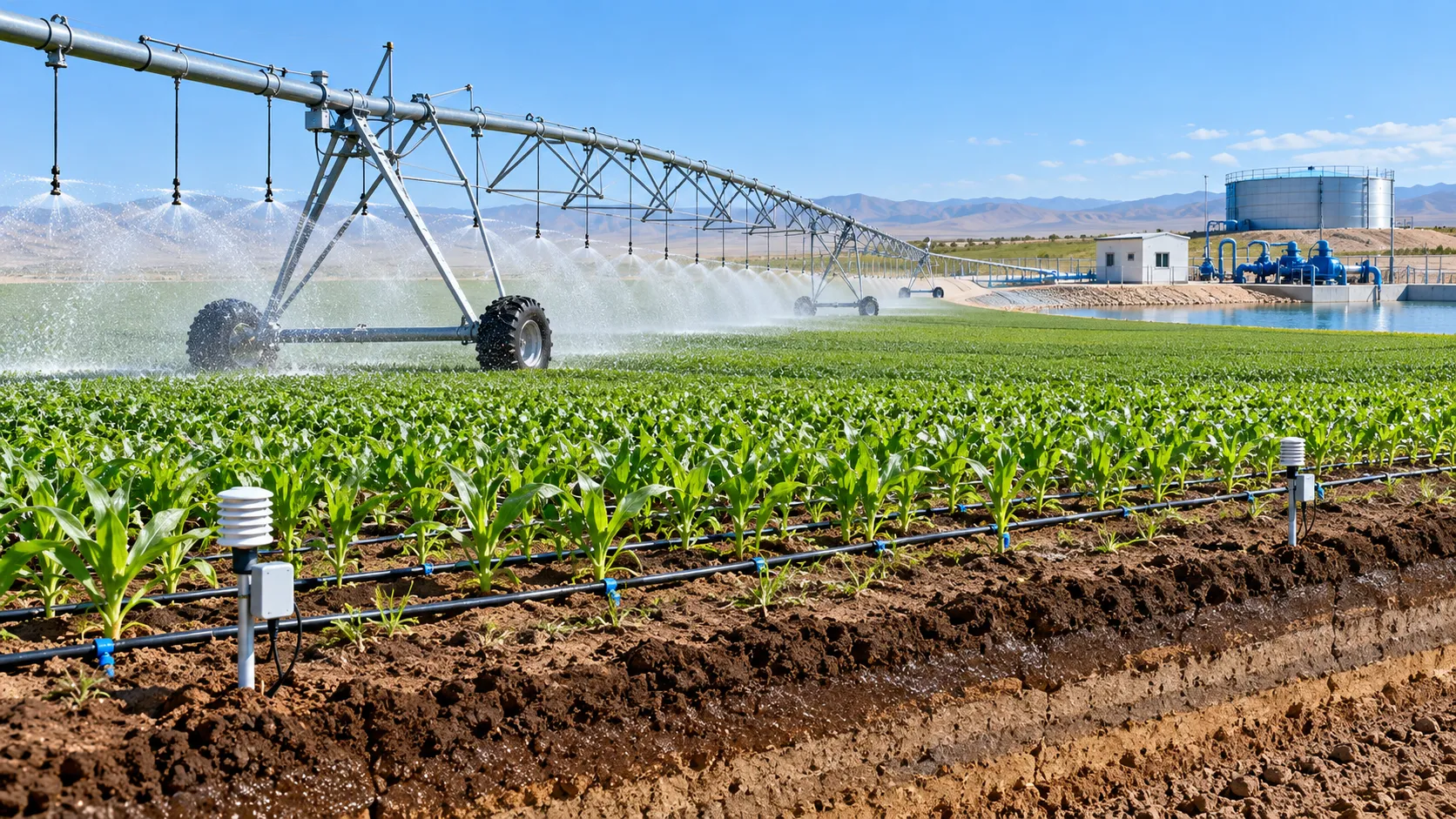
Climate-smart farming for drought: build smarter water budgets, protect critical crop stages, improve irrigation uniformity, and safeguard yields with practical field-proven strategies.

How Digital Agriculture Platforms Turn Field Data Into Better Input Decisions
Digital agriculture platforms turn field data into smarter fertilizer, water, seed, and equipment decisions—helping farms cut risk, improve margins, and scale sustainability.

GPS-Guided Farm Machinery: Where It Delivers Measurable Field Efficiency Gains
Agri-mechanization GPS guided systems deliver measurable field efficiency gains through reduced overlap, precise planting, smarter inputs, and reliable farm data.
Related News
- 00
0000-00
GPS-Guided Farm Machinery: Where It Delivers Measurable Field Efficiency Gains - 00
0000-00
ISOBUS for Smart Agriculture: How It Connects Tractors, Implements, and Farm Data - 00
0000-00
How North American Farms Can Select Crop Monitoring Systems by Acreage and Connectivity - 00
0000-00
How Tractor Intelligence Systems Improve Field Efficiency and Input Accuracy - 00
0000-00
Which equipment for larger fields maintains accuracy at higher speeds?
Popular Tags
Tractor Power Architect
Weekly Insights
Stay ahead with our curated technology reports delivered every Monday.