
EU Tightens REACH Limit for Lead Solder in GPS Systems
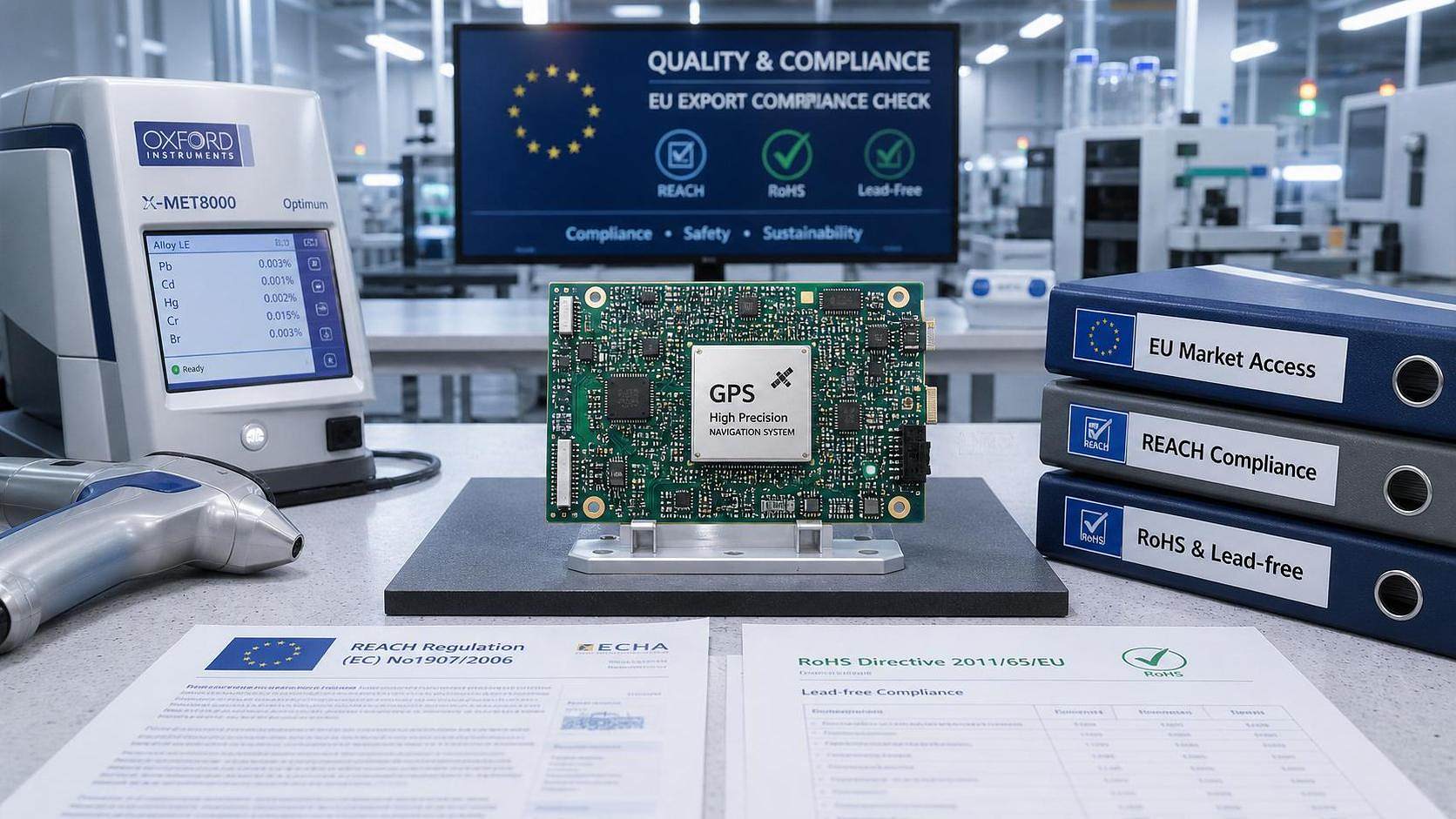




On July 4, 2026, the EU moved to tighten REACH controls for lead-based solder used in PCB modules within GPS guidance systems, lowering the allowed concentration from 0.1% to 0.01%. The change applies to complete products and key subsystems entering the EU market and takes effect without a transition period. For exporters, manufacturers, compliance teams, and cross-border supply chain operators, this is not just a specification update; it is an immediate market-access issue tied to documentation, testing, and customs risk.
What the REACH update confirms
According to the information provided, ECHA updated Entry 63 of REACH Annex XVII on July 4, 2026. The revised restriction lowers the permitted concentration of lead-based solder in PCB modules used in GPS guidance systems from 0.1% to 0.01%.
The scope covers all complete units and key subsystems placed on the EU market. The new requirement has no grace period. The same information also states that Chinese exporters must immediately provide both RoHS and REACH compliance declarations, together with third-party ICP-MS test reports, or face a risk of customs detention.
Where the immediate pressure is likely to appear
Export-facing product suppliers
From an industry perspective, companies shipping GPS guidance systems or related key subsystems into the EU are the first group likely to feel the impact. The pressure is concentrated in shipment readiness, document preparation, and product release decisions, because the rule applies to goods entering the EU market and does not provide a transition period.
PCB module and manufacturing operations
Analysis shows that manufacturers involved in PCB module production may face direct scrutiny over material composition at the module level. The practical issue is not only whether the finished unit can be sold, but whether the solder content within the relevant PCB module can be supported by compliance evidence aligned with the tighter threshold.
Procurement and supplier coordination teams
For procurement functions, the likely impact is upstream. What deserves closer attention is whether suppliers can provide compliant declarations and test support quickly enough for ongoing orders, deliveries, and customer audits. Where supply chains depend on multiple tiers, documentation gaps may become as disruptive as product non-compliance.
Logistics, customs, and trade support providers
Supply chain service providers may also see higher execution risk. Based on the provided information, customs detention becomes a realistic exposure when RoHS and REACH declarations or third-party ICP-MS reports are missing. That means trade documentation, pre-shipment review, and border clearance support may become more sensitive operational checkpoints.
What companies should check now
Separate confirmed requirements from internal assumptions
The confirmed facts are clear: the limit has been reduced, the scope includes complete products and key subsystems entering the EU market, and there is no grace period. Companies should avoid relying on older internal specifications or informal supplier assurances that still reflect the previous 0.1% threshold.
Review documentation readiness, not only product status
Observably, the compliance burden here is documentary as well as technical. The information provided specifically highlights the need for dual RoHS and REACH declarations plus third-party ICP-MS test reports. Businesses should therefore verify whether the required documents are current, product-specific, and available for shipment use rather than assuming that general compliance files are sufficient.
Focus on EU-bound inventory and in-transit orders
What deserves closer attention is the status of products already scheduled for the EU market. Because there is no transition period, the key business question is whether existing inventory, pending deliveries, and near-term exports can still be supported by the necessary compliance evidence under the new threshold.
Align supplier communication with delivery risk
For teams managing suppliers and customers, the immediate task is practical communication. This includes confirming material declarations, requesting third-party test reports where needed, and preparing explanations for customers if shipment timing or acceptance conditions change because of the new requirement.
Why this should be read as more than a routine parameter change
Analysis shows that this update is more appropriately understood as an immediate compliance signal rather than a distant policy direction. The absence of a grace period shifts the issue from long-term planning into current execution, especially for companies already moving GPS guidance systems or critical subsystems into the EU.
At the same time, it is still appropriate to treat broader market impact with caution. The provided information confirms a tighter restriction and associated documentation risk, but it does not by itself establish how widely supply chains have already adapted or whether further clarifications may follow. That is why continued monitoring remains necessary.
How to frame the development at this stage
At this stage, the most reasonable reading is that the EU REACH update creates an immediate threshold and proof burden for affected GPS guidance system products entering the EU market. For industry participants, the significance lies less in headline policy language and more in how quickly compliance data, declarations, and test reports can be matched to real shipments. It is more appropriate to understand this as a live market-access requirement with operational consequences, while continuing to watch for any further official clarification.
Basis of this article and points to keep watching
This article is based on the user-provided news title, event date, and event summary. For developments of this kind, relevant source categories typically include official regulatory notices, company compliance notices, industry association updates, authoritative media coverage, and standards or regulatory documentation.
No specific official source link was provided in the input, so the exact official publication path still requires ongoing verification. Follow-up attention should remain on any additional official wording, enforcement interpretation, or documentation expectations connected with the revised REACH restriction and its application to EU-bound products.
Related News

Tractor Chassis Price: What Buyers Should Compare Beyond the Initial Quote
Tractor chassis price is only the start. Compare load capacity, compatibility, durability, and lifecycle costs to choose a reliable, high-value chassis.
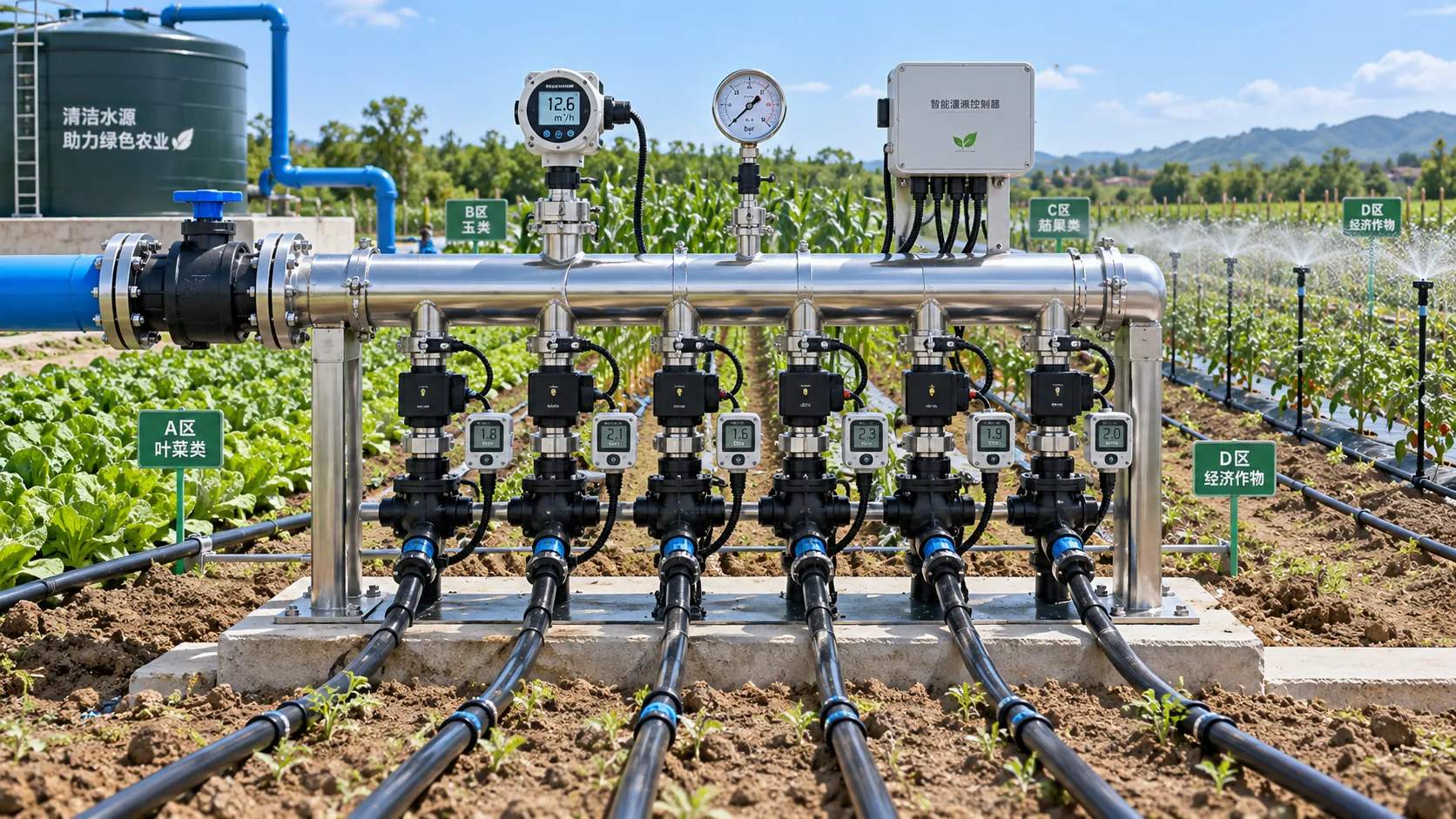
How to Select Smart Irrigation Valves for Multi-Zone Water Management?
Intelligent irrigation systems valves: learn how to match smart valves with multi-zone flow, pressure, control, feedback, and communication needs for reliable water management.

Climate-Smart Farming for Drought: A Practical Plan for Protecting Yields
Climate-smart farming for drought: build smarter water budgets, protect critical crop stages, improve irrigation uniformity, and safeguard yields with practical field-proven strategies.

How Digital Agriculture Platforms Turn Field Data Into Better Input Decisions
Digital agriculture platforms turn field data into smarter fertilizer, water, seed, and equipment decisions—helping farms cut risk, improve margins, and scale sustainability.

GPS-Guided Farm Machinery: Where It Delivers Measurable Field Efficiency Gains
Agri-mechanization GPS guided systems deliver measurable field efficiency gains through reduced overlap, precise planting, smarter inputs, and reliable farm data.

How Sensor Feedback Enables Accurate Variable-Rate Fertilization in Field Conditions
Precision fertilization systems with sensor feedback improve variable-rate accuracy by verifying flow, managing latency, and ensuring reliable field application.

How to Select Precision Crop Protection Equipment for Variable Field Conditions
Precision crop protection equipment selection made simple: compare terrain, canopy, weather, control accuracy, and data workflows for reliable applications.

When Does Agricultural Machinery Leasing Cost Less Than Owning Equipment?
Agricultural machinery leasing can lower farm costs when use is seasonal or uncertain. Compare utilization, maintenance, cash flow, and risk to make a smarter equipment decision.

How to Evaluate Precision Fertilization System Suppliers for Farm-Scale Deployment
Precision fertilization systems suppliers: learn how to compare accuracy, integration, uptime, service, and total cost for confident farm-scale deployment.
Related News
- 00
0000-00
GPS-Guided Farm Machinery: Where It Delivers Measurable Field Efficiency Gains - 00
0000-00
ISOBUS for Smart Agriculture: How It Connects Tractors, Implements, and Farm Data - 00
0000-00
How North American Farms Can Select Crop Monitoring Systems by Acreage and Connectivity - 00
0000-00
How Tractor Intelligence Systems Improve Field Efficiency and Input Accuracy - 00
0000-00
Which equipment for larger fields maintains accuracy at higher speeds?
Popular Tags
Tractor Power Architect
Weekly Insights
Stay ahead with our curated technology reports delivered every Monday.