
How to Compare Farm Machinery Platforms for Multi-Brand Fleet Management
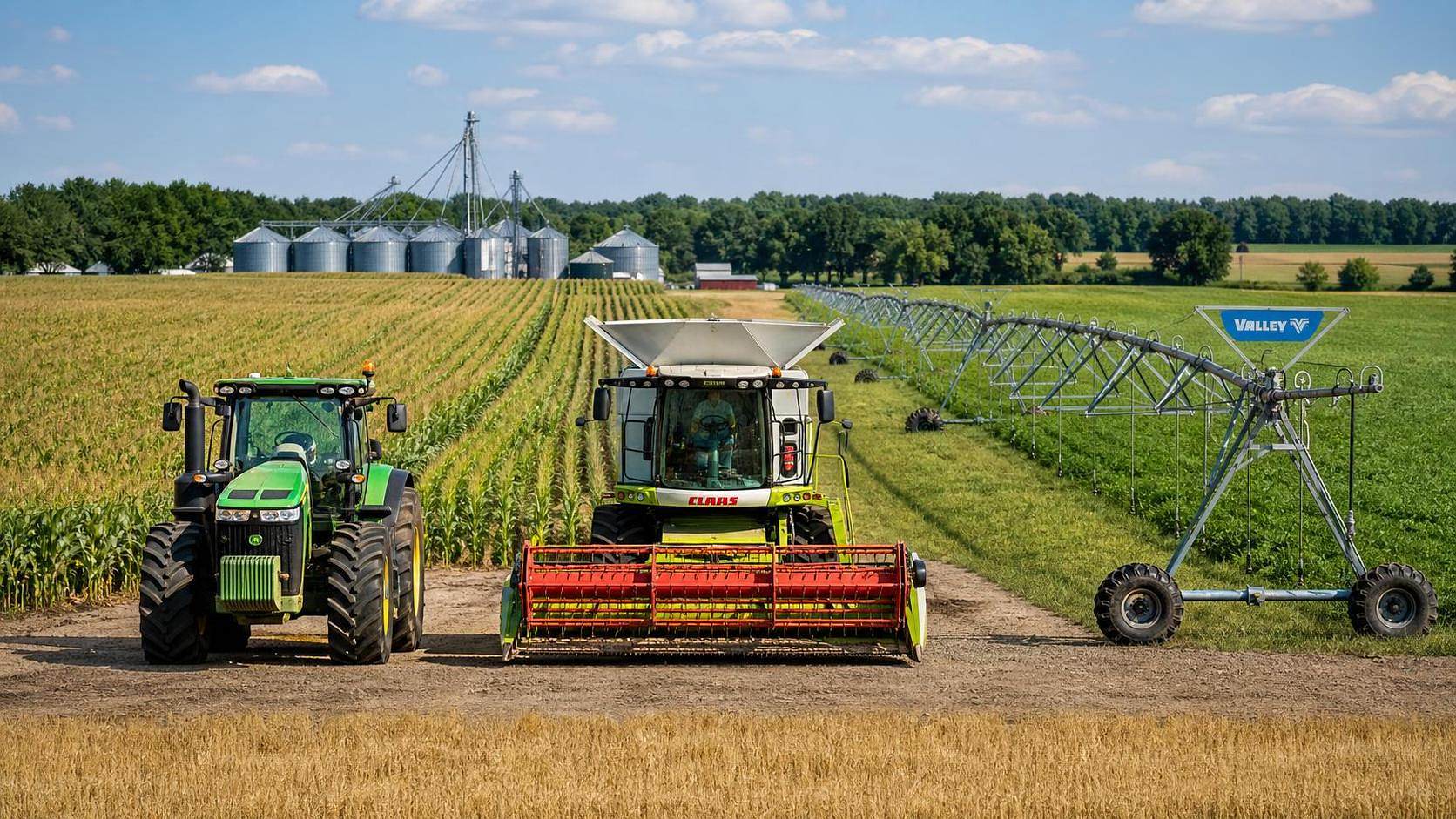




How to Approach a Farm Machinery Platform Comparison for Multi-Brand Fleet Management
For enterprise leaders managing mixed fleets across regions, a smart farm machinery platform comparison is essential to reduce downtime, unify data, and improve equipment ROI.
This matters even more when tractors, combines, sprayers, and irrigation assets come from different brands, generations, and dealer networks.
A weak platform creates blind spots.
A strong one turns machine data into operational control.
In practical terms, the right choice should help you see where machines are, how they perform, when they need service, and how field work connects to agronomic outcomes.
That is the core goal of any serious farm machinery platform comparison.
Start With the Operating Model, Not the Software Demo
Many platform evaluations fail because teams begin with dashboard features instead of fleet reality.
Before any farm machinery platform comparison, define the operating model you actually manage.
List the brands in use, machine ages, telematics devices, crops, regions, service dependencies, and seasonal workload peaks.
From there, identify where fragmentation hurts performance most.
- Is dispatch visibility poor during planting and harvest?
- Are maintenance records split across dealers and spreadsheets?
- Do agronomy and machinery teams use different field maps?
- Is fuel, idle time, or cleaning loss data hard to compare?
These questions keep the farm machinery platform comparison tied to business outcomes, not vendor marketing language.
Multi-Brand Compatibility Should Be the First Filter
For mixed fleets, compatibility is not a technical detail.
It is the foundation of platform value.
A useful farm machinery platform comparison should test whether the system supports native integration across major OEMs, aftermarket devices, and older equipment still critical to peak operations.
Do not accept broad claims like “brand-agnostic” without detail.
Ask what data is truly normalized across brands.
- Machine location and geofencing
- Engine hours and fuel consumption
- Diagnostic trouble codes
- Implement activity and task records
- Yield, moisture, and harvest loss indicators
- Irrigation pump, valve, or sensor telemetry where relevant
The more uneven the data model, the less reliable your cross-fleet decisions become.
This is where a disciplined farm machinery platform comparison quickly separates mature platforms from shallow aggregators.
Check the Depth of Telematics Integration
Not all integrations are equal.
Some platforms only pull location pings.
Others bring in machine health, field activity, operator behavior, and task-level execution data.
During a farm machinery platform comparison, ask vendors to map data flow from machine to decision screen.
That includes update frequency, data ownership, latency, historical retention, and API access.
From recent market changes, a clearer signal is the shift toward near real-time fleet coordination.
That matters during compressed weather windows, when field delays can ripple across labor, grain logistics, and irrigation scheduling.
A strong platform should show:
- Which machines are active, idle, moving, or faulted.
- Which fields are on schedule or falling behind.
- Which assets need intervention before failure affects throughput.
Without that depth, the farm machinery platform comparison may look good on paper but weak in seasonal execution.
Evaluate Maintenance and Service Workflows Carefully
Downtime is where platform quality becomes very visible.
A useful farm machinery platform comparison should examine how the system supports preventive maintenance, parts planning, and dealer coordination.
The key issue is not just receiving alerts.
It is whether alerts trigger a practical workflow.
- Can service intervals be standardized across brands?
- Can fault codes be ranked by severity and seasonality?
- Can parts demand be forecast from usage and failure history?
- Can local teams, dealers, and headquarters work from the same case record?
This also affects total cost of ownership.
In actual operations, one avoidable combine stoppage during harvest can outweigh months of software savings.
That is why any serious farm machinery platform comparison should score service responsiveness and repair workflow quality, not just interface design.
Connect Machinery Data to Precision Agriculture Work
The next step is operational intelligence.
A modern farm machinery platform comparison should test how well machinery data supports precision-ag workflows.
This includes boundary maps, guidance lines, prescription execution, seeding records, spray traceability, harvest analytics, and irrigation decision support.
The best platforms do more than display machine status.
They connect field performance with agronomic intent.
That means you can compare equipment productivity with yield zones, soil variability, water use, or application accuracy.
For organizations balancing machinery investment with sustainability targets, this is a major decision point.
A farm machinery platform comparison should show whether the platform can support lower input waste, tighter documentation, and better resource efficiency over time.
Look Beyond Features to Data Governance and Scalability
As fleets expand across regions, platform risk shifts from visibility to governance.
This also means your farm machinery platform comparison should include structural questions.
- Who owns the machine and field data?
- How easily can data be exported or migrated?
- What permissions exist for operators, managers, dealers, and partners?
- Can the system support new brands, new farms, and new countries without rework?
- Does the vendor have a clear roadmap for autonomous and electric machinery?
These issues often look secondary during procurement.
Later, they become critical.
An effective farm machinery platform comparison should protect future flexibility as much as current usability.
Use a Weighted Evaluation Framework
To keep the process disciplined, use a weighted scorecard.
This prevents the loudest demo from driving the decision.
A practical farm machinery platform comparison often includes the following categories.
This structure makes a farm machinery platform comparison more defensible internally, especially when procurement, operations, and agronomy teams view value differently.
Common Mistakes That Distort the Decision
Several mistakes appear repeatedly in platform selection projects.
- Scoring interface polish higher than integration depth
- Ignoring legacy assets that still carry seasonal workload
- Testing during low-pressure periods instead of peak operations
- Leaving dealer and service teams out of the evaluation
- Underestimating user training and change management
Each one can weaken the outcome of a farm machinery platform comparison.
More importantly, each one delays the platform’s ability to improve uptime, coordination, and field-level performance.
Final Decision Criteria for Long-Term Value
In the end, the best farm machinery platform comparison is not about choosing the platform with the most features.
It is about choosing the one that gives consistent control across a diverse fleet.
That platform should unify machine intelligence, support precision-ag execution, improve service coordination, and stay flexible as machinery strategy evolves.
For organizations navigating the Agriculture 4.0 transition, this decision influences productivity, sustainability, and capital efficiency at the same time.
A careful farm machinery platform comparison gives you a better chance of making that decision once, and making it well.
Build the shortlist around real operating needs, validate it in live workflows, and score every option against measurable cross-brand performance.
Related News
How to Compare Agricultural Equipment Platforms for Fleet Management and ROI
Agricultural equipment platform comparison: evaluate fleet data, maintenance, precision workflows, and ROI to choose a system that delivers measurable results.
Drip vs. Micro-Sprinkler Irrigation: Which System Fits Your Orchard?
Irrigation solution comparison for orchards: discover whether drip or micro-sprinklers best match your water, soil, roots, fertigation, and frost needs.
Orchard Water Management: Using Soil Moisture Data to Schedule Irrigation
Agricultural water management for orchards made practical: use soil moisture data to optimize irrigation timing, protect yield, reduce costs, and improve resilience.
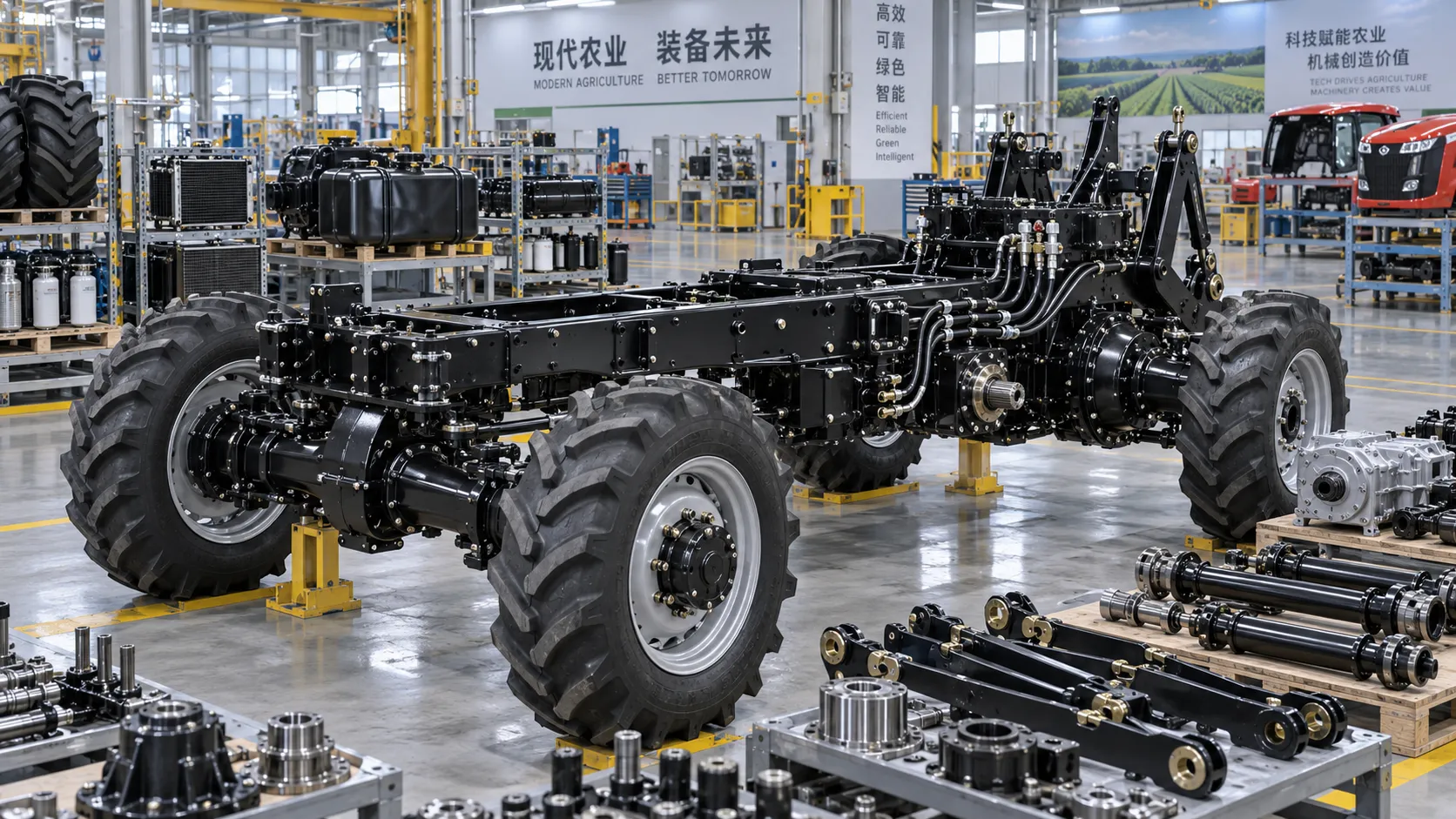
Tractor Chassis Price: What Buyers Should Compare Beyond the Initial Quote
Tractor chassis price is only the start. Compare load capacity, compatibility, durability, and lifecycle costs to choose a reliable, high-value chassis.
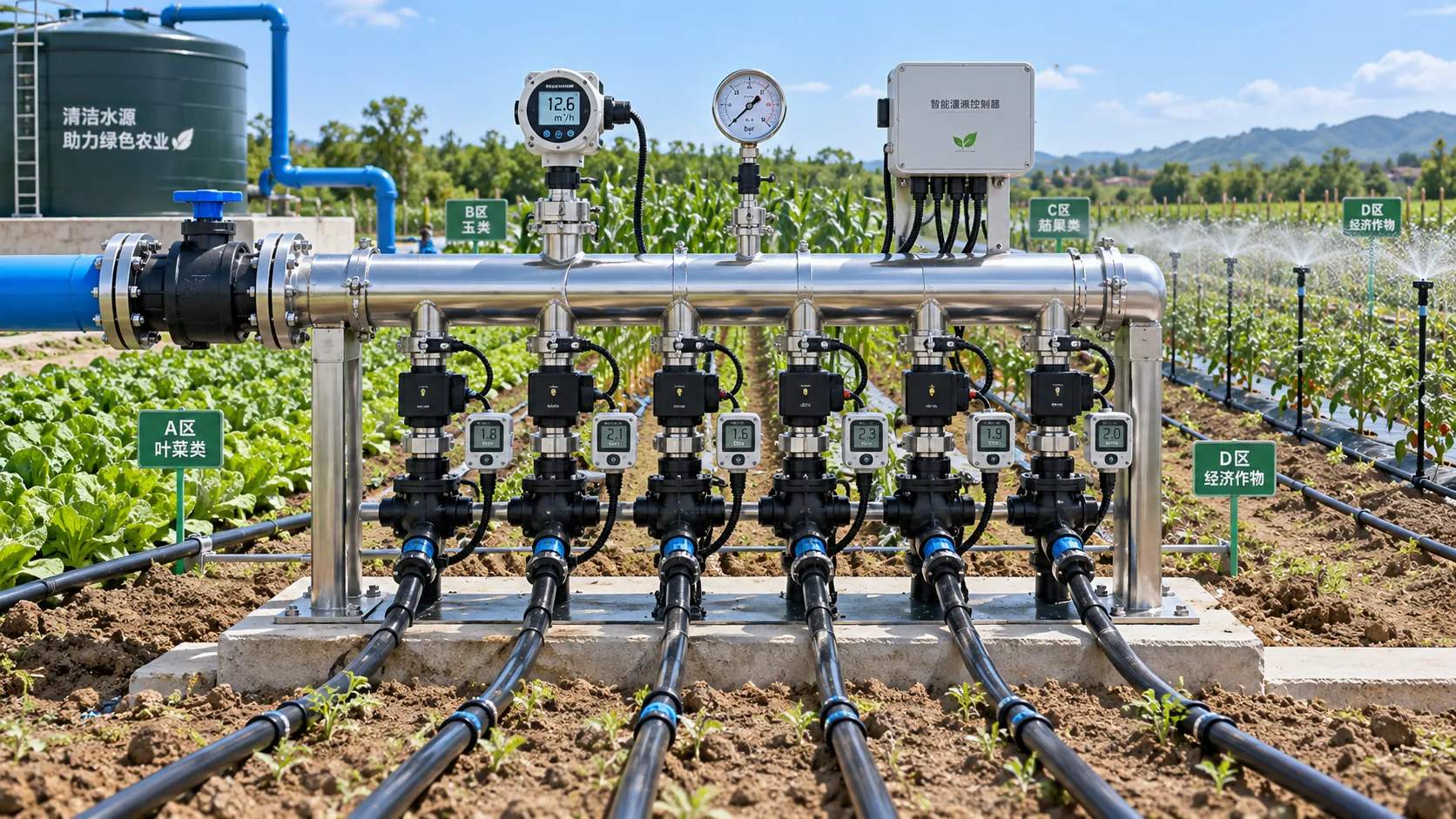
How to Select Smart Irrigation Valves for Multi-Zone Water Management?
Intelligent irrigation systems valves: learn how to match smart valves with multi-zone flow, pressure, control, feedback, and communication needs for reliable water management.
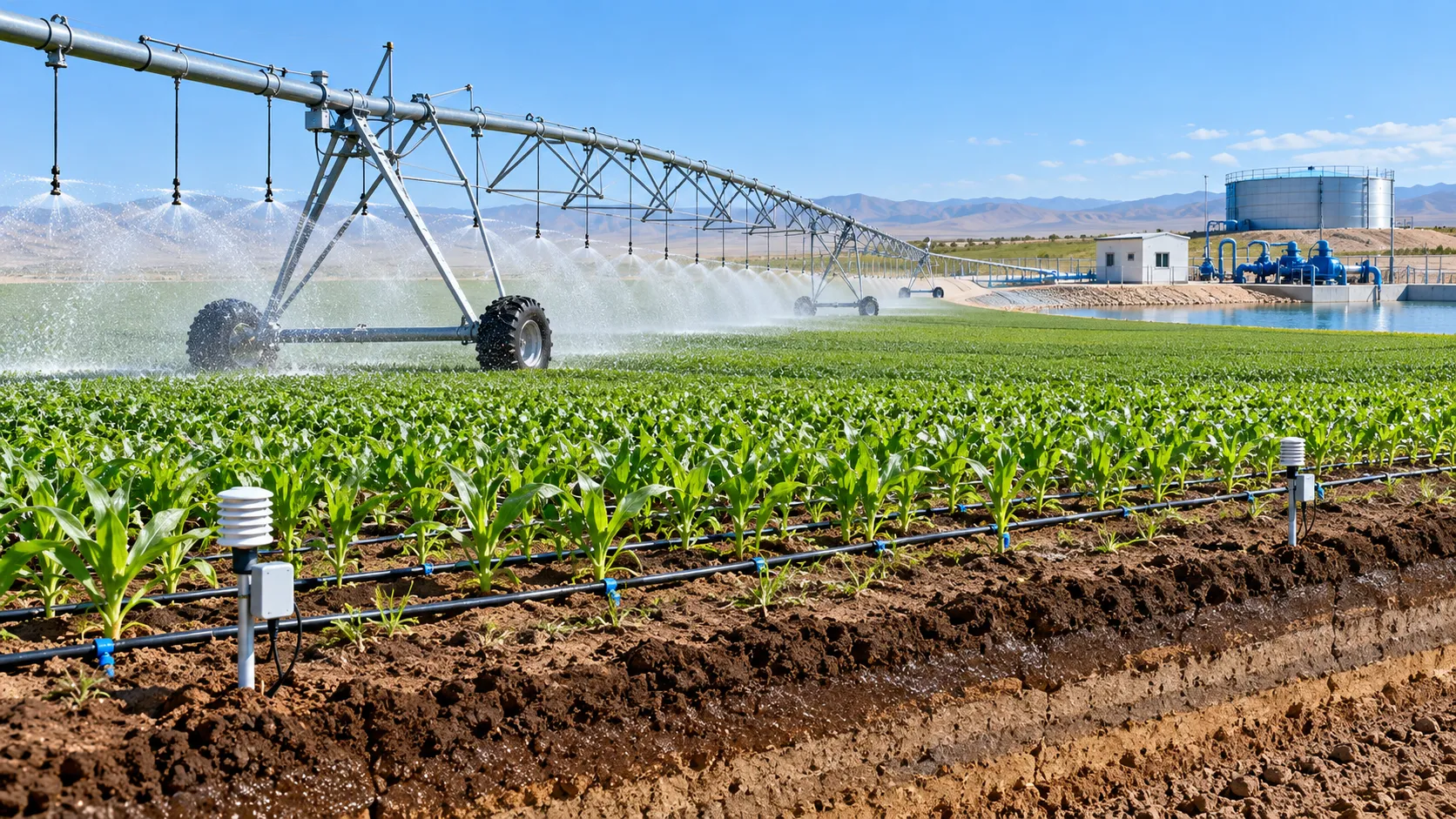
Climate-Smart Farming for Drought: A Practical Plan for Protecting Yields
Climate-smart farming for drought: build smarter water budgets, protect critical crop stages, improve irrigation uniformity, and safeguard yields with practical field-proven strategies.
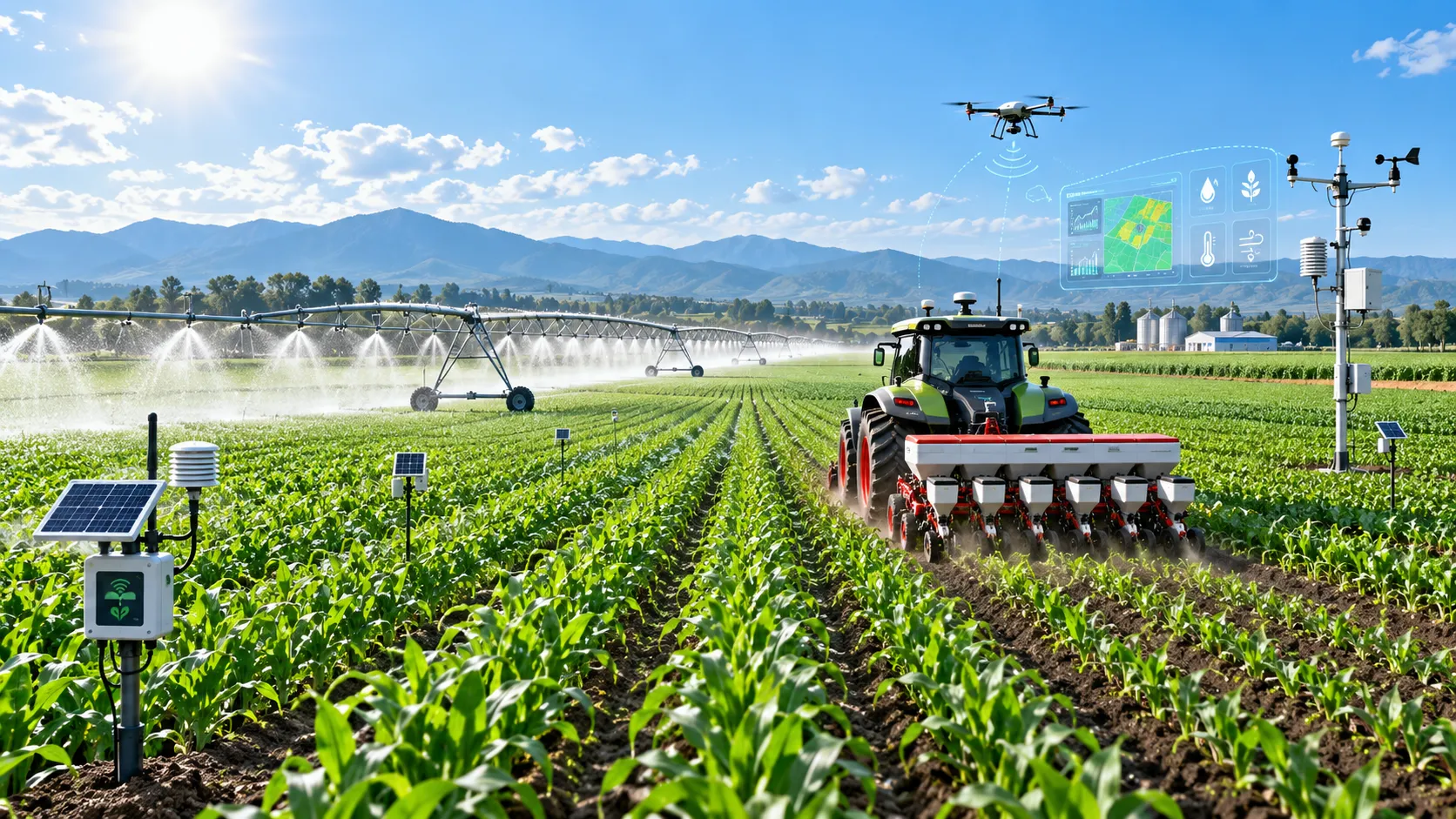
How Digital Agriculture Platforms Turn Field Data Into Better Input Decisions
Digital agriculture platforms turn field data into smarter fertilizer, water, seed, and equipment decisions—helping farms cut risk, improve margins, and scale sustainability.
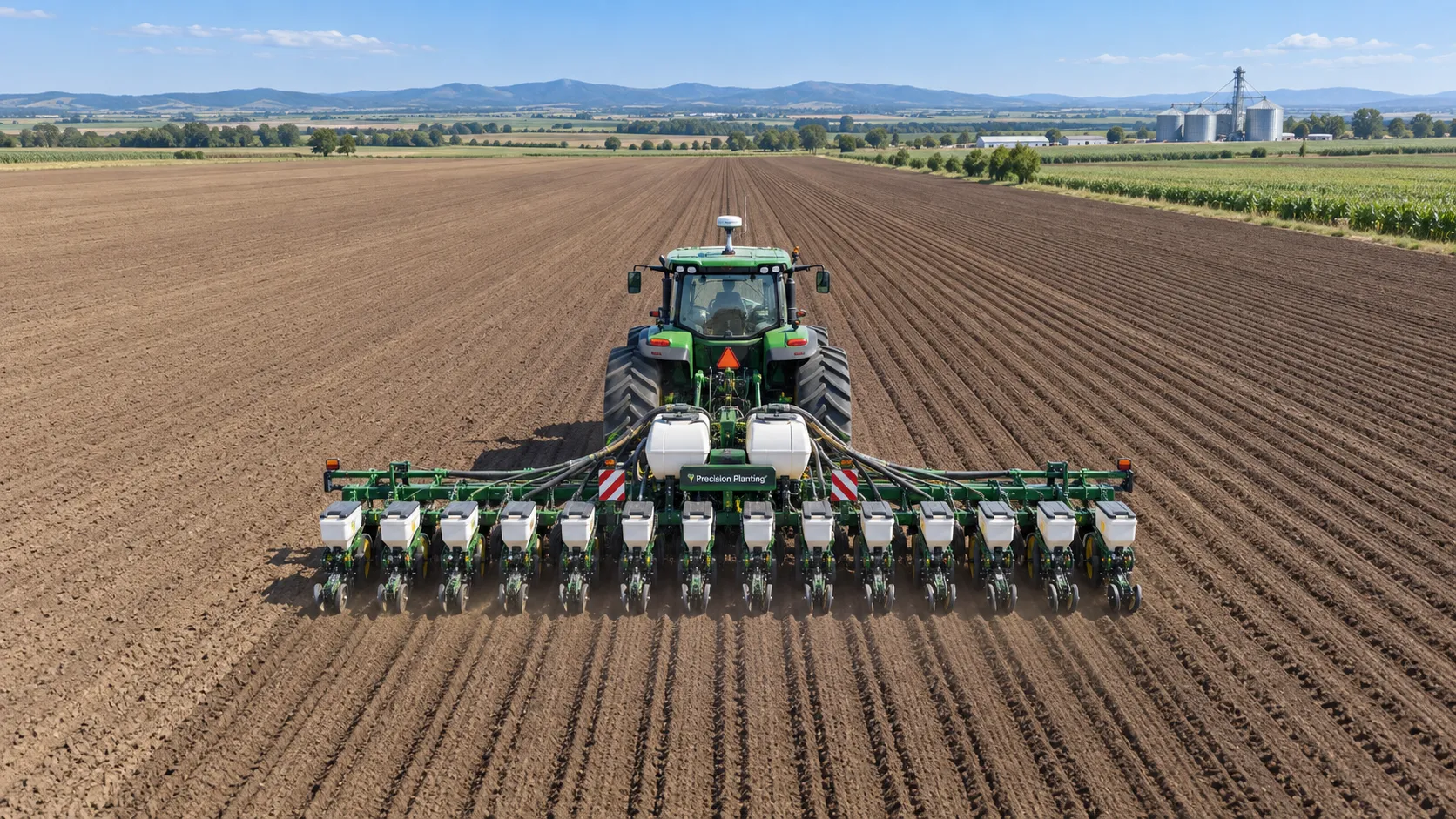
GPS-Guided Farm Machinery: Where It Delivers Measurable Field Efficiency Gains
Agri-mechanization GPS guided systems deliver measurable field efficiency gains through reduced overlap, precise planting, smarter inputs, and reliable farm data.
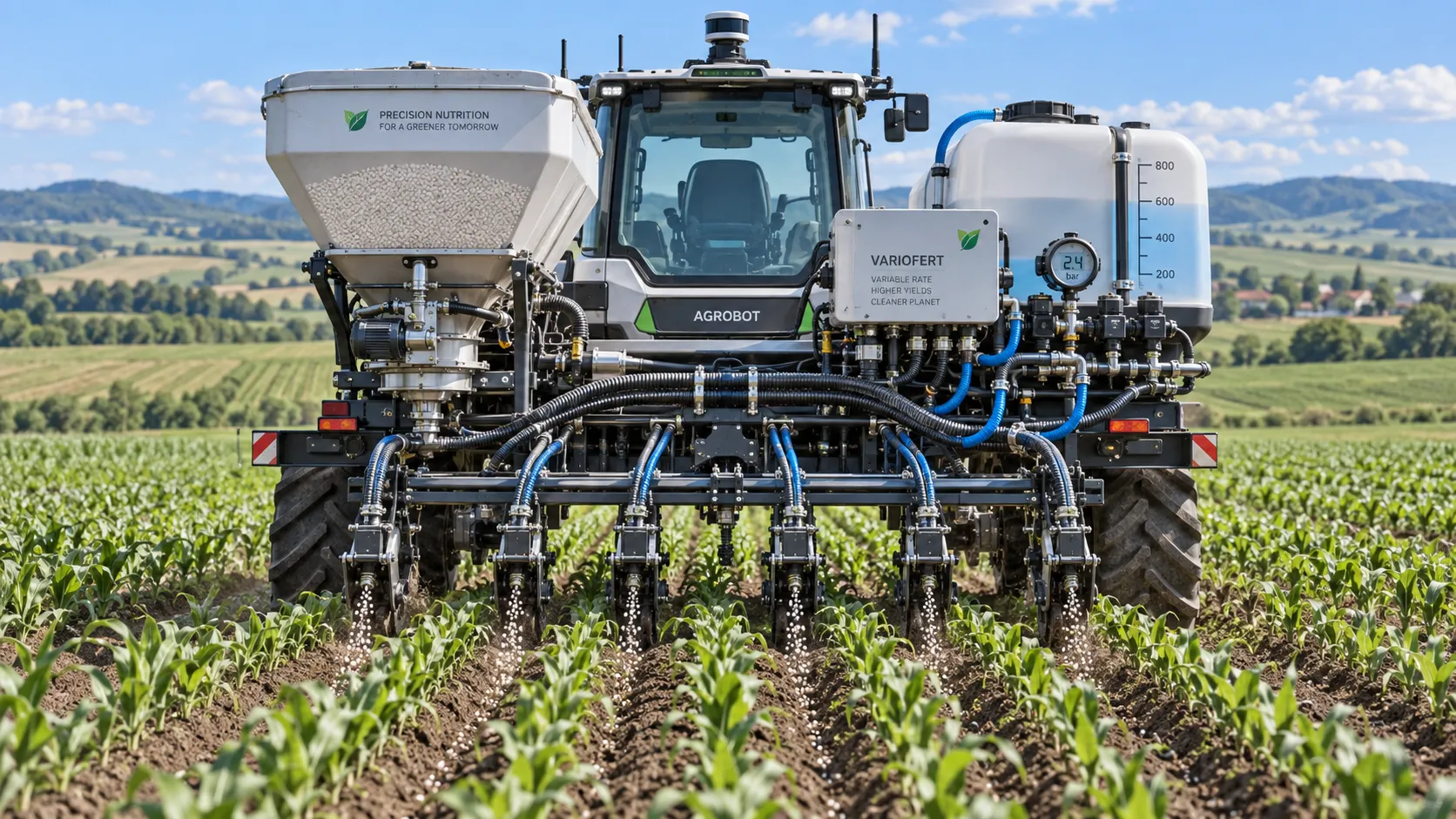
How Sensor Feedback Enables Accurate Variable-Rate Fertilization in Field Conditions
Precision fertilization systems with sensor feedback improve variable-rate accuracy by verifying flow, managing latency, and ensuring reliable field application.
Related News
- 00
0000-00
How to Compare Agricultural Equipment Platforms for Fleet Management and ROI - 00
0000-00
Tractor Chassis Price: What Buyers Should Compare Beyond the Initial Quote - 00
0000-00
How Digital Agriculture Platforms Turn Field Data Into Better Input Decisions - 00
0000-00
When Does Agricultural Machinery Leasing Cost Less Than Owning Equipment? - 00
0000-00
Selecting Grain Farm Equipment by Acreage, Crop Mix, and Harvest Window
Popular Tags
Ms. Elena Rodriguez
Weekly Insights
Stay ahead with our curated technology reports delivered every Monday.