
Agricultural Product Information Supplier List: How to Compare Sources Before You Buy





Why a basic agricultural product information supplier list is rarely enough
A long agricultural product information supplier list may look useful at first glance, but names alone do not support a buying decision.
What matters is whether each source reflects real supply capacity, pricing logic, technical depth, and regional market fit.
In practical sourcing work, the bigger risk is not missing a supplier. It is trusting the wrong data too early.
That is especially true across farm equipment, harvesting systems, tractor chassis, precision tools, and irrigation networks.
These categories move with crop cycles, climate pressure, fuel costs, component shortages, and policy changes.
So the useful question becomes simple: how should an agricultural product information supplier list be compared before budget is committed?
A strong answer combines supplier screening with market intelligence, not just directory browsing.
That is where platforms such as AP-Strategy are relevant, because they frame supplier information within machinery performance, precision farming trends, and long-cycle agri-trade signals.
What should you look for first when comparing sources?
Start with source quality, not with price.
An agricultural product information supplier list is credible only when it shows who collected the data, how often it is updated, and what market segment it covers.
Some lists are built for broad visibility. Others are built for real procurement filtering.
The difference usually appears in the details attached to each supplier record.
- Product specialization: general agri supply is different from combine, chassis, sensor, or irrigation expertise.
- Geographic relevance: export-friendly suppliers are not always strong in local compliance or service response.
- Commercial visibility: transparent lead times, batch terms, and spare parts support usually indicate operational maturity.
- Technical context: machinery sources should include performance indicators, not only catalog claims.
If a source cannot distinguish between commodity input vendors and complex equipment suppliers, comparison becomes weak from the beginning.
More reliable lists also reflect how sectors are changing.
For example, autonomous functions, water-use efficiency, and intelligent tool integration now affect supplier relevance as much as unit price.
How do you tell whether a supplier list is current or outdated?
Outdated lists usually fail in quiet ways.
They still show inactive exporters, old model ranges, or pricing signals from a market that no longer exists.
A current agricultural product information supplier list should show signs of active market maintenance.
Useful indicators include recent product launches, certification updates, logistics changes, and evidence of service network expansion.
This is where sector intelligence becomes more valuable than a static directory.
AP-Strategy’s coverage of combine harvesting efficiency, tractor transmission evolution, and irrigation prediction models is relevant because it helps explain why supplier rankings shift.
A supplier that looked competitive two years ago may now lag in fuel economy, telemetry integration, or water-saving design.
Before moving forward, check the list against this comparison table.
Is price comparison enough when reviewing an agricultural product information supplier list?
Not in agricultural sourcing, and especially not in equipment-linked categories.
Low price can hide high ownership cost.
This happens when parts turnover is high, service coverage is thin, calibration is unstable, or seasonal downtime becomes expensive.
A better reading of any agricultural product information supplier list includes four cost layers.
- Acquisition cost: quoted unit price, tooling, shipping, duties, and payment terms.
- Operational cost: fuel use, water efficiency, software licensing, and labor intensity.
- Support cost: spare parts access, repair cycle, diagnostics, and training needs.
- Transition cost: compatibility with existing fleets, sensors, or field management systems.
For instance, a cheaper irrigation system may lose its advantage if emitter reliability is weak in saline conditions.
A lower-priced harvester component may also create loss through cleaning inefficiency during peak harvest windows.
That is why commercial insight should sit beside technical evaluation.
The strongest supplier comparison process uses pricing as one signal, not the final answer.
Which mistakes usually lead to the wrong supplier short list?
One common mistake is treating every source on an agricultural product information supplier list as equally comparable.
In reality, source quality varies sharply between trading portals, data aggregators, specialist intelligence hubs, and direct manufacturer databases.
Another mistake is ignoring the operating environment.
A supplier suited to row-crop mechanization in one region may not fit mixed terrain, water stress, or service-distance constraints elsewhere.
There is also a frequent bias toward broad catalogs.
A large catalog may suggest strength, but deep specialization often matters more in mission-critical categories.
This is particularly true for tractor chassis systems, intelligent farm tools, and combine subsystems where field performance drives replacement cycles.
A practical way to avoid these errors is to separate suppliers into three groups.
- Strategic sources for long-term equipment and infrastructure decisions.
- Tactical sources for seasonal demand and flexible replenishment.
- Experimental sources for new technology validation or regional expansion.
Once suppliers are grouped this way, comparison becomes more realistic and less noisy.
How can market intelligence improve supplier evaluation before commitment?
A good agricultural product information supplier list helps identify options.
Market intelligence helps explain which options deserve time.
This difference matters when demand is shaped by grain pricing, emissions policy, financing conditions, and water regulation.
For example, a supplier with average pricing may still become the better choice if its product line aligns with autonomous upgrades or resource-saving standards.
That broader reading is part of AP-Strategy’s value.
Its Strategic Intelligence Center connects supplier-facing data with trends in mechanization, precision agriculture, and hydrological efficiency.
In other words, it helps answer a deeper question behind the agricultural product information supplier list: which source fits the next operating cycle, not just the current purchase order?
When a list is reviewed through that lens, evaluation becomes more strategic.
It can reveal whether a supplier is positioned for electrification, sensor-linked maintenance, precision fertilization, or climate-driven irrigation demand.
What is the most practical next step after building the short list?
Do not move straight from the agricultural product information supplier list to supplier selection.
A short verification stage usually saves more money than a rushed negotiation.
The most effective approach is to create a simple scorecard based on actual field and supply requirements.
- Define the exact use case, crop conditions, and operational window.
- Check technical fit against equipment architecture and service expectations.
- Compare total cost over the expected operating cycle.
- Validate lead time, parts continuity, and after-sales responsiveness.
- Monitor market signals that could shift pricing or availability within the decision period.
This final step turns a static agricultural product information supplier list into a working decision tool.
The goal is not to find the most visible source. It is to identify the most dependable fit.
When supplier data is checked against technical relevance, market timing, and long-term field value, buying decisions become more stable.
That is usually where better sourcing outcomes begin: with a clearer comparison standard, a tighter shortlist, and fewer assumptions carried into the deal.
Related News
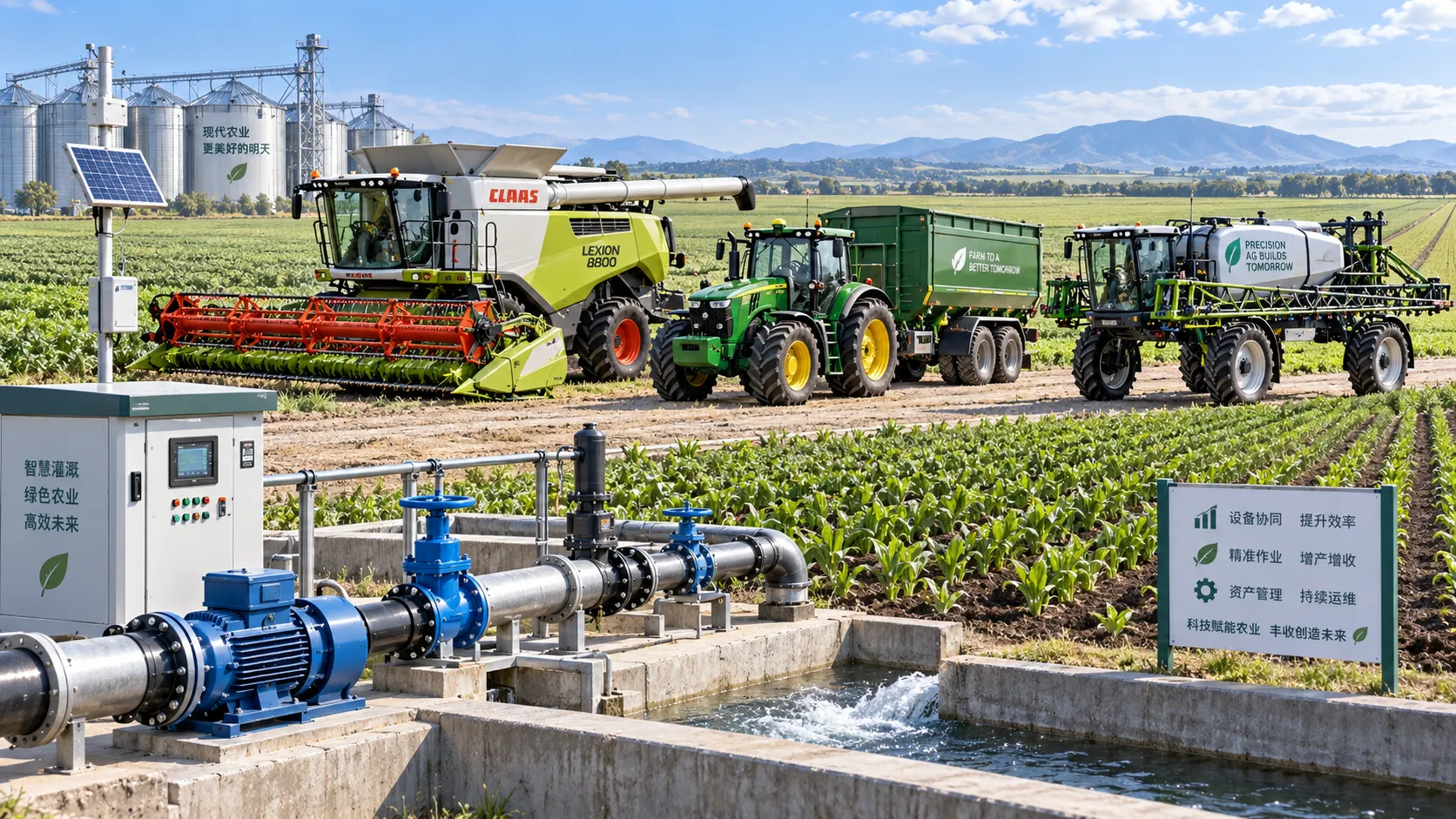
How to Compare Agricultural Equipment Platforms for Fleet Management and ROI
Agricultural equipment platform comparison: evaluate fleet data, maintenance, precision workflows, and ROI to choose a system that delivers measurable results.
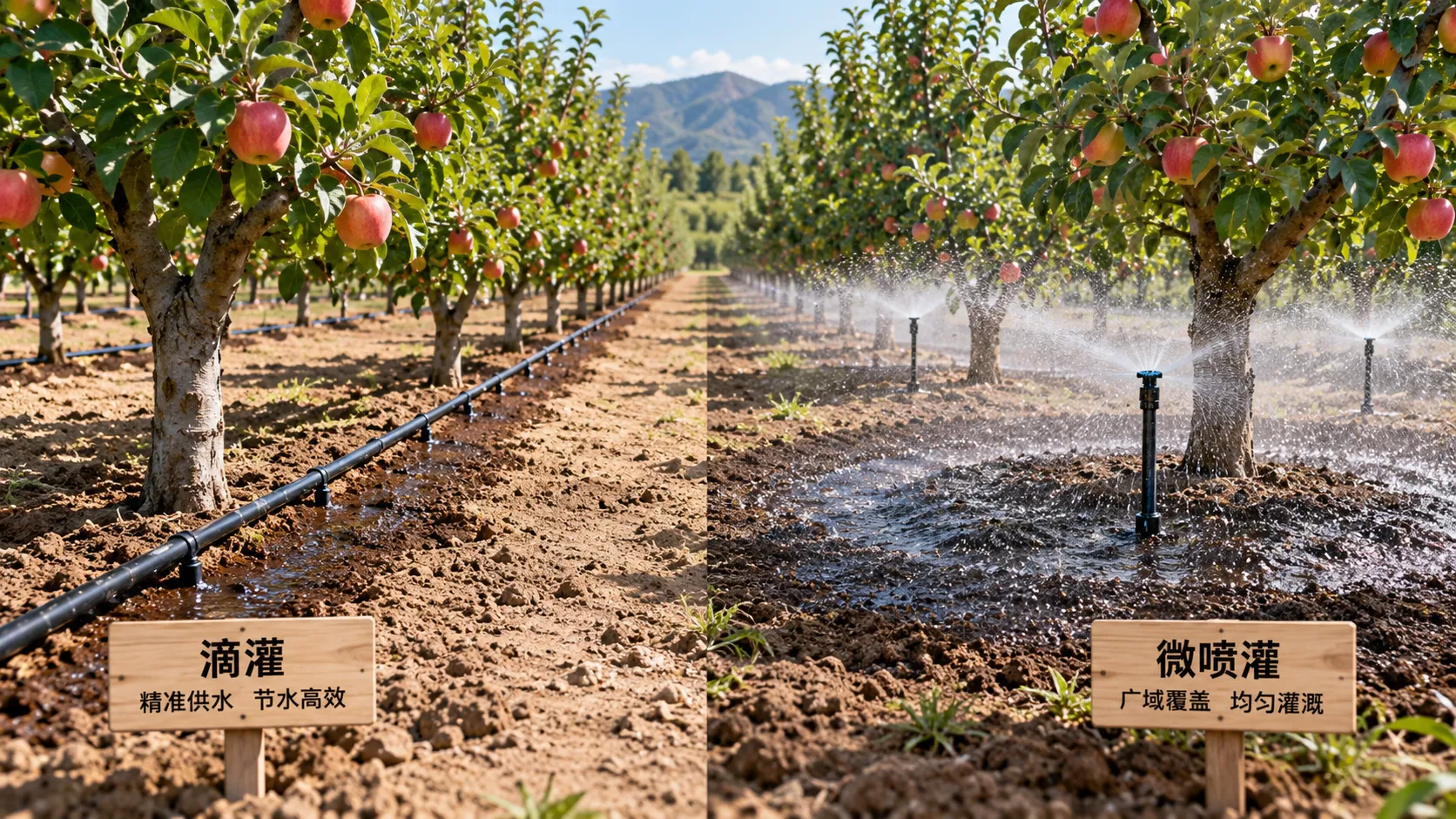
Drip vs. Micro-Sprinkler Irrigation: Which System Fits Your Orchard?
Irrigation solution comparison for orchards: discover whether drip or micro-sprinklers best match your water, soil, roots, fertigation, and frost needs.
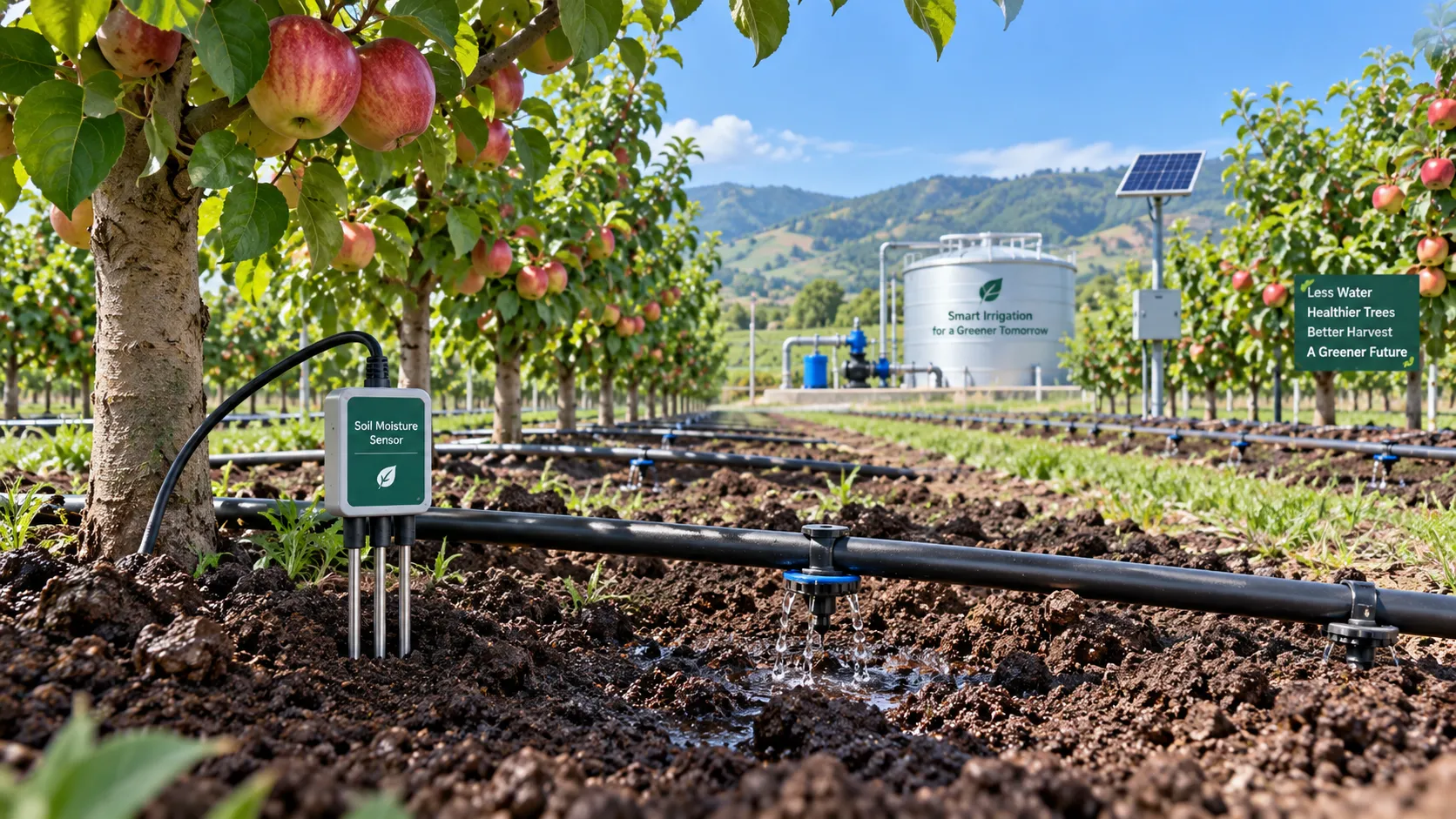
Orchard Water Management: Using Soil Moisture Data to Schedule Irrigation
Agricultural water management for orchards made practical: use soil moisture data to optimize irrigation timing, protect yield, reduce costs, and improve resilience.
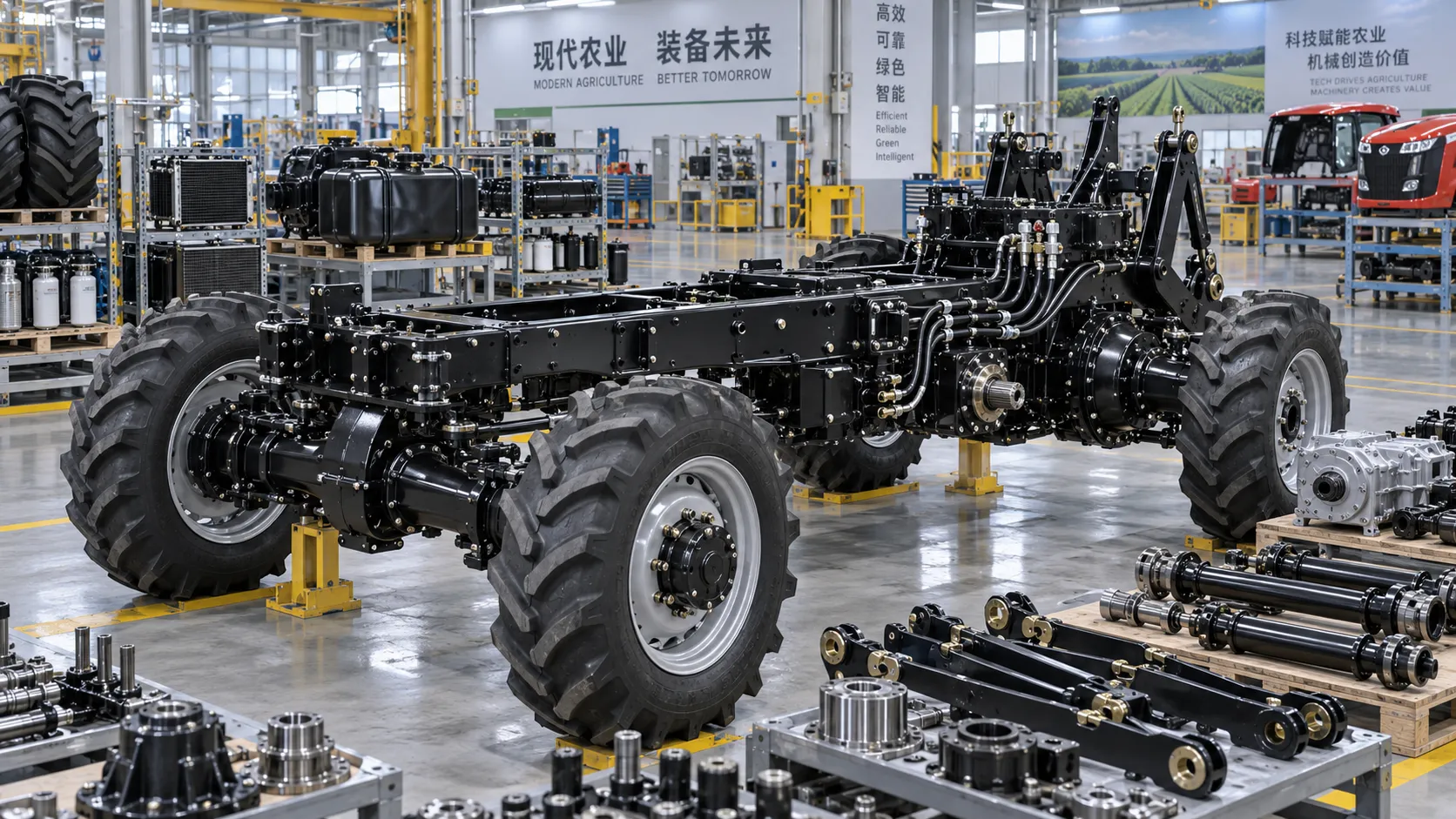
Tractor Chassis Price: What Buyers Should Compare Beyond the Initial Quote
Tractor chassis price is only the start. Compare load capacity, compatibility, durability, and lifecycle costs to choose a reliable, high-value chassis.
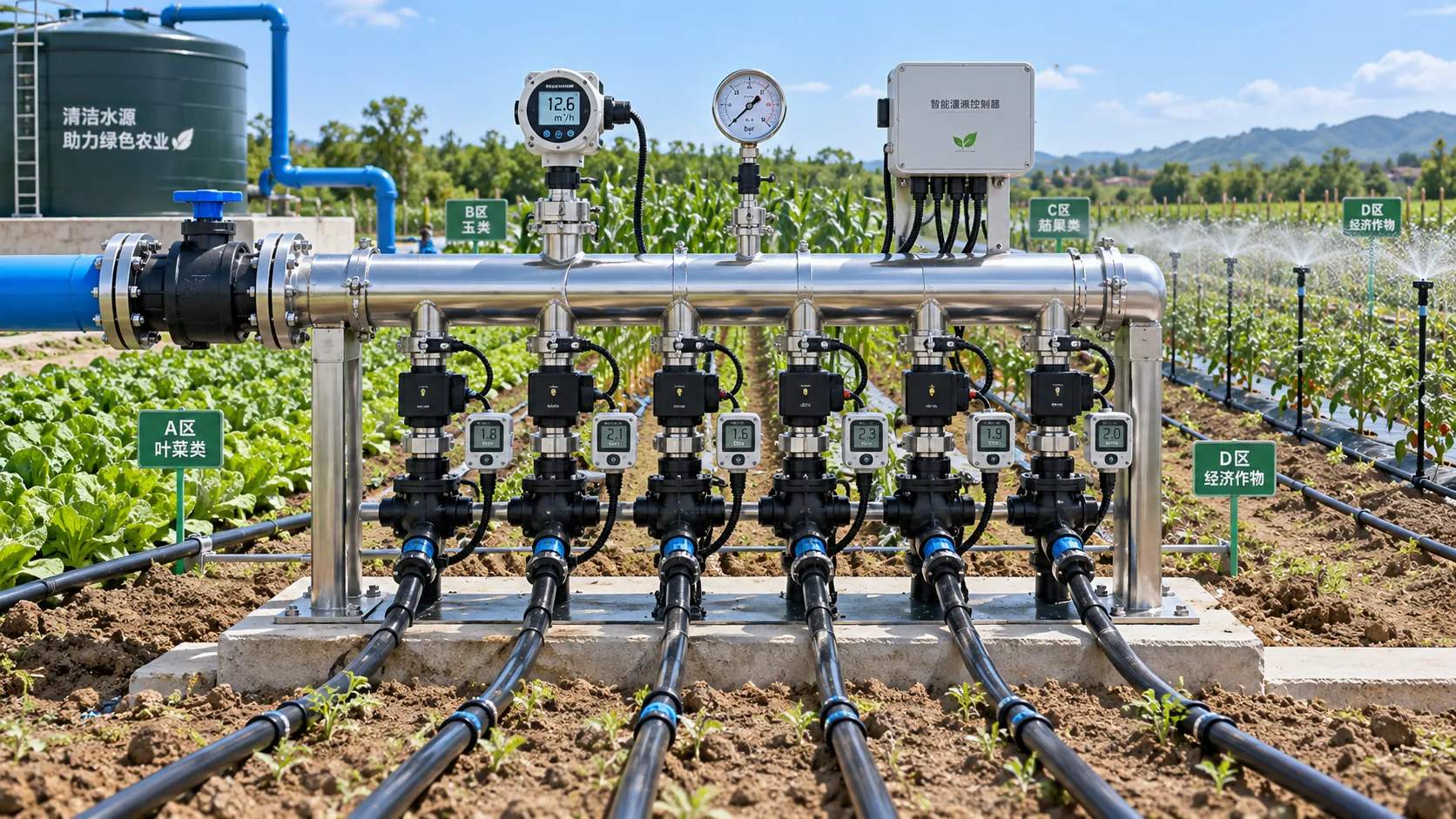
How to Select Smart Irrigation Valves for Multi-Zone Water Management?
Intelligent irrigation systems valves: learn how to match smart valves with multi-zone flow, pressure, control, feedback, and communication needs for reliable water management.
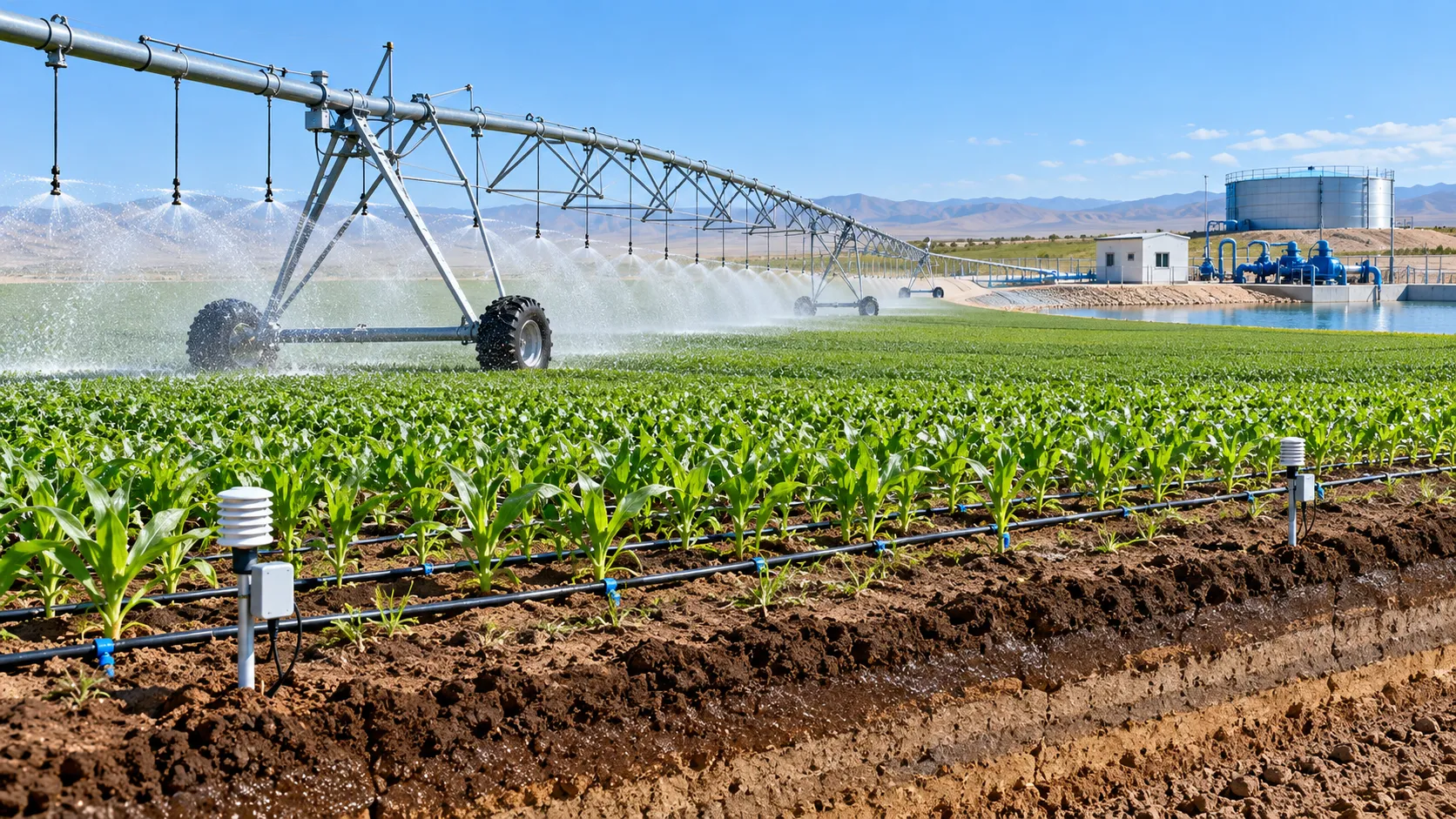
Climate-Smart Farming for Drought: A Practical Plan for Protecting Yields
Climate-smart farming for drought: build smarter water budgets, protect critical crop stages, improve irrigation uniformity, and safeguard yields with practical field-proven strategies.
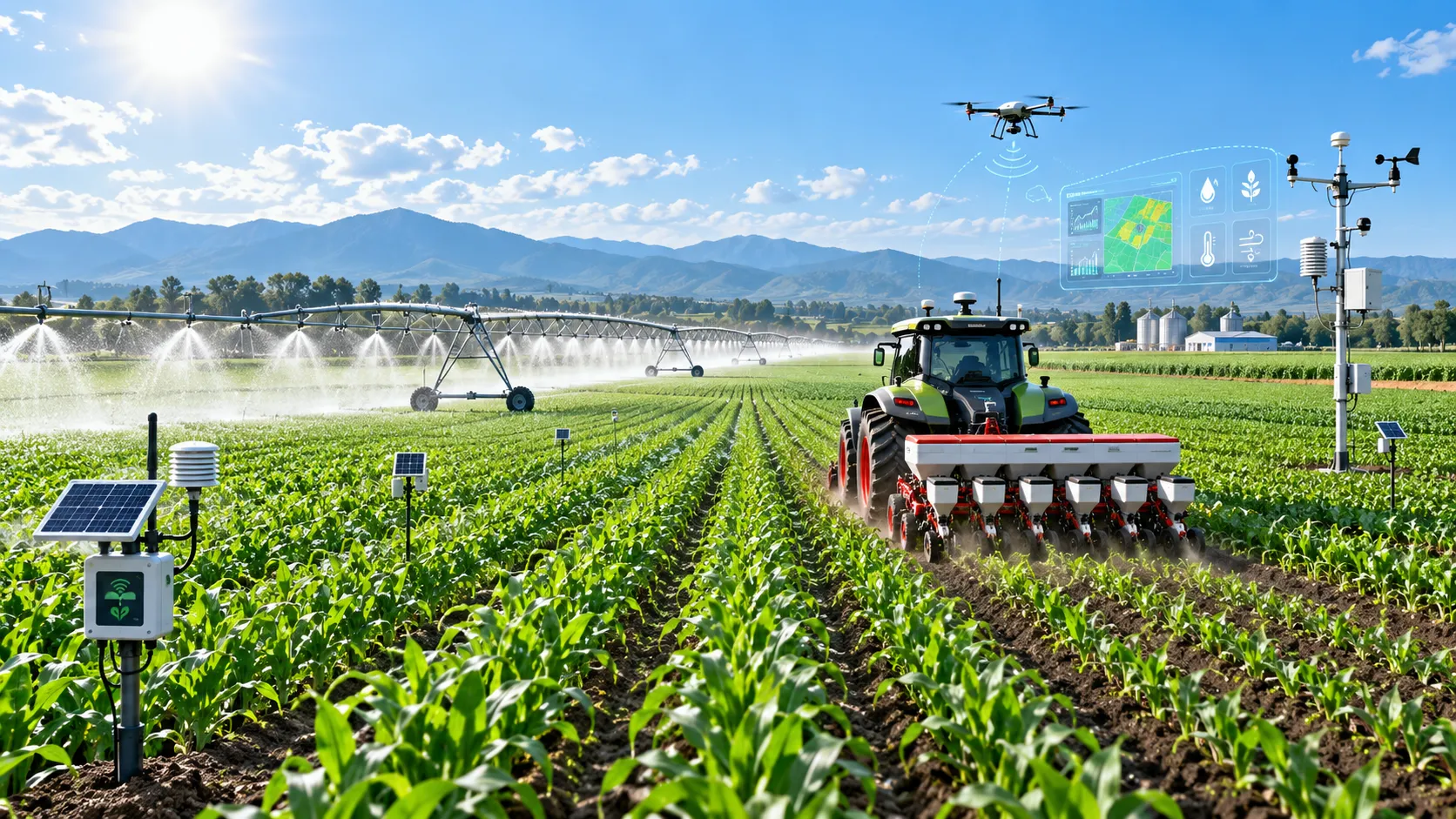
How Digital Agriculture Platforms Turn Field Data Into Better Input Decisions
Digital agriculture platforms turn field data into smarter fertilizer, water, seed, and equipment decisions—helping farms cut risk, improve margins, and scale sustainability.
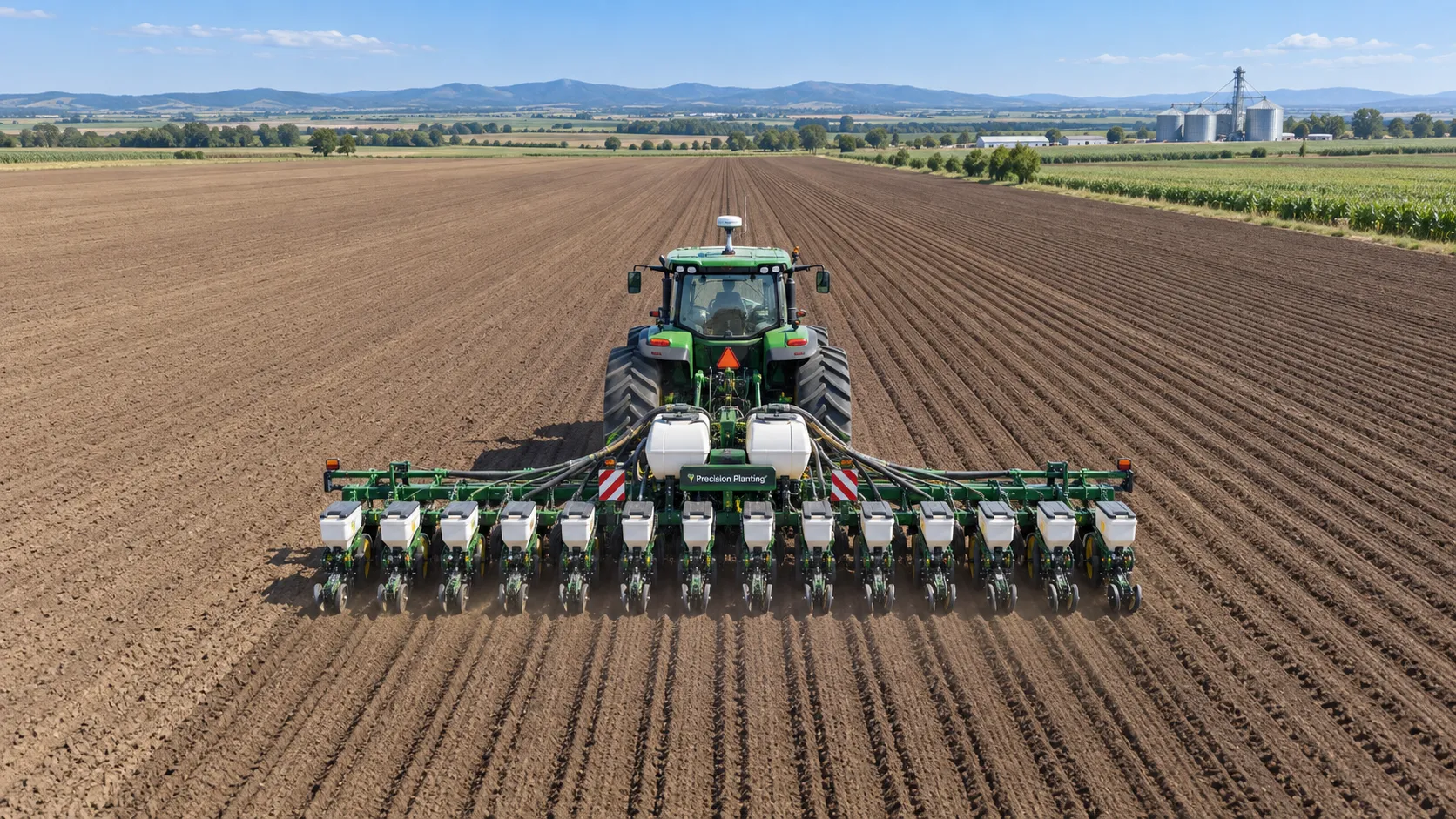
GPS-Guided Farm Machinery: Where It Delivers Measurable Field Efficiency Gains
Agri-mechanization GPS guided systems deliver measurable field efficiency gains through reduced overlap, precise planting, smarter inputs, and reliable farm data.
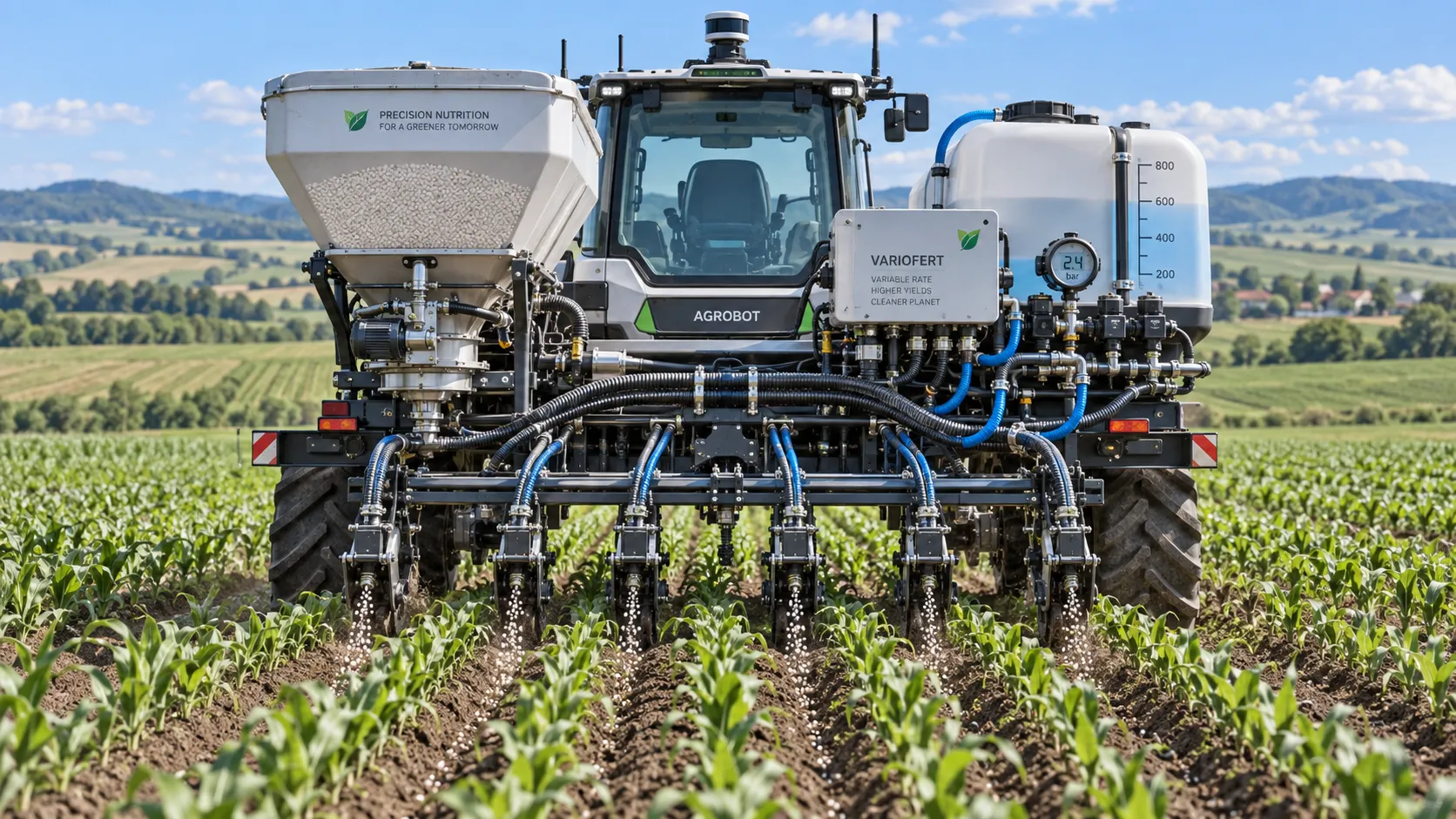
How Sensor Feedback Enables Accurate Variable-Rate Fertilization in Field Conditions
Precision fertilization systems with sensor feedback improve variable-rate accuracy by verifying flow, managing latency, and ensuring reliable field application.
Related News
- 00
0000-00
How to Compare Agricultural Equipment Platforms for Fleet Management and ROI - 00
0000-00
Tractor Chassis Price: What Buyers Should Compare Beyond the Initial Quote - 00
0000-00
How Digital Agriculture Platforms Turn Field Data Into Better Input Decisions - 00
0000-00
When Does Agricultural Machinery Leasing Cost Less Than Owning Equipment? - 00
0000-00
Selecting Grain Farm Equipment by Acreage, Crop Mix, and Harvest Window
Popular Tags
Ms. Elena Rodriguez
Weekly Insights
Stay ahead with our curated technology reports delivered every Monday.