
How to Use an Agricultural Equipment Directory Online to Compare Suppliers Faster
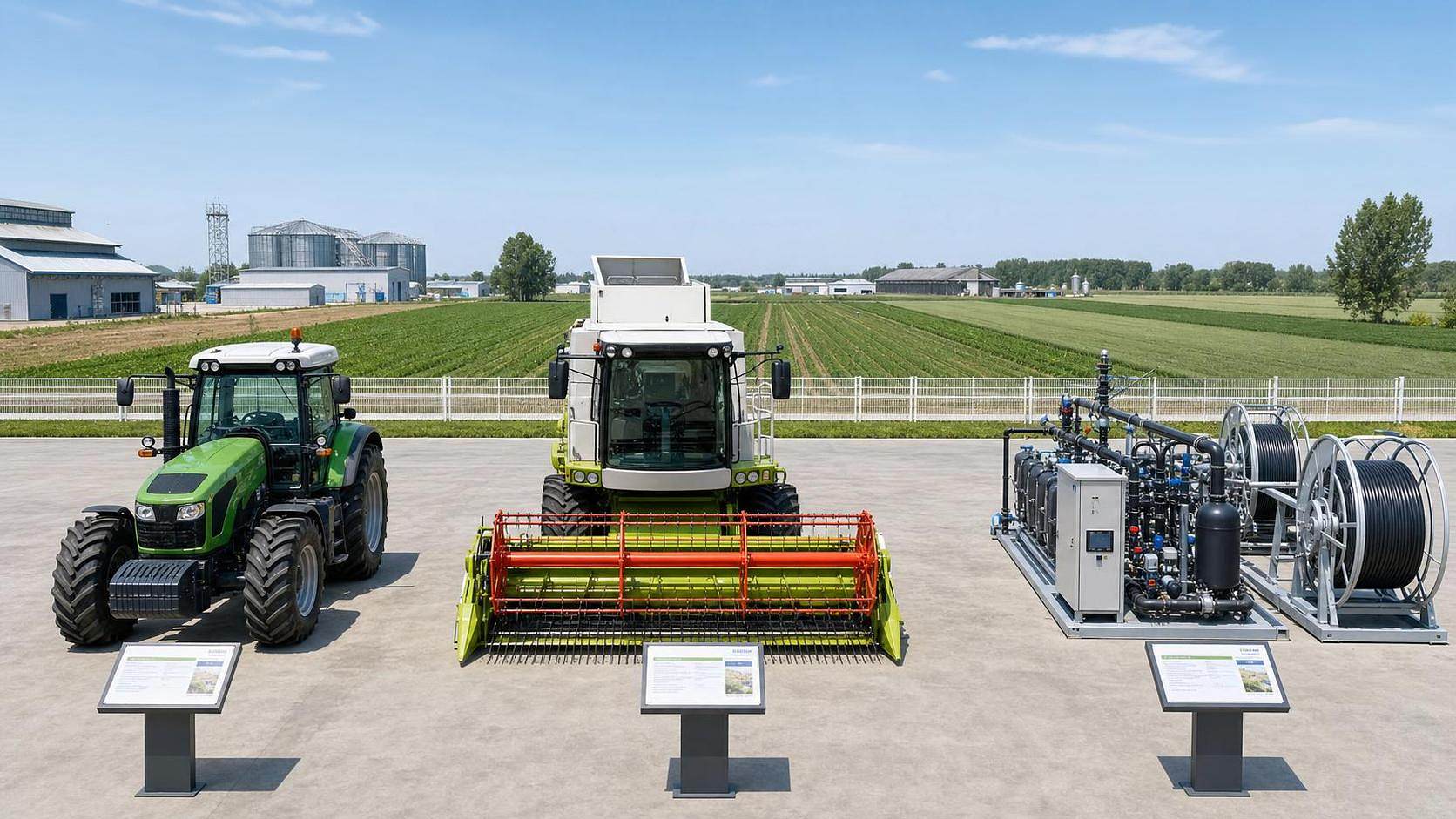




Comparing farm equipment suppliers across borders used to mean jumping between trade sites, catalogs, and fragmented dealer pages. An agricultural equipment directory online changes that process by bringing product scope, supplier profiles, technical signals, and regional market clues into one searchable view. In a market shaped by larger machines, smarter irrigation, and precision-driven field operations, faster comparison is not only convenient. It is a practical way to reduce blind spots before deeper evaluation begins.
Why online directories matter more in agricultural equipment
Agricultural equipment is no longer a simple category built around horsepower and price. Buyers and researchers now compare automation features, fuel efficiency, hydraulic response, data compatibility, maintenance support, and climate-fit performance.
That shift makes an agricultural equipment directory online more valuable than a basic supplier list. It becomes a first-layer intelligence tool.
This is especially true in the Agriculture 4.0 environment. Equipment decisions are increasingly tied to software, sensing, water efficiency, and sustainability rules in different regions.
A useful directory helps connect those moving parts. It lets researchers compare not only who sells, but also who is aligned with current operational and regulatory demands.
What an agricultural equipment directory online should actually contain
Not every directory is equally useful. The strongest ones go beyond contact details and product photos.
A credible agricultural equipment directory online usually includes supplier location, product specialization, export reach, certifications, after-sales structure, and technical categories.
It should also make comparison easier across major equipment pillars:
- large-scale machinery for soil preparation, seeding, spraying, and transport
- combine harvesters designed for different crop and terrain conditions
- tractor chassis platforms with transmission and hydraulic distinctions
- intelligent farm tools using sensors, GPS, or variable-rate systems
- water-saving irrigation systems such as drip, pivot, and smart control networks
This broader structure matters because supplier strength is rarely uniform across all categories. A company known for harvest performance may be weak in irrigation controls. Another may offer strong chassis engineering but limited digital integration.
How to compare suppliers faster without skipping critical context
Speed only helps when comparison remains disciplined. A directory works best when the review starts with filters, then moves into evidence.
Start with a narrow equipment frame
Define the machine family before opening dozens of listings. Compare combine harvesters with combine harvesters, not with general grain machinery bundles.
The same applies to irrigation and precision tools. Keeping the frame tight prevents distorted comparisons.
Sort by technical relevance, not listing volume
A large catalog can look impressive while hiding shallow specialization. Prioritize listings that show measurable specifications, crop-fit details, system compatibility, and service footprint.
Look for regional operating fit
Machines suited to dryland grain operations may not match humid rice zones or fragmented plots. Climate, crop type, terrain, labor cost, and fuel access all influence supplier suitability.
Use the directory to shorten the longlist, not finish the decision
A strong agricultural equipment directory online helps identify who deserves deeper review. It does not replace technical validation, commercial negotiation, or field references.
Key comparison points that save time later
Many delays happen because early research focuses too much on price and too little on operating fit. The faster approach is to screen for likely friction points upfront.
This kind of structured screening often removes weak-fit suppliers before time is spent on outreach and file review.
Where intelligence platforms add more value than raw listings
The biggest limitation of a basic directory is context. It may show who exists, but not why one supplier is becoming more relevant than another.
That is where intelligence-led platforms such as AP-Strategy become useful. They place supplier and product information inside a wider industry picture.
For example, comparing tractor chassis suppliers becomes more meaningful when linked to transmission evolution, hydraulic performance trends, and regional demand for heavy-duty platforms.
The same applies to combine harvesters. A directory entry becomes more informative when supported by insight into cleaning loss control, crop complexity, and operating efficiency benchmarks.
In irrigation, a listing gains value when it is connected to water stress conditions, smart control models, and sustainability pressure in target markets.
AP-Strategy’s focus on large-scale machinery, combine harvesting technology, tractor chassis, intelligent farm tools, and water-saving irrigation reflects these real comparison needs.
Its strategic intelligence view also helps explain commercial direction. That matters when shortlisting suppliers for a market that is shifting toward autonomous, electric, and resource-saving equipment.
Common use cases for faster supplier comparison
An agricultural equipment directory online supports more than one type of research task. The same database can serve very different comparison goals.
- mapping global suppliers in a single machinery segment before market entry analysis
- comparing irrigation system providers by climate suitability and control sophistication
- tracking which harvester suppliers appear strongest in certain crop regions
- screening precision agriculture tool vendors for integration with existing field systems
- building a shortlist for later technical interviews or distributor evaluation
In each case, the value comes from compression. The directory compresses search time, while industry intelligence compresses interpretation time.
What to watch for when using directory data
Fast comparison can still lead to weak conclusions when the source data is thin or outdated. That risk is common in agricultural machinery because product lines change with regulations, emissions rules, and seasonal demand.
A few checkpoints help keep the review reliable:
- check whether listings show recent updates or active market presence
- separate trading companies from original manufacturers when that distinction matters
- confirm whether technical claims are supported by specifications or certifications
- note if digital features are native functions or optional add-ons
- compare service reach, not only machine features
These checks turn an agricultural equipment directory online into a more trustworthy first filter, especially when comparing suppliers across unfamiliar regions.
A practical next step for better decisions
The most effective approach is to treat the directory as the beginning of a layered comparison process. Start by defining the equipment category, operating conditions, and non-negotiable technical factors.
Then use an agricultural equipment directory online to narrow the field using specialization, geography, service capacity, and technology signals. After that, bring in market intelligence, trend analysis, and performance context.
That is where platforms built around strategic agri-equipment insight can sharpen the picture. They help connect supplier listings with the larger forces shaping mechanization, harvesting efficiency, precision cultivation, and water resilience.
For anyone comparing suppliers faster, the real advantage is not just finding more names. It is building a shorter, better-informed path from initial search to credible judgment.
- combine harvesting technology
- Agriculture 4.0
- soil preparation
- tractor chassis
- intelligent farm tools
- water-saving irrigation
- agricultural machinery
- farm equipment
- combine harvesters
- water-saving irrigation systems
- agricultural equipment
- agricultural equipment directory
- irrigation systems
- agricultural equipment directory online
Related News
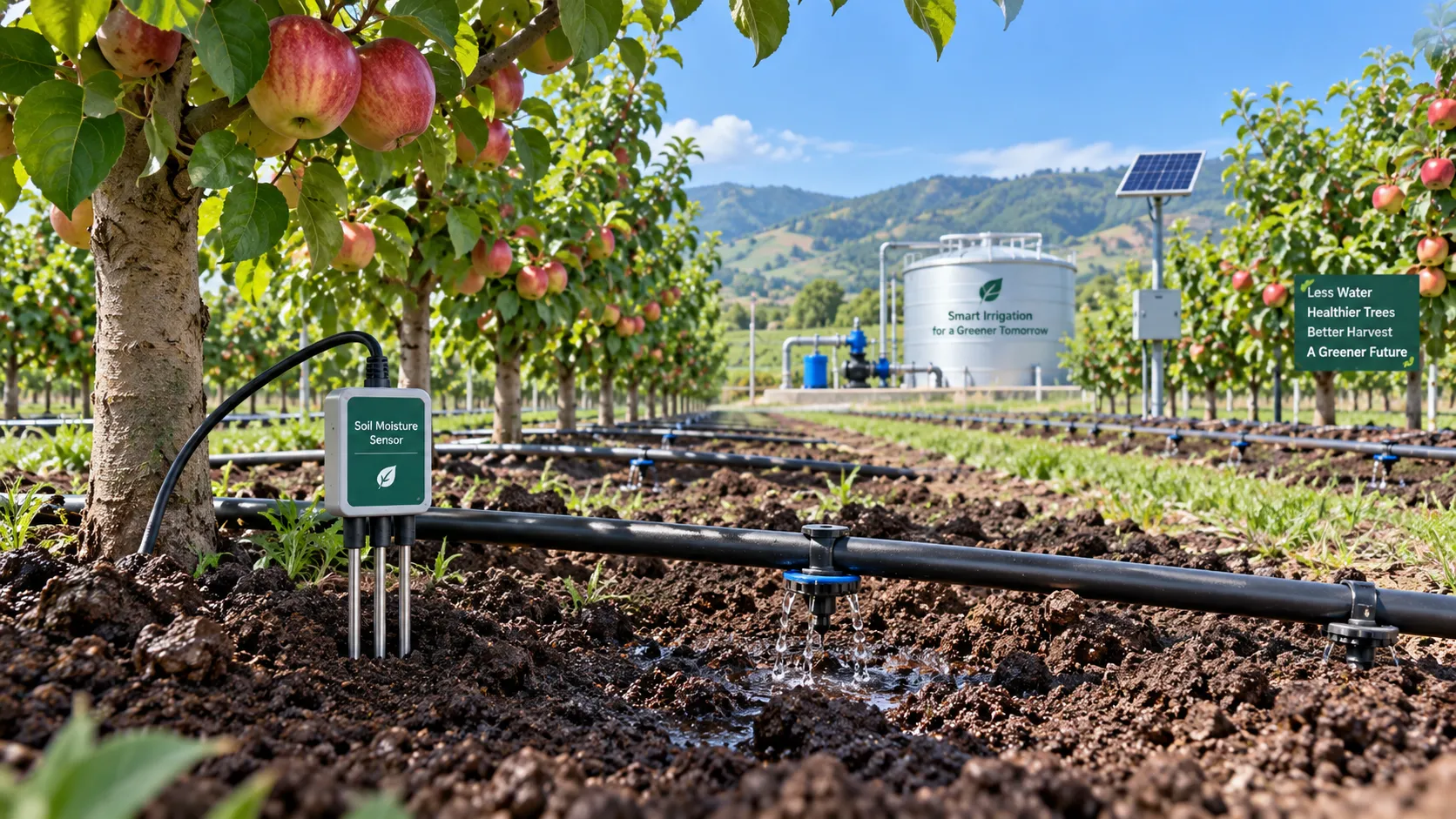
Orchard Water Management: Using Soil Moisture Data to Schedule Irrigation
Agricultural water management for orchards made practical: use soil moisture data to optimize irrigation timing, protect yield, reduce costs, and improve resilience.
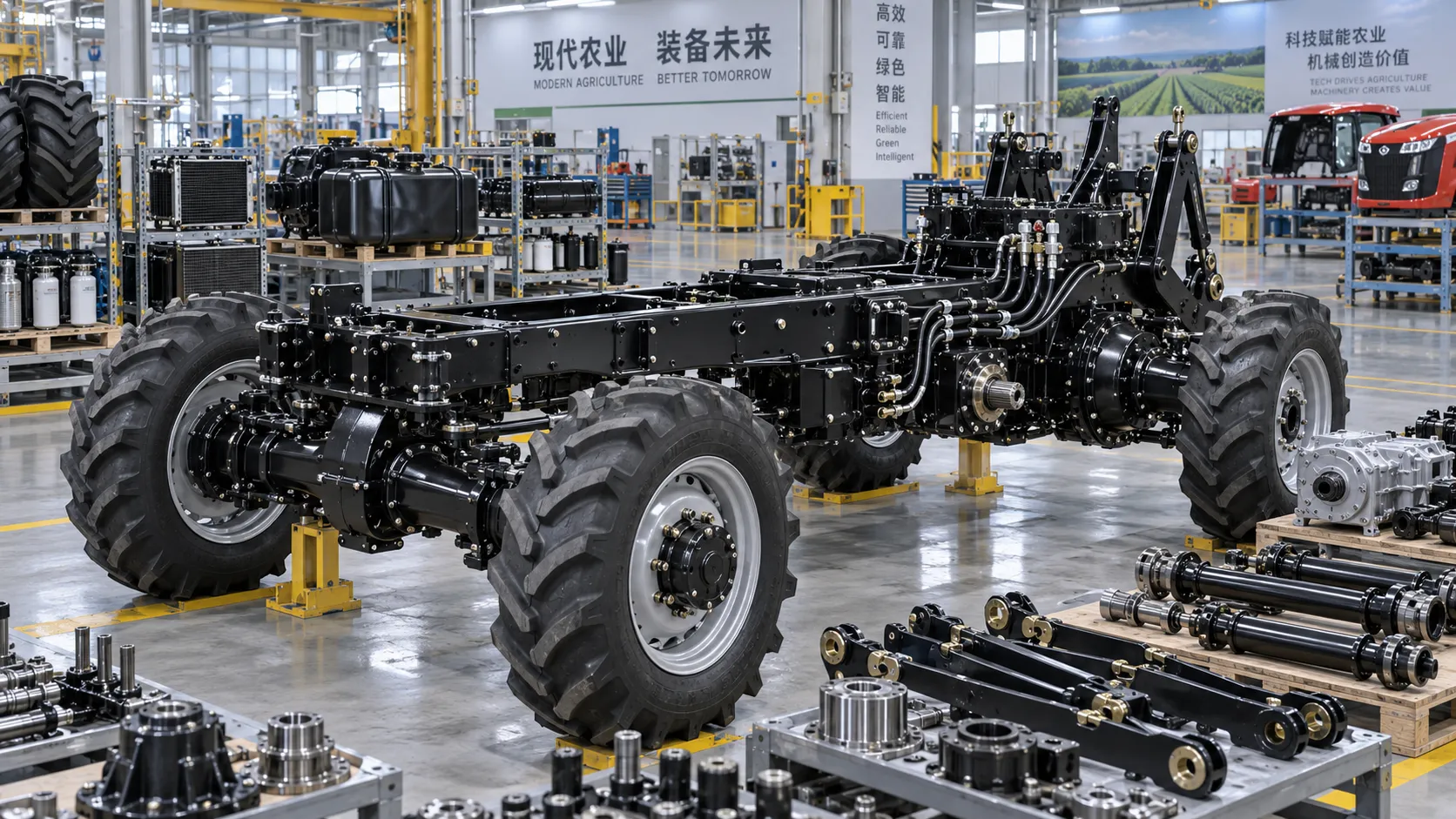
Tractor Chassis Price: What Buyers Should Compare Beyond the Initial Quote
Tractor chassis price is only the start. Compare load capacity, compatibility, durability, and lifecycle costs to choose a reliable, high-value chassis.
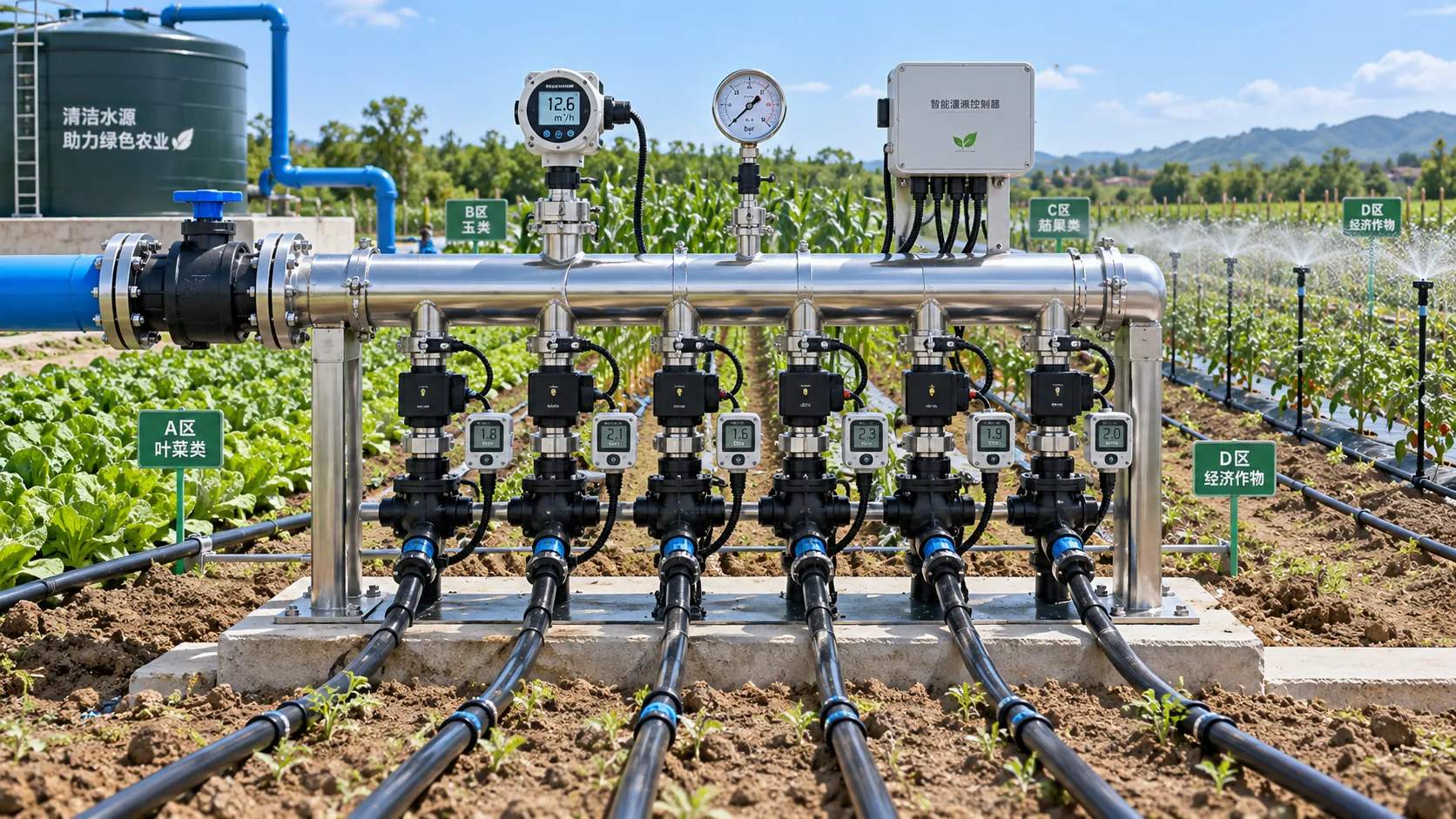
How to Select Smart Irrigation Valves for Multi-Zone Water Management?
Intelligent irrigation systems valves: learn how to match smart valves with multi-zone flow, pressure, control, feedback, and communication needs for reliable water management.
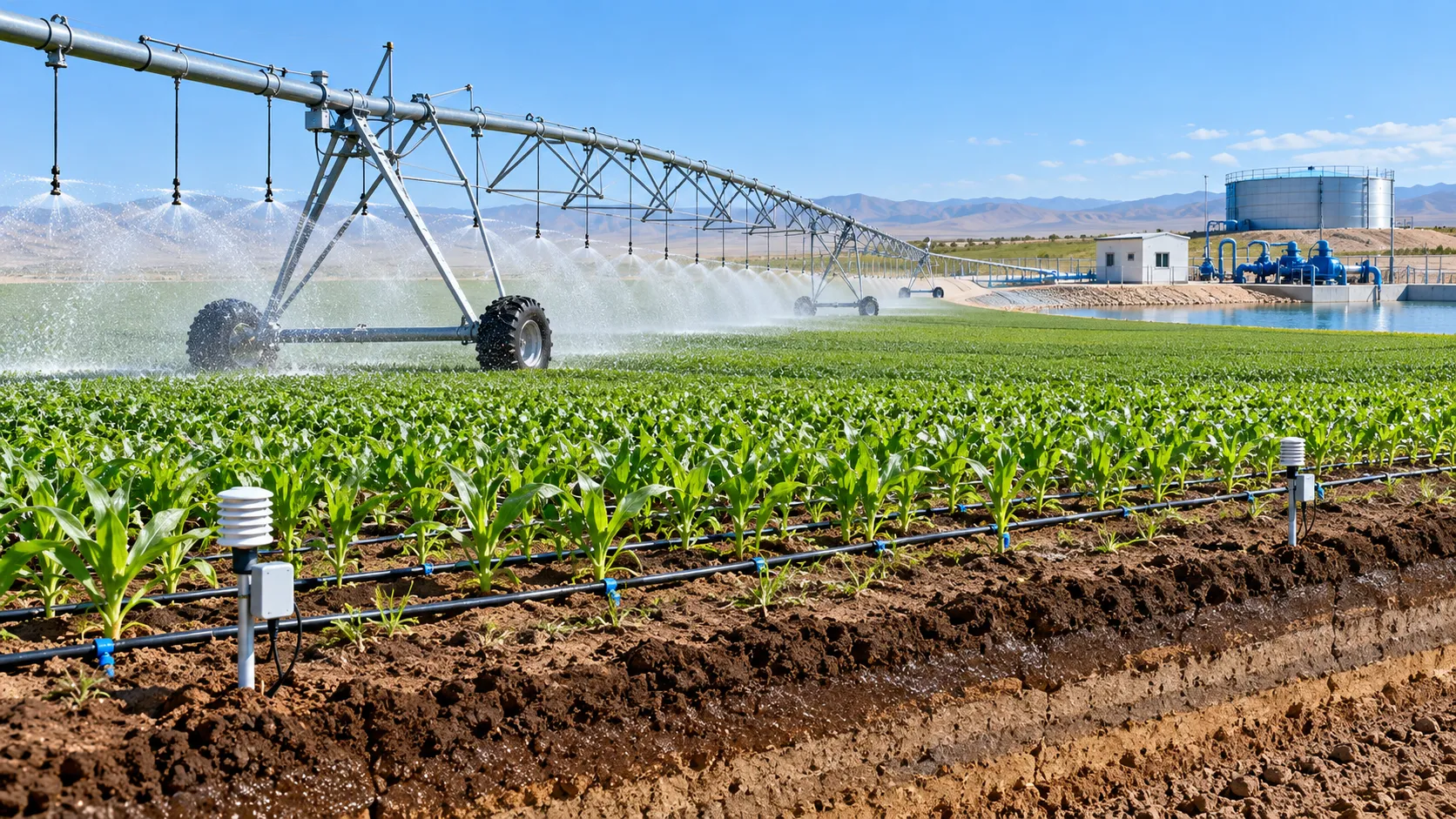
Climate-Smart Farming for Drought: A Practical Plan for Protecting Yields
Climate-smart farming for drought: build smarter water budgets, protect critical crop stages, improve irrigation uniformity, and safeguard yields with practical field-proven strategies.
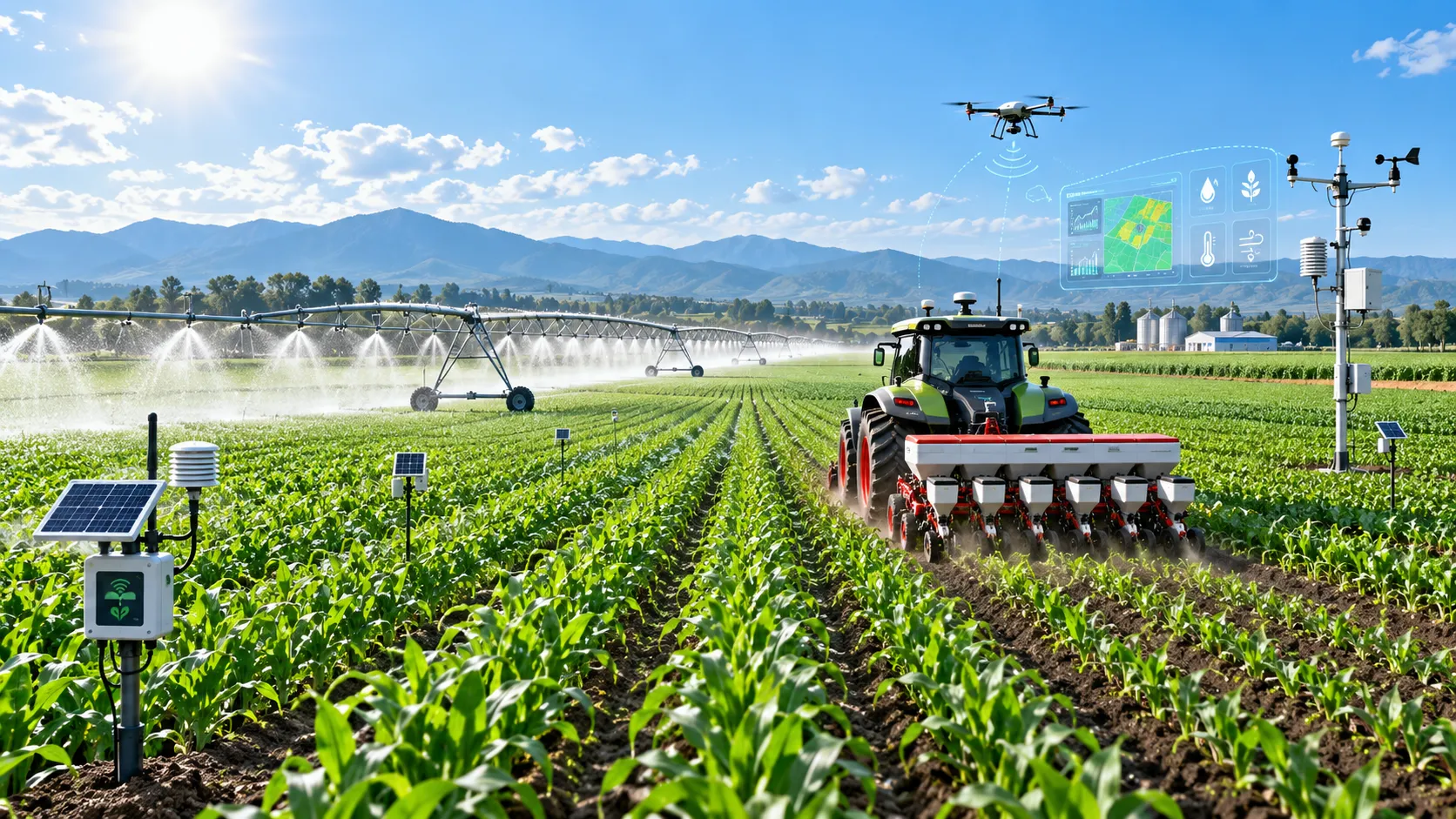
How Digital Agriculture Platforms Turn Field Data Into Better Input Decisions
Digital agriculture platforms turn field data into smarter fertilizer, water, seed, and equipment decisions—helping farms cut risk, improve margins, and scale sustainability.
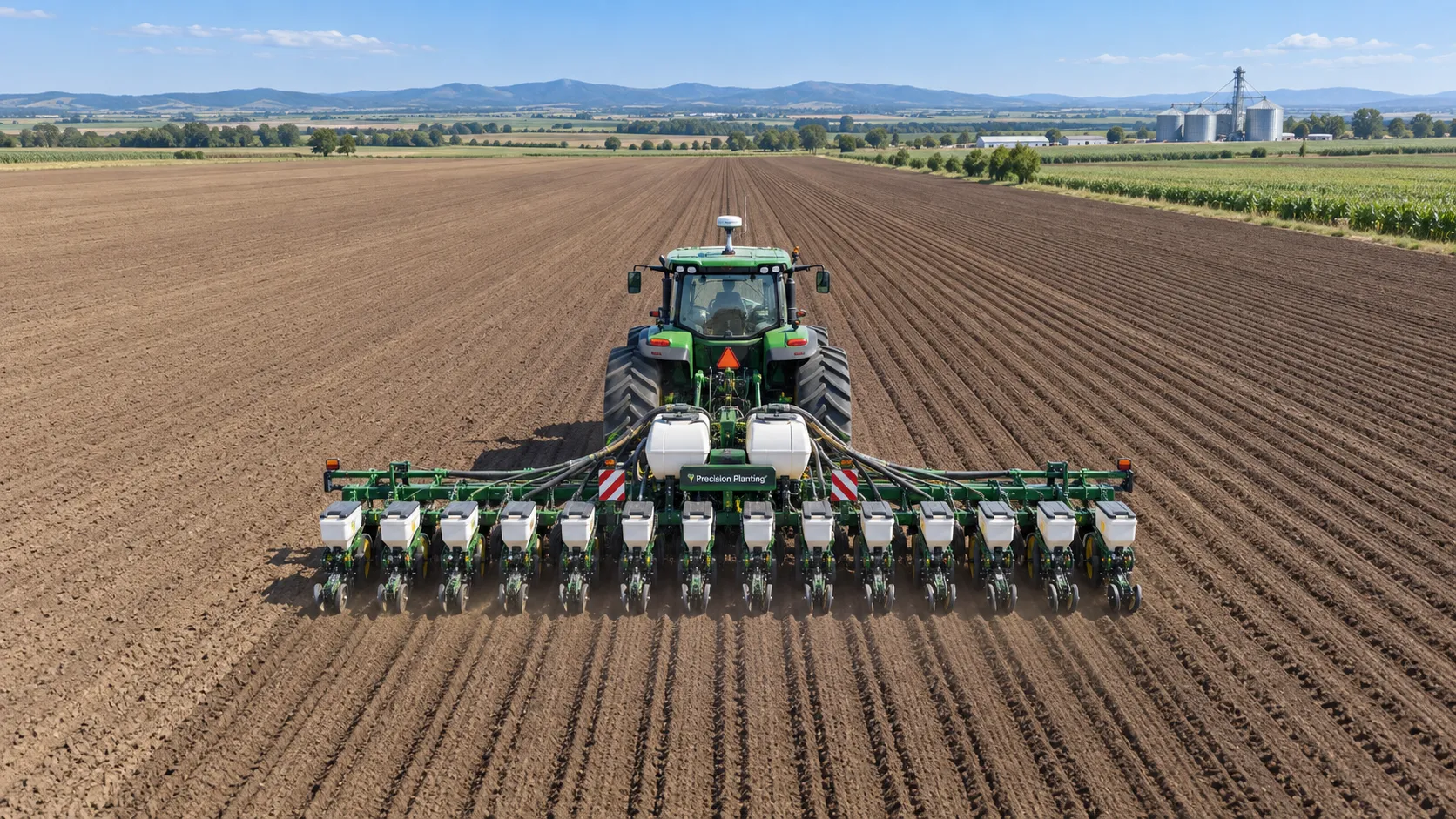
GPS-Guided Farm Machinery: Where It Delivers Measurable Field Efficiency Gains
Agri-mechanization GPS guided systems deliver measurable field efficiency gains through reduced overlap, precise planting, smarter inputs, and reliable farm data.
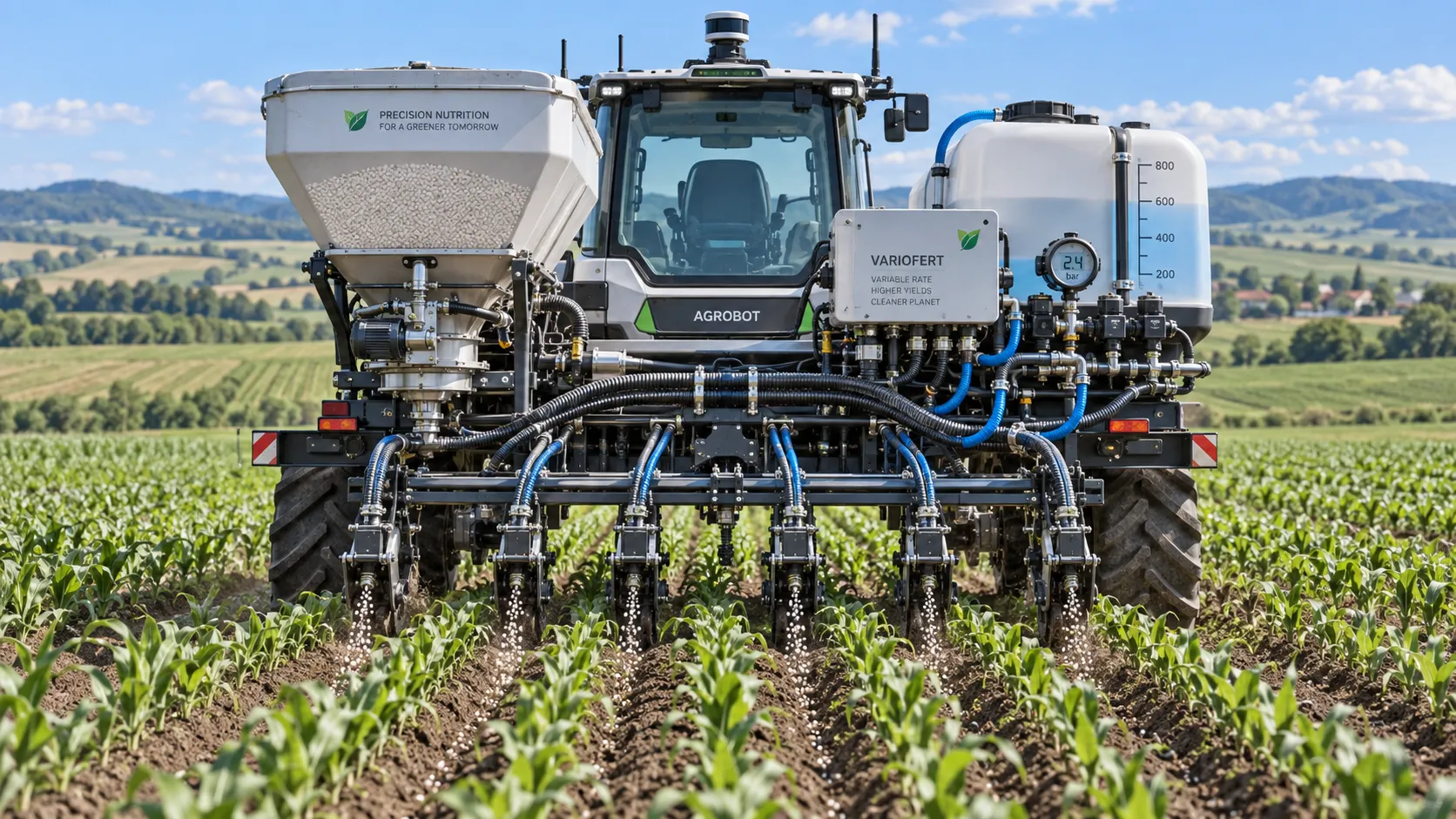
How Sensor Feedback Enables Accurate Variable-Rate Fertilization in Field Conditions
Precision fertilization systems with sensor feedback improve variable-rate accuracy by verifying flow, managing latency, and ensuring reliable field application.
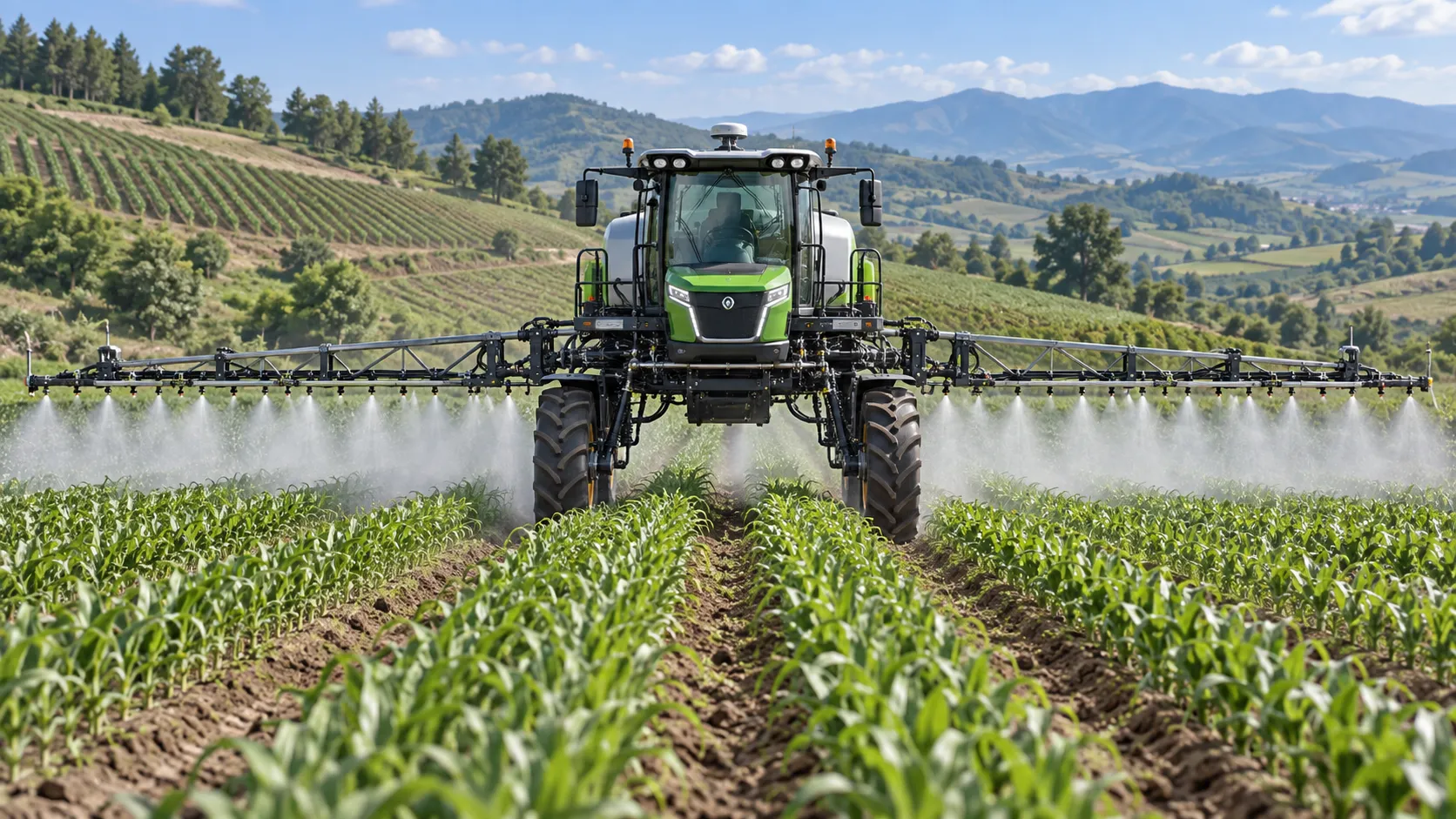
How to Select Precision Crop Protection Equipment for Variable Field Conditions
Precision crop protection equipment selection made simple: compare terrain, canopy, weather, control accuracy, and data workflows for reliable applications.
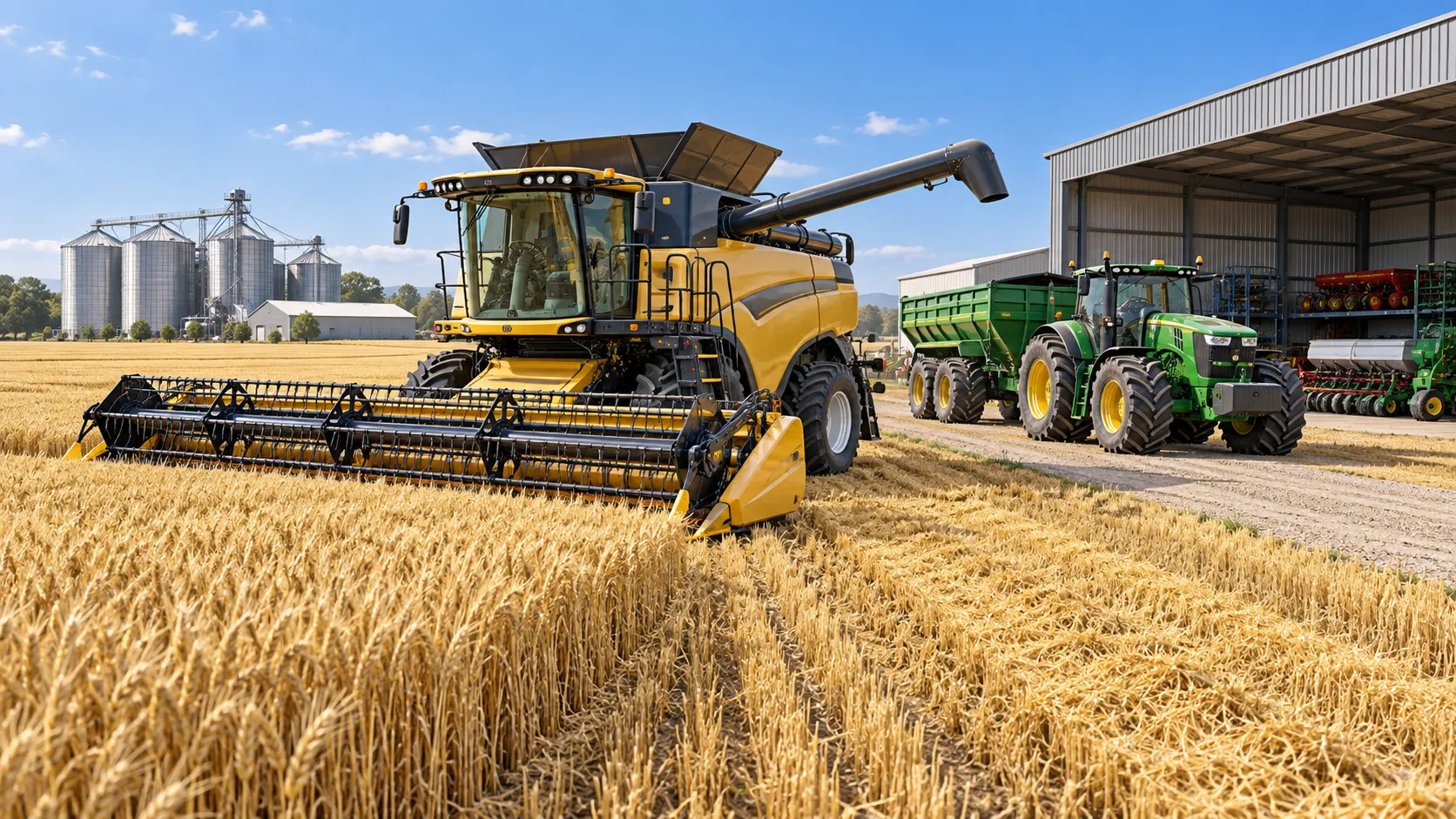
When Does Agricultural Machinery Leasing Cost Less Than Owning Equipment?
Agricultural machinery leasing can lower farm costs when use is seasonal or uncertain. Compare utilization, maintenance, cash flow, and risk to make a smarter equipment decision.
Related News
- 00
0000-00
Tractor Chassis Price: What Buyers Should Compare Beyond the Initial Quote - 00
0000-00
How Digital Agriculture Platforms Turn Field Data Into Better Input Decisions - 00
0000-00
When Does Agricultural Machinery Leasing Cost Less Than Owning Equipment? - 00
0000-00
Selecting Grain Farm Equipment by Acreage, Crop Mix, and Harvest Window - 00
0000-00
Poultry Equipment Selection: Evaluating Durability, Cleaning, and Compatibility
Popular Tags
Ms. Elena Rodriguez
Weekly Insights
Stay ahead with our curated technology reports delivered every Monday.