
How to Evaluate an Agri-Mechanization Manufacturer for Large Farm Projects
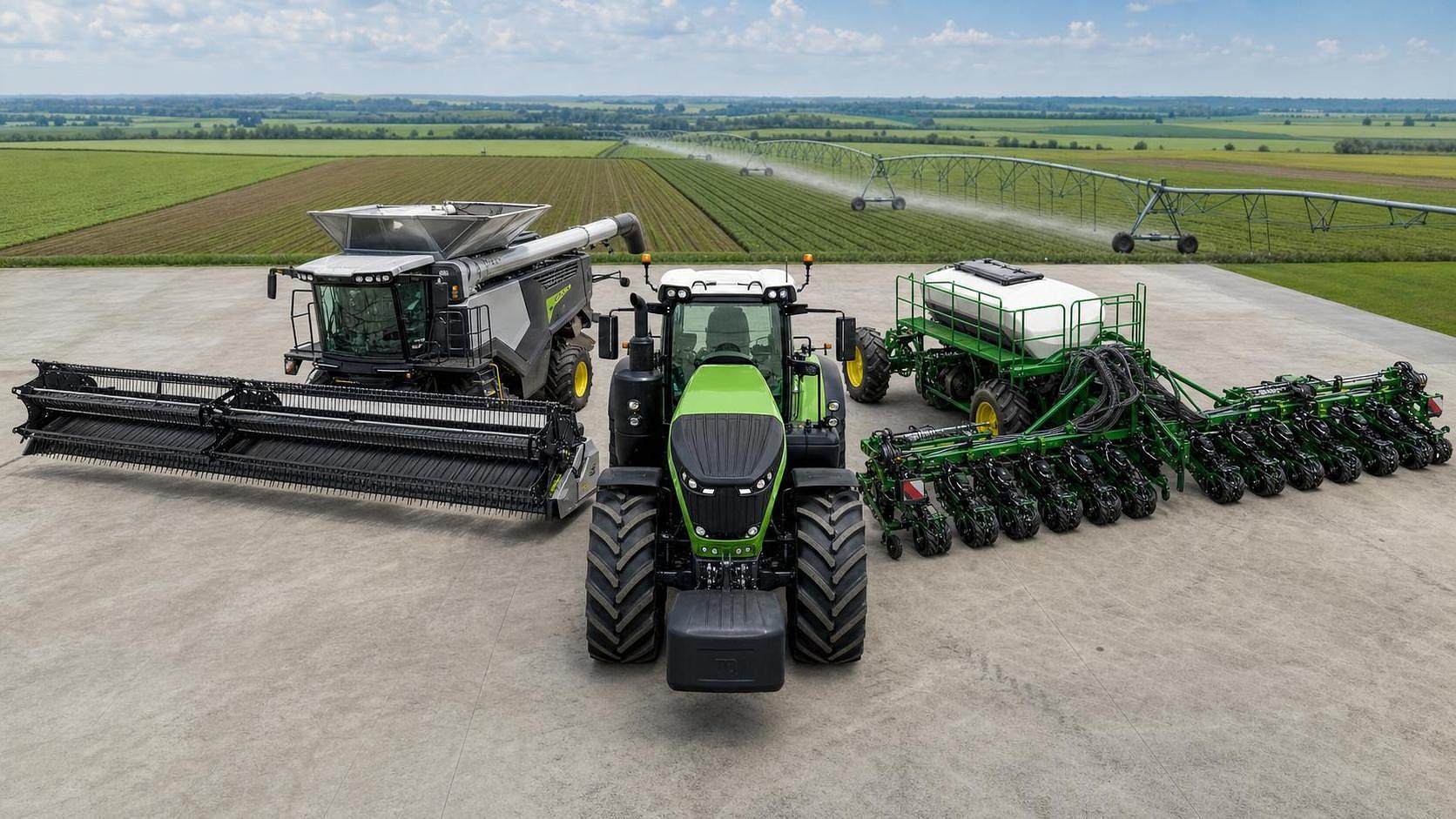




Why does choosing an agri-mechanization manufacturer matter so much in large farm projects?
A large farm project rarely fails because a brochure looked weak. It usually fails when equipment, service, and field reality do not match.
That is why evaluating an agri-mechanization manufacturer requires more than price comparison. The real question is whether the supplier can support scale, continuity, and future upgrades.
In practice, the right manufacturer affects fuel efficiency, harvest timing, labor planning, spare-parts exposure, and even water-use discipline across the farm system.
For projects involving tractors, combine harvesters, precision tools, and irrigation links, the evaluation must be system-based. A cheap machine can become an expensive operating decision.
AP-Strategy often frames this issue through Agriculture 4.0 logic. Mechanical strength still matters, but data compatibility, sustainability pressure, and long-cycle service now shape procurement quality.
So when people search for an agri-mechanization manufacturer, they are usually asking a deeper question: which partner can keep the farm productive under real operating stress?
What should be checked before shortlisting any agri-mechanization manufacturer?
The first filter should be operational fit. Not every agri-mechanization manufacturer is built for large-acreage, multi-season, high-utilization environments.
A useful shortlist usually starts with five checks.
- Production capacity: Can the supplier deliver full volumes on the required schedule?
- Equipment range: Are tractors, harvesters, implements, and irrigation-linked tools aligned as one operating platform?
- Field relevance: Has the manufacturer supplied equipment for similar crops, terrain, and climate zones?
- Compliance base: Do emissions, safety, and market-entry certifications match the destination region?
- Service depth: Is support local, regional, or only factory-based?
More common mistakes happen at this stage than later. Teams often shortlist on machine specifications alone and ignore delivery reliability or digital integration standards.
If the project includes smart irrigation, guidance systems, or prescription farming tools, compatibility becomes a hard requirement, not a bonus feature.
AP-Strategy’s sector coverage is useful here because it connects large machinery, combine technology, tractor chassis, intelligent tools, and water-saving systems as one decision chain.
A fast screening table for early comparison
Before plant visits or technical workshops, a compact decision table helps separate qualified names from attractive but risky options.
How do you judge engineering reliability beyond the catalog?
Catalog performance tells you what a machine can do in controlled conditions. Reliability tells you what it will still do during heat, dust, uneven fields, and long working hours.
A serious agri-mechanization manufacturer should provide evidence from actual operating conditions. That includes crop type, soil conditions, uptime history, and loss-control performance.
This matters especially for combine harvesters and tractor chassis. Transmission durability, hydraulic response, threshing stability, and cleaning-loss behavior directly affect project economics.
The better approach is to ask for proof in layers. Start with technical documentation, then field references, then pilot observations if available.
- Mean time between failures under commercial workloads
- Wear-part life in abrasive or wet field environments
- Fuel consumption under partial and peak load
- Calibration stability for guidance, seeding, or spraying systems
- Recovery speed after a breakdown during critical farm windows
Need to be careful here: some manufacturers showcase premium configurations while the quoted package uses a different axle, hydraulic circuit, or software level.
AP-Strategy’s intelligence perspective is helpful because mechanical claims should be read together with algorithm performance, irrigation response, and sustainability metrics, not separately.
Is after-sales support really as important as machine performance?
For large projects, yes. In many cases, after-sales capability is the difference between a productive season and a delayed one.
An agri-mechanization manufacturer may offer strong equipment, yet weak service logistics can erase that advantage. Harvest windows, planting timing, and irrigation schedules do not wait for paperwork.
A practical evaluation should cover more than warranty terms. The real issue is service responsiveness under pressure.
Look at the support model from three angles: parts, people, and process.
- Parts: Which critical items are stocked locally, and which come from central warehouses?
- People: Are technicians trained on diagnostics, software, hydraulics, and seasonal commissioning?
- Process: Is there a clear escalation path for repeat failures or harvest-time breakdowns?
In actual operations, remote diagnostics and software updates now matter almost as much as physical repair. This is especially true for guidance, sensor, and irrigation-linked systems.
If a manufacturer cannot explain uptime support in measurable terms, the risk remains open even when the machine price looks attractive.
How can you compare technology integration without overpaying for features?
Not every digital feature creates value. The right question is whether the technology improves field decisions, reduces waste, or strengthens asset utilization.
A capable agri-mechanization manufacturer should support practical integration across machinery and farm data layers. That may include GPS guidance, telematics, sensor feedback, variable-rate control, or irrigation coordination.
The evaluation becomes clearer when you test each feature against a real operating problem.
This is where AP-Strategy’s cross-domain focus becomes relevant. It tracks not only machinery trends, but also cleaning-loss algorithms, chassis evolution, and smart irrigation intelligence.
That broader view helps distinguish meaningful innovation from expensive decoration. For a large farm project, interoperability usually wins over isolated premium features.
What risks are most often missed during manufacturer evaluation?
Most missed risks are not hidden in the machine itself. They sit in contracts, assumptions, and operational gaps.
One common issue is underestimating ramp-up time. Delivery may be on schedule, but commissioning, training, and software setup can still delay field readiness.
Another weak point is lifecycle visibility. Some quotes look competitive because consumables, dealer labor, software licenses, or hydraulic components are not fully costed.
There is also a strategic risk. An agri-mechanization manufacturer may meet today’s needs but lack a roadmap for autonomous systems, emissions compliance, or water-efficiency integration.
That matters more now because agricultural investment is shaped by food security pressure, climate adaptation, and resource-saving standards.
- Request a five-year support view, not just a delivery plan.
- Check software ownership, update rights, and data export rules.
- Verify operator training commitments in writing.
- Confirm spare-parts coverage for peak-season failure points.
- Match machine specs with crop calendar reality, not showroom conditions.
What is the smartest next step once two or three manufacturers look equally strong?
At that point, the decision should move from sales comparison to scenario testing. Similar offers often separate only when mapped to real project priorities.
Build a final scorecard around uptime, integration, service response, lifecycle cost, and adaptability. Give each category a weight based on farm risk, not presentation quality.
If possible, validate with a reference site using similar crops and operating intensity. One direct conversation about failures, repair times, and seasonal pressure can reveal more than a polished proposal.
The strongest agri-mechanization manufacturer is usually the one that combines durable engineering with transparent support and a credible technology path.
In other words, the goal is not simply to buy machines. It is to secure a working system that can keep pace with output targets, precision farming needs, and sustainability expectations.
A practical next move is to document operating requirements, compare shortlisted manufacturers against the same field scenarios, and test every promise against cost, timing, and service evidence.
That is the point where evaluation becomes a sound investment decision rather than a catalog exercise.
Related News
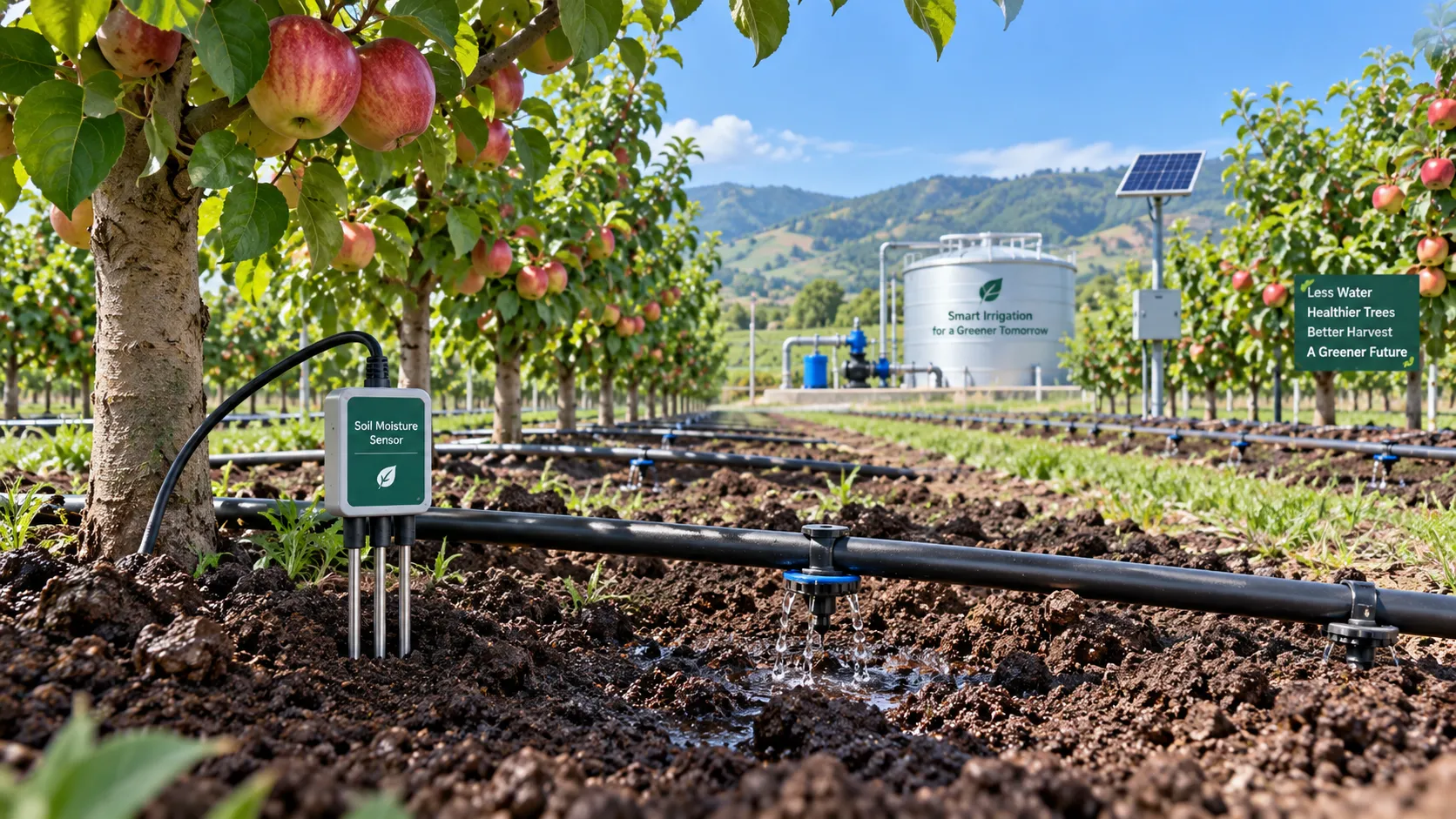
Orchard Water Management: Using Soil Moisture Data to Schedule Irrigation
Agricultural water management for orchards made practical: use soil moisture data to optimize irrigation timing, protect yield, reduce costs, and improve resilience.
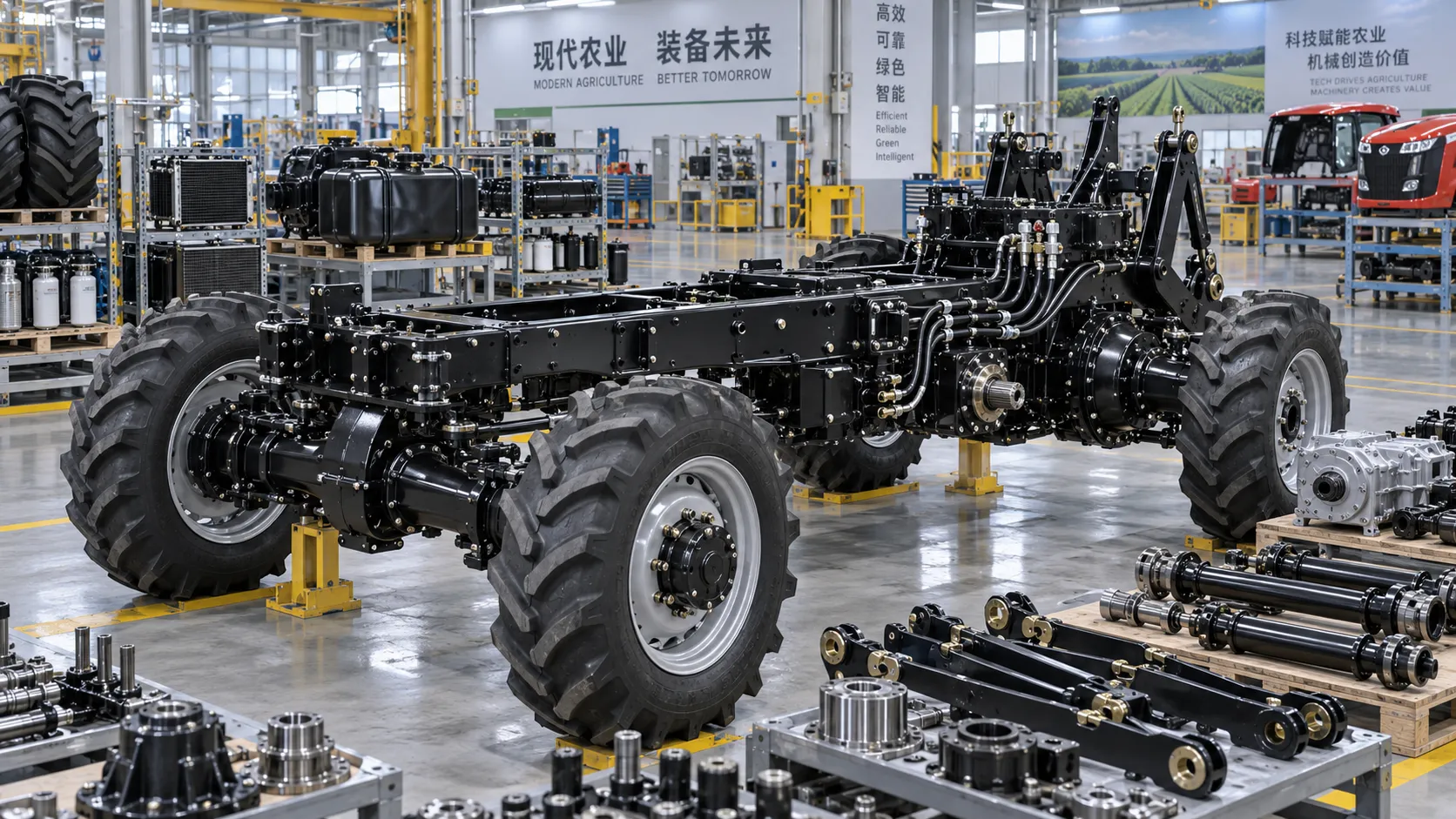
Tractor Chassis Price: What Buyers Should Compare Beyond the Initial Quote
Tractor chassis price is only the start. Compare load capacity, compatibility, durability, and lifecycle costs to choose a reliable, high-value chassis.
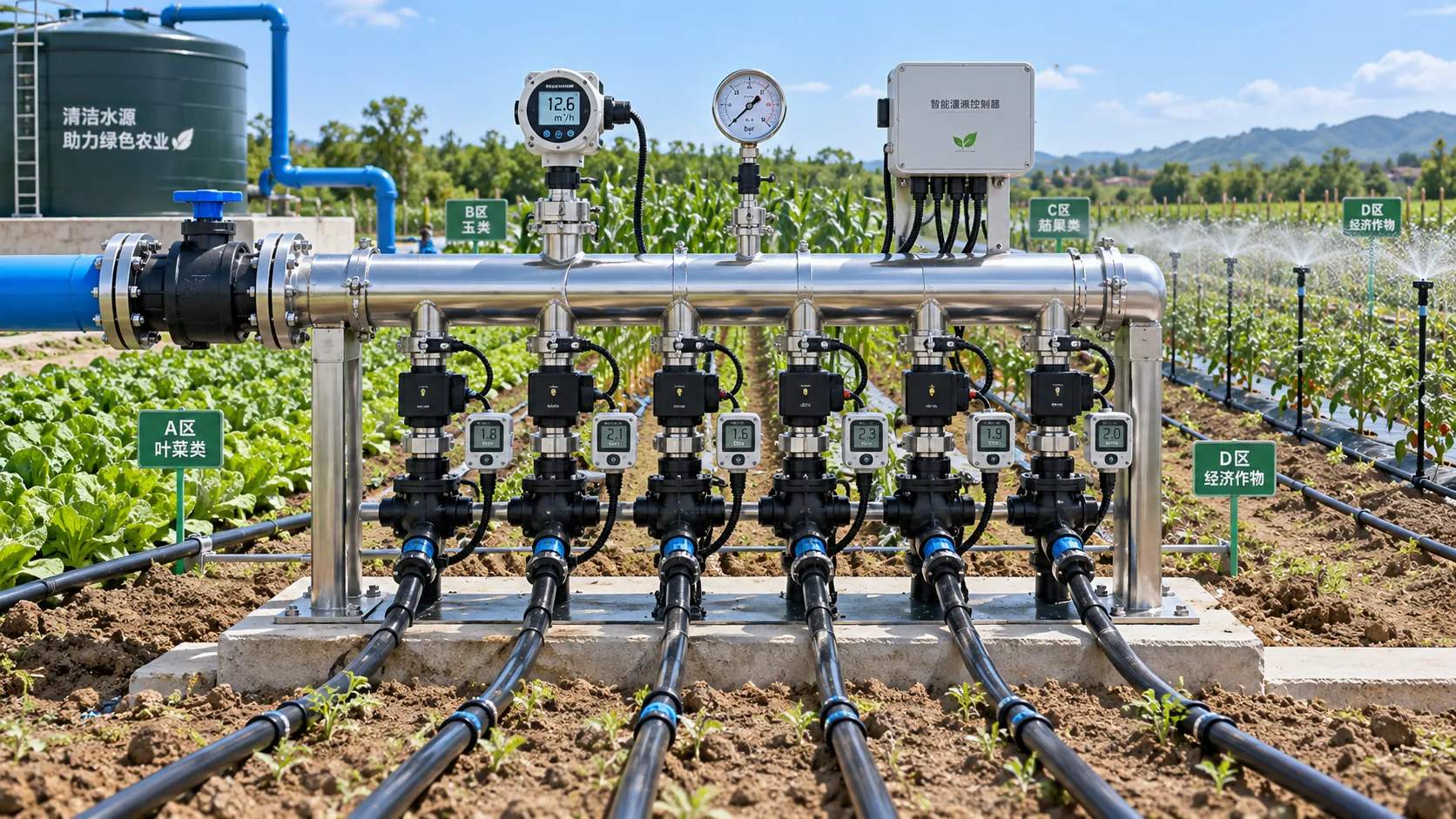
How to Select Smart Irrigation Valves for Multi-Zone Water Management?
Intelligent irrigation systems valves: learn how to match smart valves with multi-zone flow, pressure, control, feedback, and communication needs for reliable water management.
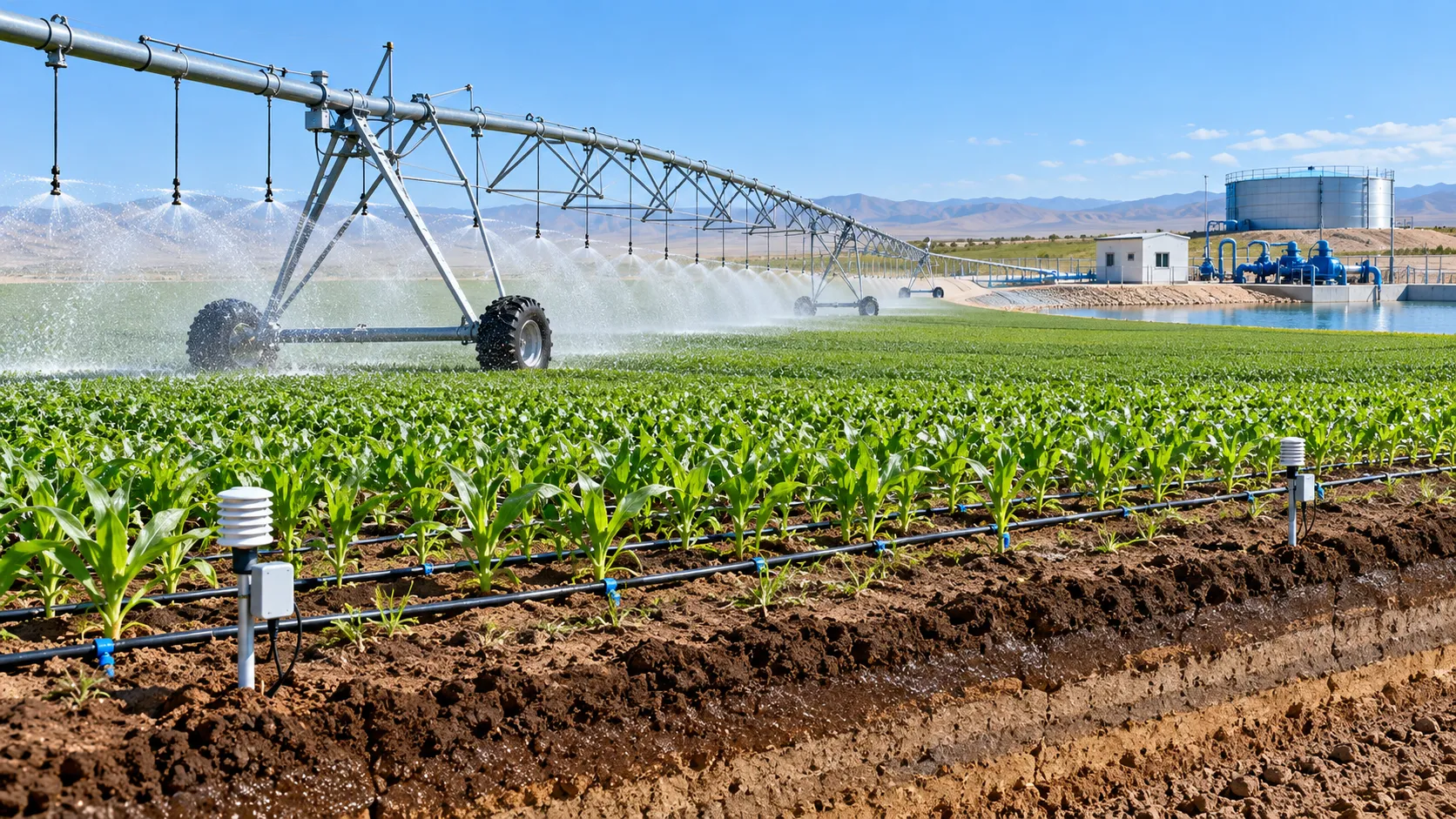
Climate-Smart Farming for Drought: A Practical Plan for Protecting Yields
Climate-smart farming for drought: build smarter water budgets, protect critical crop stages, improve irrigation uniformity, and safeguard yields with practical field-proven strategies.
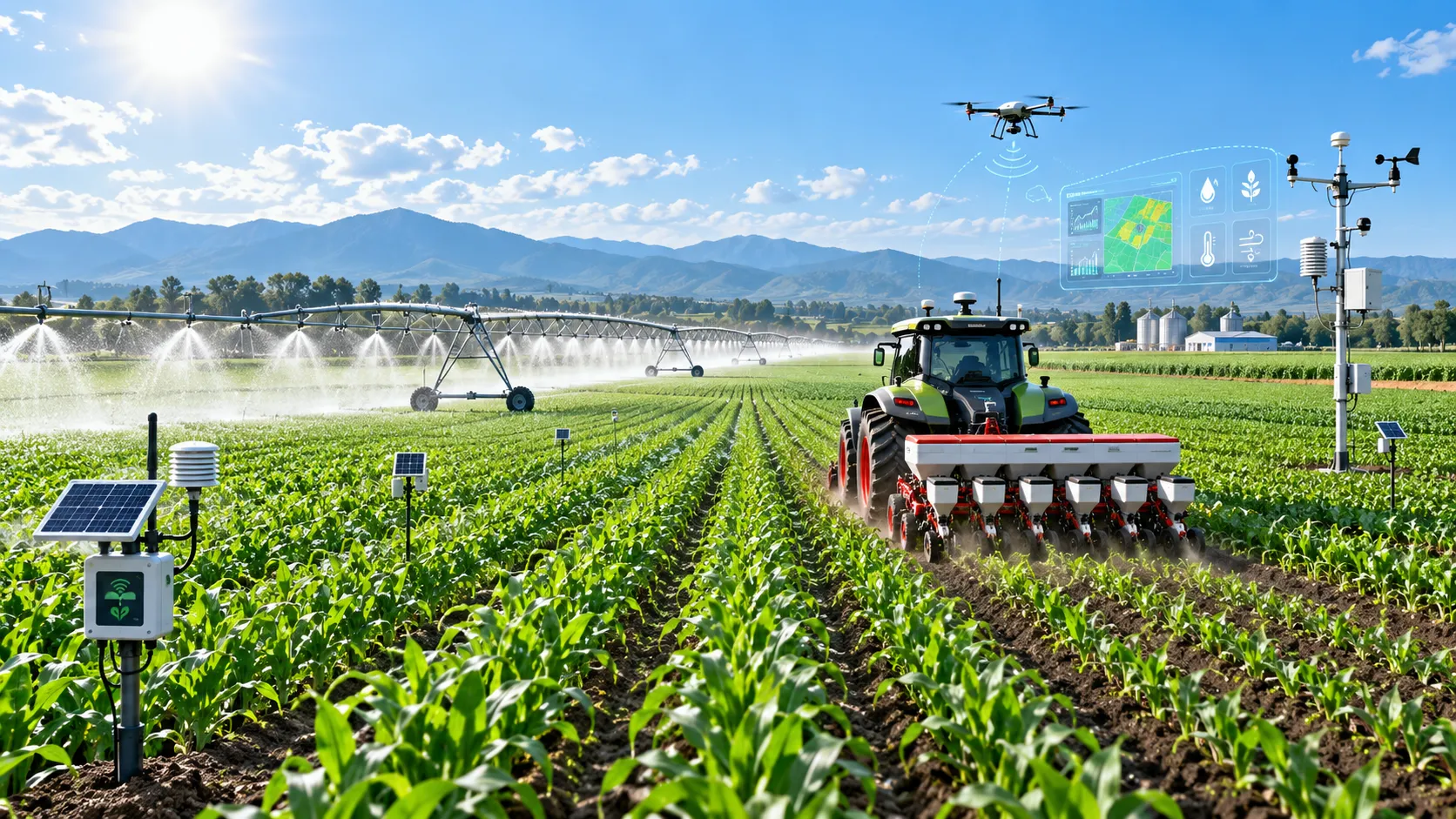
How Digital Agriculture Platforms Turn Field Data Into Better Input Decisions
Digital agriculture platforms turn field data into smarter fertilizer, water, seed, and equipment decisions—helping farms cut risk, improve margins, and scale sustainability.
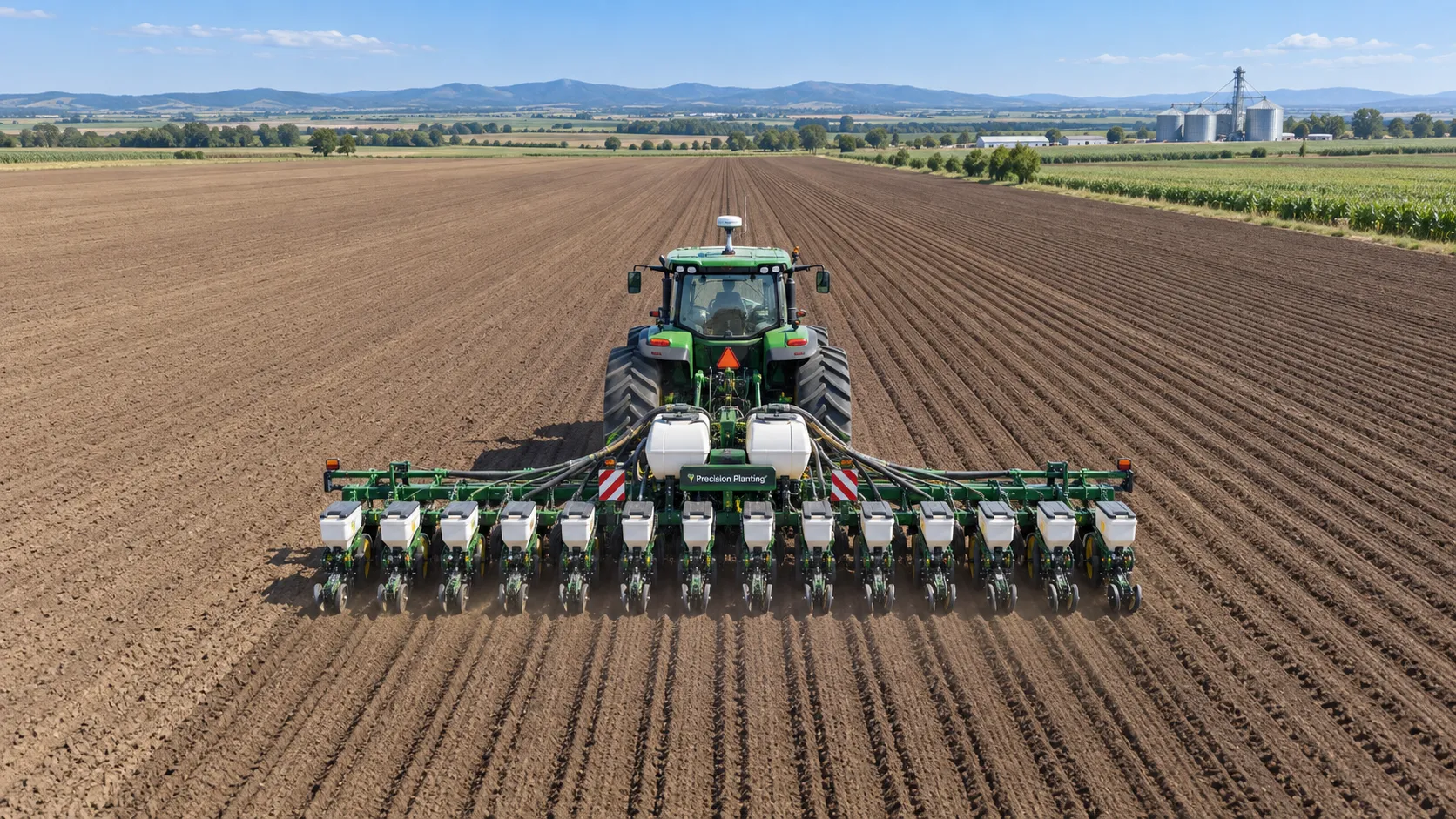
GPS-Guided Farm Machinery: Where It Delivers Measurable Field Efficiency Gains
Agri-mechanization GPS guided systems deliver measurable field efficiency gains through reduced overlap, precise planting, smarter inputs, and reliable farm data.
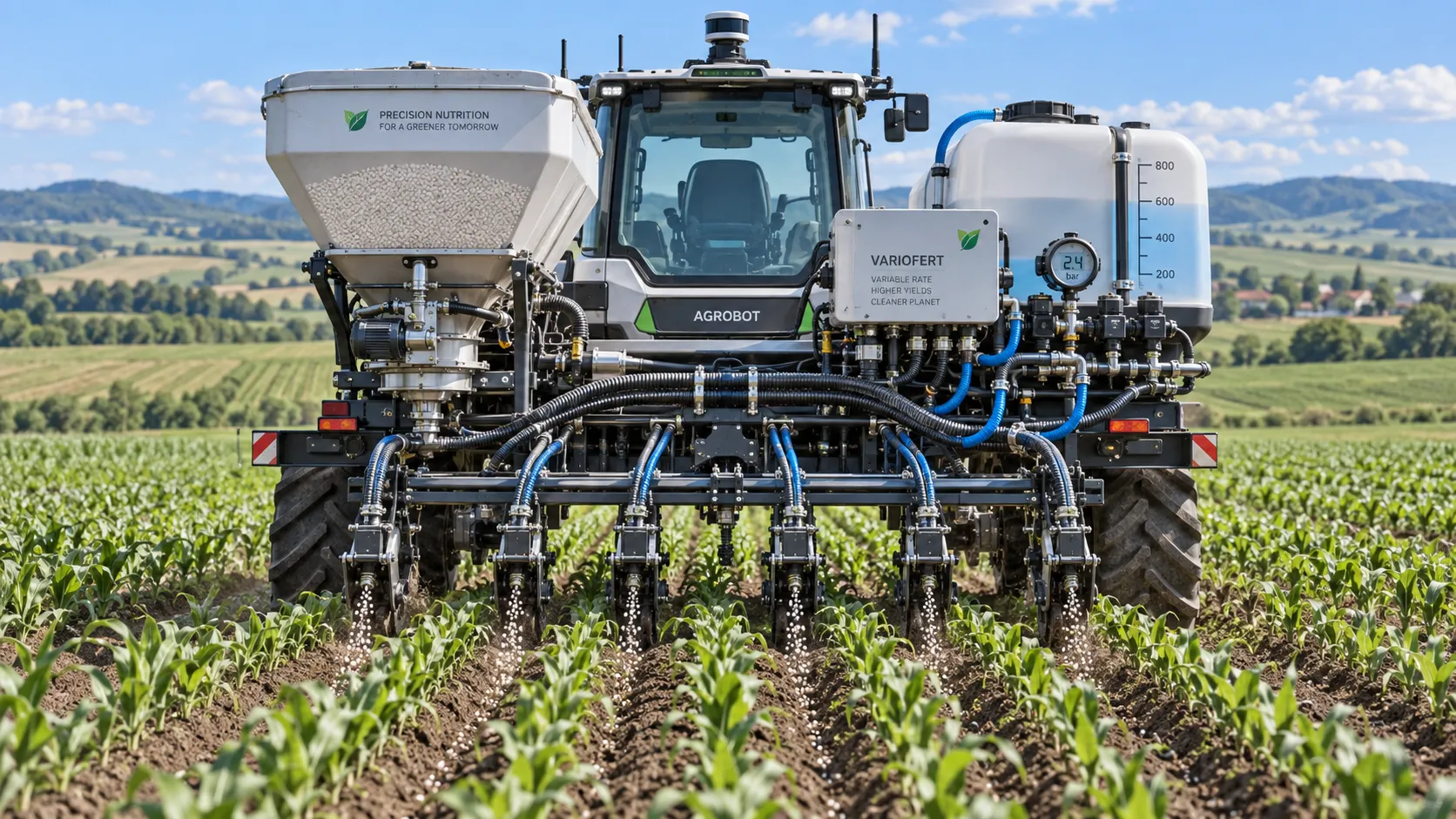
How Sensor Feedback Enables Accurate Variable-Rate Fertilization in Field Conditions
Precision fertilization systems with sensor feedback improve variable-rate accuracy by verifying flow, managing latency, and ensuring reliable field application.
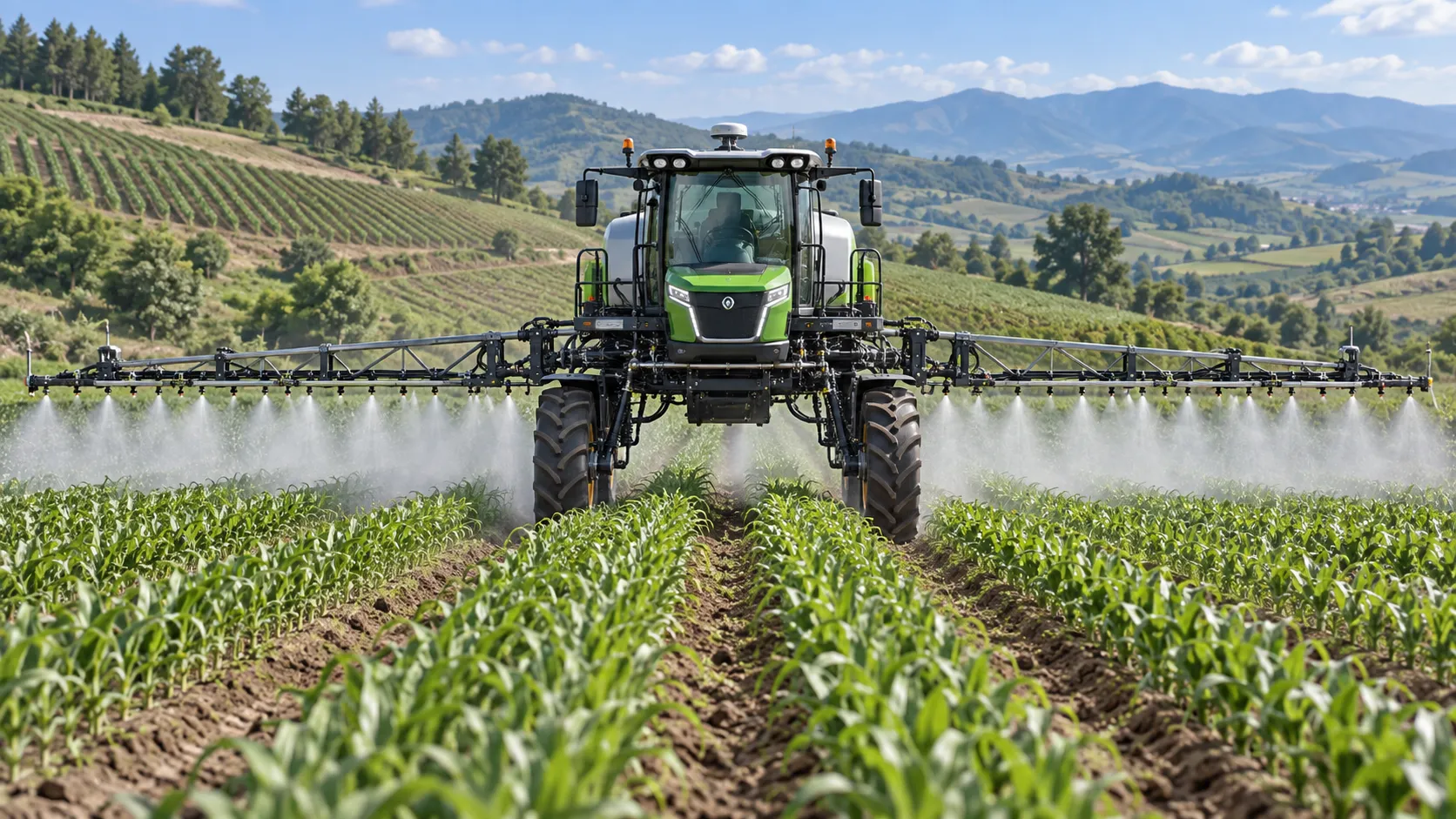
How to Select Precision Crop Protection Equipment for Variable Field Conditions
Precision crop protection equipment selection made simple: compare terrain, canopy, weather, control accuracy, and data workflows for reliable applications.
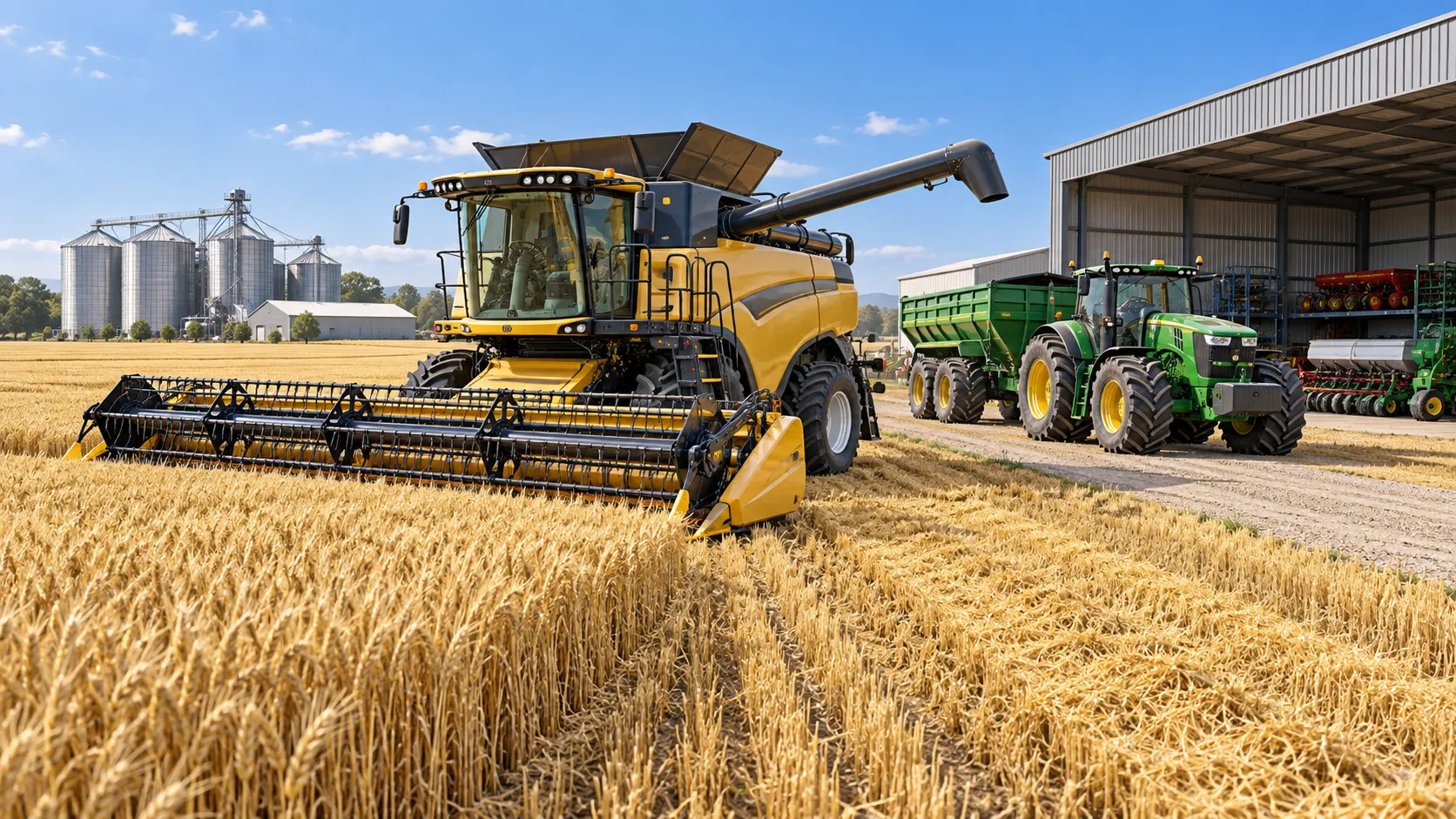
When Does Agricultural Machinery Leasing Cost Less Than Owning Equipment?
Agricultural machinery leasing can lower farm costs when use is seasonal or uncertain. Compare utilization, maintenance, cash flow, and risk to make a smarter equipment decision.
Related News
- 00
0000-00
Tractor Chassis Price: What Buyers Should Compare Beyond the Initial Quote - 00
0000-00
How Digital Agriculture Platforms Turn Field Data Into Better Input Decisions - 00
0000-00
When Does Agricultural Machinery Leasing Cost Less Than Owning Equipment? - 00
0000-00
Selecting Grain Farm Equipment by Acreage, Crop Mix, and Harvest Window - 00
0000-00
Poultry Equipment Selection: Evaluating Durability, Cleaning, and Compatibility
Popular Tags
Ms. Elena Rodriguez
Weekly Insights
Stay ahead with our curated technology reports delivered every Monday.