
ANVISA Extends Threshing System Rules With AI Data Mandate





On July 5, 2026, Brazil’s ANVISA updated Resolution RDC No. 112/2026 to bring Threshing Systems into an extended regulatory scope covering agricultural machinery safety and residue control. The immediate practical change is that imported equipment in this category must now be accompanied by a pesticide residue test report issued by an ANVISA-recognized laboratory, together with the raw data package from AI-assisted spectral analysis using AI-SpectraTrace v2.1. Because the rule took effect immediately with no transition period, it deserves close attention from exporters, importers, testing providers, procurement teams, and delivery managers handling equipment bound for the Brazilian market.
What the Rule Change Formally Introduced
The confirmed facts are limited but commercially significant. ANVISA updated Resolution RDC No. 112/2026 on July 5, 2026. The update places Threshing Systems within an extended regulatory framework tied to agricultural machinery safety and residue control. For imported equipment, the required supporting documentation now includes a pesticide residue detection report issued by a laboratory recognized by ANVISA. The same submission must also contain the original data package generated through AI-assisted spectral mapping analysis identified as AI-SpectraTrace v2.1. The rule entered into force on the same day, and no transition period was provided.
Where Commercial Friction Is Most Likely to Appear
Import and export transactions may face immediate document gating
From an industry perspective, trading parties are likely to feel the impact first at the point where shipment documents are assembled and reviewed. If imported Threshing Systems now require both an ANVISA-recognized laboratory report and embedded AI-SpectraTrace v2.1 raw data, exporters and Brazilian importers will need to verify that those materials are complete before dispatch, customs-facing document preparation, or final handover. What deserves closer attention is not only whether testing has been completed, but whether the testing package matches the format now implied by the rule.
Procurement and supplier qualification may tighten
Buyers and procurement teams may also be affected because supplier approval can no longer be treated as a matter of equipment specification alone. Analysis shows that procurement workflows for Threshing Systems destined for Brazil may now need to screen for access to ANVISA-recognized laboratory support and for the ability to provide AI-SpectraTrace v2.1 raw data as part of the compliance file. This could influence vendor selection, purchase timing, and acceptance conditions in contracts or technical appendices.
Testing and compliance service providers move closer to the transaction core
Testing institutions and compliance support firms may become more central to deal execution under this change. The rule directly links importability to report origin and data format, which means laboratory recognition status and data package completeness may become operational checkpoints rather than background paperwork. Observably, service providers involved in residue testing, technical file preparation, or regulatory documentation may need to align their deliverables more closely with ANVISA-facing expectations.
Delivery scheduling and after-sales handling may require extra caution
For manufacturers, distributors, and after-sales teams, the immediate-effect clause raises execution risk around deliveries already in motion or equipment awaiting shipment. It is more appropriate to understand this as a documentation and admissibility issue rather than a purely technical product issue. Where paperwork is incomplete, delivery schedules, installation planning, and handover milestones may need review, especially where customers expect immediate placement into service.
Operational Priorities Companies Should Review Now
Check whether current files actually satisfy the new submission threshold
Companies handling Threshing Systems for Brazil should review whether their current compliance packs include both elements expressly referenced in the update: an ANVISA-recognized laboratory report for pesticide residue testing and the original AI-SpectraTrace v2.1 data package. Analysis shows that having test results alone may not be enough if the raw AI analysis file is now part of the required documentation set.
Reassess supplier readiness and laboratory pathways
What deserves closer attention is whether upstream suppliers and testing partners can support the requirement without delay. Firms may need to verify laboratory recognition status, expected turnaround time for residue testing, and the practical ability to generate and transfer AI-SpectraTrace v2.1 raw data in a usable compliance format. Where those points are unclear, order confirmation and shipment release may need tighter internal controls.
Review trade documents, technical attachments, and delivery terms
Export documentation, technical submittals, bid files, and delivery checklists may need updating so the new requirement is reflected before equipment moves. From an industry perspective, the most immediate exposure is procedural: mismatches between purchase documents, testing records, and the regulatory file could create avoidable delays. Companies should therefore pay attention to how the requirement is referenced across commercial and technical documents, even though detailed enforcement practice has not been provided in the input.
Track official wording and market-level execution signals
Because the input does not provide detailed implementation guidance, companies should treat execution mechanics as an area for continued verification rather than assumption. This includes the exact documentation presentation format, how ANVISA-recognized laboratory status is checked in practice, and whether downstream counterparties begin incorporating the requirement into tenders, acceptance terms, or service documentation.
Why This Looks Like an Immediate Execution Signal
Analysis shows that this development is better understood as a live compliance change than as an early consultation-stage policy direction. The immediate effective date and lack of a transition period point to a rule that can affect ongoing transactions right away. At the same time, observably, the market still lacks detail in the information provided here on how the requirement will be operationalized across document review, procurement practice, and post-entry compliance checks. That combination makes the update both actionable now and still subject to close monitoring.
How the Market May Need to Read This Update
The practical significance of this ANVISA update lies less in broad policy language and more in how it changes the documentary threshold for imported Threshing Systems. It introduces a more specific compliance expectation around both laboratory source and AI-based raw data submission. A balanced reading is that the rule is already in force and cannot be treated as a future development, but its full commercial effect will depend on how consistently it appears in regulatory review, transaction documents, and market practice over the next stage of implementation.
Basis of This Article and What Still Needs Verification
This article is based on the user-provided news title, event date, and event summary. For developments of this kind, relevant source categories typically include official regulatory notices, releases from supervisory authorities, customs or trade administration information, industry association updates, standards-related documents, and reporting from authoritative industry media. A specific official source link was not provided in the input, so the exact underlying publication path still needs to be verified. Continued observation should focus on implementation detail, certification and documentation practice, tender language, market feedback, and how companies execute against the requirement in actual trade and delivery scenarios.
Related News
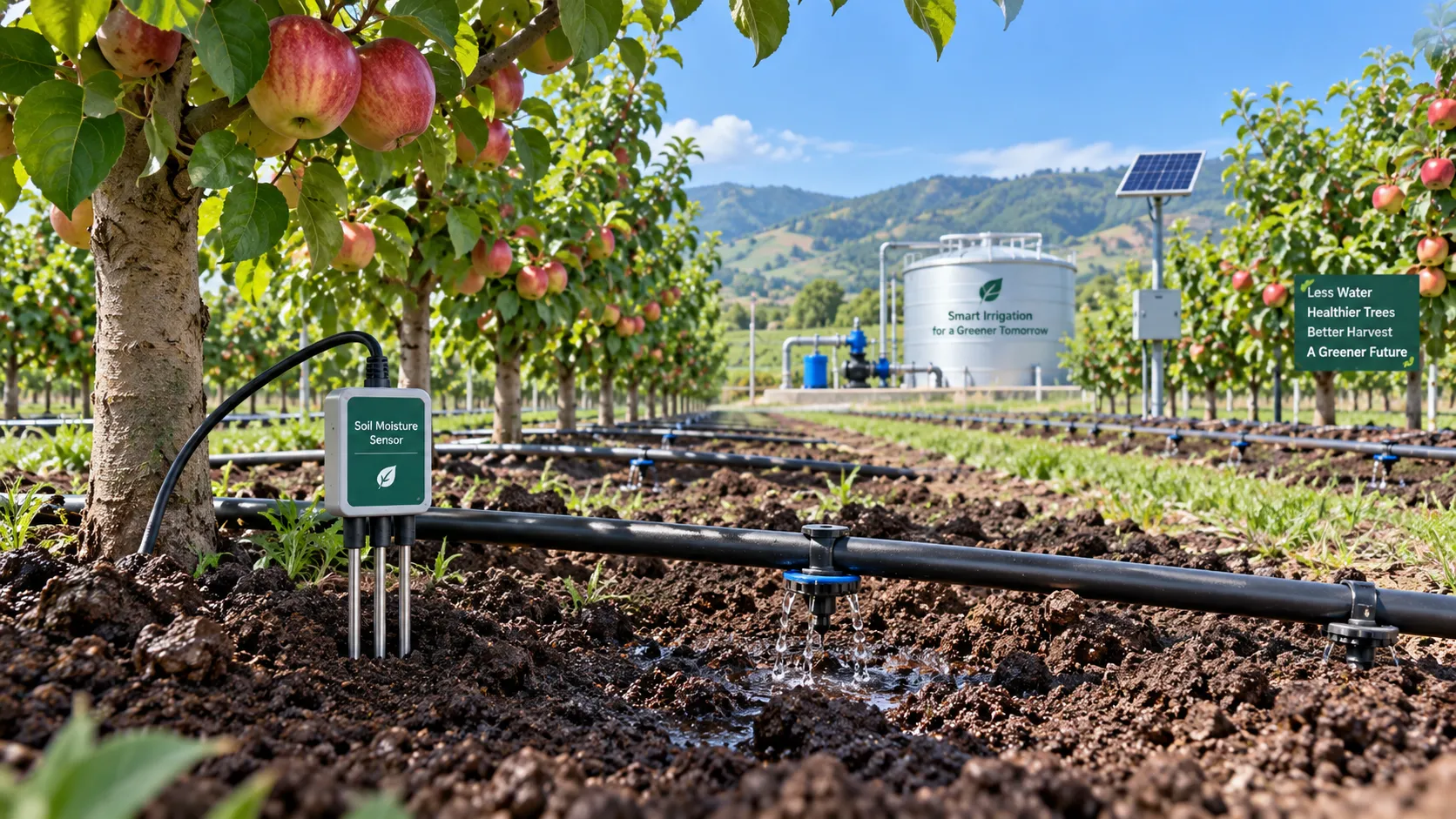
Orchard Water Management: Using Soil Moisture Data to Schedule Irrigation
Agricultural water management for orchards made practical: use soil moisture data to optimize irrigation timing, protect yield, reduce costs, and improve resilience.

Tractor Chassis Price: What Buyers Should Compare Beyond the Initial Quote
Tractor chassis price is only the start. Compare load capacity, compatibility, durability, and lifecycle costs to choose a reliable, high-value chassis.
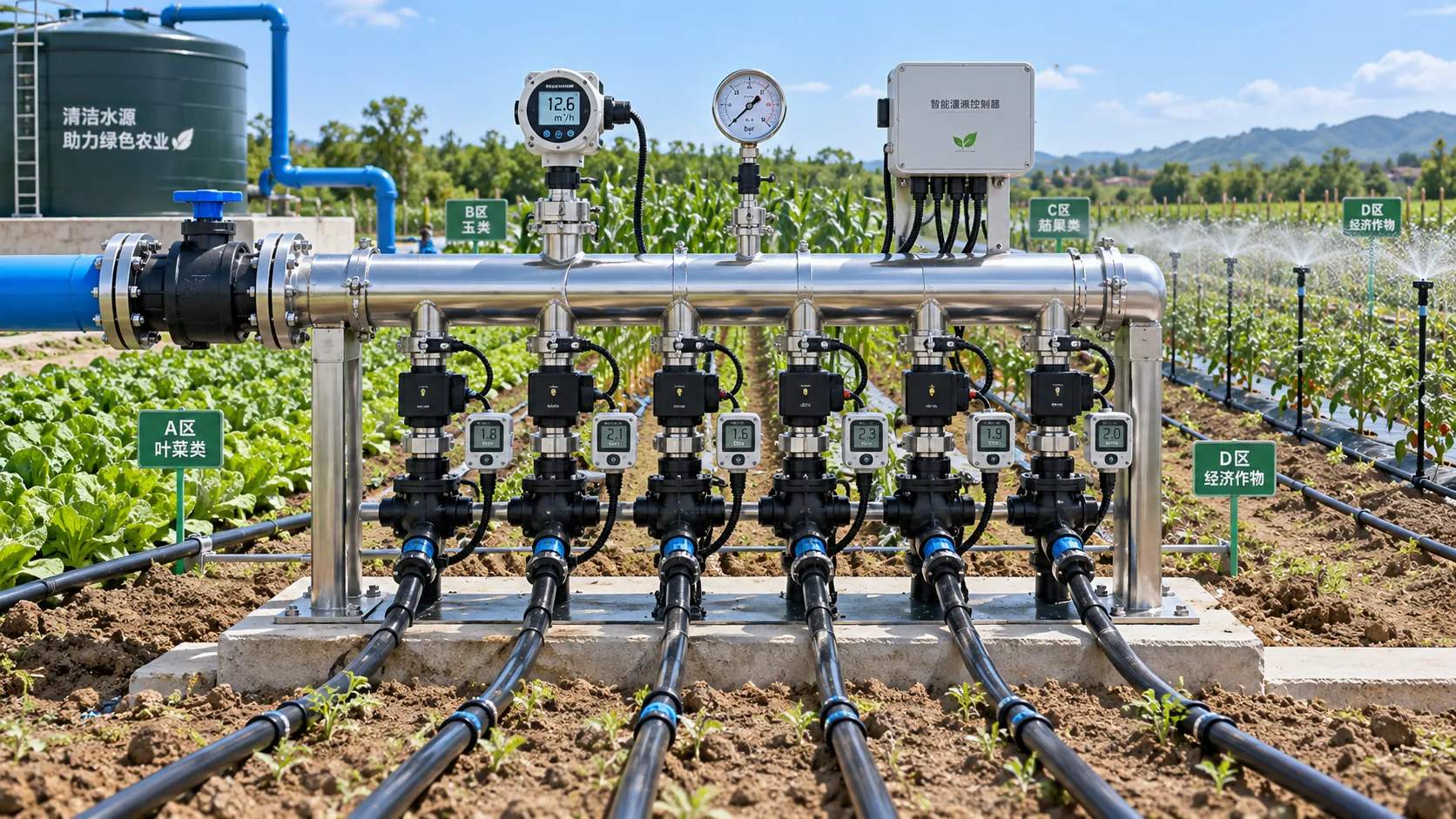
How to Select Smart Irrigation Valves for Multi-Zone Water Management?
Intelligent irrigation systems valves: learn how to match smart valves with multi-zone flow, pressure, control, feedback, and communication needs for reliable water management.
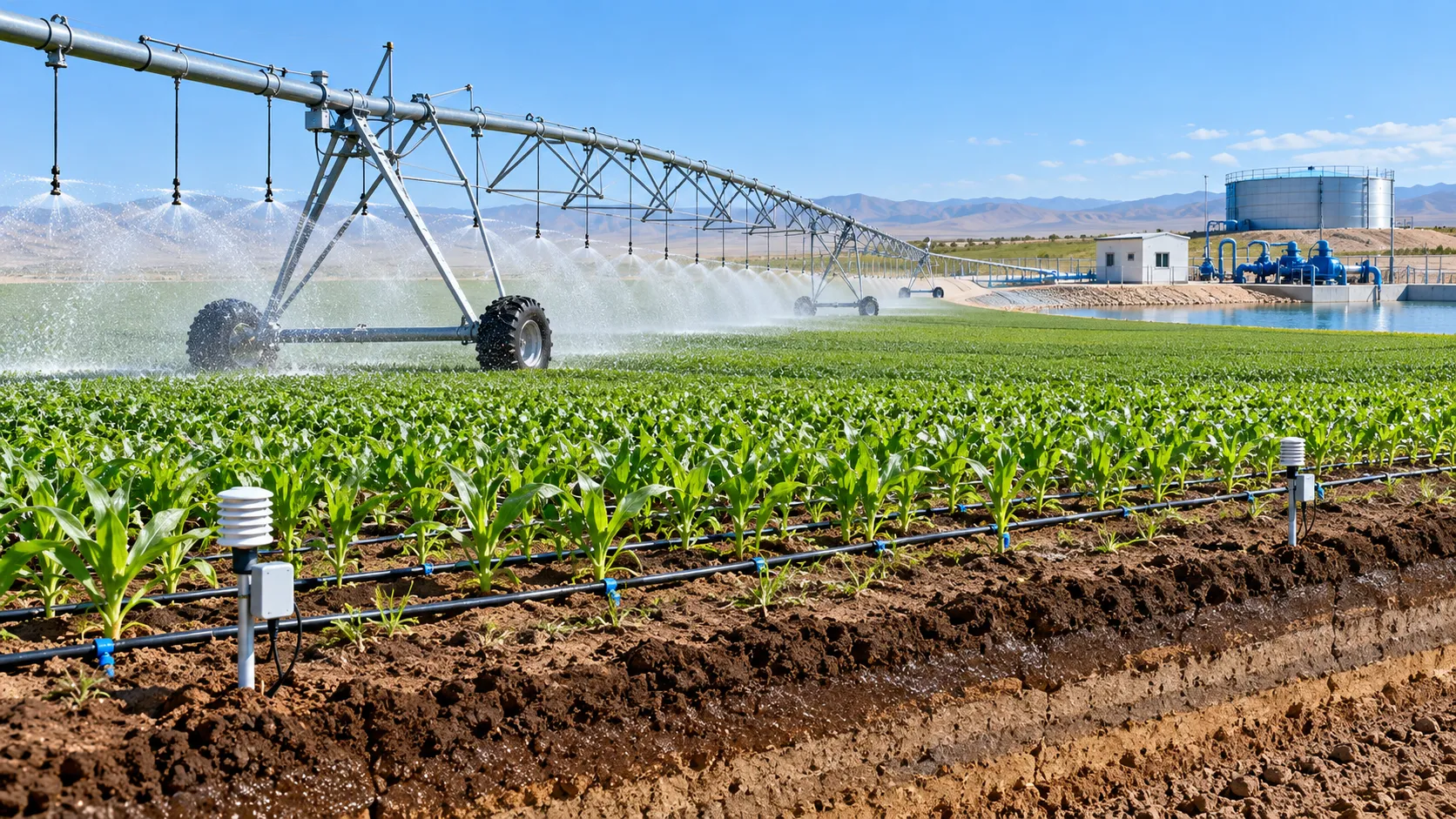
Climate-Smart Farming for Drought: A Practical Plan for Protecting Yields
Climate-smart farming for drought: build smarter water budgets, protect critical crop stages, improve irrigation uniformity, and safeguard yields with practical field-proven strategies.
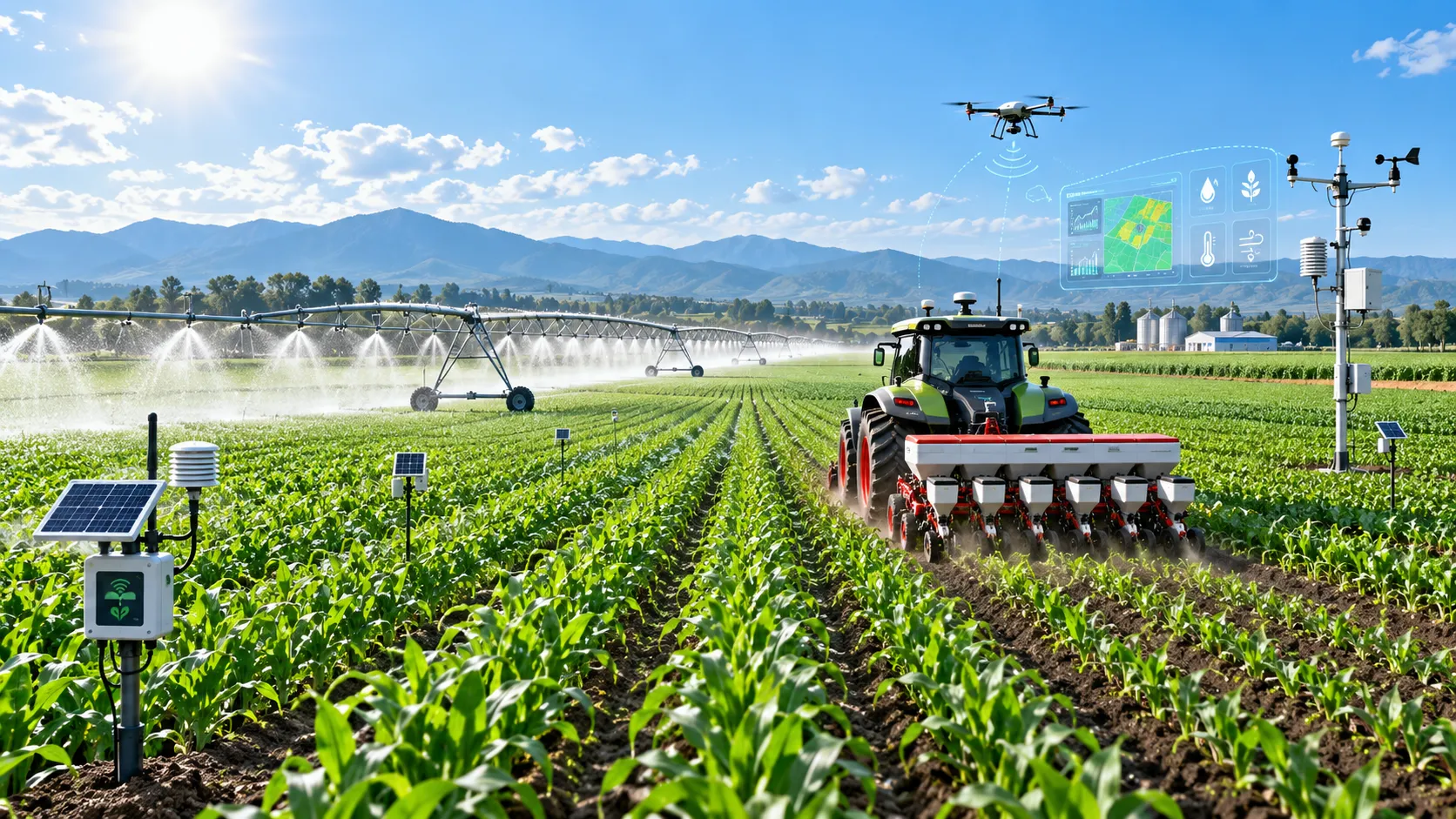
How Digital Agriculture Platforms Turn Field Data Into Better Input Decisions
Digital agriculture platforms turn field data into smarter fertilizer, water, seed, and equipment decisions—helping farms cut risk, improve margins, and scale sustainability.
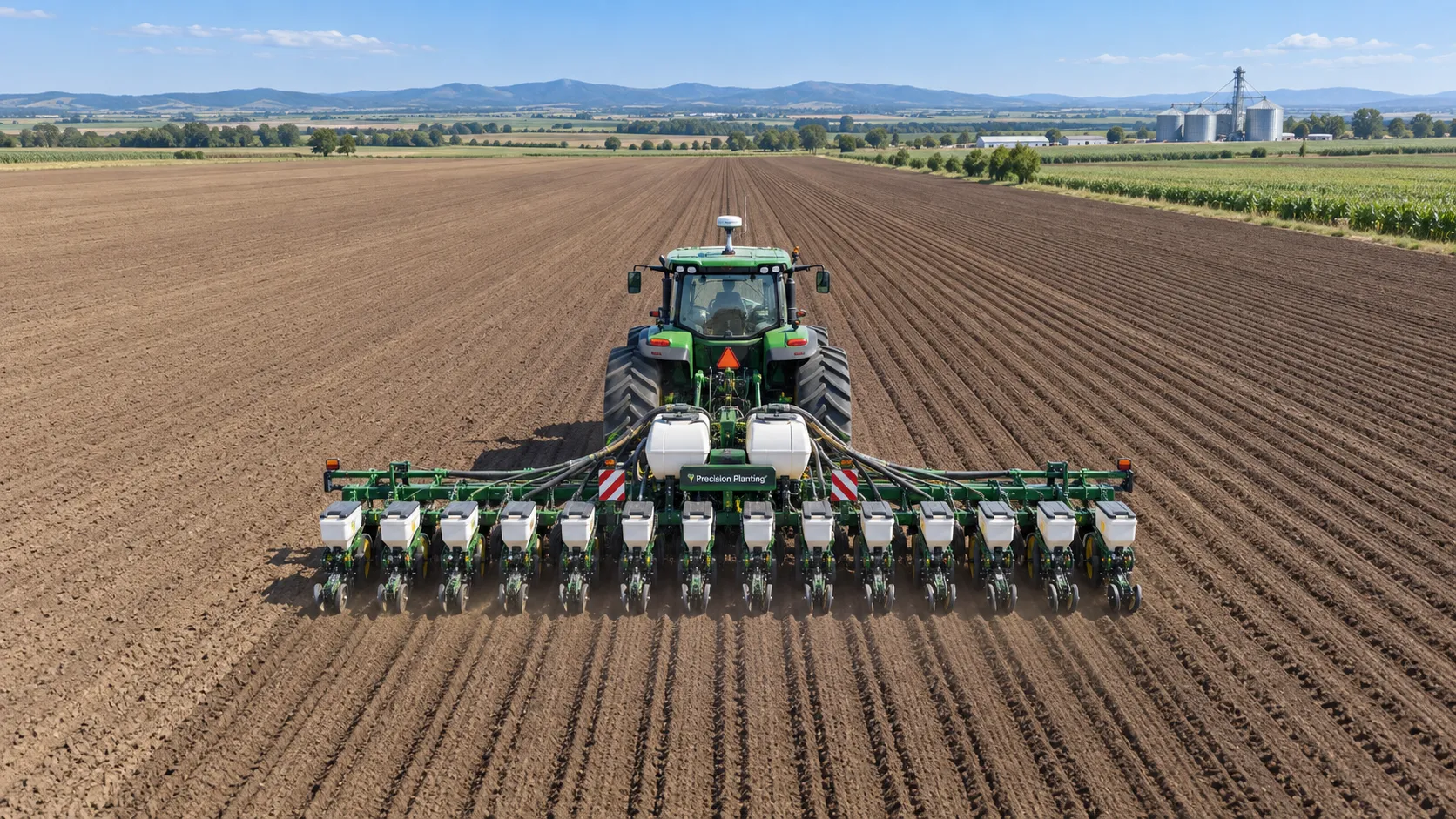
GPS-Guided Farm Machinery: Where It Delivers Measurable Field Efficiency Gains
Agri-mechanization GPS guided systems deliver measurable field efficiency gains through reduced overlap, precise planting, smarter inputs, and reliable farm data.
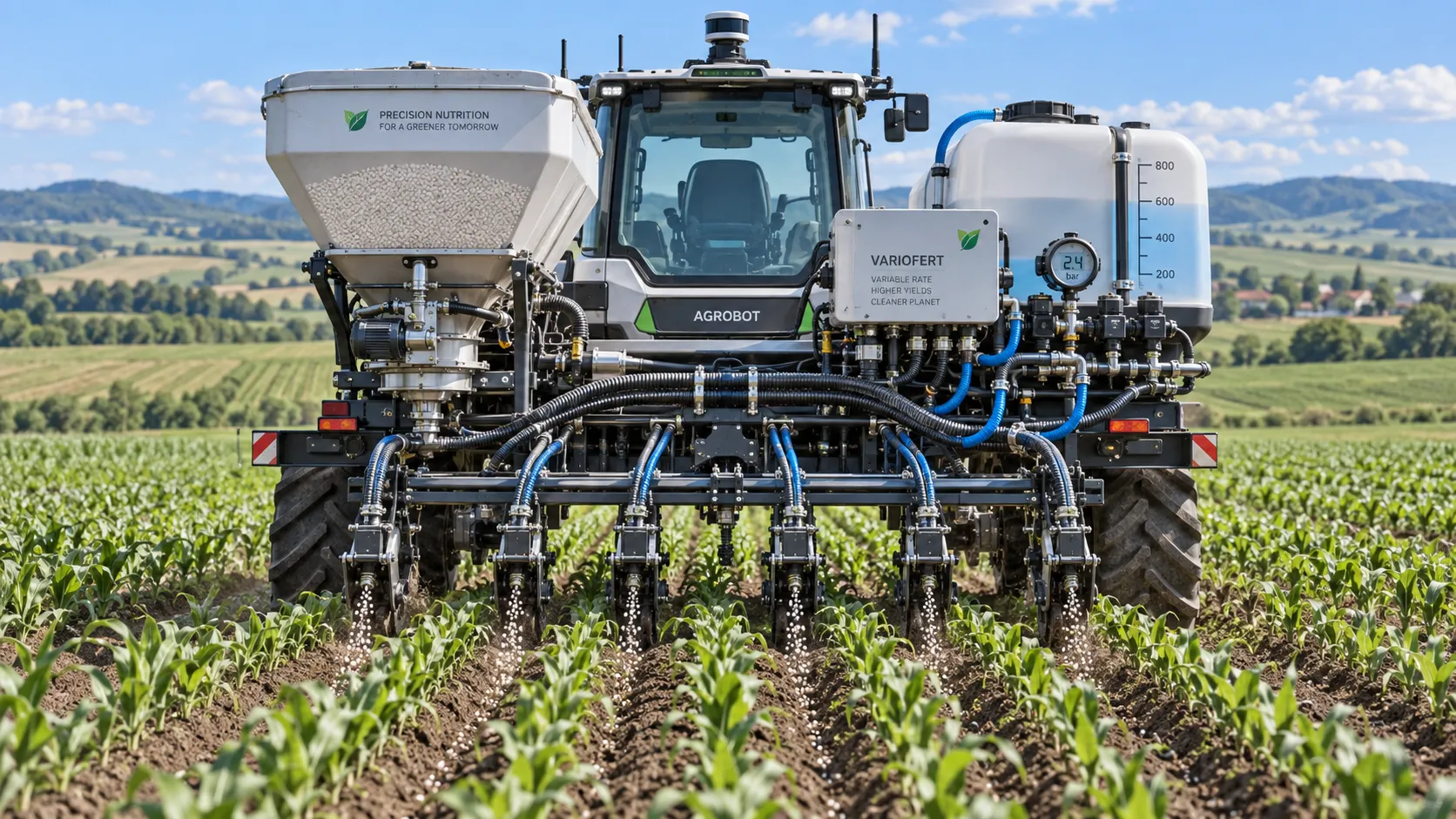
How Sensor Feedback Enables Accurate Variable-Rate Fertilization in Field Conditions
Precision fertilization systems with sensor feedback improve variable-rate accuracy by verifying flow, managing latency, and ensuring reliable field application.
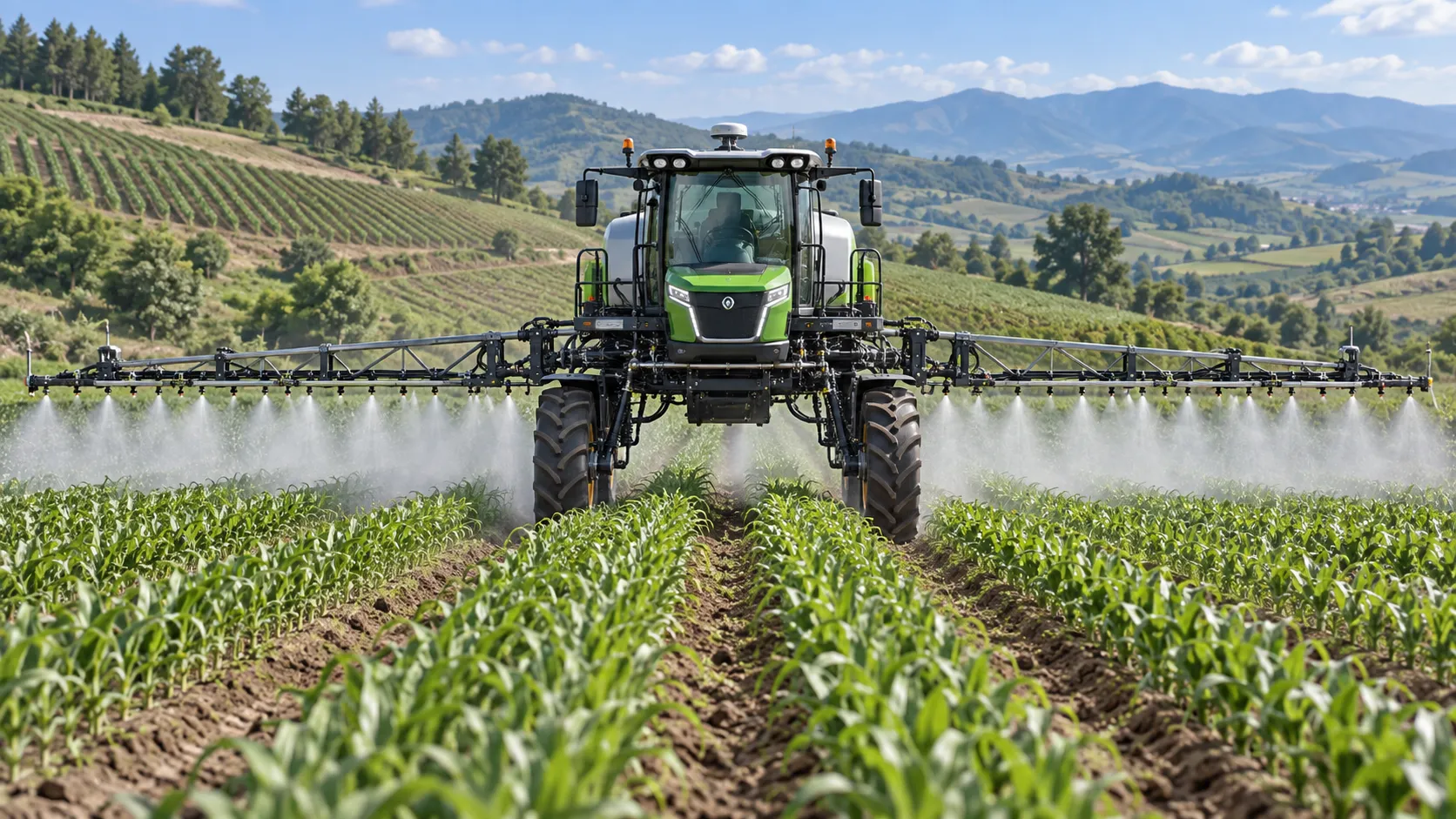
How to Select Precision Crop Protection Equipment for Variable Field Conditions
Precision crop protection equipment selection made simple: compare terrain, canopy, weather, control accuracy, and data workflows for reliable applications.

When Does Agricultural Machinery Leasing Cost Less Than Owning Equipment?
Agricultural machinery leasing can lower farm costs when use is seasonal or uncertain. Compare utilization, maintenance, cash flow, and risk to make a smarter equipment decision.
Related News
- 00
0000-00
What Harvesting Machinery Works Best for Small Grains on Hills? - 00
0000-00
GRIMME Tianjin Signs to Join Changchun Agricultural Machinery Expo Center - 00
0000-00
Vietnam Mandates Vietnamese Energy Labels for Imported Threshing Systems - 00
0000-00
Crop Harvesting Solutions for Wheat: Which System Fits Yield, Moisture, and Field Size? - 00
0000-00
ANVISA Extends Threshing Systems Filing Window
Popular Tags
Harvesting Efficiency Expert
Weekly Insights
Stay ahead with our curated technology reports delivered every Monday.