
How to Compare a High-Efficiency Harvesting Supplier on Output, Service, and Downtime Risk
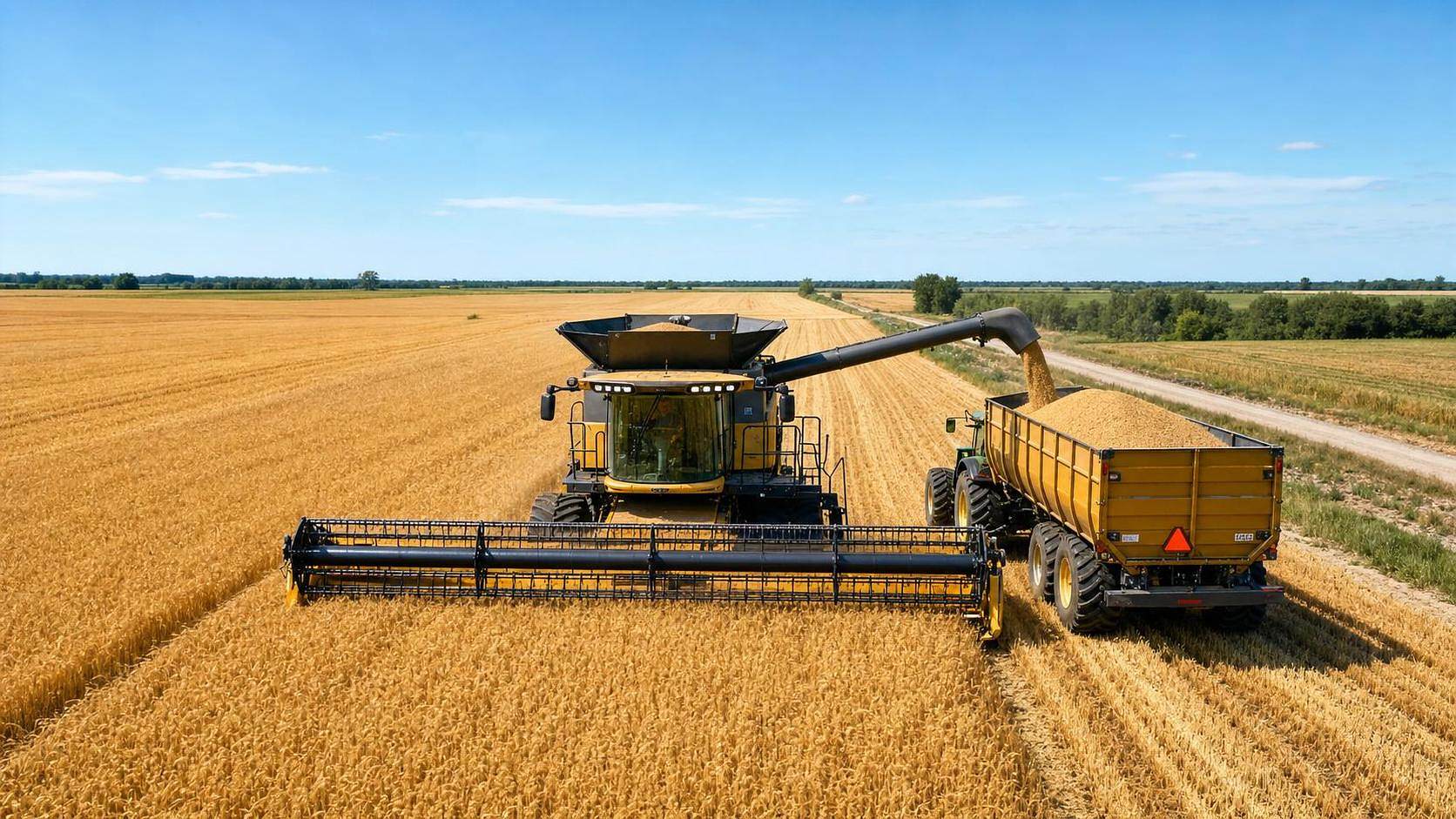




How to Compare a High-Efficiency Harvesting Supplier on Output, Service, and Downtime Risk
Choosing a high-efficiency harvesting supplier is not just about machine specs. It is a business decision tied to yield protection, labor efficiency, and seasonal execution.
A supplier may promise speed, low grain loss, and advanced controls. That still does not tell you how the machine performs during a compressed harvest window.
The better comparison starts with three questions. How much usable output can the supplier support, how reliable is field service, and what is the real downtime risk?
For AP-Strategy, these are core Agriculture 4.0 questions. Machine performance, parts support, and operational intelligence now shape the economics of large-scale harvesting.
Start With Output, Not Advertised Capacity
When comparing a high-efficiency harvesting supplier, avoid relying on rated throughput alone. Brochure numbers often reflect controlled conditions, not uneven fields or mixed crop moisture.
Focus on usable field output. That means tonnes harvested per hour while maintaining acceptable loss rates, fuel efficiency, grain quality, and operator consistency.
Ask each high-efficiency harvesting supplier for evidence from conditions close to your own. Crop type, terrain, residue level, field size, and weather variability all matter.
Output Metrics That Actually Matter
- Net harvested area per hour under normal field conditions.
- Grain loss percentage at different travel speeds.
- Cleaning quality in wet, lodged, or high-residue crops.
- Fuel consumption per tonne harvested.
- Daily output stability across long operating shifts.
A capable high-efficiency harvesting supplier should provide field data, not just peak claims. More importantly, the supplier should explain what trade-offs appear at higher throughput.
This is where real comparison gets sharper. Some machines gain speed by accepting higher loss, heavier wear, or more demanding operator input.
Compare the Full Harvesting System
A high-efficiency harvesting supplier should be evaluated as a system partner, not only as a machine vendor. Header match, threshing performance, cleaning control, unloading speed, and digital monitoring work together.
In actual operations, bottlenecks rarely come from one isolated part. They come from how components interact under pressure.
For example, a supplier may offer impressive engine power. Yet poor header adaptation or weak residue handling can still reduce field efficiency.
Questions to Use in Supplier Comparison
- How does the machine perform in your main crops and expected moisture range?
- What header sizes and crop kits are locally supported?
- How quickly can settings be adjusted between field conditions?
- What telematics data is available for loss, fuel, and fault alerts?
- How much operator skill is needed to sustain target output?
The stronger high-efficiency harvesting supplier usually makes performance more repeatable. That repeatability matters more than occasional best-case output.
Service Capability Is Part of Machine Performance
From a decision standpoint, service should be scored as hard operating capacity. During harvest, delayed support can erase any advantage in machine speed.
A high-efficiency harvesting supplier needs local service depth, fast diagnostics, and reliable spare parts flow. Without that, the ownership risk rises quickly.
This becomes even more important in large territories or multi-site operations. Travel distance, technician coverage, and parts warehousing can determine whether harvest stays on schedule.
Service Criteria Worth Verifying
- Average field response time during peak harvest weeks.
- Percentage of common parts stocked in region.
- Remote diagnostic capability and software support.
- Availability of seasonal standby technicians.
- Operator and maintenance training before first use.
Ask for service records from similar accounts. A serious high-efficiency harvesting supplier should be able to show actual repair response patterns and parts fulfillment rates.
One useful signal is whether the supplier helps prevent faults early. Predictive service support is increasingly relevant in connected harvesting fleets.
Downtime Risk Should Be Quantified, Not Discussed Vaguely
Downtime is often treated as a side issue. In reality, it is one of the most expensive variables in supplier selection.
A single day of lost harvesting can reduce crop quality, disrupt transport planning, and compress labor scheduling. In unstable weather, the cost can multiply fast.
That is why every high-efficiency harvesting supplier should be measured on downtime exposure, not just warranty language.
Build a Simple Downtime Risk Score
A reliable high-efficiency harvesting supplier will answer these points directly. If answers stay general, that usually signals weak operational visibility.
Look Beyond Purchase Price to Lifecycle Economics
Lower upfront pricing can be misleading. A high-efficiency harvesting supplier should be compared on total harvesting economics over the expected ownership period.
Include wear parts, service labor, fuel use, software support, resale position, and seasonal uptime impact. These items often reshape the ranking.
More obvious signals come from the cost of lost time. If one supplier reduces downtime even slightly, the financial effect may outweigh the original price gap.
Use a Practical Cost Framework
- Acquisition cost and financing structure.
- Expected annual operating hours.
- Fuel and maintenance cost per harvested tonne.
- Estimated downtime cost per day or per hour.
- Residual value after planned replacement timing.
This approach helps separate a merely affordable offer from a truly strong high-efficiency harvesting supplier.
Check Whether the Supplier Can Support Operational Upgrades
Harvesting is becoming more data-driven. So the right high-efficiency harvesting supplier should support future operational improvements, not only current machine delivery.
That includes telematics integration, performance benchmarking, seasonal optimization advice, and compatibility with broader farm technology systems.
In the Agriculture 4.0 context, suppliers with stronger data visibility can help reduce losses, improve machine utilization, and refine operator behavior over time.
This also matters for strategic reporting. Better data makes future procurement decisions easier and more defensible.
A Shortlist Should End With Field Validation
Before final selection, run a structured validation process. That is the fastest way to test whether a high-efficiency harvesting supplier performs as claimed.
- Request a demonstration in comparable crop conditions.
- Measure output, grain loss, and fuel use with a common method.
- Interview current users about service quality and downtime events.
- Review parts availability for critical seasonal components.
- Score each supplier with weighted commercial criteria.
In practice, the most dependable high-efficiency harvesting supplier is rarely the one with the loudest specifications. It is the one that protects output under real field pressure.
A disciplined comparison of output, service, and downtime risk leads to clearer procurement decisions. It also reduces the chance of paying for performance that does not hold up in season.
Use that framework consistently, and the right high-efficiency harvesting supplier becomes easier to identify, justify, and manage over the full operating cycle.
Related News
Climate-Smart Farming for Drought: A Practical Plan for Protecting Yields
Climate-smart farming for drought: build smarter water budgets, protect critical crop stages, improve irrigation uniformity, and safeguard yields with practical field-proven strategies.
How Digital Agriculture Platforms Turn Field Data Into Better Input Decisions
Digital agriculture platforms turn field data into smarter fertilizer, water, seed, and equipment decisions—helping farms cut risk, improve margins, and scale sustainability.
GPS-Guided Farm Machinery: Where It Delivers Measurable Field Efficiency Gains
Agri-mechanization GPS guided systems deliver measurable field efficiency gains through reduced overlap, precise planting, smarter inputs, and reliable farm data.
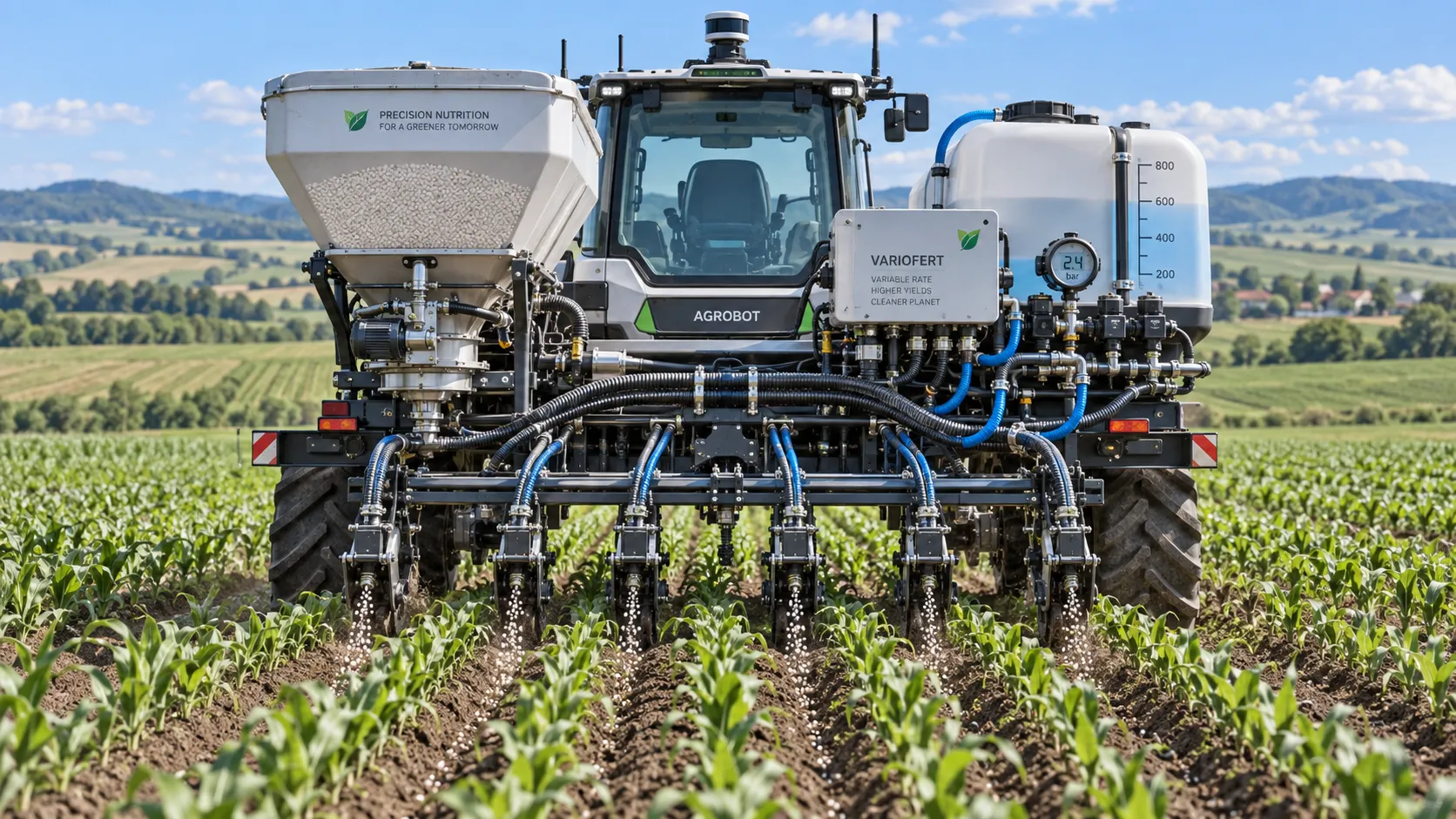
How Sensor Feedback Enables Accurate Variable-Rate Fertilization in Field Conditions
Precision fertilization systems with sensor feedback improve variable-rate accuracy by verifying flow, managing latency, and ensuring reliable field application.
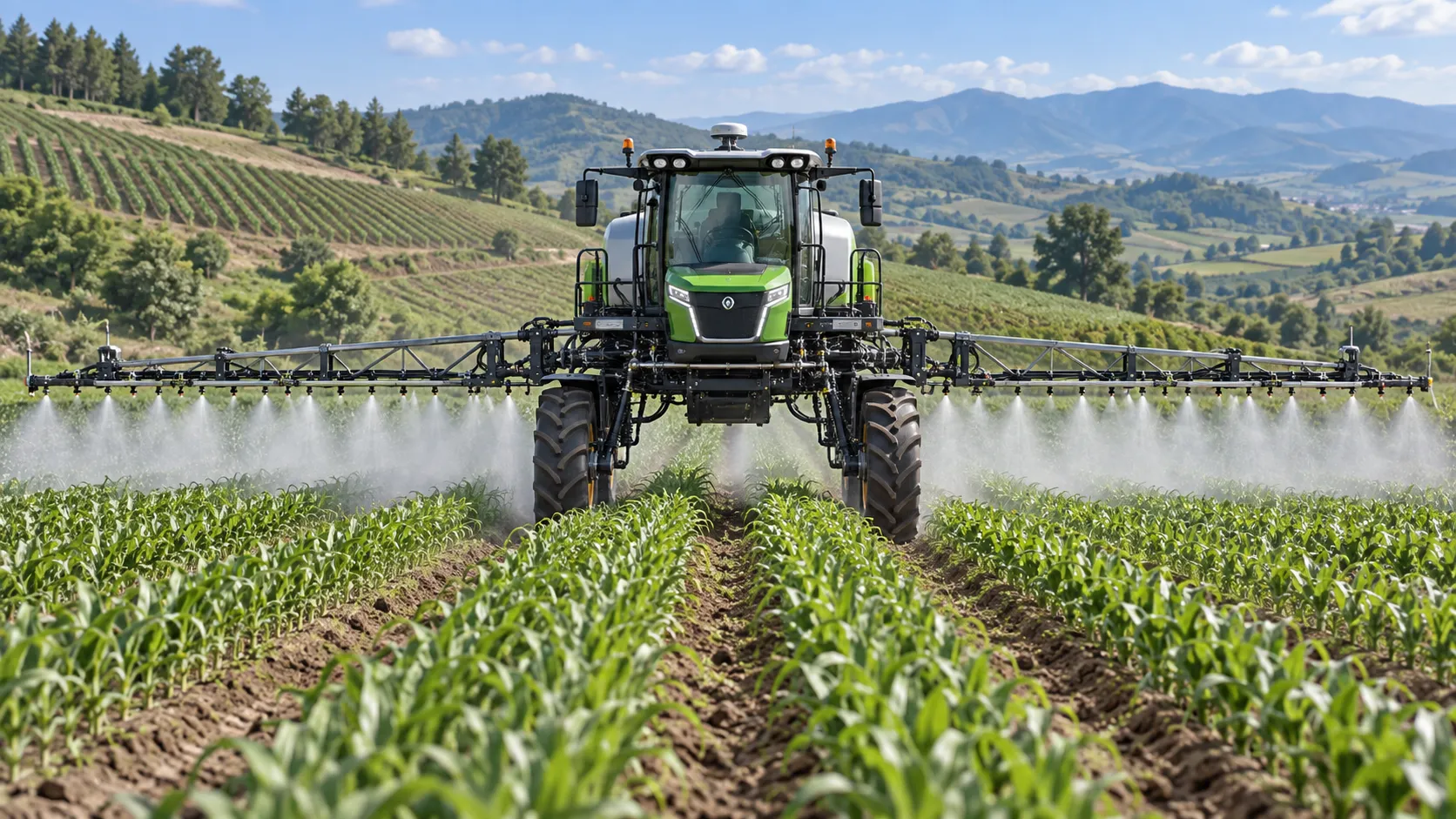
How to Select Precision Crop Protection Equipment for Variable Field Conditions
Precision crop protection equipment selection made simple: compare terrain, canopy, weather, control accuracy, and data workflows for reliable applications.
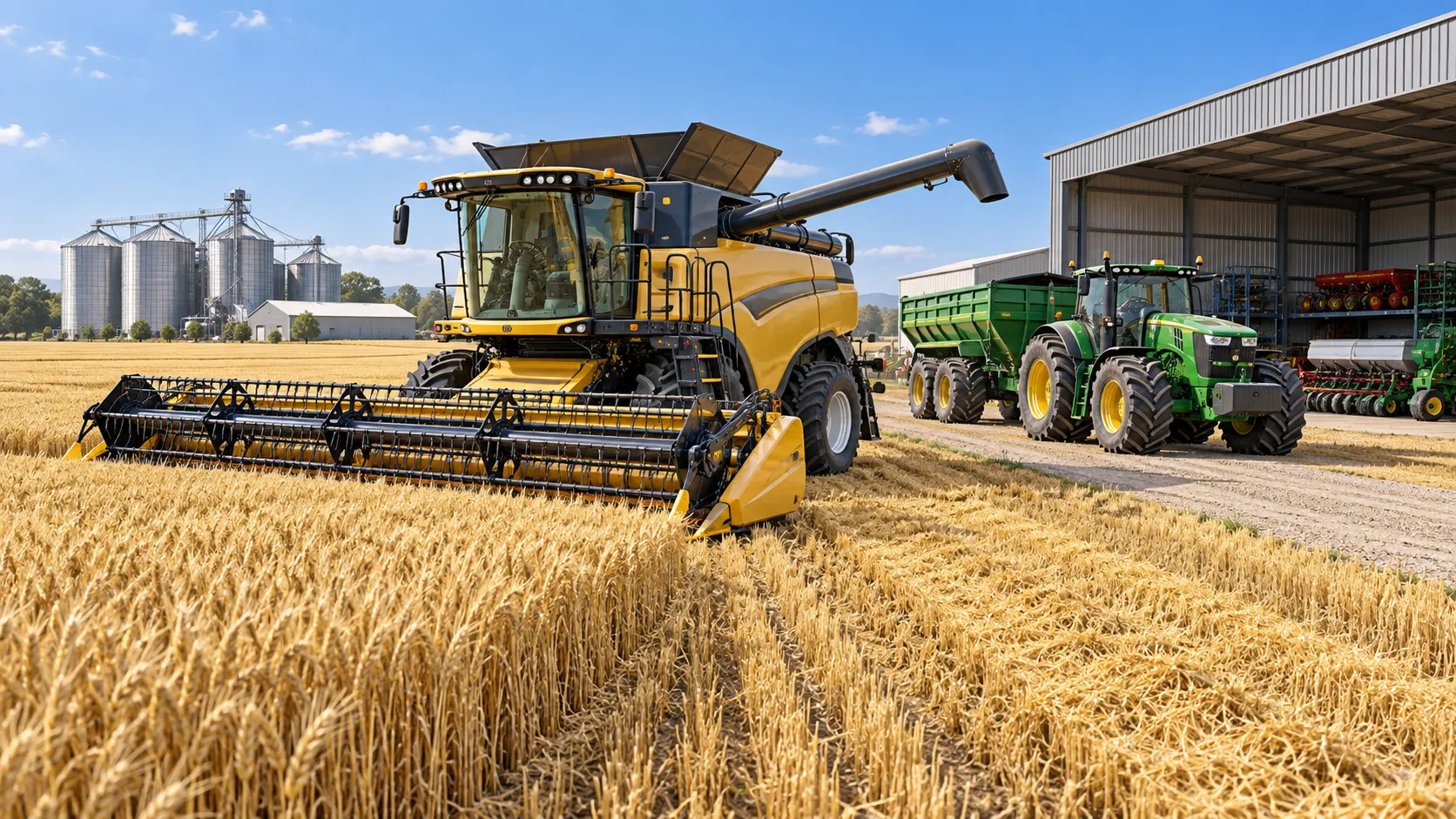
When Does Agricultural Machinery Leasing Cost Less Than Owning Equipment?
Agricultural machinery leasing can lower farm costs when use is seasonal or uncertain. Compare utilization, maintenance, cash flow, and risk to make a smarter equipment decision.
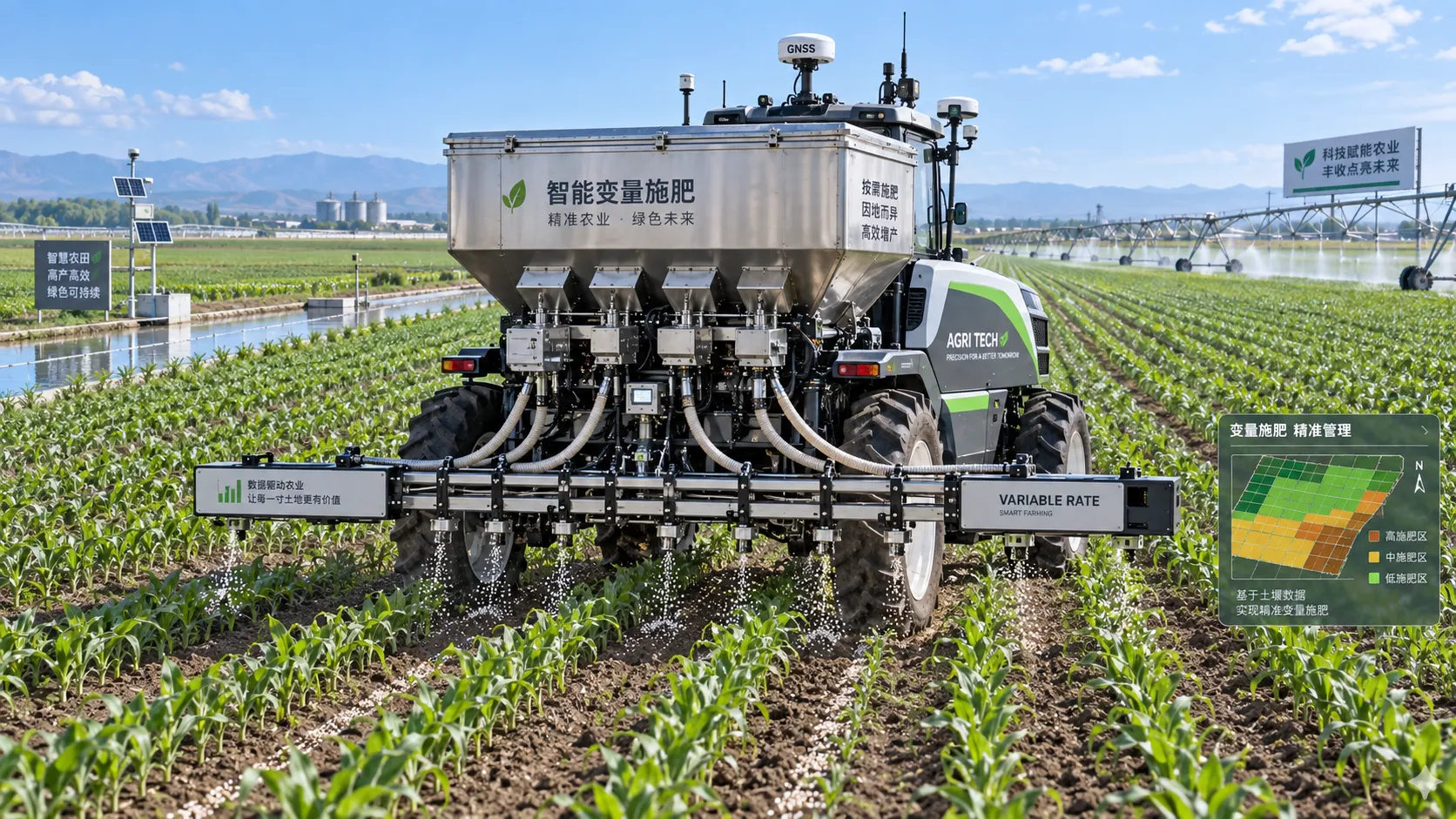
How to Evaluate Precision Fertilization System Suppliers for Farm-Scale Deployment
Precision fertilization systems suppliers: learn how to compare accuracy, integration, uptime, service, and total cost for confident farm-scale deployment.
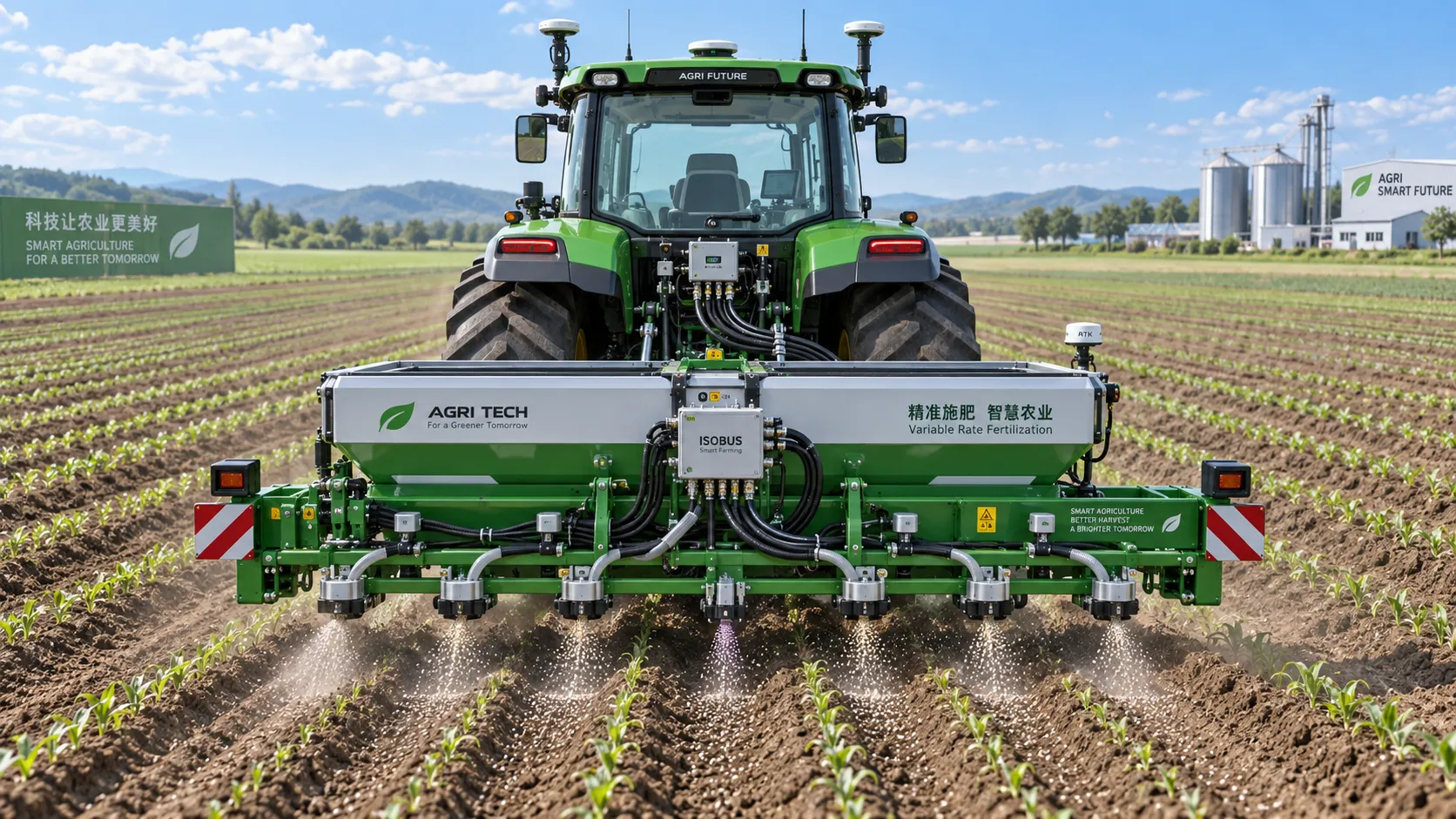
ISOBUS for Smart Agriculture: How It Connects Tractors, Implements, and Farm Data
ISOBUS for smart agriculture connects tractors, implements, terminals, and farm data—helping growers improve precision, documentation, and smarter field decisions.
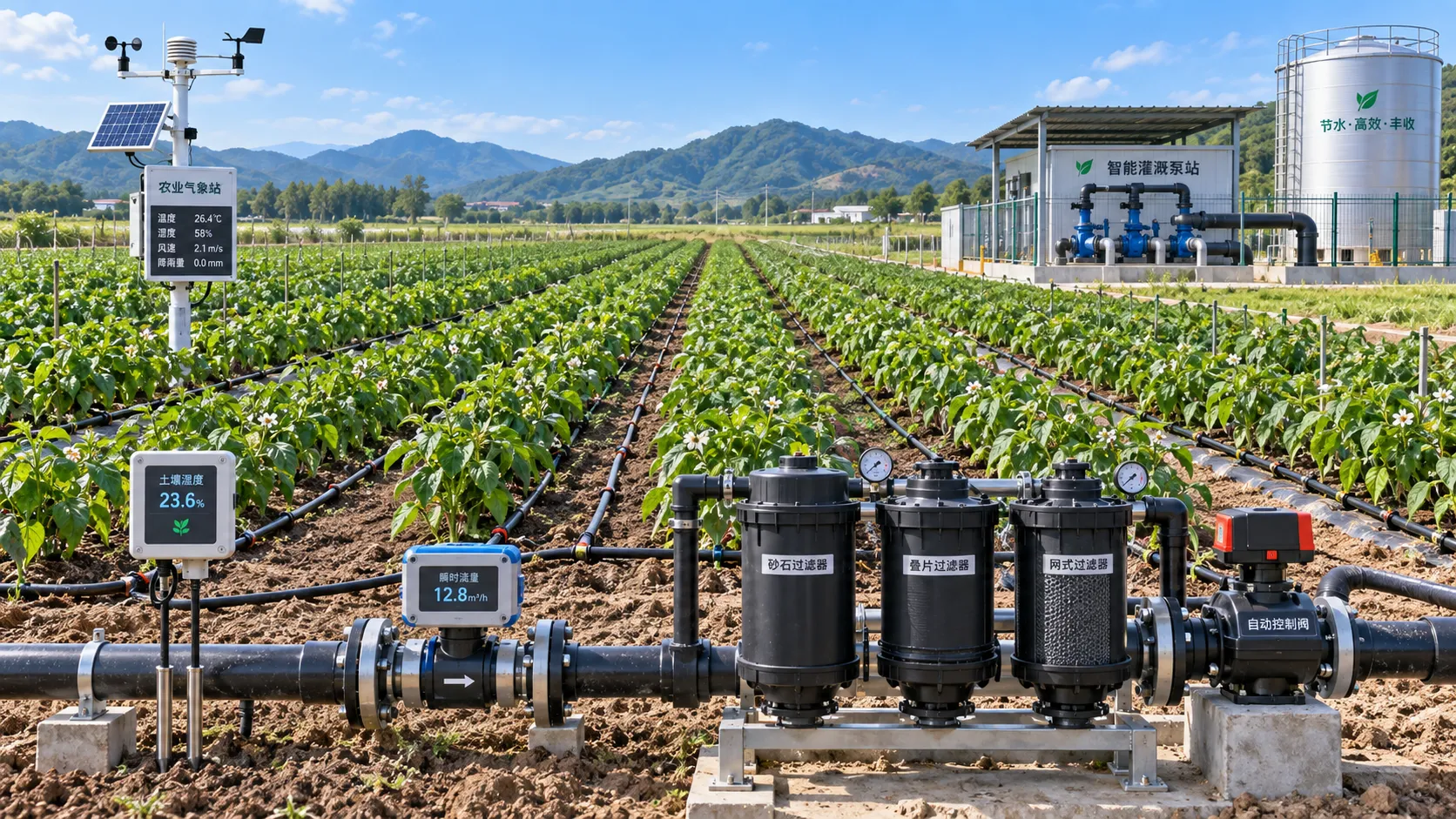
Automated Water-Saving Irrigation: How to Cut Water Use Without Reducing Crop Yields
Automated water-saving irrigation helps farms cut water use, protect crop yields, improve scheduling, and gain reliable control with sensors, flow monitoring, and smart zones.
Related News
- 00
0000-00
What Harvesting Machinery Works Best for Small Grains on Hills? - 00
0000-00
GRIMME Tianjin Signs to Join Changchun Agricultural Machinery Expo Center - 00
0000-00
Vietnam Mandates Vietnamese Energy Labels for Imported Threshing Systems - 00
0000-00
Crop Harvesting Solutions for Wheat: Which System Fits Yield, Moisture, and Field Size? - 00
0000-00
ANVISA Extends Threshing Systems Filing Window
Popular Tags
Harvesting Efficiency Expert
Weekly Insights
Stay ahead with our curated technology reports delivered every Monday.