
Brazil’s ANVISA Sets New Residue Limits for Threshing Systems
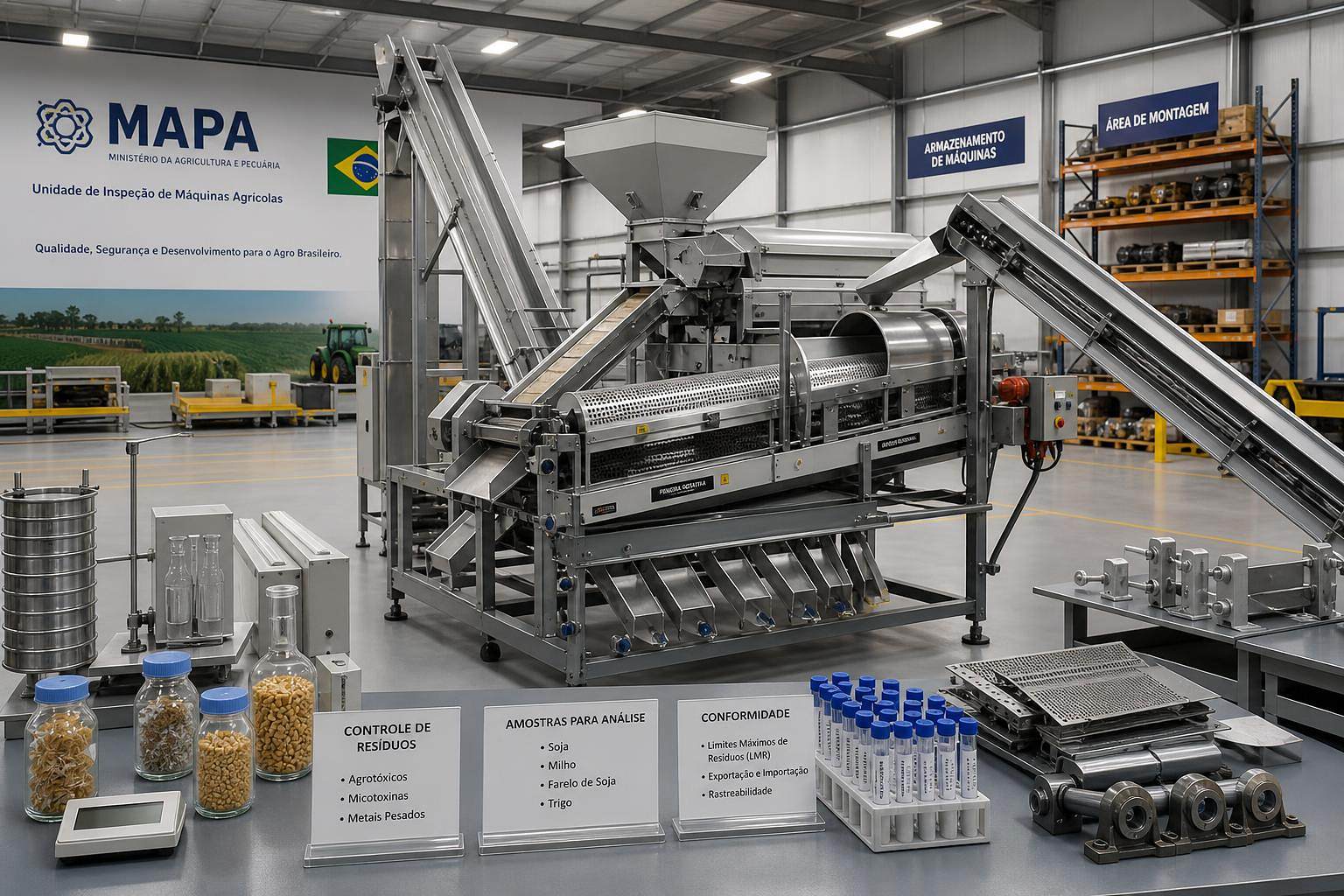




On July 2, 2026, Brazil’s National Health Surveillance Agency (ANVISA) issued Resolução RDC No. 41/2026, adding new pesticide residue migration limits for contact-surface materials used in imported Threshing Systems. The update sets a 0.02 mg/kg threshold for three biodegradable additives, CITR-7, GLYX-9, and SAP-12, and applies to all post-harvest combine handling systems sold or assembled in Brazil. For equipment suppliers, importers, assemblers, and procurement teams tied to the Brazilian market, this is a compliance development worth close attention because it shifts the focus from general material conformity to named substances and measurable thresholds.
What the New Requirement Explicitly Covers
The confirmed facts are limited but clear. ANVISA published Resolução RDC No. 41/2026 on July 2, 2026. The measure introduces new migration limits for pesticide residues in contact-surface materials used in imported Threshing Systems. Within that requirement, three biodegradable additives are specifically named: CITR-7, GLYX-9, and SAP-12. Each of these substances is subject to a threshold of 0.02 mg/kg. The requirement applies to all post-harvest combine systems that are sold or assembled in Brazil.
Where the Immediate Pressure May Appear
Import and market-entry workflows
From an industry perspective, import-focused businesses may be affected first because the new requirement directly references imported Threshing Systems and materials used on contact surfaces. The practical pressure point is likely to be product review, material verification, and documentation readiness before products enter or circulate in the Brazilian market.
Equipment assembly and local integration in Brazil
Companies that assemble post-harvest combine handling systems in Brazil may also need to pay closer attention, since the rule applies not only to products sold in the country but also to those assembled there. Analysis shows that locally integrated systems cannot be treated as outside the scope simply because final assembly happens in Brazil; the compliance question may extend to the materials used in the relevant contact surfaces.
Procurement and supplier coordination
Procurement teams and supplier managers may see the effect through upstream material selection and supplier declarations. What deserves closer attention is whether materials used on equipment contact surfaces involve CITR-7, GLYX-9, or SAP-12, and whether existing supplier paperwork is specific enough to address the new threshold rather than broader compliance language.
After-sales, specification, and customer communication
Service providers and commercial teams may also need to adjust how they describe equipment specifications for Brazil. Observably, once named additives and a fixed limit enter the regulatory text, customer questions can shift toward evidence, testing scope, and conformity statements tied to the Brazilian requirement rather than general product claims.
What Companies Should Track Now
Check whether relevant contact materials are in scope
The first practical question is whether the equipment’s contact-surface materials include any use of CITR-7, GLYX-9, or SAP-12. This is not the same as a general equipment compliance review; it requires a more focused look at specific materials and where they appear within the system.
Review documentation against the named threshold
Businesses serving Brazil should examine whether current compliance files, supplier declarations, and technical records can actually support the 0.02 mg/kg limit for the three named additives. Analysis shows that broad certificates may not answer a market-specific request once a regulator has identified both substance names and a numeric threshold.
Prepare for supply-chain and delivery implications
Where materials or components are sourced across multiple suppliers, companies may need to confirm who is responsible for substance disclosure, supporting test information, and document updates. What deserves closer attention is the effect on delivery planning if additional verification is needed before shipment, sale, or final assembly in Brazil.
Watch for further official clarification
The current update provides the core compliance signal, but companies should continue monitoring how the requirement is described in official follow-up communication or implementation practice. Observably, the difference between a published rule and its day-to-day enforcement can matter in documentation, customer commitments, and internal approval steps.
Why This Looks Like More Than a Routine Technical Update
Analysis shows that this development is important not because of the volume of information released, but because it identifies three specific biodegradable additives and assigns a uniform threshold to each. That gives the market a more concrete compliance reference point. It is more appropriate to understand this as a targeted regulatory signal rather than a complete picture of future enforcement or broader market impact. The immediate fact is the new limit; the broader significance still requires observation.
How the Market May Best Read This Development
At this stage, the ANVISA update should be read as a compliance-sensitive change for businesses connected to Threshing Systems entering or being assembled in Brazil. It does not by itself confirm how quickly every supply-chain participant will need to adjust, nor does it establish broader market outcomes. A neutral reading is that the rule creates a clearer regulatory checkpoint around contact-surface materials, and the industries involved should treat it as an actionable requirement with continuing need for verification.
Basis of This Article and Ongoing Verification
This article is based on the user-provided news title, event date, and event summary. For developments of this kind, commonly relevant source categories may include official regulatory notices, company compliance statements, industry association updates, authoritative media reports, and standards-related documents. The specific official source link was not provided in the input, so continued verification remains necessary. The main follow-up point to monitor is whether ANVISA or related market participants provide further clarification on implementation, documentation expectations, or practical compliance interpretation for systems sold or assembled in Brazil.
Related News
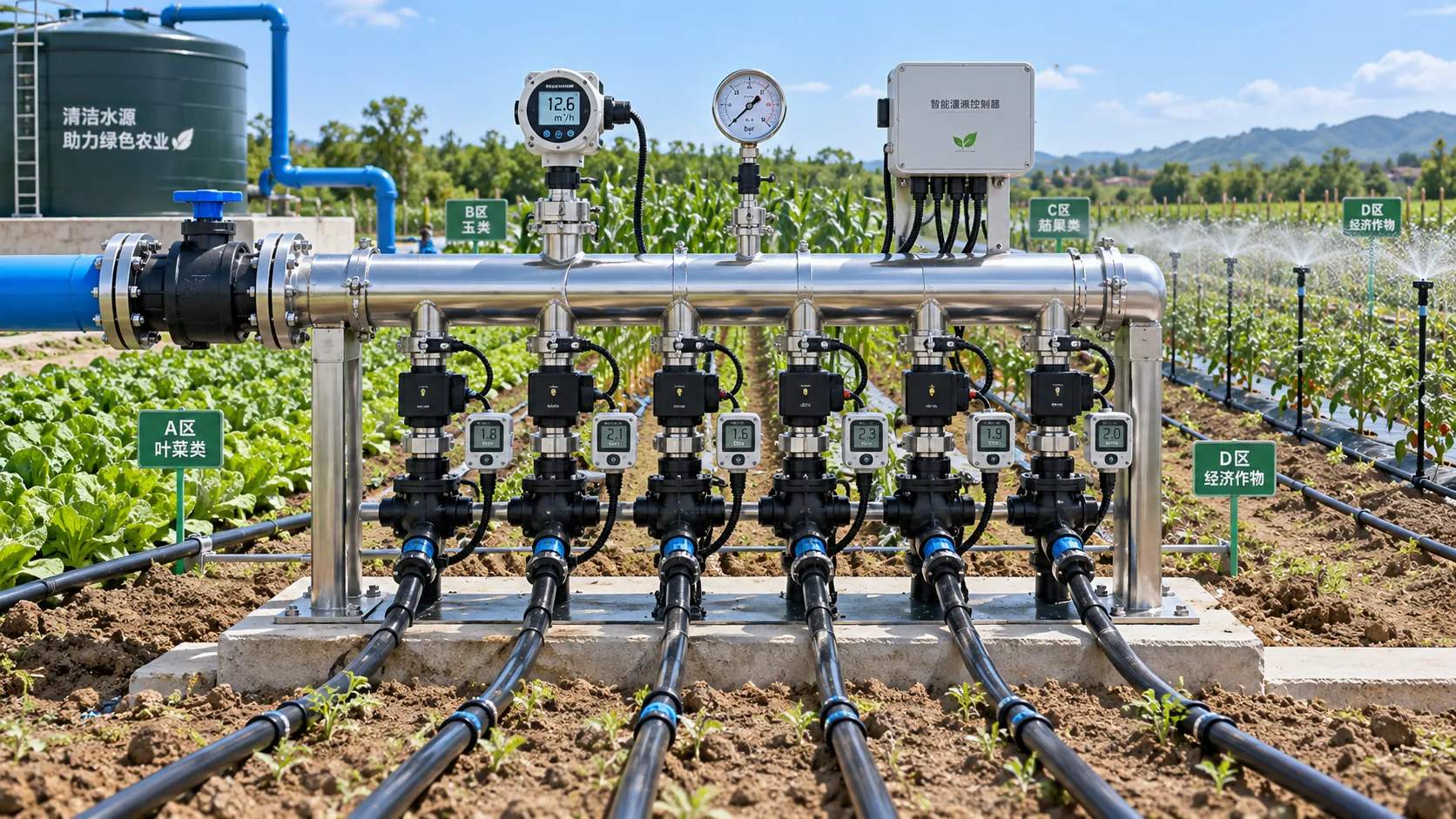
How to Select Smart Irrigation Valves for Multi-Zone Water Management?
Intelligent irrigation systems valves: learn how to match smart valves with multi-zone flow, pressure, control, feedback, and communication needs for reliable water management.
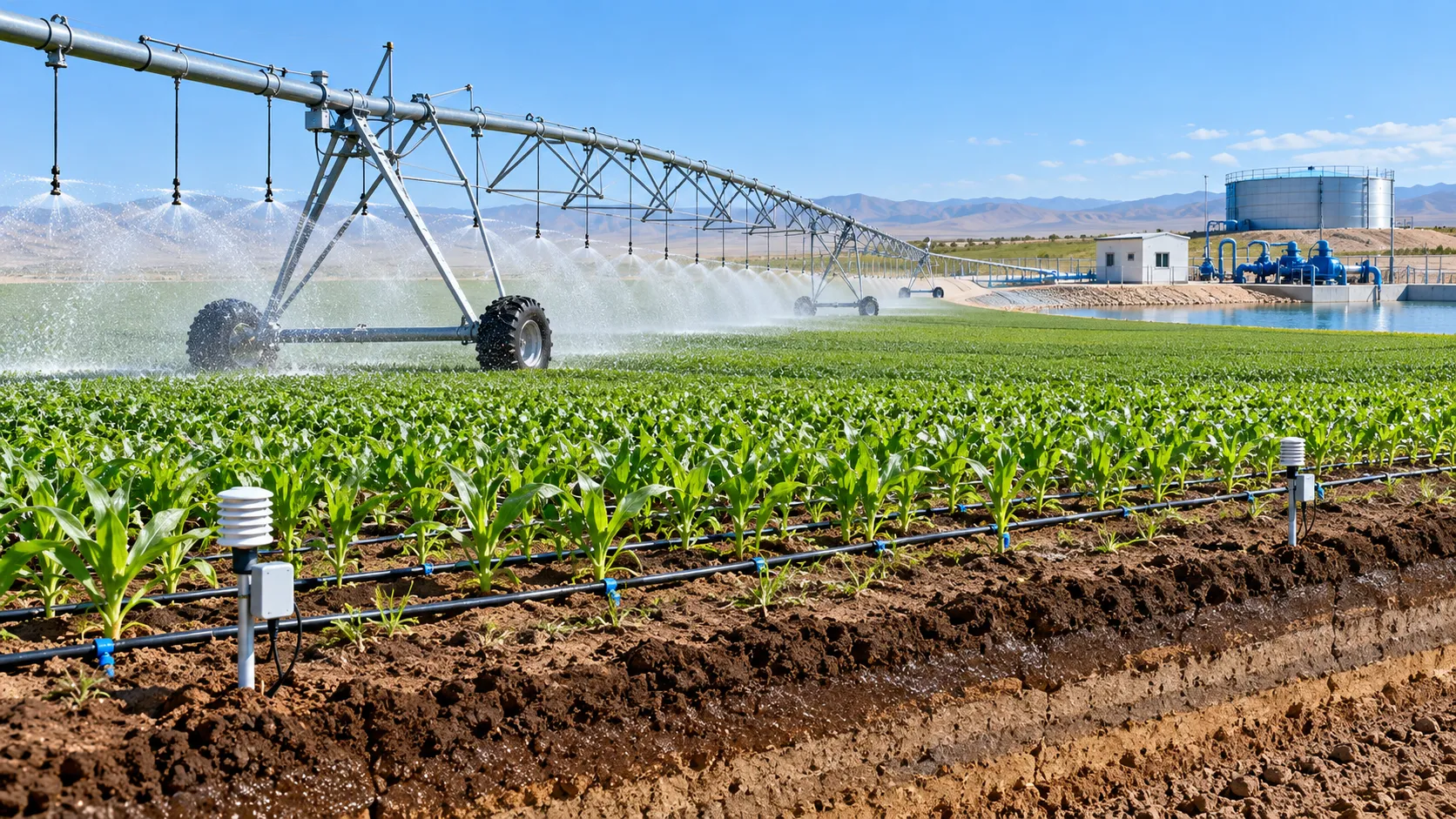
Climate-Smart Farming for Drought: A Practical Plan for Protecting Yields
Climate-smart farming for drought: build smarter water budgets, protect critical crop stages, improve irrigation uniformity, and safeguard yields with practical field-proven strategies.
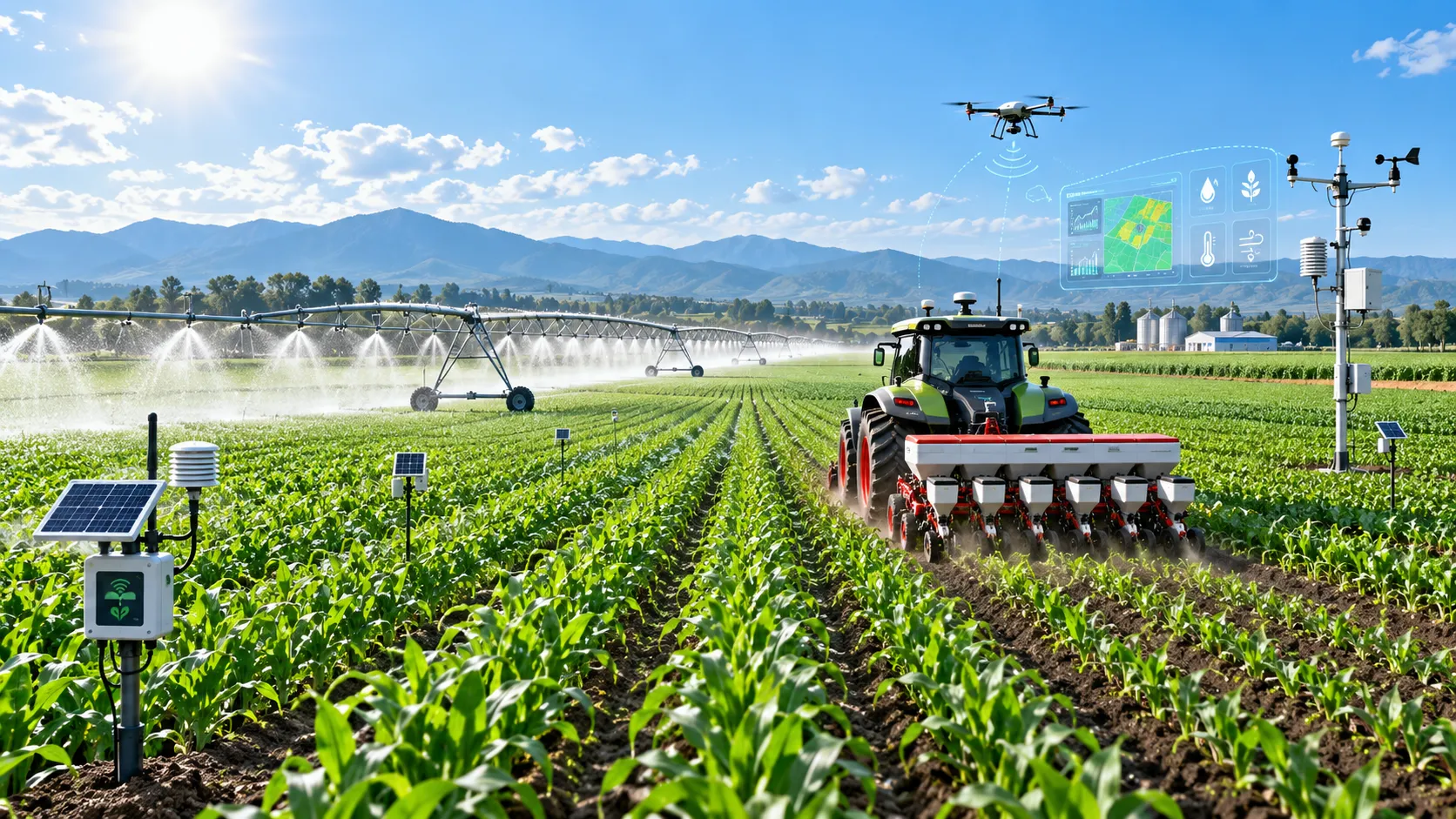
How Digital Agriculture Platforms Turn Field Data Into Better Input Decisions
Digital agriculture platforms turn field data into smarter fertilizer, water, seed, and equipment decisions—helping farms cut risk, improve margins, and scale sustainability.
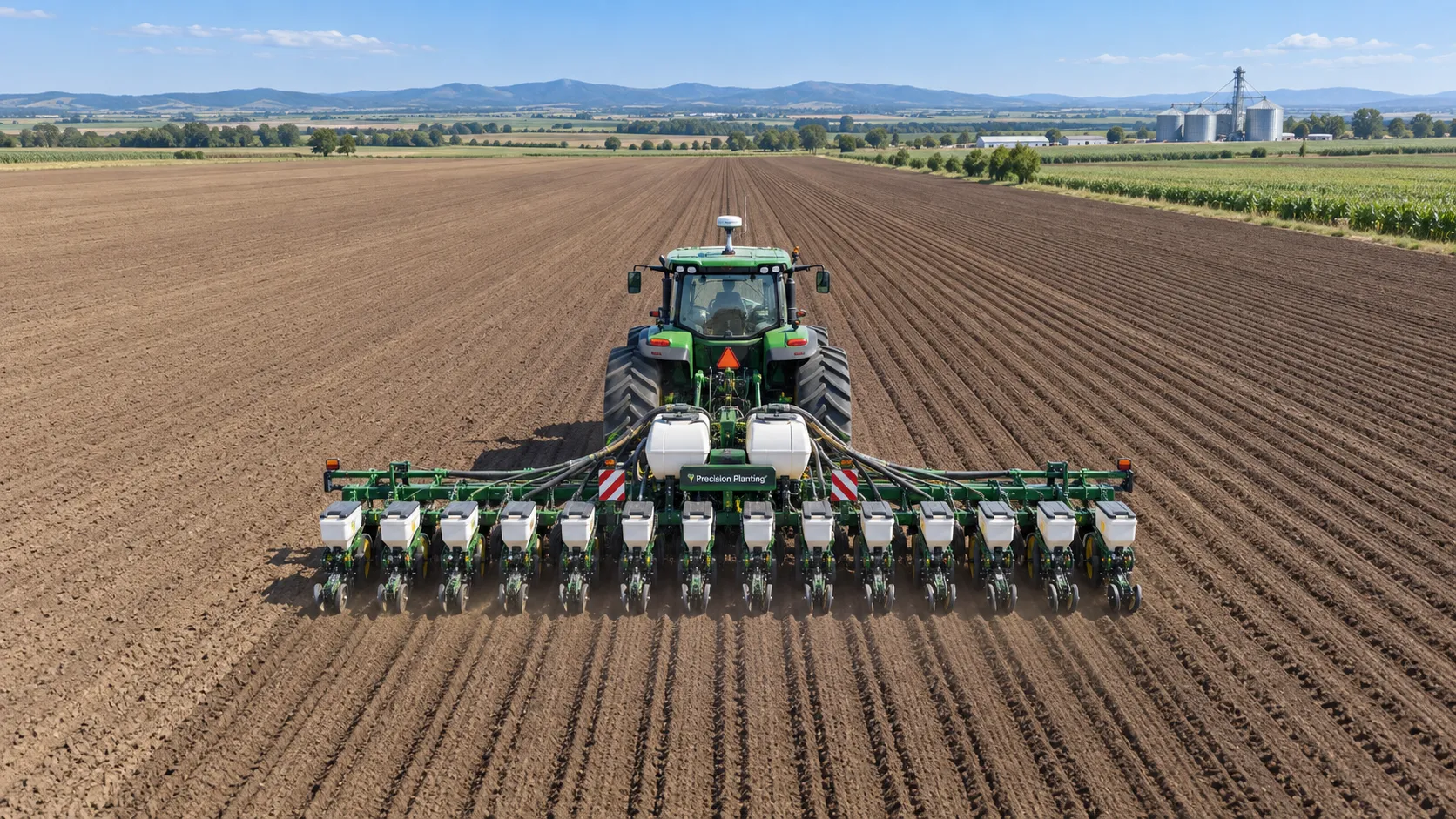
GPS-Guided Farm Machinery: Where It Delivers Measurable Field Efficiency Gains
Agri-mechanization GPS guided systems deliver measurable field efficiency gains through reduced overlap, precise planting, smarter inputs, and reliable farm data.
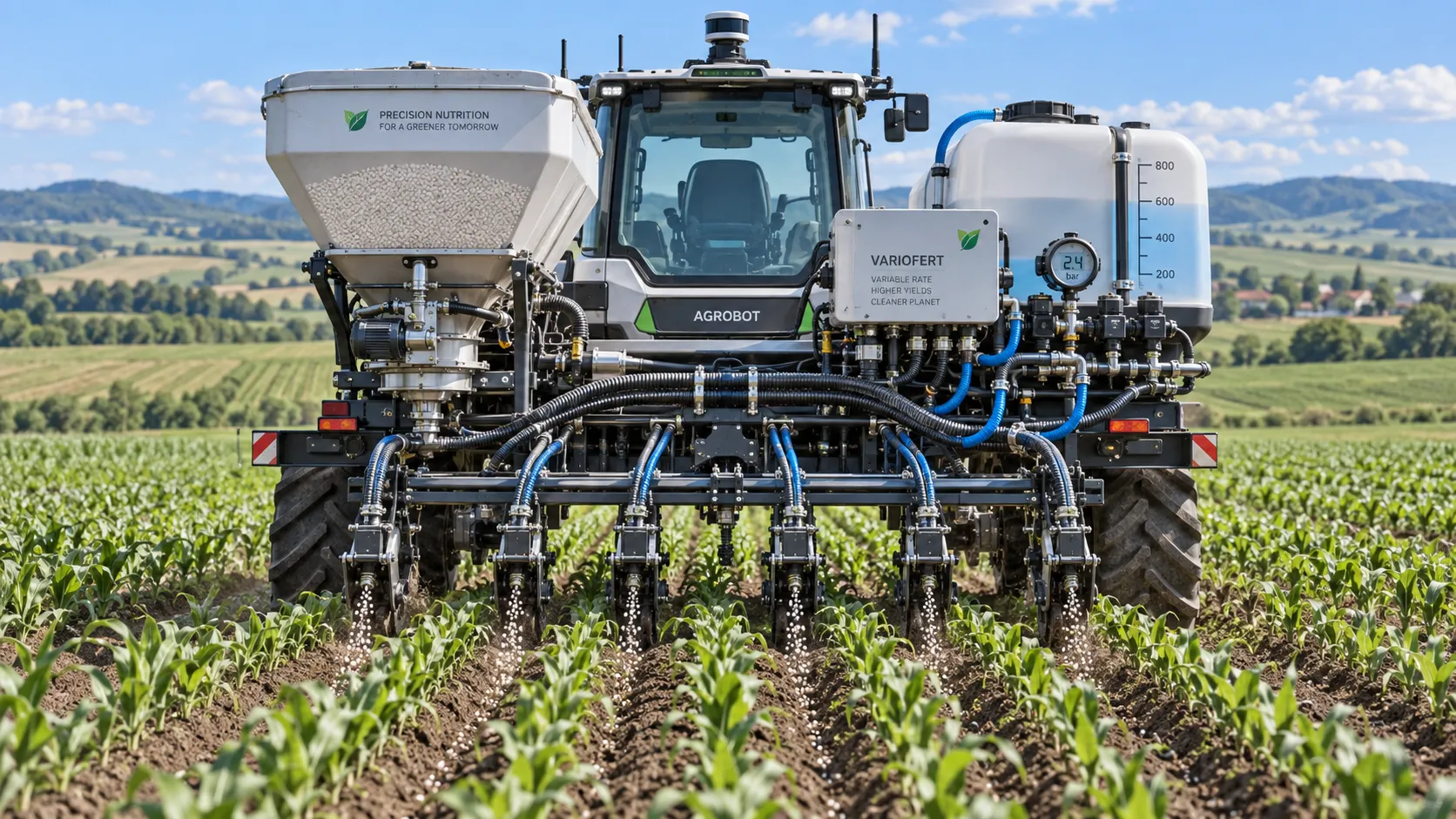
How Sensor Feedback Enables Accurate Variable-Rate Fertilization in Field Conditions
Precision fertilization systems with sensor feedback improve variable-rate accuracy by verifying flow, managing latency, and ensuring reliable field application.
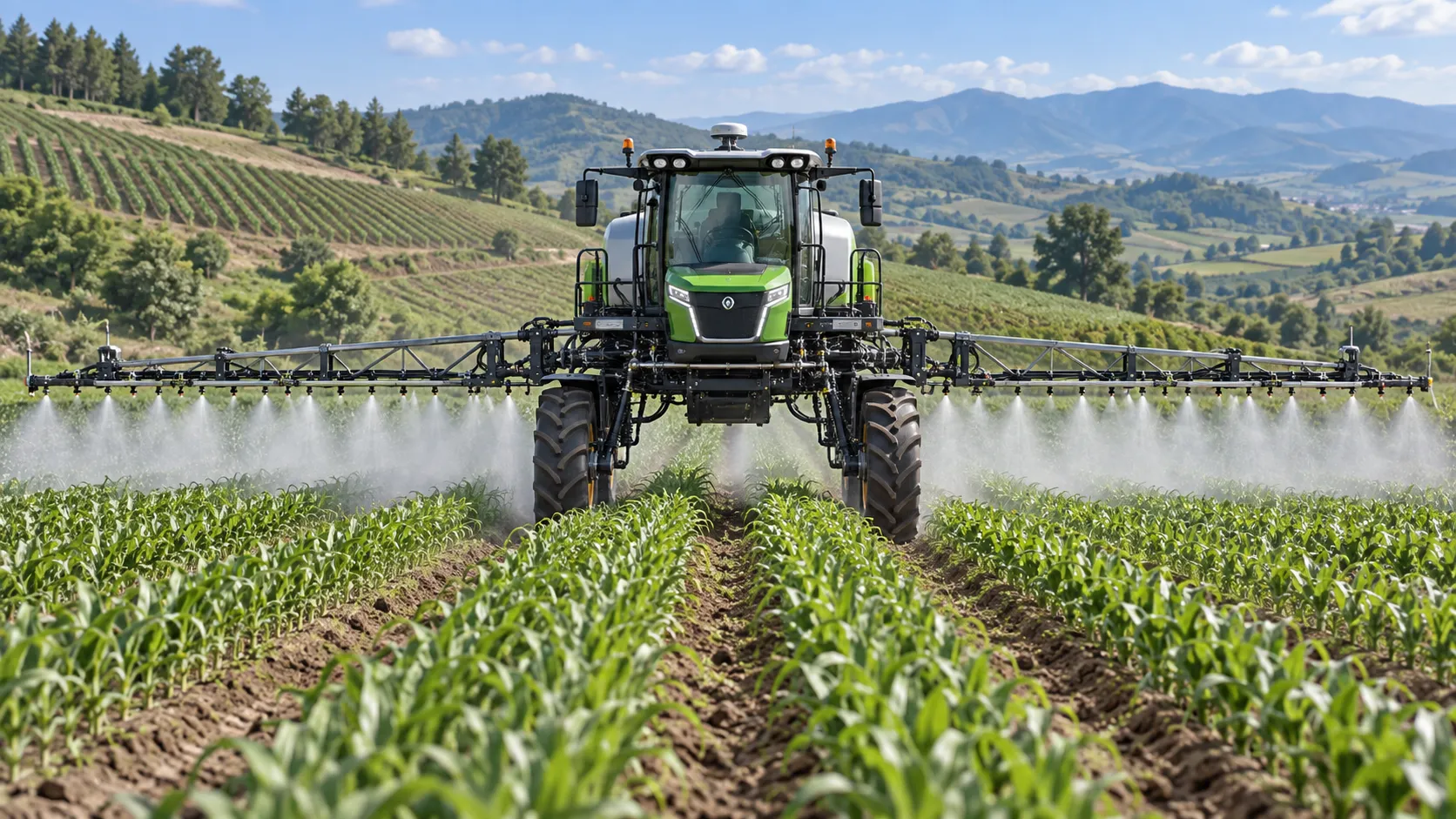
How to Select Precision Crop Protection Equipment for Variable Field Conditions
Precision crop protection equipment selection made simple: compare terrain, canopy, weather, control accuracy, and data workflows for reliable applications.
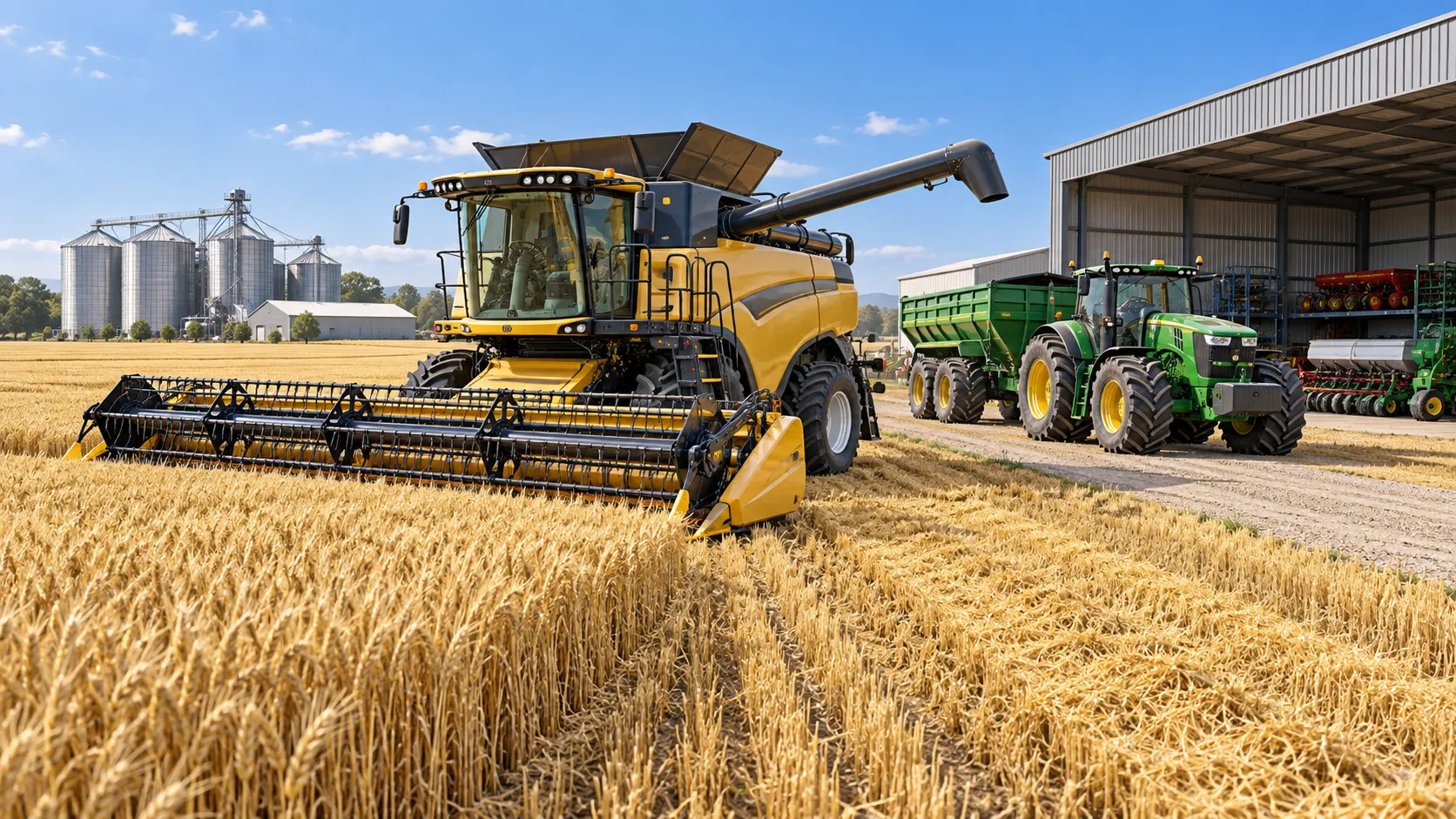
When Does Agricultural Machinery Leasing Cost Less Than Owning Equipment?
Agricultural machinery leasing can lower farm costs when use is seasonal or uncertain. Compare utilization, maintenance, cash flow, and risk to make a smarter equipment decision.
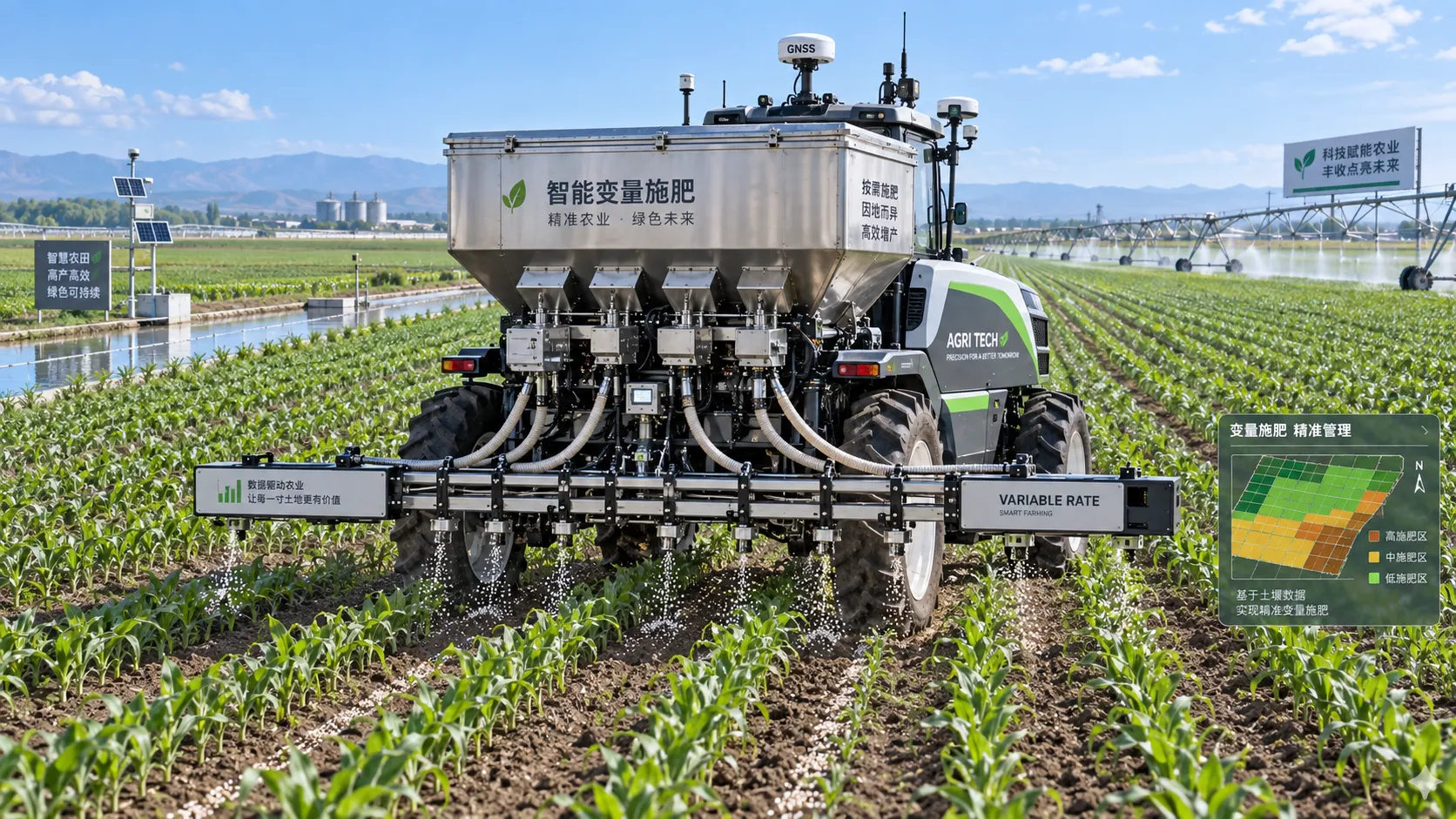
How to Evaluate Precision Fertilization System Suppliers for Farm-Scale Deployment
Precision fertilization systems suppliers: learn how to compare accuracy, integration, uptime, service, and total cost for confident farm-scale deployment.
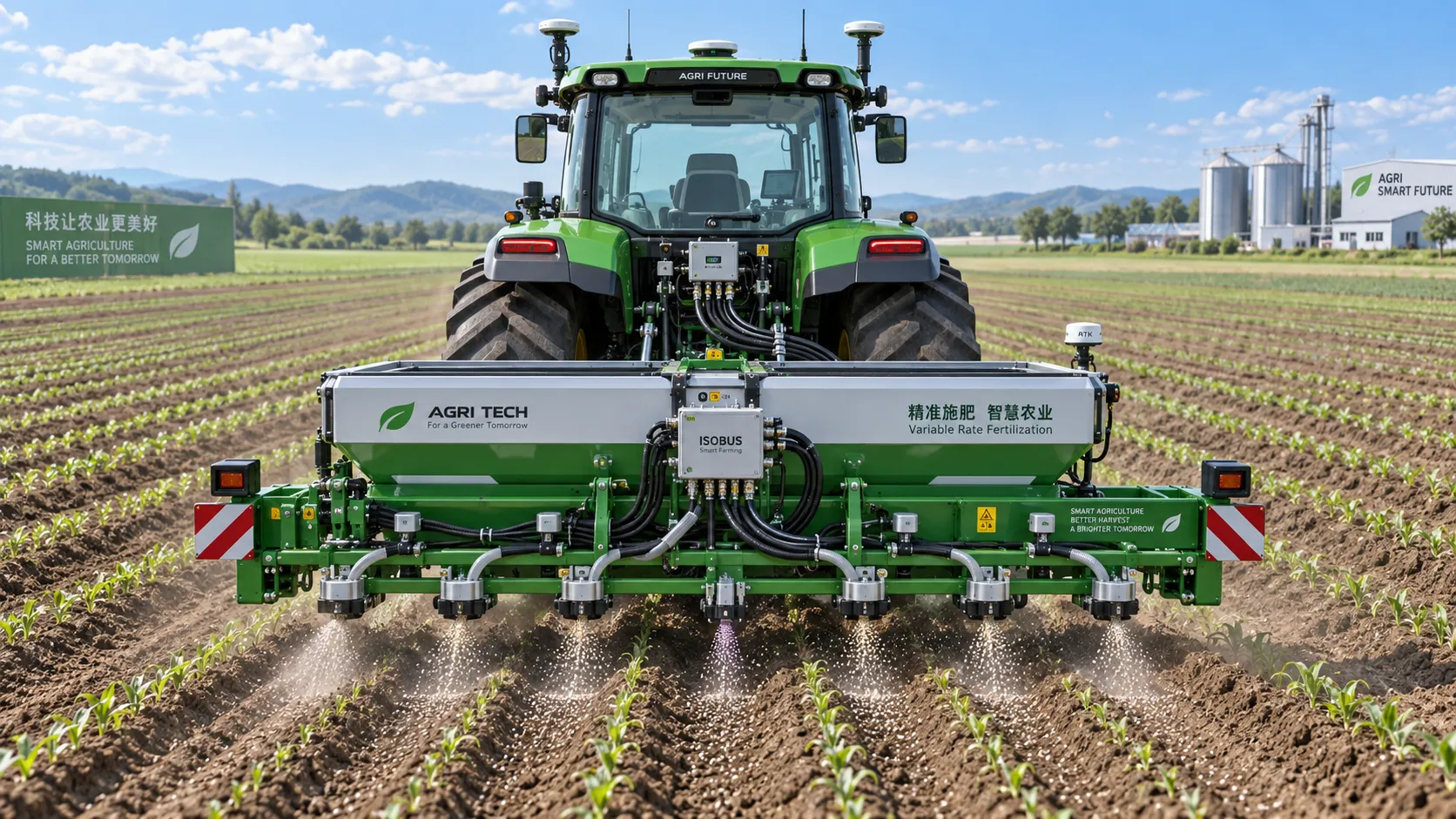
ISOBUS for Smart Agriculture: How It Connects Tractors, Implements, and Farm Data
ISOBUS for smart agriculture connects tractors, implements, terminals, and farm data—helping growers improve precision, documentation, and smarter field decisions.
Related News
- 00
0000-00
What Harvesting Machinery Works Best for Small Grains on Hills? - 00
0000-00
GRIMME Tianjin Signs to Join Changchun Agricultural Machinery Expo Center - 00
0000-00
Vietnam Mandates Vietnamese Energy Labels for Imported Threshing Systems - 00
0000-00
Crop Harvesting Solutions for Wheat: Which System Fits Yield, Moisture, and Field Size? - 00
0000-00
ANVISA Extends Threshing Systems Filing Window
Popular Tags
Harvesting Efficiency Expert
Weekly Insights
Stay ahead with our curated technology reports delivered every Monday.