
ANVISA Starts Remote Review for Threshing Systems
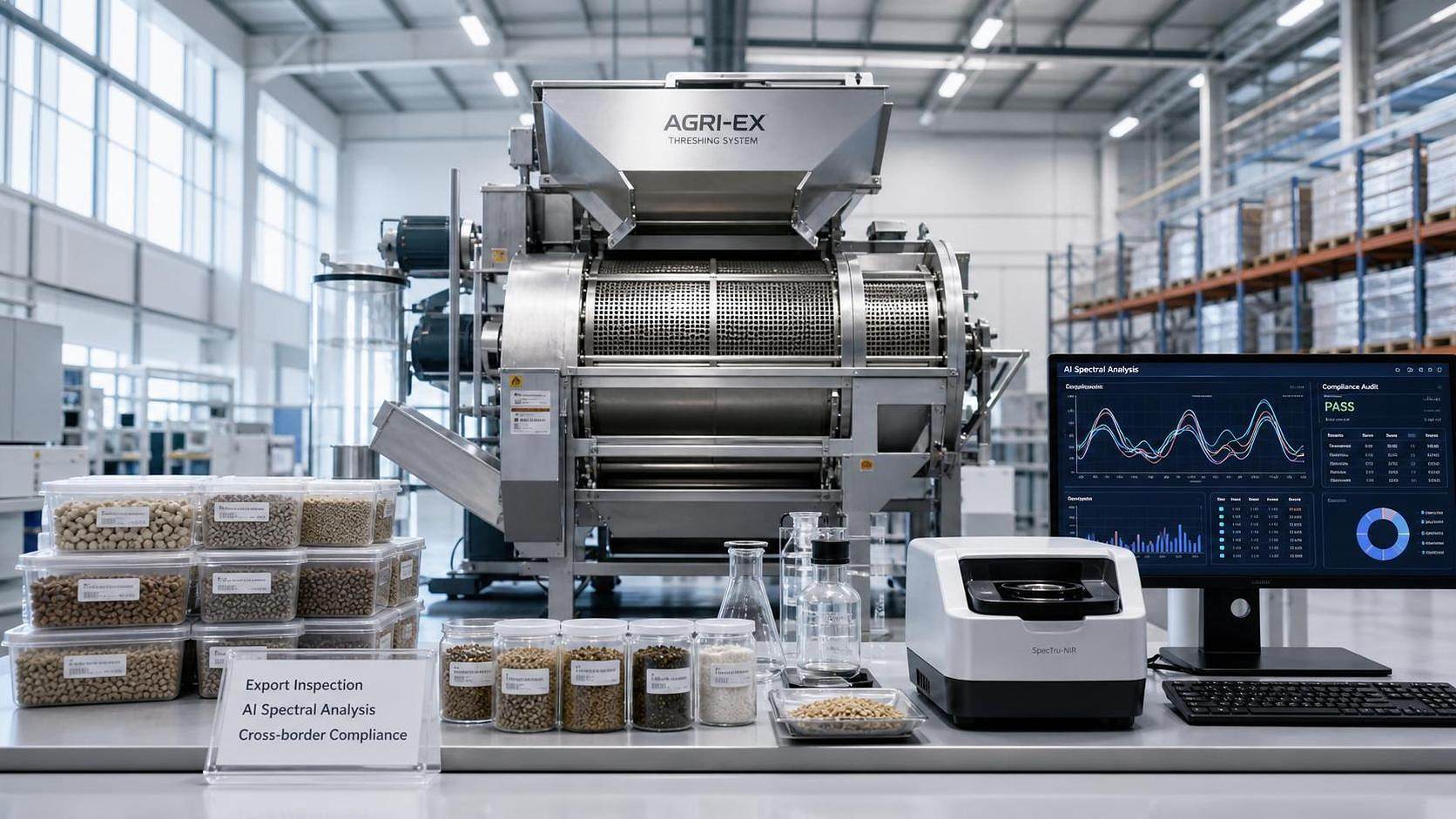




On July 4, 2026, Brazil’s National Health Surveillance Agency (ANVISA) launched a pilot remote pre-import review for Threshing Systems, introducing a new documentation requirement for pesticide residue testing reports used in filings. For exporters, testing laboratories, and supply chain teams handling Brazil-bound shipments, the notable change is that reports must now come from an AI-driven spectral analysis platform and include both the original spectrum hash value and a summary of the model training dataset. This is worth close attention because it may affect how quickly test reports are recognized in cross-border trade, especially where laboratories are not yet connected to ANVISA-approved AI platforms.
What the pilot requires at this stage
According to the information provided, ANVISA began the Threshing Systems import pre-review pilot on July 4, 2026. Under this pilot, all pesticide residue testing reports included in submission documents must be generated by an AI-based spectral analysis platform, with SpectraAI v4.2+ cited as an example. The filing package must also include the hash value of the original spectrum and a summary of the model training dataset. The same information indicates that this pilot is expected to affect the mutual recognition efficiency of testing reports used by Chinese exporters, and that some laboratories have not yet connected to AI platforms on ANVISA’s whitelist.
Where the operational pressure is likely to appear
Export documentation may face a new validation threshold
From an industry perspective, direct trading companies are likely to feel the impact first in document preparation and submission timing. The reason is straightforward: if a pesticide residue report does not match the platform and supporting data expectations described in the pilot, its usability in a filing process may be affected. What deserves closer attention is whether existing report inventories remain suitable for near-term submissions to Brazil.
Testing laboratories become a critical compliance link
Analysis shows that laboratories serving export-oriented clients may now sit at the center of report acceptance efficiency. If a laboratory has not connected to an ANVISA-whitelisted AI platform, the exporter may face delays in obtaining documentation aligned with the pilot’s stated format and technical attributes. The main business impact here is less about the test item itself and more about whether the report generation method matches the new review condition.
Supply chain coordination may tighten around lead times
For supply chain service providers and shipment coordination teams, the likely effect is on planning and document readiness. Observably, when a filing requirement expands from test results alone to include original spectrum hash data and a model training dataset summary, more parties may need to align earlier in the process. The practical concern is whether report issuance, review, and handoff can still fit expected delivery schedules.
Buyers and downstream partners may ask for clearer report provenance
Procurement teams and downstream commercial partners may also need to pay closer attention to where and how reports are produced. Analysis shows that once report recognition efficiency becomes a concern, questions about laboratory access to whitelisted AI tools and the completeness of supporting files may become part of routine transaction checks, especially for Brazil-related business.
What companies should watch now
Track any further ANVISA wording around the pilot
What deserves closer attention is the distinction between the launch of a pilot and a fully settled operating framework. Companies involved in Brazil-bound filings should monitor whether ANVISA issues more detailed wording on scope, implementation rhythm, or document handling expectations connected to this remote pre-review arrangement.
Check laboratory readiness before document deadlines
For exporters and manufacturers relying on third-party testing, an immediate practical step is to confirm whether the laboratory in use can generate reports through an ANVISA-whitelisted AI platform and provide the required spectrum hash value and training dataset summary. This matters because the reported bottleneck in mutual recognition efficiency may begin with laboratory-side capability rather than with the exporter’s commercial paperwork.
Review document workflows for Brazil-bound submissions
Analysis shows that firms should pay attention to whether internal filing checklists, supplier instructions, and customer communication templates reflect the new report elements described in the pilot. Even where testing itself is complete, missing supporting materials could create avoidable friction during submission or pre-review coordination.
Prepare for communication around timing and report acceptance
Observably, the pilot may introduce a gap between what has traditionally been accepted in cross-border testing documentation and what is now expected under ANVISA’s stated pre-review condition. Companies should therefore be ready to communicate with customers, laboratories, and logistics partners about possible timing changes tied to report format, platform eligibility, or supplemental file requirements.
How this signal should be interpreted
Analysis shows that this development is better understood as a regulatory process signal with immediate operational relevance, rather than as a fully concluded market shift. The confirmed facts point to a pilot, not to a complete and final framework covering every downstream scenario. At the same time, the requirement for AI-generated spectral analysis output, original spectrum hashing, and training dataset summaries indicates that documentation traceability and method provenance are moving closer to the center of review expectations. That is why the industry still needs to watch how the pilot is applied in practice before drawing broader conclusions.
Why the development matters beyond the headline
At this stage, the significance of the update lies in document acceptance mechanics rather than in a confirmed reshaping of trade flows. For companies shipping into Brazil, the more appropriate reading is that compliance readiness may increasingly depend on the technical origin and supporting structure of test reports, not only on the presence of a residue result. This makes the development important for exporters, laboratories, and service providers, but it remains something that should be tracked through further implementation details rather than treated as a settled endpoint.
Basis of this report and points for continued verification
This article is based on the user-provided news title, event date, and event summary. For developments of this kind, relevant source types typically include official notices, company announcements, industry association updates, authoritative media reporting, and documents issued by standards or regulatory bodies. A specific official source link was not provided in the input, so the exact official publication path still needs ongoing verification. Continued attention should focus on whether ANVISA releases additional clarification on the pilot’s scope, document requirements, whitelist access expectations, and practical treatment of report recognition in live submissions.
Related News

Tractor Chassis Price: What Buyers Should Compare Beyond the Initial Quote
Tractor chassis price is only the start. Compare load capacity, compatibility, durability, and lifecycle costs to choose a reliable, high-value chassis.
How to Select Smart Irrigation Valves for Multi-Zone Water Management?
Intelligent irrigation systems valves: learn how to match smart valves with multi-zone flow, pressure, control, feedback, and communication needs for reliable water management.
Climate-Smart Farming for Drought: A Practical Plan for Protecting Yields
Climate-smart farming for drought: build smarter water budgets, protect critical crop stages, improve irrigation uniformity, and safeguard yields with practical field-proven strategies.

How Digital Agriculture Platforms Turn Field Data Into Better Input Decisions
Digital agriculture platforms turn field data into smarter fertilizer, water, seed, and equipment decisions—helping farms cut risk, improve margins, and scale sustainability.
GPS-Guided Farm Machinery: Where It Delivers Measurable Field Efficiency Gains
Agri-mechanization GPS guided systems deliver measurable field efficiency gains through reduced overlap, precise planting, smarter inputs, and reliable farm data.

How Sensor Feedback Enables Accurate Variable-Rate Fertilization in Field Conditions
Precision fertilization systems with sensor feedback improve variable-rate accuracy by verifying flow, managing latency, and ensuring reliable field application.

How to Select Precision Crop Protection Equipment for Variable Field Conditions
Precision crop protection equipment selection made simple: compare terrain, canopy, weather, control accuracy, and data workflows for reliable applications.

When Does Agricultural Machinery Leasing Cost Less Than Owning Equipment?
Agricultural machinery leasing can lower farm costs when use is seasonal or uncertain. Compare utilization, maintenance, cash flow, and risk to make a smarter equipment decision.
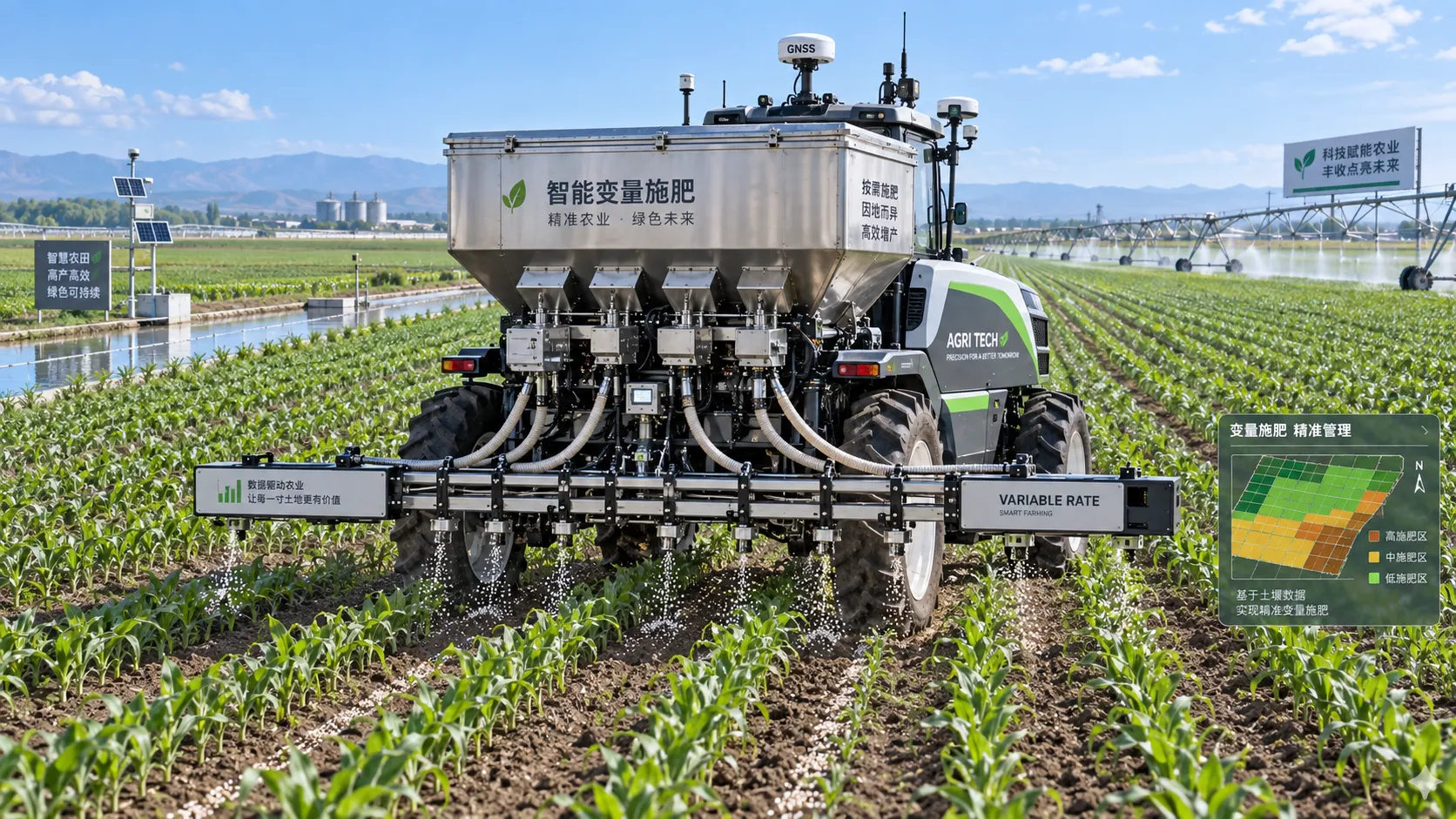
How to Evaluate Precision Fertilization System Suppliers for Farm-Scale Deployment
Precision fertilization systems suppliers: learn how to compare accuracy, integration, uptime, service, and total cost for confident farm-scale deployment.
Related News
- 00
0000-00
What Harvesting Machinery Works Best for Small Grains on Hills? - 00
0000-00
GRIMME Tianjin Signs to Join Changchun Agricultural Machinery Expo Center - 00
0000-00
Vietnam Mandates Vietnamese Energy Labels for Imported Threshing Systems - 00
0000-00
Crop Harvesting Solutions for Wheat: Which System Fits Yield, Moisture, and Field Size? - 00
0000-00
ANVISA Extends Threshing Systems Filing Window
Popular Tags
Harvesting Efficiency Expert
Weekly Insights
Stay ahead with our curated technology reports delivered every Monday.