
Crop Harvesting Solutions for Wheat: Which System Fits Yield, Moisture, and Field Size?
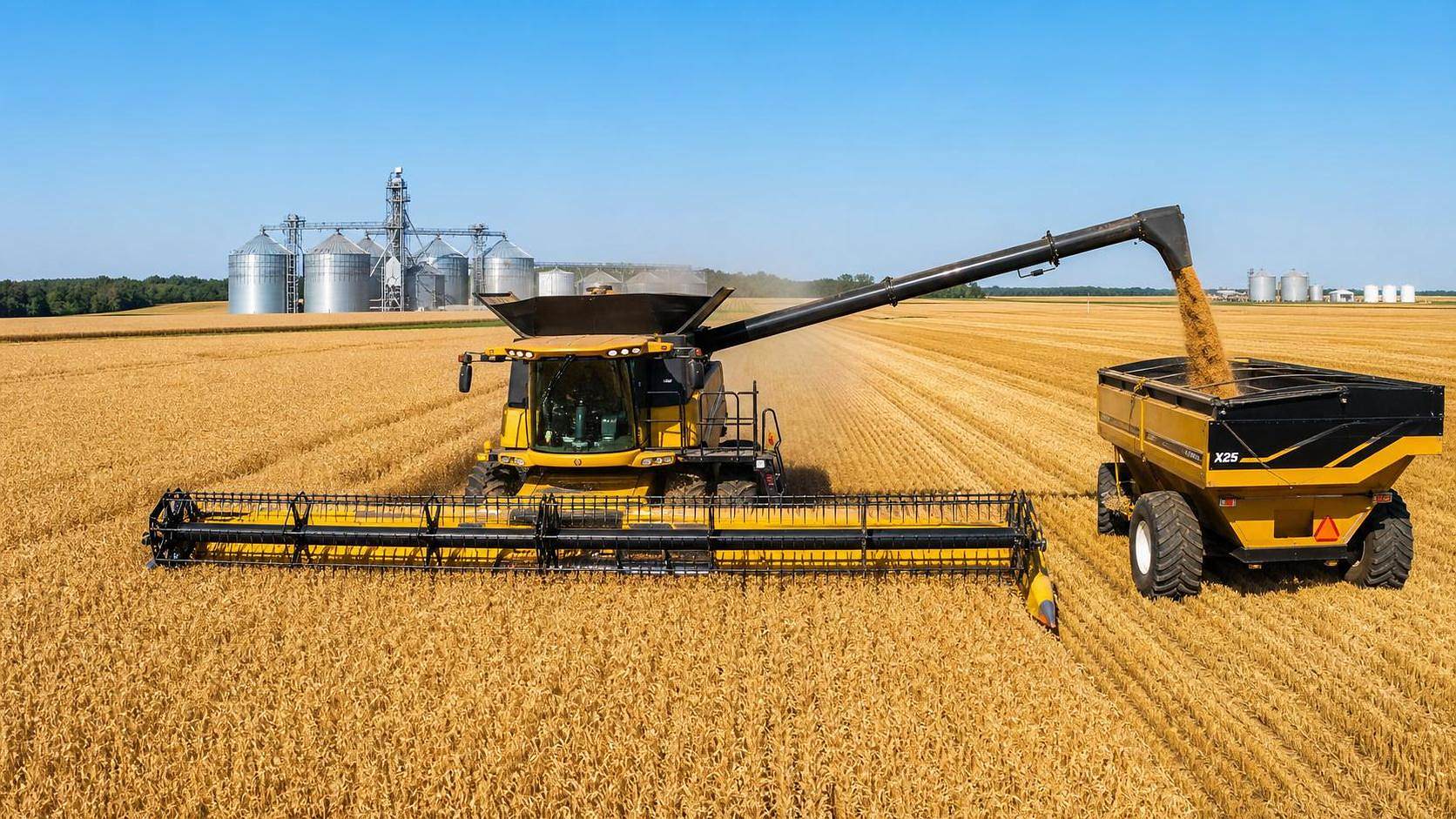




Crop Harvesting Solutions for Wheat: Which System Fits Yield, Moisture, and Field Size?
Choosing the right crop harvesting solutions for wheat is no longer just a machinery decision. It shapes yield retention, grain condition, field speed, labor pressure, and total project returns.
In large operations, the best answer rarely comes from machine size alone. It comes from matching harvesting capacity to moisture, field layout, logistics, and target harvest windows.
That is why crop harvesting solutions for wheat should be evaluated as a field system, not a standalone machine purchase. The practical question is simple: which setup protects yield while keeping work moving?
From a project delivery view, the answer depends on three variables first: expected yield, incoming grain moisture, and total workable field area per harvest day.
Why wheat harvesting performance now depends on system fit
Recent seasons have made harvest windows less predictable. Rain interruptions, uneven maturity, and tighter labor supply have pushed farms to rethink crop harvesting solutions for wheat.
A combine with strong headline capacity may still underperform. Losses rise quickly when threshing settings, cleaning load, trailer flow, and field access are not aligned.
This also means the right system is different for dry wheat on large square fields than for damp wheat on fragmented land. Equipment choice must reflect real operating conditions.
For AP-Strategy, this is where modern intelligence matters. Mechanical performance, moisture behavior, and logistics planning should be assessed together before capital is committed.
Start with yield: high output changes machine loading fast
Yield level is the first filter for crop harvesting solutions for wheat. It directly affects material flow, separator load, fuel use, unloading frequency, and trailer cycle pressure.
Low to moderate yield wheat allows more flexibility. Conventional combines, hybrid systems, and mid-capacity machines can often deliver stable performance if the harvest window is manageable.
High-yield wheat is different. Straw volume increases quickly, and cleaning systems face heavier demand. In these fields, underpowered systems create hidden losses even when forward speed looks acceptable.
A practical yield-based view looks like this:
- Below average yield: prioritize flexibility, fuel economy, and easier transport between fields.
- Medium yield: balance throughput with grain quality and residue handling.
- High yield: prioritize rotor or separation capacity, cleaning stability, and unloading efficiency.
In other words, crop harvesting solutions for wheat should be sized for peak field conditions, not average brochure conditions. That reduces the risk of yield losses during the tightest days.
Moisture matters more than many plans assume
Moisture is often the deciding factor when comparing crop harvesting solutions for wheat. Wet straw, green patches, and delayed ripening can change machine behavior within hours.
Dry wheat generally supports faster travel and cleaner separation. Damp wheat increases power demand, separation difficulty, grain tank contamination risk, and post-harvest drying costs.
This is where system design becomes critical. A high-capacity combine without enough drying, hauling, or storage support can create a downstream bottleneck immediately.
When moisture stays high, the better crop harvesting solutions for wheat usually include:
- More aggressive threshing and separation control options.
- Real-time loss monitoring and operator adjustment support.
- Trailer coordination that prevents combine idle time.
- Drying capacity matched to daily harvested tonnage.
If drying infrastructure is limited, the ideal field machine may not be the biggest one. Sometimes a controlled harvest pace delivers better net value than pushing excess wet grain into a weak back-end system.
Field size decides whether speed or agility creates value
Field size is the third major variable in crop harvesting solutions for wheat. Large continuous blocks reward width, tank capacity, and fewer interruptions. Small or irregular fields reward maneuverability.
On broad, open fields, larger headers and higher unloading rates can dramatically improve harvested hectares per day. Turn losses are limited, and transport planning is easier.
Fragmented fields tell a different story. Travel time, setup time, road moves, and awkward headlands eat into theoretical capacity. In those cases, oversized equipment can be expensive and underused.
A workable field-size framework is straightforward:
- Large consolidated fields: favor wider headers, high grain tank volume, and long continuous operating periods.
- Medium mixed layouts: favor balanced capacity and fast road mobility.
- Small or irregular fields: favor agile machines, easier transport, and lower repositioning losses.
This is why crop harvesting solutions for wheat should always be mapped against field geometry, not just total seasonal acreage.
Which wheat harvesting system fits which operating profile?
There is no universal winner. Different crop harvesting solutions for wheat perform best under different combinations of yield, moisture, and field structure.
For mixed operations, the strongest crop harvesting solutions for wheat are often the ones with better adjustment range, sensing, and support logistics, not simply the largest rated machine.
Key risks that reduce ROI during wheat harvest
Even well-funded projects lose margin when harvest planning misses the weak points. Most failures in crop harvesting solutions for wheat come from predictable gaps.
- Capacity mismatch between combine output and grain hauling.
- Undersized drying systems during wet harvest periods.
- Header width selected without considering road movement limits.
- Operators lacking data support for rapid field adjustments.
- Machine selection based on annual average, not peak harvest days.
A stronger procurement process compares not only machine cost, but also harvest delay exposure, grain loss probability, moisture penalties, and service response quality.
That broader view usually leads to better crop harvesting solutions for wheat over the full operating cycle.
A practical decision model for selecting crop harvesting solutions for wheat
In practical business terms, selection works best when it follows a simple decision sequence. This keeps technical debate tied to field performance and return metrics.
- Define peak daily harvest tonnage, not seasonal totals alone.
- Segment fields by size, shape, distance, and access limits.
- Estimate moisture scenarios for normal and delayed harvest windows.
- Check hauling, storage, and drying capacity against machine output.
- Compare grain loss risk across candidate systems under heavy load.
- Validate service coverage, spare parts speed, and operator readiness.
This approach turns crop harvesting solutions for wheat into an engineering and operations decision, rather than a brand-driven discussion.
It also creates a clearer path for investment approval because each equipment choice connects directly to measurable field outcomes.
Final take: fit the system to the pressure point
The best crop harvesting solutions for wheat are the ones that remove the main operational constraint first. Sometimes that constraint is separator capacity. Sometimes it is moisture handling. Often it is field logistics.
For dry, open, large fields, scale and speed usually create value. For wet harvests or fragmented land, adaptability and coordinated support systems matter more.
The most reliable decision is to evaluate crop harvesting solutions for wheat as one connected workflow, from standing crop to storage. That is where yield protection and ROI stay aligned.
A disciplined review of yield profile, moisture risk, and field size will usually reveal the right harvesting path faster than any generic capacity ranking.
Related News
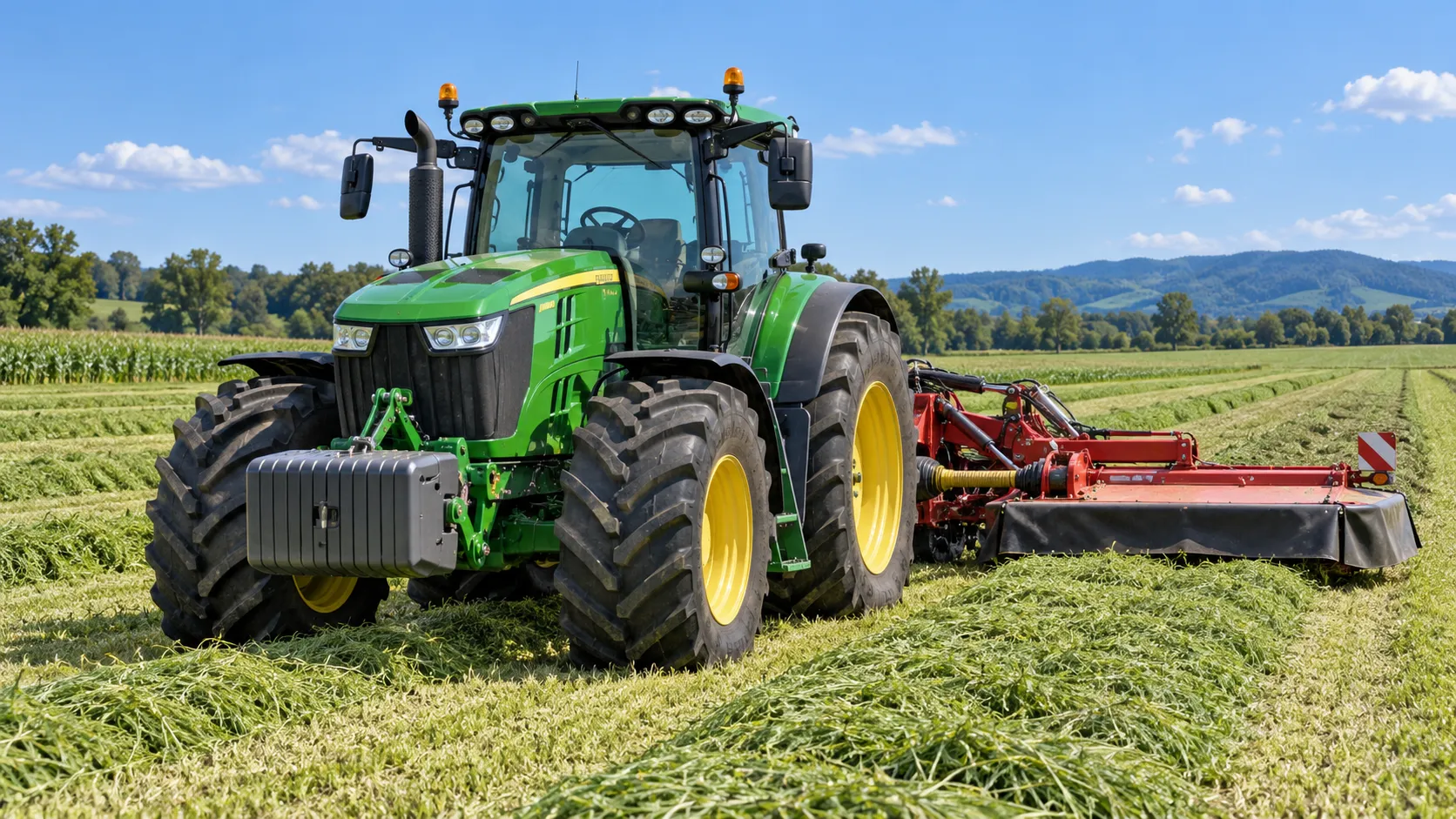
Tractor Specification Sheets: Matching PTO, Hydraulics, and Weight to Farm Tasks
Specification-oriented articles for tractors: match PTO, hydraulics, lift capacity, ballast, and weight to real farm tasks for safer, more efficient equipment choices.
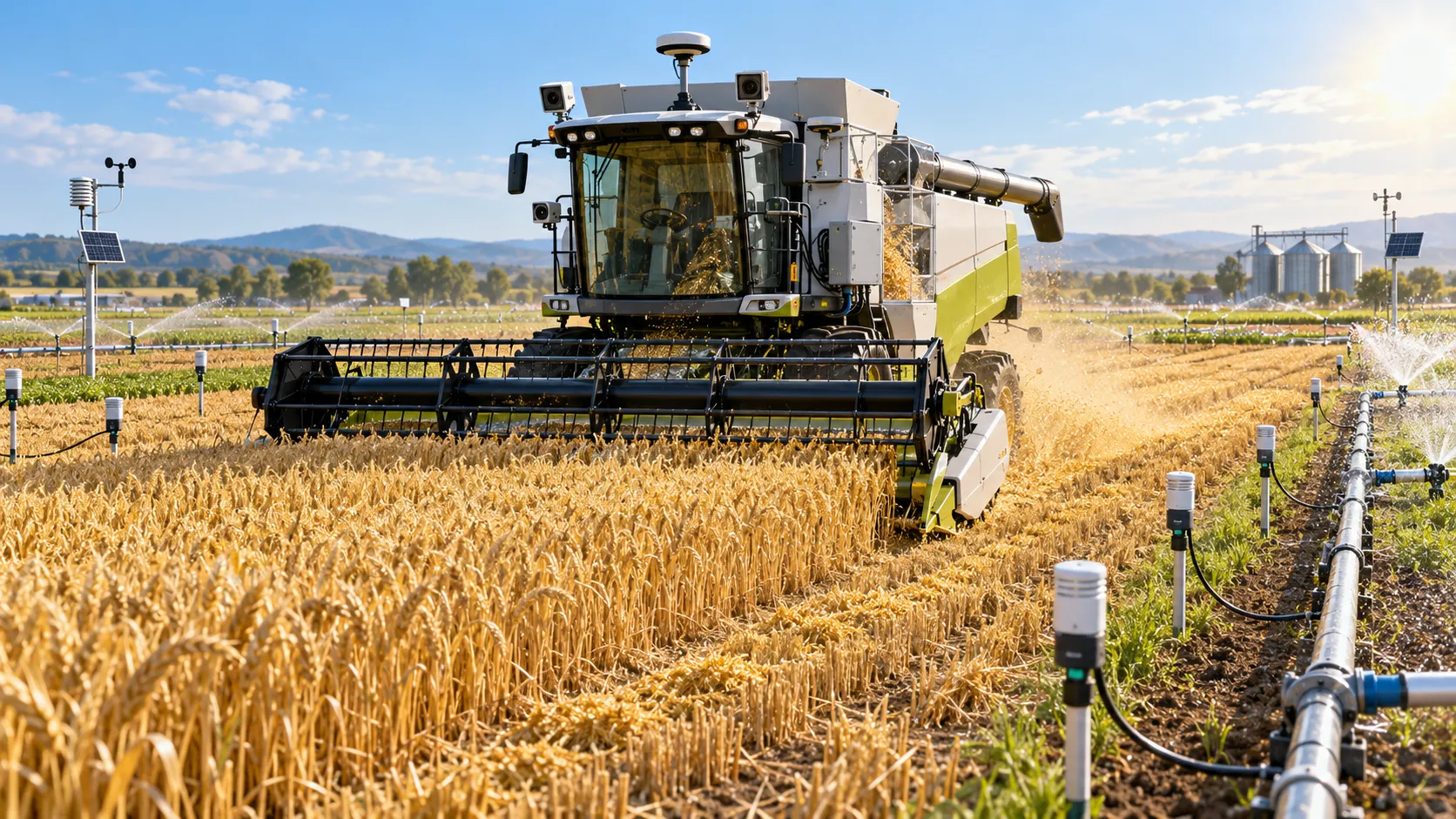
How to Evaluate Dynamic Feedback Algorithm Suppliers for Precision Farming Systems
Dynamic feedback algorithms supplier evaluation guide for precision farming—compare validation, integration, safety, and pilots to choose with confidence.
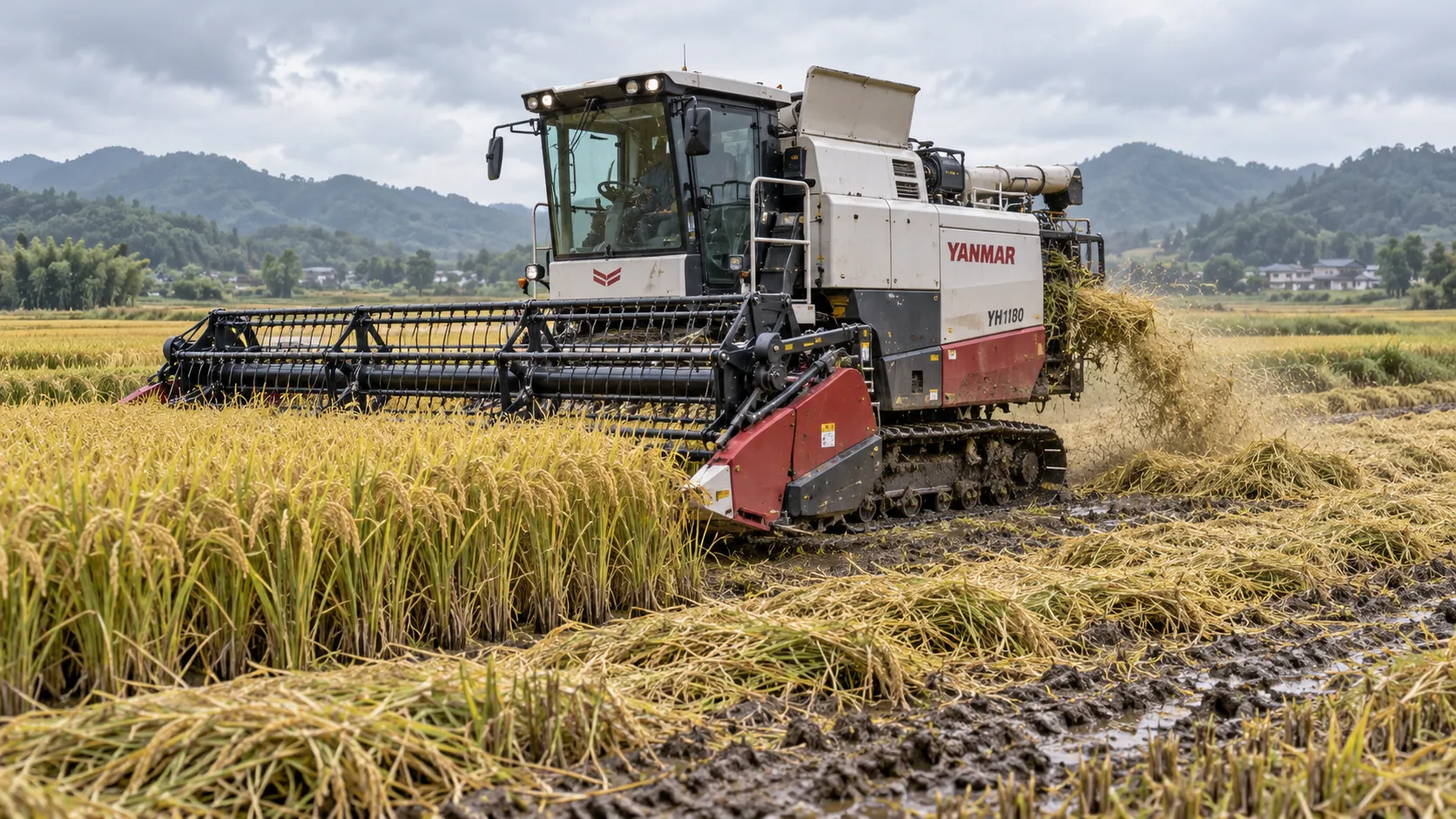
How to Specify Combine Harvester Systems for High-Moisture Grain and Variable Field Conditions
Combine harvester systems for high-moisture grain: learn how to specify threshing, cleaning, headers, traction, and automation for reliable harvests in variable fields.
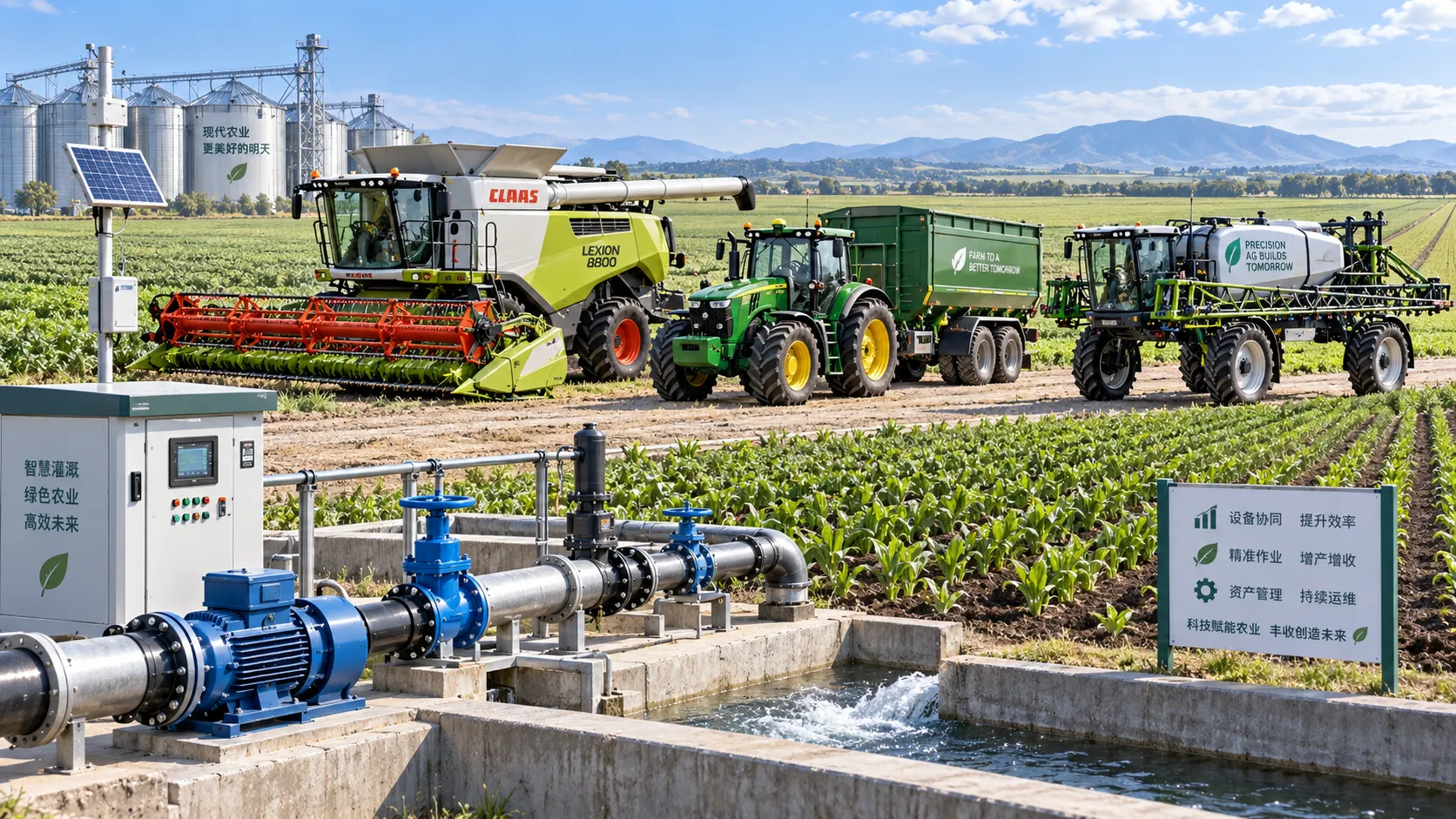
How to Compare Agricultural Equipment Platforms for Fleet Management and ROI
Agricultural equipment platform comparison: evaluate fleet data, maintenance, precision workflows, and ROI to choose a system that delivers measurable results.
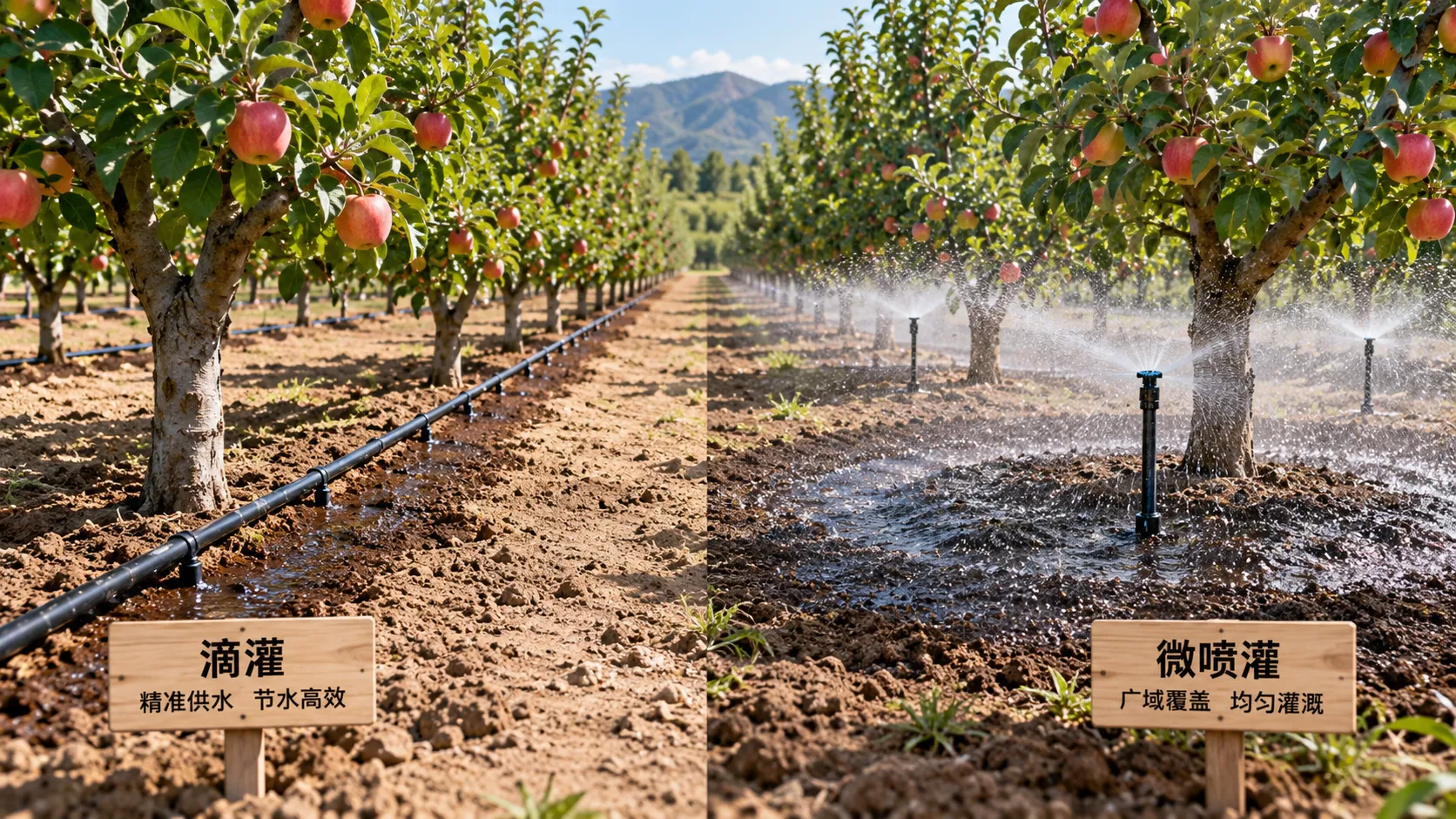
Drip vs. Micro-Sprinkler Irrigation: Which System Fits Your Orchard?
Irrigation solution comparison for orchards: discover whether drip or micro-sprinklers best match your water, soil, roots, fertigation, and frost needs.
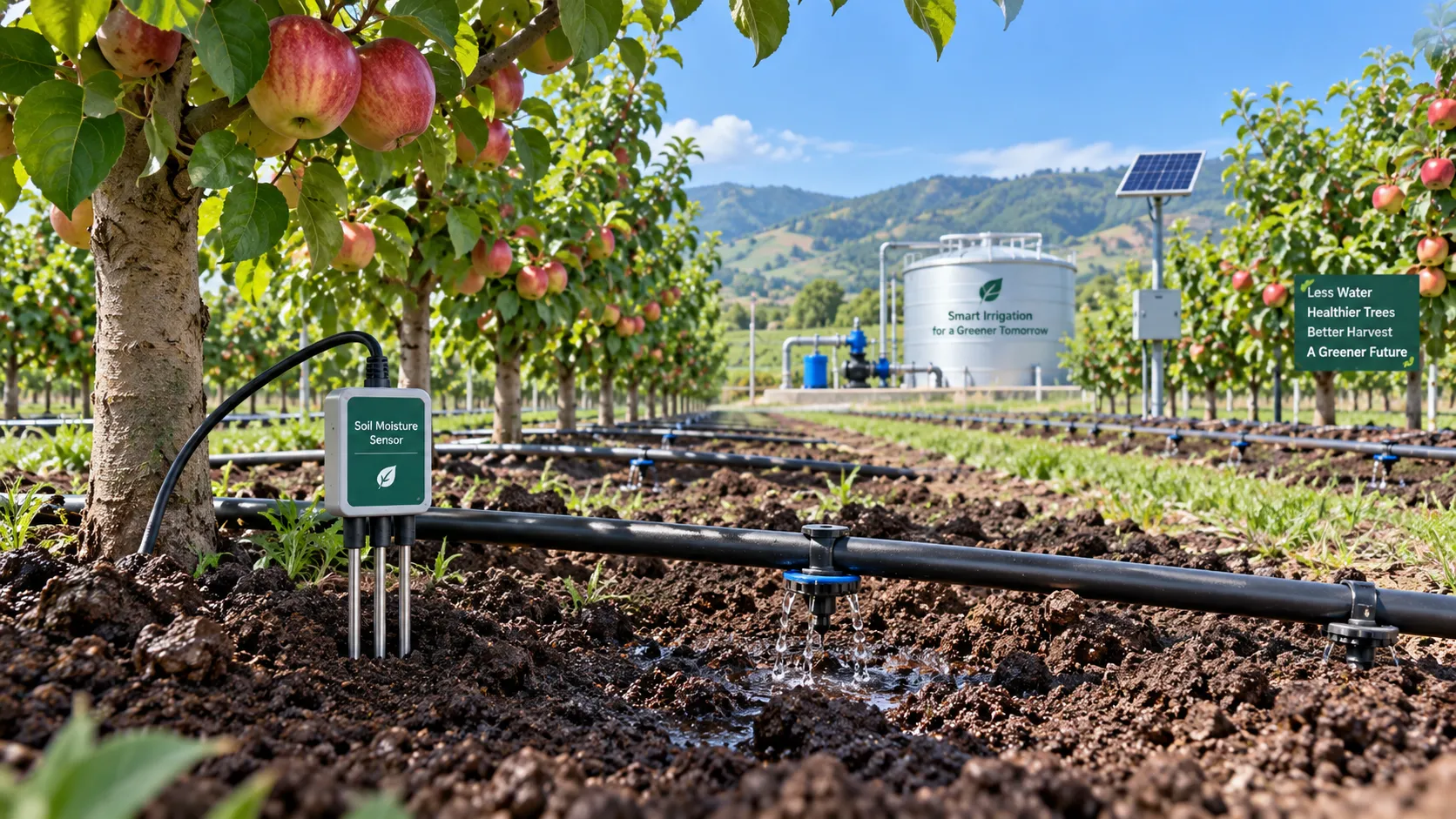
Orchard Water Management: Using Soil Moisture Data to Schedule Irrigation
Agricultural water management for orchards made practical: use soil moisture data to optimize irrigation timing, protect yield, reduce costs, and improve resilience.
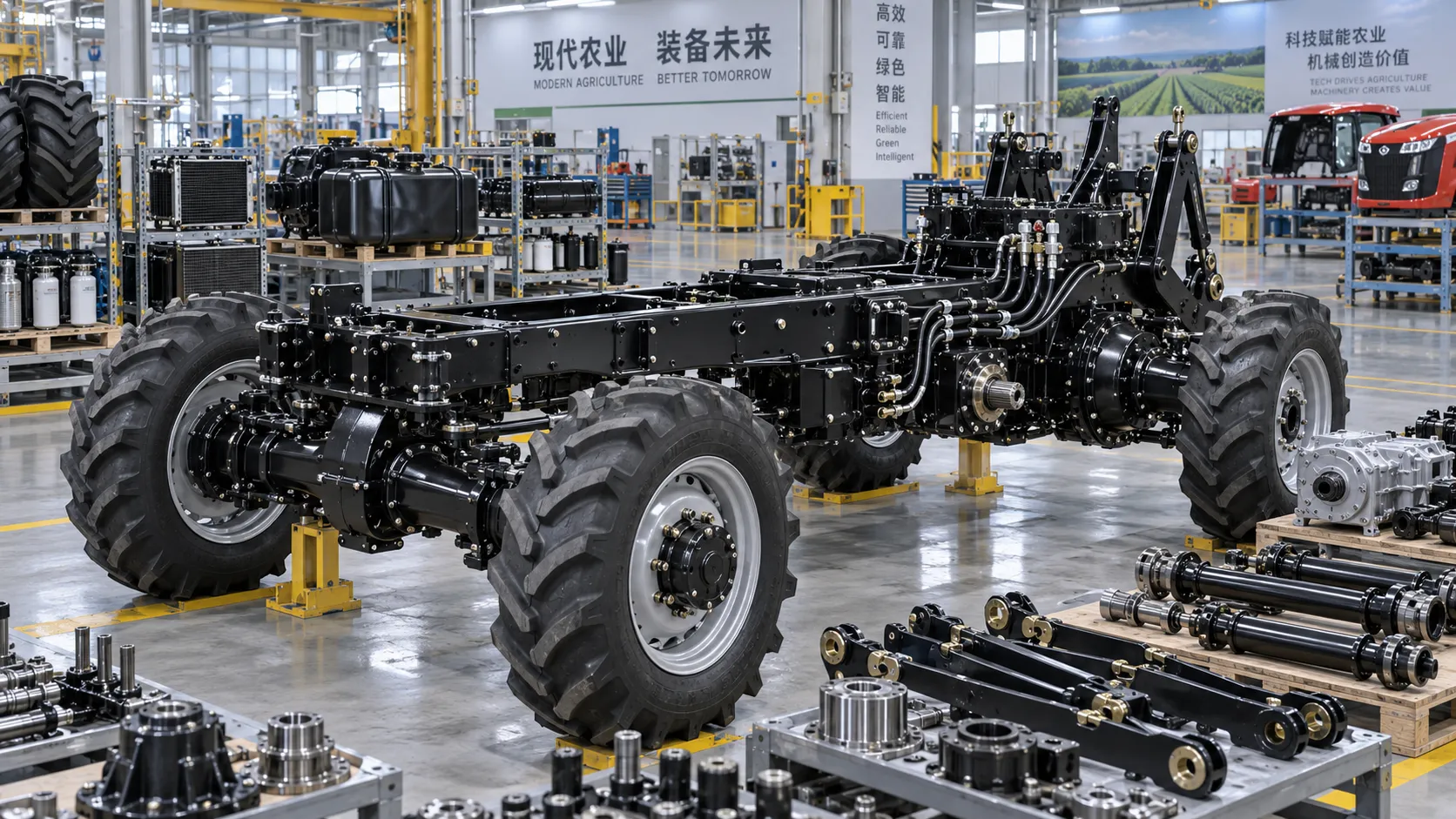
Tractor Chassis Price: What Buyers Should Compare Beyond the Initial Quote
Tractor chassis price is only the start. Compare load capacity, compatibility, durability, and lifecycle costs to choose a reliable, high-value chassis.
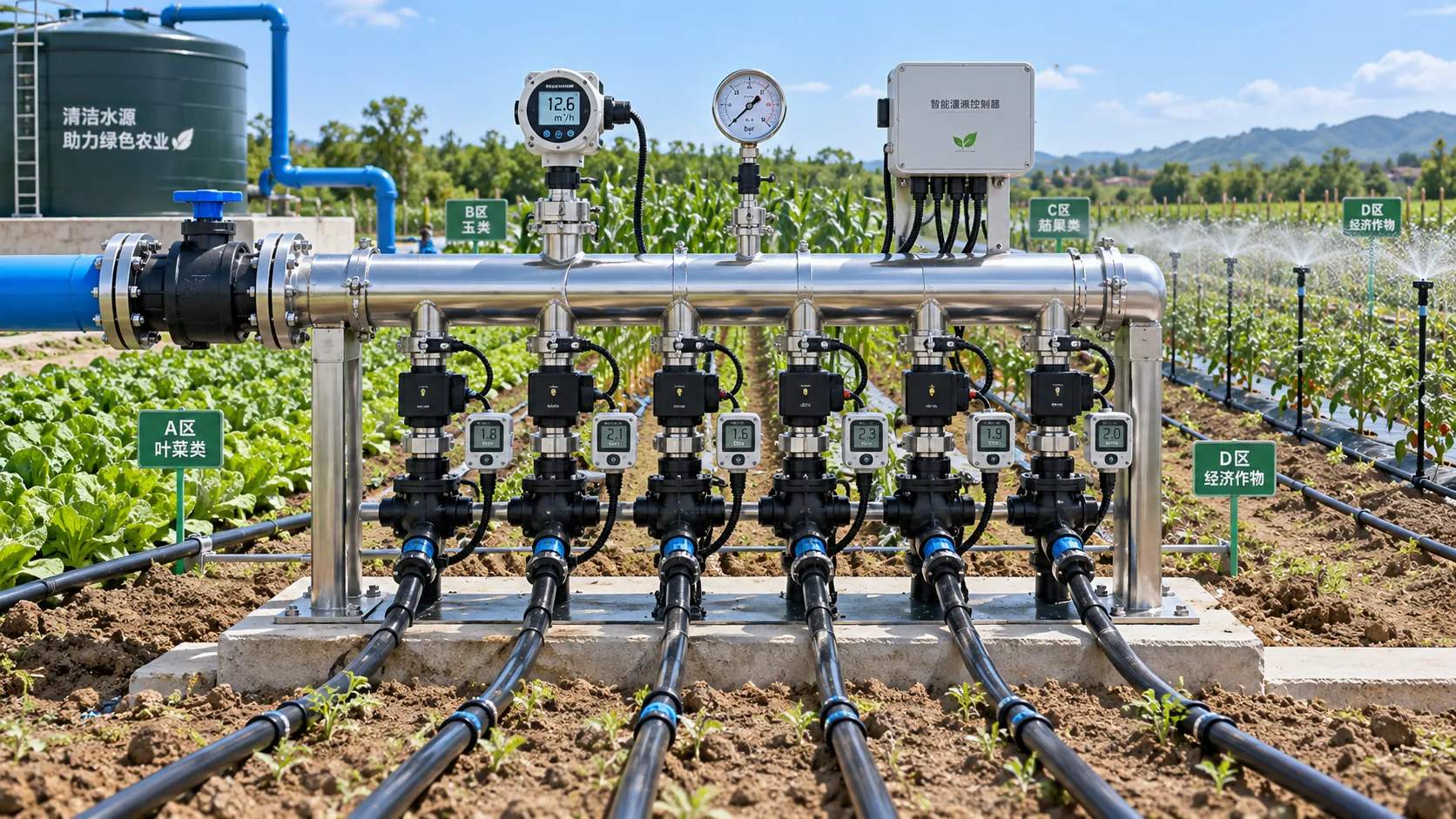
How to Select Smart Irrigation Valves for Multi-Zone Water Management?
Intelligent irrigation systems valves: learn how to match smart valves with multi-zone flow, pressure, control, feedback, and communication needs for reliable water management.
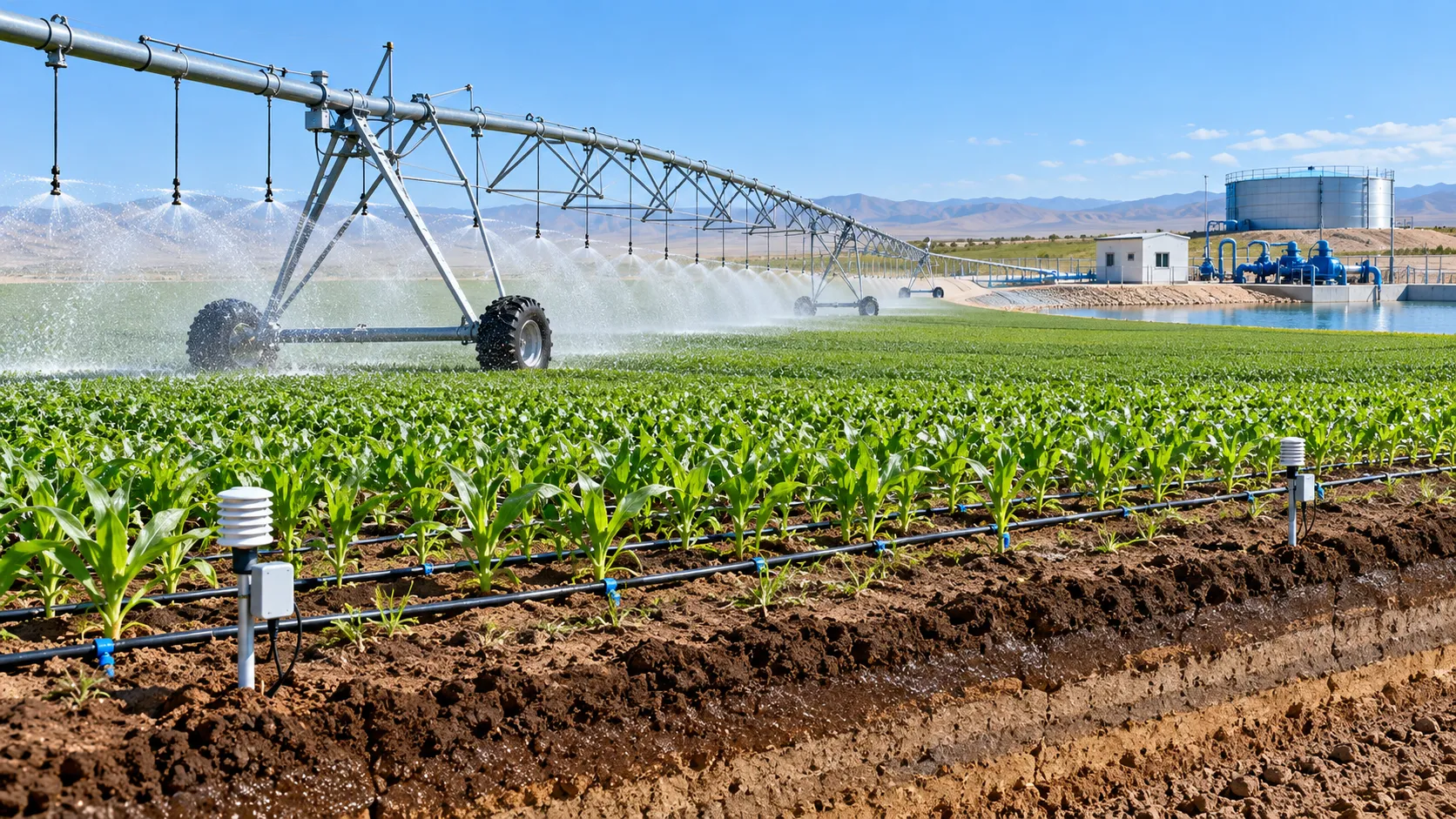
Climate-Smart Farming for Drought: A Practical Plan for Protecting Yields
Climate-smart farming for drought: build smarter water budgets, protect critical crop stages, improve irrigation uniformity, and safeguard yields with practical field-proven strategies.
Related News
- 00
0000-00
How to Specify Combine Harvester Systems for High-Moisture Grain and Variable Field Conditions - 00
0000-00
What Harvesting Machinery Works Best for Small Grains on Hills? - 00
0000-00
GRIMME Tianjin Signs to Join Changchun Agricultural Machinery Expo Center - 00
0000-00
Vietnam Mandates Vietnamese Energy Labels for Imported Threshing Systems - 00
0000-00
Crop Harvesting Solutions for Wheat: Which System Fits Yield, Moisture, and Field Size?
Popular Tags
Harvesting Efficiency Expert
Weekly Insights
Stay ahead with our curated technology reports delivered every Monday.