
Are Solar Powered Agriculture Equipment Systems Worth It for Small and Mid-Size Farms?
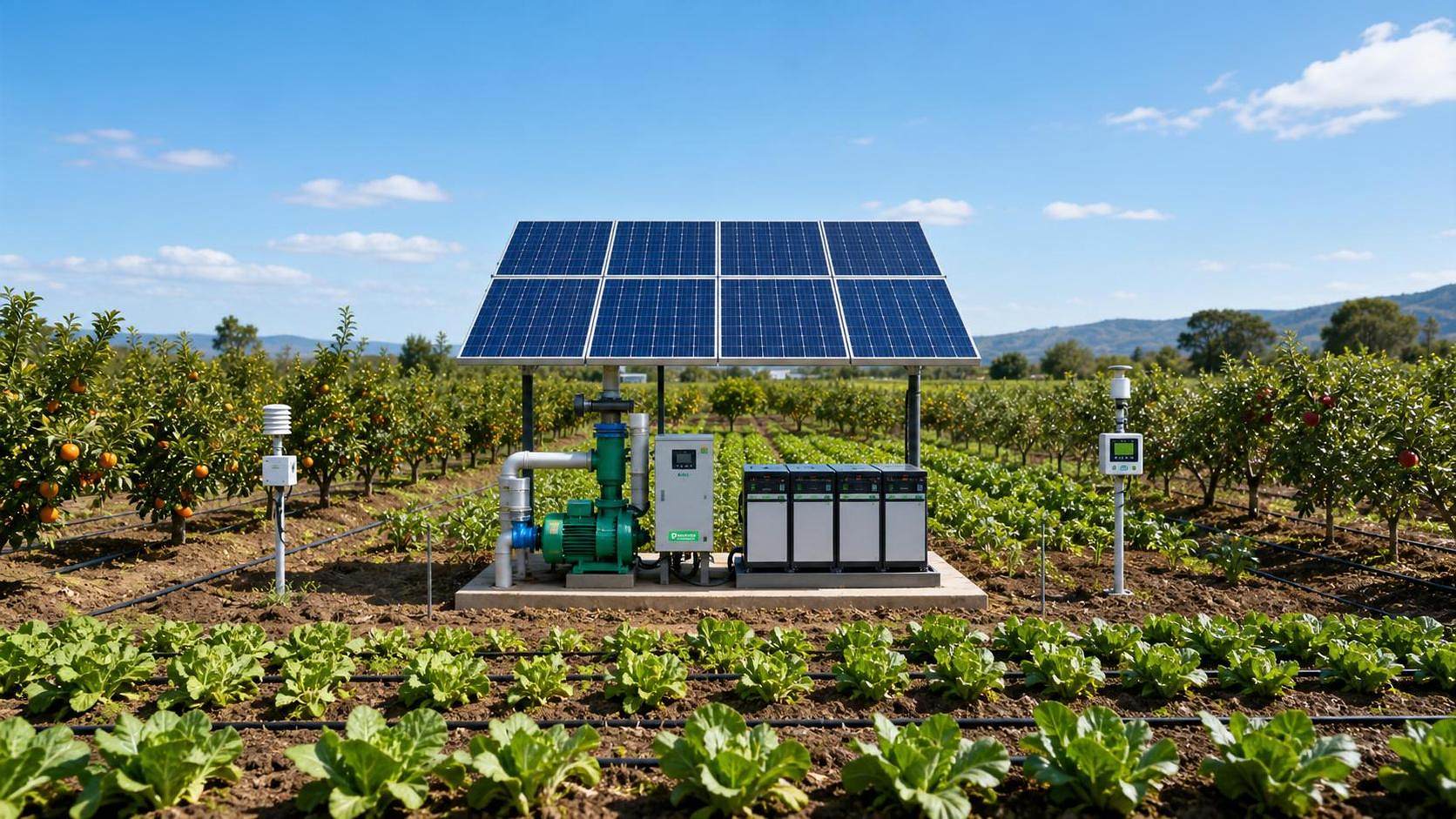




Are solar powered farm systems actually worth the spend?
For many farms, this is no longer a branding question.
It is a balance-sheet question tied to fuel volatility, irrigation reliability, and operating margin.
That is why sustainable agriculture equipment solar powered solutions are getting serious attention across mixed-use and mid-scale operations.
The answer, however, is not a simple yes.
Solar systems tend to make financial sense when they replace predictable daytime energy loads, reduce diesel dependence, or stabilize water delivery.
They are less convincing when buyers expect one solar upgrade to power every machine on the farm.
In practical terms, the strongest cases usually involve irrigation pumps, remote sensors, electric fencing, ventilation, lighting, and battery-supported field tools.
Heavy traction equipment still presents a different economic profile.
AP-Strategy has tracked this shift through its work on mechanization, intelligent farm tools, and water-saving irrigation systems.
The common thread is straightforward: solar value rises when energy demand is measurable and operational downtime is expensive.
What counts as sustainable agriculture equipment solar powered in real farm use?
Many buyers picture fully solar tractors first, but that is rarely the starting point.
A broader view is more useful.
Sustainable agriculture equipment solar powered systems usually include equipment or support infrastructure that converts solar energy into direct farm utility.
That may include fixed solar arrays for pumps, mobile solar stations, sensor networks, charging hubs, or hybrid battery systems.
In smaller operations, irrigation is often the most bankable entry point.
Water demand is recurring, field locations may be remote, and diesel hauling creates hidden labor cost.
In orchard, vegetable, and specialty crop settings, solar can also support fertigation control, climate monitoring, and low-voltage automation.
This matters because value should be tied to a task, not to a technology label.
A good system is not “green” by description alone.
It must lower energy exposure, simplify maintenance, or improve field productivity in a measurable way.
Where does the return usually come from?
The return rarely comes from one line item.
It usually comes from a stack of smaller gains that become meaningful over several seasons.
The most common value drivers include:
- Lower diesel or grid electricity spend during peak operating months.
- Reduced fuel transport and fewer service trips to remote assets.
- Better irrigation timing, which can improve yield stability.
- Lower exposure to utility outages or fuel supply disruptions.
- Longer planning visibility for operating cost forecasts.
In finance terms, that last point often gets underestimated.
Predictable energy cost can be as valuable as lower energy cost.
For farms exposed to weather swings and commodity price movement, cost stability improves capital planning.
It also helps when comparing lease, debt, or phased deployment options.
AP-Strategy’s market coverage often points to the same conclusion.
The strongest returns appear where mechanical performance and data-guided resource use work together, especially in irrigation-heavy environments.
Which farms see the best economics, and which ones usually do not?
This is where many investment discussions become clearer.
The best candidates are not defined only by acreage.
They are defined by load profile, field layout, and energy pain points.
Solar tends to perform well when operations have regular daytime demand, expensive fuel delivery, and recurring off-grid tasks.
It also fits farms already using precision irrigation or sensor-based scheduling.
In those cases, sustainable agriculture equipment solar powered assets become part of a wider efficiency system.
The weaker cases are also predictable.
ROI becomes harder when loads are intermittent, shade conditions are poor, or equipment demand peaks at times solar output does not match.
Very high-draw mobile equipment can still require costly storage or hybrid support.
In actual planning, a partial solar strategy is often smarter than an all-or-nothing one.
A farm may keep diesel or grid power for heavy traction while using solar for water, controls, and distributed field infrastructure.
That blended model usually produces more defensible numbers.
What costs are easy to miss during evaluation?
The headline equipment price is only the visible layer.
Several overlooked items can change payback materially.
Start with site preparation.
Ground conditions, mounting, cable runs, and pump integration can add more than expected.
Battery storage is another major variable.
Not every project needs it, but when it is required, lifecycle cost changes quickly.
Then there is the maintenance profile.
Panels are often low maintenance, but inverters, controllers, pumps, and batteries still need inspection and replacement planning.
Insurance, theft risk, and spare-parts availability should also be priced in.
More subtle costs come from under-sizing or over-sizing.
An undersized system forces fallback energy use during peak periods.
An oversized system ties up capital without enough utilization.
That is why load analysis matters more than broad sustainability claims.
- Confirm annual energy demand by task, not by whole-farm estimate.
- Check replacement schedules for batteries, pumps, and control units.
- Review local incentives, but do not let subsidies hide weak fundamentals.
- Stress-test payback against low-yield years and weaker commodity pricing.
How should buyers compare solar options against diesel, grid, or hybrid setups?
The cleanest comparison uses total cost of ownership over several seasons.
A purchase price comparison alone can mislead.
A useful review should compare four things side by side: capex, annual operating cost, uptime risk, and productivity effect.
Diesel often wins on immediate flexibility.
Grid power can win where connection is cheap and stable.
Hybrid systems often win when reliability matters more than pure payback speed.
In many field applications, hybrid is the practical middle ground.
It lowers fuel exposure without creating a single-point energy dependency.
This approach also aligns with a broader Agriculture 4.0 mindset.
AP-Strategy often emphasizes that modern equipment decisions work best when mechanical systems, digital controls, and resource efficiency are evaluated together.
That applies here as well.
The right question is not “solar or not.”
The better question is “which energy architecture supports this farm’s operating pattern at the lowest long-term risk?”
What is a sensible next step before committing capital?
Begin with one or two energy-intensive workflows.
Irrigation, remote water delivery, and sensor-linked field control are usually the clearest starting points.
Then build a simple decision file around them.
Include seasonal load data, current energy cost, service access, equipment lifespan, and downtime consequences.
That creates a more realistic picture than broad ROI claims.
For many operations, sustainable agriculture equipment solar powered investments are worth it when they solve a specific field constraint with measurable payback.
They are less effective when bought as a general sustainability gesture.
A careful shortlist should compare standalone solar, solar-plus-storage, and hybrid alternatives against current practice.
It should also track policy incentives, replacement cycles, and expansion options.
That kind of structured review is exactly where sector intelligence helps.
When market data, equipment trends, and water-efficiency planning are viewed together, the decision becomes much easier to defend.
In short, solar is worth serious consideration, but only after the farm’s real energy tasks are mapped, compared, and tested against long-term operating reality.
Related News
How to Evaluate Dynamic Feedback Algorithm Suppliers for Precision Farming Systems
Dynamic feedback algorithms supplier evaluation guide for precision farming—compare validation, integration, safety, and pilots to choose with confidence.
How to Specify Combine Harvester Systems for High-Moisture Grain and Variable Field Conditions
Combine harvester systems for high-moisture grain: learn how to specify threshing, cleaning, headers, traction, and automation for reliable harvests in variable fields.
How to Compare Agricultural Equipment Platforms for Fleet Management and ROI
Agricultural equipment platform comparison: evaluate fleet data, maintenance, precision workflows, and ROI to choose a system that delivers measurable results.
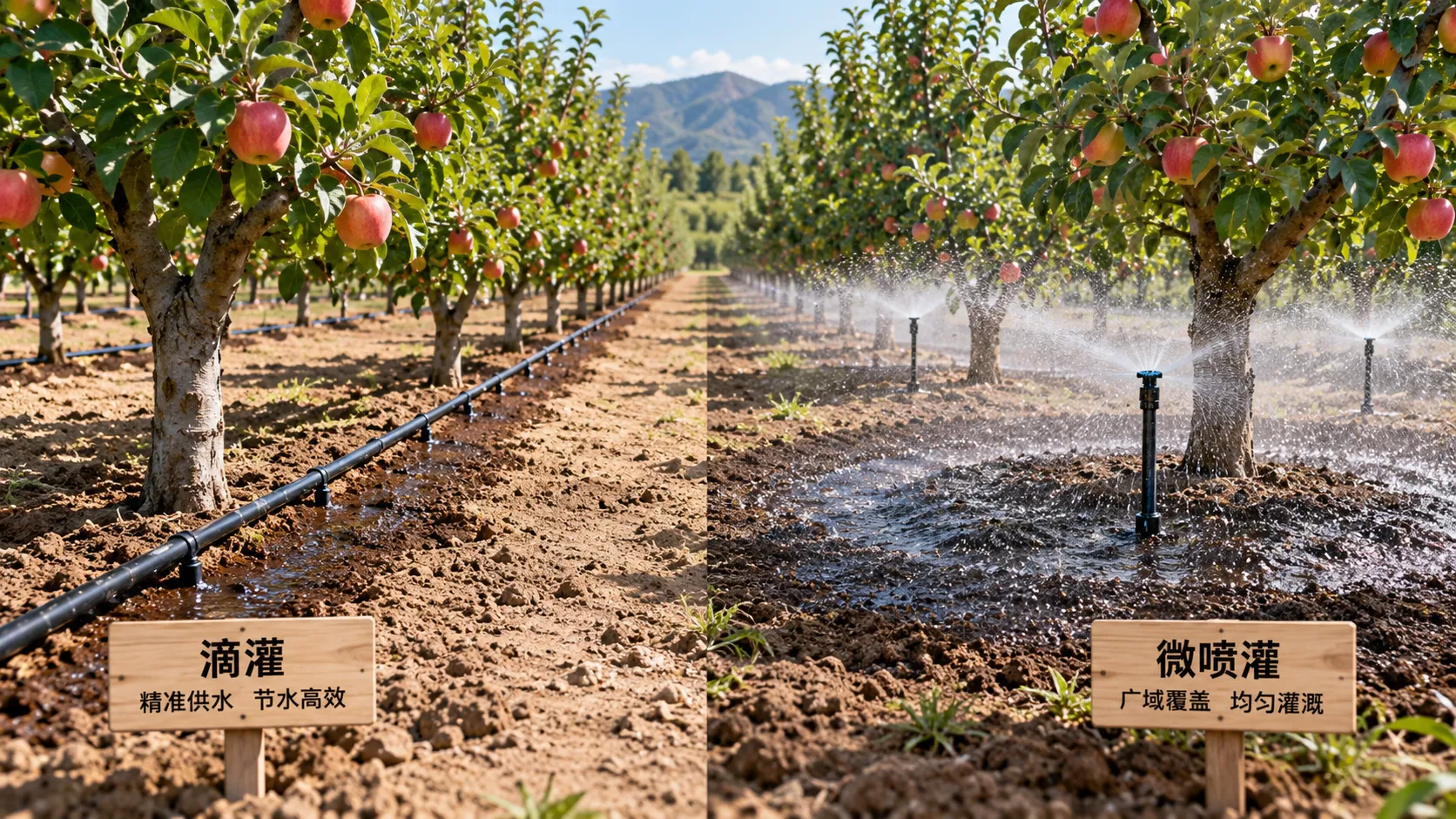
Drip vs. Micro-Sprinkler Irrigation: Which System Fits Your Orchard?
Irrigation solution comparison for orchards: discover whether drip or micro-sprinklers best match your water, soil, roots, fertigation, and frost needs.
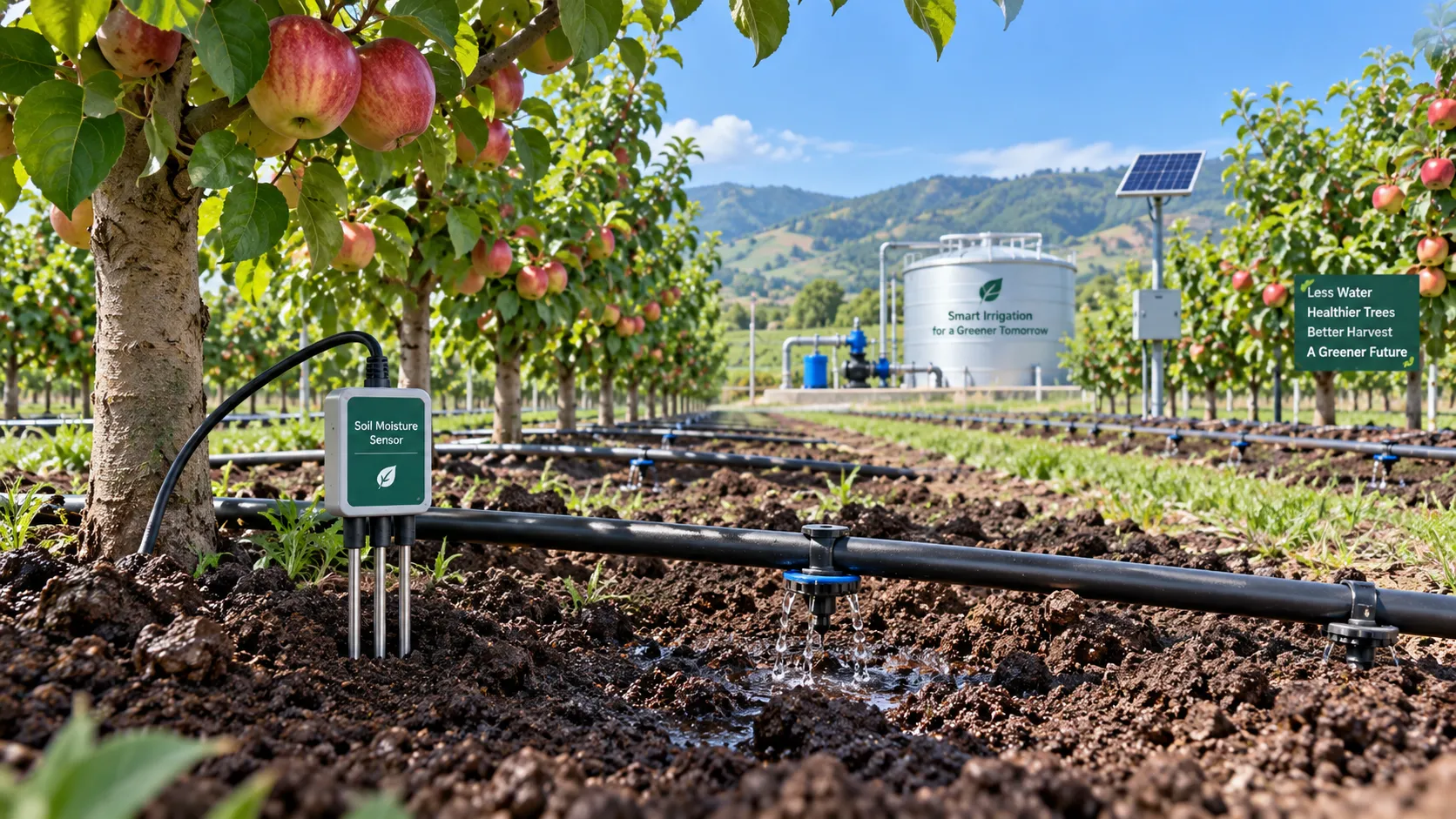
Orchard Water Management: Using Soil Moisture Data to Schedule Irrigation
Agricultural water management for orchards made practical: use soil moisture data to optimize irrigation timing, protect yield, reduce costs, and improve resilience.
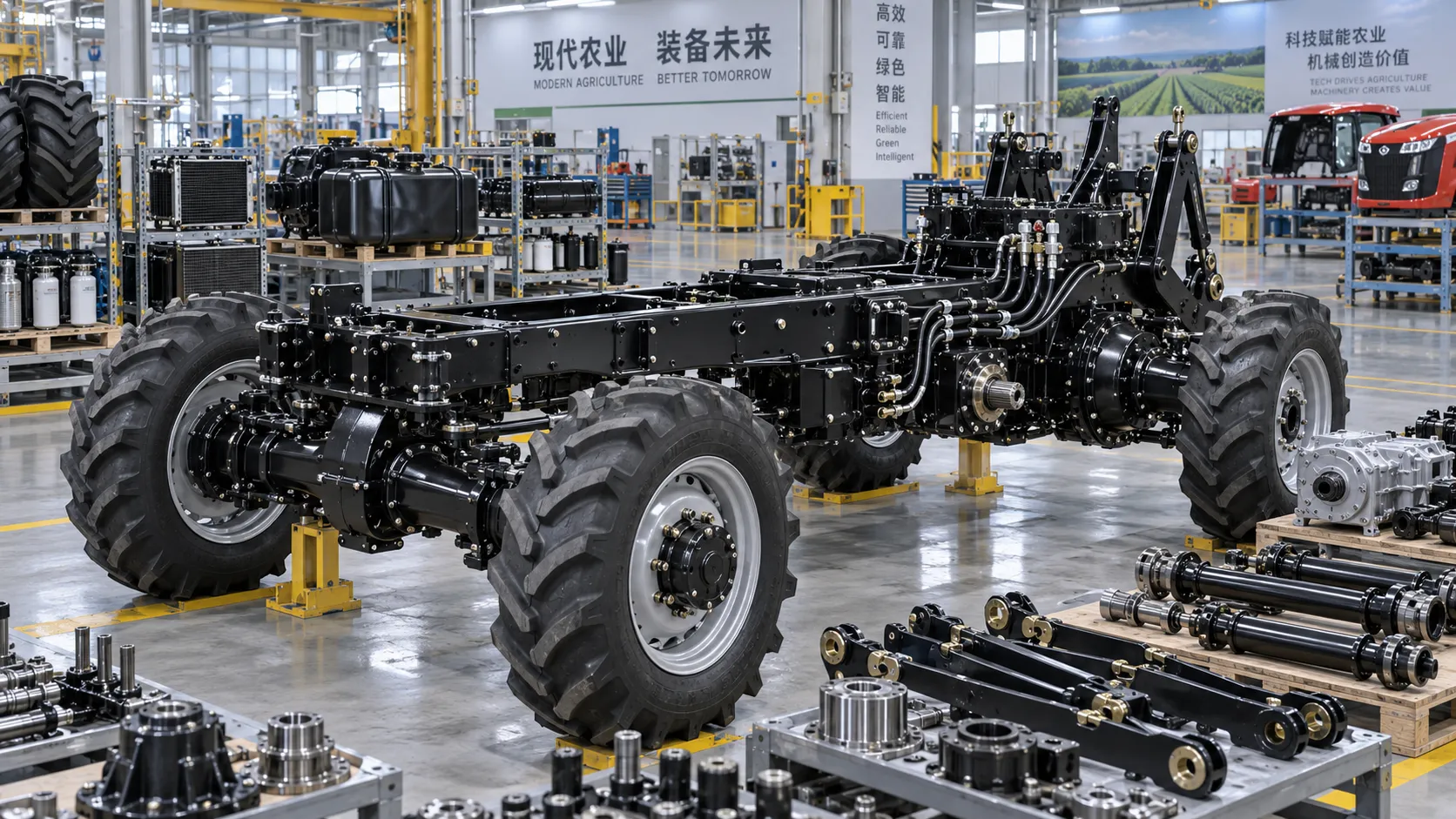
Tractor Chassis Price: What Buyers Should Compare Beyond the Initial Quote
Tractor chassis price is only the start. Compare load capacity, compatibility, durability, and lifecycle costs to choose a reliable, high-value chassis.
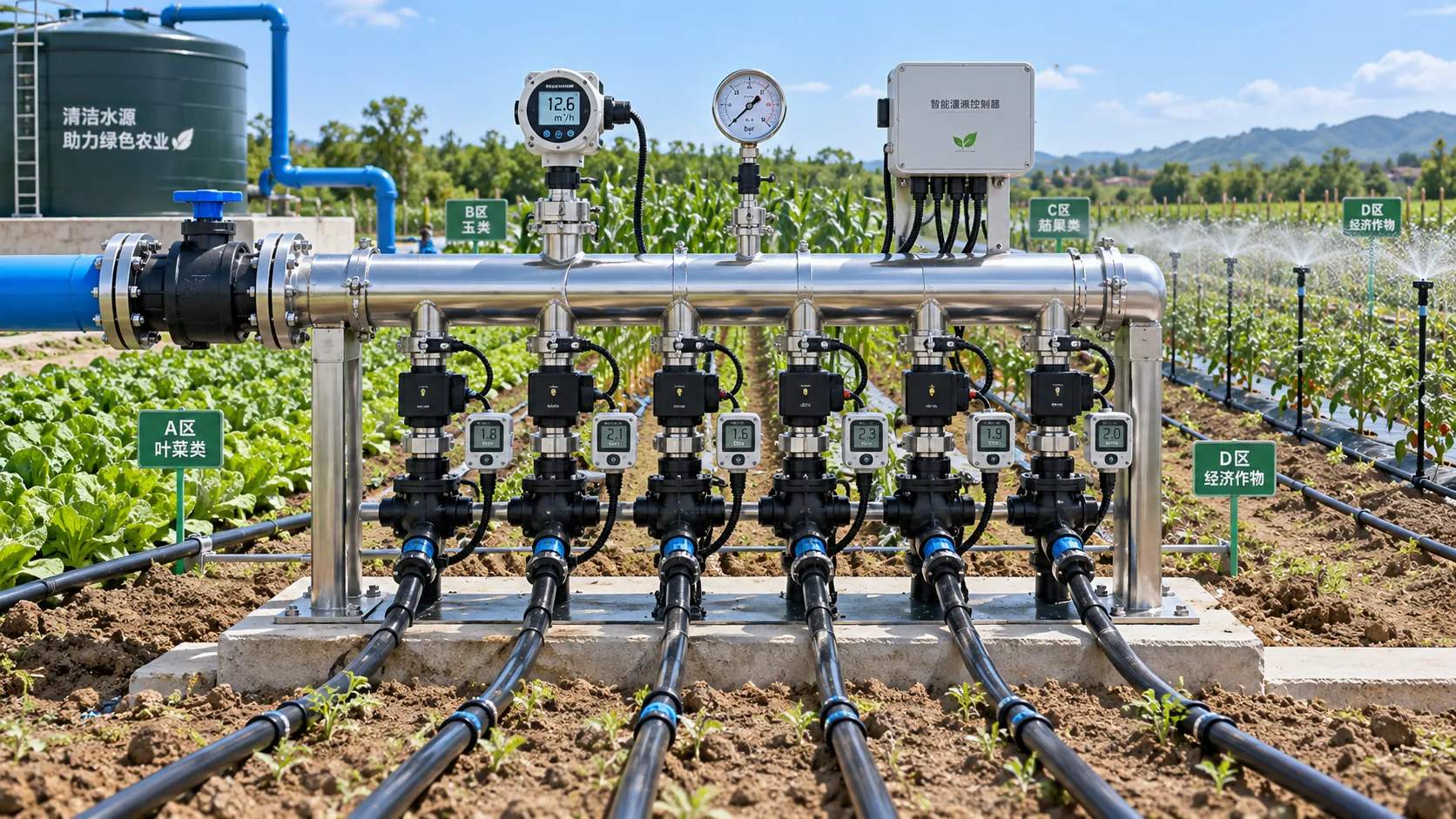
How to Select Smart Irrigation Valves for Multi-Zone Water Management?
Intelligent irrigation systems valves: learn how to match smart valves with multi-zone flow, pressure, control, feedback, and communication needs for reliable water management.
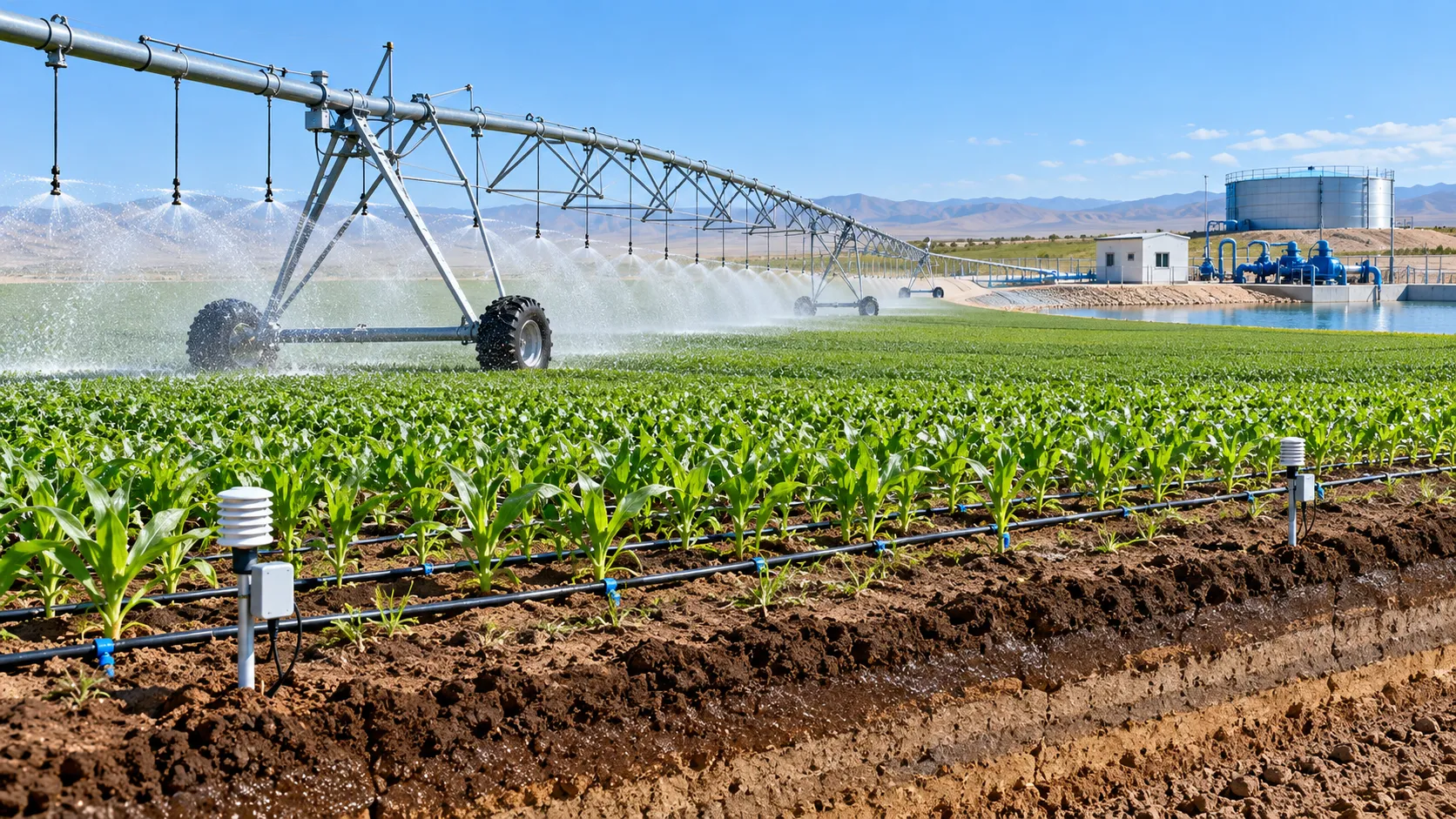
Climate-Smart Farming for Drought: A Practical Plan for Protecting Yields
Climate-smart farming for drought: build smarter water budgets, protect critical crop stages, improve irrigation uniformity, and safeguard yields with practical field-proven strategies.
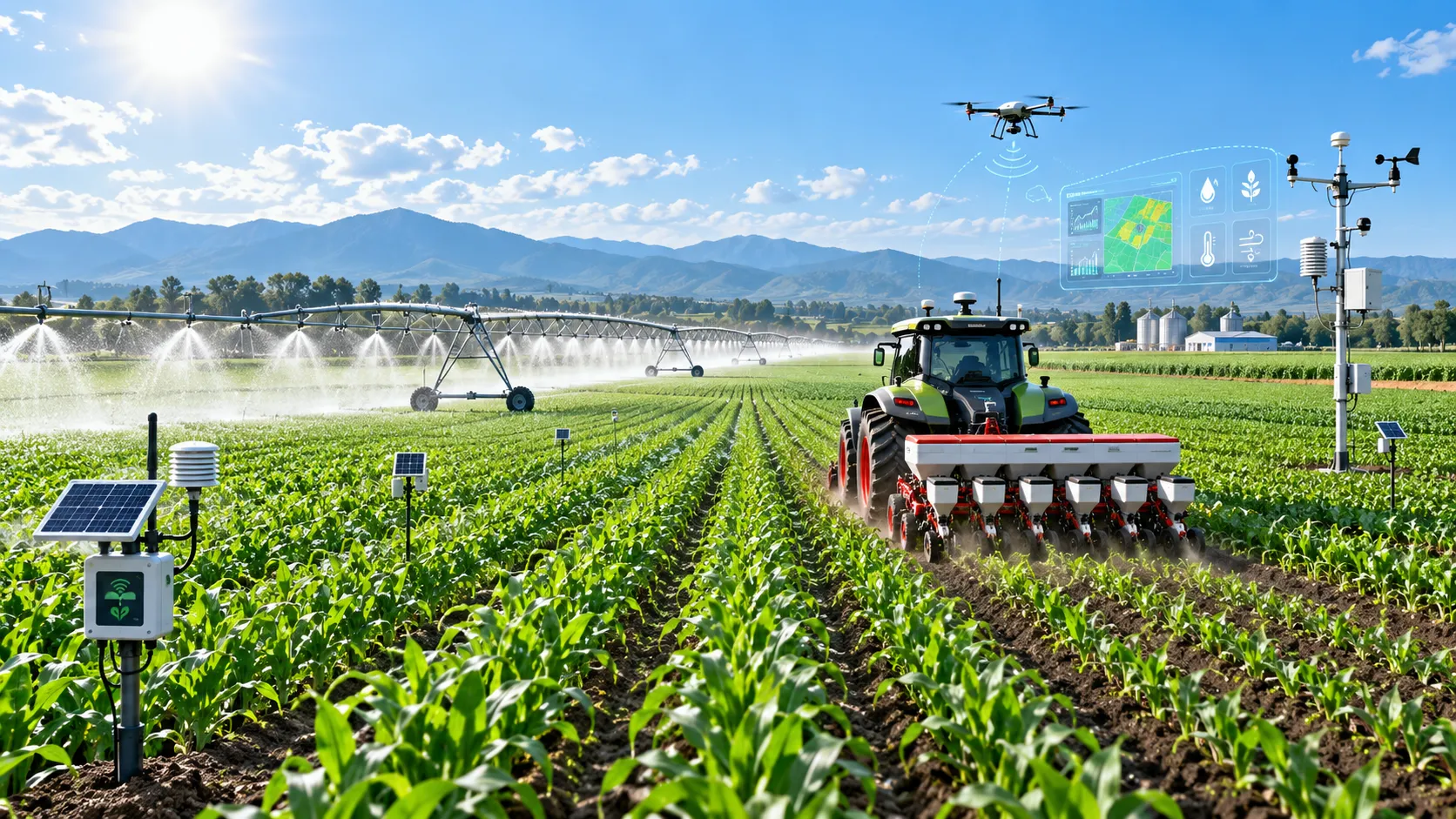
How Digital Agriculture Platforms Turn Field Data Into Better Input Decisions
Digital agriculture platforms turn field data into smarter fertilizer, water, seed, and equipment decisions—helping farms cut risk, improve margins, and scale sustainability.
Related News
- 00
0000-00
How to Compare Agricultural Equipment Platforms for Fleet Management and ROI - 00
0000-00
Tractor Chassis Price: What Buyers Should Compare Beyond the Initial Quote - 00
0000-00
How Digital Agriculture Platforms Turn Field Data Into Better Input Decisions - 00
0000-00
When Does Agricultural Machinery Leasing Cost Less Than Owning Equipment? - 00
0000-00
Selecting Grain Farm Equipment by Acreage, Crop Mix, and Harvest Window
Popular Tags
Ms. Elena Rodriguez
Weekly Insights
Stay ahead with our curated technology reports delivered every Monday.