
Large-Scale Farm Equipment for Canola: Key Machine Specs for Harvest and Field Prep
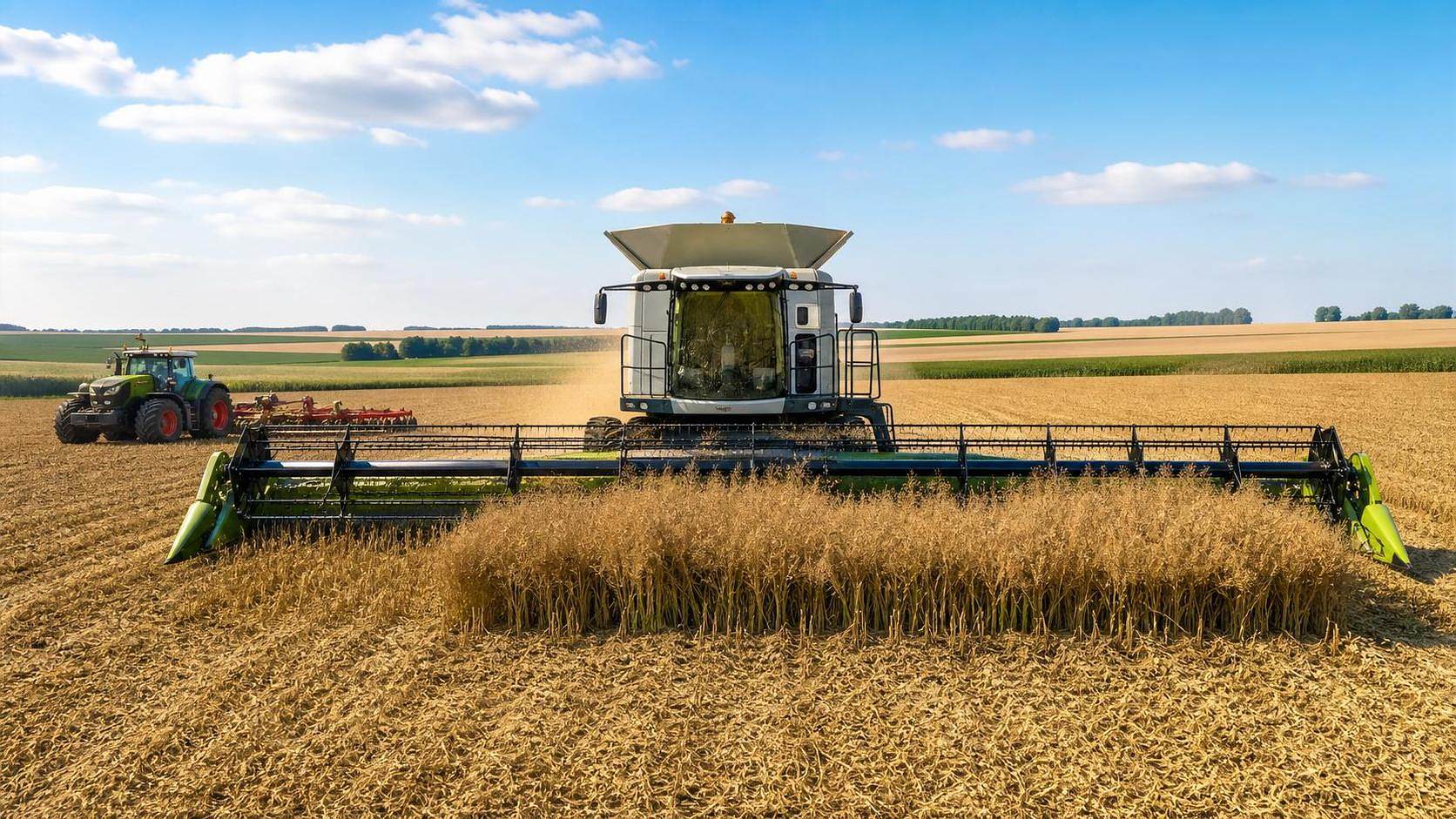




Large-Scale Farm Equipment for Canola: Key Machine Specs for Harvest and Field Prep
Selecting large-scale farm equipment for canola is rarely a simple horsepower decision.
Canola creates a narrow operating window, fragile pods, tall residue, and uneven maturity across many regions.
That combination pushes technical evaluation toward machine detail, not brochure-level capacity claims.
For large operations, the right large-scale farm equipment for canola must protect yield, maintain throughput, and support stable field logistics.
It also needs to perform under varying moisture, residue volume, soil structure, and transport constraints.
At AP-Strategy, equipment selection is best handled as a system review.
The combine, header, tractor chassis, tillage tools, and support equipment must work as one chain.
This guide focuses on the machine specs that most directly influence harvest loss, fuel use, residue flow, and field-prep accuracy.
Why Canola Requires a Different Equipment Lens
Canola losses often occur before grain reaches the tank.
Shattering at the header, uneven feeding, and aggressive threshing can erode returns faster than headline capacity improves them.
That is why large-scale farm equipment for canola should be judged by loss control per acre, not by engine output alone.
Field preparation matters just as much.
Poor leveling, residue bunching, or shallow compaction layers can reduce emergence uniformity and later harvest efficiency.
In practice, harvest and field prep are tightly linked in canola system performance.
Combine Specs That Actually Matter
The combine remains the core decision point in large-scale farm equipment for canola.
Still, several specs deserve more weight than raw rated power.
1. Header Width and Feed Consistency
Typical large farms look at 30 to 45 feet, and in some regions even wider platforms.
But width only helps when feeding remains even across the full cutterbar.
For canola, evaluate reel speed range, fore-aft reel adjustment, knife stroke quality, and side-knife integration.
Extended-table headers are often preferred because they reduce pod impact and improve crop presentation.
2. Threshing and Separation Control
Rotor or cylinder design should match canola’s small seed and delicate pod characteristics.
Look closely at rotor speed range, concave adjustability, and crop-specific settings for low-damage threshing.
Machines with finer low-end adjustment usually handle changing moisture better.
That reduces the need to choose between unthreshed pods and cracked seed.
3. Cleaning Shoe Performance
Canola rewards stable airflow and precise sieve control.
A high-capacity cleaning system matters, but adjustability matters more during weather shifts.
Review fan speed range, pre-sieve design, return handling, and automated loss-sensing quality.
On rolling ground, slope compensation can protect cleaning consistency and sample quality.
4. Grain Tank and Unloading Rate
Large-scale farm equipment for canola should minimize stop time across long harvest days.
That makes grain tank volume and unloading speed operationally important.
A larger tank adds value only if cart matching, axle load, and field traffic are managed properly.
5. Powertrain and Fuel Efficiency
Horsepower still matters, especially with wide headers and heavy residue.
However, torque stability under load changes is usually the more useful indicator.
Ask for field data on fuel burn per acre and per ton, not just liters per hour.
Header Selection: The First Place Yield Is Won or Lost
In many canola fields, the header creates the largest difference between theoretical and harvested yield.
That makes it one of the highest-priority elements in large-scale farm equipment for canola.
- Favor extended cutterbar tables where direct harvest is common.
- Check side-knife durability and service access on lodged or tangled stands.
- Review reel tine aggressiveness to avoid unnecessary pod contact.
- Confirm lateral float and contour response for uneven seedbeds.
- Inspect draper belt tracking and crop transfer smoothness.
From a selection standpoint, smoother crop flow usually beats maximum intake aggression.
That becomes even more obvious in dry conditions, where brittle pods punish harsh handling.
Tractor and Field-Prep Specs Before the Crop Even Emerges
Strong harvest outcomes often start with disciplined field preparation.
For that reason, large-scale farm equipment for canola should include careful review of tractor chassis and tillage capability.
Traction and Weight Distribution
Canola fields often need timely passes in narrow weather windows.
That makes traction efficiency and compaction control central selection criteria.
Evaluate axle load distribution, ballast flexibility, tire or track options, and slip control under draft load.
Hydraulic Capacity and Implement Control
Modern air drills, precision openers, and residue tools need stable hydraulic flow.
Look at total flow, remote valve configuration, pressure consistency, and load-sensing response.
Weak hydraulic matching can limit the performance of an otherwise capable tractor.
Transmission Behavior in Variable Conditions
For field prep, steady ground speed supports consistent tool depth and residue finish.
Review transmission step spacing, low-speed controllability, and automatic load adaptation.
Those details affect seedbed uniformity more than many buyers expect.
Residue Management and Post-Harvest Field Efficiency
Canola residue is lighter than some cereal straw, but distribution still matters.
Uneven spread can complicate following passes, affect moisture patterns, and reduce seeding consistency.
When comparing large-scale farm equipment for canola, inspect chopper and spreader design carefully.
- Spread width should match the full header width in real field conditions.
- Deflector adjustment should be simple enough for quick in-field correction.
- Knife durability matters where green material or mixed residue is common.
- Power draw should stay reasonable at high throughput.
A good residue system lowers the burden on tillage and seeding equipment later.
Precision Technology Specs Worth Paying For
Not every digital feature changes field results, but some clearly do.
For large-scale farm equipment for canola, precision functions should be judged by agronomic and operational return.
- Auto-steer accuracy that protects overlap control during seeding and harvest.
- Yield and loss monitoring that stays reliable in small-seed crops.
- Telematics for machine utilization, fuel tracking, and maintenance planning.
- Section control and prescription compatibility where input precision is part of the operating model.
More visible recently, data compatibility has become a practical buying factor.
Machines that isolate data inside closed ecosystems can raise long-term management costs.
A Practical Evaluation Matrix for Decision Shortlists
A structured shortlist prevents overvaluing one impressive specification.
This kind of matrix makes large-scale farm equipment for canola easier to compare across brands and machine classes.
Final Selection Priorities
The best large-scale farm equipment for canola is usually the setup that protects consistency across the entire operating window.
That means matching header behavior, threshing control, cleaning precision, residue spread, and tractor support to actual field conditions.
In real evaluations, machines should be judged under variable moisture, uneven maturity, and realistic transport logistics.
AP-Strategy tracks these performance signals because they shape long-cycle equipment value more than headline specifications do.
A disciplined shortlist should end with field-verified loss data, residue results, hydraulic matching, and service support readiness.
That approach turns large-scale farm equipment for canola from a broad purchase category into a practical, lower-risk decision.
Related News
GPS-Guided Farm Machinery: Where It Delivers Measurable Field Efficiency Gains
Agri-mechanization GPS guided systems deliver measurable field efficiency gains through reduced overlap, precise planting, smarter inputs, and reliable farm data.
How Sensor Feedback Enables Accurate Variable-Rate Fertilization in Field Conditions
Precision fertilization systems with sensor feedback improve variable-rate accuracy by verifying flow, managing latency, and ensuring reliable field application.
How to Select Precision Crop Protection Equipment for Variable Field Conditions
Precision crop protection equipment selection made simple: compare terrain, canopy, weather, control accuracy, and data workflows for reliable applications.

When Does Agricultural Machinery Leasing Cost Less Than Owning Equipment?
Agricultural machinery leasing can lower farm costs when use is seasonal or uncertain. Compare utilization, maintenance, cash flow, and risk to make a smarter equipment decision.

How to Evaluate Precision Fertilization System Suppliers for Farm-Scale Deployment
Precision fertilization systems suppliers: learn how to compare accuracy, integration, uptime, service, and total cost for confident farm-scale deployment.
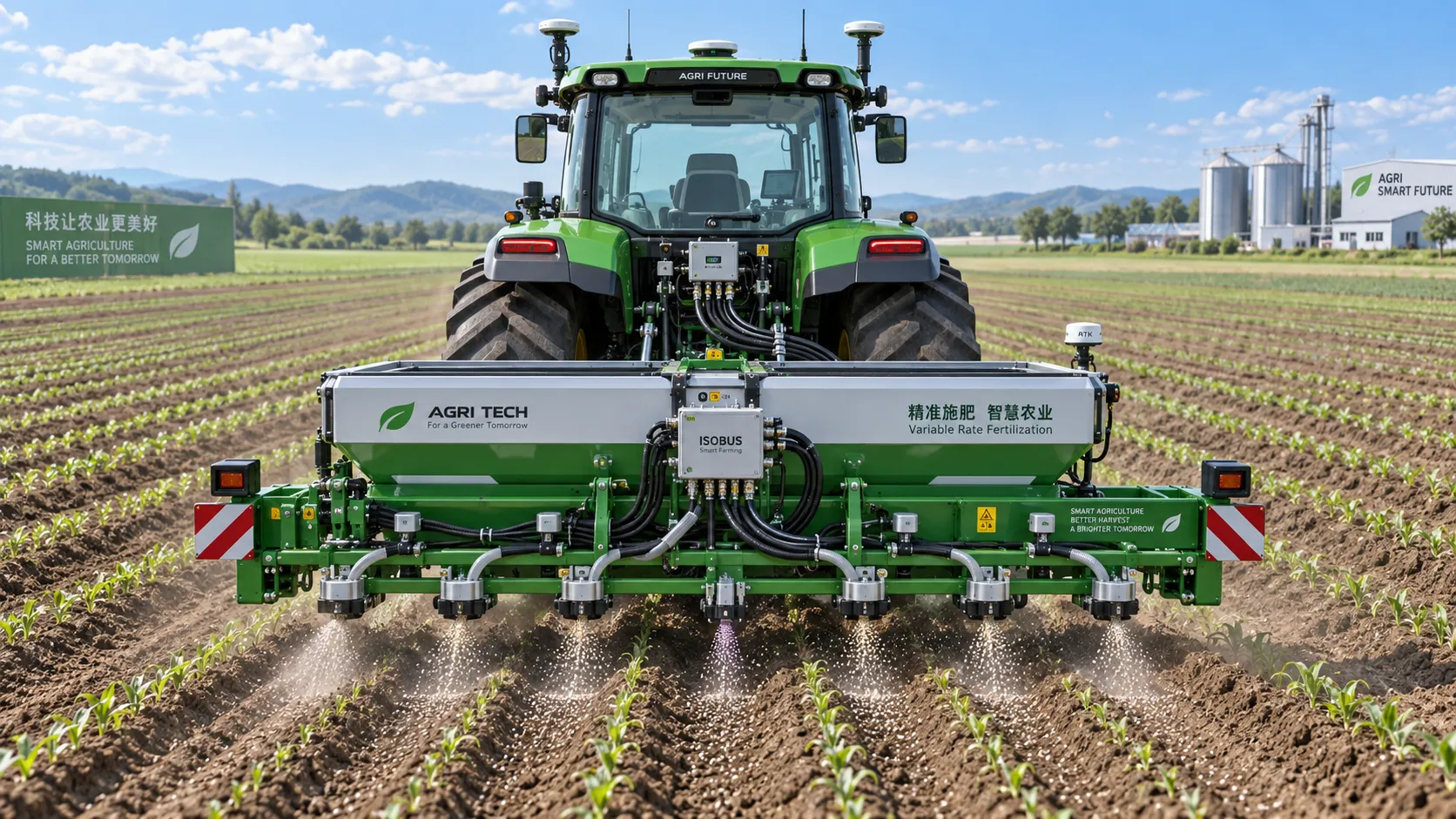
ISOBUS for Smart Agriculture: How It Connects Tractors, Implements, and Farm Data
ISOBUS for smart agriculture connects tractors, implements, terminals, and farm data—helping growers improve precision, documentation, and smarter field decisions.
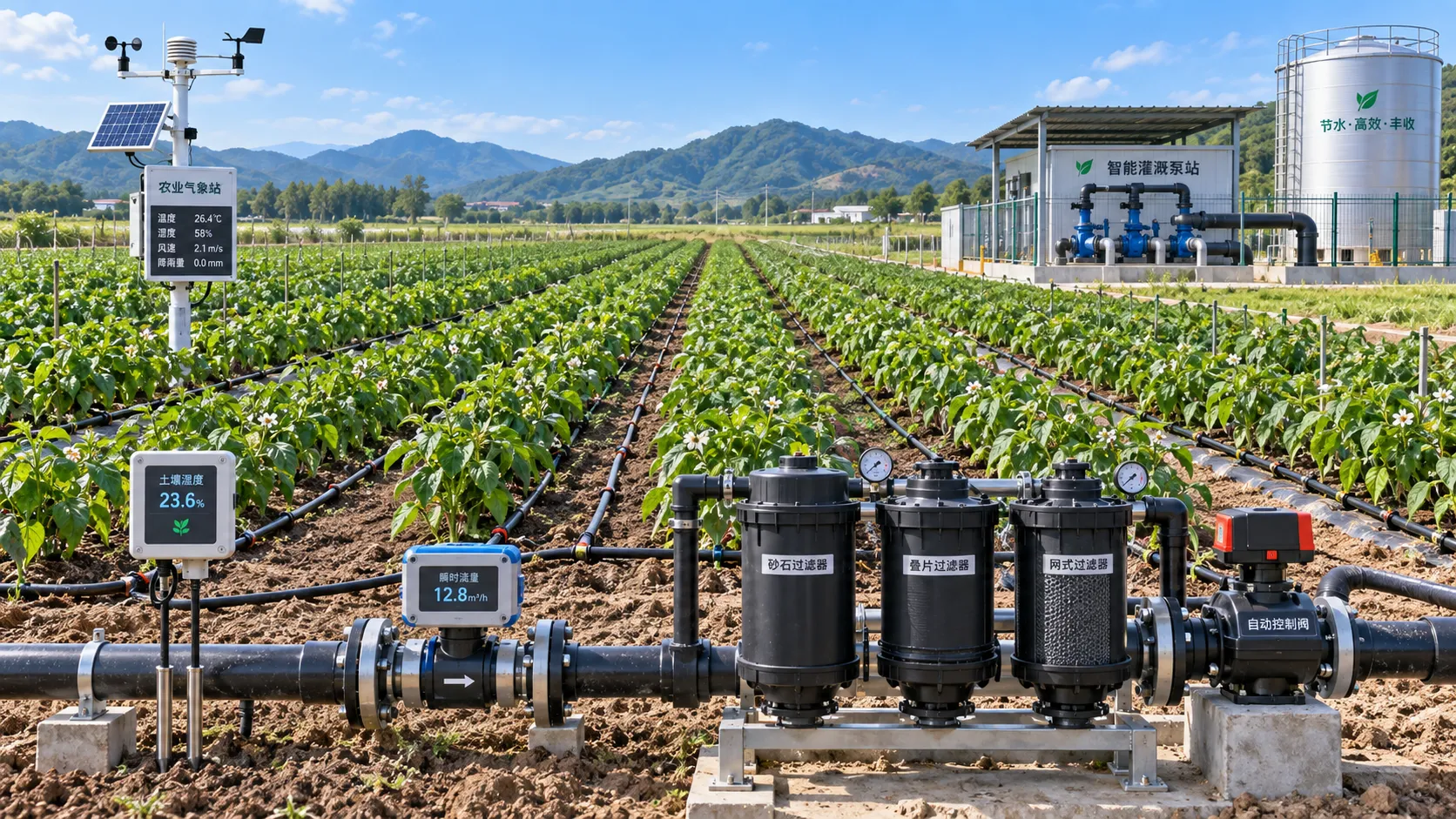
Automated Water-Saving Irrigation: How to Cut Water Use Without Reducing Crop Yields
Automated water-saving irrigation helps farms cut water use, protect crop yields, improve scheduling, and gain reliable control with sensors, flow monitoring, and smart zones.
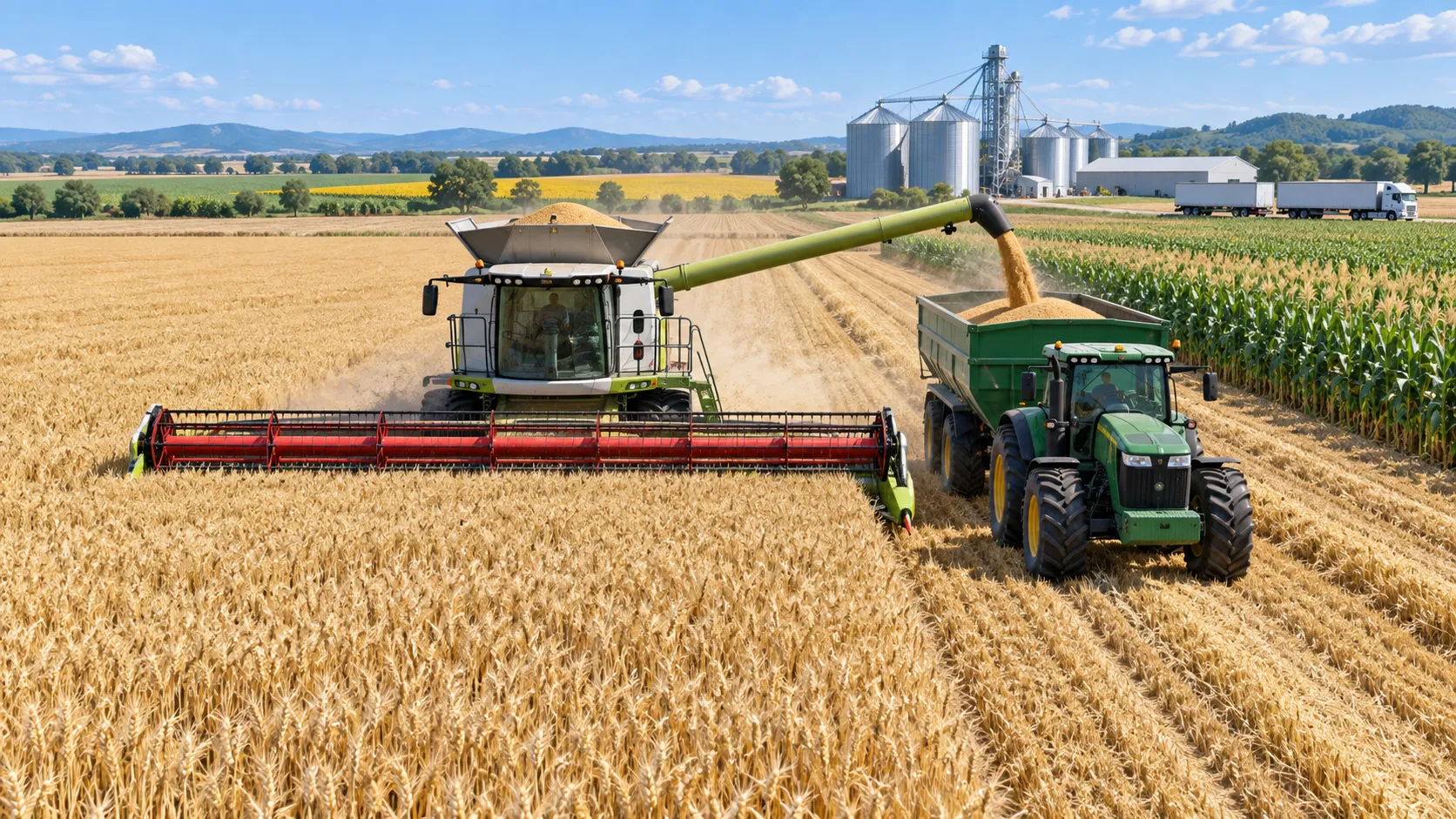
Selecting Grain Farm Equipment by Acreage, Crop Mix, and Harvest Window
Agricultural equipment selection for grain farming: match machinery to acreage, crop mix, and harvest windows to improve uptime, efficiency, and returns.
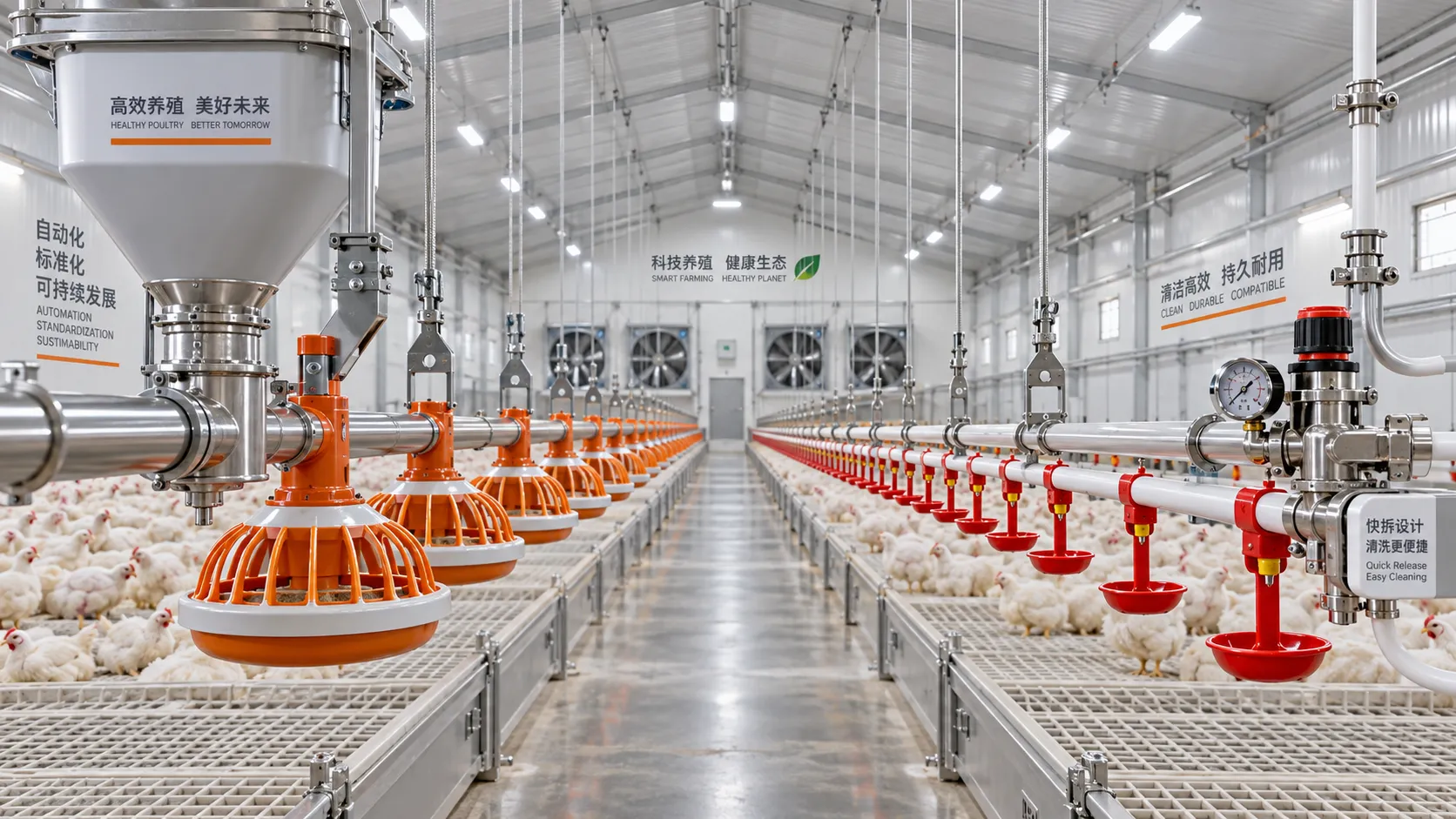
Poultry Equipment Selection: Evaluating Durability, Cleaning, and Compatibility
Poultry equipments selection guide: evaluate durability, cleaning access, and system compatibility to improve hygiene, reduce downtime, and support efficient flock management.
Related News
- 00
0000-00
What Harvesting Machinery Works Best for Small Grains on Hills? - 00
0000-00
GRIMME Tianjin Signs to Join Changchun Agricultural Machinery Expo Center - 00
0000-00
Vietnam Mandates Vietnamese Energy Labels for Imported Threshing Systems - 00
0000-00
Crop Harvesting Solutions for Wheat: Which System Fits Yield, Moisture, and Field Size? - 00
0000-00
ANVISA Extends Threshing Systems Filing Window
Popular Tags
Harvesting Efficiency Expert
Weekly Insights
Stay ahead with our curated technology reports delivered every Monday.