
Combine Harvesting Technology: 7 Practical Ways to Reduce Grain Loss in the Field
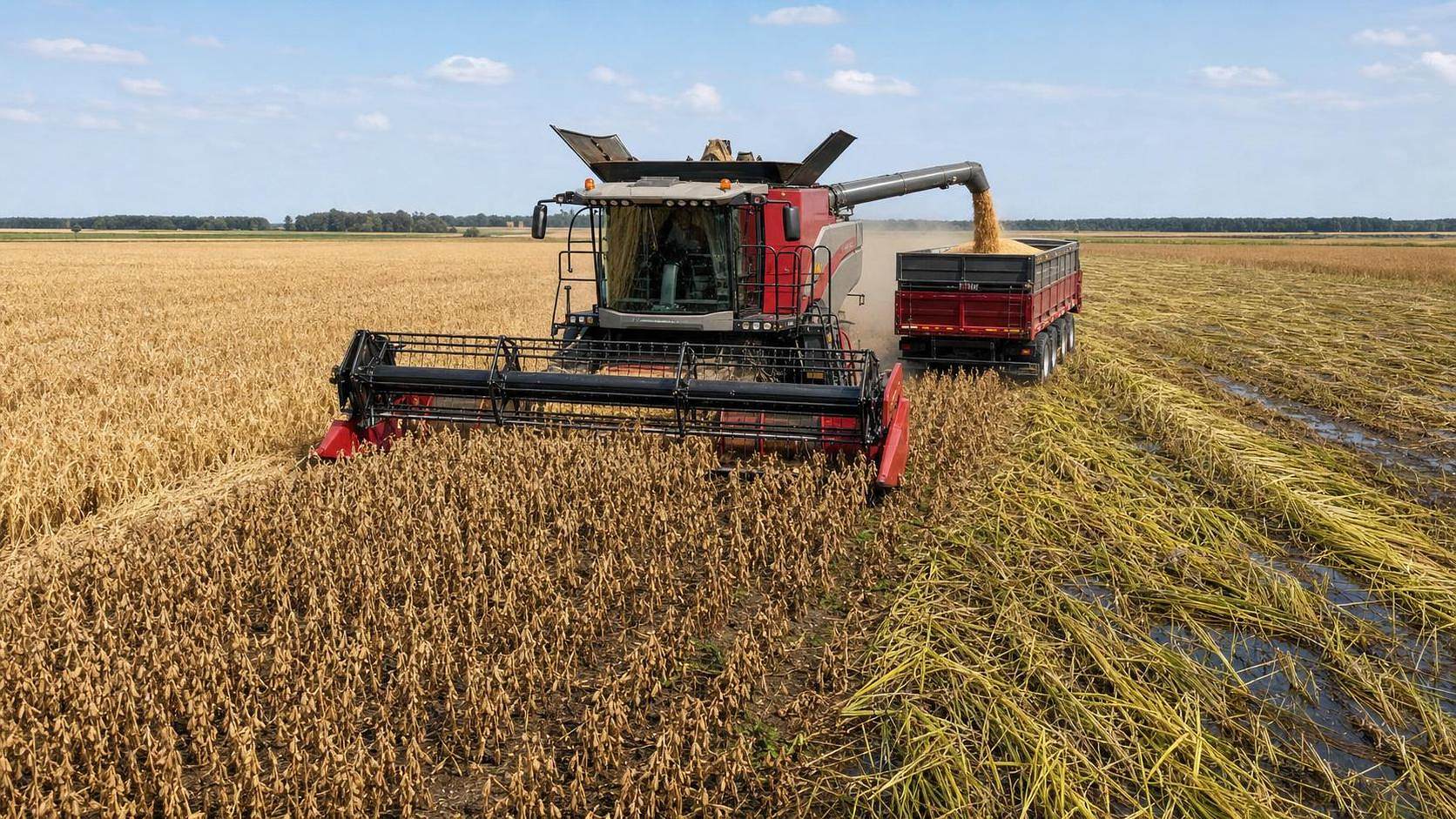




Why grain loss changes from field to field
Combine harvesting technology matters most when conditions are uneven, timing is narrow, and every pass affects final yield recovery.
A dry wheat block, a damp soybean field, and lodged rice do not challenge the machine in the same way.
That is why grain loss cannot be reduced through one setting or one advertised performance figure.
In practice, the better approach is to judge crop condition, straw volume, grain moisture, terrain, and transport rhythm together.
This is also where AP-Strategy’s Agriculture 4.0 perspective becomes useful.
Mechanical capacity, sensor feedback, cleaning algorithms, and field logistics all shape how combine harvesting technology grain loss is controlled.
The seven methods below are practical because they fit real harvesting situations, not ideal test plots.
Start with header performance when crops are uneven
Many grain loss problems begin before threshing starts.
In lodged cereals or low-podding soybeans, poor crop intake causes shattered grain, missed heads, and irregular feeding.
Header height control, reel speed, fore-aft position, and knife sharpness should be matched to crop posture.
If the reel is too aggressive, it knocks grain free before it enters the feeder.
If it is too passive, crop feeding becomes patchy and the separator load starts to pulse.
A common mistake is treating all standing crops as stable harvesting conditions.
In mixed maturity zones, slight terrain changes can alter cutterbar contact and raise header loss fast.
For fields with variable plant height, automatic header control and frequent reel adjustments often protect more yield than increasing forward speed.
Adjust threshing intensity to grain moisture, not habit
Threshing settings are often carried over from the previous field, even when crop moisture has changed overnight.
That habit creates two opposite risks.
Over-threshing cracks grain and overloads the cleaning shoe with fines.
Under-threshing leaves unthreshed heads or pods in the tailings stream.
Rotor or drum speed, concave clearance, and feed rate should follow current moisture, not yesterday’s setup.
Tough straw after light rain usually needs more separation care but not always higher rotor speed.
In fragile dry grain, reducing mechanical aggression may lower visible kernel damage and invisible market loss.
When combine harvesting technology grain loss is reviewed correctly, grain sample quality and tailings behavior deserve equal attention.
Watch cleaning losses when straw volume rises fast
Cleaning losses usually increase in high-yield areas long before operators notice them from the cab.
The shoe may be overloaded by short straw, chaff, and returns, especially when feed is uneven.
This is common in productive maize, dense barley, and green-stem soybeans.
Fan speed, sieve openings, and return volume should be balanced as a system.
Opening sieves without checking airflow can push clean grain over the back.
Increasing fan speed alone may blow light grain out with the residue.
Field monitors and loss sensors help, but their value depends on calibration and regular visual checks behind the combine.
AP-Strategy frequently highlights this point in low-loss harvesting benchmarks: algorithm support works best when machine feedback is tied to field inspection.
Where the main adjustment point usually shifts
Control travel speed by throughput stability, not urgency
Tight weather windows often push harvest speed upward.
Yet unstable throughput is one of the fastest ways to increase grain loss across all major crop types.
When ground speed outruns crop flow capacity, the machine stops separating evenly.
Losses appear at the header, in the threshing system, and at the cleaning shoe almost at once.
The more useful target is stable throughput per hour, not maximum speed on the display.
In rolling terrain or variable-yield strips, speed automation and load sensing can reduce operator reaction delay.
This is one area where combine harvesting technology grain loss performance increasingly depends on software as much as hardware.
Do not separate machine setup from residue strategy
Residue management looks like a post-harvest issue, but it often affects grain loss during harvest itself.
When straw chopping is uneven or spread is poor, material flow through the rear of the machine becomes less predictable.
In no-till systems, residue distribution also influences the next pass, especially where controlled traffic and follow-on seeding matter.
Heavy straw crops usually need a coordinated setting review.
That includes knife condition, chopper load, spread width, and whether grain is being carried out with tail material.
A frequent misjudgment is treating residue quality as separate from combine harvesting technology grain loss control.
In reality, both are linked by crop flow behavior.
Use sensors and field data, but verify them on the ground
Modern combines generate more information than ever.
Loss sensors, yield maps, moisture readings, and machine load indicators can reveal where grain recovery is slipping.
Still, sensor data has limits in mixed crop conditions or when calibration has drifted.
The strongest use case is not blind automation.
It is informed adjustment supported by field samples, residue checks, and pattern tracking over time.
That fits the AP-Strategy view of precision agriculture: decision quality improves when mechanical signals and agronomic reality are read together.
- Calibrate loss monitors at the start of each crop and after major moisture changes.
- Compare yield map anomalies with physical loss checks behind the machine.
- Track tailings trends by field zone, not only whole-day averages.
Protect grain loss performance with routine wear inspections
Wear-related grain loss usually grows gradually, which makes it easy to underestimate.
Worn rasp bars, concaves, chains, belts, augers, and seals reduce feeding accuracy and separation efficiency.
The machine may still operate, yet grain loss rises in ways that look like poor adjustment.
This is especially relevant in large fleets or long harvest seasons where uptime pressure delays maintenance.
Inspection routines should focus on wear points that directly affect crop movement and grain containment.
Looking only at engine hours or fuel use is too indirect for this problem.
Common misreads before harvest loss becomes visible
- Assuming higher horsepower automatically reduces grain loss.
- Copying settings from a similar crop without checking moisture and straw condition.
- Judging performance by hopper volume alone.
- Ignoring unloading delays that force stop-start harvesting patterns.
- Postponing worn-part replacement because the machine still feels productive.
Match unloading and field logistics to harvesting rhythm
Grain loss is not only a machine setting issue.
It also grows when unloading, cart movement, and route planning interrupt a stable harvesting rhythm.
Repeated stopping and restarting changes crop feed consistency and increases avoidable overlap.
In soft soils or fragmented fields, transport bottlenecks can become a hidden source of loss.
This matters more in global operations where machine size has increased faster than field access infrastructure.
A practical review should include unload-on-the-go suitability, grain cart timing, turn pattern efficiency, and whether field exits force long idle periods.
When combine harvesting technology grain loss is assessed through the full operation chain, preventable losses become easier to isolate.
A practical way to tighten loss control next season
The most reliable gains usually come from better field-by-field judgment, not from one dramatic adjustment.
Start by ranking fields by crop posture, moisture variability, residue load, and logistics difficulty.
Then link each field type to a short setup checklist covering header, threshing, cleaning, speed, and unloading rhythm.
That process turns combine harvesting technology grain loss reduction into a repeatable operating standard.
For ongoing review, compare actual field losses with sensor records, grain sample quality, and maintenance findings.
The result is a more disciplined harvest system, stronger yield protection, and a clearer basis for future equipment and automation decisions.
Related News
How to Select Precision Crop Protection Equipment for Variable Field Conditions
Precision crop protection equipment selection made simple: compare terrain, canopy, weather, control accuracy, and data workflows for reliable applications.
When Does Agricultural Machinery Leasing Cost Less Than Owning Equipment?
Agricultural machinery leasing can lower farm costs when use is seasonal or uncertain. Compare utilization, maintenance, cash flow, and risk to make a smarter equipment decision.
How to Evaluate Precision Fertilization System Suppliers for Farm-Scale Deployment
Precision fertilization systems suppliers: learn how to compare accuracy, integration, uptime, service, and total cost for confident farm-scale deployment.
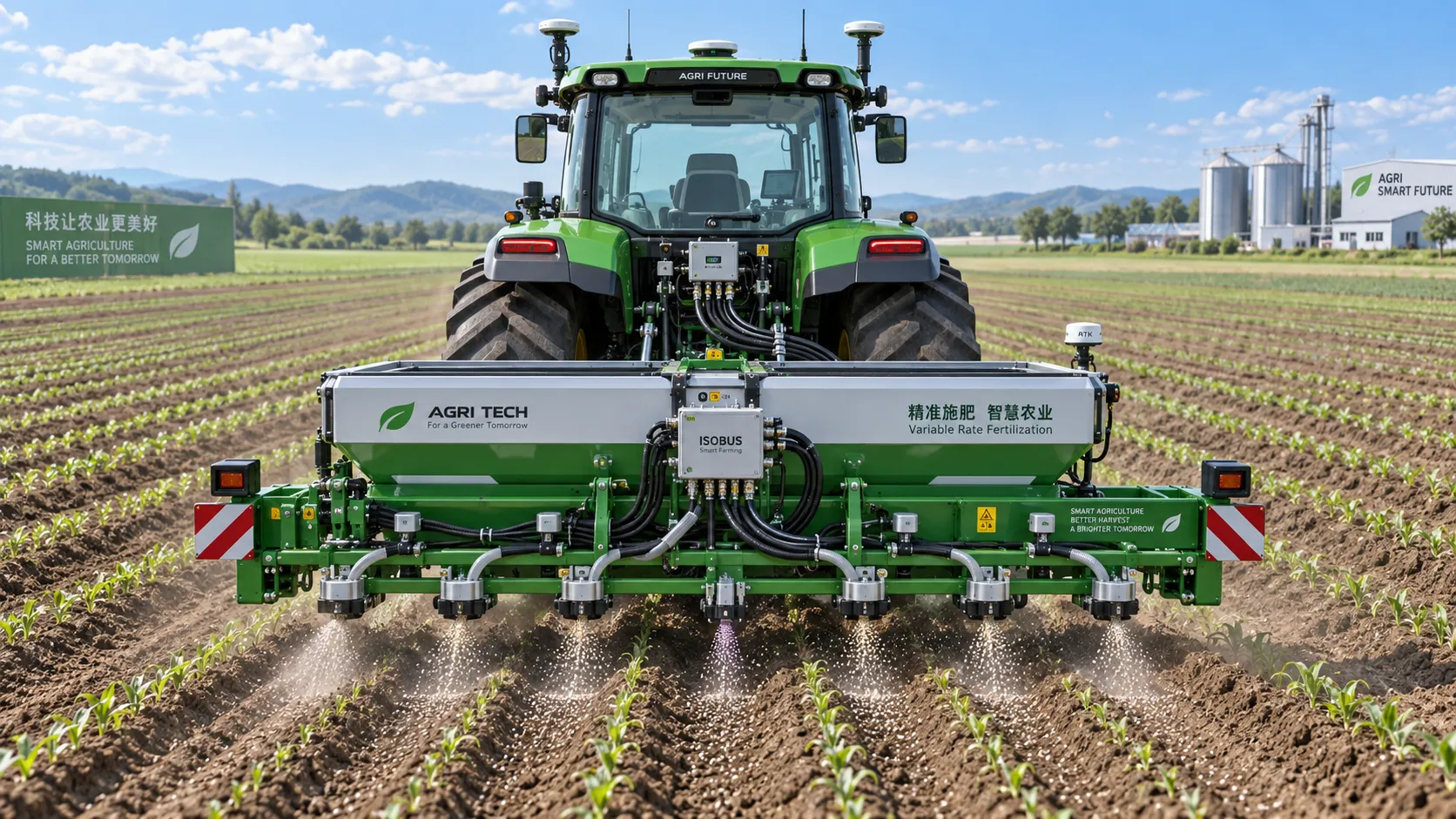
ISOBUS for Smart Agriculture: How It Connects Tractors, Implements, and Farm Data
ISOBUS for smart agriculture connects tractors, implements, terminals, and farm data—helping growers improve precision, documentation, and smarter field decisions.
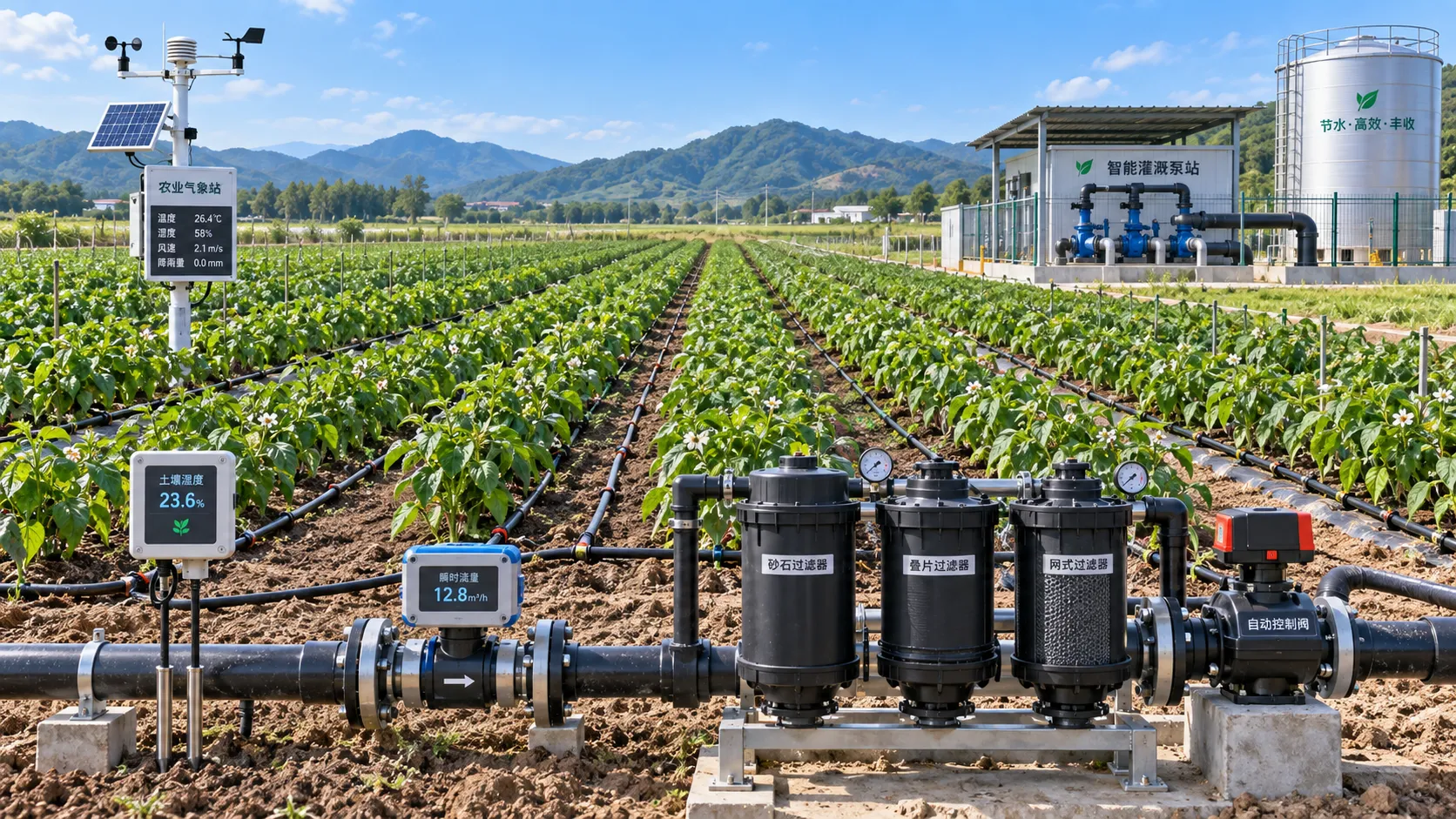
Automated Water-Saving Irrigation: How to Cut Water Use Without Reducing Crop Yields
Automated water-saving irrigation helps farms cut water use, protect crop yields, improve scheduling, and gain reliable control with sensors, flow monitoring, and smart zones.
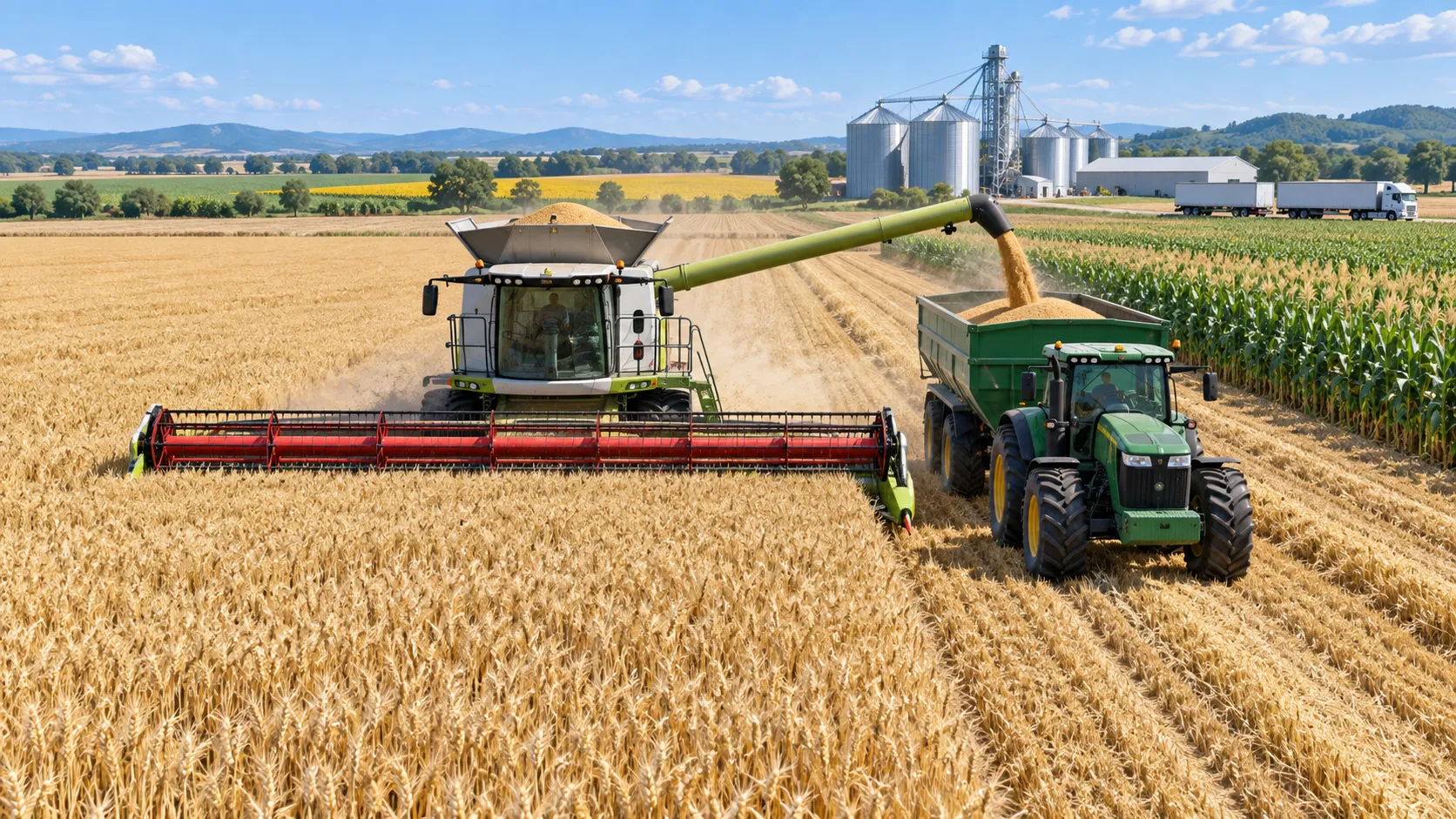
Selecting Grain Farm Equipment by Acreage, Crop Mix, and Harvest Window
Agricultural equipment selection for grain farming: match machinery to acreage, crop mix, and harvest windows to improve uptime, efficiency, and returns.
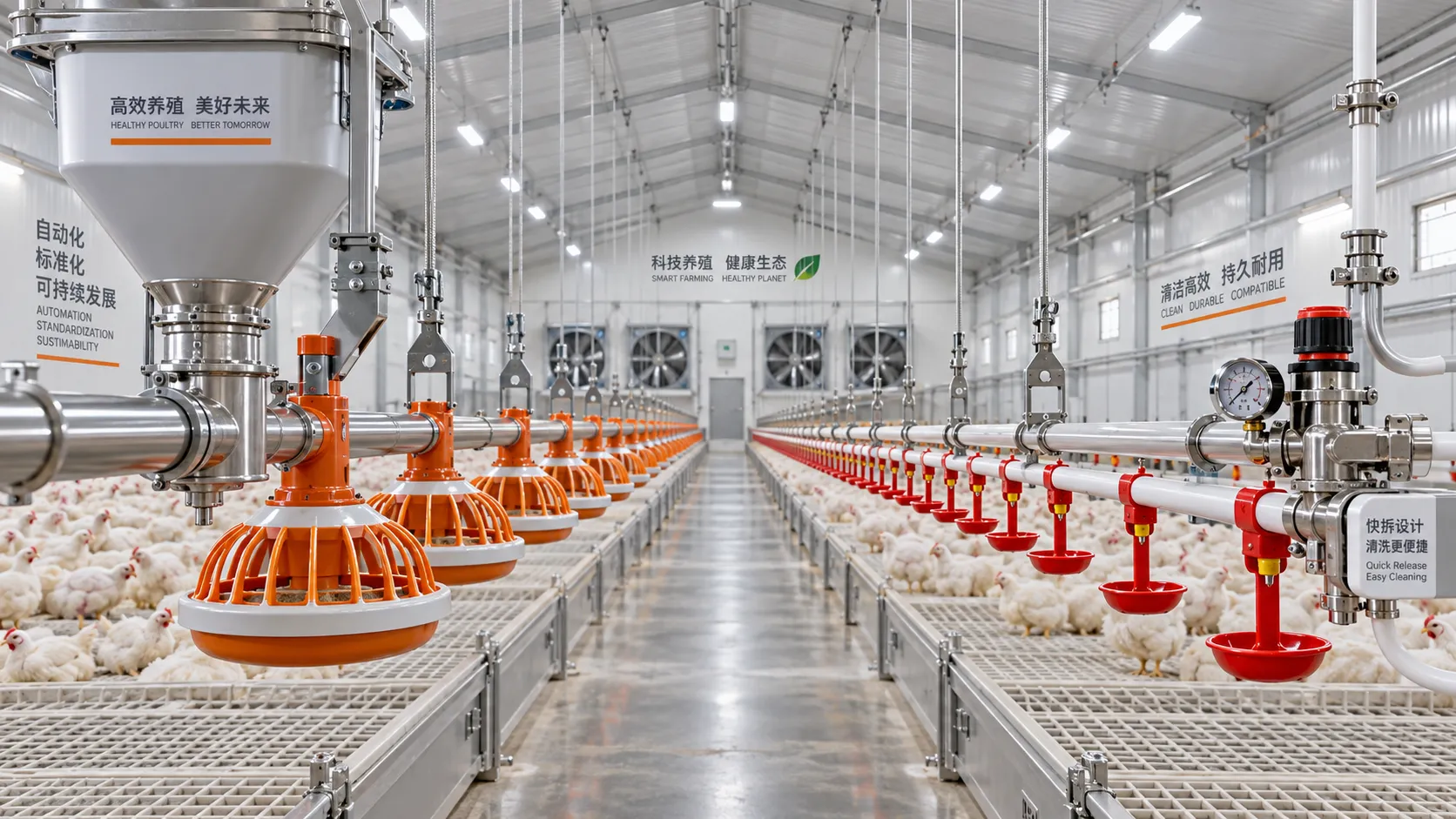
Poultry Equipment Selection: Evaluating Durability, Cleaning, and Compatibility
Poultry equipments selection guide: evaluate durability, cleaning access, and system compatibility to improve hygiene, reduce downtime, and support efficient flock management.
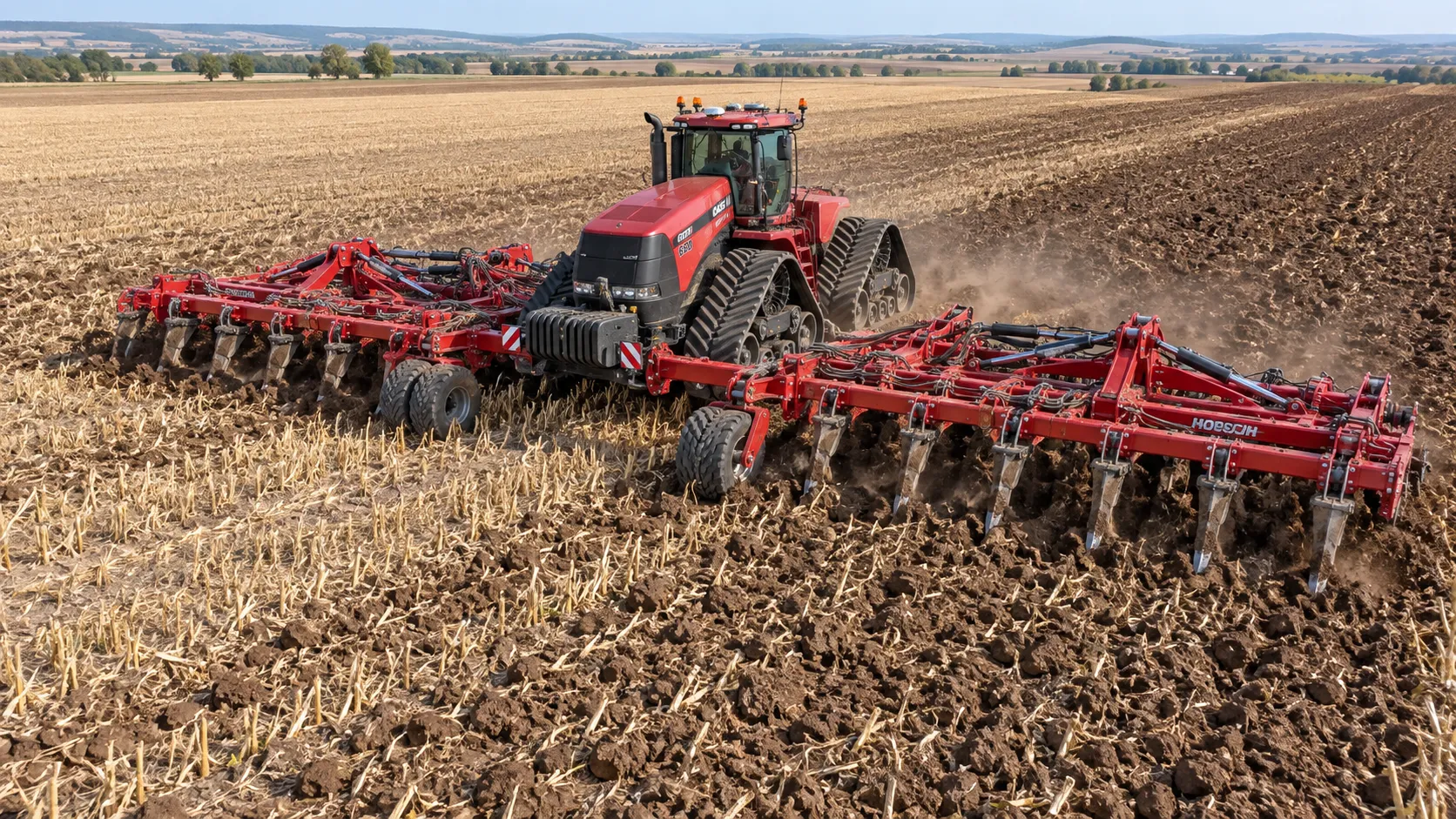
How to Select Heavy-Duty Farm Implements for High-Acreage, High-Horsepower Operations
Heavy duty farm implements: learn how to match draft, hydraulics, hitch capacity, frame strength, and field conditions for reliable high-acreage performance.
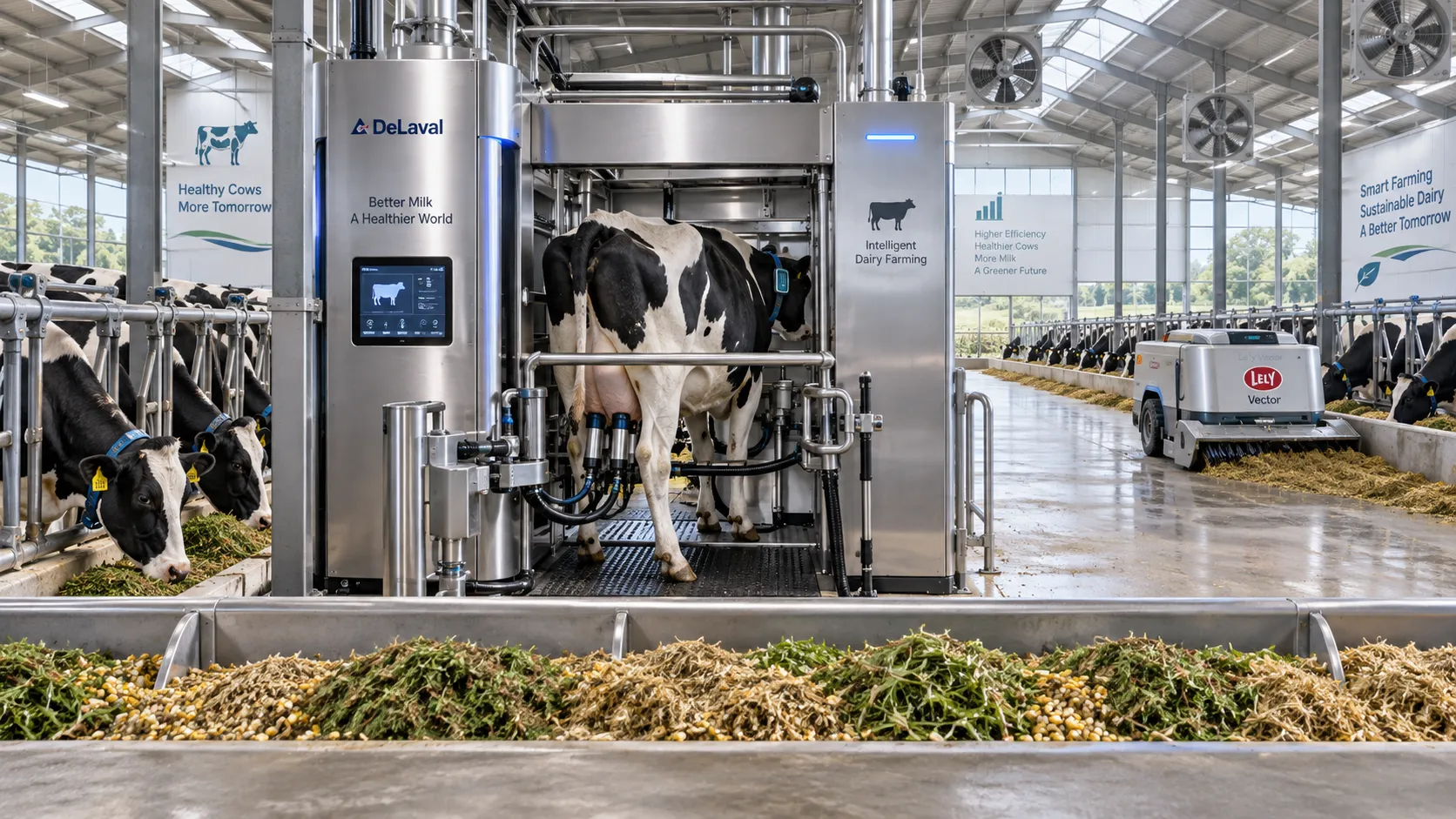
Smart Farming Technology for Dairy Farms: Where Automation Delivers Measurable ROI
Smart farming technology for dairy farms delivers measurable ROI through automation, precision feeding, health monitoring, and data-driven cost control.
Related News
- 00
0000-00
What Harvesting Machinery Works Best for Small Grains on Hills? - 00
0000-00
GRIMME Tianjin Signs to Join Changchun Agricultural Machinery Expo Center - 00
0000-00
Vietnam Mandates Vietnamese Energy Labels for Imported Threshing Systems - 00
0000-00
Crop Harvesting Solutions for Wheat: Which System Fits Yield, Moisture, and Field Size? - 00
0000-00
ANVISA Extends Threshing Systems Filing Window
Popular Tags
Harvesting Efficiency Expert
Weekly Insights
Stay ahead with our curated technology reports delivered every Monday.