
Zoomlion Brings 10 Tailored Threshing Systems to Nairobi
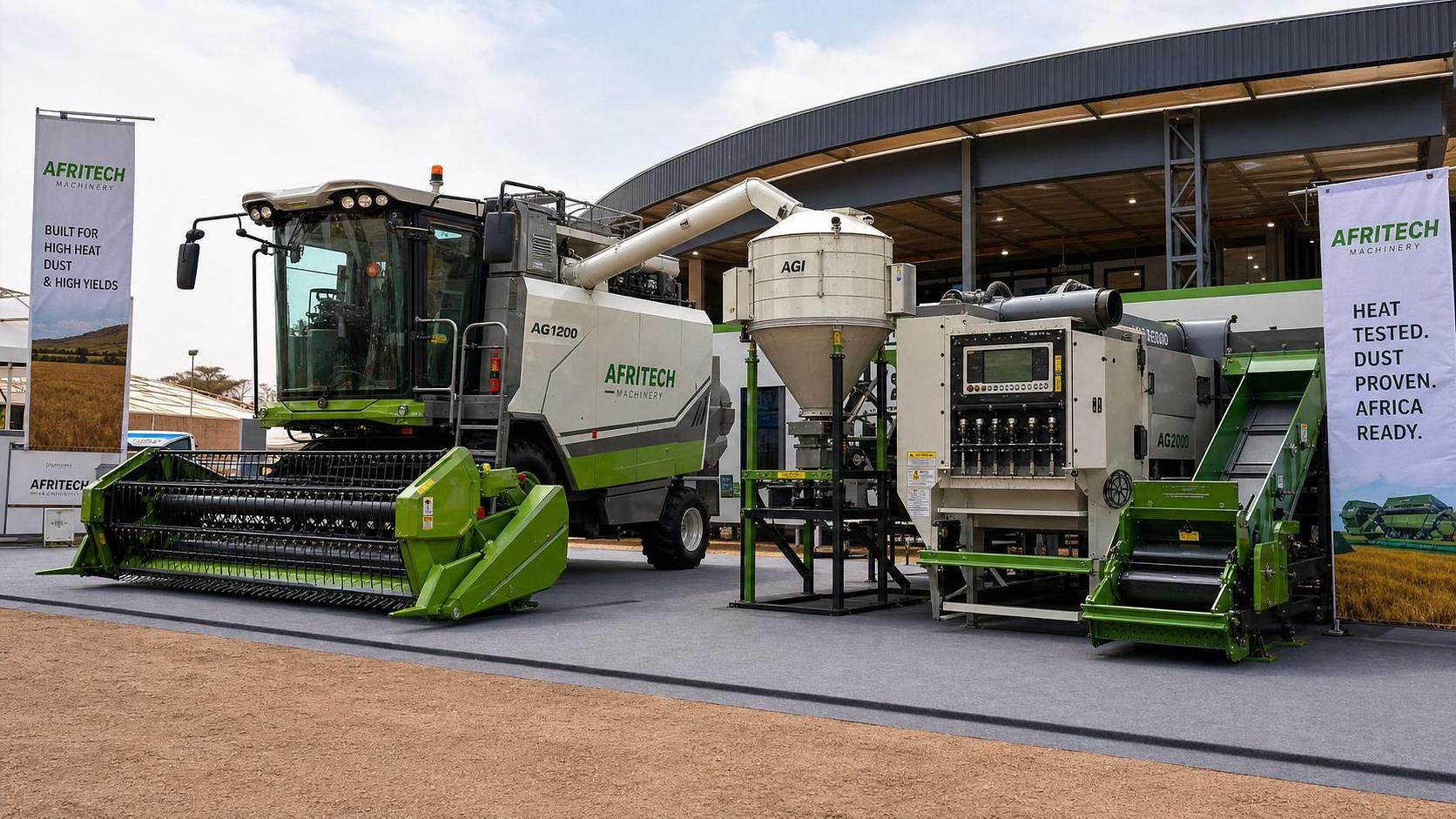




From June 17 to 19, 2026, Zoomlion presented 10 agricultural machinery models in Nairobi that were specifically optimized for extreme African operating conditions, including several intelligent threshing systems designed for high heat and heavy dust environments in East Africa. For machinery buyers, farm operators, distributors, and service providers, the development is worth watching because it links product design not only to field performance, but also to local validation and service response in a market where operating conditions can directly affect equipment reliability and grain handling efficiency.
What Was Confirmed at the Nairobi Exhibition
According to the provided event information, Zoomlion appeared at the Africa International Machinery Expo in Nairobi with 10 agricultural machinery products that had been deeply optimized for extreme African conditions. The lineup included multiple intelligent threshing systems with upgrades focused on grain loss control, dynamic response in Cleaning Shoe Logic, and Grain Tank Automation.
The equipment had also undergone local testing in Kenya under sand and dust exposure, high temperatures, and low-standard fuel conditions. The event took place from June 17 to 19, 2026, and the exhibition attracted more than 1,300 professional buyers from East Africa, including decision-makers from large farms and agribusinesses such as Grekkon Limited and Davis & Shirtliff. The provided information also states that the equipment is supported by fast localized service response.
Why the Signal Matters Across the Value Chain
For farm buyers, the focus shifts to field suitability
From an industry perspective, buyers are likely to pay close attention to whether machinery offered into East Africa is being adapted for actual operating conditions rather than marketed as a general global platform. In this case, the stated focus on grain loss control, cleaning response, and grain tank automation suggests that performance in harvesting and post-harvest handling is becoming a more practical procurement issue, especially where dust, heat, and fuel quality can affect machine consistency.
For distributors, localization becomes part of the offer
Observably, channel partners and equipment distributors may be affected because localized service response is presented alongside the machinery itself, not as a secondary point. That can shift attention toward spare-parts planning, service readiness, and the ability to explain condition-specific product differences to customers evaluating competing machines at regional exhibitions.
For service providers, validation conditions matter more
Service organizations and after-sales teams may need to pay closer attention to how equipment has been tested and under which local stress factors. The mention of Kenyan verification under dust, high temperature, and lower-grade fuel conditions indicates that operating-environment validation is becoming part of the commercial discussion, not just a technical note.
For agribusiness decision-makers, exhibitions remain a screening point
The attendance of more than 1,300 professional buyers from East Africa, including large farm and agribusiness decision-makers, shows that trade shows continue to function as a screening point for equipment selection and supplier engagement. What deserves closer attention is not only the number of products displayed, but how clearly suppliers connect machine specifications with regional operating realities.
What Companies Should Watch Next
Track how product claims are framed after the event
Companies following this development should watch whether future official communication continues to emphasize local testing, grain loss control, Cleaning Shoe Logic, and Grain Tank Automation. These are the concrete points identified in the provided information and are more relevant than broad branding language when comparing offers.
Review procurement criteria for harsh-condition use
For buyers and procurement teams, one practical takeaway is to assess whether internal evaluation criteria adequately cover dust exposure, heat tolerance, fuel adaptability, and service responsiveness. Analysis shows that these factors may become more prominent in deal discussions when suppliers present localized validation as part of the product proposition.
Prepare for deeper questions on service execution
The reference to fast localized service response is commercially important, but companies should distinguish between the statement itself and actual delivery capability. In practice, distributors, farms, and agribusiness customers may need to focus on response processes, parts availability, and communication arrangements before turning exhibition interest into orders.
Watch which equipment categories gain the most buyer attention
Because the exhibition drew major East African buyers, market participants should continue monitoring whether threshing-related systems and other machinery optimized for extreme environments receive stronger follow-up attention than more standard configurations. At this stage, that remains a point for observation rather than a confirmed market outcome.
How This Development Should Be Read
Analysis shows that this news is best understood as a targeted market signal rather than a settled change in competitive positions. The combination of localized testing in Kenya, adaptation for dust and heat, and emphasis on specific harvesting functions suggests that suppliers are being pushed to show operational relevance in East Africa, not just product availability.
It is more appropriate to understand this as an indicator of where competitive discussion may be heading: toward verified field suitability, lower-loss operation, and service localization. At the same time, the available information does not confirm sales results, long-term adoption levels, or broader market share changes, so the development still requires continued observation.
A Practical Reading of the Nairobi Showcase
In neutral terms, the Nairobi appearance by Zoomlion points to a clearer alignment between agricultural machinery offerings and the operating demands of East African users. The most important takeaway is not simply that 10 machines were displayed, but that the presentation highlighted adaptation to local heat, dust, fuel conditions, and service needs.
For the industry, this is more appropriately read as a practical signal about procurement priorities and supplier positioning in harsh-condition markets. It does not yet establish a definitive market result, but it does indicate which product and service features are being brought to the forefront in current buyer-facing competition.
About the Basis of This Article
This article is generated from the user-provided news title, event date, and event summary. The specific official source link was not provided in the input, so further verification is still needed through materials such as official company announcements, exhibition communications, industry association updates, authoritative media reporting, or other formal documentation typically used to confirm this type of industry development.
Any forward-looking interpretation in this article is clearly presented as analysis or observation, not as confirmed fact. Areas that merit continued follow-up include subsequent official statements, how the localized service claim is detailed, and whether the threshing-related features highlighted in Nairobi remain central in future market communication.
Related News
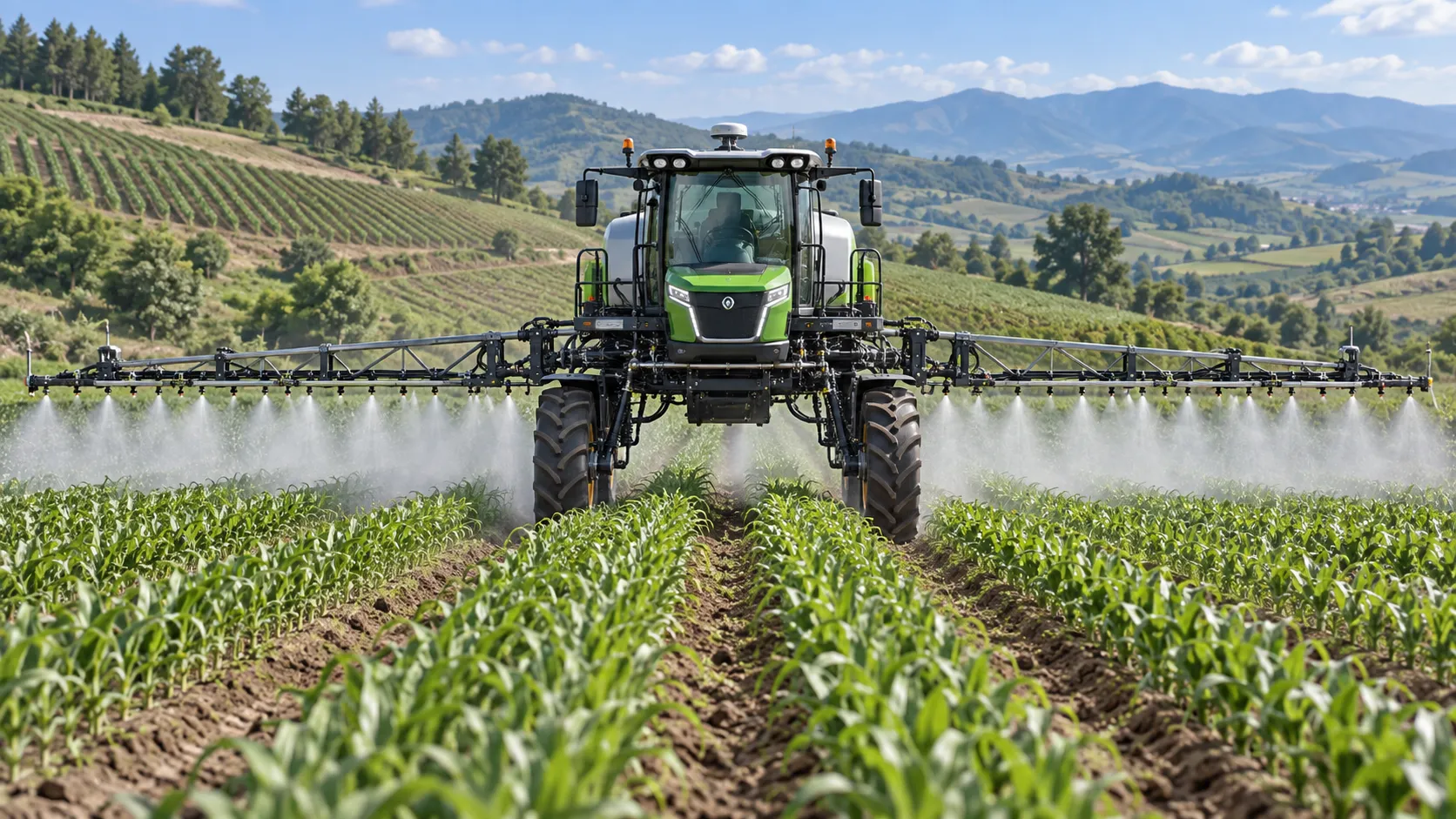
How to Select Precision Crop Protection Equipment for Variable Field Conditions
Precision crop protection equipment selection made simple: compare terrain, canopy, weather, control accuracy, and data workflows for reliable applications.

When Does Agricultural Machinery Leasing Cost Less Than Owning Equipment?
Agricultural machinery leasing can lower farm costs when use is seasonal or uncertain. Compare utilization, maintenance, cash flow, and risk to make a smarter equipment decision.
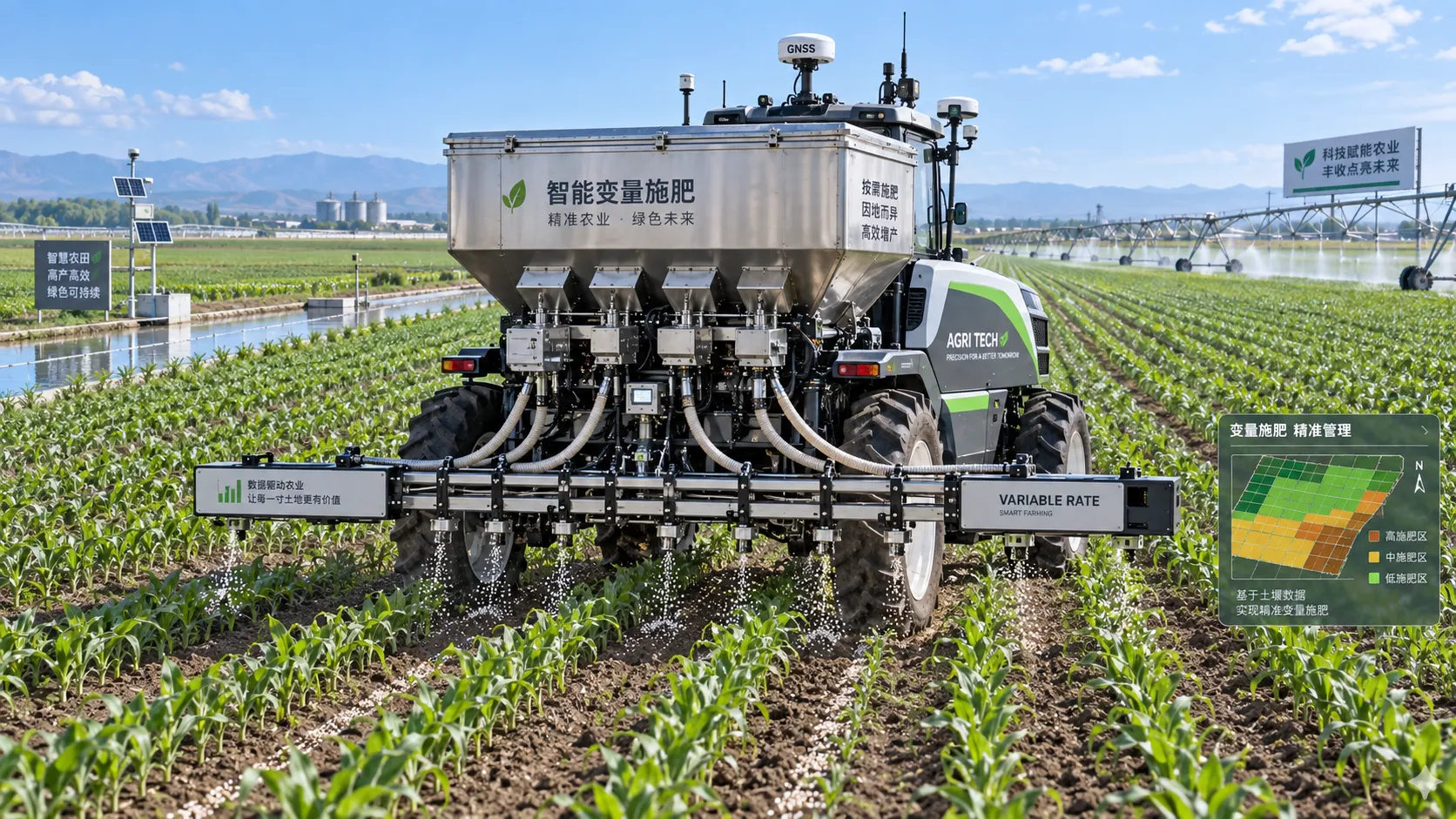
How to Evaluate Precision Fertilization System Suppliers for Farm-Scale Deployment
Precision fertilization systems suppliers: learn how to compare accuracy, integration, uptime, service, and total cost for confident farm-scale deployment.
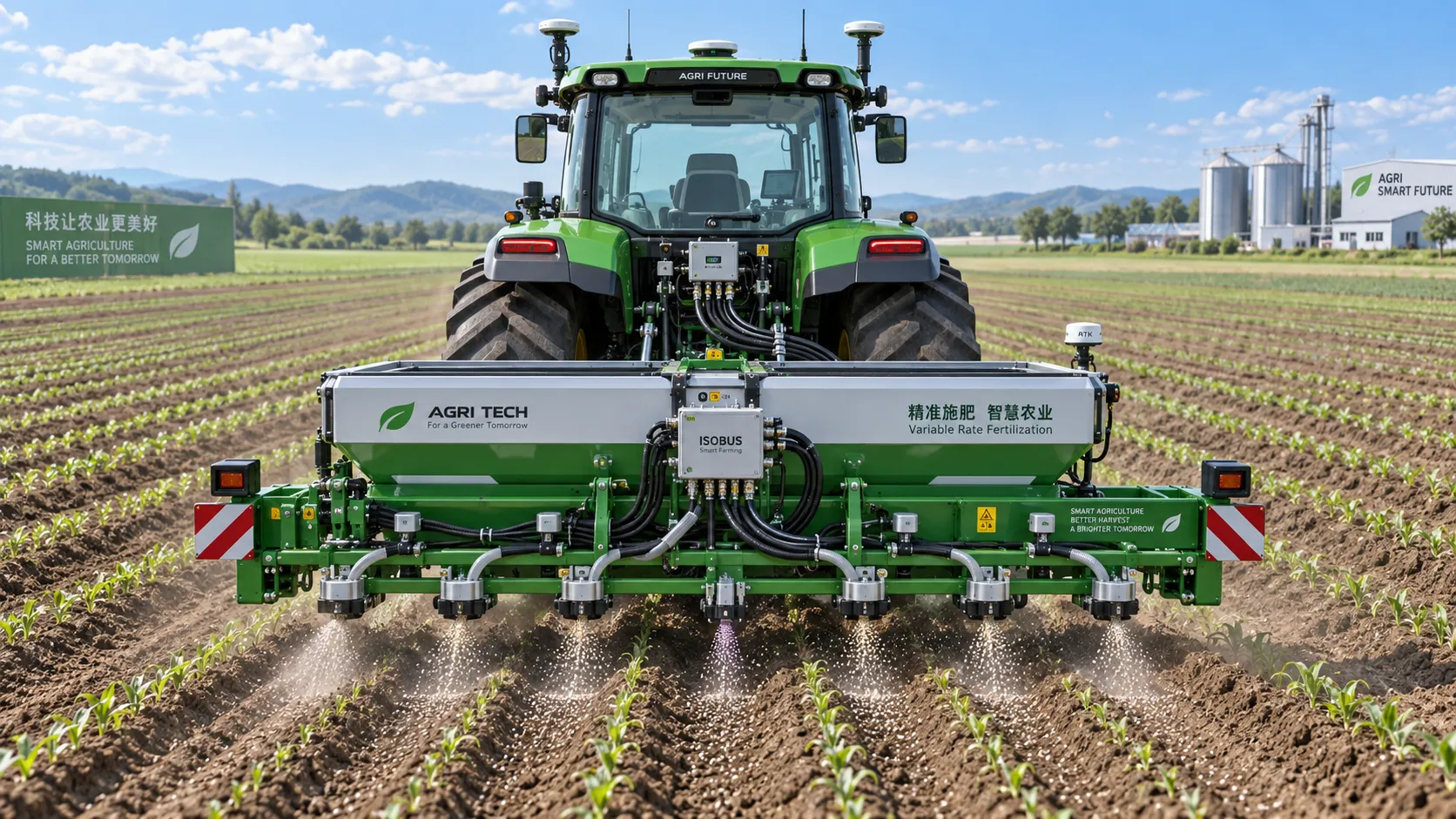
ISOBUS for Smart Agriculture: How It Connects Tractors, Implements, and Farm Data
ISOBUS for smart agriculture connects tractors, implements, terminals, and farm data—helping growers improve precision, documentation, and smarter field decisions.
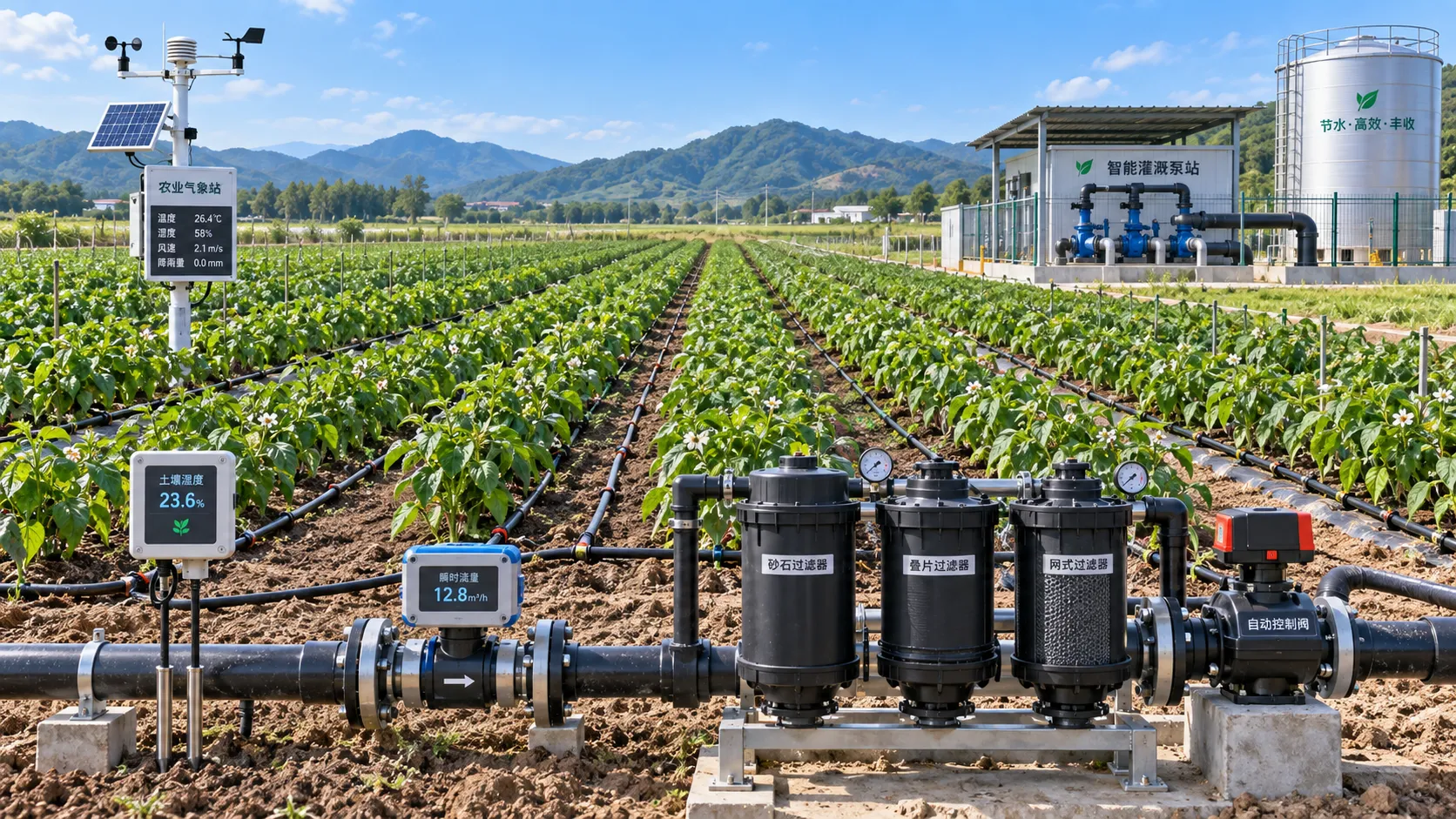
Automated Water-Saving Irrigation: How to Cut Water Use Without Reducing Crop Yields
Automated water-saving irrigation helps farms cut water use, protect crop yields, improve scheduling, and gain reliable control with sensors, flow monitoring, and smart zones.

Selecting Grain Farm Equipment by Acreage, Crop Mix, and Harvest Window
Agricultural equipment selection for grain farming: match machinery to acreage, crop mix, and harvest windows to improve uptime, efficiency, and returns.
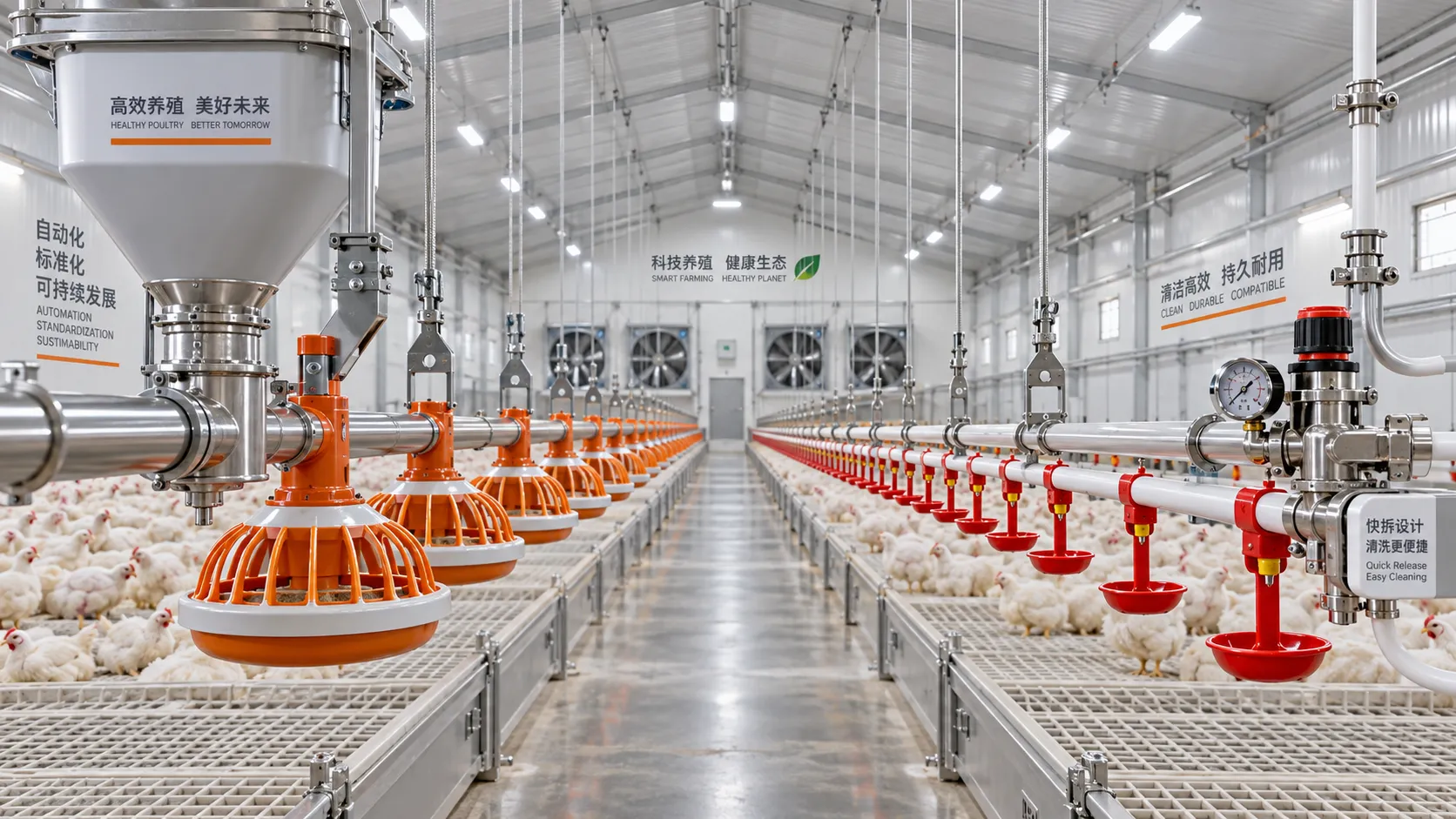
Poultry Equipment Selection: Evaluating Durability, Cleaning, and Compatibility
Poultry equipments selection guide: evaluate durability, cleaning access, and system compatibility to improve hygiene, reduce downtime, and support efficient flock management.
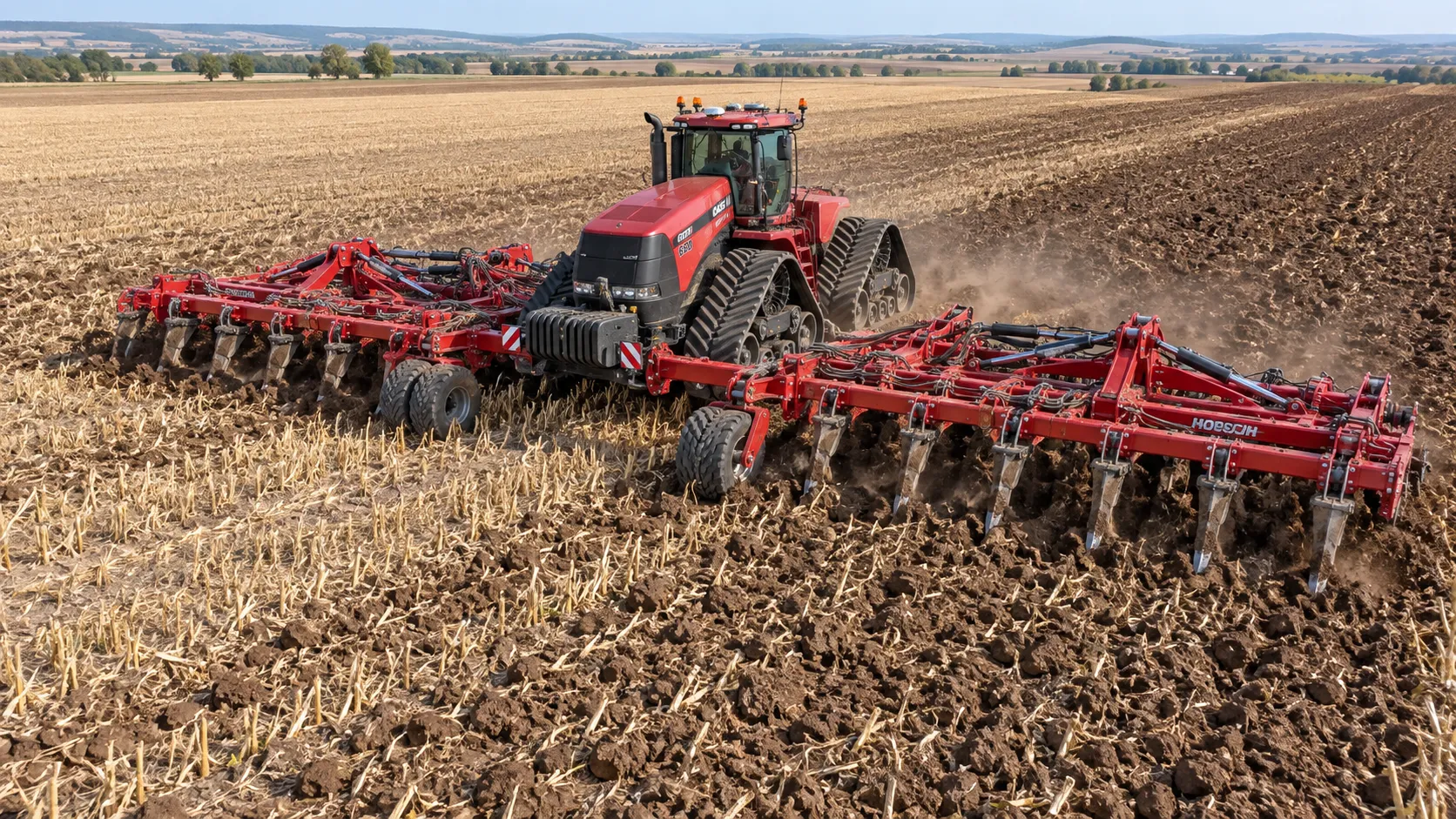
How to Select Heavy-Duty Farm Implements for High-Acreage, High-Horsepower Operations
Heavy duty farm implements: learn how to match draft, hydraulics, hitch capacity, frame strength, and field conditions for reliable high-acreage performance.
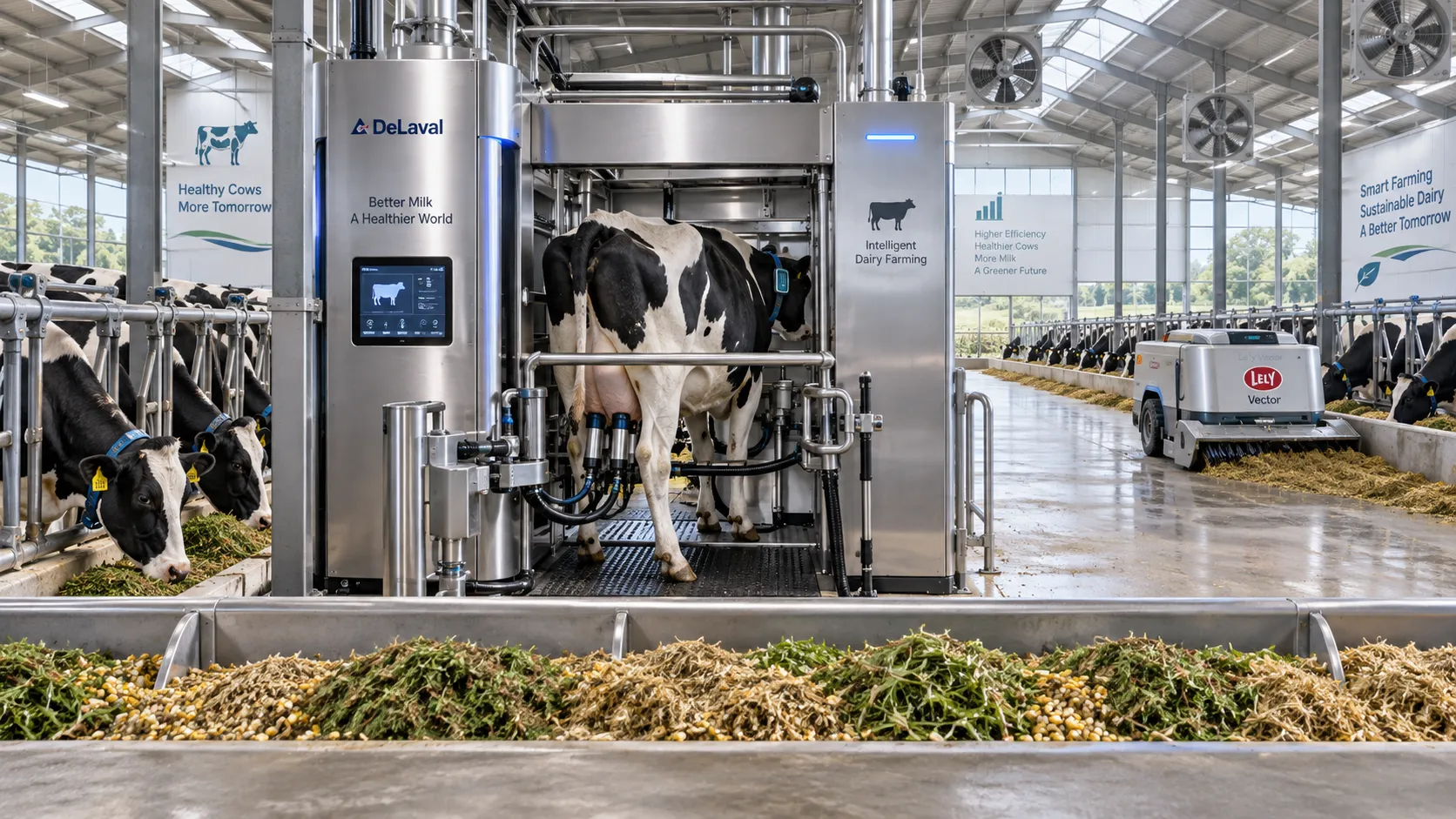
Smart Farming Technology for Dairy Farms: Where Automation Delivers Measurable ROI
Smart farming technology for dairy farms delivers measurable ROI through automation, precision feeding, health monitoring, and data-driven cost control.
Related News
- 00
0000-00
What Harvesting Machinery Works Best for Small Grains on Hills? - 00
0000-00
GRIMME Tianjin Signs to Join Changchun Agricultural Machinery Expo Center - 00
0000-00
Vietnam Mandates Vietnamese Energy Labels for Imported Threshing Systems - 00
0000-00
Crop Harvesting Solutions for Wheat: Which System Fits Yield, Moisture, and Field Size? - 00
0000-00
ANVISA Extends Threshing Systems Filing Window
Popular Tags
Harvesting Efficiency Expert
Weekly Insights
Stay ahead with our curated technology reports delivered every Monday.