
Zoomlion Debuts 10 Threshing Systems at Nairobi Show
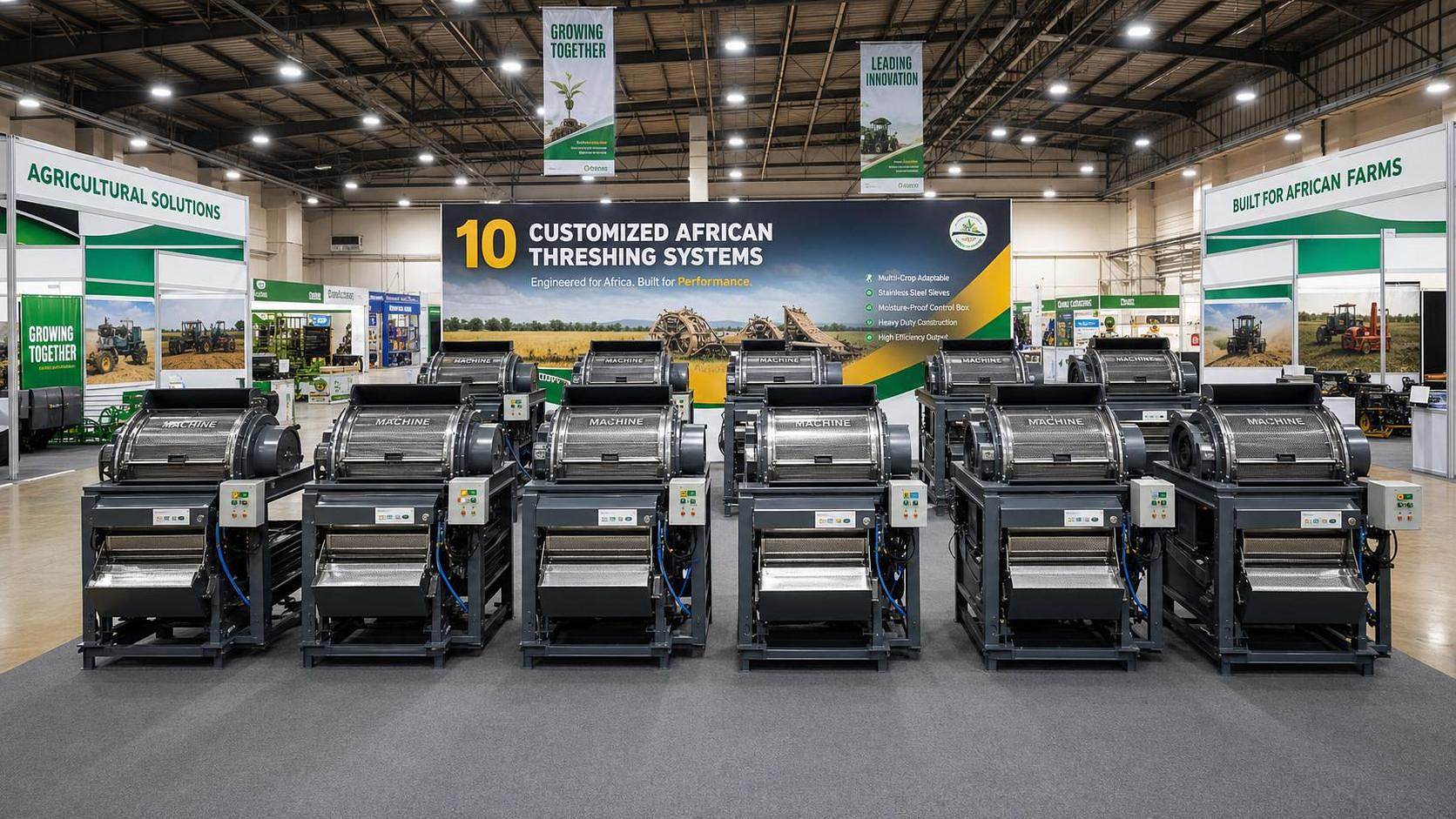




On June 17, 2026, the Africa edition of the Changsha International Construction Equipment Exhibition opened in Nairobi, bringing together more than 300 exhibitors across 15,000 square meters. The most watched development for equipment suppliers, procurement teams, channel partners, and service providers was Zoomlion’s launch of 10 customized threshing systems designed for Africa’s hot, humid, and dusty operating conditions, alongside signed deals totaling US$189.4 million and buyer reach across 15 countries including Nigeria and Tanzania.
What was confirmed at the Nairobi event
The exhibition opened in Nairobi on June 17, 2026. According to the provided event summary, the show covered 15,000 square meters and attracted more than 300 participating companies.
At the event, Zoomlion introduced 10 customized threshing systems tailored for African operating environments characterized by heat, humidity, and dust. The disclosed product features include moisture-resistant electrical control boxes, stainless steel cleaning screens, and multi-crop switching logic.
The same summary states that the signed contract value reached US$189.4 million. It also notes that the exhibition connected with more than 1,300 professional buyers from 15 countries, including Nigeria and Tanzania.
Why this matters across the value chain
For equipment manufacturers, localization is moving closer to the product core
From an industry perspective, this development may affect manufacturers that serve agricultural machinery demand through standard product platforms. The reason is not only that new products were launched, but that the disclosed configuration changes target climate and operating conditions directly. What deserves closer attention is whether future competition in similar markets shifts from basic product availability to application-specific design, especially in electrical protection, screening components, and crop adaptability.
For buyers and distributors, product selection may become more specification-driven
Analysis shows that procurement teams, importers, and distribution partners may need to pay closer attention to operating-environment fit rather than comparing equipment mainly on broad category or price signals. In this case, moisture resistance, stainless steel screening components, and multi-crop switching are presented as explicit configuration points, which could influence bid comparisons, buyer communication, and after-sales planning.
For supply chain and service providers, delivery is only one part of the transaction
Observably, the combination of signed deals and buyer reach across 15 countries suggests that logistics, documentation, parts support, and field service coordination may become more important for businesses linked to equipment delivery. The immediate impact is not confirmed beyond the event itself, but service partners should note that cross-country buyer coverage usually raises expectations around response speed, installation support, and spare-parts readiness.
What companies should watch next
Track how product claims are translated into commercial terms
Companies following this segment should watch whether later disclosures provide clearer wording on product scope, delivery arrangements, or technical documentation tied to the 10 threshing systems. The current information confirms the launch and the signed amount, but practical execution often depends on how specifications are reflected in contracts, quotations, and customer communication.
Review whether key components require sourcing or compliance adjustments
Because the disclosed configurations include moisture-resistant electrical control boxes and stainless steel cleaning screens, relevant suppliers and assemblers should pay attention to whether these features lead to changes in component sourcing, quality verification, or documentation requirements in similar projects. This is an operational issue rather than a confirmed market-wide shift, but it is a reasonable point for monitoring.
Prepare for more market-specific communication with buyers
For channel teams and sales operations, the event highlights the importance of explaining suitability for specific field conditions and crop-use scenarios. What deserves closer attention is not simply the number of products launched, but the fact that the product message is tied to environmental adaptation and multi-crop use, which may shape future buyer questions and tender discussions.
Separate headline contract value from execution progress
Analysis shows that the disclosed US$189.4 million signing figure is commercially important, but companies should distinguish between signed value and subsequent fulfillment details. For market participants, the next practical focus is whether follow-up information clarifies shipment timing, service coverage, and the pace of order conversion into delivered equipment.
How this news is best understood for now
Observably, this is more than a routine exhibition launch, because the disclosed product design points to a deliberate response to local operating conditions rather than a generic overseas rollout. At the same time, it is more appropriate to understand this as a strong market signal than as proof of a fully established long-term shift across the entire sector.
Analysis shows that two messages stand out. First, exhibitions in regional markets are being used not just for brand presence but for matching products to local use conditions. Second, buyers appear to be addressed at a multi-country level, which may influence how suppliers think about regional sales and service organization. Even so, broader conclusions should remain cautious until more follow-up information becomes available.
A market signal worth continued monitoring
In practical terms, this event indicates that localized configuration, buyer reach, and signed commercial intent are becoming more closely linked in machinery market outreach. For manufacturers, distributors, procurement teams, and service partners, the immediate takeaway is not that the market direction is fully settled, but that product adaptation and execution capability may now carry more weight in cross-border equipment business.
It is more appropriate to understand this development as a notable near-term signal with possible longer-term implications, rather than as a final indicator of structural change. The industry still needs to watch how these launches translate into follow-up orders, delivery performance, and continued market engagement.
Basis of this article and points for verification
This article is based on the user-provided news title, event date, and event summary. The specific official source link was not provided in the input, so the details should continue to be verified against materials such as official exhibition announcements, company statements, industry association releases, authoritative media coverage, and other formal sector documents where available.
For continued observation, the most relevant follow-up points include whether additional official disclosures clarify execution progress, whether more technical or commercial details are released for the 10 threshing systems, and whether the Nairobi event leads to further confirmed developments across the buyer markets mentioned in the summary.
Related News

How to Evaluate Agricultural Product Information Sources for Reliable Farm Decisions
Agricultural product information reference guide: evaluate reliable farm data, verify claims, and make smarter machinery, irrigation, and crop decisions.

Farm Machinery Guide: Matching Tractor Horsepower and Implements to Farm Size
Farm machinery guide for tractors: match horsepower, implement width, hydraulics, traction, and fleet capacity to farm size for lower costs and reliable field performance.
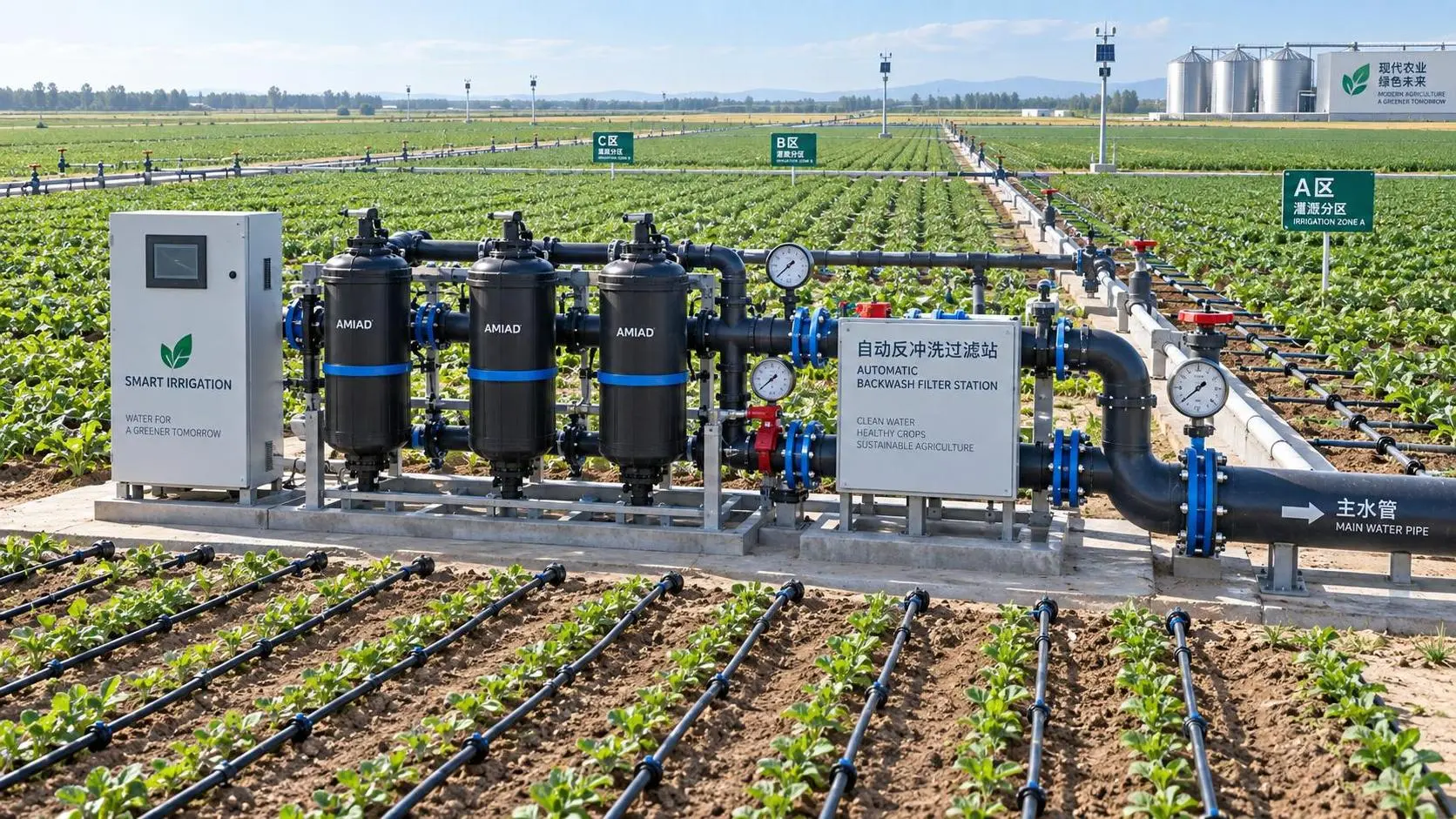
How to Evaluate Drip Irrigation System Manufacturers for Large Farm Projects
Drip irrigation systems manufacturer evaluation guide for large farms: compare hydraulic design, filtration, quality control, scalability, delivery, and support.
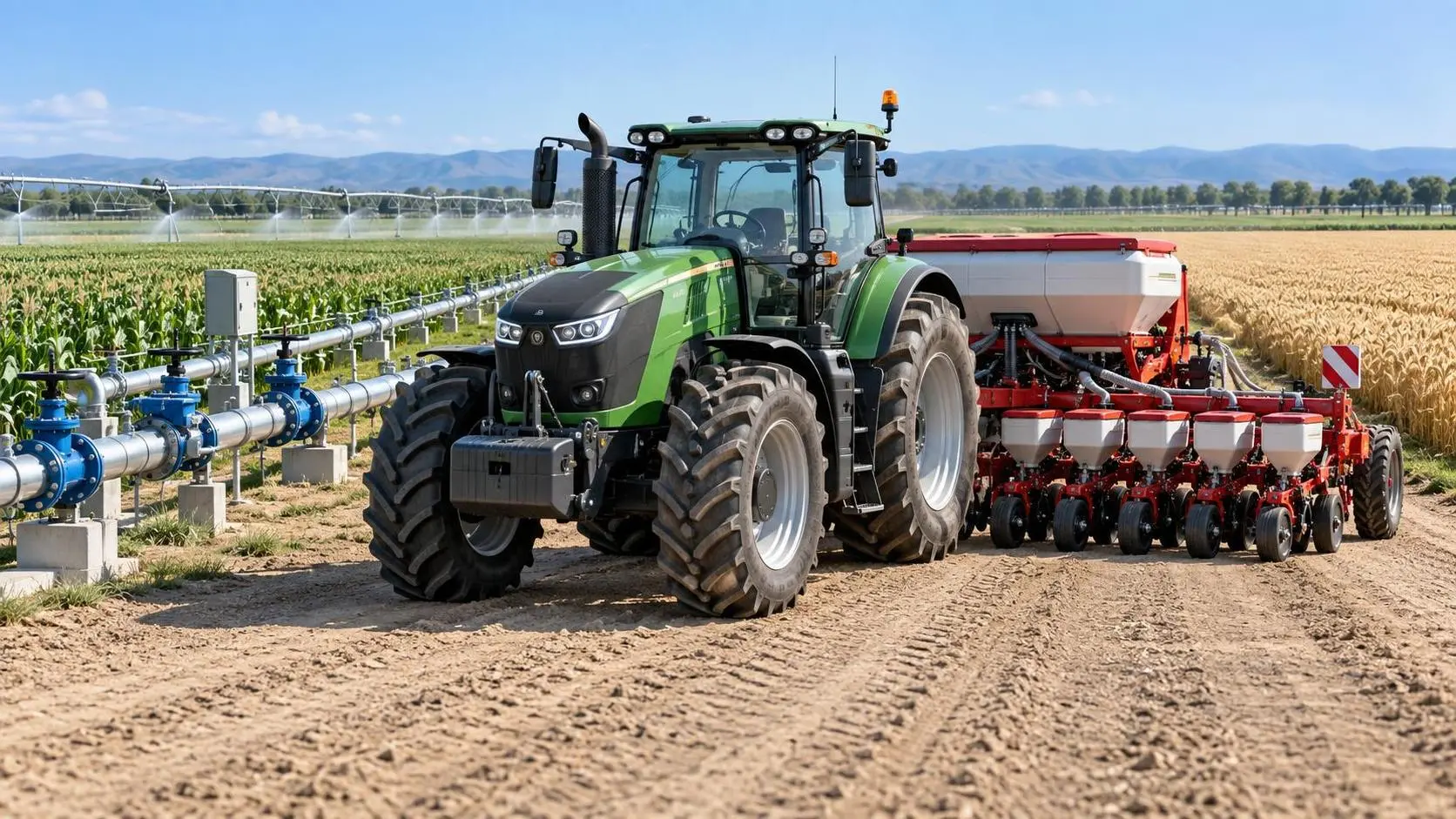
Specification Planning: A Practical Framework for Defining Equipment Requirements
Application guidance for specification planning: define measurable equipment requirements, prioritize performance, and avoid costly procurement mistakes.

How North American Farms Can Select Crop Monitoring Systems by Acreage and Connectivity
Crop monitoring systems North America: learn how to match acreage, connectivity, sensors, and data workflows for reliable, actionable farm decisions.

Where to Find Reliable Product Information for Comparing Farm Equipment
Product information resources agriculture buyers can trust: compare farm equipment with technical specs, manuals, field data, dealer support, and lifecycle insights.
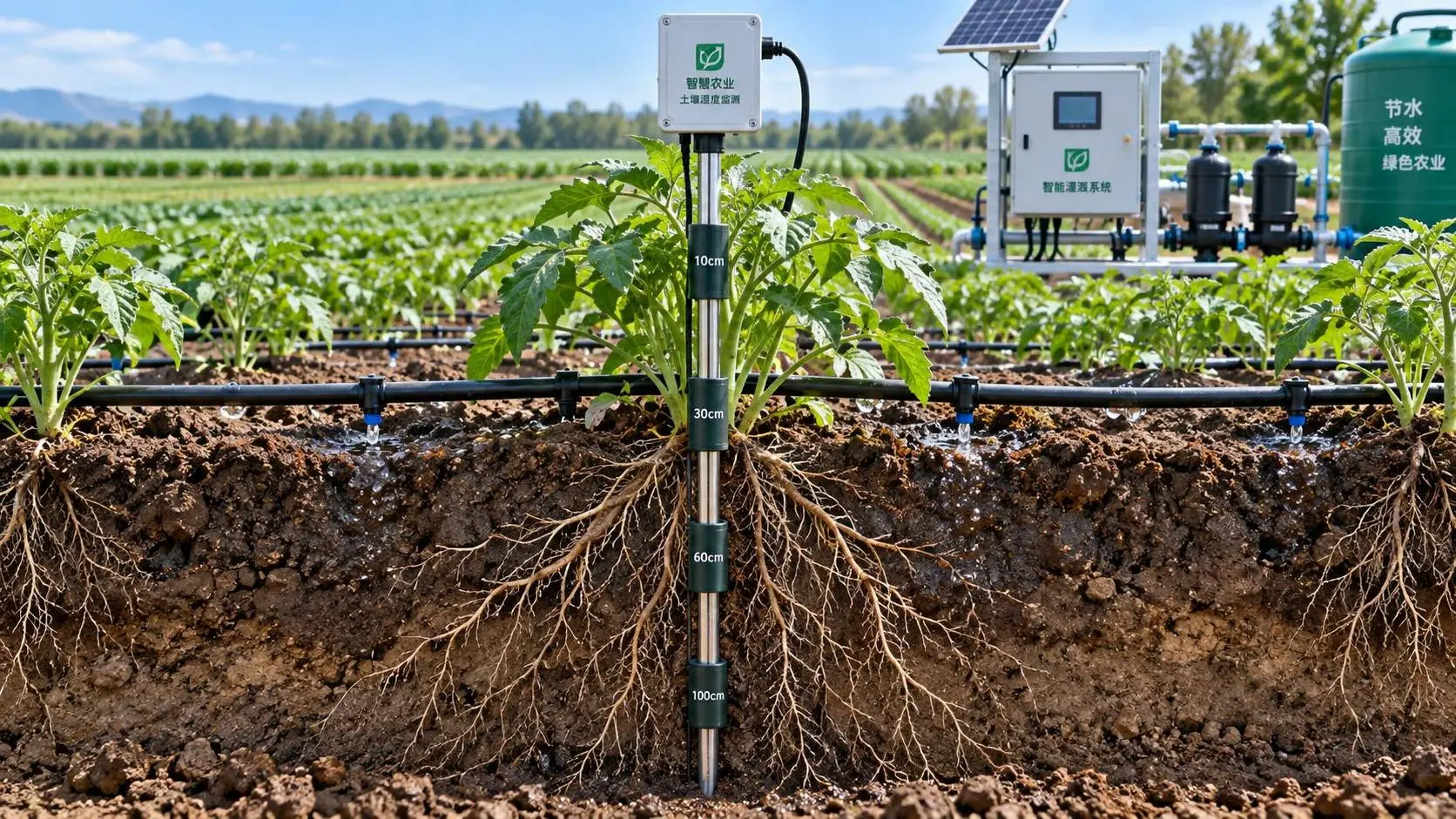
Selecting Real-Time Soil Moisture Sensors for Irrigation Zone Control
Soil moisture sensors real time: learn how to select reliable probes, optimize zone control, improve irrigation decisions, and scale precision water management.
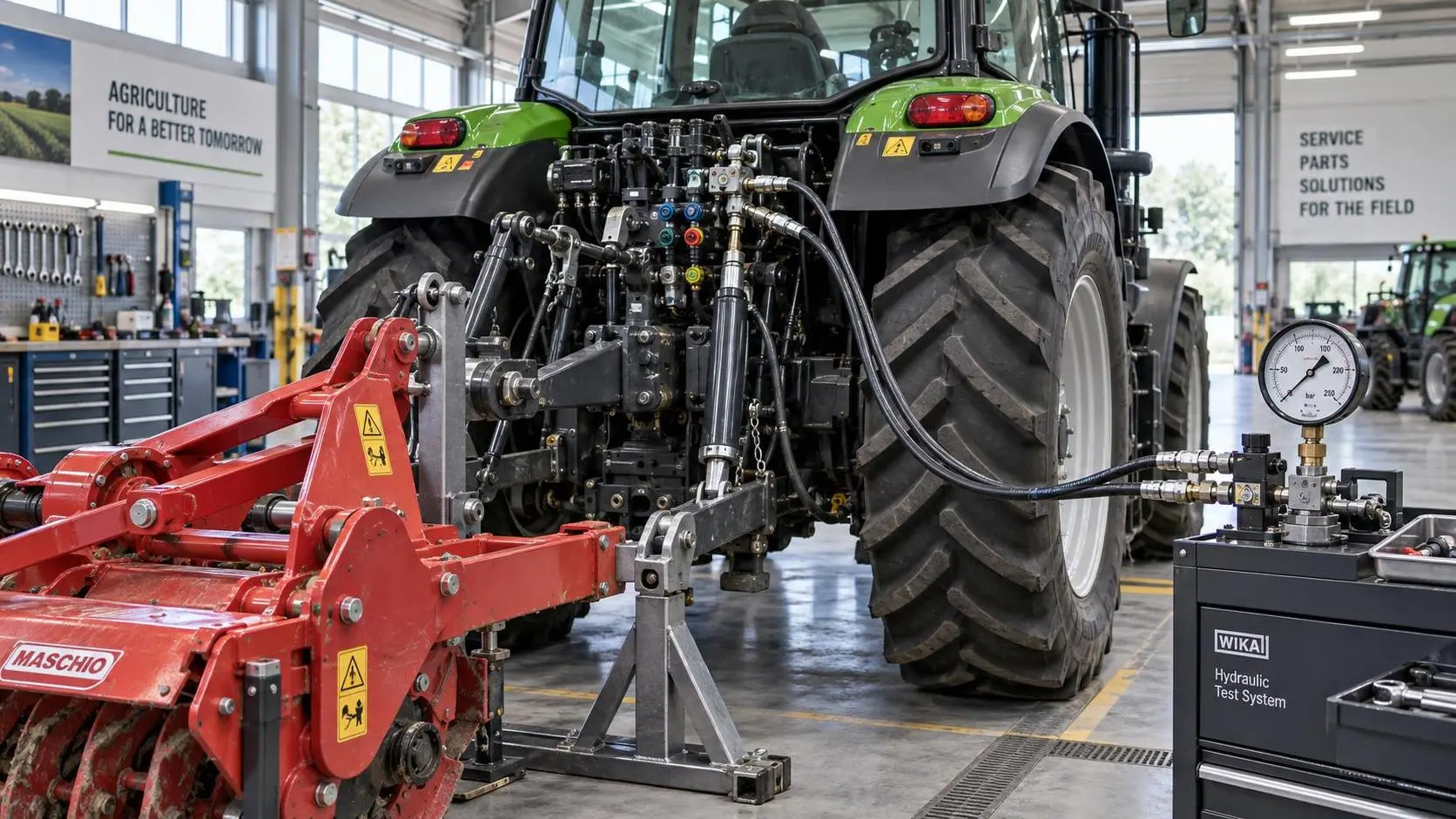
Tractor Hydraulic Systems Troubleshooting: Diagnosing Weak Lift and Slow Implements
Tractor hydraulic systems troubleshooting made practical: diagnose weak lifts and slow implements with proven pressure, flow, valve, and oil-supply checks.
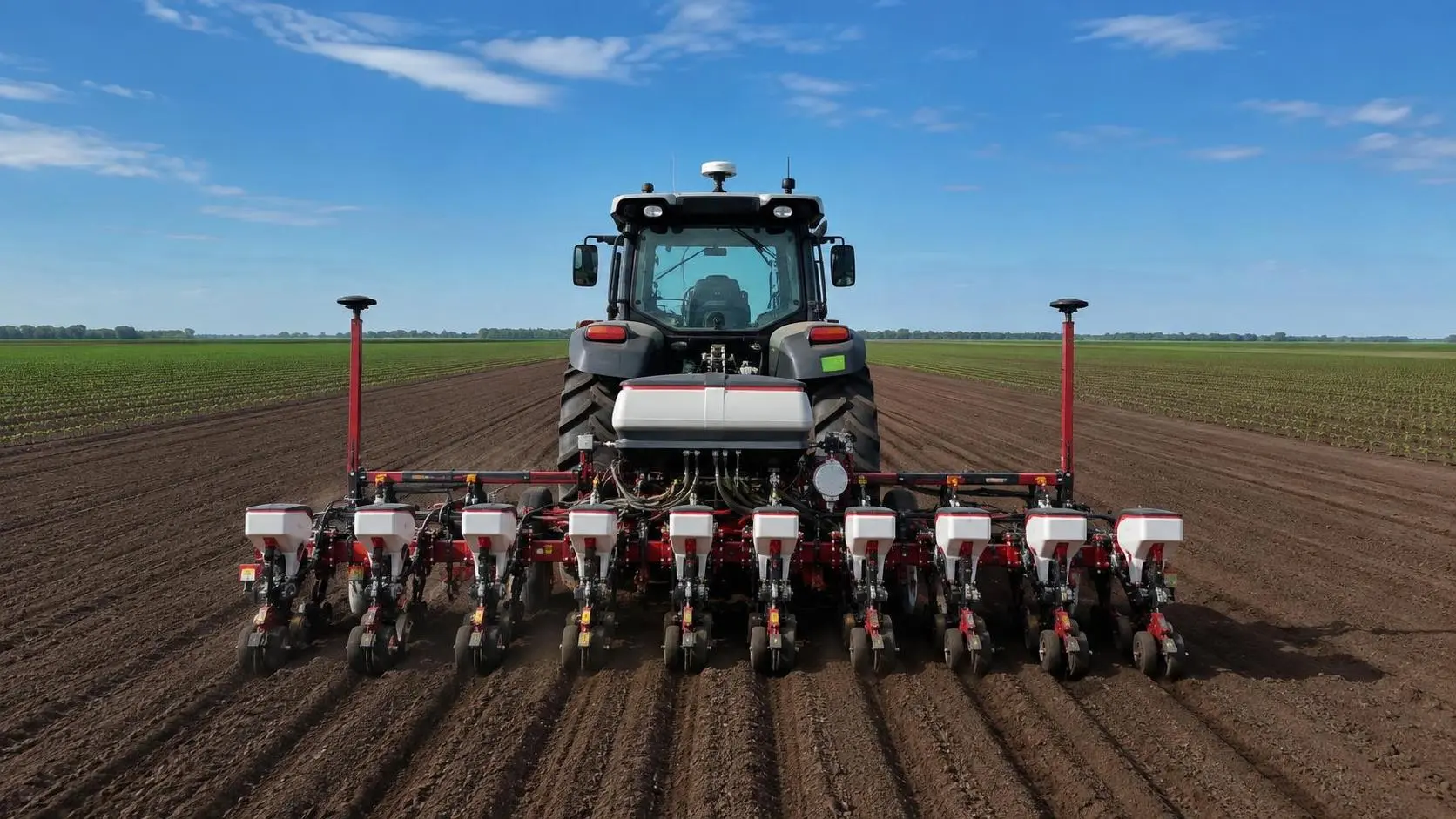
How Tractor Intelligence Systems Improve Field Efficiency and Input Accuracy
Agricultural machinery intelligence for tractors improves field efficiency, input accuracy, data traceability, and implement control. Explore smarter evaluation strategies.
Related News
- 00
0000-00
What Harvesting Machinery Works Best for Small Grains on Hills? - 00
0000-00
GRIMME Tianjin Signs to Join Changchun Agricultural Machinery Expo Center - 00
0000-00
Vietnam Mandates Vietnamese Energy Labels for Imported Threshing Systems - 00
0000-00
Crop Harvesting Solutions for Wheat: Which System Fits Yield, Moisture, and Field Size? - 00
0000-00
ANVISA Extends Threshing Systems Filing Window
Popular Tags
Harvesting Efficiency Expert
Weekly Insights
Stay ahead with our curated technology reports delivered every Monday.