
Chenzhou Farm Machinery Exports Rise 60.67% on Faster Rail-Sea Deliveries
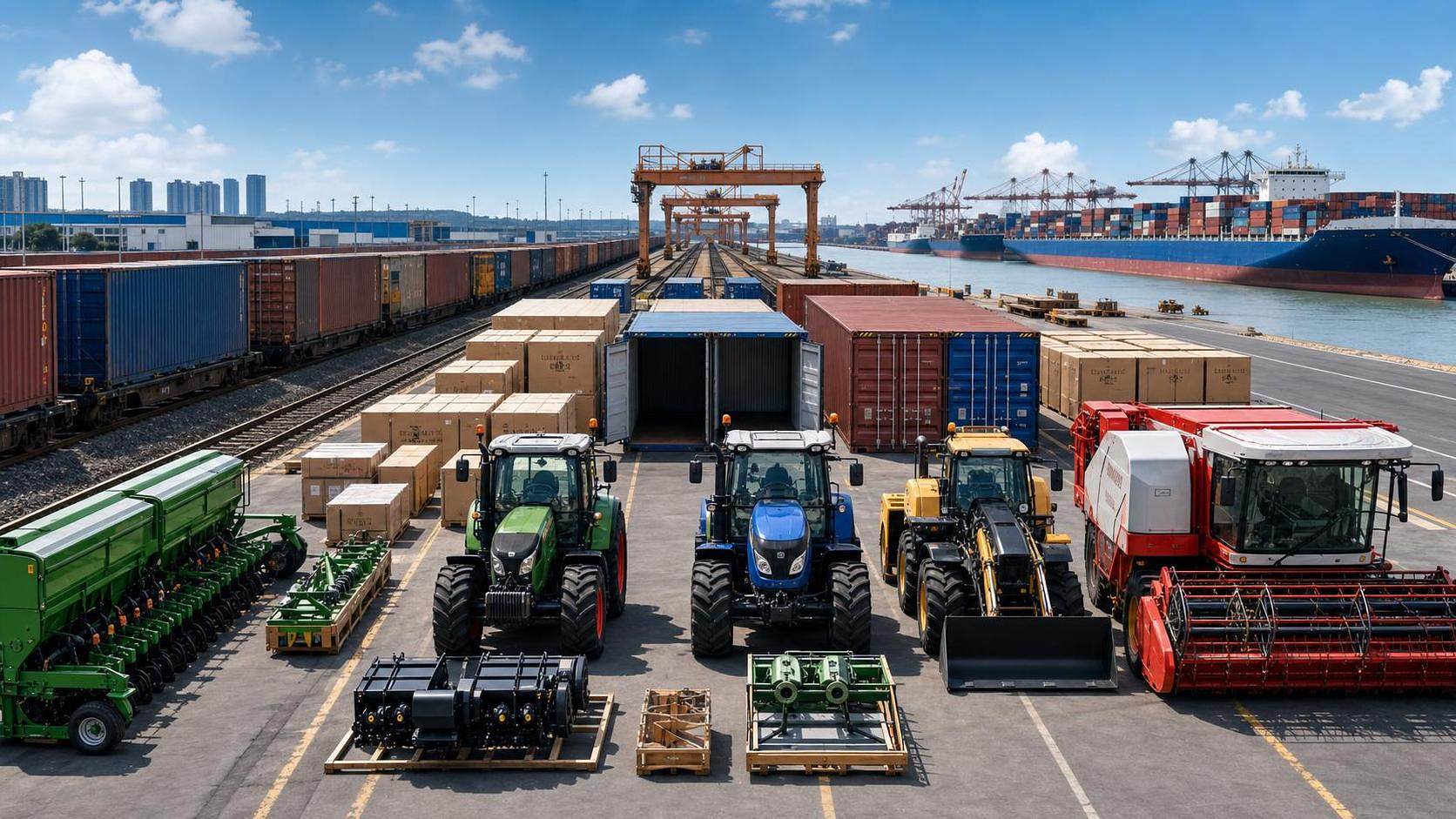




The timing of this development was not specified in the input, but the update is notable for export-oriented farm machinery suppliers, overseas buyers, and logistics service providers. Chenzhou in Hunan reported a 60.67% year-on-year increase in agricultural machinery exports in 2025, while overseas orders for the first quarter of 2026 reached RMB 50 million. The reported improvement is tied to a rail-sea transport model that supports single-declaration customs clearance, higher clearance efficiency, lower freight costs, and a more predictable delivery window for buyers across Southeast Asia and Africa.
What the confirmed update shows
According to the provided information, Chenzhou's agricultural machinery exports increased by 60.67% year on year in 2025. In addition, overseas orders in the first quarter of 2026 reached RMB 50 million.
The same update states that the local "Xiang-Guangdong-Africa" rail-sea transport model enables single-declaration customs clearance. Under this arrangement, customs clearance efficiency improved by 30% and freight costs fell by 20%.
The model has reportedly expanded to 110 countries across Southeast Asia and Africa. The stated result is a more stable and predictable delivery schedule and cost structure for overseas buyers.
Why this matters across the supply chain
Export sellers gain a stronger delivery proposition
From an industry perspective, export-focused agricultural machinery companies may be affected first because delivery reliability is often as important as product pricing in cross-border transactions. The reported gains in clearance efficiency and freight cost control could influence quotation strategies, contract lead times, and customer expectations around shipment planning.
Manufacturers need to watch order conversion and fulfillment rhythm
Processing and manufacturing companies may feel the impact through production scheduling and outbound planning. If a logistics model makes overseas delivery more predictable, factories may need to align assembly, packaging, and shipment timing more tightly with committed delivery windows rather than treating logistics as a variable after production is complete.
Logistics and customs service providers face higher execution standards
Supply chain service providers, especially those involved in customs documentation and multimodal transport coordination, may see growing demand for integrated execution. What deserves closer attention is whether service quality can remain consistent as the route network already covers 110 countries, because predictability depends not only on route availability but also on document accuracy and handoff efficiency.
Overseas buyers may place greater weight on cost visibility
For procurement teams and distributors in destination markets, the update matters because it points to a more transparent landed-cost structure and a narrower delivery uncertainty range. Observably, that can affect purchasing cadence, inventory buffering, and vendor comparison when buyers evaluate suppliers serving Southeast Asia and African markets.
What companies should focus on now
Check whether operational gains translate into contract terms
Analysis shows that companies should pay close attention to how the reported 30% efficiency improvement and 20% freight reduction are reflected in actual quotations, lead-time commitments, and delivery clauses. A logistics improvement matters commercially only when it becomes usable in order execution and customer communication.
Strengthen document readiness for single-declaration processes
Because the reported model is linked to single-declaration customs clearance, exporters and service partners should focus on document completeness, consistency, and submission timing. In practice, customs-related gains can be diluted if product information, shipment details, or supporting paperwork are not aligned across the transaction chain.
Prioritize markets where predictability changes buying behavior
What deserves closer attention is not only broad market coverage but also where stable delivery windows materially affect buying decisions. For firms already targeting Southeast Asia and Africa, the immediate business question is whether more predictable delivery can improve repeat orders, shorten negotiation cycles, or support more disciplined inventory planning with overseas customers.
Separate announced capability from day-to-day execution
From an industry perspective, companies should distinguish between a reported logistics advantage and its routine performance in actual shipments. That means tracking fulfillment outcomes, exception handling, and customer feedback rather than assuming that a transport model automatically produces the same result across every order or destination.
How to read the signal at this stage
Analysis shows that this update should not be read as a standalone export figure only. It points to the growing importance of delivery certainty in agricultural machinery trade, especially where buyers are sensitive to shipping cost and timing. At the same time, it is more appropriate to understand this as a developing industry signal rather than a fully settled outcome, because the input provides a clear performance snapshot but not a longer record of sustained results.
Observably, the combination of export growth, early 2026 overseas orders, and lower logistics friction suggests that transport organization is becoming a competitive variable, not just a back-end support function. That is particularly relevant for companies competing on fulfillment credibility as well as product supply.
A practical takeaway for the market
The most rational reading of this development is that Chenzhou's agricultural machinery export performance is being supported by a logistics arrangement that improves speed, cost control, and predictability. For the industry, the significance lies less in headline growth alone and more in what that growth may indicate about the role of integrated rail-sea delivery in export execution.
It is more appropriate to understand this as a meaningful operating signal with medium-term relevance, while continuing to watch whether the reported benefits remain consistent across orders, destinations, and future periods.
Basis of this article and points for follow-up
This article is based on the user-provided news title, event timing note, and event summary. No specific official source link was provided in the input, so the underlying details still require ongoing verification against source materials when available.
For this type of update, commonly relevant source categories may include official announcements, company disclosures, industry association releases, authoritative media reporting, and transport or customs-related policy documents. Follow-up attention should remain on whether later disclosures provide clearer timing, additional implementation details, or further evidence on order conversion and delivery performance.
Related News

How to Evaluate Agricultural Product Information Sources for Reliable Farm Decisions
Agricultural product information reference guide: evaluate reliable farm data, verify claims, and make smarter machinery, irrigation, and crop decisions.

Farm Machinery Guide: Matching Tractor Horsepower and Implements to Farm Size
Farm machinery guide for tractors: match horsepower, implement width, hydraulics, traction, and fleet capacity to farm size for lower costs and reliable field performance.
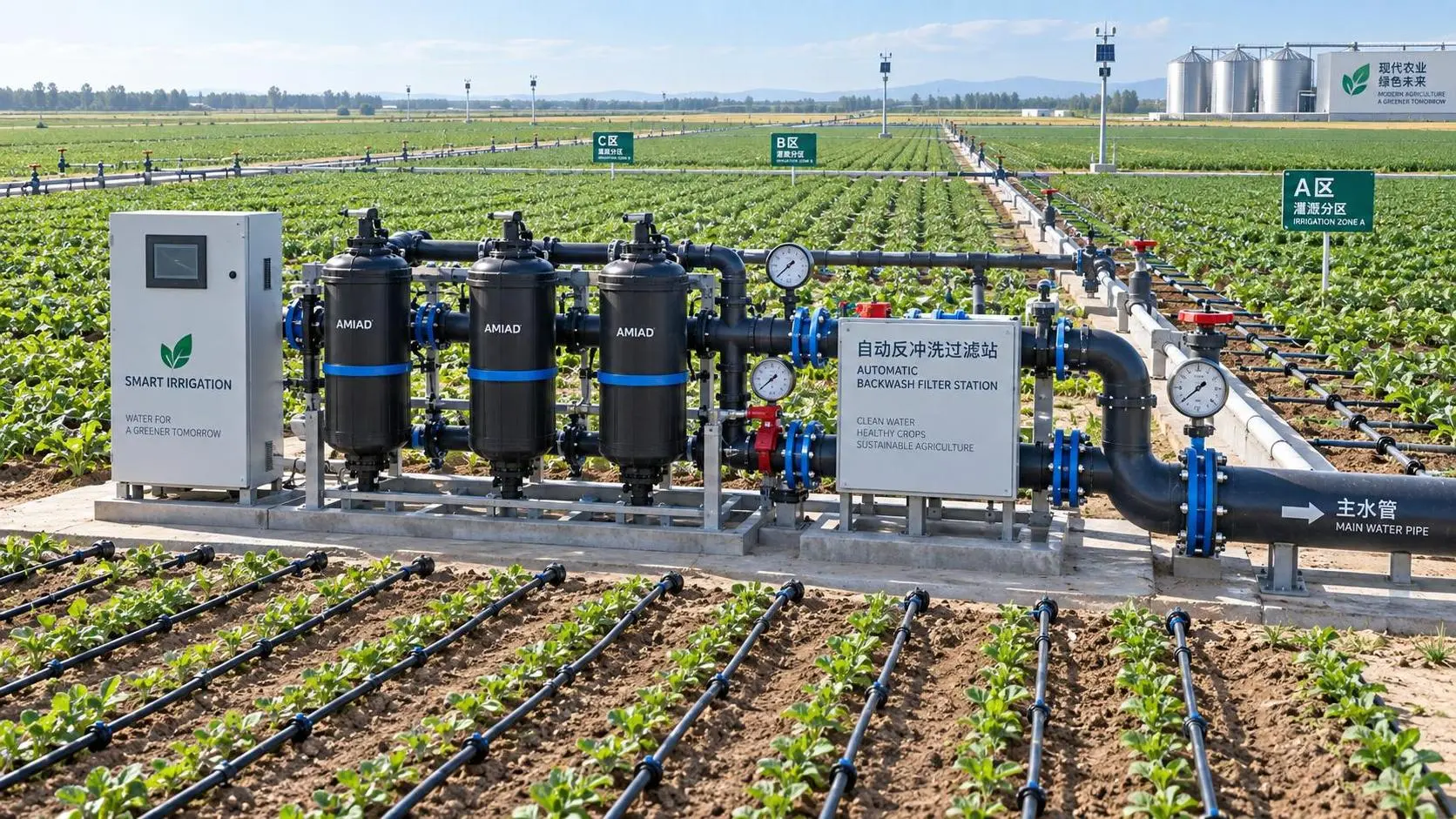
How to Evaluate Drip Irrigation System Manufacturers for Large Farm Projects
Drip irrigation systems manufacturer evaluation guide for large farms: compare hydraulic design, filtration, quality control, scalability, delivery, and support.
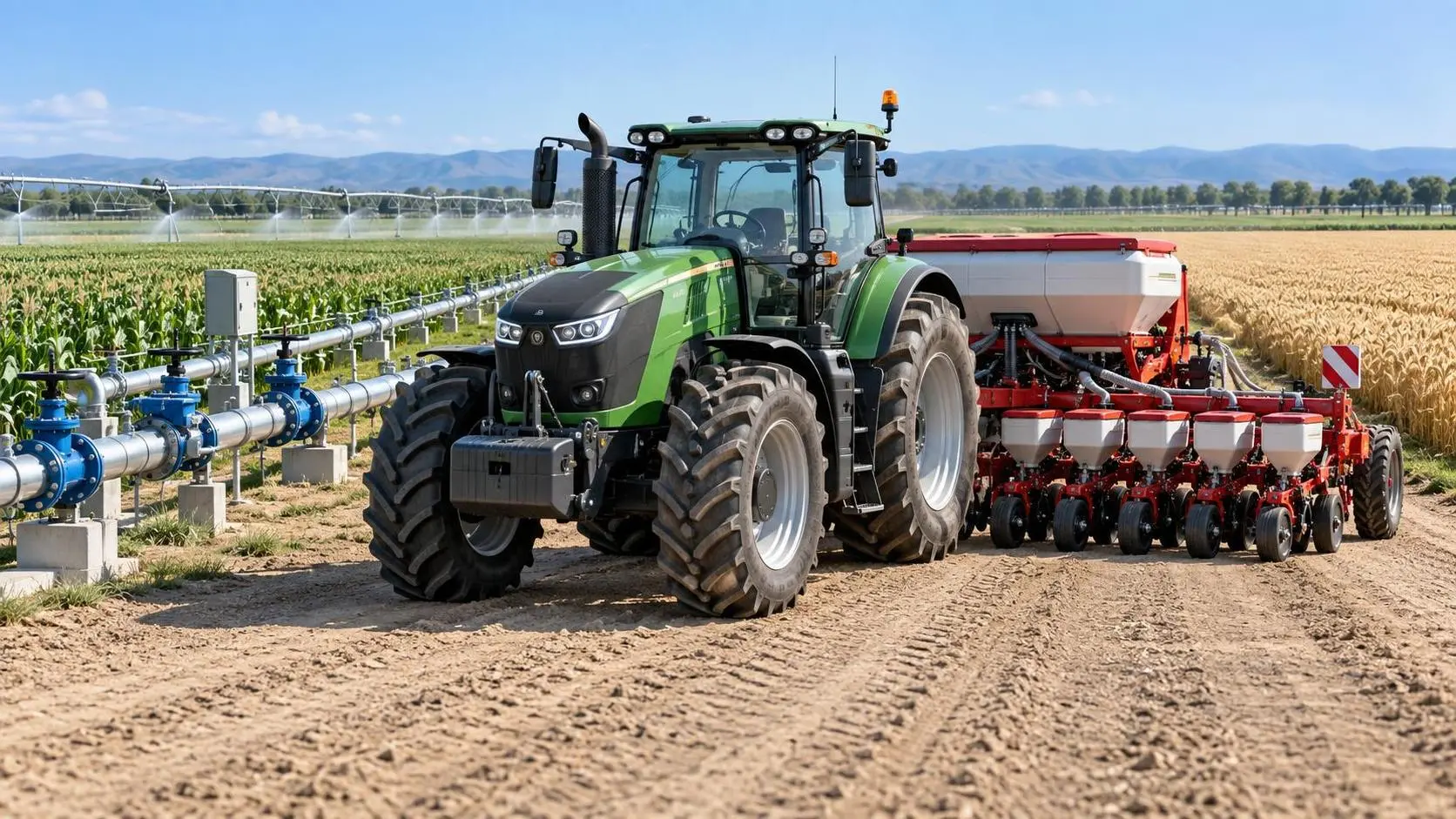
Specification Planning: A Practical Framework for Defining Equipment Requirements
Application guidance for specification planning: define measurable equipment requirements, prioritize performance, and avoid costly procurement mistakes.

How North American Farms Can Select Crop Monitoring Systems by Acreage and Connectivity
Crop monitoring systems North America: learn how to match acreage, connectivity, sensors, and data workflows for reliable, actionable farm decisions.

Where to Find Reliable Product Information for Comparing Farm Equipment
Product information resources agriculture buyers can trust: compare farm equipment with technical specs, manuals, field data, dealer support, and lifecycle insights.
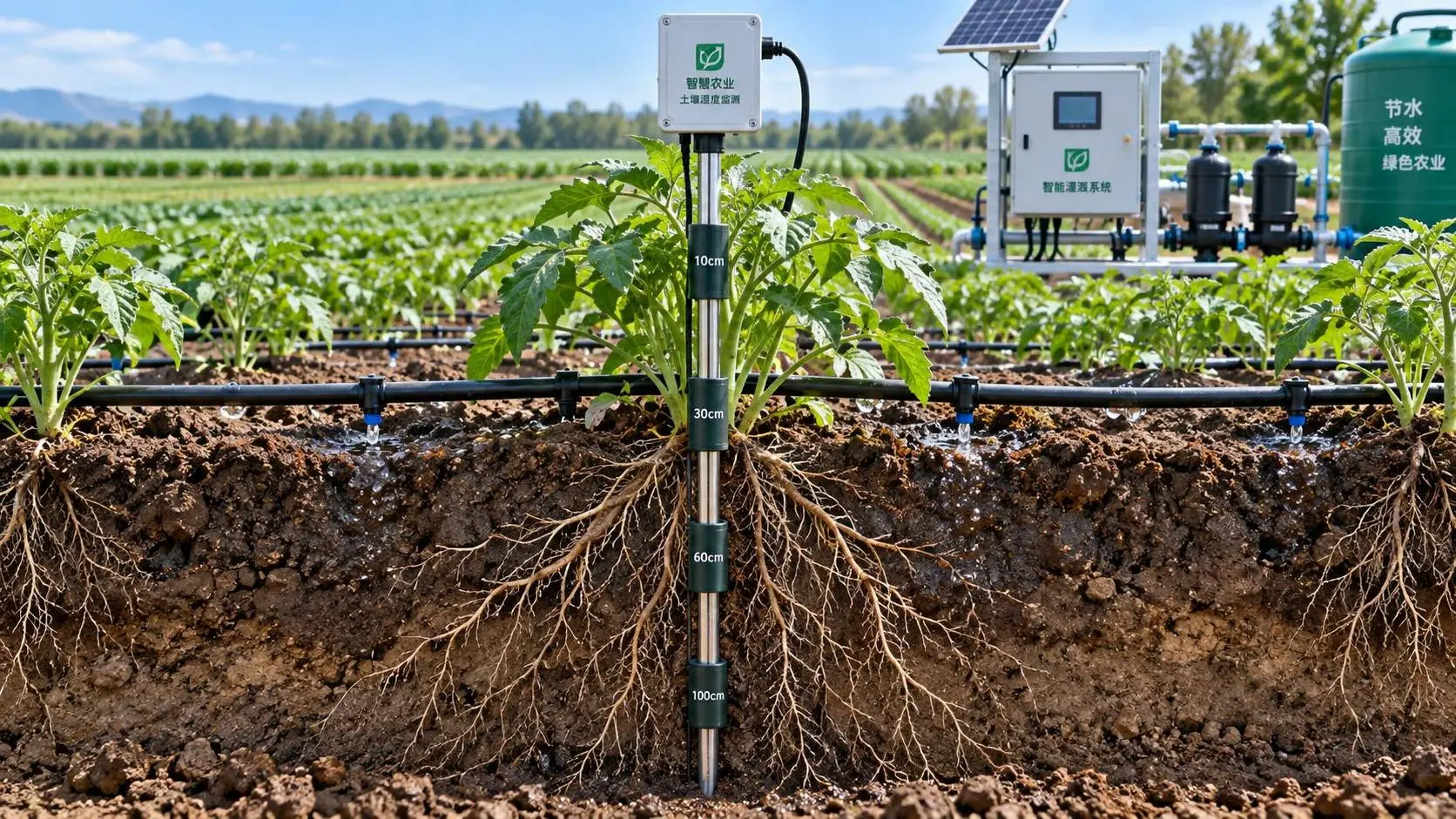
Selecting Real-Time Soil Moisture Sensors for Irrigation Zone Control
Soil moisture sensors real time: learn how to select reliable probes, optimize zone control, improve irrigation decisions, and scale precision water management.
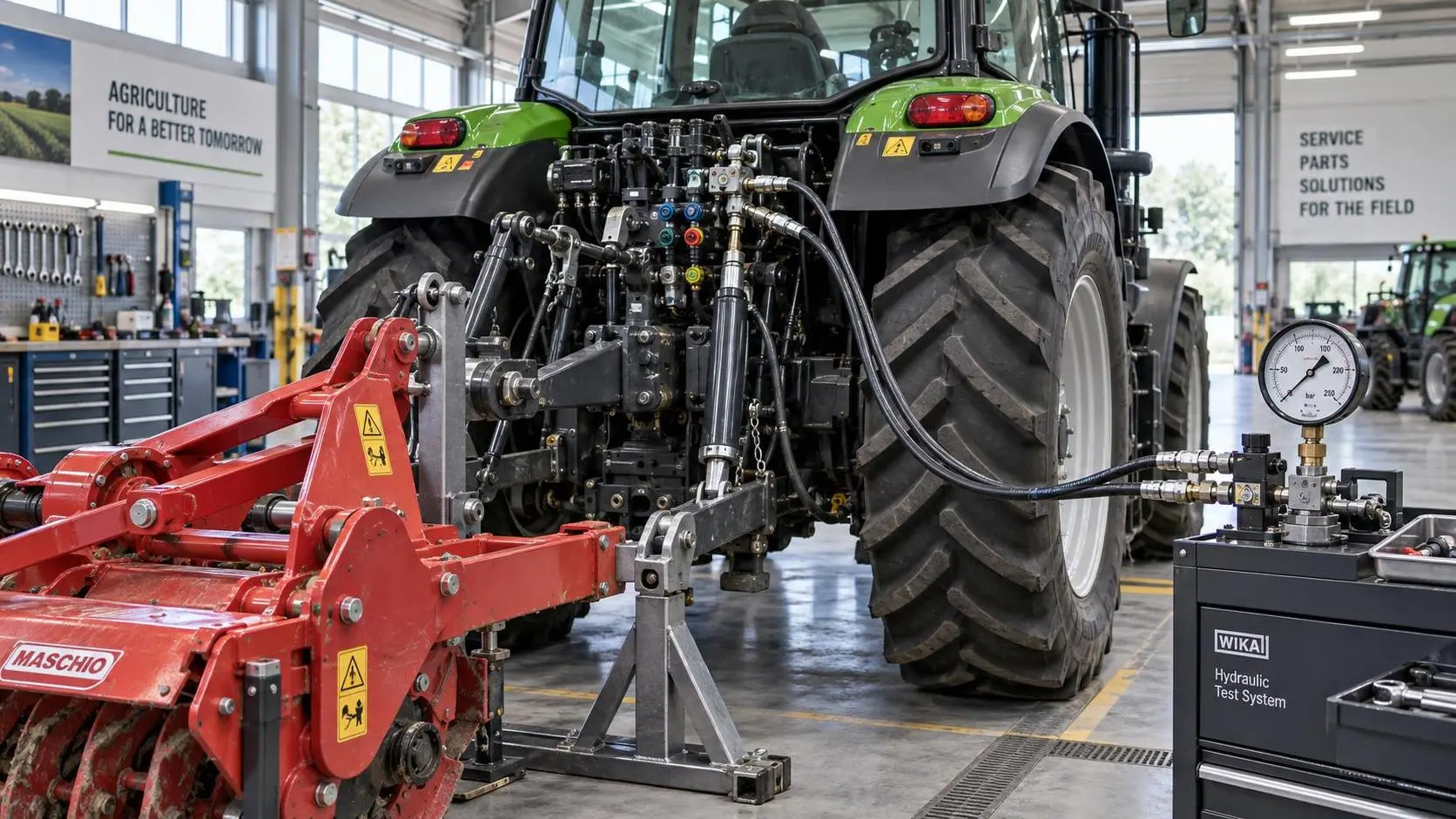
Tractor Hydraulic Systems Troubleshooting: Diagnosing Weak Lift and Slow Implements
Tractor hydraulic systems troubleshooting made practical: diagnose weak lifts and slow implements with proven pressure, flow, valve, and oil-supply checks.

How Tractor Intelligence Systems Improve Field Efficiency and Input Accuracy
Agricultural machinery intelligence for tractors improves field efficiency, input accuracy, data traceability, and implement control. Explore smarter evaluation strategies.
Related News
- 00
0000-00
What Harvesting Machinery Works Best for Small Grains on Hills? - 00
0000-00
GRIMME Tianjin Signs to Join Changchun Agricultural Machinery Expo Center - 00
0000-00
Vietnam Mandates Vietnamese Energy Labels for Imported Threshing Systems - 00
0000-00
Crop Harvesting Solutions for Wheat: Which System Fits Yield, Moisture, and Field Size? - 00
0000-00
ANVISA Extends Threshing Systems Filing Window
Popular Tags
Harvesting Efficiency Expert
Weekly Insights
Stay ahead with our curated technology reports delivered every Monday.