
US Cuts Farm Equipment Tariffs to 15%





On June 8, 2026, a US tariff adjustment on imported agricultural equipment took effect after a White House announcement issued on June 1 reduced duties on combines, harvesters, and related equipment from 25% to 15%, with the measure set to remain in place through the end of 2027. For the agricultural machinery trade, this is worth close attention not only because it changes the immediate cost structure for imports, but also because it affects compliance planning, procurement decisions, and channel strategy for complete machines and core assemblies tied to the US market.
What the policy change confirms
The confirmed change is limited but commercially meaningful. According to the provided information, the White House announced on June 1, 2026 that import tariffs on agricultural equipment including combines and harvesters would be lowered from 25% to 15%.
The policy took effect on June 8, 2026 and is scheduled to remain in force until the end of 2027. The stated purpose is to ease cost pressure on US farmers and equipment manufacturers.
The adjustment directly affects the import compliance path and procurement cost structure for complete equipment and core assemblies, including categories such as Threshing Systems and Self-propelled Sprayers. It also creates a more favorable trade environment for overseas suppliers that depend on distribution into the US market.
Where the impact is likely to be felt first
Imported machine and assembly suppliers face a different landed-cost equation
From an industry perspective, overseas suppliers shipping complete agricultural equipment or core assemblies into the US are among the most directly affected parties. The immediate reason is straightforward: the tariff reduction changes the import cost base and may alter how suppliers structure quotations, shipment timing, and product mix for the US market.
What deserves closer attention is whether the lower tariff rate also changes the compliance handling of affected product categories. For suppliers active in combines, harvesters, Threshing Systems, or Self-propelled Sprayers, the practical impact is not only financial but operational.
US distributors and channel partners may need to reassess procurement timing
Distributors and market-facing channel businesses tied to agricultural machinery imports may also see a near-term impact. A lower duty level can affect procurement sequencing, inventory planning, and customer communication, especially where imported equipment competes with products already priced under earlier tariff assumptions.
Analysis shows that channel participants should focus less on headline tariff relief alone and more on how the timing of shipments, declarations, and contract execution aligns with the policy window running through the end of 2027.
Farm operators and equipment buyers may watch price transmission closely
For end users such as farm operators, the policy matters because it is explicitly intended to ease cost pressure. That said, the existence of a lower tariff does not by itself confirm how quickly or how fully any savings will move through the supply chain.
Observably, buyers are likely to pay attention to whether the revised duty level affects available configurations, sourcing options, or procurement lead times for imported machines and related systems.
What companies should monitor in practice
Check category coverage against actual products
Companies should first verify how their products map to the affected equipment and assembly categories referenced in the policy context. For businesses dealing in combines, harvesters, Threshing Systems, or Self-propelled Sprayers, classification and supporting documentation remain central to determining how the lower tariff treatment applies in practice.
Separate policy language from transaction execution
Analysis shows that the operational benefit of a tariff cut depends on how it is reflected in actual import procedures, declarations, contracts, and delivery schedules. Businesses should avoid treating the policy announcement alone as the final step and instead confirm how the change is implemented in each transaction.
Review procurement and delivery planning within the policy window
Because the measure is scheduled to last through the end of 2027, procurement teams and supply chain managers should pay attention to timing. The key issue is not only whether a lower tariff applies, but whether purchase cycles, shipment schedules, and customer commitments are structured to fit the effective period.
Prepare customer and supplier communication carefully
For companies serving the US market through overseas supply, commercial communication may need updating. Customers, distributors, and service partners may expect clarification on whether the tariff change affects pricing logic, delivery expectations, or product availability. Clear communication matters because the policy signal and the realized business effect may not move at the same speed.
How this development is best understood now
As an observation, this appears to be a concrete short- to medium-term policy adjustment with immediate relevance for import cost calculations, rather than a fully settled long-term shift in agricultural equipment trade conditions. The effective date is clear, and the end date is also clear, which makes the measure actionable but time-bounded based on the information provided.
It is more appropriate to understand this as a targeted policy signal with direct transactional implications for agricultural equipment trade into the US. At the same time, the broader market effect still requires continued observation because tariff changes do not automatically define pricing behavior, channel strategy, or procurement outcomes across the full supply chain.
Why the market will keep watching
This tariff reduction matters because it changes the commercial starting point for imports of certain agricultural machines and assemblies into the US, while also signaling an effort to reduce cost pressure on farmers and equipment manufacturers. The immediate significance is clearest for importers, distributors, and overseas suppliers with exposure to the US market.
From a neutral industry reading, the development should currently be treated as an actionable policy change with clear near-term business relevance, but not as a standalone indicator of a broader structural reset. The most useful approach is to track how the lower tariff rate translates into compliance handling, sourcing decisions, and actual market execution over the policy period.
Basis of this report
This article is based on the user-provided news title, event date, and event summary concerning the US reduction of agricultural equipment import tariffs to 15%, effective June 8, 2026. No additional unverified data, company information, policy references, or market figures have been added.
For this type of industry development, commonly relevant source categories may include official government announcements, corporate statements, industry association updates, authoritative media coverage, and standard-setting documents. A specific official source link was not provided in the input, so the underlying policy text and any subsequent implementation details still require ongoing verification. Continued attention should be paid to any later official wording, scope clarification, or practical compliance updates affecting covered equipment and assemblies.
Related News
How RTK Satellite Positioning Improves Accuracy in Precision Farming Operations
RTK satellite positioning boosts precision farming with repeatable guidance, lower overlap, and better field data. Learn what to verify before choosing an RTK system.
EU Rule Takes Effect: EN 16924:2026 for Drip Irrigation Logic
EN 16924:2026 now reshapes EU access for Drip Irrigation Logic products. Learn how certification, CE marking, customs, and warehouse risks impact exporters and buyers.

How Autonomous Machinery for Crop Scouting Helps Growers Detect Field Issues Earlier
Autonomous machinery for crop scouting helps growers spot irrigation gaps, pest pressure, and crop stress earlier, turning field data into faster decisions and smarter action.
USDA Rule Makes ISO 21648:2026 Mandatory
USDA Rule Makes ISO 21648:2026 Mandatory for soil moisture sensors entering the U.S. Learn how the new USDA import compliance guide impacts certification, CBP entry, suppliers, and delivery plans.
How Digital Farming Improves Irrigation Planning With Soil Data and GPS Mapping
Digital farming for irrigation planning turns soil data and GPS mapping into smarter watering decisions, helping farms reduce waste, improve field precision, and boost operational efficiency.
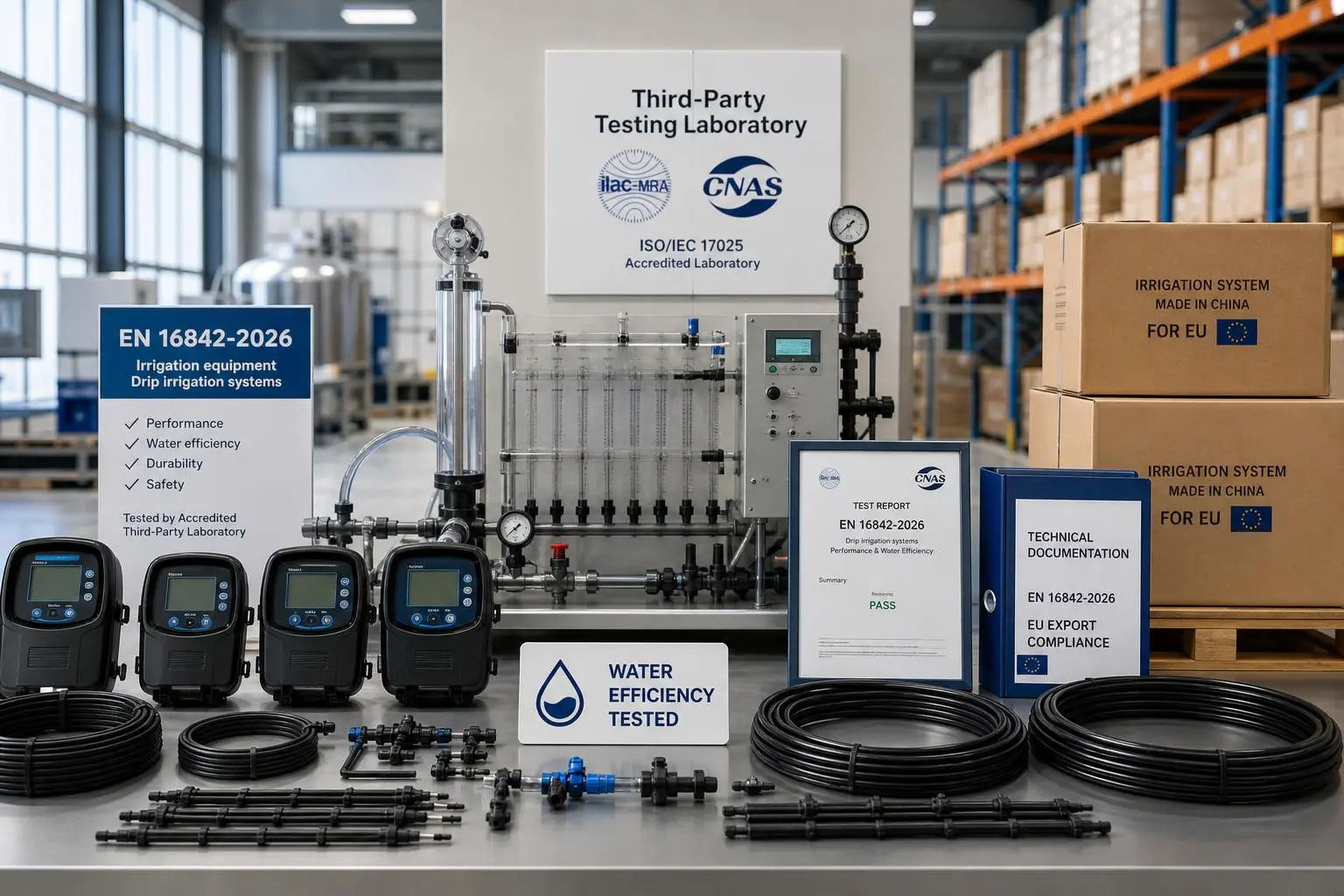
EU Rule Takes Effect: EN 16842-2026 Required for Drip Irrigation Logic Exports
EN 16842-2026 now makes third-party certification mandatory for Drip Irrigation Logic exports to the EU. Learn the compliance risks, customs impact, and supplier checks now.

How to Evaluate Autonomous Machinery for Vineyards by Terrain, Tasks, and ROI
Autonomous machinery for vineyards: learn how to evaluate terrain fit, task suitability, safety, and ROI to choose the right solution and reduce procurement risk.
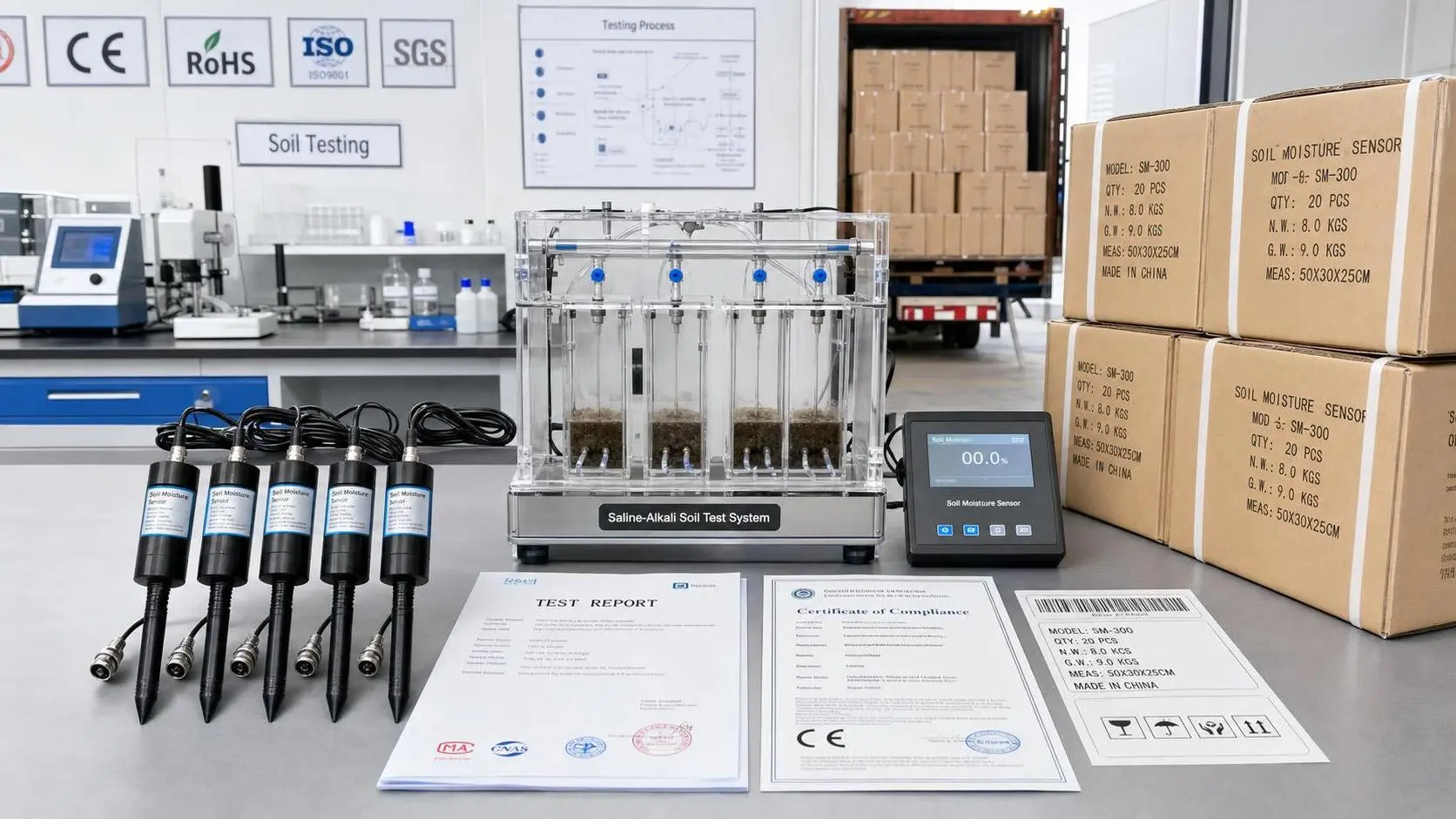
USDA Tightens Import Rules for Soil Moisture Sensors
Soil Moisture Sensors face new USDA import rules from Oct. 1, 2026. Learn how ISO 11274-3:2026 testing may impact customs clearance, lead times, and supplier planning.
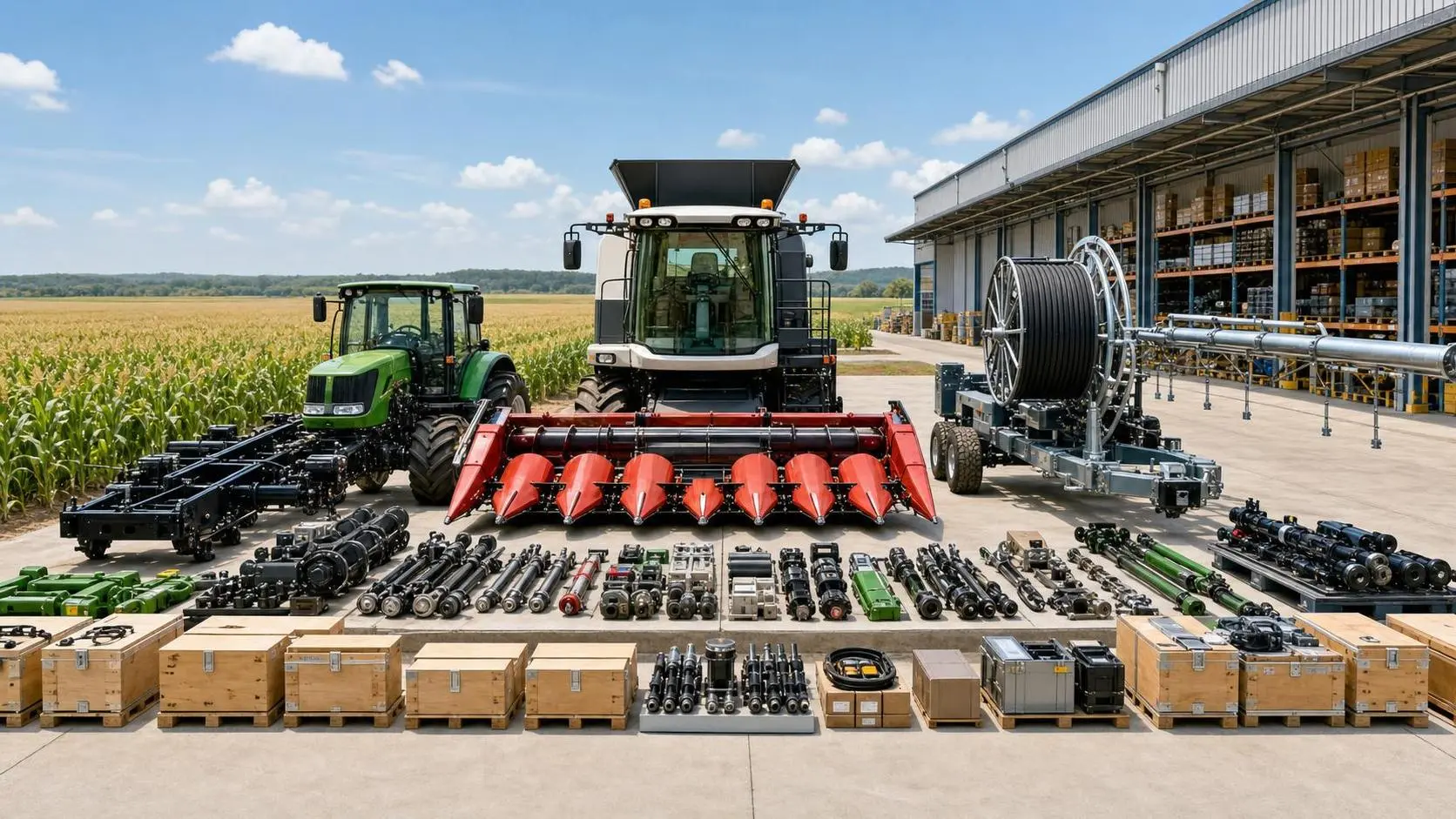
How to Use a Global Agricultural Equipment Directory to Compare Suppliers and Reduce Sourcing Risk
Agricultural equipment directory global sourcing starts with smarter supplier comparison. Learn how to assess fit, compliance, support, and market readiness to reduce sourcing risk.
Related News
- 00
0000-00
Vietnam Mandates Vietnamese Energy Labels for Imported Threshing Systems - 00
0000-00
Crop Harvesting Solutions for Wheat: Which System Fits Yield, Moisture, and Field Size? - 00
0000-00
ANVISA Extends Threshing Systems Filing Window - 00
0000-00
Agricultural Machinery Intelligence for Combines: Key Functions, Sensors, and Upgrade Paths - 00
0000-00
Brazil ANVISA Adds Biosecurity Mapping Filing for Threshing Systems
Popular Tags
Harvesting Efficiency Expert
Weekly Insights
Stay ahead with our curated technology reports delivered every Monday.