
Sulfur Above CNY 10,000/Ton May Lift Q3 Seal Quotes
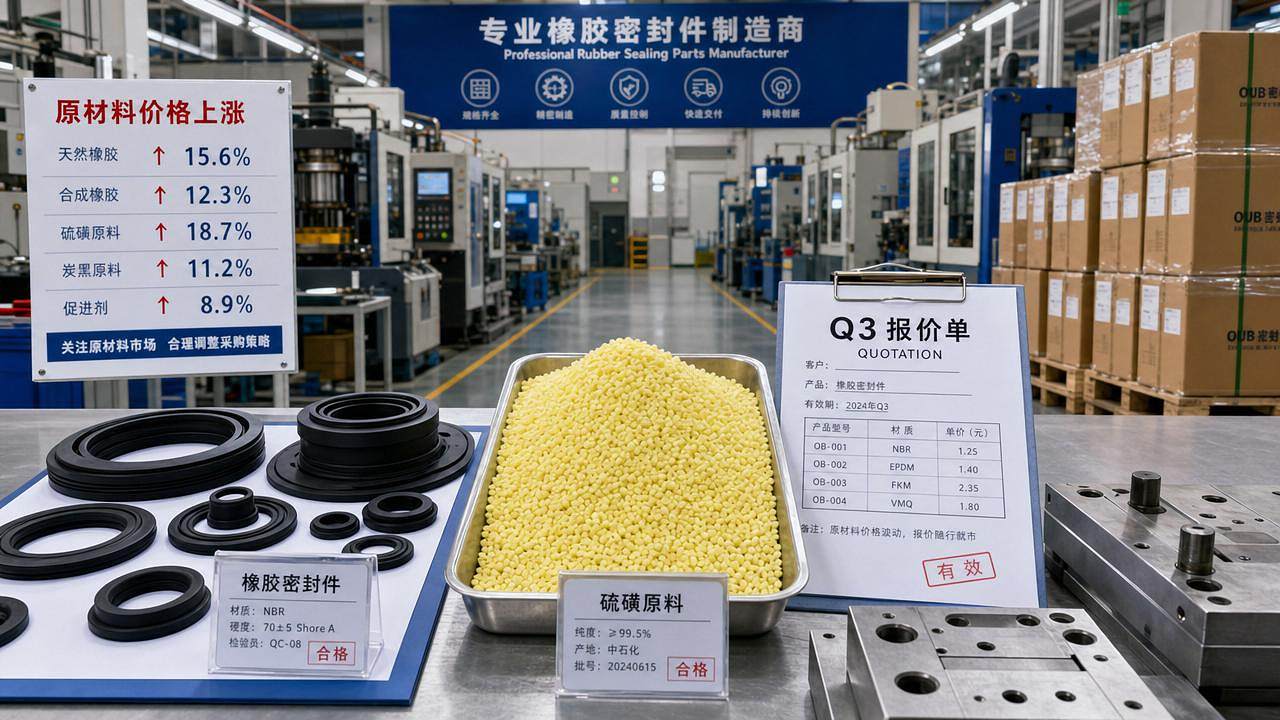




The timing of the underlying event is not clearly specified in the provided information, but the development merits close attention across raw material purchasing, rubber component manufacturing, overseas contract management, and downstream equipment supply. With domestic industrial sulfur spot prices reported at CNY 10,280 per ton and upstream pressure already feeding into Threshing Systems rubber sealing components, the issue is no longer only about a commodity price move; it is also about how quickly cost pressure is passed through into Q3 quotations and how contract terms may absorb part of that impact.
What the current information confirms
According to monitoring published by SMM on June 10, 2026, the spot price of domestic industrial-grade sulfur reached CNY 10,280 per ton, up 41% year on year. The summary attributes the increase to tighter sulfur export controls in South America and a seasonal restocking peak in China’s phosphate fertilizer market.
The same information indicates that sulfur accounts for more than 35% of the cost of key rubber sealing components used in Threshing Systems. It also states that leading manufacturers have already sent advance notices to overseas customers regarding Q3 price adjustments, with indicated increases in the range of 8% to 12%.
For some long-term agreement orders, the provided summary notes that a cost-sharing mechanism may still be negotiated.
Where the pressure is likely to show first
Procurement teams face immediate cost visibility issues
From an industry perspective, procurement functions are among the first to feel the impact because sulfur is identified here as a major cost element in key rubber sealing components. The main pressure point is not only the absolute rise in input prices, but also the need to judge whether current purchase terms, inventory timing, and supplier quotations remain valid through the Q3 cycle.
Seal and component manufacturers must manage margin transfer
For processing and manufacturing companies, the issue is concentrated in cost transmission. When a single upstream material accounts for more than 35% of component cost, even a limited disruption in supply pricing can quickly compress margins. What deserves closer attention is how manufacturers translate raw material inflation into export quotations, especially where advance notice has already been issued.
Overseas buyers and contract managers need to review pricing clauses
For overseas customers and contract management teams, the reported 8% to 12% Q3 adjustment range signals a practical contract issue rather than a theoretical market risk. The key business links affected are quotation confirmation, order budgeting, and the treatment of long-term agreements where cost-sharing may be open to discussion.
Supply chain service providers should watch delivery and document consistency
Observably, logistics and supply chain support functions may not be the direct source of the price increase, but they can be affected by the pace of order renegotiation and shipment confirmation. If pricing notices, revised purchase orders, or contract amendments are delayed, execution risk can rise even before any physical delivery issue appears.
What companies should watch in the near term
Track whether quotation notices become formal contract adjustments
The current information confirms advance notices, but businesses should distinguish between a pricing signal and a finalized contractual outcome. In practice, the next point to watch is whether Q3 adjustments are accepted as issued, partially negotiated, or handled through shared-cost arrangements under existing long-term agreements.
Focus on components with the highest sulfur cost sensitivity
Analysis shows that not every product line will respond equally. The clearest exposure sits in key rubber sealing components where sulfur represents more than 35% of cost. Companies should therefore prioritize these categories when reviewing quotation validity, replenishment timing, and margin assumptions.
Separate upstream market movement from customer communication strategy
Another practical point is to avoid treating sulfur price data and customer-facing pricing action as the same thing. The sulfur move explains the cost backdrop, but actual business impact depends on how suppliers communicate lead times, adjustment windows, and cost-sharing options to customers.
Prepare documentation around long-term order negotiations
Because some long-term agreement orders may be subject to negotiated sharing mechanisms, commercial teams should pay attention to the completeness of supplier notices, quotation revisions, and order documentation. In a rising-cost environment, the ability to document when notice was given and under what terms can become as important as the price change itself.
Why this matters beyond a single price spike
Observably, this development should not yet be treated as a fully settled industry outcome, but it does provide a clear signal about cost sensitivity in a specific manufacturing link. The combination of a 41% year-on-year sulfur price increase and an 8% to 12% indicated Q3 quote adjustment suggests that upstream volatility is already being translated into commercial action.
It is more appropriate to understand this as a developing industry dynamic rather than a one-off headline. The facts provided show confirmed cost pressure and announced pricing intent, but the final scale of business impact still depends on how negotiations, order execution, and shared-cost arrangements evolve.
How this update is best understood for now
At this stage, the information points to a short-term pricing pressure event with broader implications for contract execution and supply chain coordination. The confirmed facts are sufficient to show that sulfur price escalation is affecting Threshing Systems rubber sealing components in a measurable way. Even so, a balanced reading is still necessary: the reported quote adjustment range is clear, while the eventual effect on realized orders remains something the market will need to continue watching.
Basis of this article
This article is generated from the user-provided news title, event timing note, and event summary. The specific official source link was not provided in the input, so further verification remains necessary.
For this type of industry development, the source categories typically worth monitoring include official company notices, customer price adjustment letters, industry media reporting, association updates, and other authoritative market disclosures. Based on the current input, the main follow-up points are whether Q3 price adjustments are formally implemented, how long-term agreement cost-sharing is handled, and whether upstream sulfur price pressure continues to affect rubber sealing component quotations.
Related News

How RTK Satellite Positioning Improves Accuracy in Precision Farming Operations
RTK satellite positioning boosts precision farming with repeatable guidance, lower overlap, and better field data. Learn what to verify before choosing an RTK system.

EU Rule Takes Effect: EN 16924:2026 for Drip Irrigation Logic
EN 16924:2026 now reshapes EU access for Drip Irrigation Logic products. Learn how certification, CE marking, customs, and warehouse risks impact exporters and buyers.

How Autonomous Machinery for Crop Scouting Helps Growers Detect Field Issues Earlier
Autonomous machinery for crop scouting helps growers spot irrigation gaps, pest pressure, and crop stress earlier, turning field data into faster decisions and smarter action.
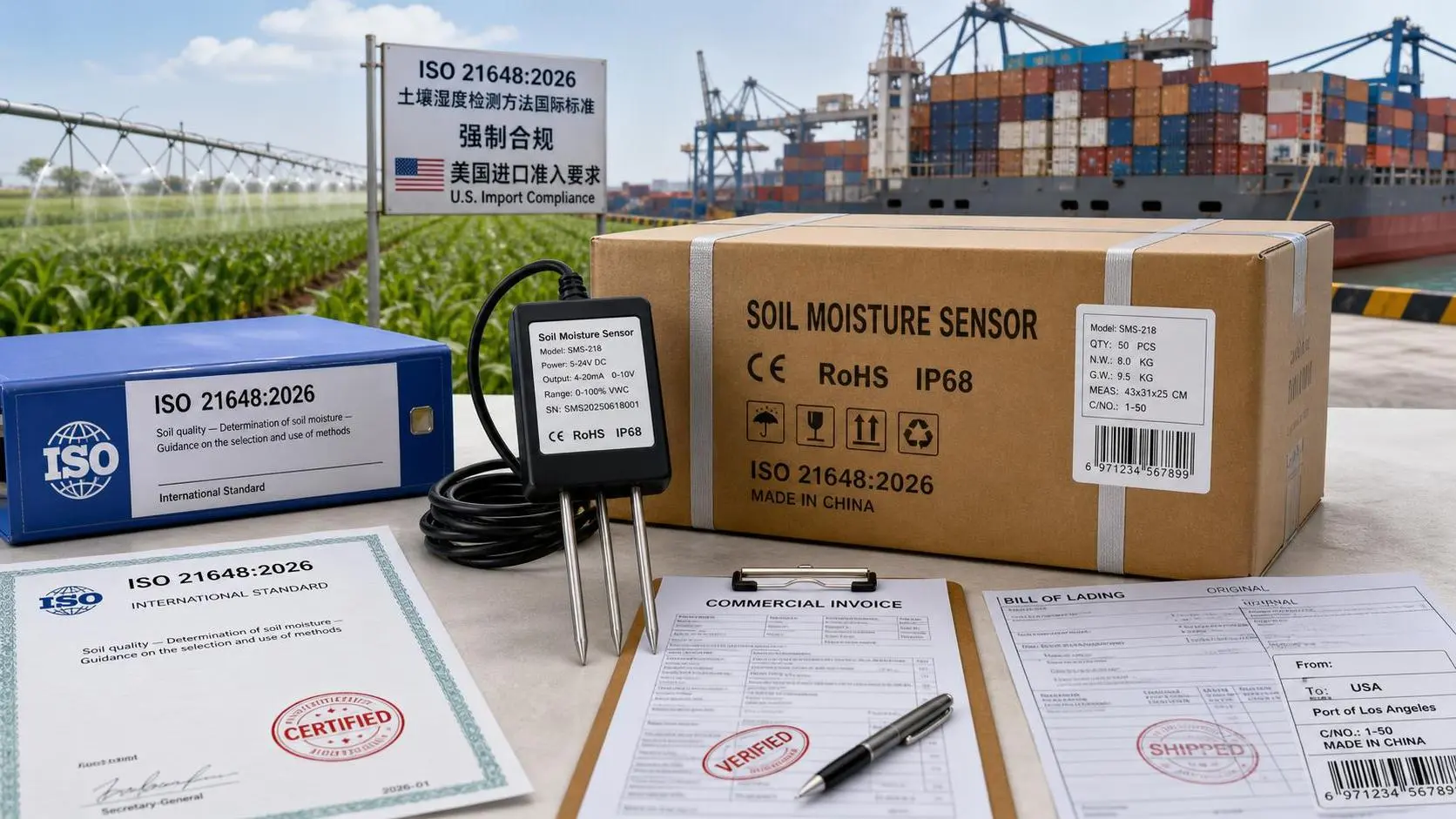
USDA Rule Makes ISO 21648:2026 Mandatory
USDA Rule Makes ISO 21648:2026 Mandatory for soil moisture sensors entering the U.S. Learn how the new USDA import compliance guide impacts certification, CBP entry, suppliers, and delivery plans.
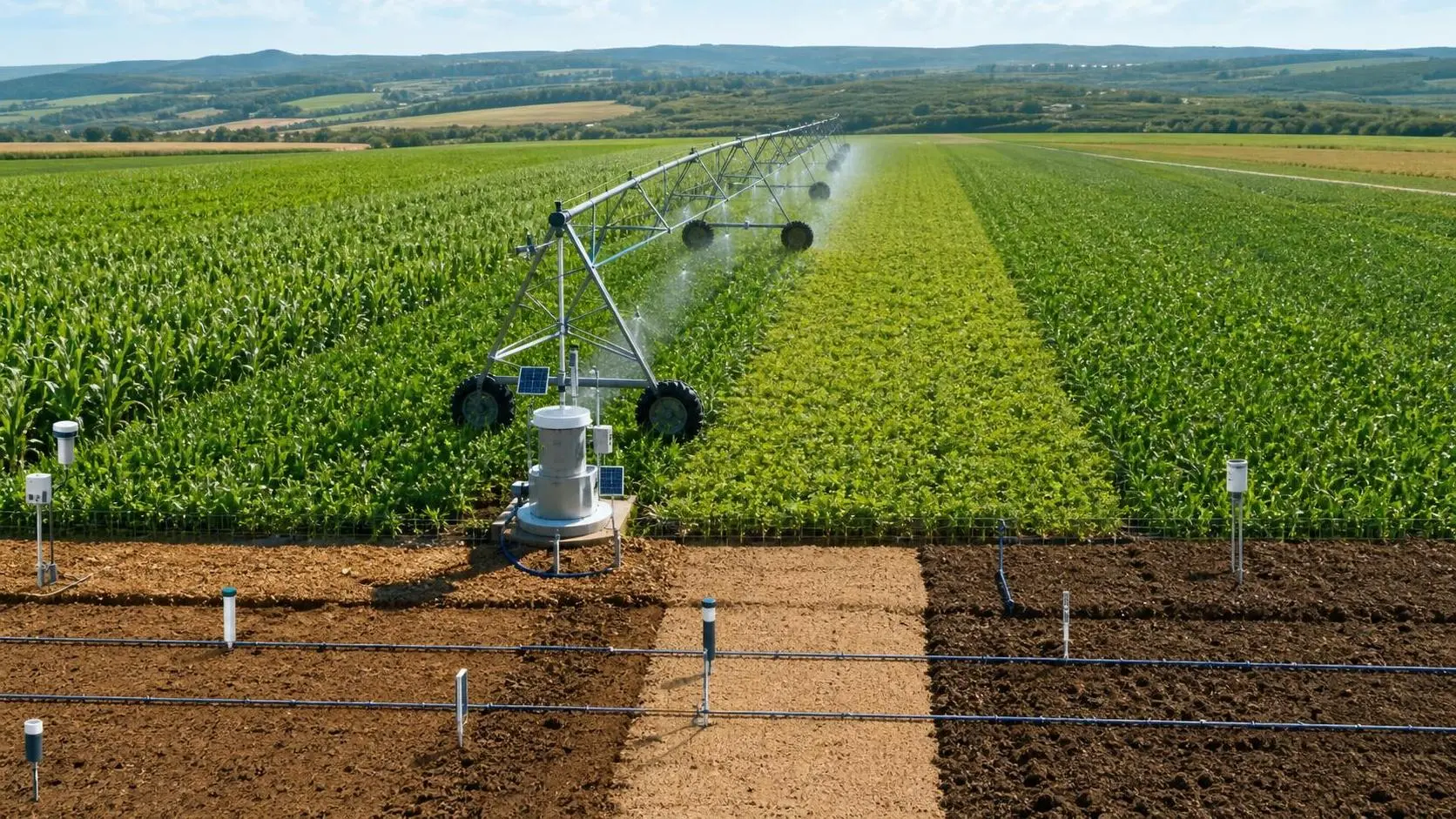
How Digital Farming Improves Irrigation Planning With Soil Data and GPS Mapping
Digital farming for irrigation planning turns soil data and GPS mapping into smarter watering decisions, helping farms reduce waste, improve field precision, and boost operational efficiency.
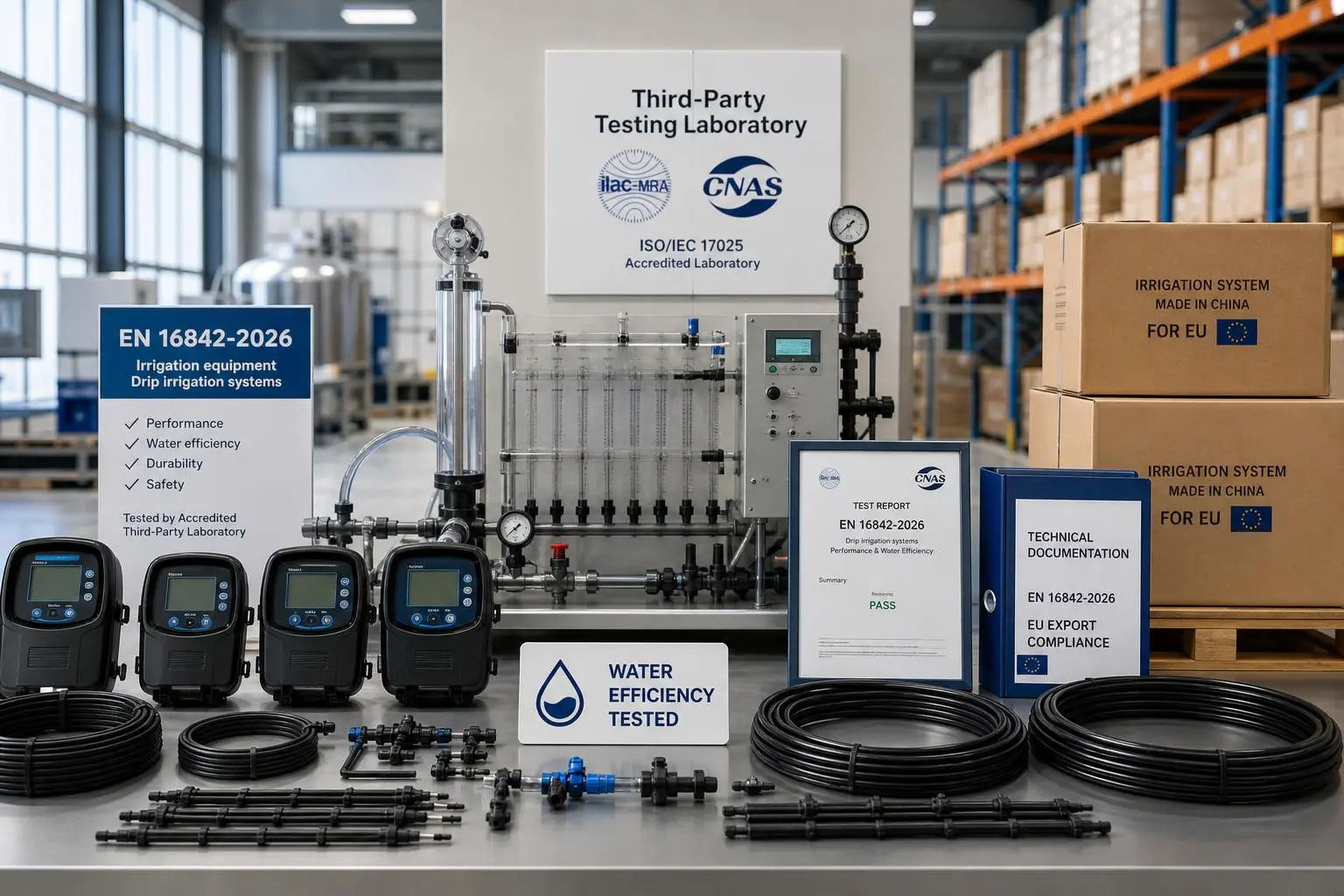
EU Rule Takes Effect: EN 16842-2026 Required for Drip Irrigation Logic Exports
EN 16842-2026 now makes third-party certification mandatory for Drip Irrigation Logic exports to the EU. Learn the compliance risks, customs impact, and supplier checks now.

How to Evaluate Autonomous Machinery for Vineyards by Terrain, Tasks, and ROI
Autonomous machinery for vineyards: learn how to evaluate terrain fit, task suitability, safety, and ROI to choose the right solution and reduce procurement risk.
USDA Tightens Import Rules for Soil Moisture Sensors
Soil Moisture Sensors face new USDA import rules from Oct. 1, 2026. Learn how ISO 11274-3:2026 testing may impact customs clearance, lead times, and supplier planning.

How to Use a Global Agricultural Equipment Directory to Compare Suppliers and Reduce Sourcing Risk
Agricultural equipment directory global sourcing starts with smarter supplier comparison. Learn how to assess fit, compliance, support, and market readiness to reduce sourcing risk.
Related News
- 00
0000-00
Vietnam Mandates Vietnamese Energy Labels for Imported Threshing Systems - 00
0000-00
Crop Harvesting Solutions for Wheat: Which System Fits Yield, Moisture, and Field Size? - 00
0000-00
ANVISA Extends Threshing Systems Filing Window - 00
0000-00
Agricultural Machinery Intelligence for Combines: Key Functions, Sensors, and Upgrade Paths - 00
0000-00
Brazil ANVISA Adds Biosecurity Mapping Filing for Threshing Systems
Popular Tags
Harvesting Efficiency Expert
Weekly Insights
Stay ahead with our curated technology reports delivered every Monday.