
Sulfur at RMB 10,000/Ton May Lift Q3 Sealing Prices
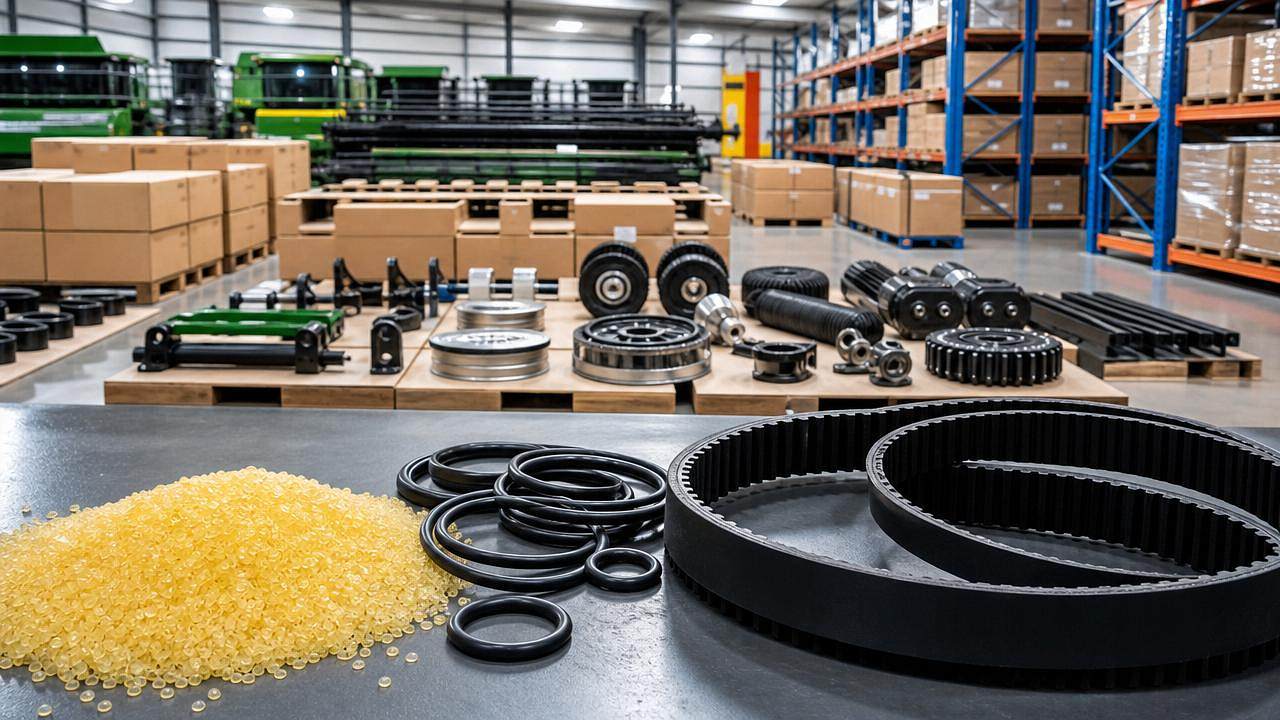




On June 9, 2026, the domestic spot price of industrial sulfur reached RMB 10,280 per ton, a ten-year high, amid the continued blockade of the Strait of Hormuz and the European Union’s emergency fertilizer stockpiling policy. For the threshing systems supply chain, the development deserves attention because it is already putting cost pressure on key rubber-based consumables such as NBR sealing rings and transmission belts, while leading manufacturers have started notifying overseas customers of possible Q3 price increases in the 8%–12% range.
What has been confirmed so far
The confirmed facts are limited but clear. The event date is June 9, 2026. On that date, the domestic industrial sulfur spot price rose to RMB 10,280 per ton, setting a ten-year high. The stated drivers are the ongoing blockade of the Strait of Hormuz and the European Union’s emergency fertilizer stockpiling policy. At the product level, cost pressure is affecting key consumables used in threshing systems, including NBR rubber sealing rings and transmission belts. In response, leading manufacturers have issued advance notices to overseas customers indicating possible Q3 price adjustments of 8% to 12%.
Where the pressure may show up across the chain
For manufacturers using rubber-based wear parts
From an industry perspective, this development may matter first to processing and equipment manufacturers that depend on sealing components and belts as recurring inputs. The immediate area of impact is cost accounting for consumables tied to threshing systems, especially where quotations for Q3 are being prepared or revised.
For procurement and sourcing teams
Procurement functions may be affected because sulfur-linked cost pressure can alter supplier quotations for NBR sealing rings, belts, and other related items. What deserves closer attention is not only the headline increase signal, but also whether suppliers begin shortening quote validity periods, adjusting delivery terms, or changing the timing of Q3 offer confirmations.
For overseas buyers and channel partners
Overseas customers and distribution partners may face a more immediate commercial question: whether planned purchases for Q3 should be repriced, delayed, or renegotiated. Observably, the main issue is less about a single raw material move in isolation and more about how quickly cost pressure is being passed through into export quotations.
For supply-chain service providers
Service providers involved in order coordination, delivery scheduling, and contract execution may also need to track the situation closely. If pricing notices expand from advance communication into formal quotation changes, the operational focus could shift to order timing, documentation consistency, and fulfillment expectations.
What companies should watch now
Q3 quotation timing and scope
Analysis shows that the most practical near-term issue is whether Q3 price adjustments remain limited to selected products or extend across a broader range of threshing-system consumables. Companies should closely compare which categories are being repriced and when those notices take effect.
Supplier communication and validity windows
What deserves closer attention is the wording and timing of supplier notices to overseas customers. In a fast-moving cost environment, quote validity, order confirmation deadlines, and any conditions attached to revised pricing may become as important as the stated 8%–12% increase itself.
Delivery planning versus price acceptance
From a business operations perspective, companies should distinguish between a pricing signal and an executed transaction outcome. A notice of possible adjustment does not by itself confirm final deal terms, so procurement, sales, and customer-service teams may need aligned internal scenarios for both acceptance and further negotiation.
Follow-through from policy and market signals
Analysis shows that firms should monitor whether the initial drivers named in the event continue to influence sulfur pricing and whether cost pressure on rubber consumables persists into the Q3 ordering cycle. The practical issue is not simply the headline price spike, but whether it translates into sustained procurement and delivery changes.
Why this matters beyond a single price spike
Observably, this news is more than a raw-material price headline for companies tied to threshing systems. It signals that sulfur-related upstream stress is already being discussed in downstream commercial terms, particularly in export-facing quotations. At the same time, it is more appropriate to understand this as an industry development that still requires continued observation, rather than as a fully settled pricing outcome across the market.
How to read the current signal
At this stage, the event is best understood as a near-term cost and quotation warning with wider supply-chain relevance. The confirmed facts show a sharp sulfur price move and advance notice of possible Q3 increases for affected consumables. The broader business significance will depend on how widely those adjustments are implemented, how customers respond, and whether the underlying pressure on industrial sulfur remains in place.
Basis of this report and what still needs verification
This article is generated based on the user-provided news title, event date, and event summary. For developments of this kind, commonly relevant source types may include official announcements, company notices, industry association updates, authoritative media reporting, and standard-setting or regulatory documents. No specific official source link was provided in the input, so the exact source trail still requires ongoing verification. The key follow-up areas to watch are whether additional formal pricing notices appear, whether the scope of affected consumables expands, and whether the stated market and policy drivers continue to influence sulfur pricing.
Related News

How Autonomous Machinery for Crop Scouting Helps Growers Detect Field Issues Earlier
Autonomous machinery for crop scouting helps growers spot irrigation gaps, pest pressure, and crop stress earlier, turning field data into faster decisions and smarter action.
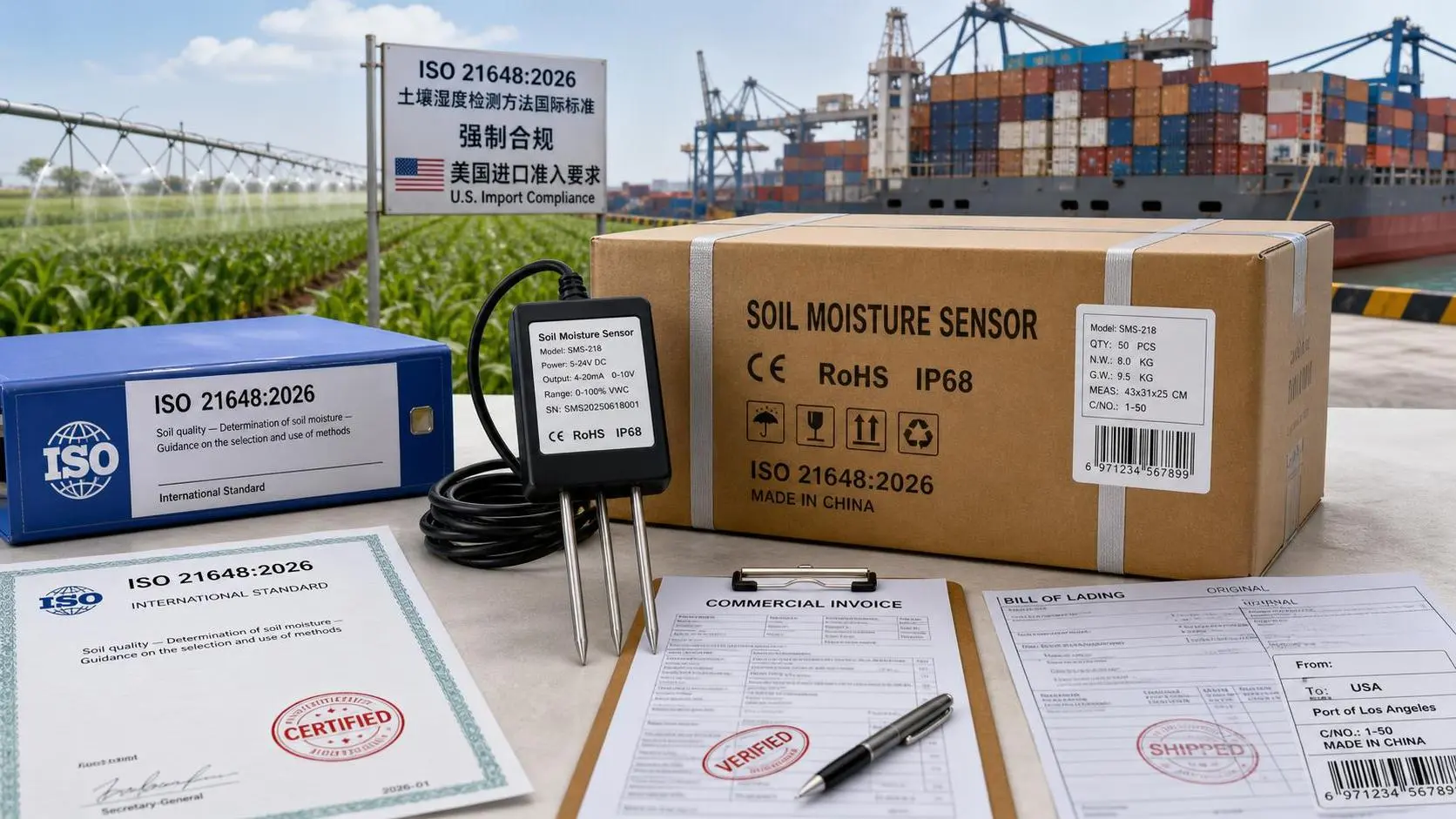
USDA Rule Makes ISO 21648:2026 Mandatory
USDA Rule Makes ISO 21648:2026 Mandatory for soil moisture sensors entering the U.S. Learn how the new USDA import compliance guide impacts certification, CBP entry, suppliers, and delivery plans.
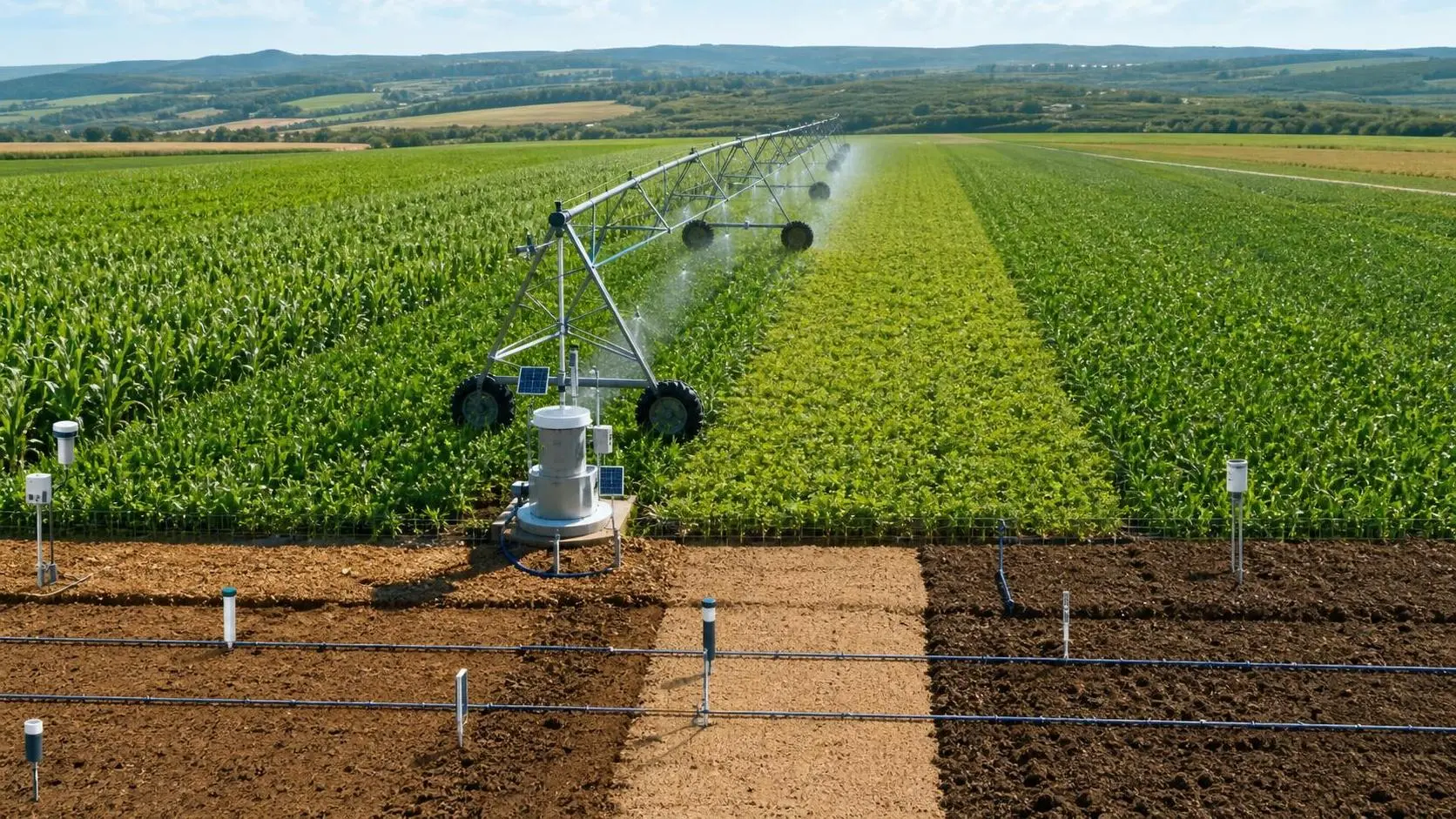
How Digital Farming Improves Irrigation Planning With Soil Data and GPS Mapping
Digital farming for irrigation planning turns soil data and GPS mapping into smarter watering decisions, helping farms reduce waste, improve field precision, and boost operational efficiency.
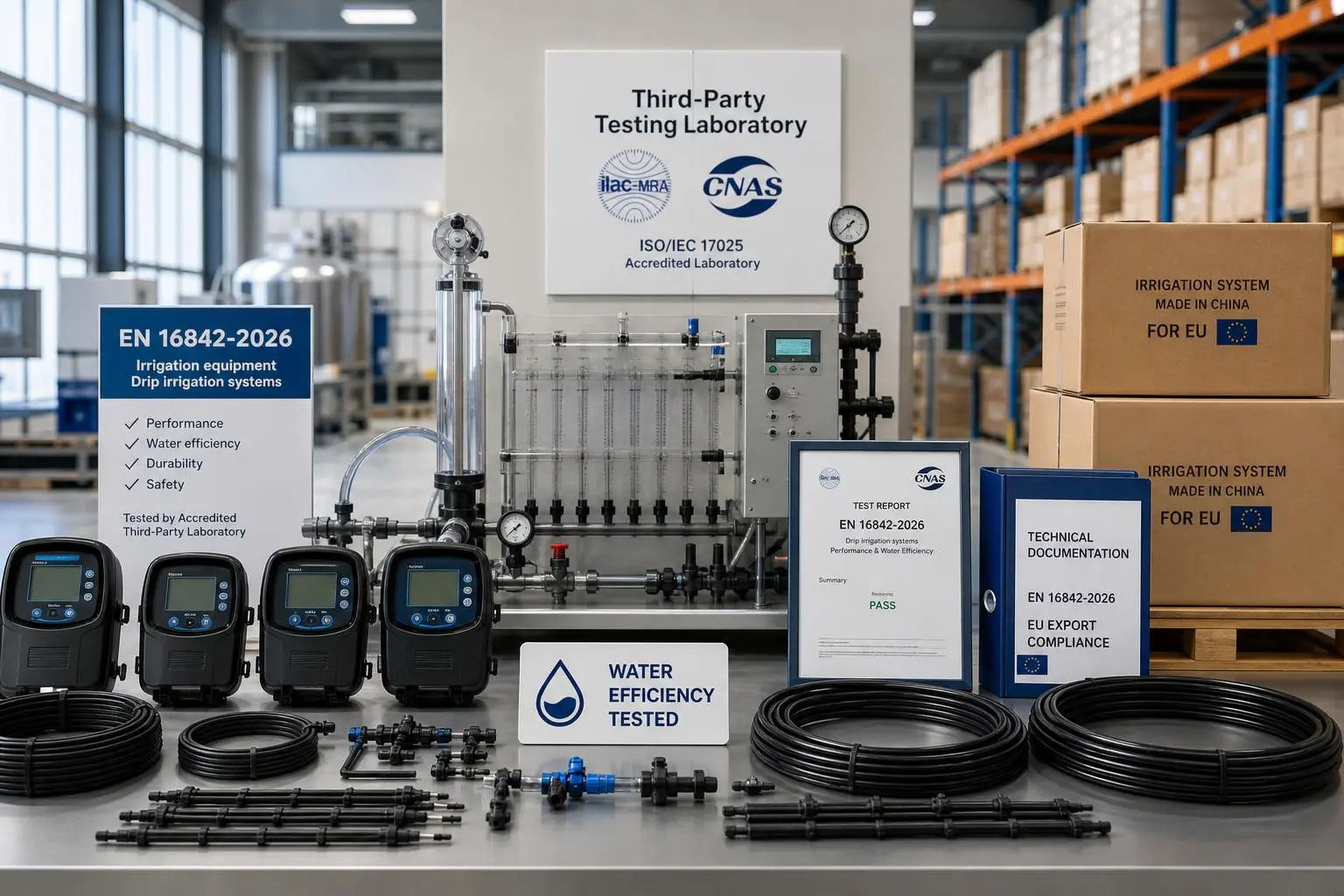
EU Rule Takes Effect: EN 16842-2026 Required for Drip Irrigation Logic Exports
EN 16842-2026 now makes third-party certification mandatory for Drip Irrigation Logic exports to the EU. Learn the compliance risks, customs impact, and supplier checks now.

How to Evaluate Autonomous Machinery for Vineyards by Terrain, Tasks, and ROI
Autonomous machinery for vineyards: learn how to evaluate terrain fit, task suitability, safety, and ROI to choose the right solution and reduce procurement risk.
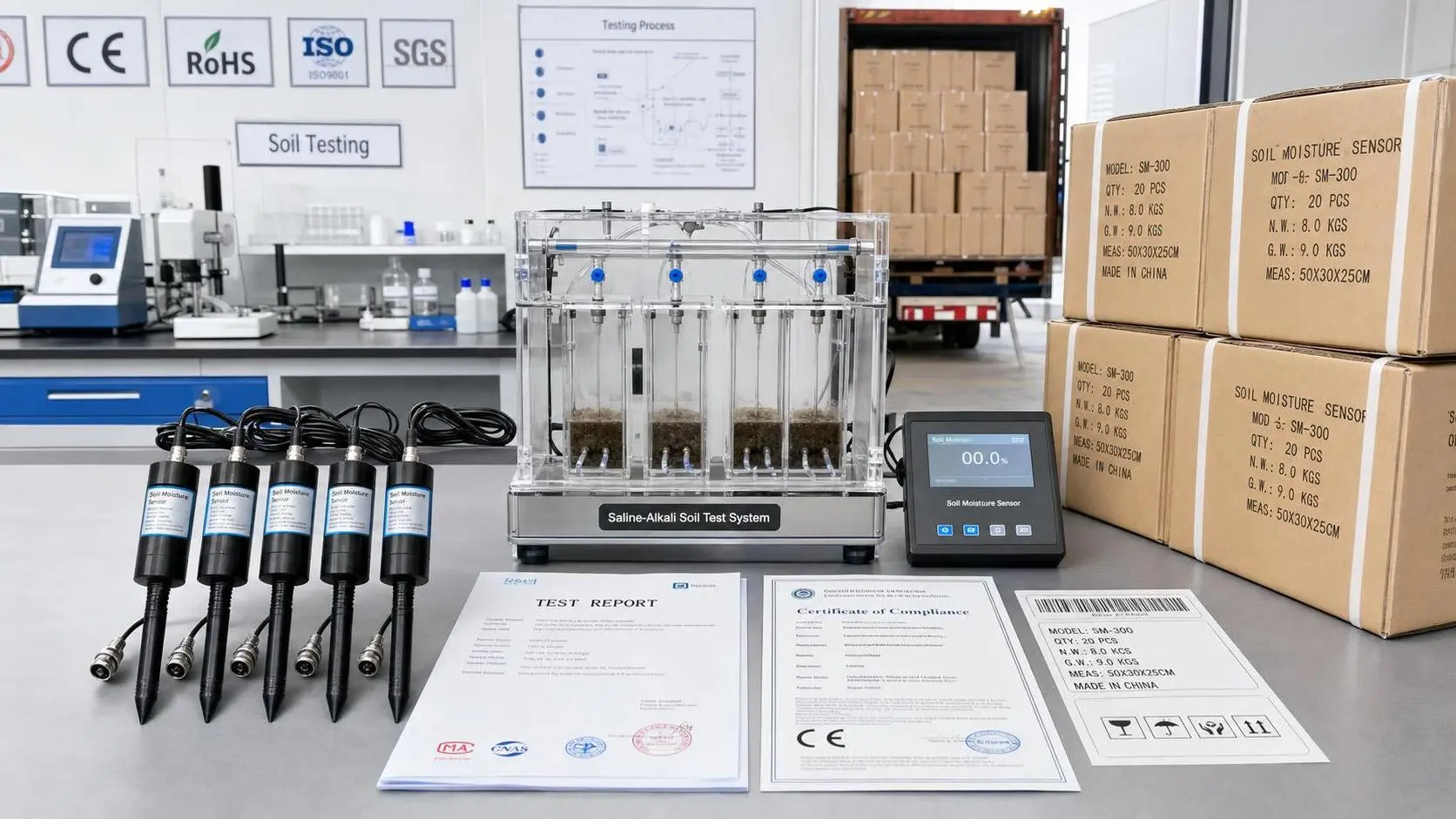
USDA Tightens Import Rules for Soil Moisture Sensors
Soil Moisture Sensors face new USDA import rules from Oct. 1, 2026. Learn how ISO 11274-3:2026 testing may impact customs clearance, lead times, and supplier planning.
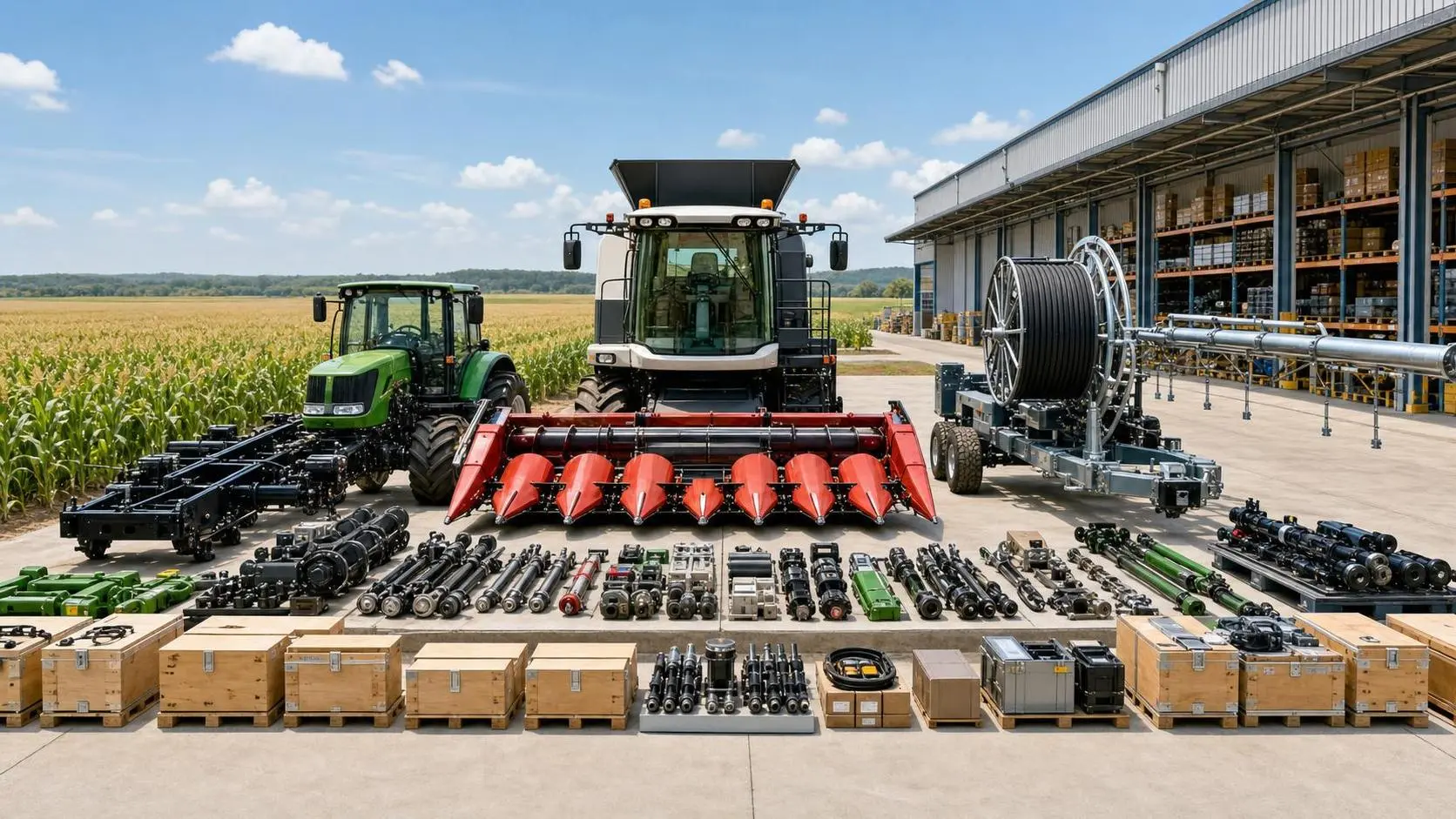
How to Use a Global Agricultural Equipment Directory to Compare Suppliers and Reduce Sourcing Risk
Agricultural equipment directory global sourcing starts with smarter supplier comparison. Learn how to assess fit, compliance, support, and market readiness to reduce sourcing risk.

EU CE Guide Adds RTK Interference Tests for GPS Systems
EU CE Guide update adds RTK interference tests for GPS systems from Oct 1, 2026. Learn compliance impacts, CE timing, testing costs, and what exporters must prepare now.
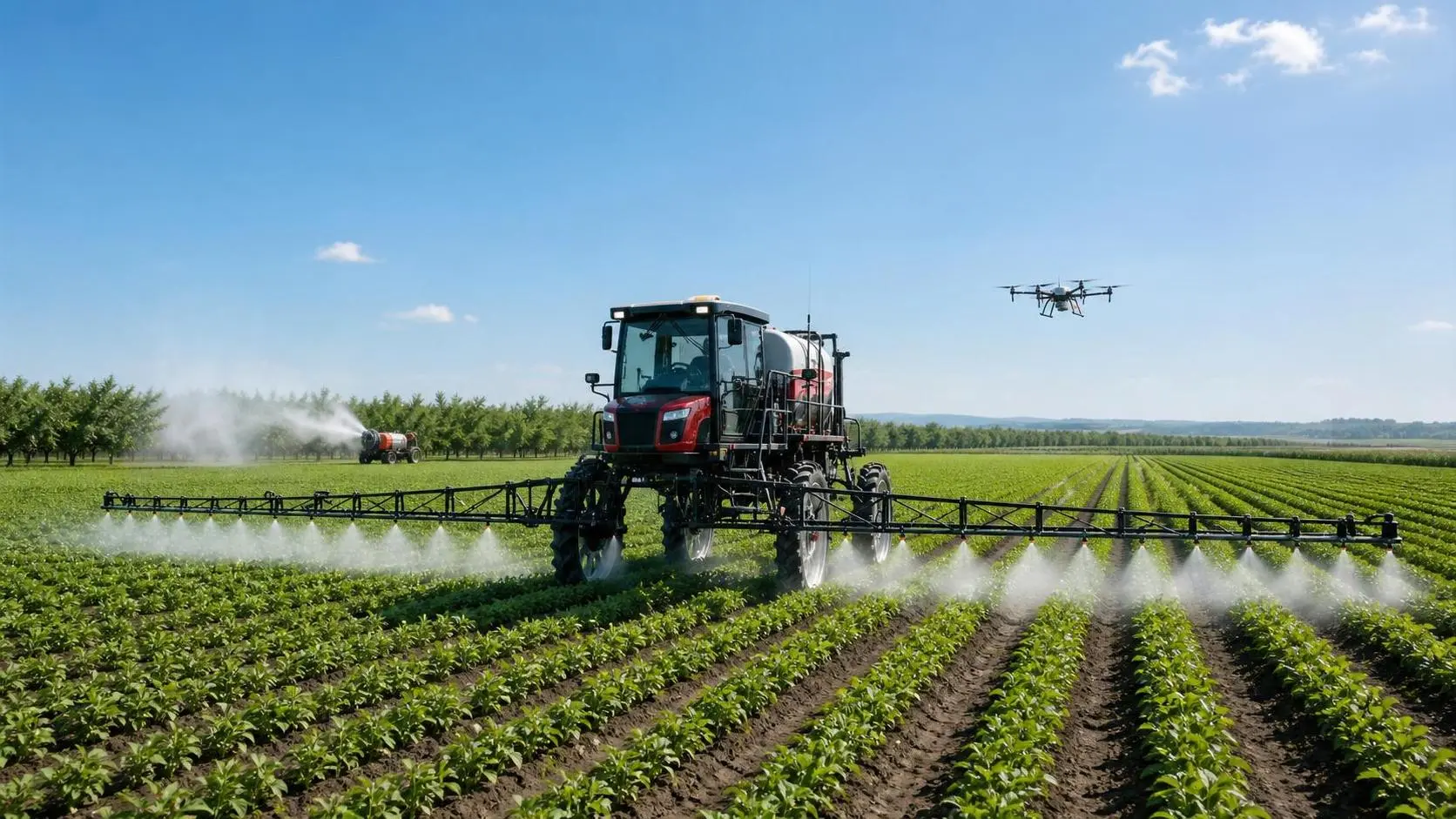
Spraying Equipment Industry Category Guide: Types, Applications, and Buying Factors
Industry category guides spraying equipment: explore types, applications, precision features, and key buying factors to choose smarter sprayers for efficiency, compliance, and farm performance.
Related News
- 00
0000-00
Vietnam Mandates Vietnamese Energy Labels for Imported Threshing Systems - 00
0000-00
Crop Harvesting Solutions for Wheat: Which System Fits Yield, Moisture, and Field Size? - 00
0000-00
ANVISA Extends Threshing Systems Filing Window - 00
0000-00
Agricultural Machinery Intelligence for Combines: Key Functions, Sensors, and Upgrade Paths - 00
0000-00
Brazil ANVISA Adds Biosecurity Mapping Filing for Threshing Systems
Popular Tags
Harvesting Efficiency Expert
Weekly Insights
Stay ahead with our curated technology reports delivered every Monday.