
Combine Harvesting Technology Explained: Key Functions, Grain Loss Points, and Automation Options





Combine harvesting technology now shapes more than harvest speed. It influences grain quality, fuel efficiency, labor use, field timing, and the final economics of large-scale grain production.
That is why the topic receives close attention across the wider agri-equipment landscape. In an Agriculture 4.0 setting, mechanical performance and data-based control increasingly need to work as one system.
For platforms such as AP-Strategy, this makes combine harvesting technology a practical intelligence subject, not just a machinery topic. Harvest outcomes now connect field operations, sustainability targets, equipment investment, and global food security pressure.
What combine harvesting technology really covers
At its core, combine harvesting technology describes the integrated process of cutting, feeding, threshing, separating, cleaning, collecting, and unloading grain in one continuous operation.
The word “combine” matters because several formerly separate tasks are brought together inside one machine platform. Performance depends on how well each subsystem supports the next.
In practice, the system includes the header, feeder house, threshing unit, separation area, cleaning shoe, grain handling components, residue management, and control interface.
This is also why comparing machines by engine power alone is no longer enough. Throughput, grain protection, sensor quality, software logic, and operator assistance now matter just as much.
A process chain, not a single function
If crop flow becomes unstable at the front, losses and damage often appear later. A poorly matched header can overload threshing. An aggressive threshing setting can then increase broken grain and cleaning burden.
So, combine harvesting technology should be understood as a chain of cause and effect. Stable flow is usually the first condition for stable performance.
Why the industry is watching harvest systems more closely
Harvest windows are becoming tighter in many regions. Weather volatility, labor constraints, and variable crop moisture make timing more critical than before.
At the same time, grain prices and input costs keep pressure on every percentage point of recoverable yield. Small losses across large acreage quickly become a major business issue.
This explains the growing interest in loss monitoring, adaptive settings, and machine automation. The goal is not only higher capacity, but more consistent output across changing field conditions.
From AP-Strategy’s broader perspective, this aligns with the same transition seen in tractor chassis, intelligent tools, and irrigation systems: machines are expected to become more responsive, measurable, and resource-aware.
Key functions that determine harvesting performance
Different combine designs vary by crop focus, regional conditions, and machine scale. Even so, several functions consistently define overall harvesting quality.
Header and crop intake
The header sets the tone for the entire operation. It cuts the crop, guides material inward, and determines how evenly biomass enters the machine.
Poor reel adjustment, incorrect cutting height, or uneven feeding often creates shatter loss before threshing even starts. In lodged crops, front-end control becomes even more important.
Threshing and separation
Threshing removes grain from heads, pods, or ears. Separation then pulls free grain away from straw and remaining crop material.
Rotor speed, concave clearance, and crop moisture strongly affect this stage. Too little threshing leaves unthreshed grain. Too much threshing increases cracking, fines, and power demand.
Cleaning and grain handling
After separation, the cleaning system uses airflow and sieves to remove chaff and impurities. This stage determines sample cleanliness and influences marketability.
When fan speed or sieve settings are wrong, grain can be blown out with residue or carried back in excess volume. That reduces both capacity and consistency.
Clean grain handling also matters. Elevator performance, tank loading, and unloading efficiency affect turnaround time and reduce delays between field and transport operations.
Where grain loss usually happens
Grain loss is rarely a single-point issue. It usually appears at several stages, and the visible loss at the rear may begin with a wrong decision at the front.
A useful way to assess combine harvesting technology is to divide loss into categories rather than treating it as one number.
The most expensive mistake is often assuming all rear loss comes from cleaning. Sometimes the real issue is excessive ground speed or unstable crop feeding earlier in the system.
Conditions that change loss patterns
- Crop type and variety affect straw strength, grain attachment, and separation difficulty.
- Moisture shifts during the day can change threshing behavior within hours.
- Weed pressure increases non-grain material and stresses the cleaning shoe.
- Slopes and rough terrain can disturb airflow and grain distribution.
- Operator response time matters when field conditions change rapidly.
Where automation adds real value
Automation in combine harvesting technology is no longer limited to guidance lines or yield maps. It is increasingly focused on machine self-adjustment during active harvest.
The most useful systems reduce the gap between what the machine experiences and what the operator can manually correct in time.
Common automation options
- Auto header height and contour control for uneven surfaces and lodged crop.
- Feed rate management to balance throughput and loss risk.
- Automatic fan, sieve, rotor, or concave adjustments based on sensor inputs.
- Grain loss sensing with in-cab recommendations or closed-loop control.
- Telematics for remote diagnostics, fleet coordination, and performance review.
- Guidance, coverage mapping, and harvest data integration with farm software.
More advanced systems are starting to combine machine vision, crop sensing, and algorithm-based optimization. That direction fits the broader intelligence model followed by AP-Strategy across farm machinery categories.
Still, automation should be judged carefully. A feature is valuable only when it improves repeatable field performance, not when it simply adds interface complexity.
How to assess combine harvesting technology in business terms
A practical assessment should go beyond brochure capacity. The better question is how the machine performs across real crop variability, labor availability, and logistics pressure.
Usually, five dimensions deserve close review:
- Loss control under changing moisture and biomass conditions.
- Sample quality, including cracked grain and impurity levels.
- Ease of adjustment for different crops and field transitions.
- Data visibility for post-harvest analysis and machine benchmarking.
- Service access, parts support, and software update reliability.
This is where combine harvesting technology intersects with commercial intelligence. Machine decisions affect seasonal risk, ownership cost, utilization rates, and the economics of scale.
A useful comparison frame
When comparing platforms, it helps to separate headline capacity from effective capacity. The first is what a machine can do in ideal conditions. The second is what it sustains across the whole season.
For many operations, effective capacity is the more realistic measure because it captures downtime, adjustment burden, operator variability, and loss behavior.
What deserves attention next
The next stage of combine harvesting technology will likely center on adaptive automation, cleaner sensor feedback, and stronger links between machine settings and agronomic data.
That means harvesters will increasingly be evaluated as data-generating field systems, not only as mechanical units. Loss maps, moisture trends, residue patterns, and machine decisions will matter together.
A sensible next step is to build a review framework around actual crops, target throughput, field variability, and acceptable loss thresholds. From there, compare which combine harvesting technology options deliver measurable control rather than generic feature lists.
For ongoing market watching, the strongest signals usually come from the intersection of mechanics, algorithms, and sustainability. That is exactly where harvest performance is being redefined.
Related News
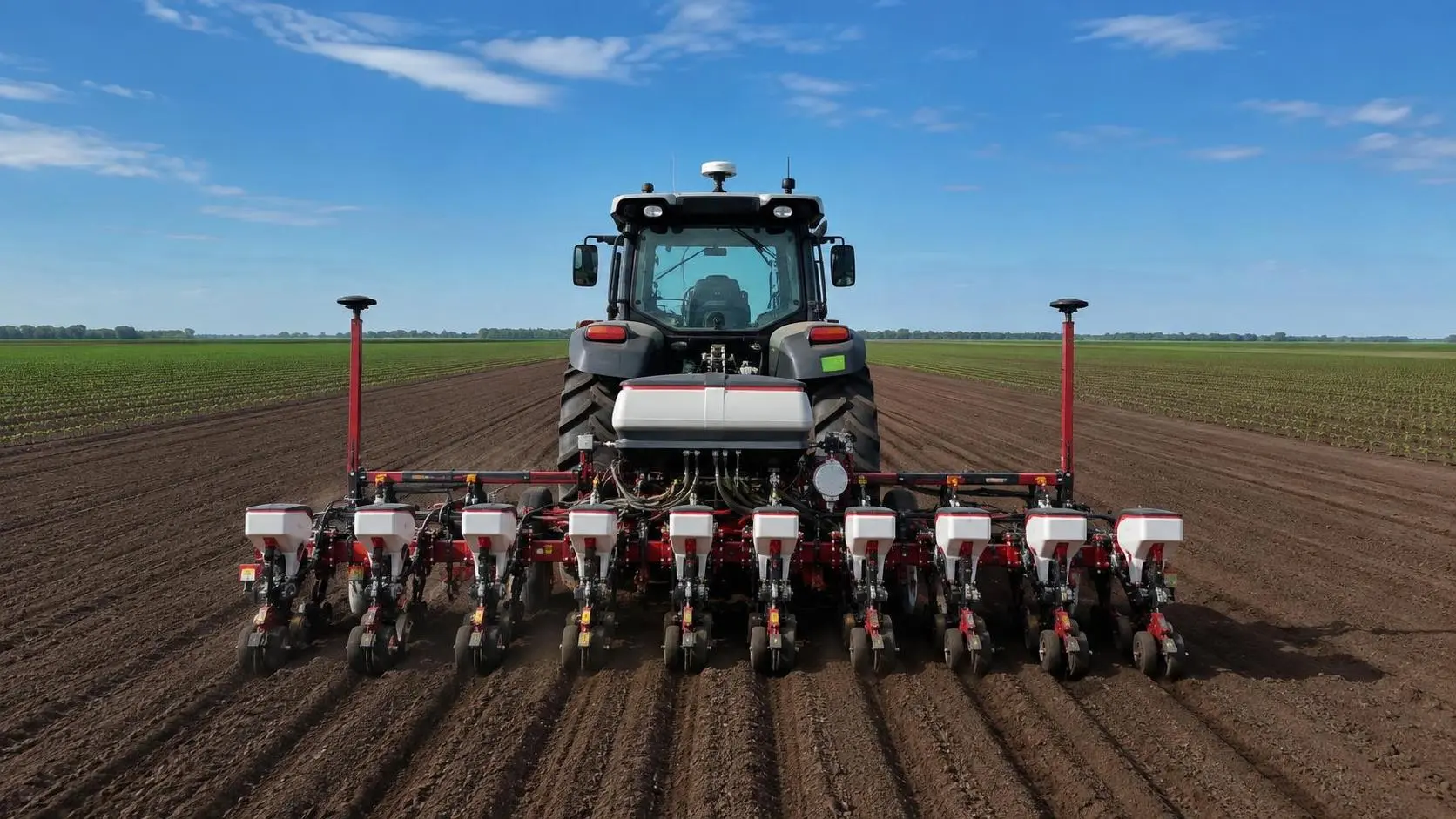
How Tractor Intelligence Systems Improve Field Efficiency and Input Accuracy
Agricultural machinery intelligence for tractors improves field efficiency, input accuracy, data traceability, and implement control. Explore smarter evaluation strategies.
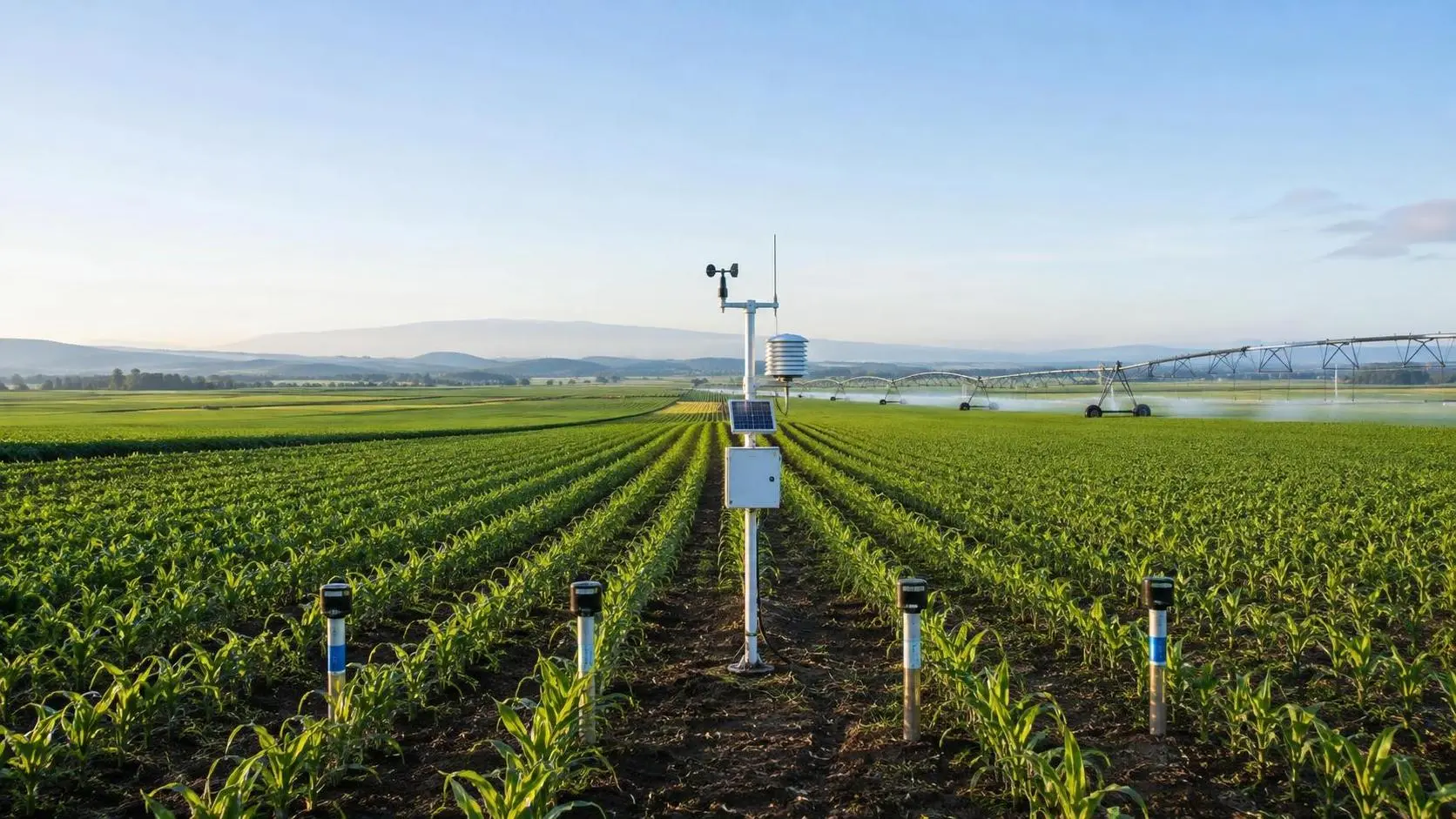
How to Evaluate Crop Monitoring System Manufacturers for Large-Scale Farms
Compare crop monitoring systems manufacturers for large-scale farms. Evaluate data quality, integration, durability, lifecycle costs, support, and pilots for smarter decisions.
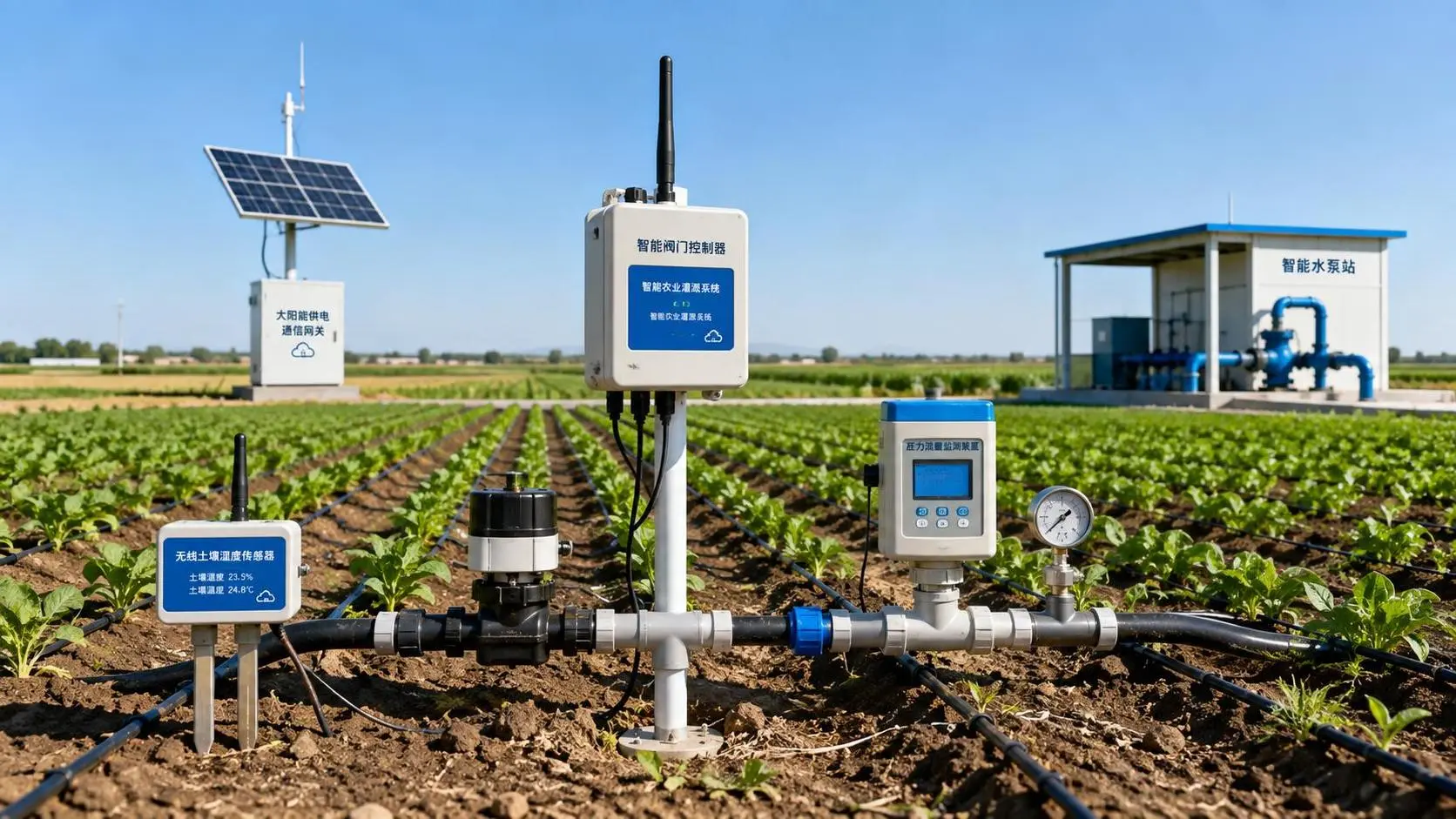
Wireless Agricultural Automation for Remote Irrigation and Field Monitoring
Agricultural automation wireless solutions improve remote irrigation with reliable field data, local control, flow verification, and smarter monitoring. Explore resilient deployment strategies.
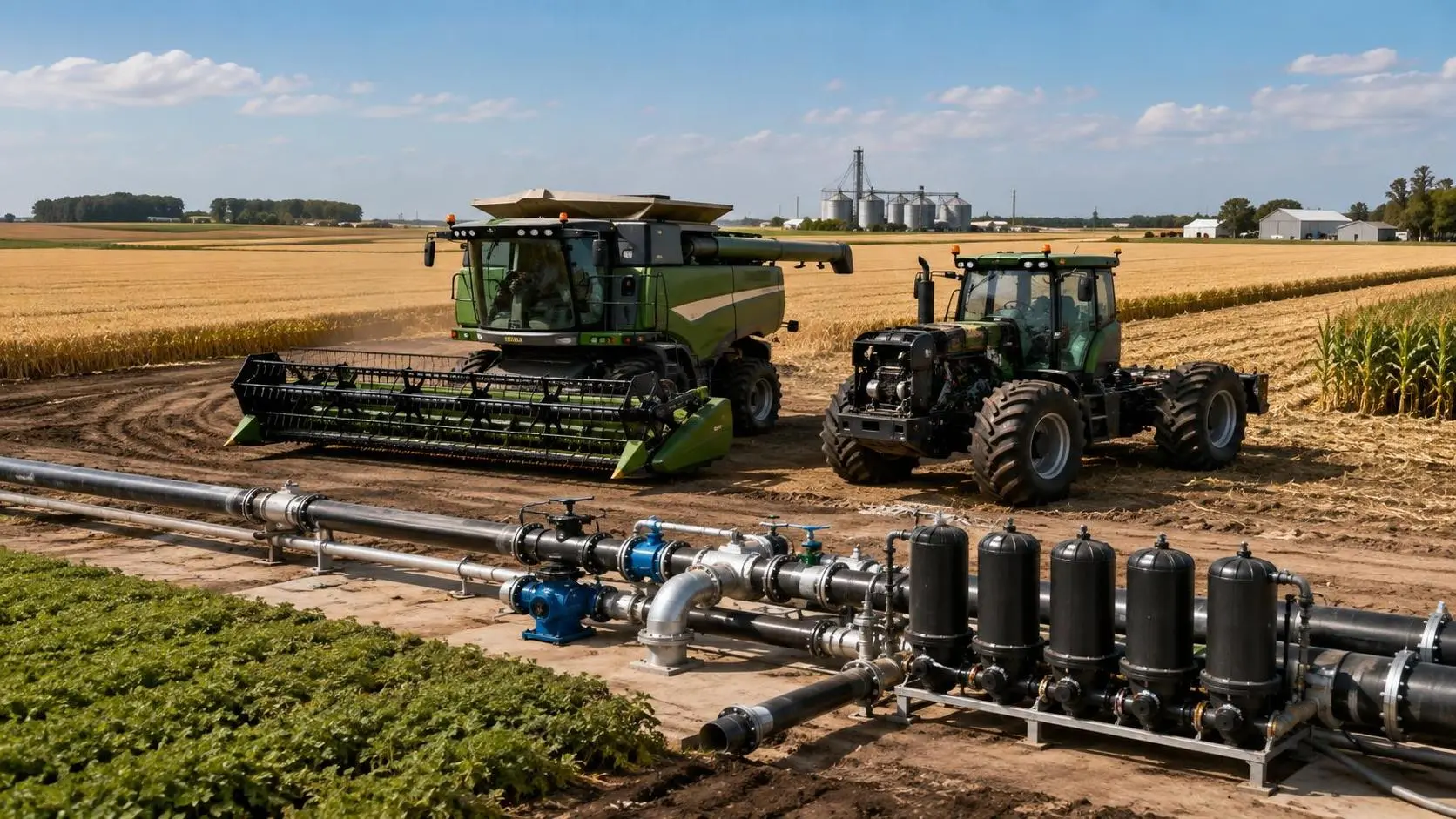
Agricultural Product Information Market Guide: Key Data for Sourcing Decisions
Agricultural product information market guide for smarter sourcing—compare machinery, irrigation, precision tools, lifecycle costs, and supplier risk.
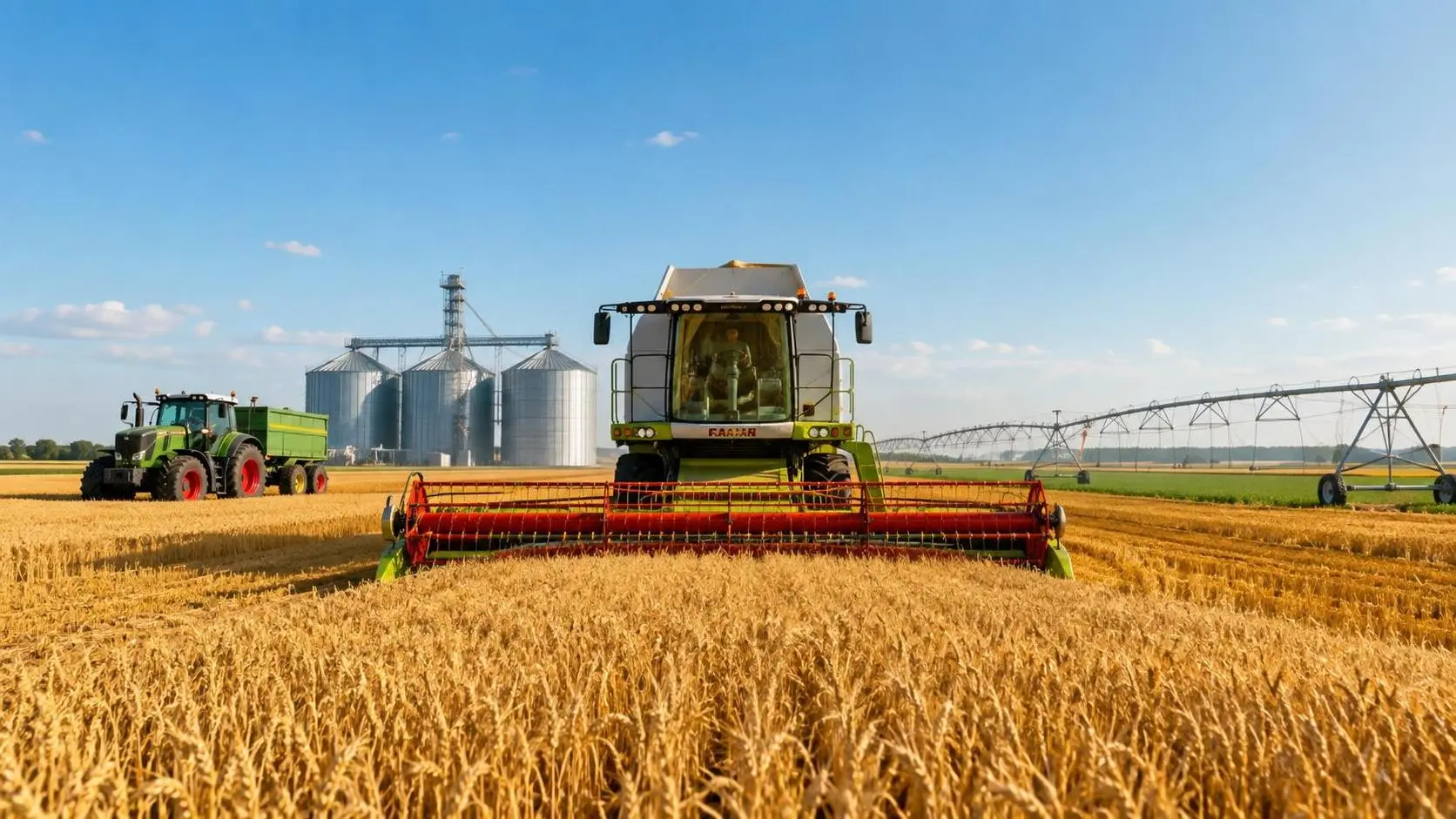
Large-Scale Farm Equipment Cost Comparison: Price, Fuel, and Lifecycle Value
Large-scale farm equipment cost comparison: evaluate price, fuel, maintenance, downtime, and lifecycle value to choose tractors, combines, irrigation, and smart tools with confidence.
A Procurement Specification Preparation Example for Buying Farm Equipment
Procurement specification preparation example for farm equipment: learn to define requirements, compare suppliers, control lifecycle costs, and buy with confidence.
What Tractor Horsepower Is Needed for a Three-Bottom Moldboard Plow?
What tractor horsepower is needed for three-bottom moldboard plow? Compare 60–100 hp needs by soil, depth, traction, and plow width for a confident equipment match.
How Does Climate-Smart Farming Reduce Water Use in Semi-Arid Areas?
How does climate-smart farming reduce water use in semi-arid zones? Discover precision irrigation, soil monitoring, and smarter crop planning for resilient yields.
Can Sustainable Farming Be Profitable Without Reducing Yields?
Are sustainable farming practices profitable without yield loss? Discover precision strategies that cut waste, protect yields, and improve farm margins.
Related News
- 00
0000-00
What Harvesting Machinery Works Best for Small Grains on Hills? - 00
0000-00
GRIMME Tianjin Signs to Join Changchun Agricultural Machinery Expo Center - 00
0000-00
Vietnam Mandates Vietnamese Energy Labels for Imported Threshing Systems - 00
0000-00
Crop Harvesting Solutions for Wheat: Which System Fits Yield, Moisture, and Field Size? - 00
0000-00
ANVISA Extends Threshing Systems Filing Window
Popular Tags
Harvesting Efficiency Expert
Weekly Insights
Stay ahead with our curated technology reports delivered every Monday.