
Sulfur Above CNY 10,000/Ton Pressures Threshing Systems Seals





On June 7, 2026, China’s industrial sulfur spot price reached CNY 10,280 per ton, up 23.6% year on year, as the global phosphate fertilizer peak season coincided with supply disruption in the Middle East. For the threshing systems supply chain, this matters because EPDM and NBR oil-resistant rubber sealing components are widely used and account for about 3.2% of complete-machine BOM cost, meaning raw material pressure is now moving closer to equipment pricing, supplier quotations, and procurement planning for Q3.
What Has Been Confirmed So Far
The confirmed market move is that domestic industrial-grade sulfur spot prices hit CNY 10,280 per ton on June 7. The stated drivers are the global phosphate fertilizer peak season and supply disruption in the Middle East. At the same time, raw material costs for EPDM and NBR oil-resistant rubber sealing components used in threshing systems have also risen. These sealing components account for roughly 3.2% of total machine BOM. Leading suppliers have already sent advance notices to overseas customers regarding Q3 price adjustments, with the average increase indicated at 8% to 12%. Some long-term contract customers are able to lock in the June average price through the end of August.
Where the Pressure May Appear Along the Chain
Suppliers of sealing components face the first round of pricing transmission
From an industry perspective, suppliers are the first group directly exposed to sulfur-linked cost pressure because EPDM and NBR sealing components are already seeing higher raw material costs. The most immediate impact appears in quotation management, export customer communication, and contract timing, especially where Q3 pricing notices have already been issued.
Equipment manufacturers need to watch BOM sensitivity and margin discipline
Analysis shows that complete-machine manufacturers using threshing systems may not see sulfur as a dominant cost item across the whole product, but the issue still deserves attention because the affected sealing components represent about 3.2% of BOM. The practical risk is less about a single raw material spike in isolation and more about whether component-level increases begin to erode margins or require selective pass-through into Q3 quotations.
Procurement teams and overseas buyers need to focus on timing windows
Observably, buyers are affected not only by the announced 8% to 12% adjustment range but also by the timing mechanism around long-term contracts. For customers that can lock the June average price through late August, purchasing rhythm, order confirmation, and contract execution become key variables. What deserves closer attention is whether companies have already secured volume under existing terms before Q3 adjustments take effect.
Supply chain service providers should track fulfillment stability
For supply chain and order coordination teams, the issue is not just price. They also need to monitor whether cost pressure changes lead times, confirmation cycles, or customer renegotiation frequency. Even without confirmed delivery disruption in the input information, the presence of advance price adjustment notices suggests that transaction execution may become more sensitive in the coming quarter.
What Companies Should Prioritize Now
Review contract clauses tied to Q3 quotations
Analysis shows that companies should first clarify which orders are exposed to the announced Q3 adjustment window and which customers still qualify for June average-price locking through the end of August. The distinction matters for budgeting, quote validity, and customer communication.
Separate confirmed cost changes from forward assumptions
What deserves closer attention is the difference between already confirmed facts and market expectations. The confirmed facts are the June 7 sulfur price level, the rise in seal raw material costs, the 8% to 12% Q3 notice range, and the availability of limited price-locking for some long-term contracts. Companies should avoid treating broader future price outcomes as settled before further supplier updates arrive.
Prepare customer communication around component-driven cost pressure
For manufacturers and exporters, a practical focus is how to explain the source of cost pressure clearly: not as a broad and undefined price increase, but as a component-linked adjustment tied to EPDM and NBR sealing parts used in threshing systems. This is especially relevant for overseas customers already receiving supplier notices.
Track execution details in long-term supply arrangements
Observably, the most actionable area may be long-term agreements. Companies should verify supplier qualification status, applicable order documentation, price-lock conditions, and fulfillment timing to determine whether existing arrangements truly protect procurement costs through the stated late-August window.
Why This Matters Beyond a Single Price Print
Analysis shows that this development should not be read only as a one-day commodity headline. It also signals how upstream sulfur volatility can travel into a specific industrial component category and then into equipment-sector pricing decisions. At the same time, it is more appropriate to understand the current situation as an active pricing signal rather than a fully settled market outcome, because the input information confirms supplier notices and adjustment ranges, but not the final breadth of implementation across all buyers and contracts.
How to Read the Signal at This Stage
From an industry perspective, the current development is best understood as a near-term cost transmission event with broader implications worth monitoring. The facts already point to pressure on EPDM and NBR sealing component pricing in threshing systems and a likely Q3 adjustment path for some overseas customers. However, it still requires continued observation before being treated as a complete reset of sector-wide pricing, since actual impact will depend on contract structure, procurement timing, and how widely the announced increases are executed.
Basis of This Article and What Still Needs Verification
This article is generated based on the user-provided news title, event date, and event summary. Information of this kind is typically cross-checked against source categories such as official statements, company notices, industry association updates, authoritative media coverage, and standard-setting documents. No specific official source link was provided in the input, so further verification remains necessary. The next points to monitor are whether Q3 price adjustments are implemented in the stated 8% to 12% range, how many long-term customers secure June average-price terms through the end of August, and whether cost pressure remains concentrated in sealing components or expands into broader procurement discussions.
Related News
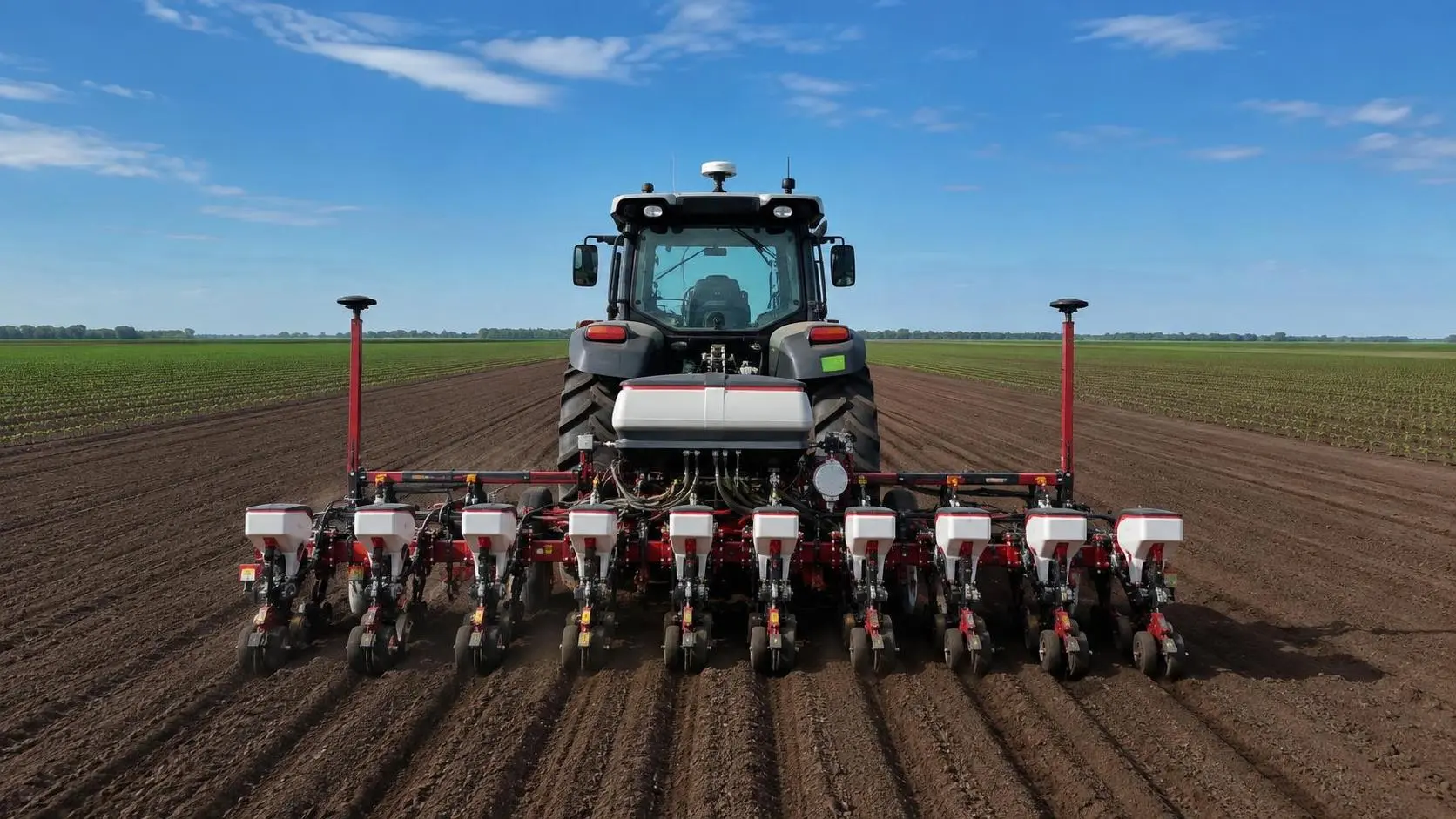
How Tractor Intelligence Systems Improve Field Efficiency and Input Accuracy
Agricultural machinery intelligence for tractors improves field efficiency, input accuracy, data traceability, and implement control. Explore smarter evaluation strategies.

How to Evaluate Crop Monitoring System Manufacturers for Large-Scale Farms
Compare crop monitoring systems manufacturers for large-scale farms. Evaluate data quality, integration, durability, lifecycle costs, support, and pilots for smarter decisions.
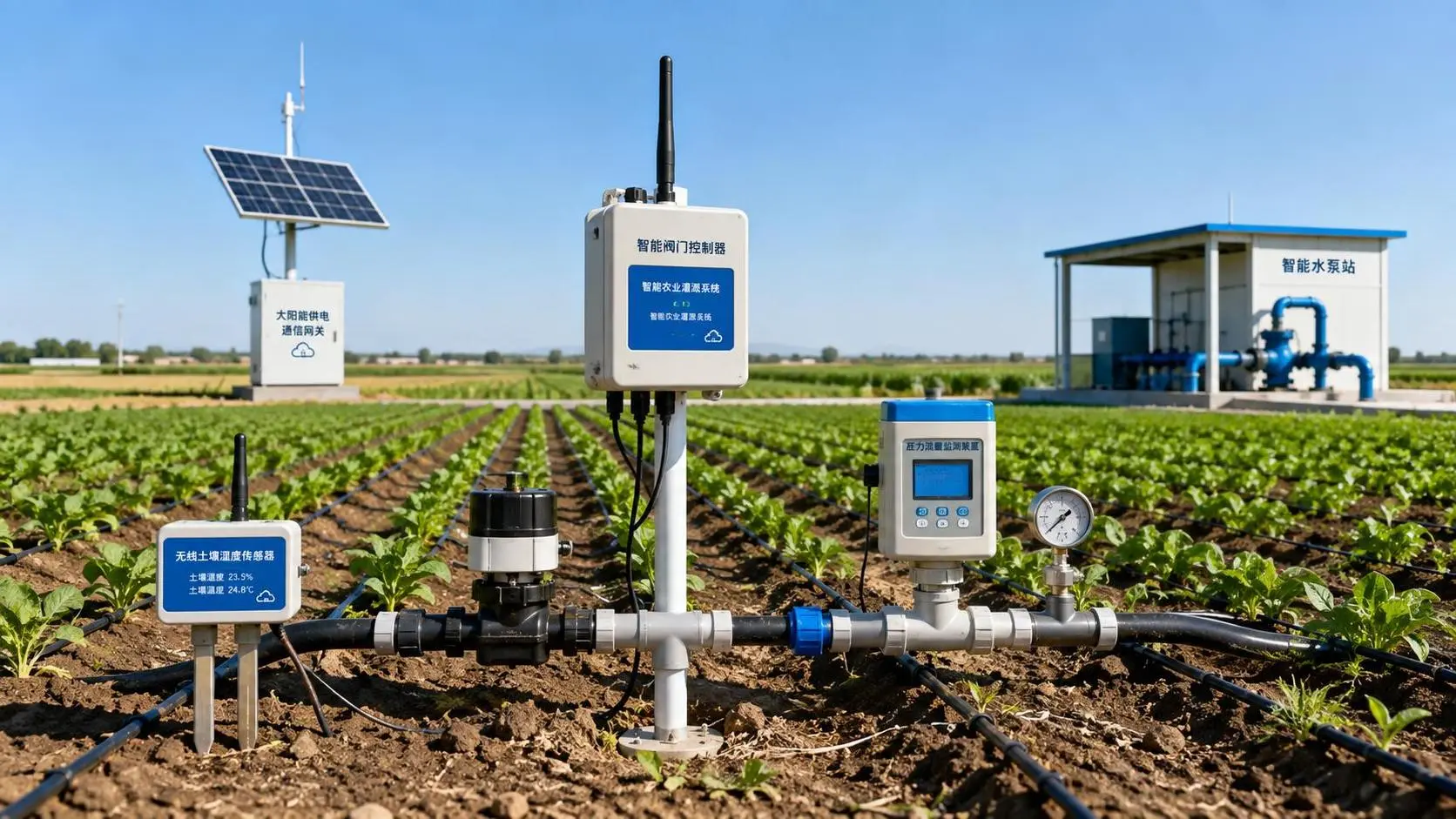
Wireless Agricultural Automation for Remote Irrigation and Field Monitoring
Agricultural automation wireless solutions improve remote irrigation with reliable field data, local control, flow verification, and smarter monitoring. Explore resilient deployment strategies.
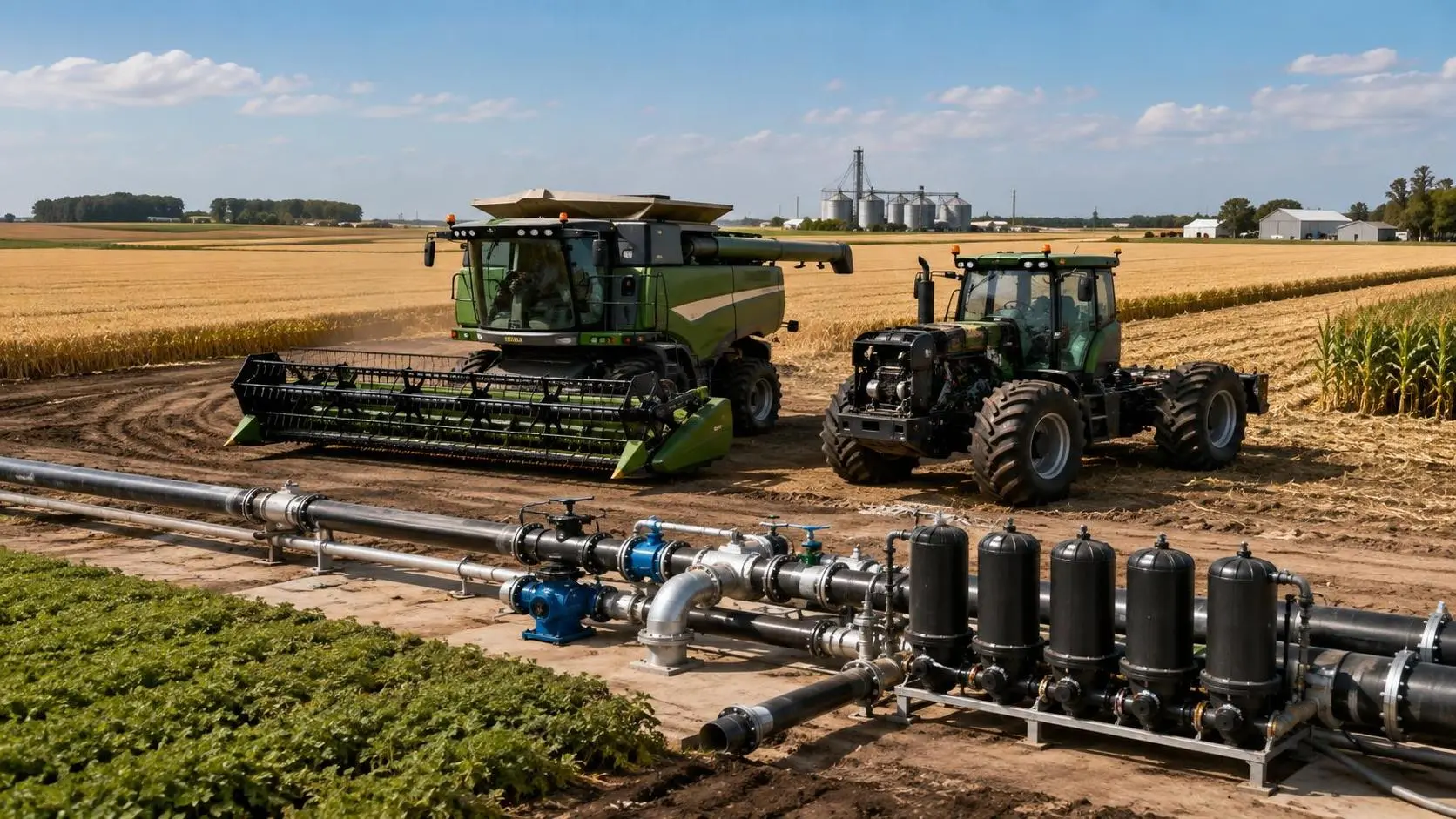
Agricultural Product Information Market Guide: Key Data for Sourcing Decisions
Agricultural product information market guide for smarter sourcing—compare machinery, irrigation, precision tools, lifecycle costs, and supplier risk.
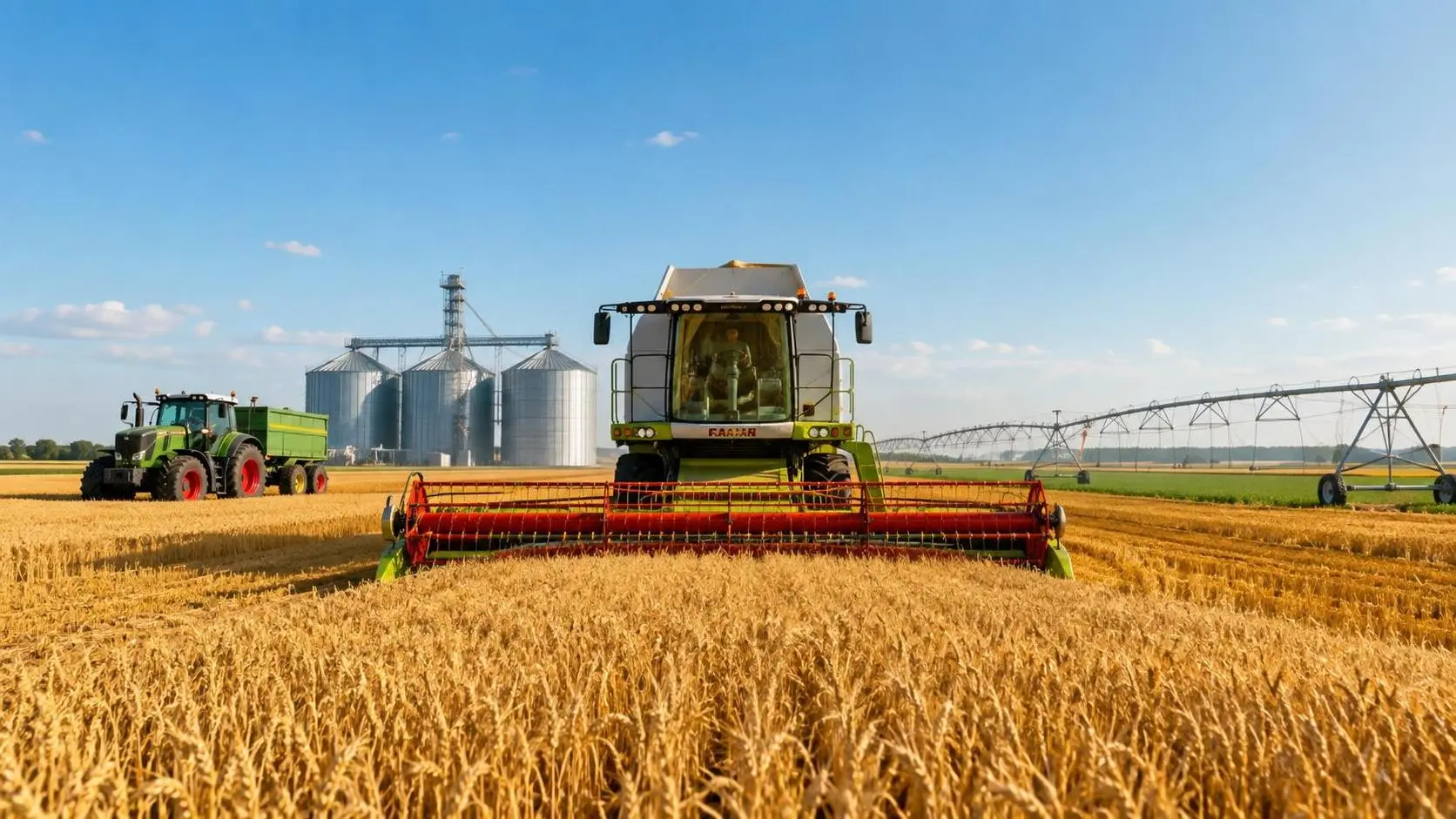
Large-Scale Farm Equipment Cost Comparison: Price, Fuel, and Lifecycle Value
Large-scale farm equipment cost comparison: evaluate price, fuel, maintenance, downtime, and lifecycle value to choose tractors, combines, irrigation, and smart tools with confidence.

A Procurement Specification Preparation Example for Buying Farm Equipment
Procurement specification preparation example for farm equipment: learn to define requirements, compare suppliers, control lifecycle costs, and buy with confidence.

What Tractor Horsepower Is Needed for a Three-Bottom Moldboard Plow?
What tractor horsepower is needed for three-bottom moldboard plow? Compare 60–100 hp needs by soil, depth, traction, and plow width for a confident equipment match.

How Does Climate-Smart Farming Reduce Water Use in Semi-Arid Areas?
How does climate-smart farming reduce water use in semi-arid zones? Discover precision irrigation, soil monitoring, and smarter crop planning for resilient yields.
Can Sustainable Farming Be Profitable Without Reducing Yields?
Are sustainable farming practices profitable without yield loss? Discover precision strategies that cut waste, protect yields, and improve farm margins.
Related News
- 00
0000-00
What Harvesting Machinery Works Best for Small Grains on Hills? - 00
0000-00
GRIMME Tianjin Signs to Join Changchun Agricultural Machinery Expo Center - 00
0000-00
Vietnam Mandates Vietnamese Energy Labels for Imported Threshing Systems - 00
0000-00
Crop Harvesting Solutions for Wheat: Which System Fits Yield, Moisture, and Field Size? - 00
0000-00
ANVISA Extends Threshing Systems Filing Window
Popular Tags
Harvesting Efficiency Expert
Weekly Insights
Stay ahead with our curated technology reports delivered every Monday.