
Sulfur Price Spike Pressures Rubber Parts Costs





On June 7, 2026, the domestic spot sulfur price moved above RMB 10,000 per ton as global sulfur supply tightened, creating an immediate cost signal for vulcanized rubber components used by Threshing Systems. For exporters, procurement teams, and delivery planners, the issue is not only the raw material increase itself, but also the way it affects quotation validity, order timing, and execution discipline for Q3 business, especially where overseas customers are still negotiating price-sensitive contracts.
What the June 7 price move confirms
Confirmed information shows that the domestic spot sulfur price exceeded RMB 10,000 per ton on June 7, 2026, rising by more than RMB 2,000 per ton from the beginning of the month due to tighter global sulfur supply.
For Threshing Systems, the expected procurement cost of sulfur-vulcanized rubber parts, including high-temperature rubber sealing rings and transmission belts, is projected to increase by 12% to 15%.
The same development has already affected the stability of quotation levels for some export orders. Customers in the Middle East and South America are advised to lock in Q3 order pricing before July in order to avoid the expected repricing window in the third quarter.
Why the change matters across contracts and delivery execution
Export quotations face a narrower validity window
From an industry perspective, exporters are likely to feel the impact first because sulfur-linked rubber components are embedded in final equipment pricing. When component costs rise within a short period, quotation stability becomes harder to maintain, particularly for orders that remain unsigned while material costs are moving. What deserves closer attention is whether existing commercial documents, quotation terms, and order confirmation language still provide enough protection against fast raw-material adjustments.
Procurement teams need tighter control over component timing
Analysis shows that procurement functions may be affected at the level of purchase timing, supplier coordination, and Q3 material planning. Where high-temperature seals, belts, or other vulcanized rubber parts are necessary for production continuity, buyers need to pay closer attention to lead-time assumptions, price-lock arrangements, and document consistency between purchasing records and sales commitments.
Manufacturing and delivery planning may absorb the pressure differently
Observably, manufacturers are exposed not only through higher part costs but also through possible pressure on delivery scheduling if quotation revisions and procurement decisions do not move in step. In practical terms, the affected business links are specification-based purchasing, export order costing, and shipment planning for contracts that depend on sulfur-cured rubber parts.
Overseas buyers and channel partners face trade execution risk
For buyers and distribution partners in overseas markets, the main issue is trade execution rather than policy interpretation in a narrow legal sense. If Q3 prices are not fixed before the indicated window, the risk shifts to renegotiation, amended order terms, or delayed purchase decisions. This makes contract timing and document clarity more important than usual.
Operational points companies should watch now
Review quotation and contract wording
Analysis shows that companies should check whether quotation validity periods, price adjustment clauses, and order confirmation terms are still aligned with current material volatility. This is especially relevant for export business already showing reduced quotation stability.
Prioritize affected rubber component categories
What deserves closer attention is the subset of products most directly linked to sulfur-vulcanized rubber inputs, such as high-temperature sealing rings and transmission belts. Firms should identify where these parts sit in current Q3 orders and whether they are tied to firm delivery commitments.
Strengthen procurement-document coordination
Observably, closer alignment is needed between procurement records, technical specifications, and customer-facing commercial documents. If suppliers revise terms or validity periods, those changes should be reflected promptly in internal costing and external offers to reduce execution disputes.
Watch export timing before the Q3 repricing window
From an industry perspective, the clearest immediate action point is order timing. The input information indicates that customers in the Middle East and South America should lock Q3 pricing before July. Companies serving those markets should therefore monitor open quotations, pending confirmations, and delivery commitments with extra care.
How this signal is best understood at this stage
Analysis shows that this development is more appropriately understood as an execution signal rather than a fully defined regulatory event with published implementing rules. The rule-related significance comes from how pricing discipline, contract terms, procurement controls, and delivery commitments must adapt when a key industrial input moves sharply within a short window.
Observably, the market still needs to watch how companies reflect this pressure in tender documents, technical-commercial alignment, and export quotation practices. The current information confirms cost pressure and trade timing implications, but it does not by itself establish a broader finalized rule framework beyond those immediate business effects.
What the market can conclude for now
The June 7 sulfur price break above RMB 10,000 per ton matters because it has already translated into expected cost increases for sulfur-vulcanized rubber components used by Threshing Systems and has begun to affect export quotation stability. From an industry perspective, this is best read as a near-term operating and trade-control issue: companies should focus on quotation validity, procurement coordination, and Q3 order timing, while avoiding assumptions that go beyond the confirmed facts.
Basis of this article and points requiring further verification
This article is generated from the user-provided news title, event date, and event summary. For developments of this kind, relevant source categories typically include official notices, regulatory releases, customs or trade authority information, industry association updates, standards documents, and reporting by authoritative media. No specific official source link was provided in the input, so further verification is still required. What still needs continued observation includes any later policy detail, compliance interpretation, tender-document changes, market feedback, and how companies ultimately execute procurement, pricing, and delivery decisions.
Related News

How Tractor Intelligence Systems Improve Field Efficiency and Input Accuracy
Agricultural machinery intelligence for tractors improves field efficiency, input accuracy, data traceability, and implement control. Explore smarter evaluation strategies.

How to Evaluate Crop Monitoring System Manufacturers for Large-Scale Farms
Compare crop monitoring systems manufacturers for large-scale farms. Evaluate data quality, integration, durability, lifecycle costs, support, and pilots for smarter decisions.
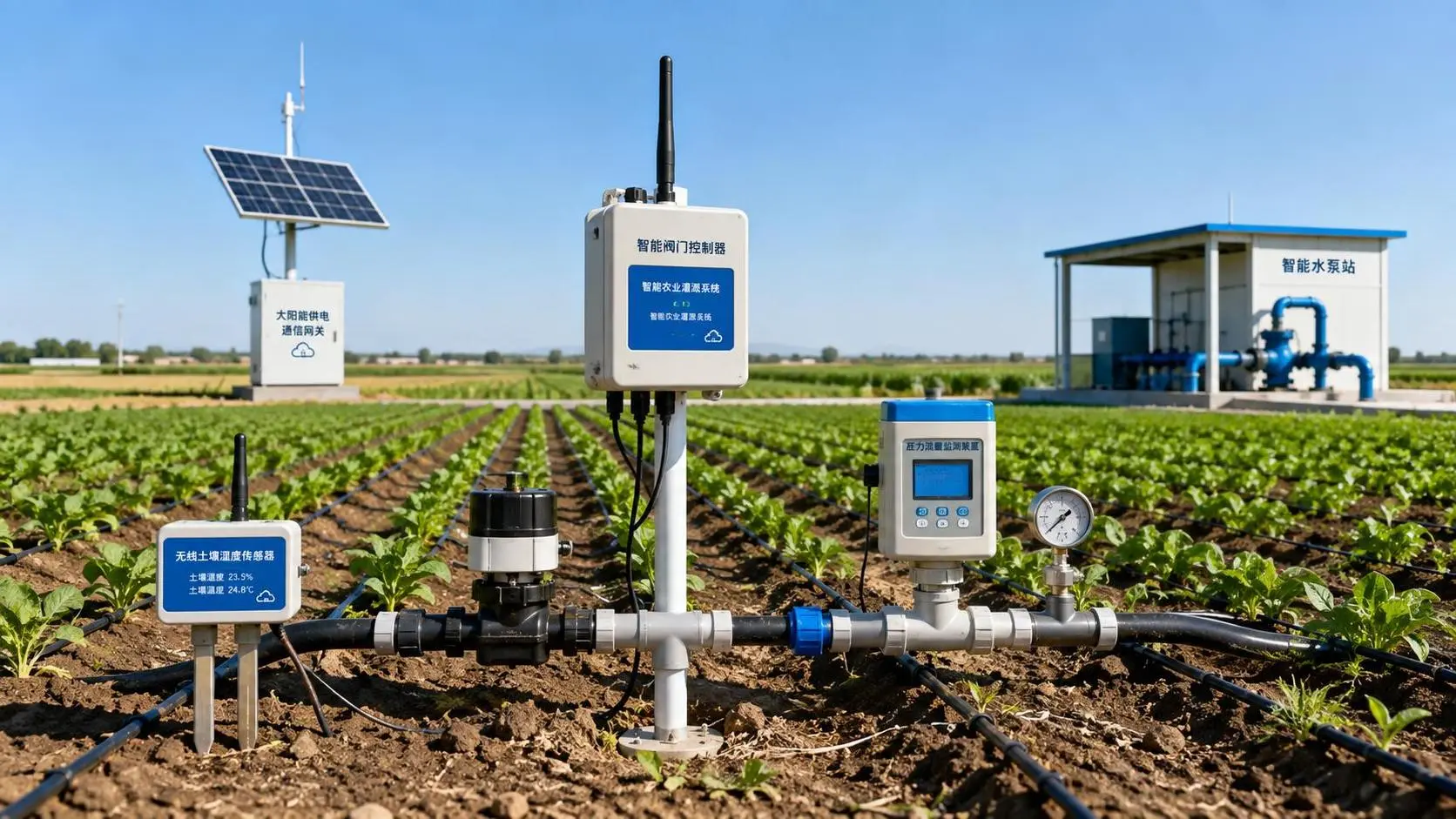
Wireless Agricultural Automation for Remote Irrigation and Field Monitoring
Agricultural automation wireless solutions improve remote irrigation with reliable field data, local control, flow verification, and smarter monitoring. Explore resilient deployment strategies.
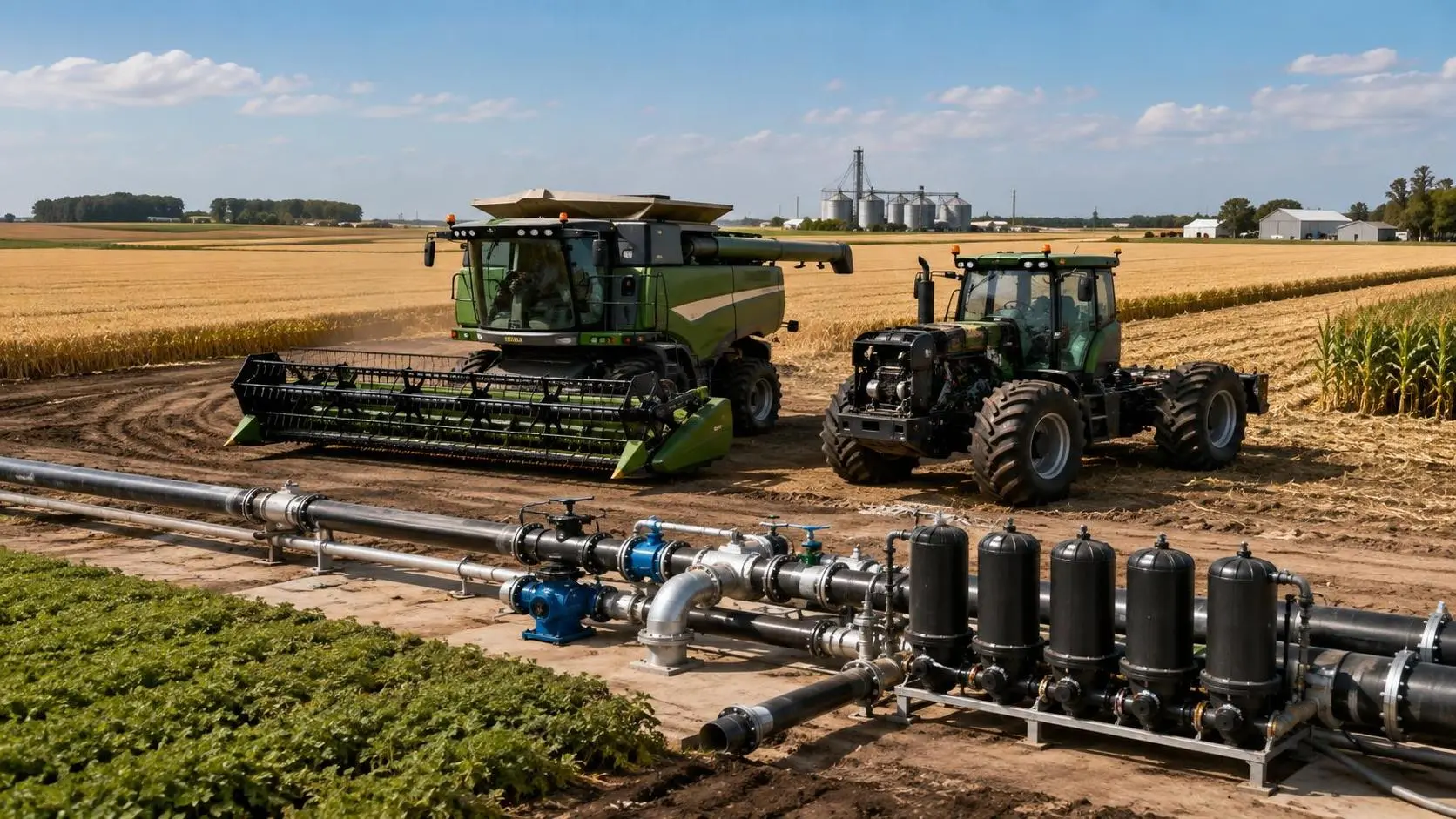
Agricultural Product Information Market Guide: Key Data for Sourcing Decisions
Agricultural product information market guide for smarter sourcing—compare machinery, irrigation, precision tools, lifecycle costs, and supplier risk.

Large-Scale Farm Equipment Cost Comparison: Price, Fuel, and Lifecycle Value
Large-scale farm equipment cost comparison: evaluate price, fuel, maintenance, downtime, and lifecycle value to choose tractors, combines, irrigation, and smart tools with confidence.

A Procurement Specification Preparation Example for Buying Farm Equipment
Procurement specification preparation example for farm equipment: learn to define requirements, compare suppliers, control lifecycle costs, and buy with confidence.

What Tractor Horsepower Is Needed for a Three-Bottom Moldboard Plow?
What tractor horsepower is needed for three-bottom moldboard plow? Compare 60–100 hp needs by soil, depth, traction, and plow width for a confident equipment match.

How Does Climate-Smart Farming Reduce Water Use in Semi-Arid Areas?
How does climate-smart farming reduce water use in semi-arid zones? Discover precision irrigation, soil monitoring, and smarter crop planning for resilient yields.

Can Sustainable Farming Be Profitable Without Reducing Yields?
Are sustainable farming practices profitable without yield loss? Discover precision strategies that cut waste, protect yields, and improve farm margins.
Related News
- 00
0000-00
What Harvesting Machinery Works Best for Small Grains on Hills? - 00
0000-00
GRIMME Tianjin Signs to Join Changchun Agricultural Machinery Expo Center - 00
0000-00
Vietnam Mandates Vietnamese Energy Labels for Imported Threshing Systems - 00
0000-00
Crop Harvesting Solutions for Wheat: Which System Fits Yield, Moisture, and Field Size? - 00
0000-00
ANVISA Extends Threshing Systems Filing Window
Popular Tags
Harvesting Efficiency Expert
Weekly Insights
Stay ahead with our curated technology reports delivered every Monday.