
How to compare crop harvesting solutions without overbuying
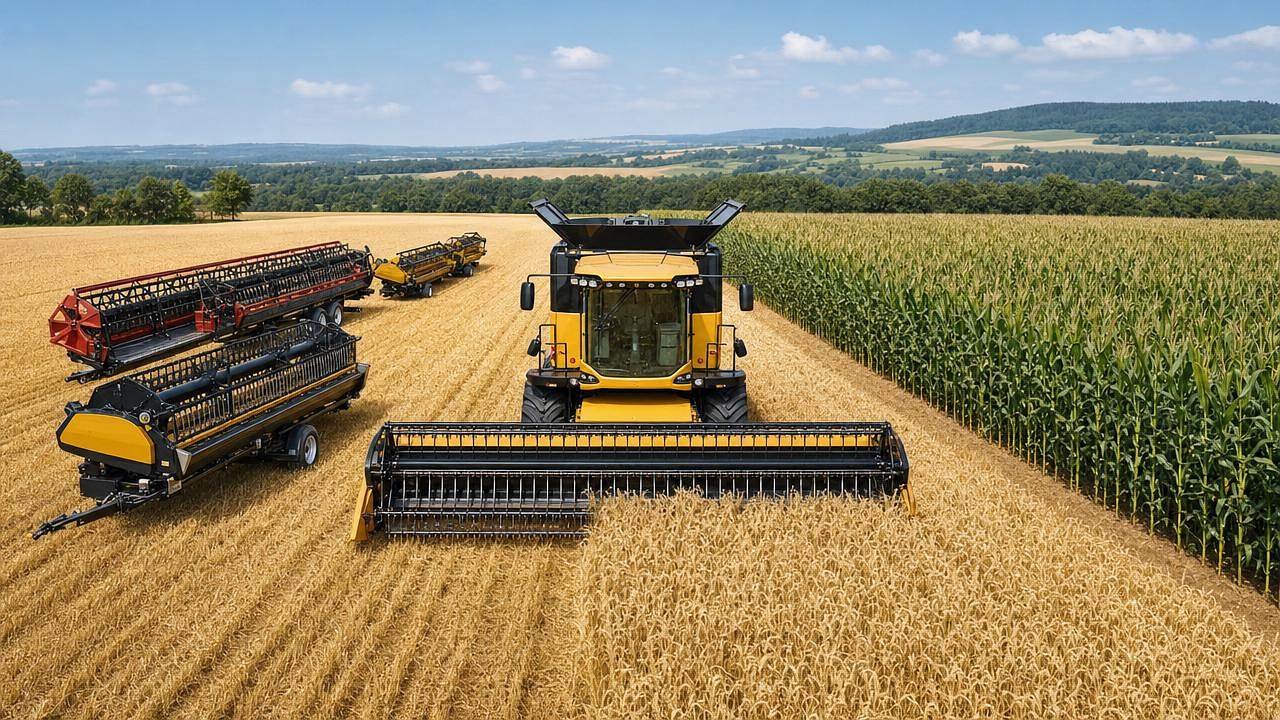




Choosing among crop harvesting solutions can be costly if you focus on size, features, or brand prestige instead of field-fit performance. For procurement teams, the smarter path is comparing capacity, crop compatibility, loss control, service support, and total lifecycle cost before committing capital. This guide helps you evaluate options with a practical, data-driven lens so you can secure efficient harvesting results without overbuying.
In large-scale agriculture, overbuying often starts with a simple assumption: bigger machines must deliver better value. In reality, crop harvesting solutions create value only when they match acreage, crop type, harvest window, operator capability, and after-sales support. A machine that is 20% larger than needed can lock up capital, increase fuel use, and raise maintenance burden without improving field output.
For procurement professionals, the goal is not to buy the most impressive equipment package. It is to secure reliable throughput, acceptable grain loss, manageable downtime, and predictable ownership cost over a 5- to 8-year planning horizon. That requires a structured comparison process grounded in field conditions rather than brochure claims.
Start with field reality, not catalog specifications
The first step in comparing crop harvesting solutions is defining the actual operating environment. Procurement teams should collect 6 core inputs before requesting quotations: total harvest area, crop mix, average yield, field size, moisture range, and target harvest days. Without these numbers, even a technically strong supplier cannot recommend the right solution with confidence.
For example, a business harvesting 2,500 hectares of wheat in a 14-day window has very different needs from an enterprise managing 900 hectares split across wheat, maize, and soybean over 30 days. The second operation may benefit more from flexibility and header interchangeability than from peak hourly capacity alone.
Key operational questions procurement should answer
- How many hectares must be completed per day: 40, 80, or 120+?
- What are the dominant crops and how many header changes are expected each season?
- What is the acceptable grain loss threshold in the field: for example, below 1.5% or below 2.0%?
- How many operators are available, and what is their skill level with automated harvesting systems?
- What is the downtime tolerance during peak season: 4 hours, 12 hours, or 24+ hours?
These questions prevent a common purchasing mistake: selecting crop harvesting solutions based on maximum advertised output while ignoring actual utilization. If your machine runs at full capacity only 10 days per year, you may be paying for performance that does not convert into annual return.
A practical comparison framework
The table below helps procurement teams compare crop harvesting solutions using operating-fit criteria rather than headline horsepower. It is especially useful during the shortlist stage, when 3 to 5 suppliers remain under evaluation.
The most useful conclusion from this framework is simple: procurement quality improves when crop harvesting solutions are compared by verified field outcomes. A machine with slightly lower engine power but better crop adaptability, easier maintenance access, and faster spare parts support may produce a stronger business case.
Compare capacity in terms of harvest window economics
Capacity should never be interpreted as a single number. In procurement practice, capacity is the relationship between crop maturity timing, weather exposure, transport coordination, and machine uptime. The real question is not “How much can this harvester process at peak?” but “Can this solution finish the job within our risk window?”
Suppose an operation must complete 1,800 hectares in 18 days. If weather, field transfers, unloading, and maintenance reduce daily productive time to 8 hours, the business needs an effective completion rate near 12.5 hectares per hour across the whole fleet. That number is far more useful than brochure throughput measured under ideal conditions.
Do not confuse rated throughput with usable throughput
Rated throughput may reflect dry crop, flat fields, experienced operators, and minimal turning losses. Usable throughput is usually 70% to 85% of that figure, depending on terrain, crop moisture, unloading logistics, and operator discipline. Procurement teams should therefore request field-tested performance ranges, not single-point performance claims.
Four numbers to request from suppliers
- Average hectares per hour under normal field conditions
- Fuel consumption range per hour and per hectare
- Average unloading time per cycle
- Daily maintenance time during peak harvest
When suppliers cannot provide realistic operating ranges, procurement risk increases. Transparent vendors usually discuss performance under different moisture bands, such as below 18%, 18% to 24%, and above 24%, because harvesting efficiency changes sharply across those thresholds.
Use scenario-based comparisons
The table below shows how different crop harvesting solutions can be assessed under three common procurement scenarios. This helps buyers avoid buying for a “worst imaginable season” when a balanced fleet strategy may deliver better long-term value.
This comparison shows why procurement should match the solution to revenue structure and field logistics. A business managing frequent crop changes may gain more from reducing setup delays by 30 to 45 minutes per change than from adding a small amount of peak throughput.
Evaluate crop compatibility and grain loss together
Many buyers compare crop harvesting solutions by engine output, tank size, or cab features first. That sequence is backward. In commercial farming, compatibility with crop conditions and the ability to control losses often determine actual revenue protection. A 1% loss difference across a large harvested volume can outweigh the price gap between two machine options.
Procurement teams should review how the machine performs in lodged crop, uneven maturity, high straw volume, and shifting moisture conditions. These are the moments when brochure-level performance claims are tested, and they are also the moments when operators most need intuitive controls and stable separation systems.
What “fit” looks like by crop type
- Wheat: stable threshing, strong cleaning performance, low cracked grain risk
- Maize: suitable header integration, residue handling, and consistent feed flow
- Rice: performance under wet conditions, traction suitability, and grain cleanliness
- Soybean: flexible cutting height control and reduced shatter loss
If your operation rotates through 2 to 4 major crops, ask suppliers to explain changeover time, recalibration steps, and wear points. The right crop harvesting solutions reduce transition friction. The wrong ones create repeated adjustments, operator error, and hidden downtime during narrow harvest windows.
Loss control questions worth asking during bid review
- How is header loss monitored and adjusted in the field?
- What settings are most sensitive when crop moisture rises above 20%?
- How often do sieves, belts, knives, or wear components need replacement in intensive use?
- Can operators access diagnostics quickly during a 12-hour harvest shift?
Procurement decisions become more accurate when losses are treated as a financial variable rather than a technical detail. Even a moderate reduction in grain loss can improve seasonal margin enough to justify a slightly higher purchase price, provided the machine is correctly sized for acreage and utilization.
Measure total lifecycle cost before approving capital spend
The purchase price is only one part of the financial picture. When comparing crop harvesting solutions, buyers should model a 5-year or 8-year cost view that includes fuel, labor, wear parts, maintenance, downtime exposure, training, finance cost, and residual value. This is where overbuying becomes visible.
A larger machine may reduce harvest duration by 1 to 2 days, but if it increases annual ownership cost by 15% to 25% while operating below optimal utilization, the payback may weaken. On the other hand, a slightly more expensive model with lower loss rates and better service support may outperform a cheaper machine over the full asset cycle.
Cost categories procurement should not ignore
- Pre-delivery setup and commissioning
- Operator training during the first 3 to 7 days
- Scheduled maintenance intervals and seasonal inspection cost
- Consumables and wear components by crop condition
- Downtime cost during the narrowest harvest period
- Expected resale or trade-in value after 4 to 6 seasons
The strongest procurement teams build side-by-side lifecycle models for at least 3 shortlisted options. That model should include best-case, base-case, and wet-season assumptions. In mixed-crop regions, this scenario planning is often more valuable than negotiating a small discount on the initial machine price.
A simple ownership-cost comparison structure
Before final approval, use a standard cost template to compare crop harvesting solutions beyond purchase price. A disciplined template reduces internal bias and helps finance, operations, and procurement evaluate the same variables.
This kind of cost model shifts the conversation from “Which machine is cheaper?” to “Which solution protects margin with the least operational risk?” That is the more strategic way to compare crop harvesting solutions in today’s capital-conscious environment.
Service support, training, and digital visibility can prevent expensive mismatches
A well-selected machine can still underperform if service access is weak or operators are undertrained. Procurement should therefore assess not just equipment, but the full delivery ecosystem: parts availability, technician coverage, setup support, remote diagnostics, and operator onboarding. In harvest season, a delayed repair can erase the savings achieved in negotiation.
A useful benchmark is to confirm whether critical spare parts can be supplied within 24 to 72 hours during peak season and whether field service response falls within 1 business day or 2. These intervals matter more in practice than a long list of optional features that may rarely be used.
Signs of a stronger supplier partnership
- Clear commissioning checklist before first field operation
- Documented maintenance schedule by operating hours
- Operator training for setup, monitoring, and troubleshooting
- Seasonal parts planning for knives, belts, filters, and wear surfaces
- Access to performance data that supports loss control and fuel monitoring
For B2B buyers managing multiple sites, digital visibility can add real value when it helps monitor machine use, maintenance timing, and field efficiency across locations. However, digital functions should be evaluated for adoption practicality. If the operation lacks trained staff or reliable workflows, paying a premium for complex software may become another form of overbuying.
A five-step procurement process that reduces overbuying
- Define acreage, crop mix, and harvest window by site
- Set acceptable thresholds for loss, downtime, and fuel use
- Shortlist 3 suppliers and request field-based performance ranges
- Compare 5-year lifecycle cost using the same assumptions
- Validate service support, training, and parts readiness before contract award
This process gives procurement teams a repeatable structure for comparing crop harvesting solutions without drifting toward the largest or most heavily marketed option. It also makes internal approvals easier because agronomy, operations, finance, and procurement are aligned around measurable criteria.
Common purchasing mistakes and how to avoid them
The most frequent mistake is specifying equipment around exceptional conditions rather than normal ones. Buying for the worst 5% of the season can inflate capital expenditure far beyond what annual utilization supports. A better approach is to size for the core operating pattern and manage peak risk through fleet planning, scheduling, or service agreements.
Another mistake is separating machinery selection from agronomic and logistics realities. Crop harvesting solutions do not work in isolation. Trailer availability, road transport time, field access, grain handling capacity, and labor scheduling can each reduce harvesting efficiency by 10% to 20% if they are not integrated into the purchasing decision.
A third mistake is underestimating operator impact. Even advanced automation cannot fully offset weak setup discipline or limited training. When evaluating bids, ask how many hours of initial training are included, what seasonal refresh support is offered, and how operators can troubleshoot alarms or loss changes during long shifts.
Quick checklist before final sign-off
- Is the solution sized to your real harvest days, not ideal assumptions?
- Can it handle at least the top 2 crop conditions you face most often?
- Have you modeled downtime cost, not just purchase cost?
- Are service and parts commitments specific, seasonal, and local enough?
- Will the operations team actually use the advanced features being purchased?
The most cost-effective crop harvesting solutions are rarely the cheapest units and rarely the biggest ones. They are the options that align machine capability, agronomic reality, labor capacity, and service reliability into one business case.
For procurement teams, the smartest comparison method is disciplined and evidence-based: define field conditions, test capacity against the actual harvest window, review crop compatibility and loss control, model full lifecycle cost, and verify support readiness before contract signature. That is how you avoid overbuying while still protecting harvest performance.
AP-Strategy supports buyers, distributors, and decision-makers with practical intelligence across combine harvesting technology, large-scale agri-machinery, and precision farming investment priorities. If you are evaluating crop harvesting solutions for a new season, fleet upgrade, or cross-market procurement project, contact us to get a tailored comparison framework, discuss product details, or explore more decision-ready harvesting solutions.
Related News
How to Compare Agricultural Equipment Platforms for Fleet Management and ROI
Agricultural equipment platform comparison: evaluate fleet data, maintenance, precision workflows, and ROI to choose a system that delivers measurable results.
Drip vs. Micro-Sprinkler Irrigation: Which System Fits Your Orchard?
Irrigation solution comparison for orchards: discover whether drip or micro-sprinklers best match your water, soil, roots, fertigation, and frost needs.
Orchard Water Management: Using Soil Moisture Data to Schedule Irrigation
Agricultural water management for orchards made practical: use soil moisture data to optimize irrigation timing, protect yield, reduce costs, and improve resilience.
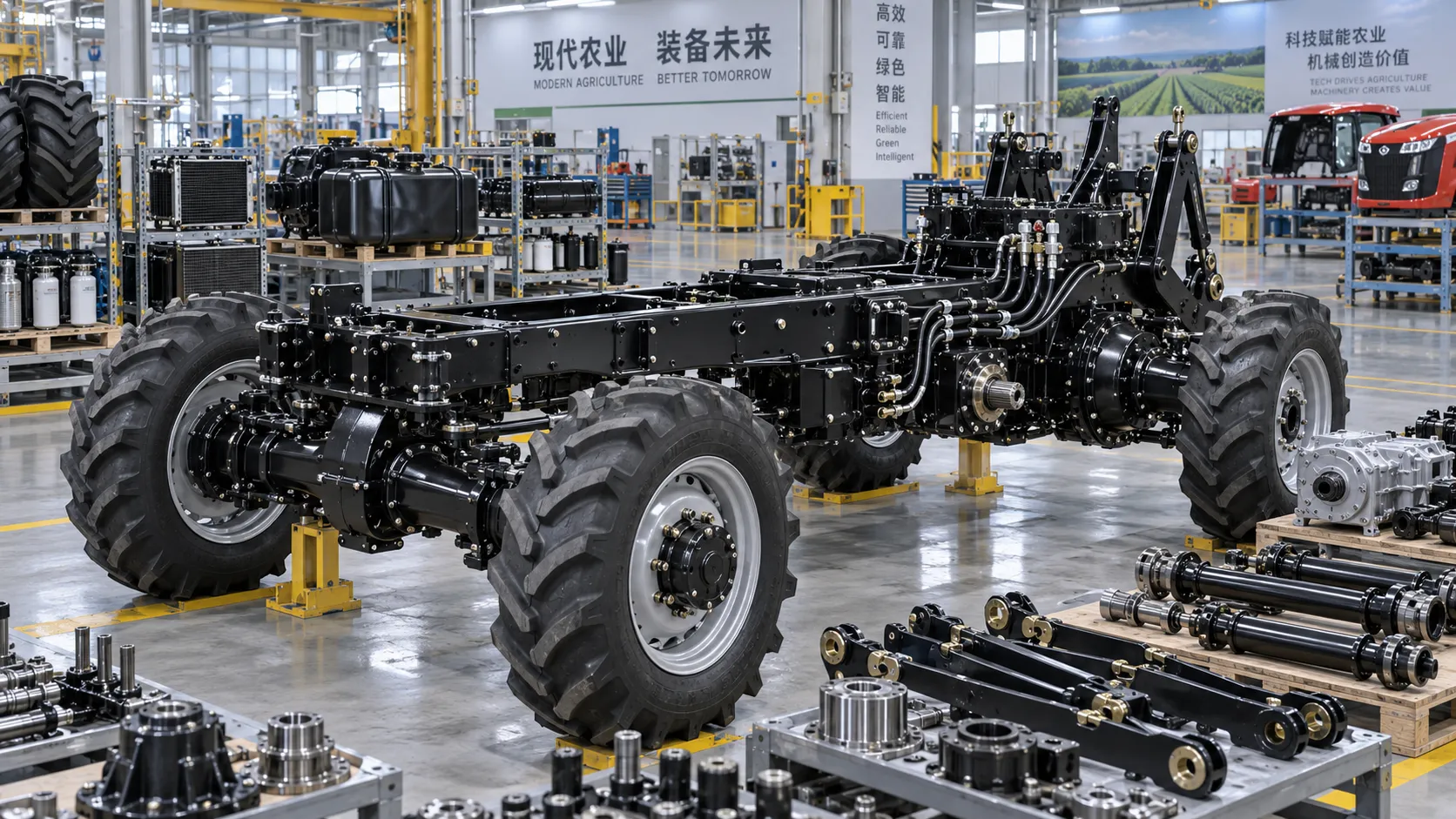
Tractor Chassis Price: What Buyers Should Compare Beyond the Initial Quote
Tractor chassis price is only the start. Compare load capacity, compatibility, durability, and lifecycle costs to choose a reliable, high-value chassis.
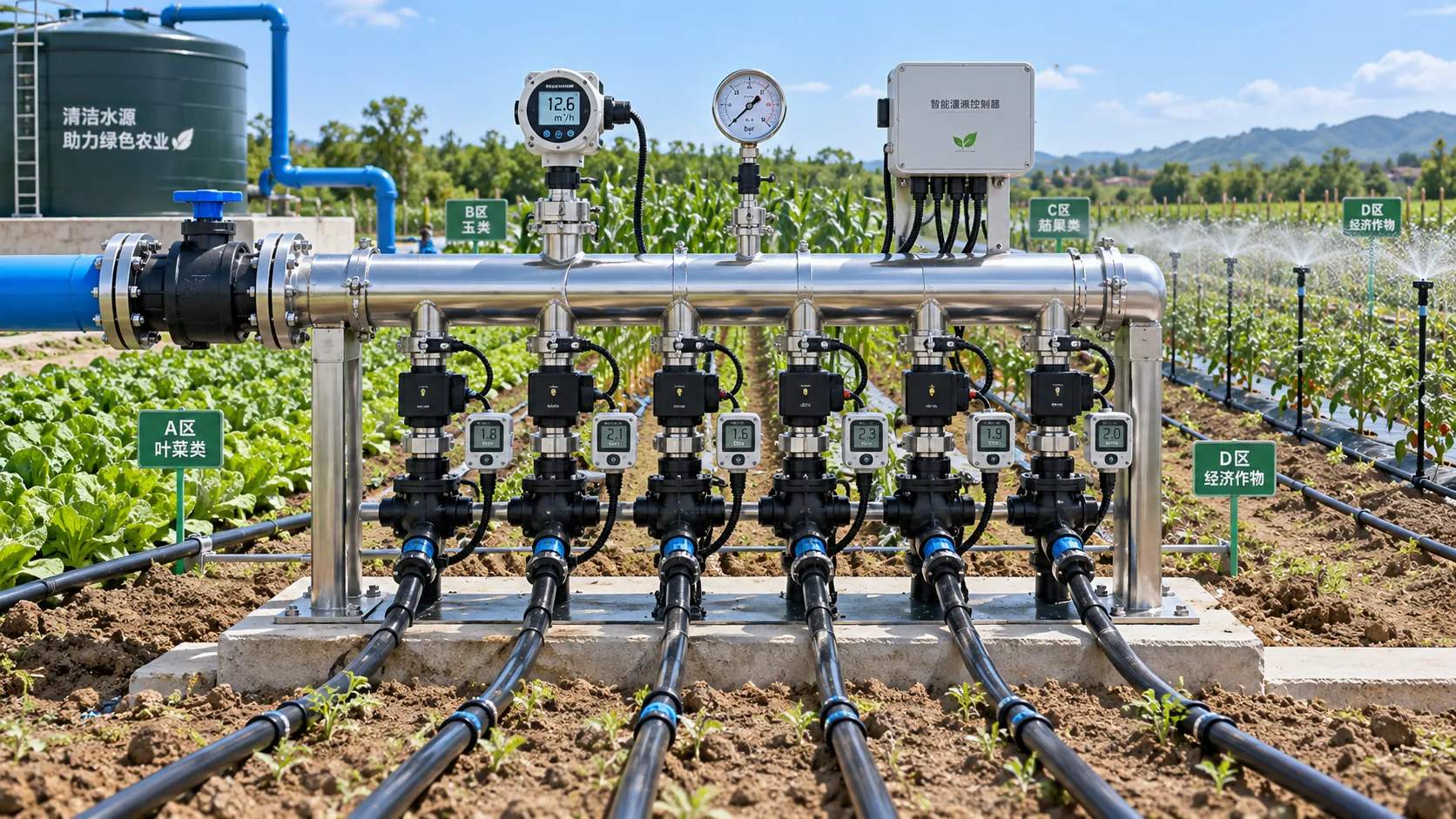
How to Select Smart Irrigation Valves for Multi-Zone Water Management?
Intelligent irrigation systems valves: learn how to match smart valves with multi-zone flow, pressure, control, feedback, and communication needs for reliable water management.
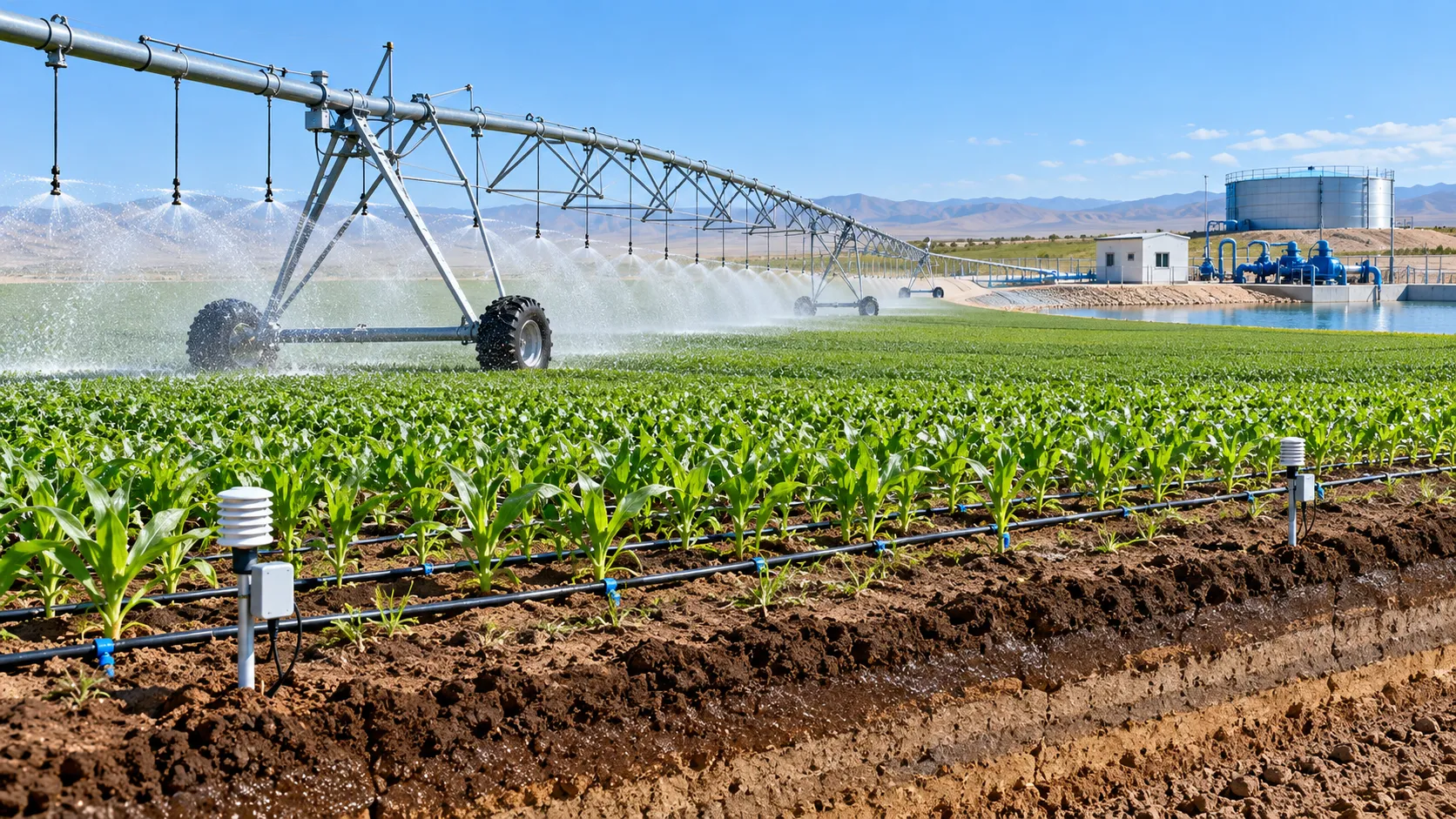
Climate-Smart Farming for Drought: A Practical Plan for Protecting Yields
Climate-smart farming for drought: build smarter water budgets, protect critical crop stages, improve irrigation uniformity, and safeguard yields with practical field-proven strategies.
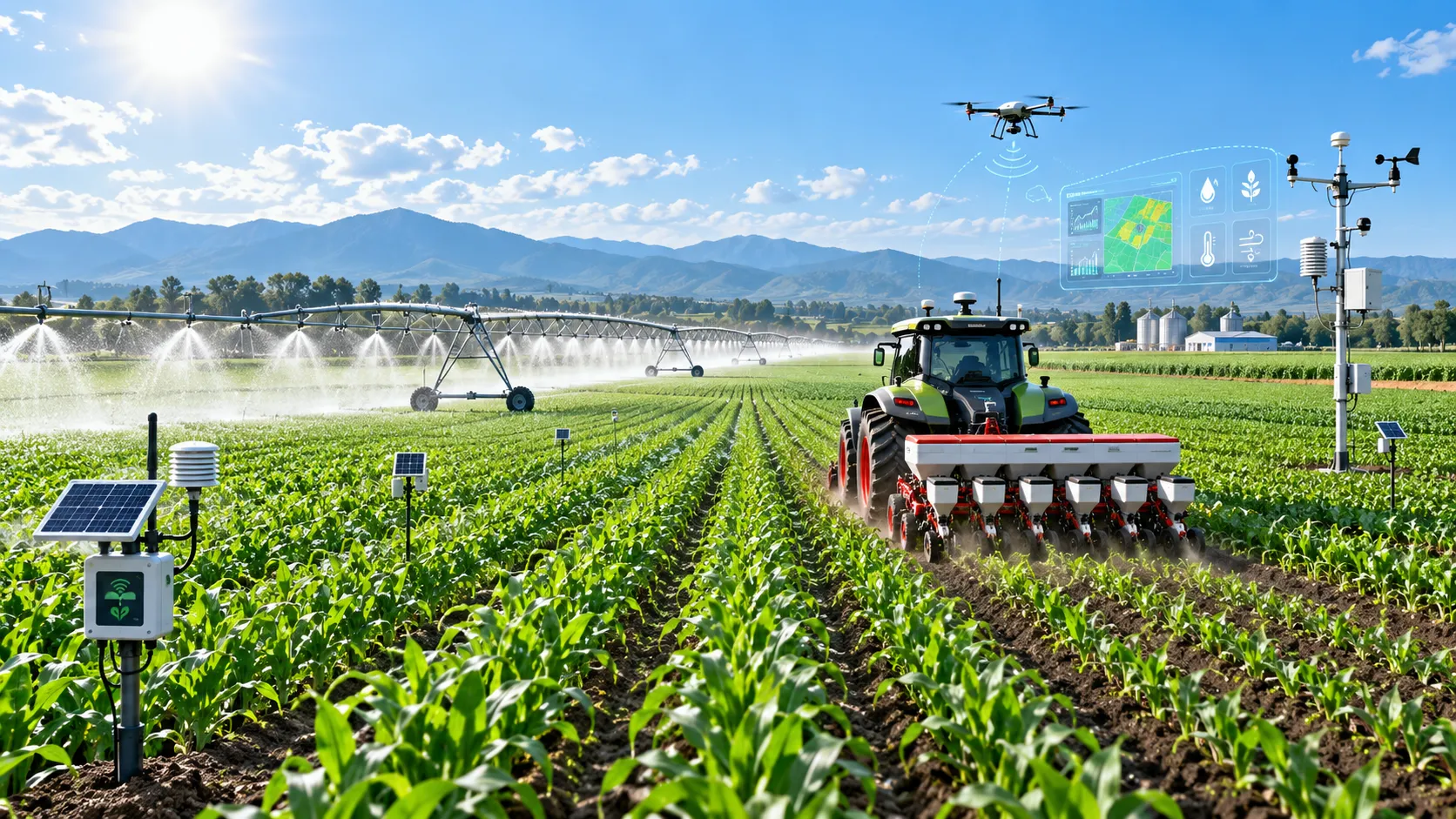
How Digital Agriculture Platforms Turn Field Data Into Better Input Decisions
Digital agriculture platforms turn field data into smarter fertilizer, water, seed, and equipment decisions—helping farms cut risk, improve margins, and scale sustainability.
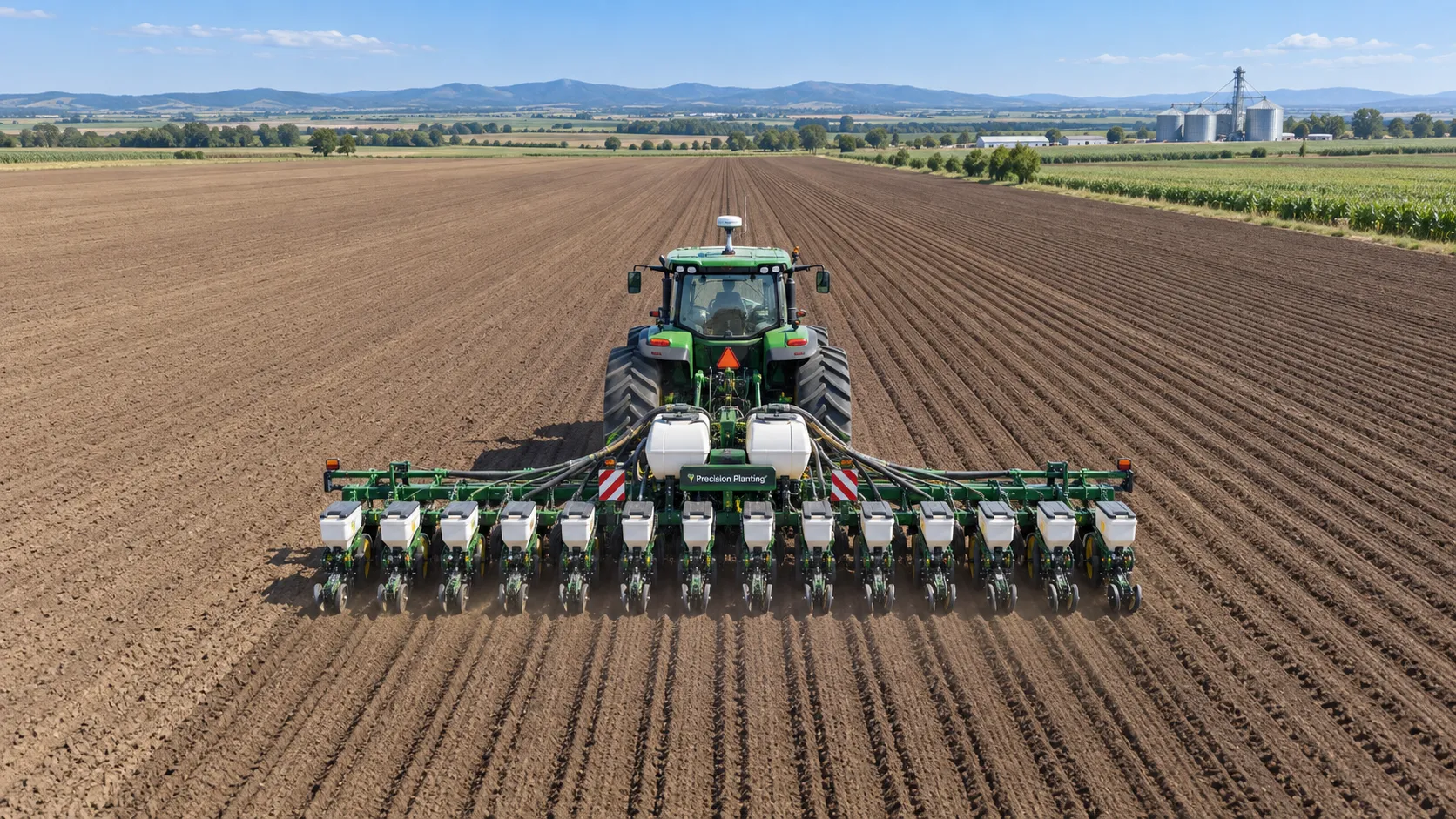
GPS-Guided Farm Machinery: Where It Delivers Measurable Field Efficiency Gains
Agri-mechanization GPS guided systems deliver measurable field efficiency gains through reduced overlap, precise planting, smarter inputs, and reliable farm data.
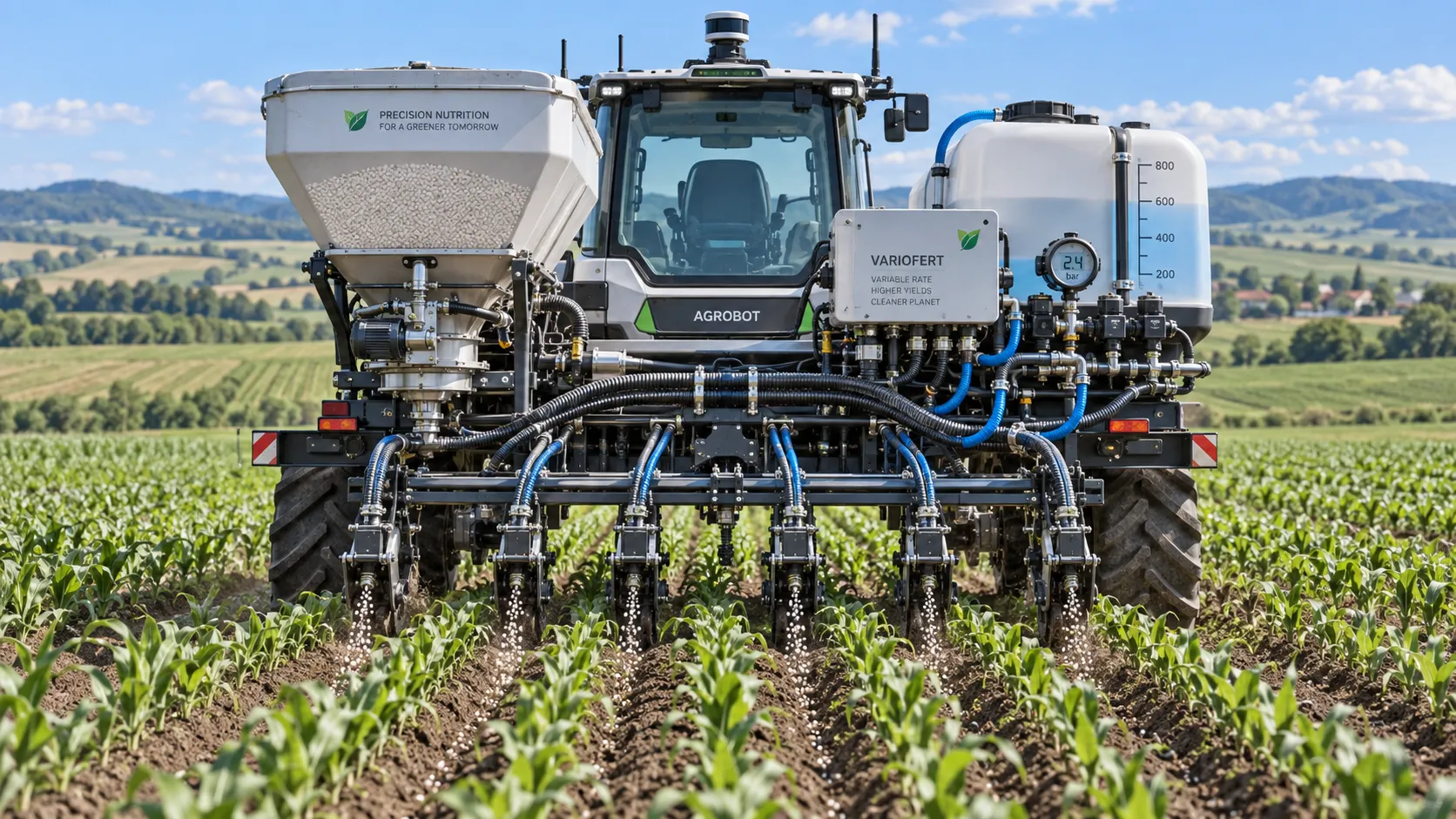
How Sensor Feedback Enables Accurate Variable-Rate Fertilization in Field Conditions
Precision fertilization systems with sensor feedback improve variable-rate accuracy by verifying flow, managing latency, and ensuring reliable field application.
Related News
- 00
0000-00
What Harvesting Machinery Works Best for Small Grains on Hills? - 00
0000-00
GRIMME Tianjin Signs to Join Changchun Agricultural Machinery Expo Center - 00
0000-00
Vietnam Mandates Vietnamese Energy Labels for Imported Threshing Systems - 00
0000-00
Crop Harvesting Solutions for Wheat: Which System Fits Yield, Moisture, and Field Size? - 00
0000-00
ANVISA Extends Threshing Systems Filing Window
Popular Tags
Harvesting Efficiency Expert
Weekly Insights
Stay ahead with our curated technology reports delivered every Monday.