
Why advanced irrigation technology fails without good data
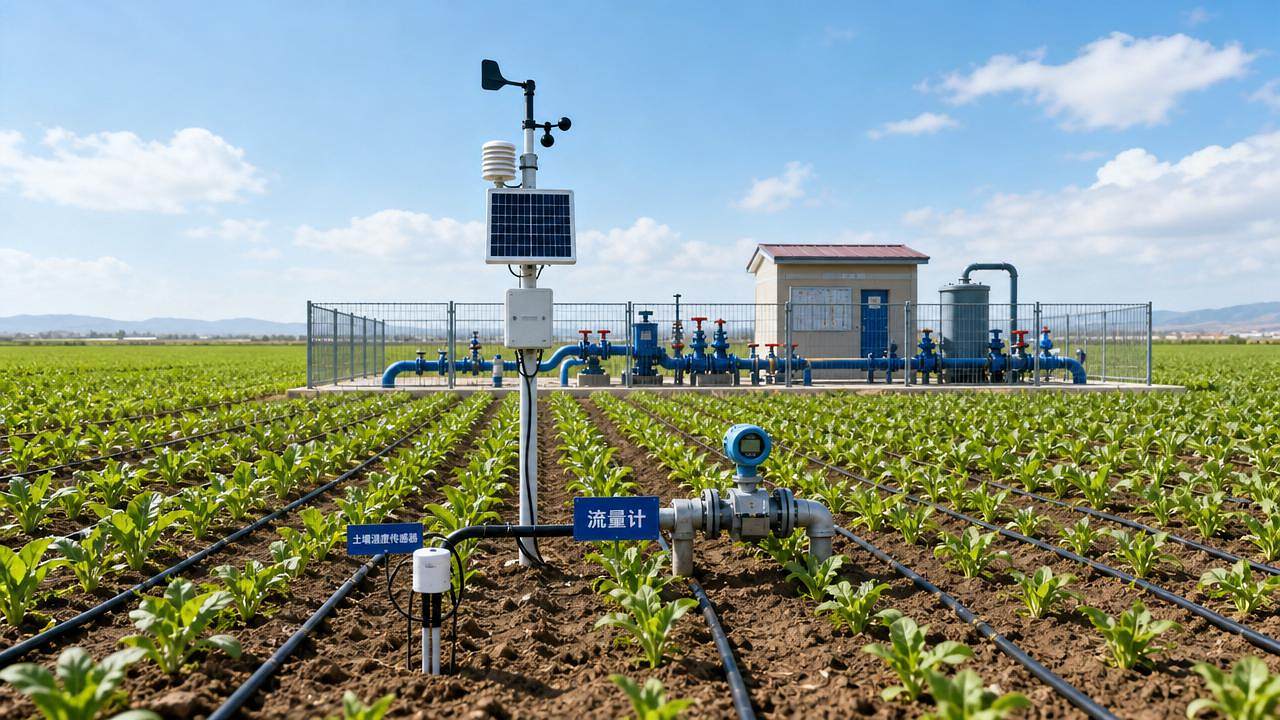




Advanced irrigation technology promises precision, savings, and resilience, but results depend on data integrity more than dashboards or devices. When field data is missing, late, or noisy, control logic becomes guesswork.
That is why many smart irrigation projects underdeliver. Pumps, valves, controllers, and software may be excellent, yet weak data pipelines distort every irrigation decision.
For integrated agriculture and infrastructure planning, the lesson is simple. Advanced irrigation technology only becomes valuable when sensor quality, agronomic models, and local field conditions stay aligned.
What does good data mean in advanced irrigation technology?
Good data is not just abundant data. It is accurate, timely, location-specific, calibrated, and relevant to irrigation decisions.
In advanced irrigation technology, common data sources include soil moisture probes, weather stations, pressure sensors, flow meters, satellite imagery, and crop growth records.
Each source answers a different question. Soil data shows root-zone reality. Weather data estimates demand. Hydraulic data confirms system performance. Crop data connects water use with outcomes.
Problems start when one source dominates the others. A field may look dry from weather estimates while deeper layers still hold usable moisture.
Good data also requires context. A sensor reading without soil type, crop stage, emitter layout, or recent rainfall history can mislead even advanced irrigation technology platforms.
- Accuracy: readings reflect actual field conditions.
- Timeliness: data arrives fast enough to influence irrigation timing.
- Completeness: critical variables are not missing.
- Consistency: units, intervals, and formats match across systems.
- Actionability: data directly supports irrigation decisions.
Why does advanced irrigation technology fail when data quality is poor?
Poor data turns automation into amplified error. The more advanced the control system, the faster it can repeat a bad decision.
If a moisture sensor drifts out of calibration, the controller may overwater for days. If a flow meter underreports, leak detection may never trigger.
Weather-driven scheduling creates another risk. Regional forecasts often miss microclimates shaped by canopy density, slope, wind exposure, or local heat storage.
Data delays are equally damaging. Advanced irrigation technology depends on response timing. A reliable reading received too late can still produce the wrong irrigation cycle.
Integration failures add hidden costs. One platform may log moisture in volumetric content, while another expects tension or depletion percentage.
When formats clash, teams often patch workflows manually. That introduces transcription mistakes, lost traceability, and weaker confidence in system recommendations.
The result is familiar across complex operations. Water use rises, crop uniformity slips, energy costs increase, and the technology itself gets blamed.
Typical failure patterns
- Sensor placement does not represent root-zone variability.
- Calibration schedules are skipped after installation.
- Connectivity gaps create silent data outages.
- Models use generic crop coefficients instead of local values.
- Operators trust dashboards without validating field conditions.
Which data gaps matter most in real irrigation applications?
Not every missing variable causes equal damage. Some data gaps are manageable, while others undermine the whole decision chain.
The most critical gap is usually root-zone moisture variability. One probe rarely captures differences across soil texture, elevation, compaction, or plant vigor.
Hydraulic performance gaps come next. Advanced irrigation technology cannot optimize water application if pressure loss, clogging, or uneven distribution remains unmeasured.
Many systems also lack maintenance data. Filter condition, emitter wear, valve response time, and pump efficiency affect results just as much as meteorological inputs.
Another blind spot is agronomic timing. Crop stage changes water demand rapidly. A schedule that worked last month may be wasteful this week.
How can teams judge whether advanced irrigation technology is ready for deployment?
Readiness should be measured before installation, not after frustration appears. The key question is whether the data environment can support automated decisions.
Start with mapping. Identify irrigation zones, soil classes, crop differences, slope patterns, water source variability, and communication coverage.
Next, test baseline data quality. Compare sensor readings with manual field checks, pressure tests, catch-can distribution checks, and pump performance records.
Advanced irrigation technology should not replace agronomic observation. It should formalize and scale validated field knowledge.
A practical readiness checklist
- Confirm representative sensor locations for each management zone.
- Set calibration routines and ownership responsibilities.
- Verify connectivity, backup power, and data storage continuity.
- Standardize units, timestamps, and naming across platforms.
- Define threshold logic for alarms, overrides, and manual review.
- Run a pilot before full-scale automated scheduling.
This approach lowers risk across mixed agricultural operations. It also fits broader Agriculture 4.0 strategies where machinery, water systems, and analytics must work together.
What are the biggest misconceptions about advanced irrigation technology?
One misconception is that more sensors automatically mean better control. In reality, bad sensor placement can produce more confusion, not more precision.
Another misconception is that software can correct weak field inputs. Analytics can filter noise, but it cannot invent missing hydrological truth.
Some also believe automation eliminates human judgment. The opposite is true. Advanced irrigation technology increases the importance of review rules and exception handling.
There is also a financial misunderstanding. Hardware procurement is often visible, while data governance costs are underestimated during planning.
Those hidden costs include calibration labor, network resilience, software integration, field validation, training, and periodic model adjustment.
How should advanced irrigation technology be implemented for reliable results?
Implementation should begin with decision design, not equipment catalogs. Define what decisions the system must improve and what evidence each decision needs.
For example, start by separating irrigation timing, irrigation duration, and distribution uniformity. Each depends on different data streams and different validation methods.
Then build a layered architecture. Field sensors collect data. Communication tools transmit it. Models interpret it. Operators review exceptions. Maintenance records close the loop.
Advanced irrigation technology works best when the system learns from discrepancy. If predicted water demand and observed crop response diverge, the model must be adjusted.
Implementation priorities
- Pilot one representative zone first.
- Create alert rules for impossible or suspicious readings.
- Review irrigation decisions against field outcomes weekly.
- Document maintenance events beside water performance data.
- Update models by season, crop stage, and local climate behavior.
This disciplined process transforms advanced irrigation technology from a promise into measurable operational infrastructure. It also supports long-term water efficiency and sustainability goals.
FAQ summary: what should be checked first?
The real barrier to advanced irrigation technology is rarely the machine itself. It is the absence of trustworthy, connected, decision-ready data.
Reliable performance comes from combining hydraulic discipline, agronomic understanding, and continuous data validation. That is the foundation of smart irrigation that actually saves water and protects yield.
The next step is practical. Audit current data sources, identify blind spots, validate one irrigation zone, and scale only after the evidence supports the model.
Related News
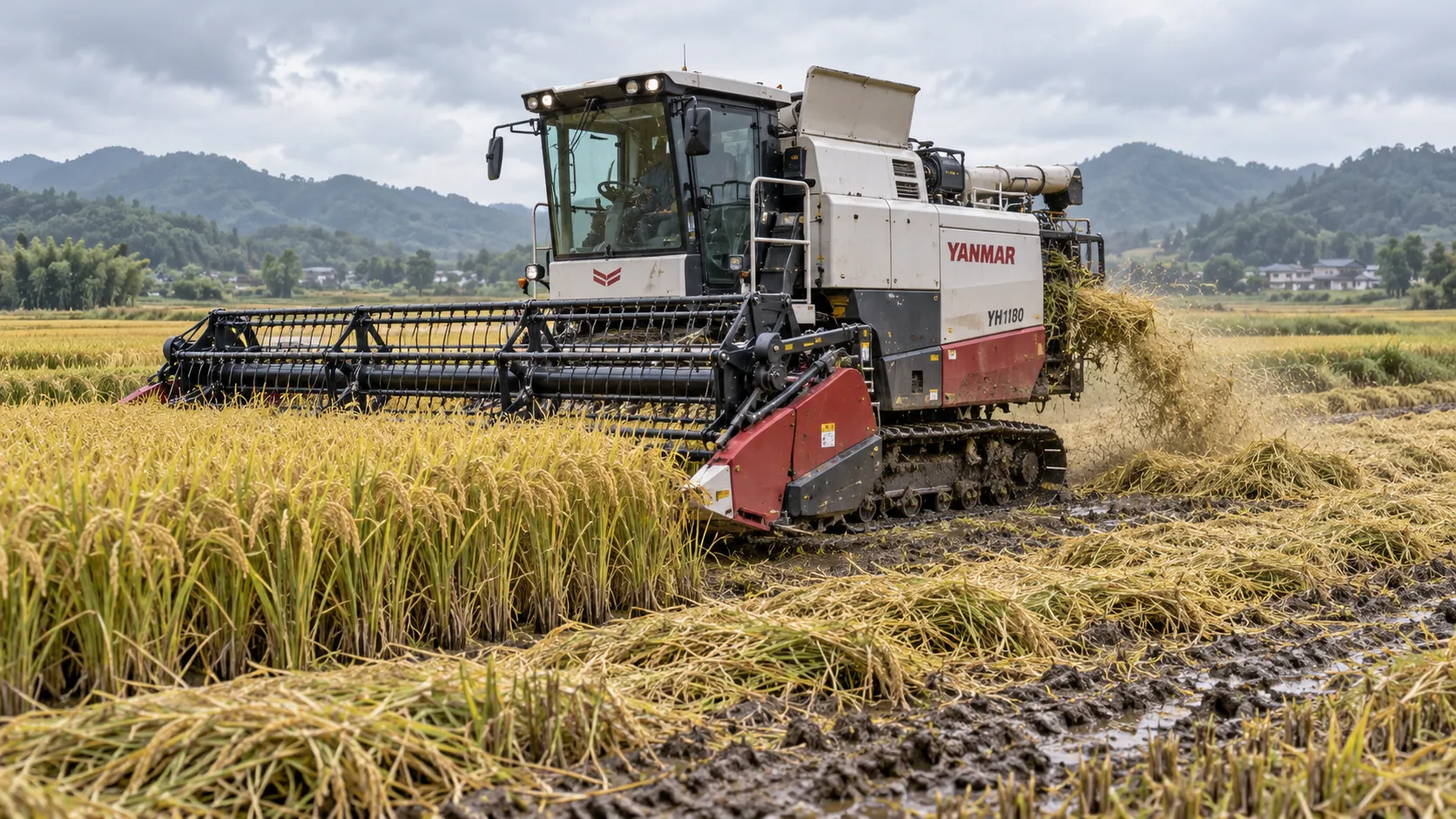
How to Specify Combine Harvester Systems for High-Moisture Grain and Variable Field Conditions
Combine harvester systems for high-moisture grain: learn how to specify threshing, cleaning, headers, traction, and automation for reliable harvests in variable fields.
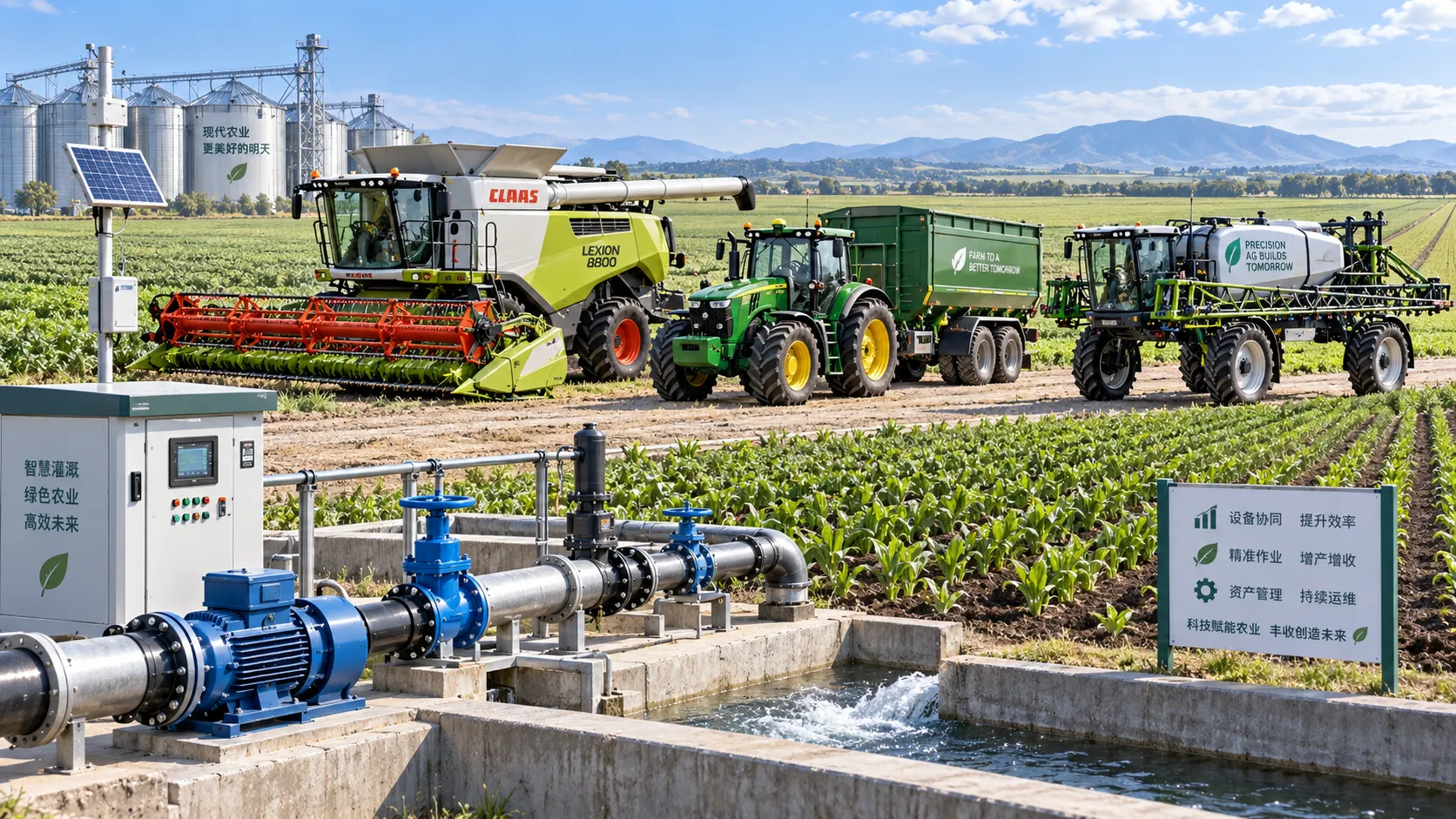
How to Compare Agricultural Equipment Platforms for Fleet Management and ROI
Agricultural equipment platform comparison: evaluate fleet data, maintenance, precision workflows, and ROI to choose a system that delivers measurable results.
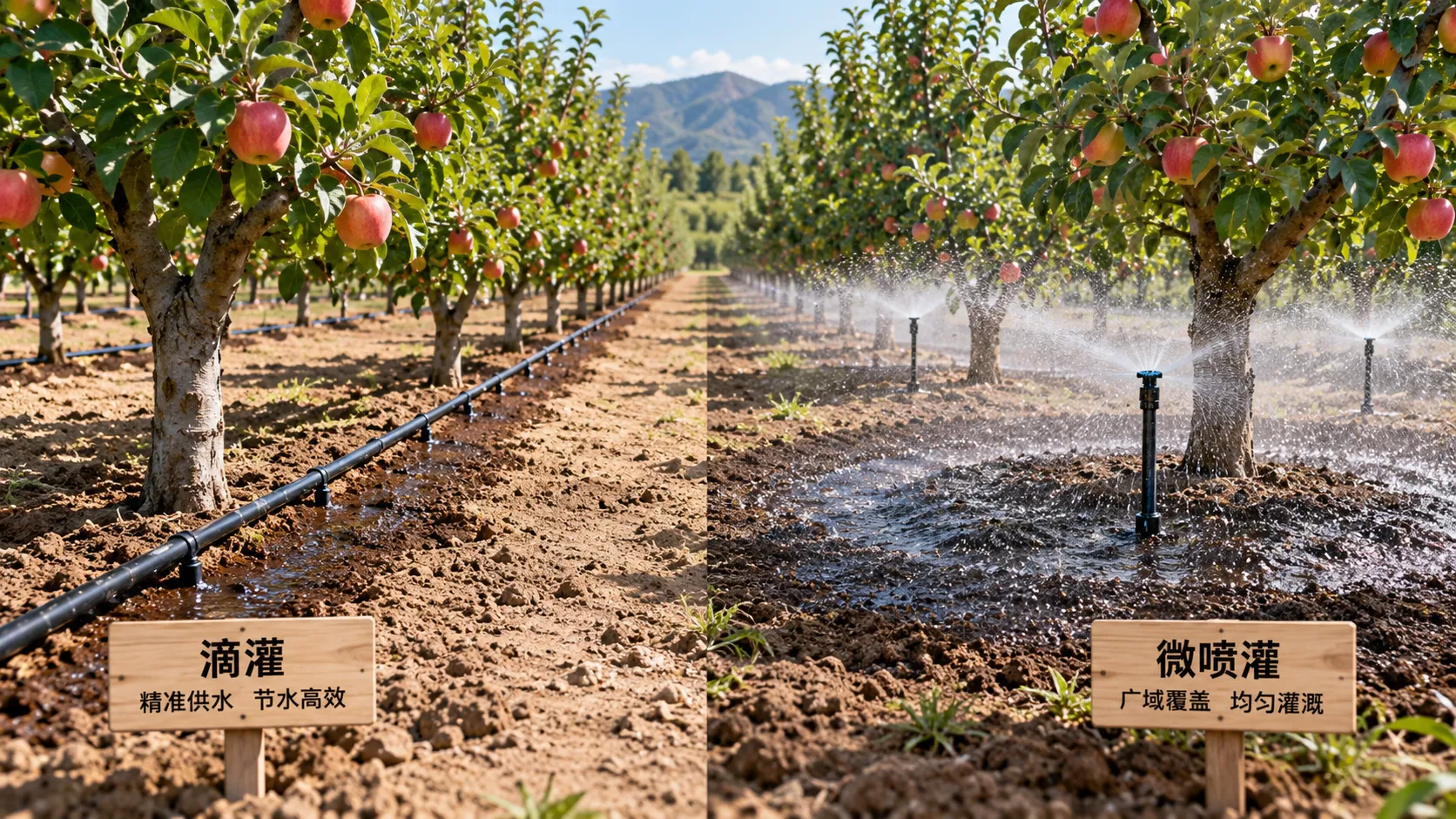
Drip vs. Micro-Sprinkler Irrigation: Which System Fits Your Orchard?
Irrigation solution comparison for orchards: discover whether drip or micro-sprinklers best match your water, soil, roots, fertigation, and frost needs.
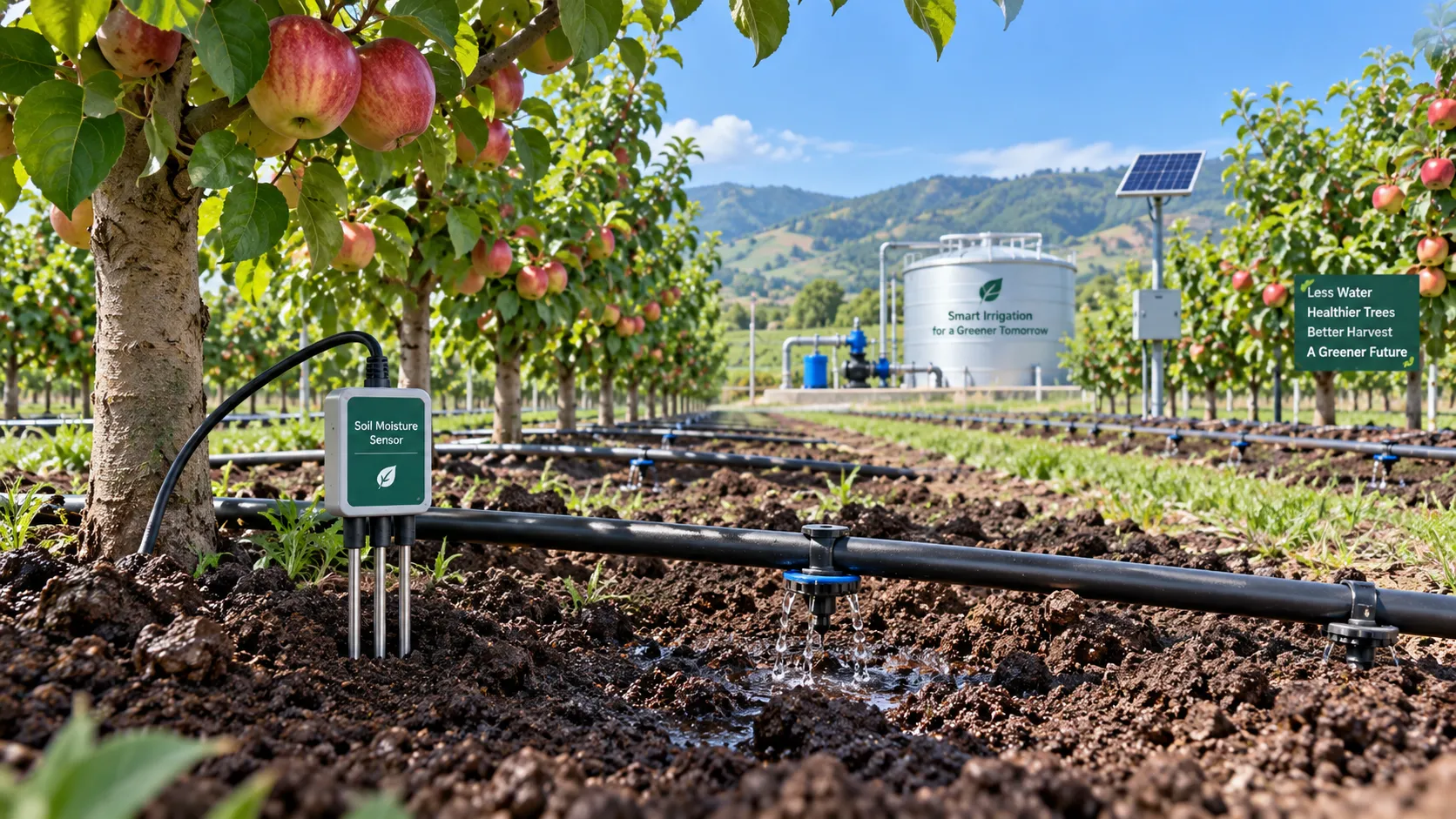
Orchard Water Management: Using Soil Moisture Data to Schedule Irrigation
Agricultural water management for orchards made practical: use soil moisture data to optimize irrigation timing, protect yield, reduce costs, and improve resilience.
Tractor Chassis Price: What Buyers Should Compare Beyond the Initial Quote
Tractor chassis price is only the start. Compare load capacity, compatibility, durability, and lifecycle costs to choose a reliable, high-value chassis.
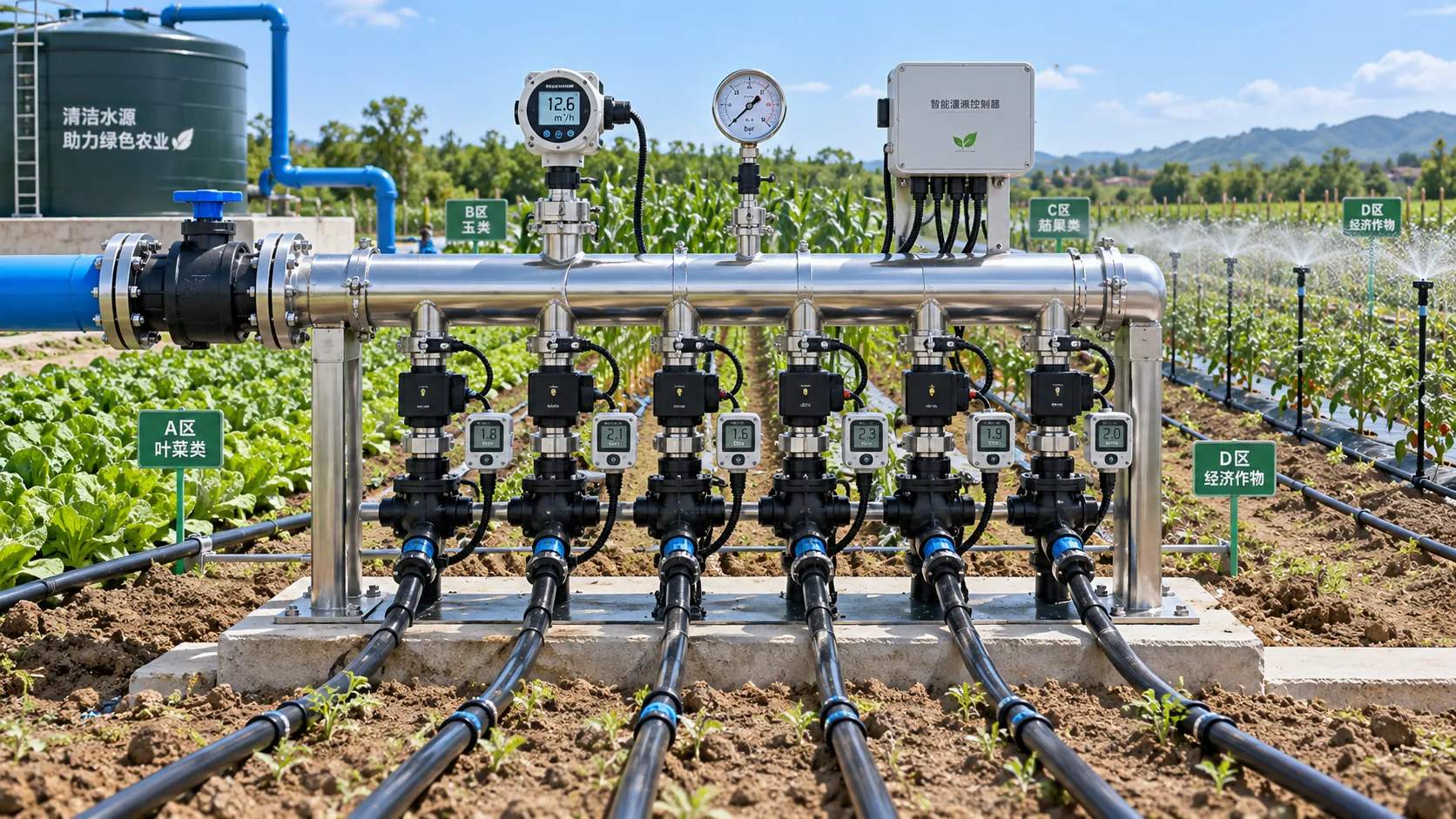
How to Select Smart Irrigation Valves for Multi-Zone Water Management?
Intelligent irrigation systems valves: learn how to match smart valves with multi-zone flow, pressure, control, feedback, and communication needs for reliable water management.
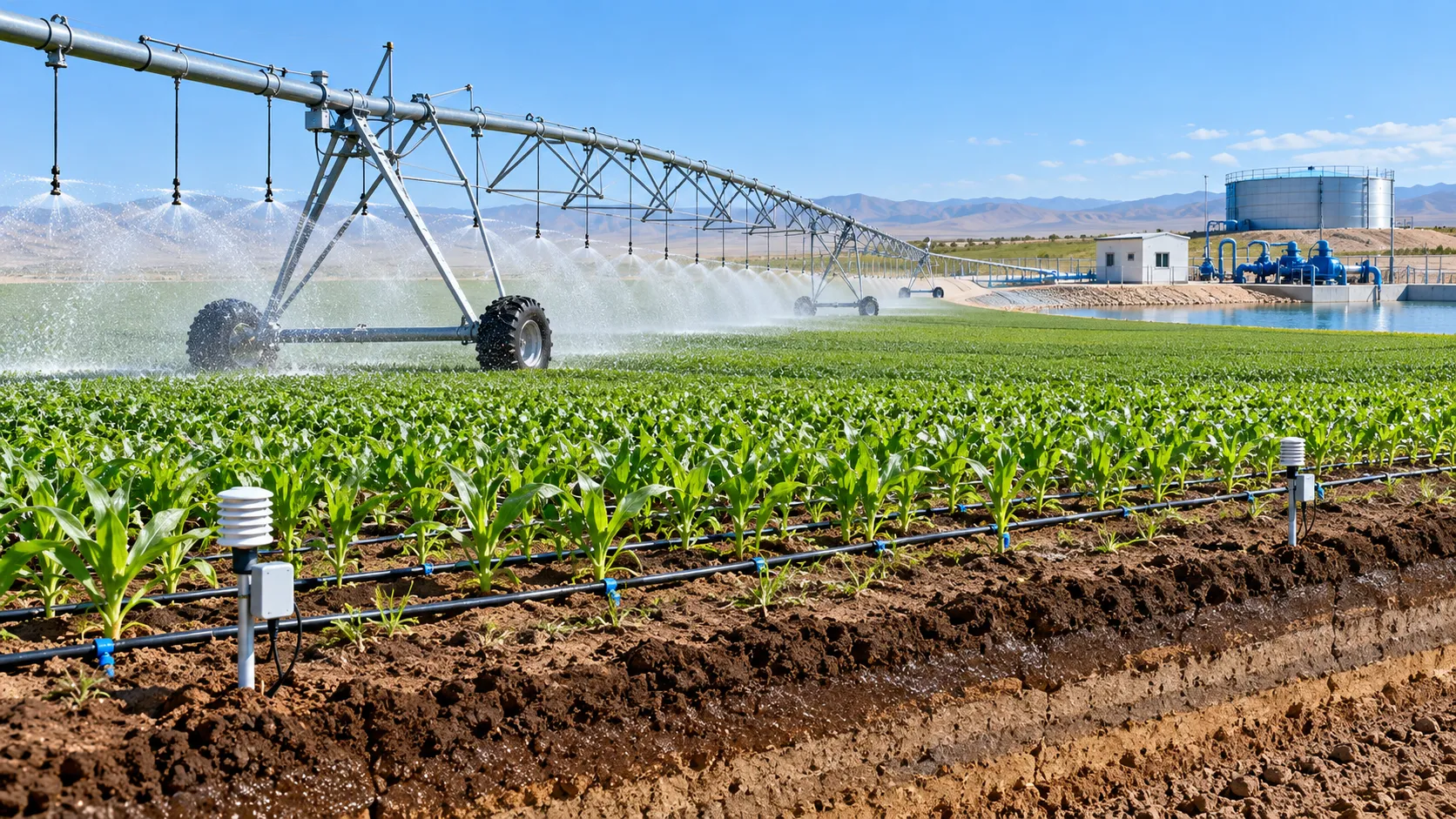
Climate-Smart Farming for Drought: A Practical Plan for Protecting Yields
Climate-smart farming for drought: build smarter water budgets, protect critical crop stages, improve irrigation uniformity, and safeguard yields with practical field-proven strategies.
How Digital Agriculture Platforms Turn Field Data Into Better Input Decisions
Digital agriculture platforms turn field data into smarter fertilizer, water, seed, and equipment decisions—helping farms cut risk, improve margins, and scale sustainability.
GPS-Guided Farm Machinery: Where It Delivers Measurable Field Efficiency Gains
Agri-mechanization GPS guided systems deliver measurable field efficiency gains through reduced overlap, precise planting, smarter inputs, and reliable farm data.
Related News
- 00
0000-00
Drip vs. Micro-Sprinkler Irrigation: Which System Fits Your Orchard? - 00
0000-00
How to Select Smart Irrigation Valves for Multi-Zone Water Management? - 00
0000-00
Automated Water-Saving Irrigation: How to Cut Water Use Without Reducing Crop Yields - 00
0000-00
How to Evaluate Drip Irrigation System Manufacturers for Large Farm Projects - 00
0000-00
Wireless Agricultural Automation for Remote Irrigation and Field Monitoring
Popular Tags
Hydrological Resource Strategist
Weekly Insights
Stay ahead with our curated technology reports delivered every Monday.