
Why hydrological resource strategists matter in irrigation
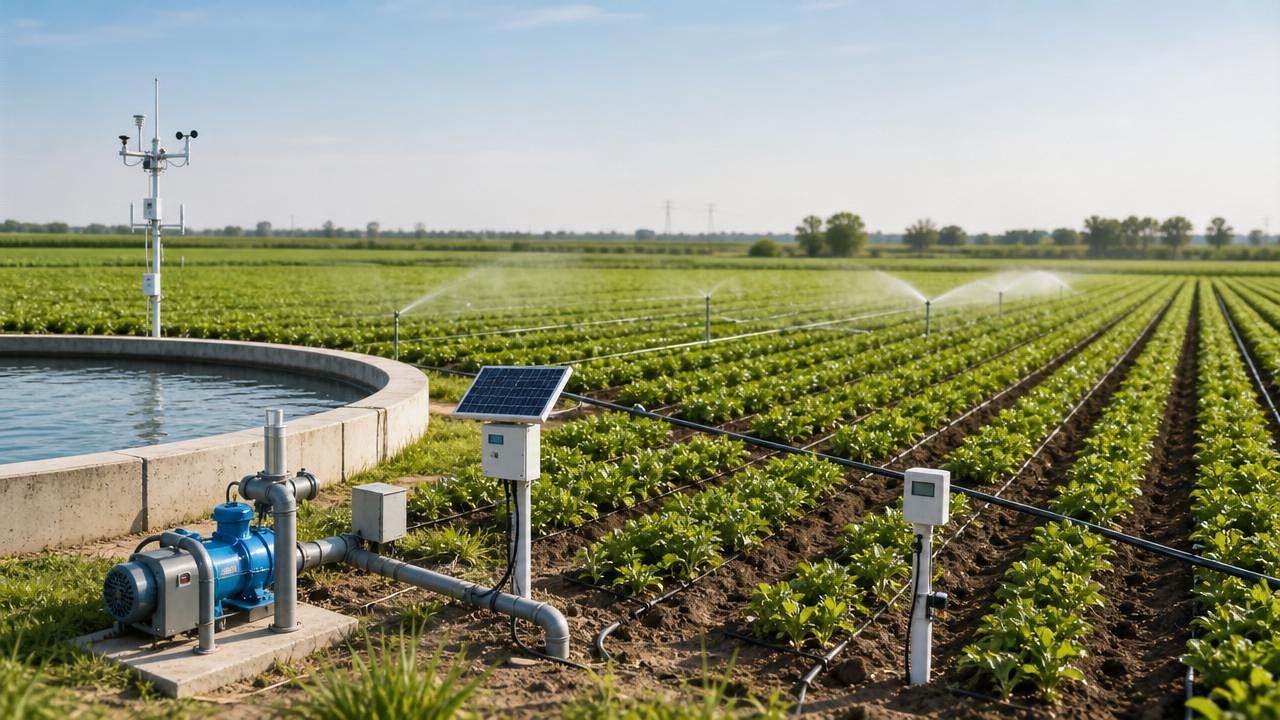




In modern irrigation, hydrological resource strategists turn water data into operational advantage.
Their work helps connect rainfall variability, aquifer pressure, soil moisture, and crop demand.
In Agriculture 4.0, that connection matters because irrigation decisions now influence yield, energy use, compliance, and long-term resilience.
For AP-Strategy, hydrological resource strategists are not just analysts.
They are practical intelligence partners who help align field performance with sustainability goals and capital planning.
What do hydrological resource strategists actually do in irrigation?
Hydrological resource strategists study how water moves, how it is consumed, and where operational risks are building.
They combine hydrology, climate signals, irrigation engineering, and decision models.
Their goal is simple: deliver the right water, at the right time, through the right infrastructure.
That goal becomes complex when weather volatility, policy shifts, and energy costs move at the same time.
Hydrological resource strategists translate those moving variables into planning guidance.
They may assess watershed supply, irrigation scheduling logic, drainage interactions, and reuse potential.
They also evaluate whether a smart irrigation system is using sensors meaningfully or merely collecting unused data.
In large-scale agriculture, their output often shapes:
- seasonal water allocation plans
- irrigation zone prioritization
- crop-water matching strategies
- reservoir and pumping schedules
- investment timing for precision irrigation upgrades
This is why hydrological resource strategists matter in irrigation beyond technical theory.
They influence actual operational outcomes across the broader agri-equipment and water-saving ecosystem.
Why are hydrological resource strategists becoming more important in Agriculture 4.0?
Agriculture 4.0 has increased the amount of usable data in the field.
But more data does not automatically create better irrigation decisions.
Hydrological resource strategists turn fragmented information into action frameworks.
They connect satellite imagery, evapotranspiration models, pump telemetry, and local rainfall records.
Without that integration, many intelligent irrigation tools remain underused.
Three structural changes explain the rising value of hydrological resource strategists.
1. Climate variability is less predictable
Historic averages are no longer enough for irrigation planning.
Hydrological resource strategists build scenarios for drought, delayed rainfall, runoff loss, and heat spikes.
2. Water governance is tightening
Many regions now require stronger reporting on abstraction, discharge, and efficiency.
Hydrological resource strategists help align operations with changing standards before restrictions become disruptive.
3. Irrigation investment is becoming more digital
Smart valves, sensors, remote dashboards, and automated pivots promise efficiency.
Yet efficiency only appears when system design matches hydrological reality.
That match is where hydrological resource strategists create measurable value.
Which irrigation scenarios benefit most from hydrological resource strategists?
Not every site faces the same water challenge.
However, several scenarios strongly benefit from hydrological resource strategists.
- Multi-field operations with uneven soils and variable crop water demand
- Regions exposed to recurring drought or irregular seasonal rainfall
- Projects adopting drip, pivot, or sensor-led irrigation for the first time
- Sites dependent on shared reservoirs, canals, or groundwater extraction
- Operations facing energy pressure from deep pumping or unstable power costs
In these cases, hydrological resource strategists improve more than water timing.
They support system-wide optimization involving infrastructure, crop planning, and financial risk.
For example, a farm may install advanced drip lines yet still over-irrigate due to poor recharge assumptions.
Another operation may own strong pump capacity but lose efficiency through poor zoning.
Hydrological resource strategists identify these hidden mismatches early.
That makes them relevant across the comprehensive agri value chain, not only inside irrigation departments.
How do hydrological resource strategists differ from general irrigation consultants?
A general irrigation consultant often focuses on equipment sizing, layout, and installation performance.
That work is essential, but it may stop short of strategic water intelligence.
Hydrological resource strategists work at a wider systems level.
They examine water source reliability, basin stress, climate exposure, recharge uncertainty, and long-range allocation risks.
They ask whether the irrigation design remains viable under future pressure, not only whether it works today.
The strongest projects often use both perspectives together.
AP-Strategy highlights this integration because smart equipment performs best when backed by strategic water intelligence.
What risks appear when hydrological resource strategists are missing?
The absence of hydrological resource strategists usually does not fail loudly at first.
It often appears as slow inefficiency, hidden water stress, or weak investment returns.
Common risks include:
- overestimating available water during peak demand windows
- deploying smart irrigation without reliable decision thresholds
- misreading soil-water variability across large operational zones
- underestimating compliance exposure tied to extraction rules
- treating short-term rainfall as proof of long-term water stability
Another major risk is separating irrigation from wider mechanization strategy.
When water planning is isolated, crop schedules, equipment deployment, and harvest timing can fall out of sync.
Hydrological resource strategists help prevent that fragmentation.
They support a more unified model where water-saving irrigation, precision tools, and crop operations reinforce each other.
How should organizations evaluate hydrological resource strategists?
Choosing hydrological resource strategists should not depend on technical vocabulary alone.
The real test is whether they can convert complex hydrological insight into operational decisions.
A practical evaluation framework can help.
Strong hydrological resource strategists do not produce isolated reports.
They create decision pathways that improve efficiency, resilience, and investment timing.
What does implementation usually involve, and how long does value take to appear?
Implementation depends on data quality, irrigation complexity, and operational scale.
Still, most engagements move through a recognizable sequence.
- Baseline review of water sources, usage patterns, and infrastructure limits
- Integration of weather, soil, crop, and system performance data
- Risk mapping for supply gaps, inefficiencies, and regulatory exposure
- Prioritization of actions, from scheduling changes to capital upgrades
- Monitoring and refinement during seasonal operation
Early value can appear within one irrigation season.
That value often shows up as better irrigation timing, reduced waste, and improved water-use consistency.
Longer-term value usually comes from stronger investment choices and lower exposure to climate or policy shocks.
Hydrological resource strategists therefore support both immediate optimization and strategic resilience.
FAQ summary: what should be remembered first?
Hydrological resource strategists matter in irrigation because water is no longer a background input.
It is now a strategic variable that shapes productivity, technology returns, and environmental credibility.
For organizations following Agriculture 4.0, the next step is practical.
Review whether current irrigation decisions are driven by integrated water intelligence or by isolated assumptions.
AP-Strategy continues to track how hydrological resource strategists, precision tools, and water-saving systems reshape field performance worldwide.
That intelligence can help turn irrigation from a cost center into a durable strategic advantage.
Related News
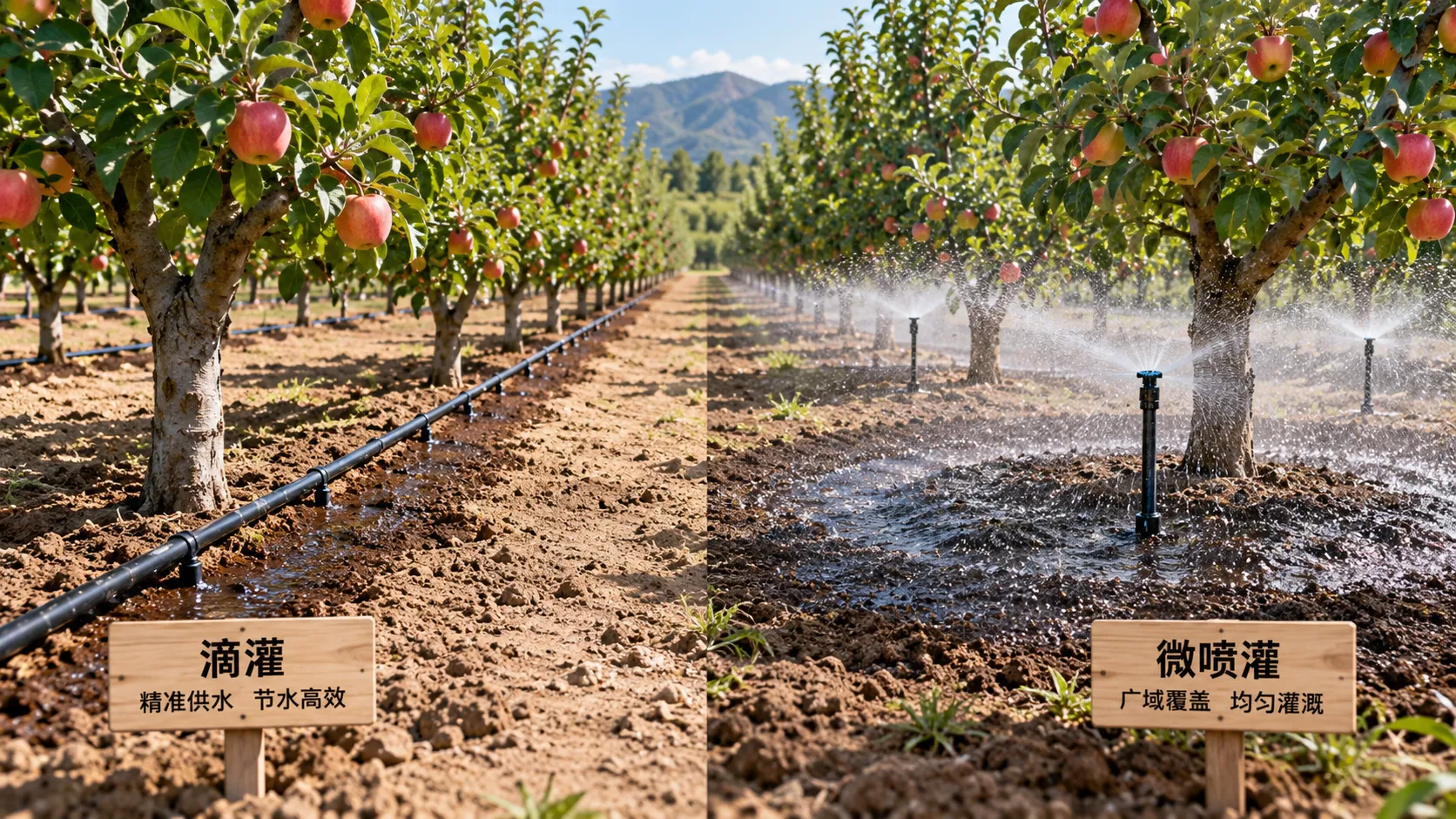
Drip vs. Micro-Sprinkler Irrigation: Which System Fits Your Orchard?
Irrigation solution comparison for orchards: discover whether drip or micro-sprinklers best match your water, soil, roots, fertigation, and frost needs.
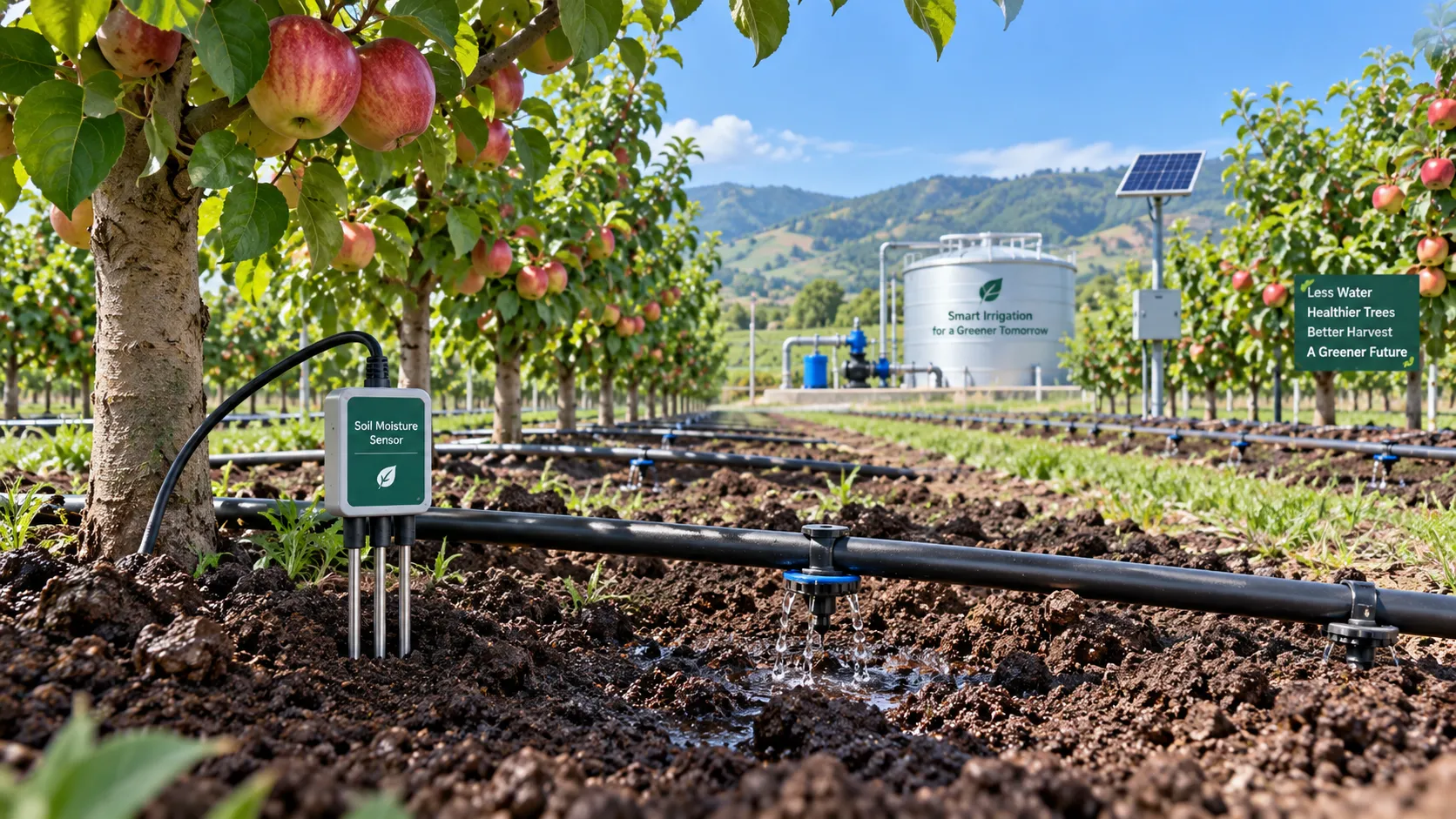
Orchard Water Management: Using Soil Moisture Data to Schedule Irrigation
Agricultural water management for orchards made practical: use soil moisture data to optimize irrigation timing, protect yield, reduce costs, and improve resilience.
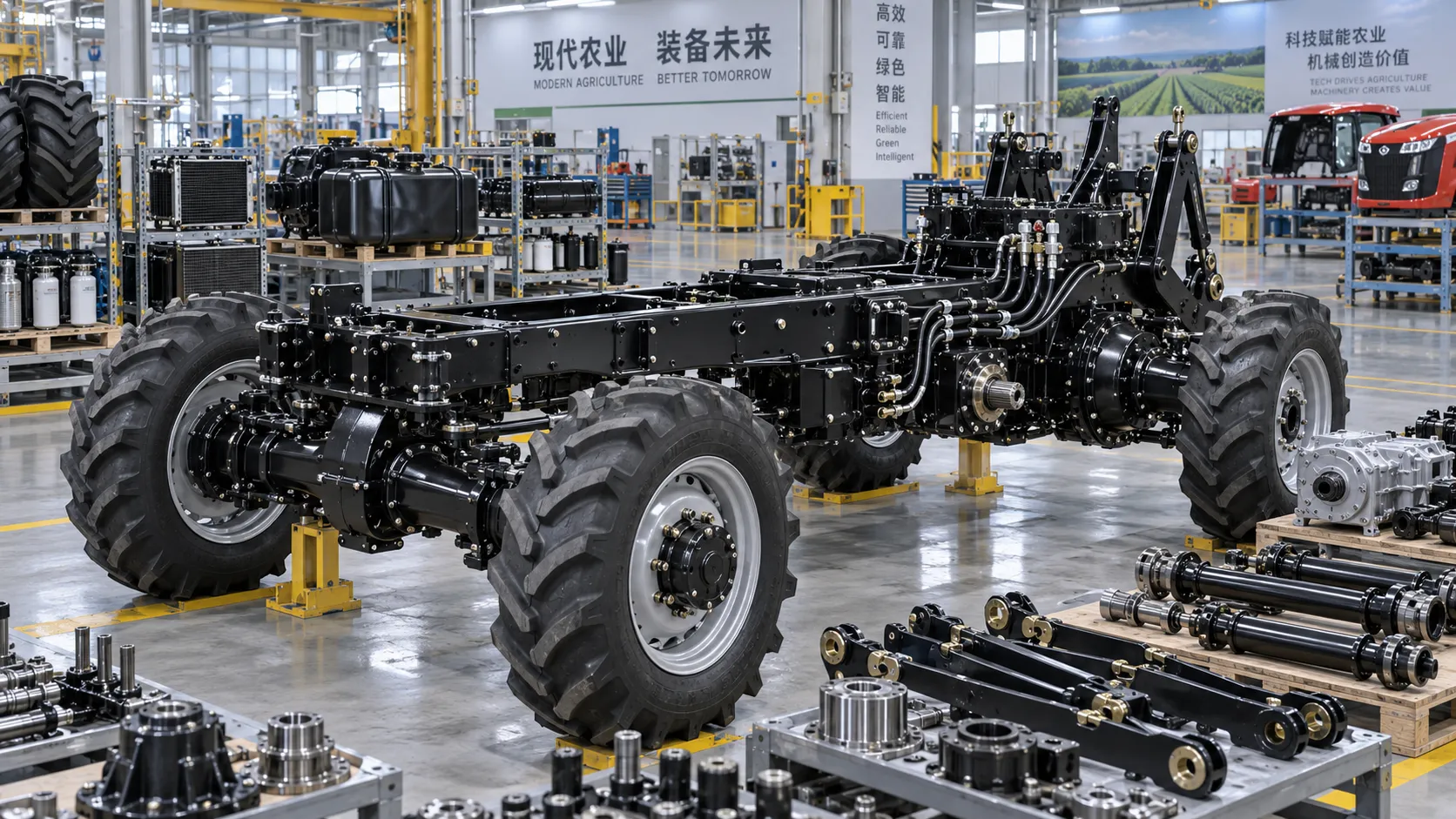
Tractor Chassis Price: What Buyers Should Compare Beyond the Initial Quote
Tractor chassis price is only the start. Compare load capacity, compatibility, durability, and lifecycle costs to choose a reliable, high-value chassis.
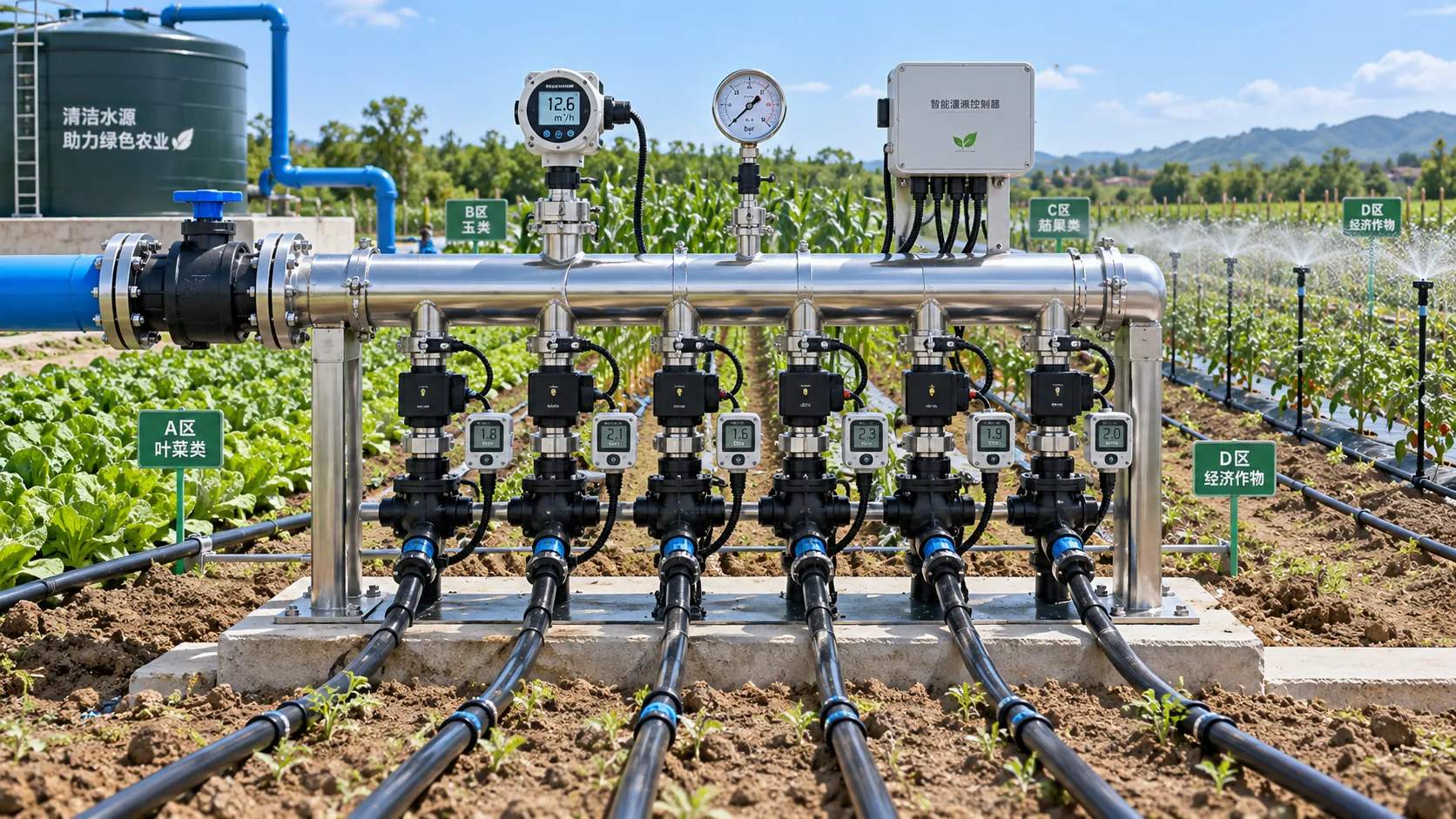
How to Select Smart Irrigation Valves for Multi-Zone Water Management?
Intelligent irrigation systems valves: learn how to match smart valves with multi-zone flow, pressure, control, feedback, and communication needs for reliable water management.
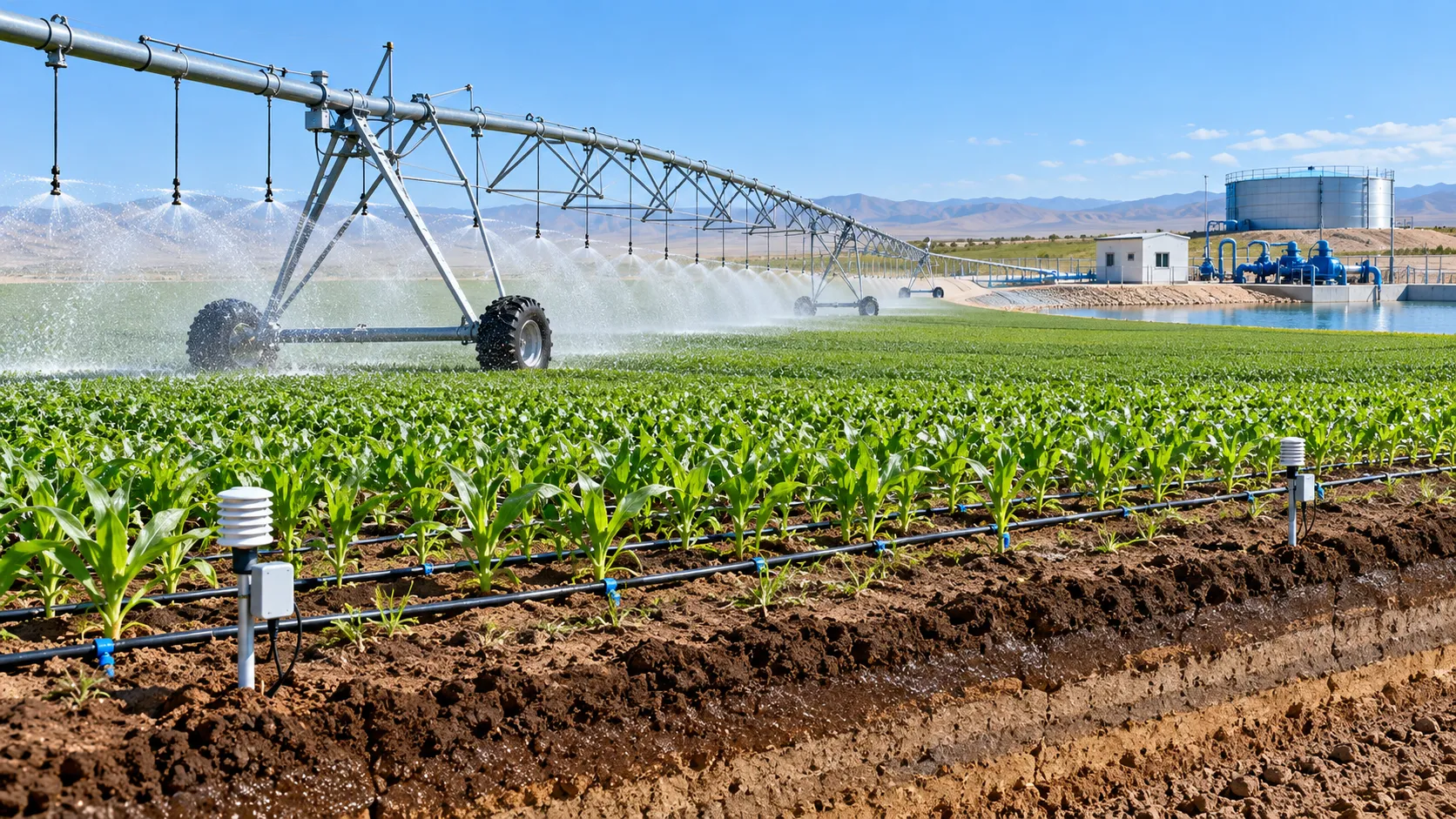
Climate-Smart Farming for Drought: A Practical Plan for Protecting Yields
Climate-smart farming for drought: build smarter water budgets, protect critical crop stages, improve irrigation uniformity, and safeguard yields with practical field-proven strategies.
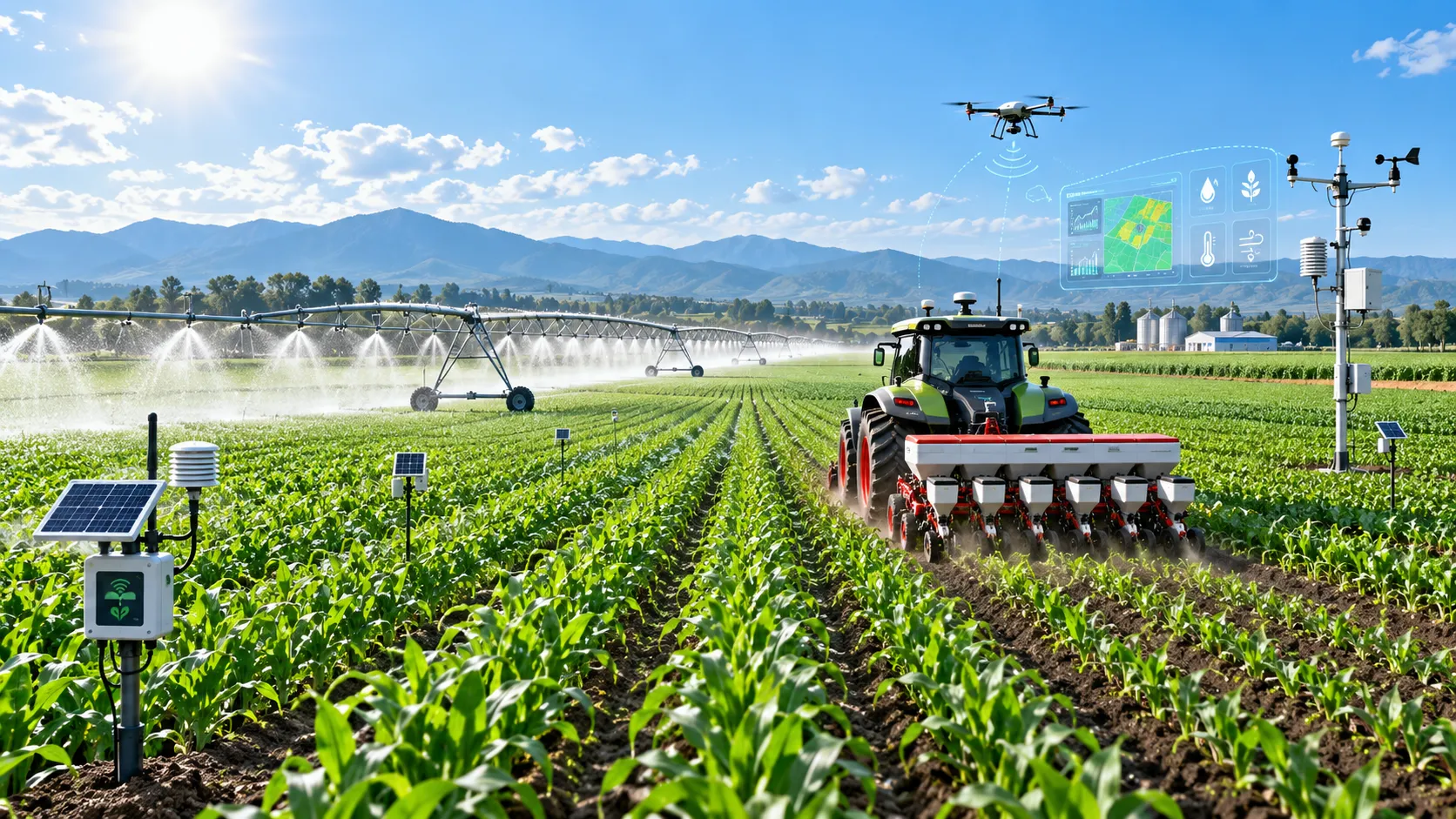
How Digital Agriculture Platforms Turn Field Data Into Better Input Decisions
Digital agriculture platforms turn field data into smarter fertilizer, water, seed, and equipment decisions—helping farms cut risk, improve margins, and scale sustainability.
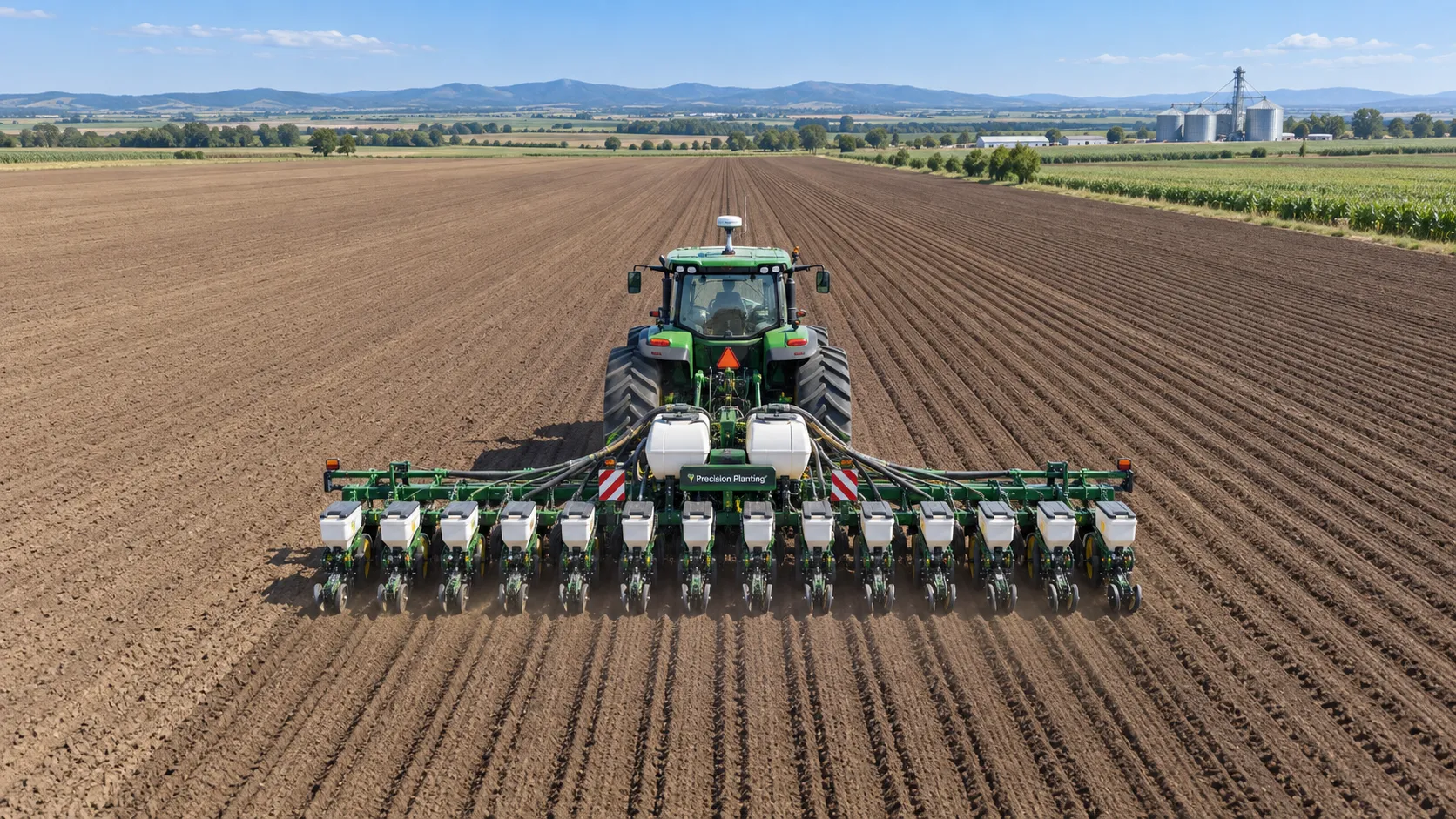
GPS-Guided Farm Machinery: Where It Delivers Measurable Field Efficiency Gains
Agri-mechanization GPS guided systems deliver measurable field efficiency gains through reduced overlap, precise planting, smarter inputs, and reliable farm data.
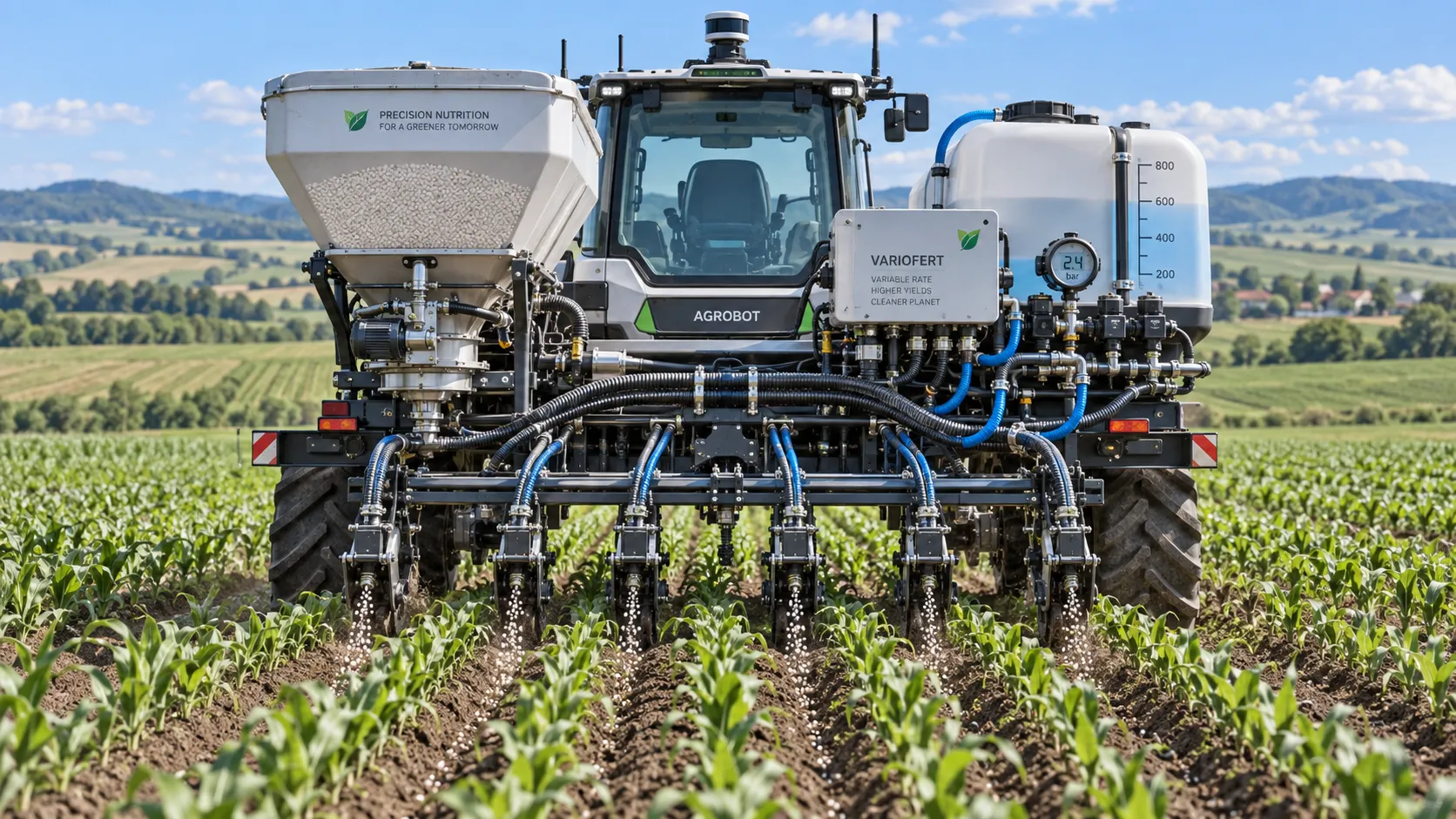
How Sensor Feedback Enables Accurate Variable-Rate Fertilization in Field Conditions
Precision fertilization systems with sensor feedback improve variable-rate accuracy by verifying flow, managing latency, and ensuring reliable field application.
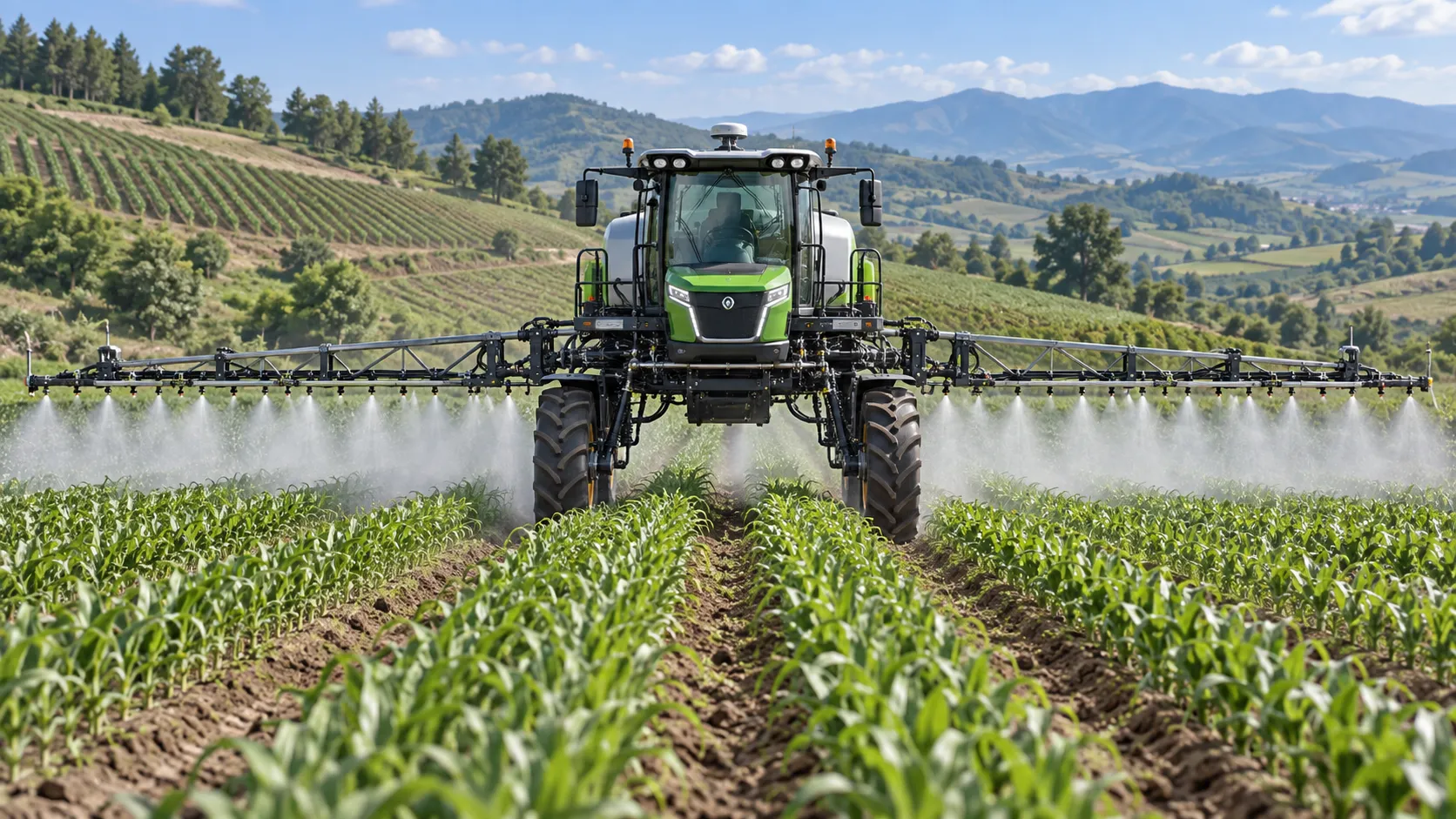
How to Select Precision Crop Protection Equipment for Variable Field Conditions
Precision crop protection equipment selection made simple: compare terrain, canopy, weather, control accuracy, and data workflows for reliable applications.
Related News
- 00
0000-00
Drip vs. Micro-Sprinkler Irrigation: Which System Fits Your Orchard? - 00
0000-00
How to Select Smart Irrigation Valves for Multi-Zone Water Management? - 00
0000-00
Automated Water-Saving Irrigation: How to Cut Water Use Without Reducing Crop Yields - 00
0000-00
How to Evaluate Drip Irrigation System Manufacturers for Large Farm Projects - 00
0000-00
Wireless Agricultural Automation for Remote Irrigation and Field Monitoring
Popular Tags
Hydrological Resource Strategist
Weekly Insights
Stay ahead with our curated technology reports delivered every Monday.