
Why agri-tech innovations are reshaping field operations
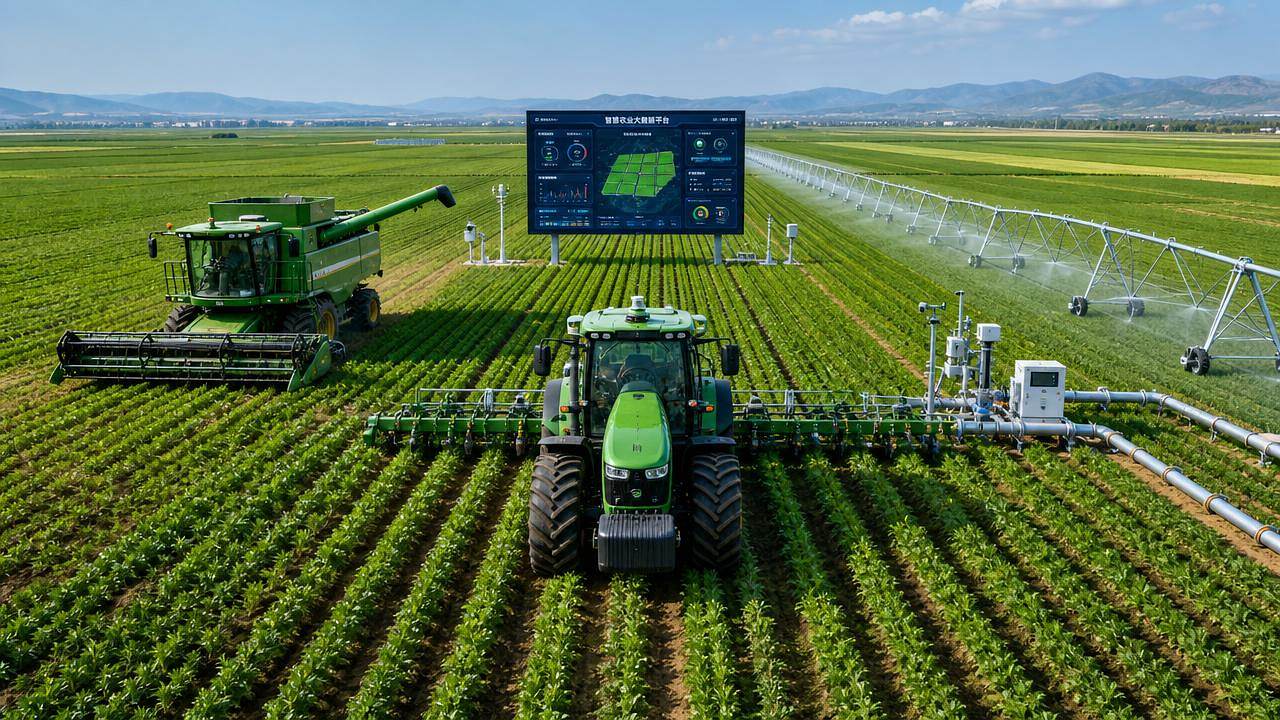




Agri-tech innovations are transforming field operations from labor-intensive routines into data-driven, high-efficiency systems. For researchers tracking the future of large-scale farming, this shift reveals how advanced machinery, precision irrigation, intelligent tools, and harvesting technologies are redefining productivity, sustainability, and decision-making across global agriculture.
What do agri-tech innovations actually change in field operations?
For information researchers, the value of agri-tech innovations is not limited to automation headlines. The real shift happens in how field operations are planned, monitored, adjusted, and evaluated across entire production cycles.
In conventional operations, decisions often depend on operator experience, fixed schedules, and delayed feedback. In Agriculture 4.0 systems, field actions can be linked to satellite positioning, sensor inputs, machine telemetry, crop condition mapping, and water-use analytics.
That means tillage depth, seeding density, spraying rate, harvesting settings, and irrigation timing are increasingly managed as variable, responsive parameters rather than static routines. This is why agri-tech innovations are reshaping field operations at both the mechanical and strategic levels.
- They reduce dependence on uniform field treatment by enabling site-specific intervention.
- They improve visibility across machine performance, fuel use, crop flow, and irrigation response.
- They support better procurement decisions because buyers can compare systems by measurable output, control logic, and integration capability.
- They connect field performance to wider pressures such as labor scarcity, climate volatility, sustainability reporting, and food security planning.
For AP-Strategy, these changes are best understood through the interaction of five pillars: large-scale agri-machinery, combine harvesters, tractor chassis systems, intelligent farm tools, and water-saving irrigation networks. Each pillar changes field operations in a different but connected way.
Why this matters to researchers, distributors, and strategic buyers
Many market observers do not struggle to find product brochures. They struggle to compare operational relevance. A machine may look advanced on paper but fail under local crop conditions, service limitations, hydraulic demand, or software compatibility constraints.
This is where structured intelligence becomes essential. AP-Strategy tracks not only equipment categories, but also the engineering logic, deployment context, and commercial signals behind agri-tech innovations in global field operations.
Where are agri-tech innovations delivering the clearest field impact?
The most visible impact appears in operations where timing, scale, and input precision directly affect margin. Researchers evaluating adoption trends should look beyond single devices and focus on workflow transformation.
Large-scale machinery and power systems
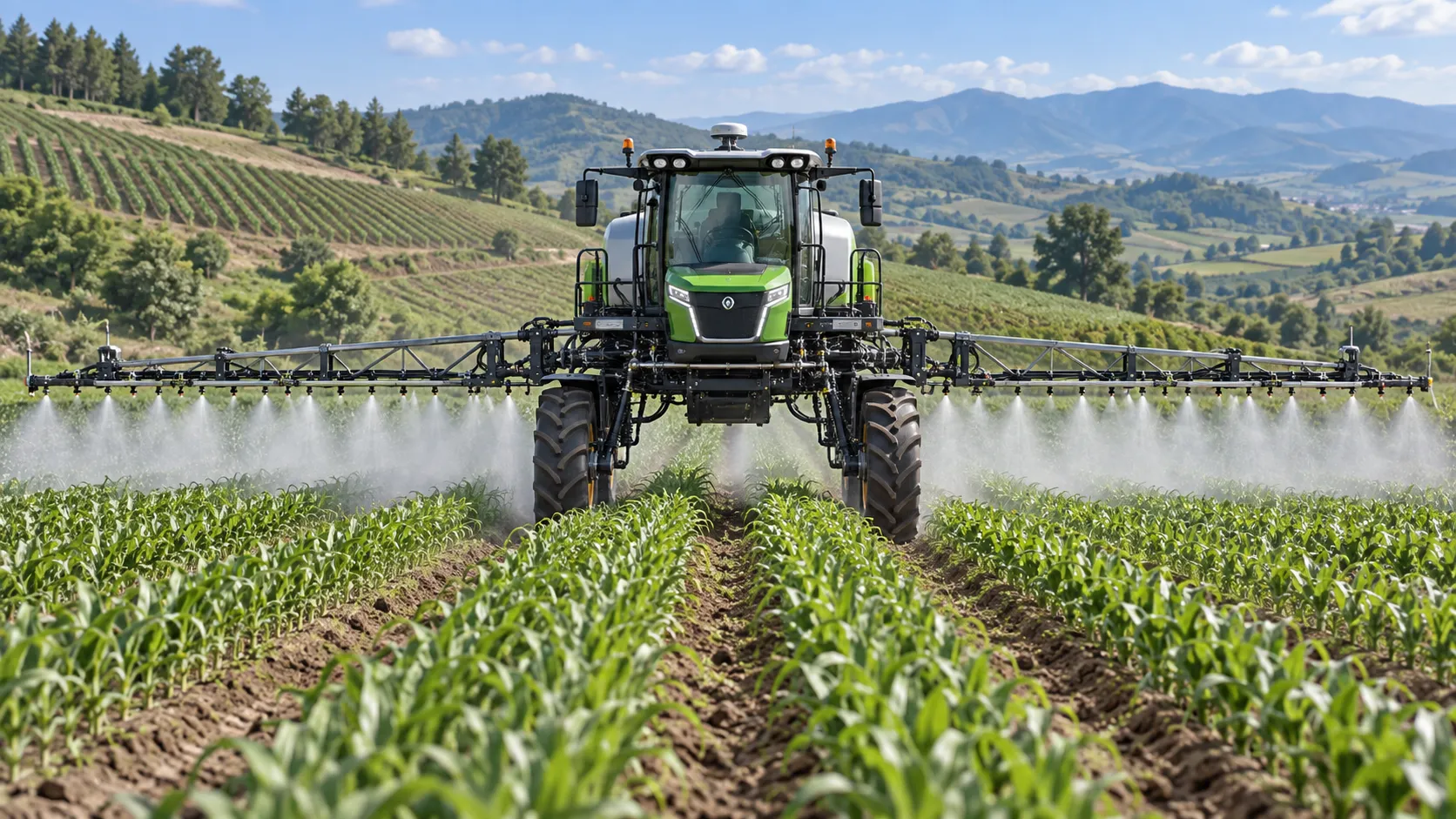
In soil preparation, planting, and crop protection, agri-tech innovations improve consistency across large acreages. Transmission efficiency, hydraulic stability, implement matching, and telematics reporting increasingly determine whether a tractor platform can support precision workloads.
Combine harvesting in complex crop environments
Harvesting remains one of the most demanding operation windows. Intelligent settings for threshing, separation, cleaning, and grain-loss control help operators react to crop moisture variation, lodging, and throughput fluctuation with less guesswork.
Precision irrigation and water allocation
Water-saving irrigation systems are no longer passive infrastructure. Sensors, controllers, and predictive models can convert irrigation into a managed network that responds to evapotranspiration trends, soil moisture variability, and local water constraints.
Intelligent farm tools and prescription tasks
Guidance systems, section control, variable-rate application, and sensor feedback tools support field operations that are more precise and less wasteful. Their value is strongest where fertilizer, chemical, seed, and water inputs need tighter targeting.
The table below helps compare how agri-tech innovations affect different field operation stages and where information researchers should focus when evaluating commercial relevance.
A useful takeaway is that agri-tech innovations rarely create value in isolation. Their impact grows when machines, tools, and data systems are evaluated as linked field-operation assets rather than separate purchases.
How should researchers compare agri-tech innovations beyond marketing claims?
One of the biggest research pain points is comparison distortion. Vendors may highlight autonomy, intelligence, or sustainability, but field buyers need to know what those claims mean under actual operating conditions.
A practical comparison framework should include machine capability, data quality, agronomic fit, interoperability, service readiness, and compliance expectations. This avoids the common mistake of ranking technology by novelty instead of field value.
Core comparison dimensions
- Operational fit: Can the system handle crop type, soil condition, terrain variability, and working width requirements?
- Control precision: Does it support variable-rate logic, real-time feedback, or adaptive settings that matter in field use?
- Platform integration: Can machinery, implements, irrigation controls, and farm software exchange usable data?
- Lifecycle practicality: Are maintenance complexity, spare parts access, operator training, and update management acceptable?
- Risk profile: What happens if connectivity is weak, sensor calibration drifts, or local technicians lack experience?
The next table gives a decision-oriented comparison format that information researchers can apply when reviewing agri-tech innovations for large-scale field operations.
This kind of matrix is especially helpful when comparing harvesting systems, autonomous tools, or smart irrigation packages that appear similar in promotional materials but differ sharply in deployment burden and measurable field return.
Which technical signals matter most in large-scale field operations?
Researchers often ask for the single best performance indicator. In reality, agri-tech innovations should be assessed through operational signal groups rather than one metric. The right indicators depend on the field task.
For tractors and power chassis
Look at torque delivery behavior, transmission response, hydraulic flow consistency, implement control precision, and telematics readability. A platform that supports heavy-duty work but lacks stable implement control may limit precision gains.
For combine harvesters
Pay attention to crop-flow management, grain-loss monitoring logic, cleaning performance under moisture variation, and ease of setting adjustment. Advanced systems should help reduce operator dependence when conditions shift quickly.
For intelligent farm tools
Key signals include positioning accuracy, response latency, section control reliability, prescription map execution, and feedback from onboard sensors. The technology must perform consistently over full field cycles, not just during ideal conditions.
For smart irrigation systems
Review sensor placement logic, controller responsiveness, zoning capability, pressure stability, and forecast integration. Water-saving claims should be tested against local climate patterns, field layout, and crop evapotranspiration needs.
AP-Strategy’s intelligence value lies in connecting these technical signals to broader market context. A feature only matters if it changes field outcome, labor burden, input efficiency, or strategic flexibility.
How to approach procurement when agri-tech innovations look similar?
Procurement becomes difficult when multiple systems promise precision, autonomy, and efficiency. For information researchers supporting internal decisions, the best approach is staged filtering rather than feature accumulation.
A practical selection process
- Define the field bottleneck first. Is the main issue labor shortage, grain loss, irrigation waste, input overlap, or machine underutilization?
- Set measurable screening criteria. Examples include compatibility, operating window, data usability, service accessibility, and upgrade flexibility.
- Separate must-have functions from optional automation layers. This protects budgets from buying attractive but low-impact features.
- Assess implementation readiness. Even strong agri-tech innovations can fail if operator training, calibration discipline, or local support is weak.
- Model long-cycle value, not just acquisition cost. Downtime risk, water savings, harvest timing, and input efficiency often matter more than sticker price.
For distributors and strategic buyers, AP-Strategy’s commercial insights are useful because they combine equipment trends with policy pressure, sustainability direction, and evolving demand for autonomous machinery and precision input systems.
What are the most common mistakes when evaluating agri-tech innovations?
Research errors often start with overconfidence in labels such as smart, autonomous, or precision-ready. These terms may describe capability categories, but they do not guarantee performance under real field pressure.
- Assuming more automation always means better economics. In some operations, reliability and service access matter more than the newest control layer.
- Ignoring chassis, hydraulic, or implement matching when focusing on digital functions. Mechanical mismatch can erase the value of software intelligence.
- Treating irrigation technology as separate from agronomic planning. Water scheduling only works when linked to crop stage, soil condition, and climate signal.
- Using vendor claims without checking data output format, calibration needs, or operator learning requirements.
- Underestimating the importance of timing. Field operations often succeed or fail in narrow windows, especially during harvesting and irrigation stress periods.
A disciplined evaluation framework protects researchers from turning agri-tech innovations into abstract trend notes instead of useful procurement intelligence.
FAQ: what do information researchers ask most about agri-tech innovations?
How do agri-tech innovations differ from standard farm mechanization?
Standard mechanization primarily improves labor replacement and field speed. Agri-tech innovations add sensing, adaptive control, data feedback, and system connectivity. The difference is not just more machinery, but better decision loops during field operations.
Which field operations usually show the fastest return from agri-tech innovations?
The fastest operational gains often appear in harvesting, spraying, fertilization, and irrigation scheduling because errors in those stages quickly translate into loss, waste, or crop stress. However, return speed depends on scale, crop type, and baseline inefficiency.
What should buyers verify before selecting intelligent irrigation systems?
They should verify zoning logic, pressure management, sensor placement, data access, controller compatibility, local maintenance capacity, and whether the system can support field-specific scheduling rather than generic timer-based irrigation.
Are autonomous and precision systems suitable for all farms?
Not always. Agri-tech innovations create the strongest value where scale, variability, labor constraints, and input cost justify added complexity. Smaller or simpler operations may benefit more from selective upgrades than full-system transformation.
How can researchers judge whether a technology trend is durable?
Watch for repeat demand across regions, stronger integration with machine platforms, alignment with policy and water constraints, and evidence that the technology solves a recurring field problem rather than a temporary market narrative.
What trends will shape the next phase of field operations?
The next phase of agri-tech innovations will likely center on tighter integration. Instead of isolated smart functions, the market is moving toward connected operating ecosystems that unify machinery, implements, irrigation networks, and analytical decision tools.
Researchers should pay close attention to hybrid power development in tractor chassis, dynamic loss-control algorithms in combine harvesters, precision input prescription tools, and transpiration-linked irrigation models. These are not fringe topics. They influence productivity, resource pressure, and long-cycle capital planning.
Climate instability and food security concerns will also keep pushing investment toward resource-saving, autonomous, and data-driven systems. This is why field operations are becoming a strategic intelligence domain, not just an equipment category.
Why choose AP-Strategy for agri-tech innovation research and decision support?
AP-Strategy helps information researchers move from fragmented product tracking to structured field-operation intelligence. Our focus spans large-scale agri-machinery, combine harvesting technology, tractor chassis evolution, intelligent farm tools, and water-saving irrigation systems.
If you are comparing agri-tech innovations for strategic sourcing, market entry, distribution planning, or equipment portfolio review, you can consult AP-Strategy on practical topics such as parameter confirmation, technology selection logic, delivery-cycle assessment, custom solution direction, and general compliance considerations.
You can also request support for scenario comparison, irrigation-system evaluation, combine harvester trend analysis, tractor platform intelligence, and commercial insight on autonomous or precision farming demand. For organizations working in long-cycle agri-trade, this kind of decision support reduces uncertainty before capital and partnership choices are made.
When field operations are being reshaped by agri-tech innovations, better intelligence is not optional. It is the basis for better timing, better selection, and better outcomes across the agricultural value chain.
Related News
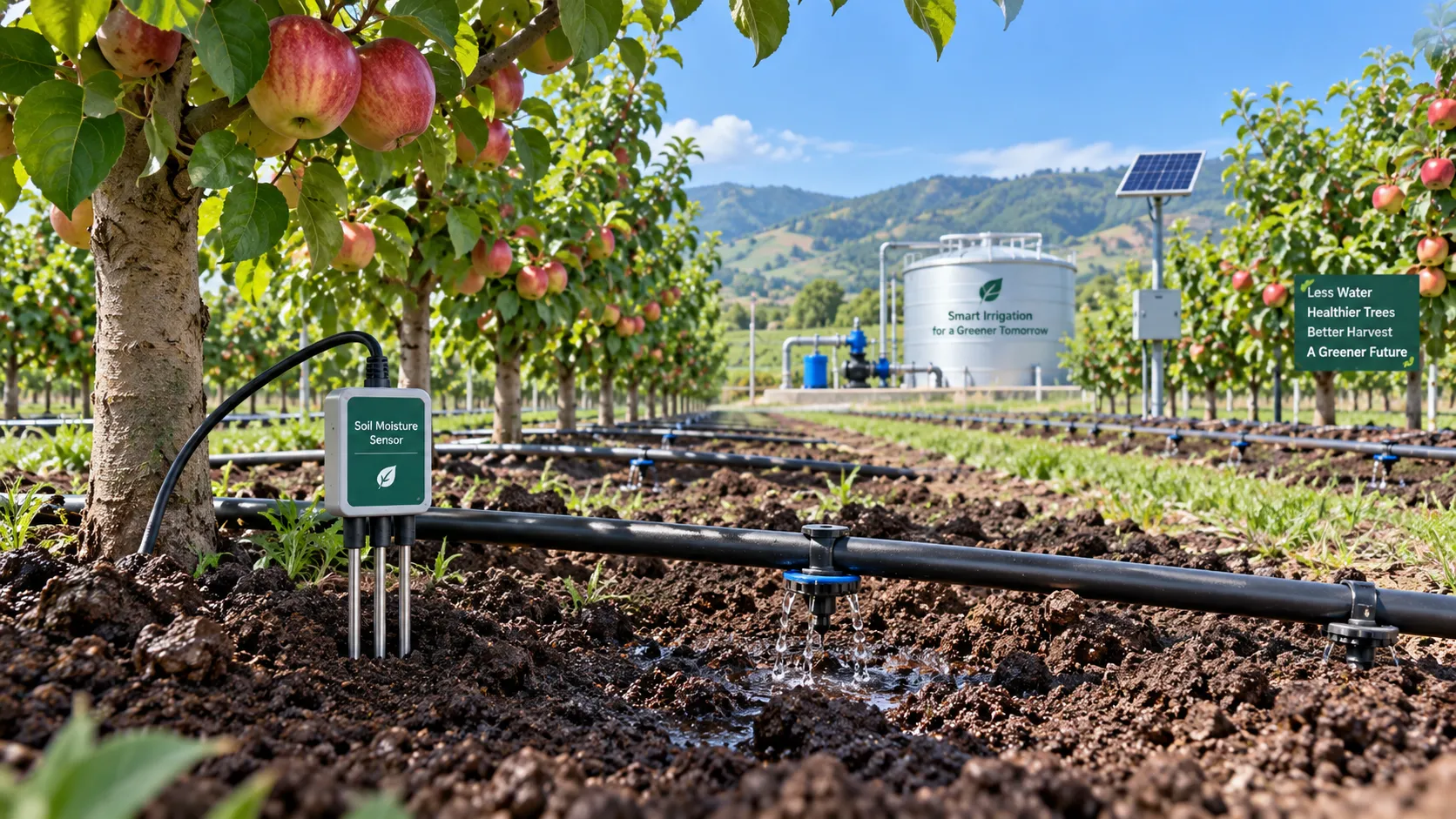
Orchard Water Management: Using Soil Moisture Data to Schedule Irrigation
Agricultural water management for orchards made practical: use soil moisture data to optimize irrigation timing, protect yield, reduce costs, and improve resilience.
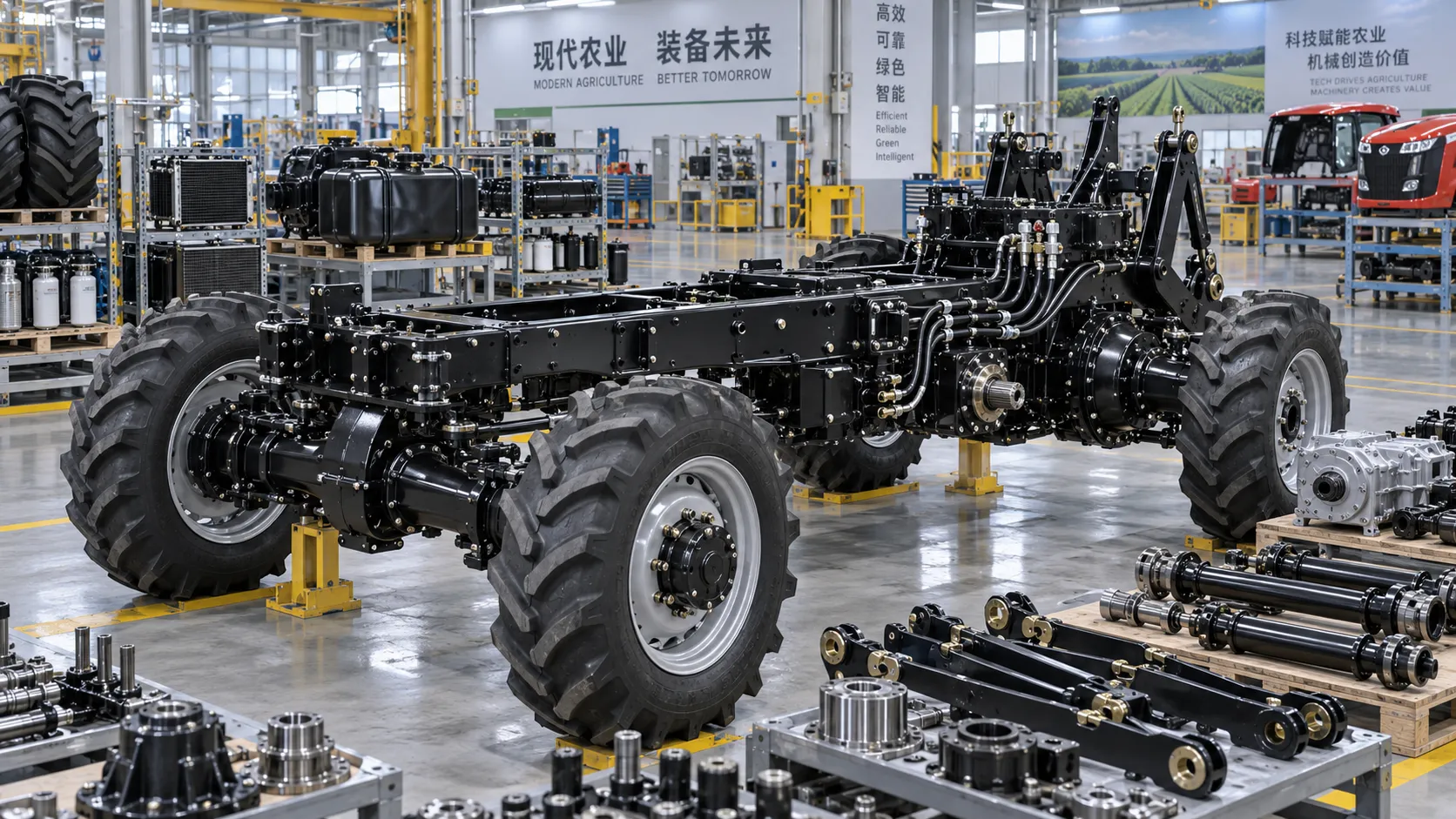
Tractor Chassis Price: What Buyers Should Compare Beyond the Initial Quote
Tractor chassis price is only the start. Compare load capacity, compatibility, durability, and lifecycle costs to choose a reliable, high-value chassis.
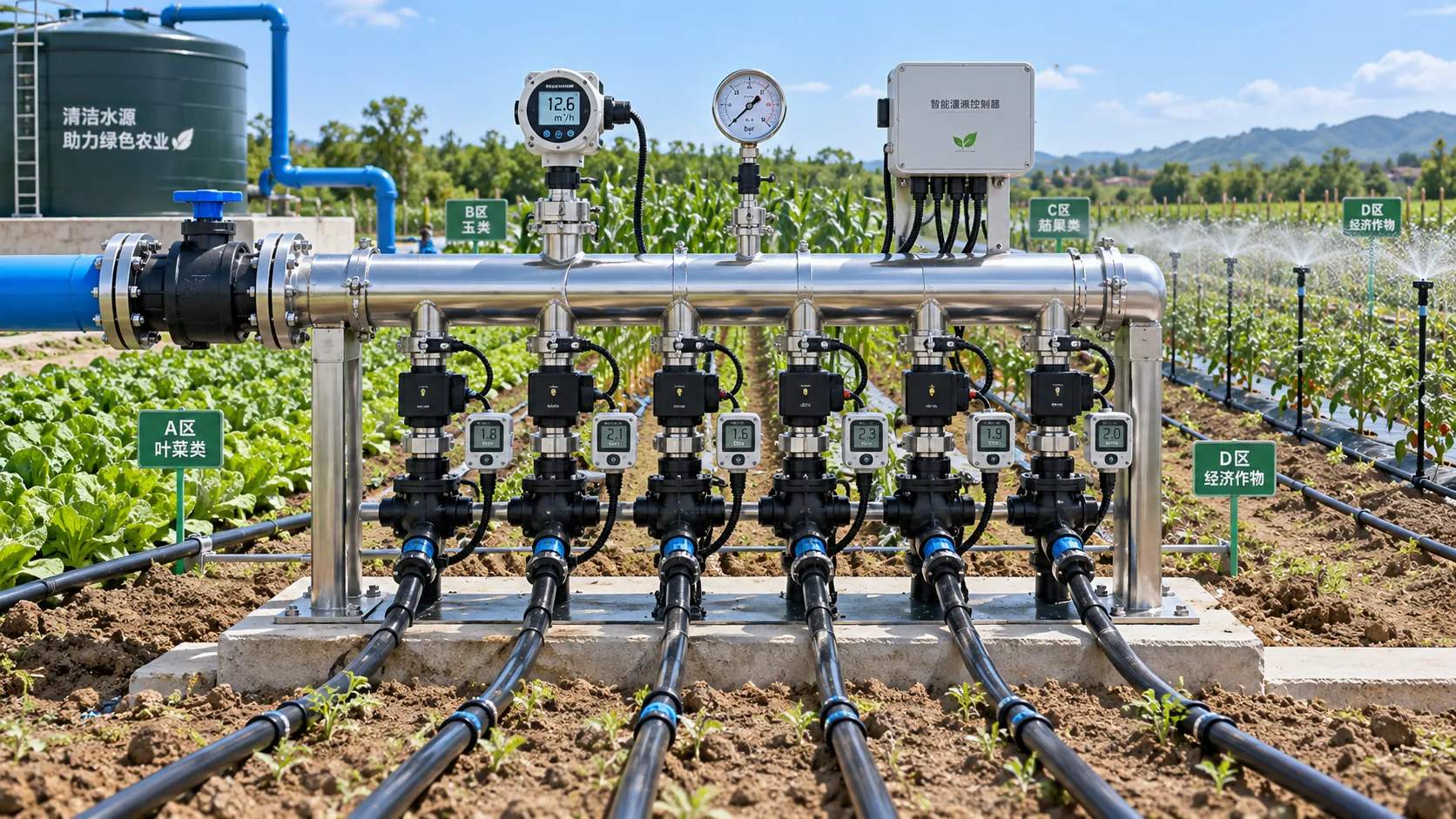
How to Select Smart Irrigation Valves for Multi-Zone Water Management?
Intelligent irrigation systems valves: learn how to match smart valves with multi-zone flow, pressure, control, feedback, and communication needs for reliable water management.
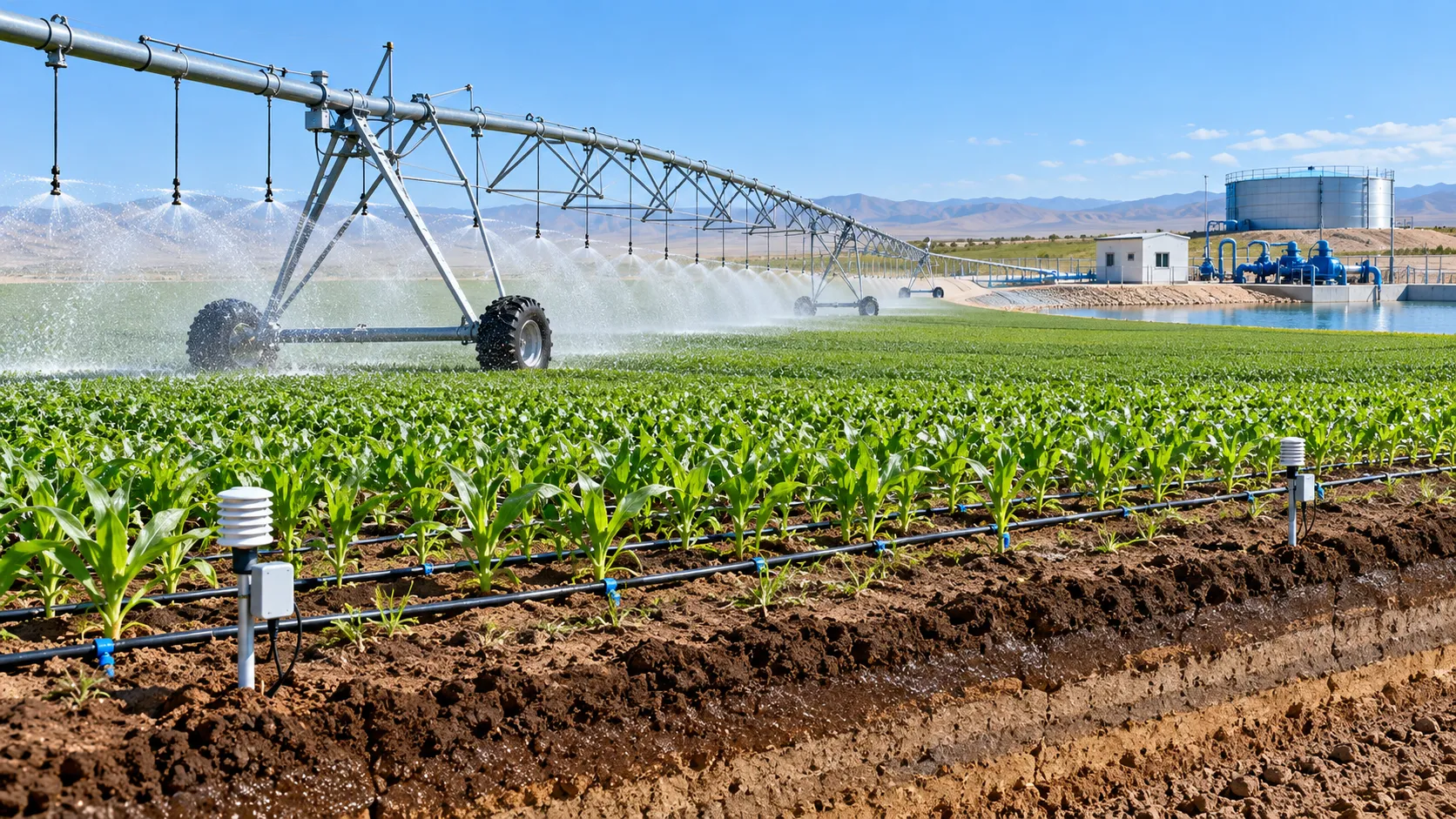
Climate-Smart Farming for Drought: A Practical Plan for Protecting Yields
Climate-smart farming for drought: build smarter water budgets, protect critical crop stages, improve irrigation uniformity, and safeguard yields with practical field-proven strategies.
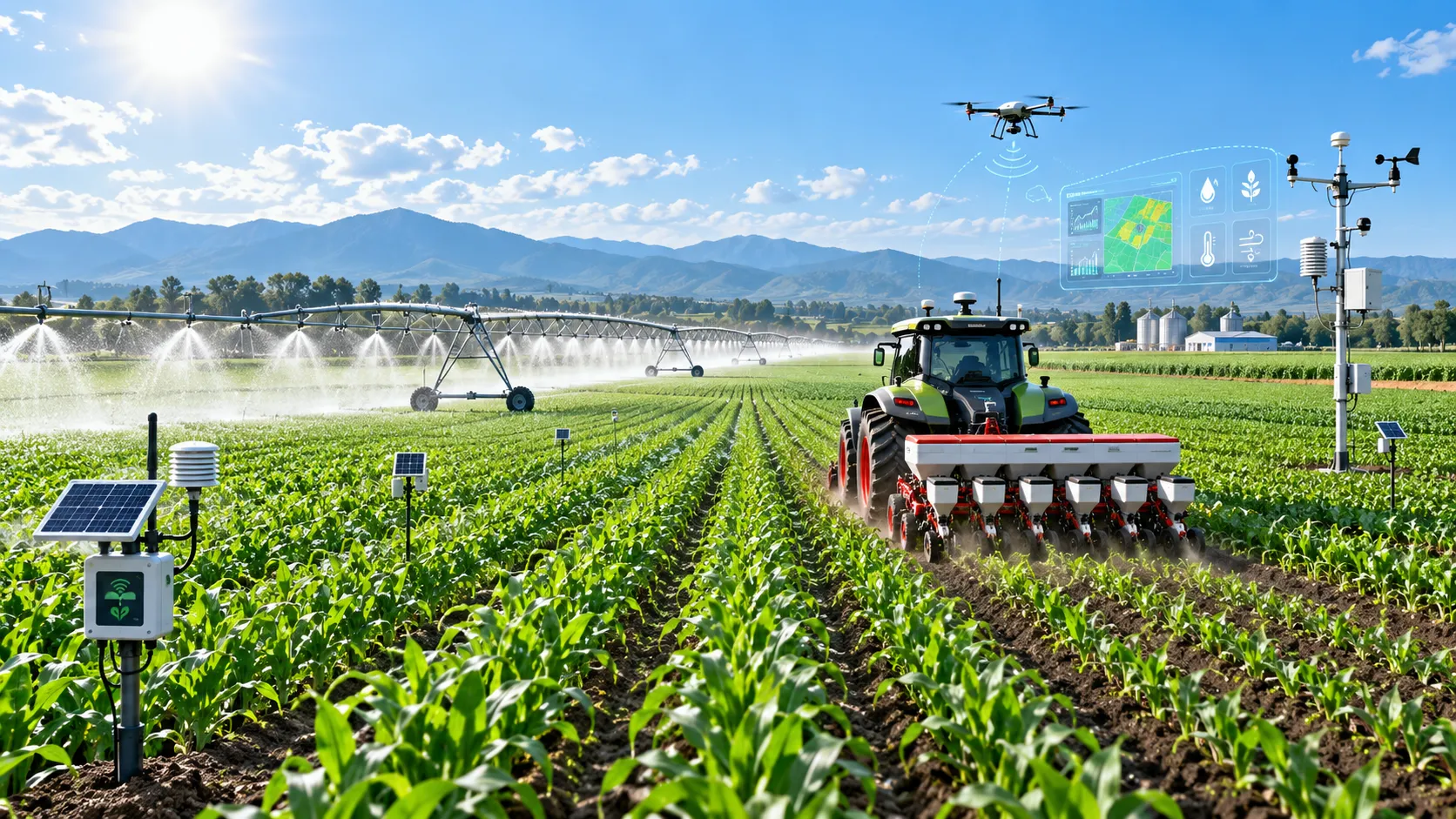
How Digital Agriculture Platforms Turn Field Data Into Better Input Decisions
Digital agriculture platforms turn field data into smarter fertilizer, water, seed, and equipment decisions—helping farms cut risk, improve margins, and scale sustainability.
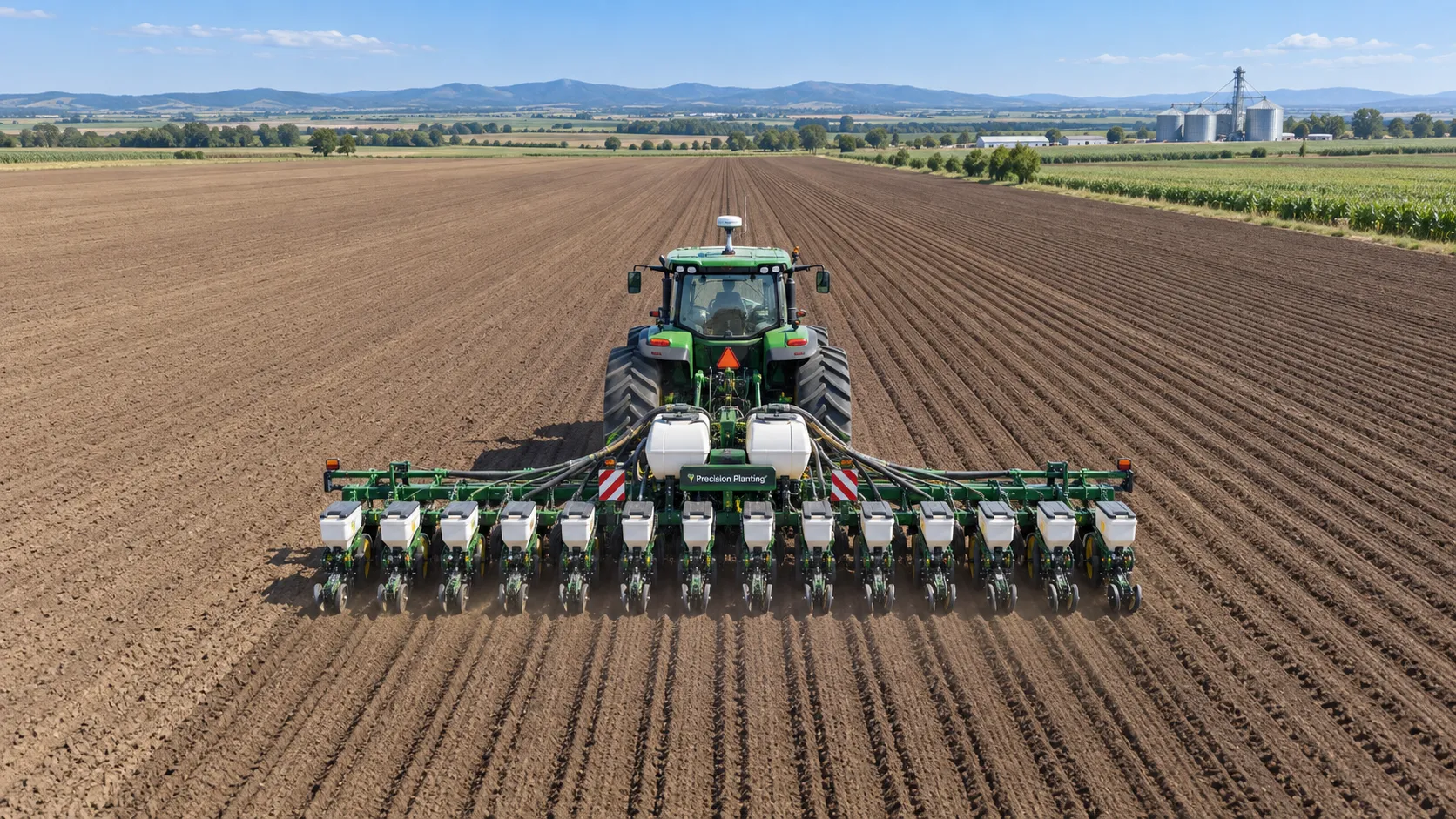
GPS-Guided Farm Machinery: Where It Delivers Measurable Field Efficiency Gains
Agri-mechanization GPS guided systems deliver measurable field efficiency gains through reduced overlap, precise planting, smarter inputs, and reliable farm data.
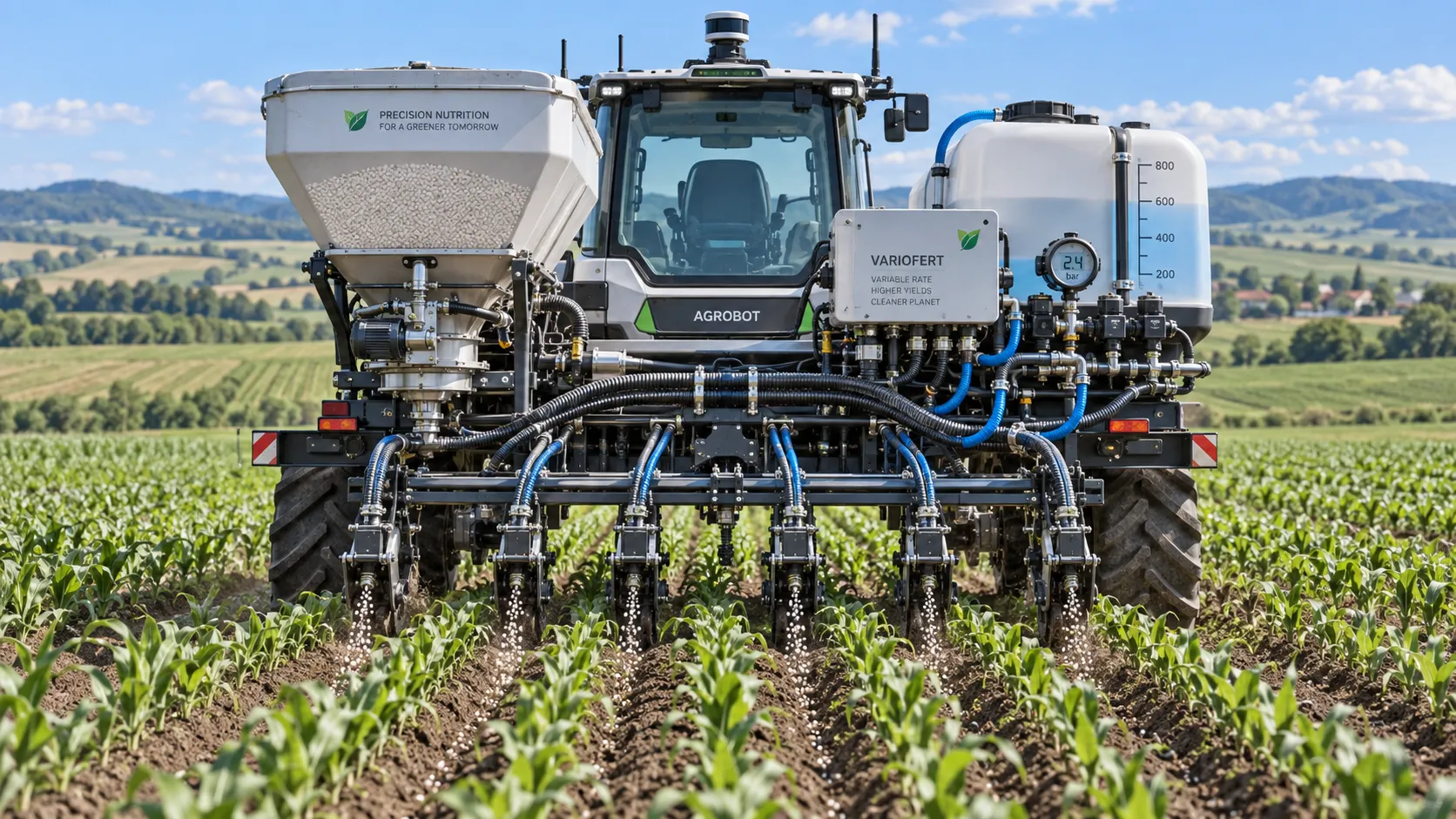
How Sensor Feedback Enables Accurate Variable-Rate Fertilization in Field Conditions
Precision fertilization systems with sensor feedback improve variable-rate accuracy by verifying flow, managing latency, and ensuring reliable field application.
How to Select Precision Crop Protection Equipment for Variable Field Conditions
Precision crop protection equipment selection made simple: compare terrain, canopy, weather, control accuracy, and data workflows for reliable applications.

When Does Agricultural Machinery Leasing Cost Less Than Owning Equipment?
Agricultural machinery leasing can lower farm costs when use is seasonal or uncertain. Compare utilization, maintenance, cash flow, and risk to make a smarter equipment decision.
Related News
- 00
0000-00
How Does Farm Mechanization Affect Food Security in Developing Regions? - 00
0000-00
Agricultural Technology Insights by Region: Where Adoption Is Growing Fastest - 00
0000-00
How Climate-Smart Agriculture Technology Improves Yield, Soil Health, and Risk Resilience - 00
0000-00
Smart Farming Solutions in Latin America: Which Technologies Fit Large Farms Best? - 00
0000-00
Long-Cycle Agri-Trade Price Trends: How to Read Supply, Freight, and Currency Signals
Popular Tags
Prof. Marcus Chen
Weekly Insights
Stay ahead with our curated technology reports delivered every Monday.