
When farm machinery intelligence actually improves uptime
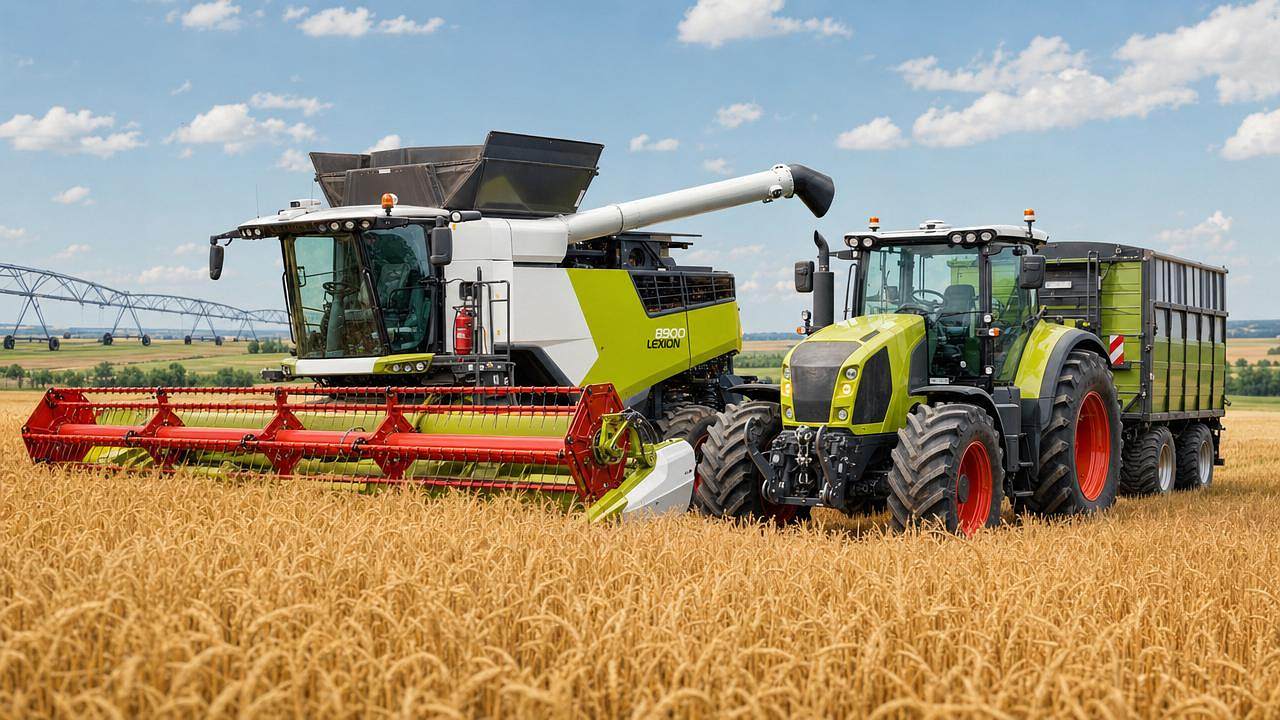




When does farm machinery intelligence truly improve uptime?
For after-sales maintenance teams, uptime is not improved by hype—it rises when farm machinery intelligence delivers actionable diagnostics, faster fault isolation, and service decisions based on real operating data.
This matters across tractors, combines, irrigation systems, and connected implements operating under dust, heat, vibration, and short seasonal windows.
In practice, farm machinery intelligence improves uptime only when data becomes serviceable insight, not just dashboard noise.
The best systems help technicians identify faults earlier, prioritize interventions, and prevent repeat failures that waste labor and field time.
For platforms tracking Agriculture 4.0, this is where connected equipment proves its value: reducing downtime while protecting productivity and harvest timing.
What is farm machinery intelligence in practical service terms?
Farm machinery intelligence combines sensors, controllers, connectivity, software logic, and machine history to support better maintenance decisions.
It is not limited to autonomy or advanced guidance. Uptime gains often begin with simpler functions that improve visibility into machine health.
Examples include coolant temperature trends, hydraulic pressure anomalies, fuel system alerts, separator load variation, and irrigation pump performance deviations.
When these signals are linked to service workflows, farm machinery intelligence becomes operational rather than promotional.
Useful intelligence usually includes four layers:
- Condition monitoring from onboard sensors.
- Fault code interpretation with context.
- Remote data access for service teams.
- Predictive logic based on usage patterns.
Without all four, diagnosis can still improve, but uptime improvements may remain inconsistent.
How does farm machinery intelligence reduce downtime in the field?
Downtime falls when technicians spend less time guessing and more time addressing the highest-probability failure cause.
A connected combine, for example, can show whether grain loss complaints relate to settings, rotor load, cleaning airflow, or sensor drift.
That shortens troubleshooting, reduces unnecessary part swaps, and prevents return visits during critical harvest hours.
On tractors, farm machinery intelligence can flag recurring transmission temperature spikes under specific drawbar loads.
The service response then becomes targeted: inspect oil condition, cooling flow, hydraulic contamination, and duty-cycle misuse.
For irrigation systems, pressure instability and pump current patterns can reveal clogging, leaks, or motor wear before full stoppage occurs.
The uptime benefit comes from three direct effects:
- Earlier warning before catastrophic failure.
- Faster fault isolation during active service.
- Better repair verification after intervention.
When each repair closes with data confirmation, repeat breakdowns become less frequent and machine availability improves.
Which machines and operating scenarios benefit most?
Farm machinery intelligence creates the strongest uptime impact where failure timing is expensive and seasonal windows are narrow.
Combine harvesters are a clear example. A few lost hours during peak moisture conditions can trigger quality losses and logistics disruption.
Tractor chassis systems also benefit because driveline, hydraulics, and power management face variable loads across tillage, transport, and planting tasks.
Intelligent implements gain value when sensor feedback influences application accuracy and machine condition at the same time.
Smart sprayers, seeders, and fertilizer tools often expose faults through flow imbalance, actuator lag, or position inconsistency.
Water-saving irrigation networks benefit differently. Here, uptime means stable delivery, reduced water loss, and fewer surprise shutdowns across dispersed assets.
High-value scenarios typically include:
- Harvest periods with compressed schedules.
- Remote fields where service travel is long.
- Machines with complex hydraulic or electronic systems.
- Assets exposed to dust, heat, and load fluctuation.
In these environments, farm machinery intelligence supports uptime because uncertainty is the main enemy of fast service.
How can teams judge whether a system is useful or just collecting data?
Not every connected platform improves uptime. Some create more alerts without improving repair decisions.
A practical evaluation starts with service outcomes, not interface design.
Ask whether the system helps answer five service-critical questions quickly:
If the answer to several questions is no, the platform may be informative but not uptime-driven.
Strong farm machinery intelligence should integrate machine data, fault trees, maintenance history, and actionable thresholds.
It should also distinguish severity. Not every deviation deserves an urgent intervention.
What are the biggest mistakes that limit uptime gains?
The first mistake is assuming more data automatically means better service.
Excess alerts can overwhelm technicians, delay prioritization, and hide the signals that really matter during a busy season.
The second mistake is ignoring operating context. A temperature rise may be normal during heavy tillage but alarming during light transport.
The third mistake is poor sensor discipline. Dirty, drifting, or uncalibrated sensors produce misleading conclusions and unnecessary parts replacement.
Another common issue is weak workflow integration.
If farm machinery intelligence sits in one portal while work orders, parts, and technician notes stay elsewhere, response speed suffers.
Risk also increases when predictive maintenance models are copied across different crops, climates, and load patterns without local adjustment.
To avoid these pitfalls, focus on:
- Alert quality over alert quantity.
- Sensor validation and maintenance routines.
- Machine-specific thresholds and logic.
- Closed-loop repair documentation.
What should implementation and ROI expectations look like?
Farm machinery intelligence usually delivers value in stages, not all at once.
Stage one is visibility. Teams gain better remote awareness of machine condition, usage, and recurring fault codes.
Stage two is diagnosis acceleration. Service decisions improve because probable causes become narrower and evidence-based.
Stage three is predictive maintenance maturity, where failure trends shape planned interventions before high-risk windows.
ROI should be judged against measurable uptime indicators:
- Mean time to diagnose.
- Mean time to repair.
- Repeat failure frequency.
- In-season breakdown hours.
- Unplanned parts consumption.
The strongest returns often appear where one avoided failure protects an entire operation window, especially in harvesting and irrigation continuity.
Still, implementation requires realistic groundwork: connectivity coverage, data governance, sensor quality, and trained interpretation.
Without these, even advanced farm machinery intelligence may underperform.
FAQ summary: how to decide if farm machinery intelligence is uptime-ready?
When farm machinery intelligence supports diagnosis, prediction, and workflow execution together, uptime improvement becomes measurable and repeatable.
That is the real threshold between connected equipment and reliable equipment.
For Agriculture 4.0 analysis, the next step is simple: evaluate whether machine data can shorten repairs, prevent failures, and verify outcomes under real field conditions.
If it can, farm machinery intelligence is no longer a concept. It is an uptime tool.
Related News
Orchard Water Management: Using Soil Moisture Data to Schedule Irrigation
Agricultural water management for orchards made practical: use soil moisture data to optimize irrigation timing, protect yield, reduce costs, and improve resilience.
Tractor Chassis Price: What Buyers Should Compare Beyond the Initial Quote
Tractor chassis price is only the start. Compare load capacity, compatibility, durability, and lifecycle costs to choose a reliable, high-value chassis.
How to Select Smart Irrigation Valves for Multi-Zone Water Management?
Intelligent irrigation systems valves: learn how to match smart valves with multi-zone flow, pressure, control, feedback, and communication needs for reliable water management.
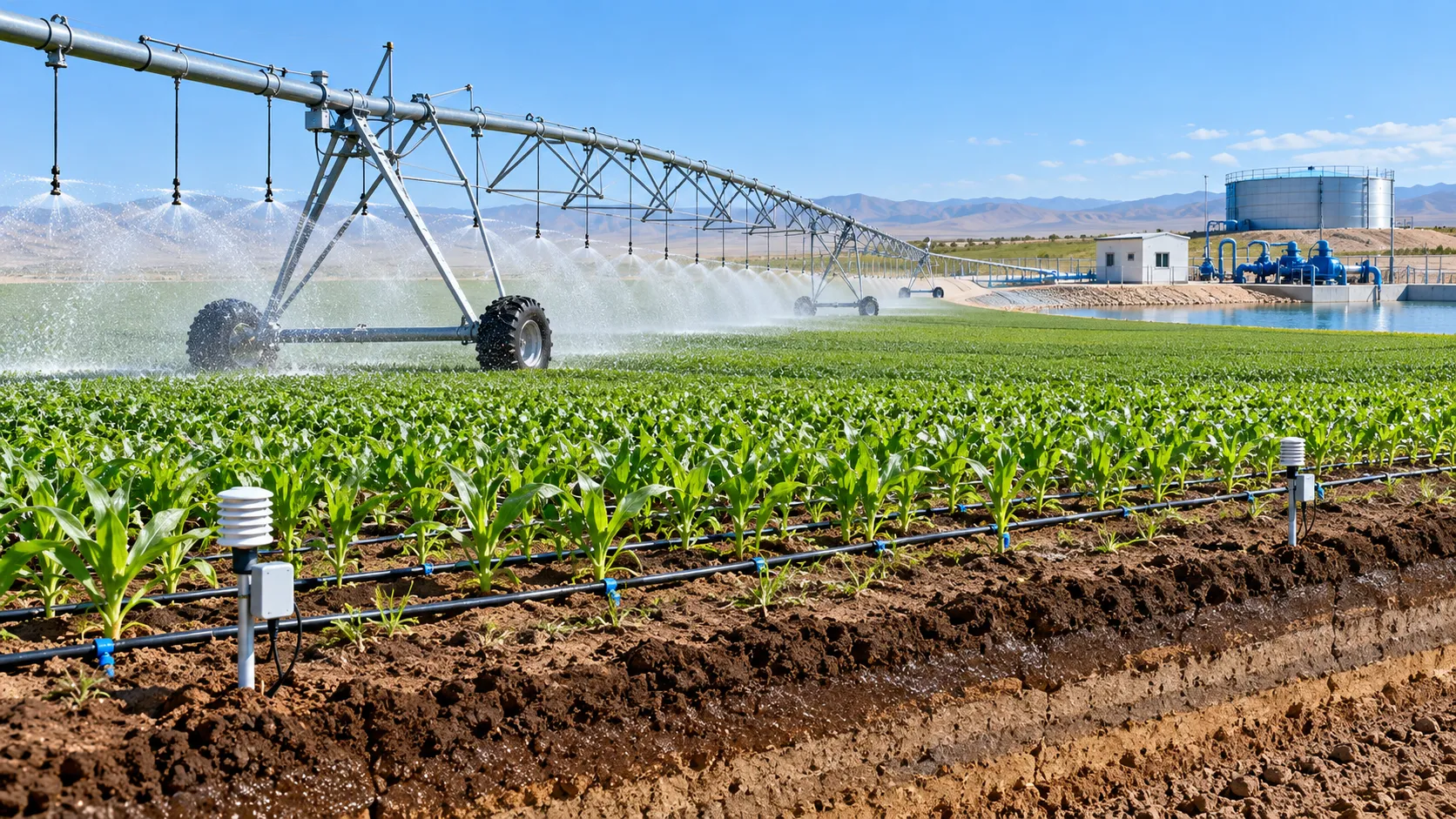
Climate-Smart Farming for Drought: A Practical Plan for Protecting Yields
Climate-smart farming for drought: build smarter water budgets, protect critical crop stages, improve irrigation uniformity, and safeguard yields with practical field-proven strategies.
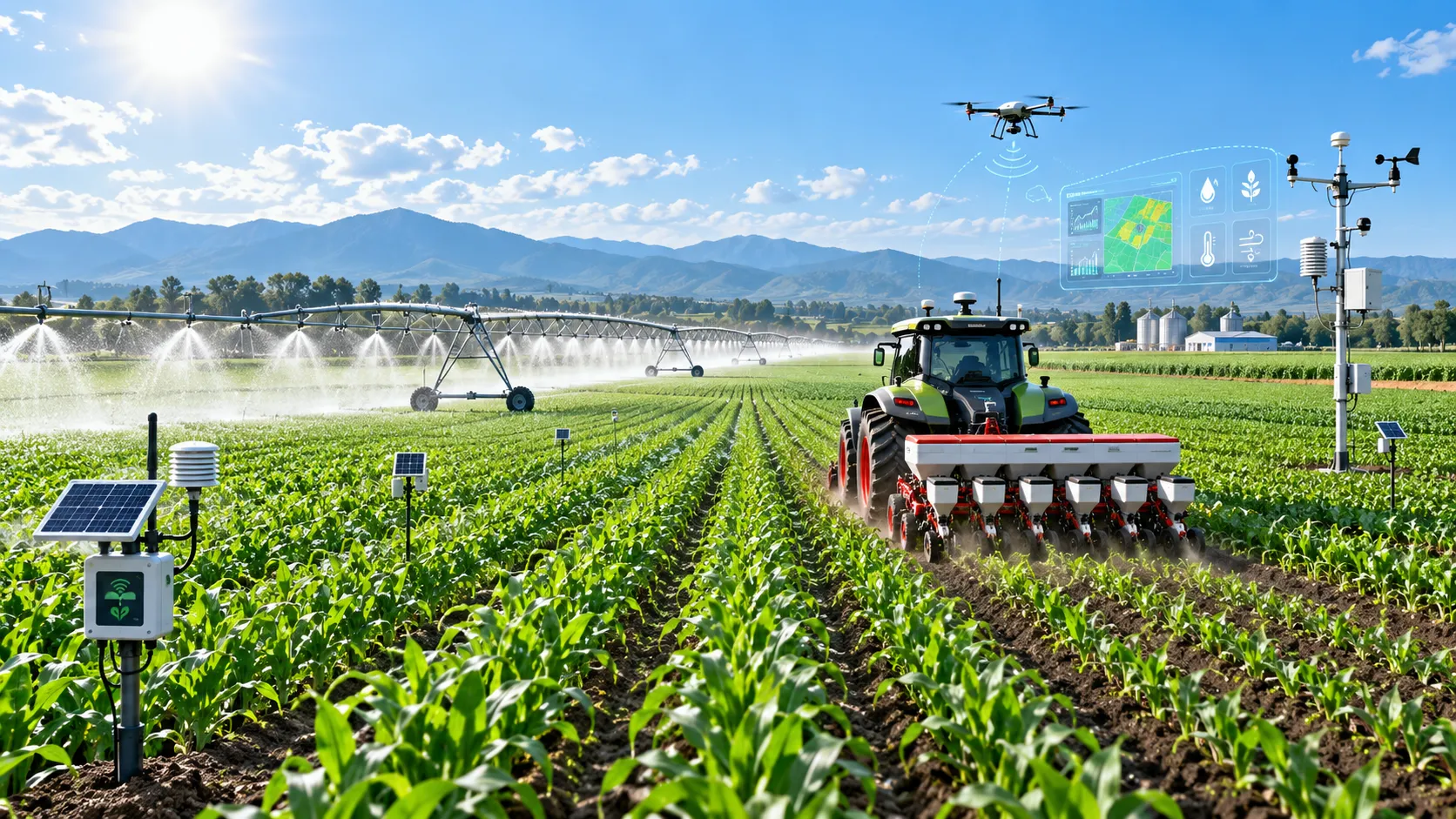
How Digital Agriculture Platforms Turn Field Data Into Better Input Decisions
Digital agriculture platforms turn field data into smarter fertilizer, water, seed, and equipment decisions—helping farms cut risk, improve margins, and scale sustainability.
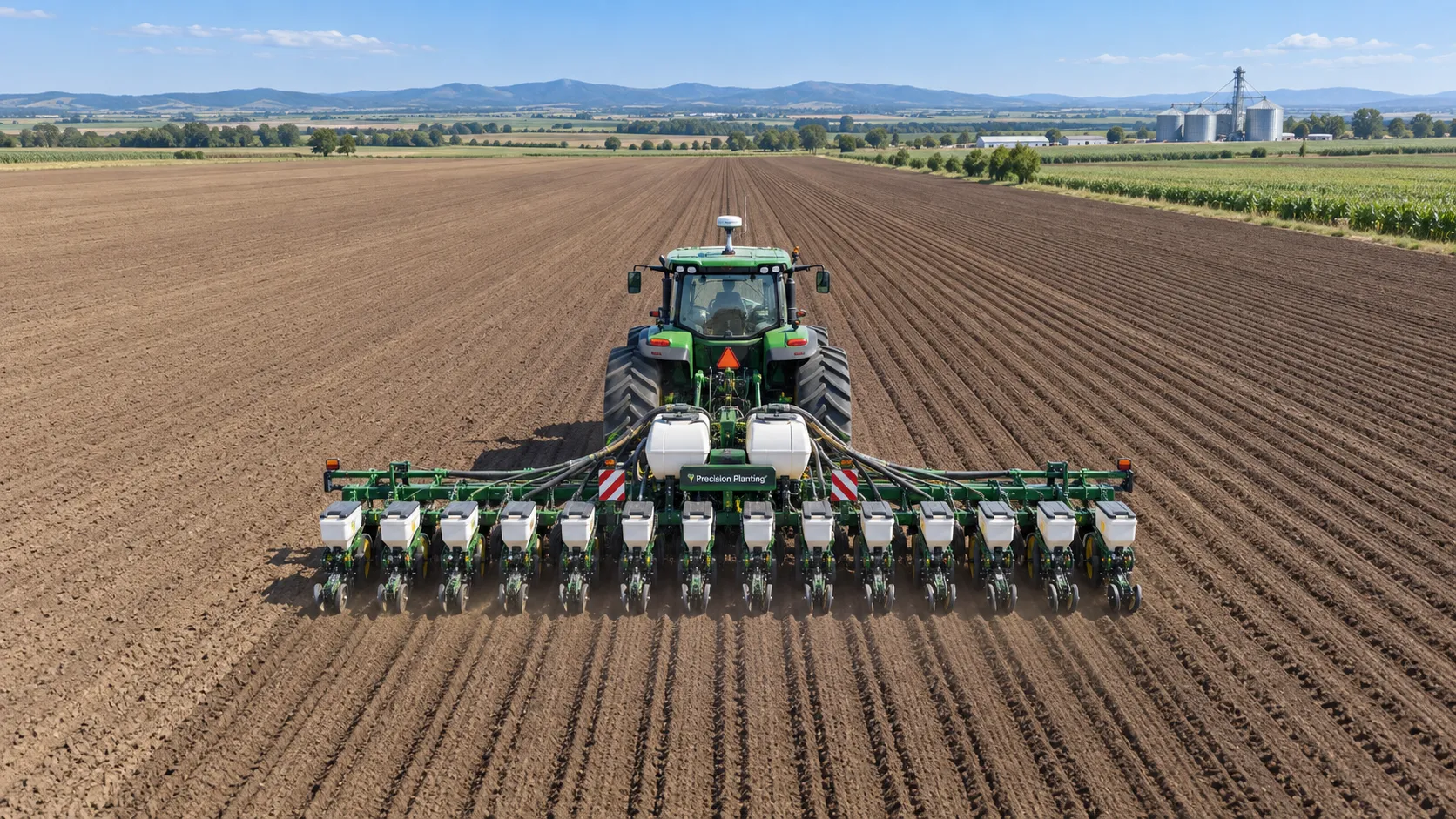
GPS-Guided Farm Machinery: Where It Delivers Measurable Field Efficiency Gains
Agri-mechanization GPS guided systems deliver measurable field efficiency gains through reduced overlap, precise planting, smarter inputs, and reliable farm data.
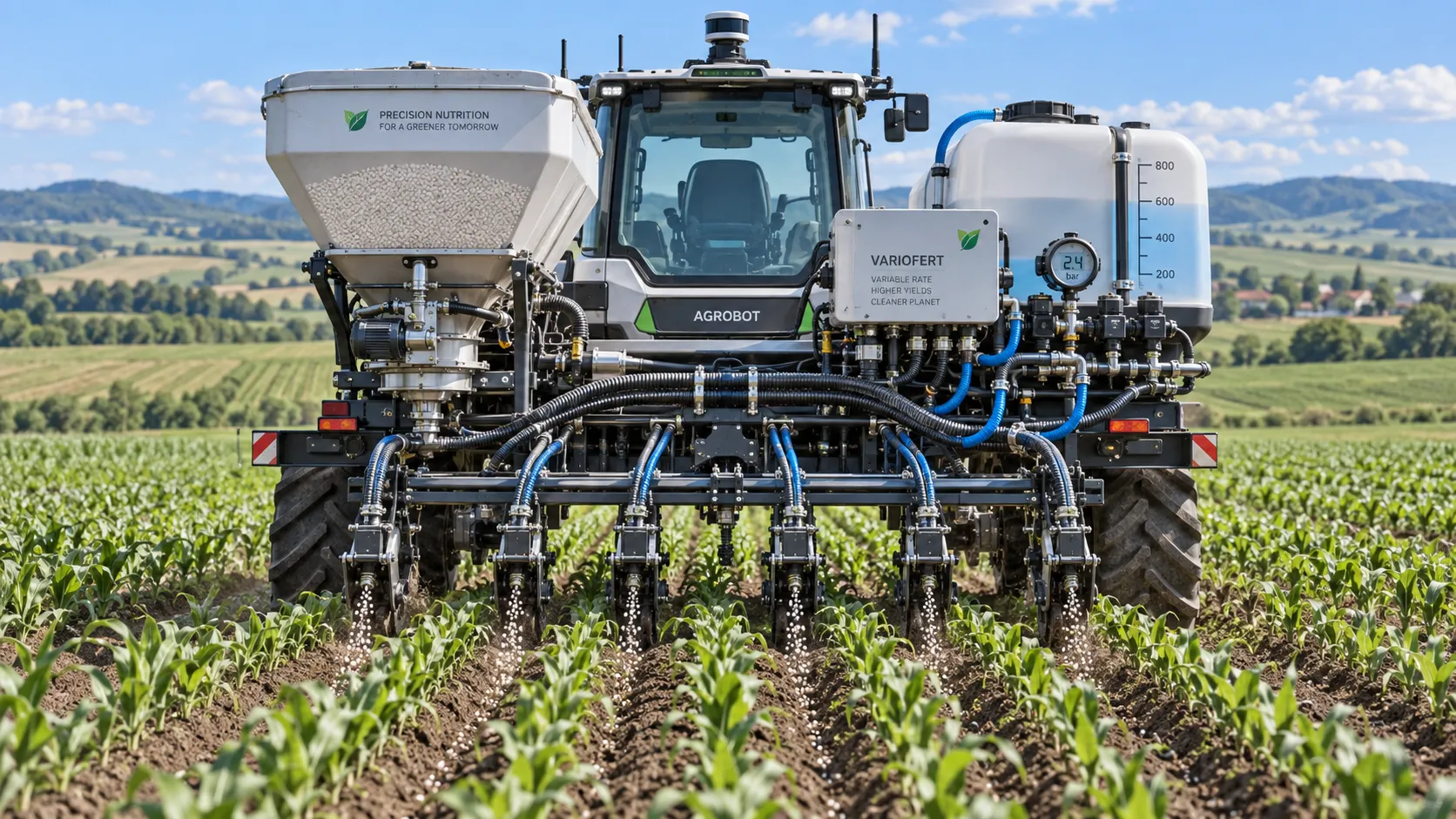
How Sensor Feedback Enables Accurate Variable-Rate Fertilization in Field Conditions
Precision fertilization systems with sensor feedback improve variable-rate accuracy by verifying flow, managing latency, and ensuring reliable field application.
How to Select Precision Crop Protection Equipment for Variable Field Conditions
Precision crop protection equipment selection made simple: compare terrain, canopy, weather, control accuracy, and data workflows for reliable applications.

When Does Agricultural Machinery Leasing Cost Less Than Owning Equipment?
Agricultural machinery leasing can lower farm costs when use is seasonal or uncertain. Compare utilization, maintenance, cash flow, and risk to make a smarter equipment decision.
Related News
- 00
0000-00
Grain Tank Automation OEM: What to Check in Integration, Control Logic, and Support - 00
0000-00
EU Adds Vibration Test for Grain Tank Automation CE Marking - 00
0000-00
China’s New Rural Plan Puts Cold-Chain Focus on Smart Irrigation - 00
0000-00
Thailand Food Rule Hits Filling Line Exports - 00
0000-00
Fruit Attraction 2026 Booth Bookings Surpass 90%
Popular Tags
Harvesting Efficiency Expert
Weekly Insights
Stay ahead with our curated technology reports delivered every Monday.