
How sustainable agriculture equipment supports safer work
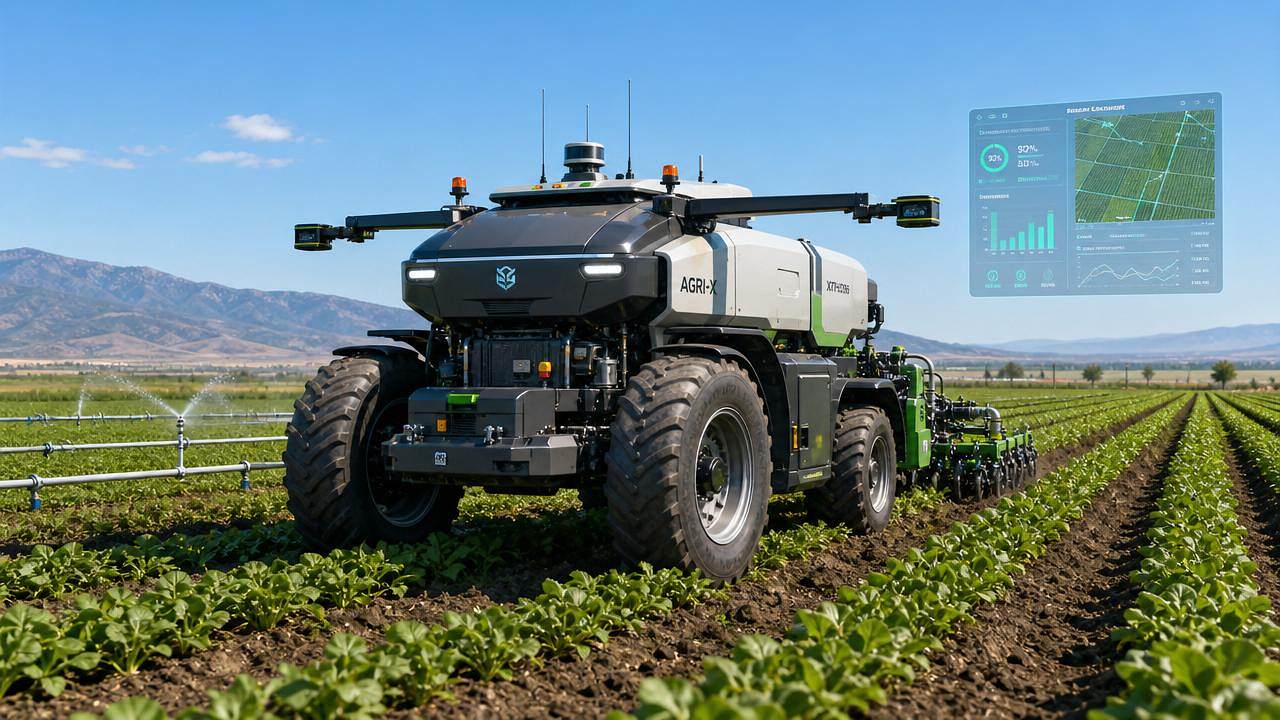




For quality control and safety managers, sustainable agriculture equipment now shapes daily risk control as much as environmental performance.
Across harvesting, tillage, transport, and irrigation, safer equipment reduces exposure, limits human error, and creates more stable operating conditions.
This matters in large farms where uptime, compliance, and worker protection are tightly linked.
AP-Strategy tracks how intelligent machinery, tractor chassis innovation, and smart water systems turn sustainability goals into measurable safety outcomes.
The key question is not whether sustainable tools are greener.
It is whether the selected system fits the field scenario, workload pattern, and operational hazard profile.
Why field conditions change the safety value of sustainable agriculture equipment
The safety impact of sustainable agriculture equipment depends heavily on terrain, crop type, season, labor intensity, and equipment integration level.
A smart tractor on flat cereal land solves different risks than a low-pressure irrigation system in heat-stressed vegetable production.
In one setting, rollover prevention matters most.
In another, reducing manual valve handling or night inspections becomes the larger safety gain.
That is why scenario-based evaluation is essential.
It helps connect sustainable machinery investments with actual exposure reduction, maintenance planning, and safe workflow design.
Scenario 1: Large-scale field operations need lower operator fatigue and better machine control
Broadacre farming often involves long hours, repetitive passes, and changing soil resistance.
Here, sustainable agriculture equipment improves safety when it lowers vibration, simplifies control inputs, and stabilizes traction.
Modern tractor chassis with advanced suspension and hydraulic response reduce steering strain and unexpected drift.
Auto-guidance also limits overlap, sudden corrections, and fatigue-related mistakes during long working windows.
Core judgment points for this scenario
- Cab visibility and blind-spot control during headland turns
- Traction management on wet or uneven ground
- Human-machine interface clarity during extended shifts
- Predictive alerts for overload, slippage, and maintenance needs
When these elements work together, safer work comes from fewer manual corrections and better process predictability.
Scenario 2: Combine harvesting requires sustainable agriculture equipment that controls loss and risk together
Harvesting is one of the most hazard-sensitive stages in farming.
Dust, moving parts, fire load, visibility issues, and tight timing create a complex risk environment.
In this scenario, sustainable agriculture equipment supports safety when efficient crop flow reduces blockages and emergency interventions.
Sensors for cleaning loss, grain flow, and engine temperature help detect unsafe drift before a breakdown or fire event develops.
Low-loss harvesting is therefore also a safer harvesting strategy.
Core judgment points for this scenario
- Access safety for cleaning, inspection, and jam removal
- Real-time feedback on separator and cleaning system performance
- Dust control and thermal monitoring near high-load components
- Night operation support through lighting and camera systems
AP-Strategy consistently observes that intelligent harvester diagnostics reduce both grain waste and unsafe manual intervention frequency.
Scenario 3: Precision irrigation improves safety when water stress and manual handling are high
Irrigation safety is often underestimated because hazards seem less mechanical than tractor or harvester operations.
Yet manual valve turning, electrical exposure, slippery surfaces, and heat stress are common across many farms.
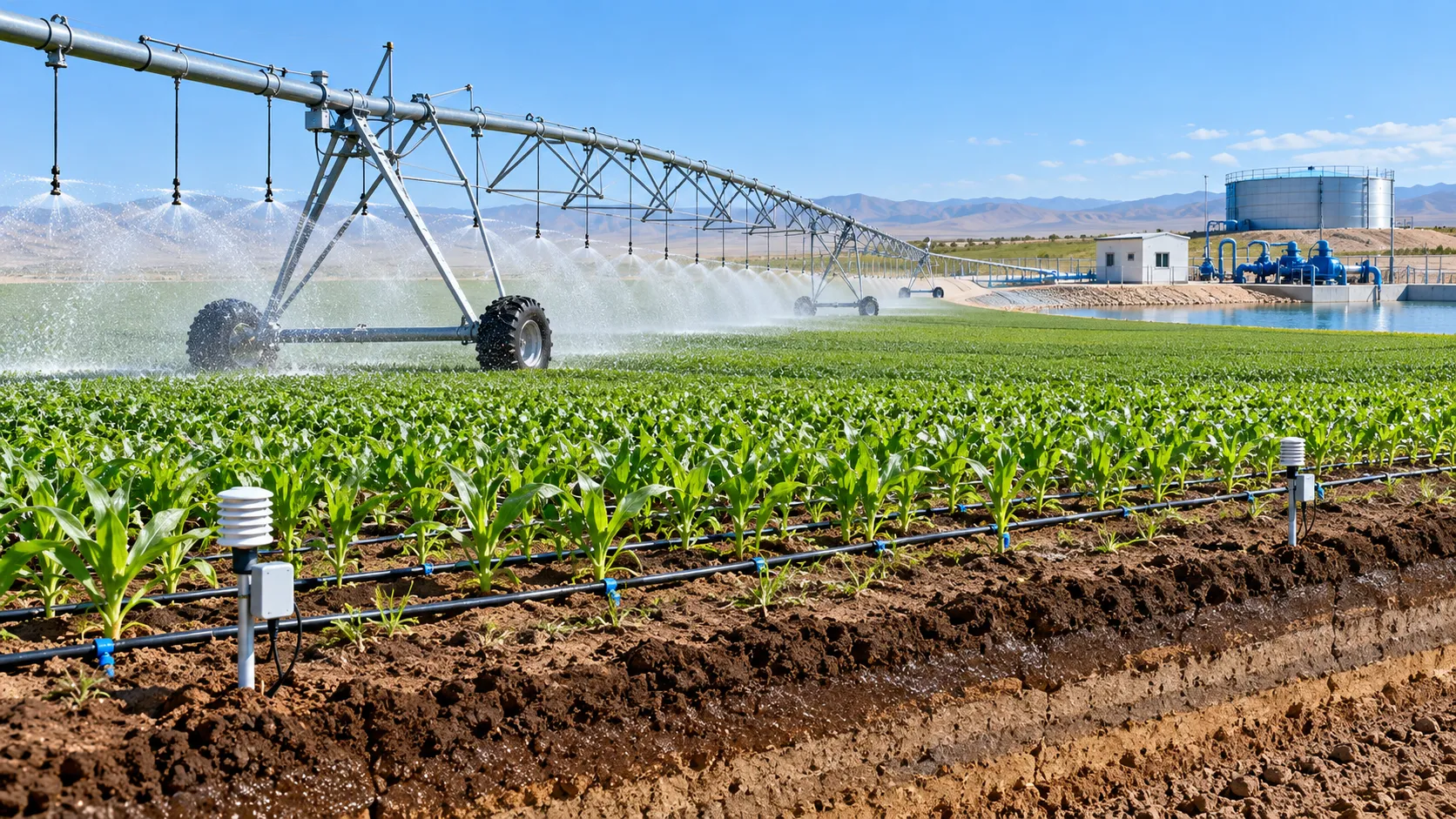
In this context, sustainable agriculture equipment includes automated drip systems, smart pumps, and sensor-based scheduling tools.
These solutions reduce field visits, lower unnecessary water movement, and prevent emergency repairs caused by pressure imbalance or leakage.
Core judgment points for this scenario
- Remote control capability for pumps and zones
- Leak detection and pressure monitoring accuracy
- Safe electrical enclosure and moisture protection
- Scheduling logic that reduces hot-hour field exposure
Water-saving systems become worker-saving systems when they remove avoidable checks and unstable repair work.
Scenario 4: Intelligent farm tools are most valuable where task precision affects chemical and mechanical exposure
Plant protection, fertilization, and row-level operations create exposure through drift, misapplication, and repeated pass corrections.
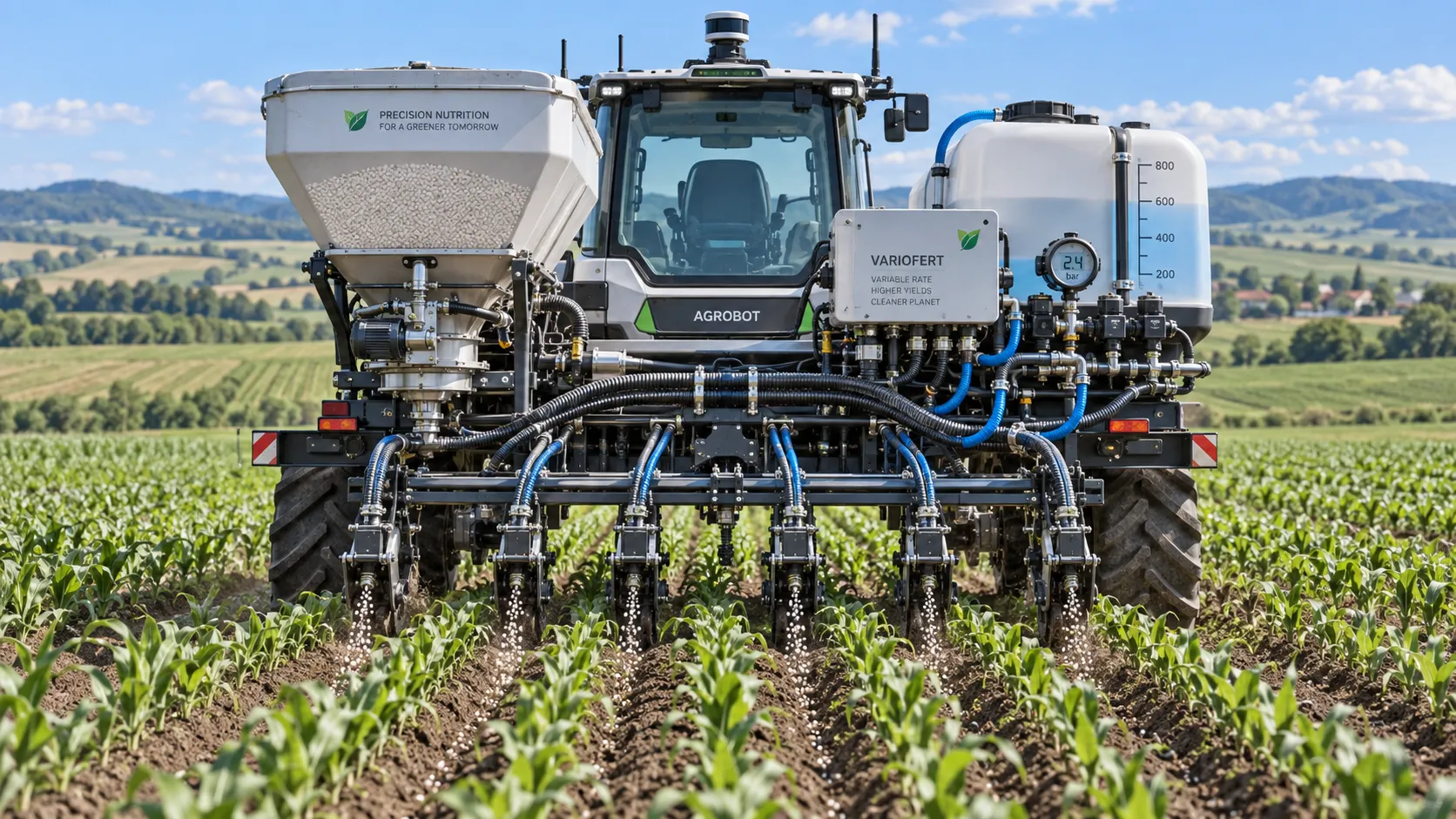
In these cases, sustainable agriculture equipment supports safer work by applying only what is needed, where it is needed.
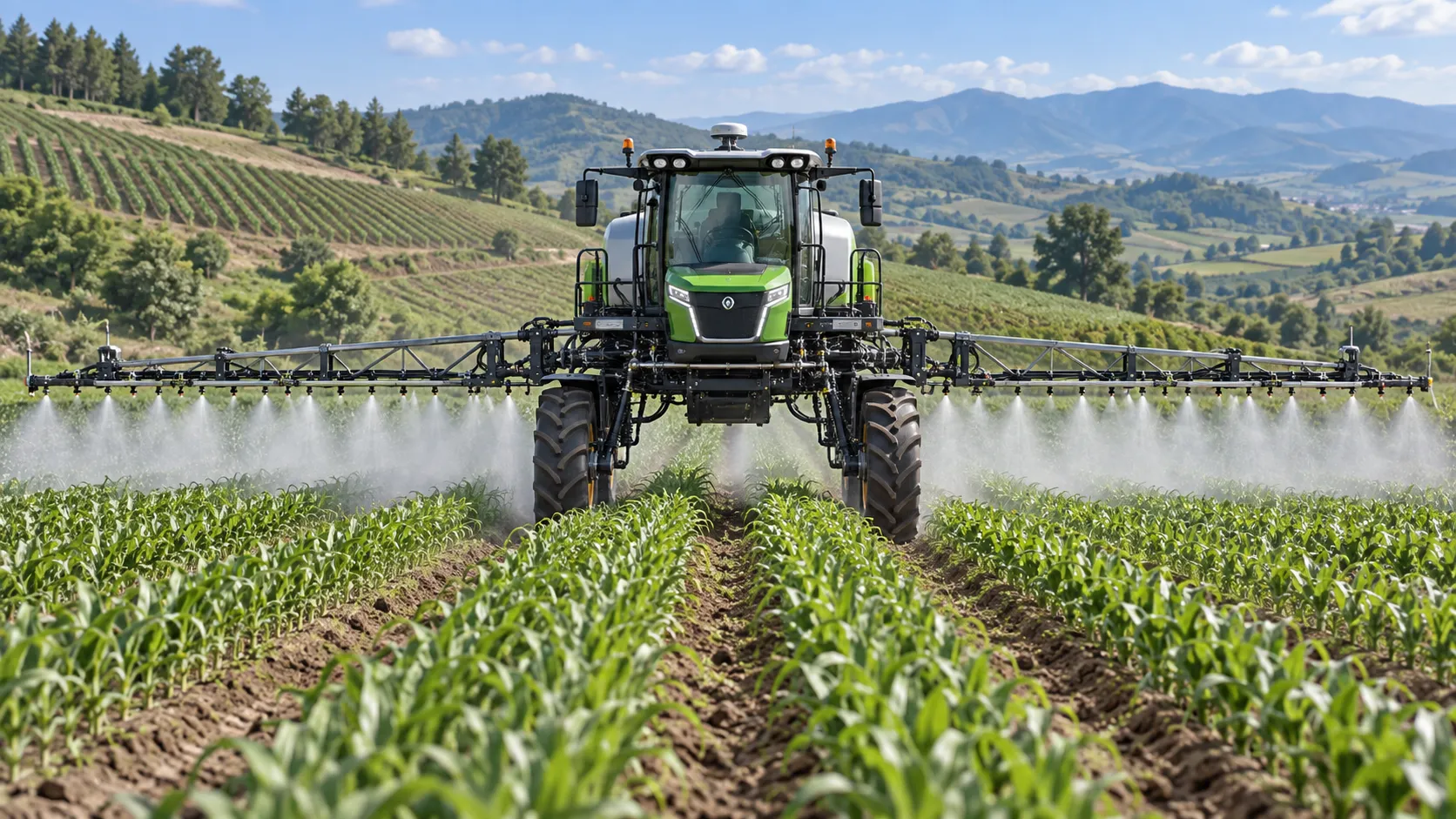
GPS guidance, section control, and sensor feedback reduce over-application and limit operator interaction with chemicals and moving toolbars.
The environmental advantage is clear, but the direct safety value is equally important.
Fewer refill cycles and fewer adjustment stops mean fewer exposure events.
How different scenarios change sustainable agriculture equipment requirements
Practical fit recommendations for safer deployment
Selecting sustainable agriculture equipment should start with hazard mapping, not only fuel or water efficiency targets.
- Match machine autonomy level to operator training depth.
- Prioritize equipment with clear diagnostics and remote alerts.
- Check maintenance access before reviewing performance claims.
- Use telematics data to compare risk events across seasons.
- Confirm compatibility between tractors, tools, and irrigation controls.
- Include fire, heat, and electrical scenarios in equipment trials.
This approach aligns with AP-Strategy’s view that performance intelligence and safety intelligence should be assessed together.
Common misjudgments when evaluating sustainable agriculture equipment
One common error is treating sustainability as a reporting issue instead of an operational control issue.
Lower fuel use does not automatically mean lower risk.
Another mistake is buying advanced equipment without adjusting workflows, service intervals, or operator instruction.
A third oversight is ignoring transition risk.
Mixed fleets often create interface confusion, delayed alarms, and inconsistent lockout practices.
Finally, some evaluations focus only on peak-season productivity.
They miss off-season inspection safety, software update control, and spare parts access.
Next steps for building a safer, smarter equipment strategy
A useful starting point is to review the highest-risk field tasks by scenario, then connect each task to equipment design features.
From there, compare whether current machinery reduces intervention frequency, improves visibility, and supports stable remote monitoring.
The most effective sustainable agriculture equipment strategy combines emission reduction, water efficiency, precision control, and worker protection.
AP-Strategy’s global intelligence on tractors, combine harvesters, intelligent farm tools, and irrigation systems can support that evaluation with scenario-based insight.
When sustainable equipment choices are judged by real operating conditions, safer work becomes a measurable result, not a secondary promise.
Related News
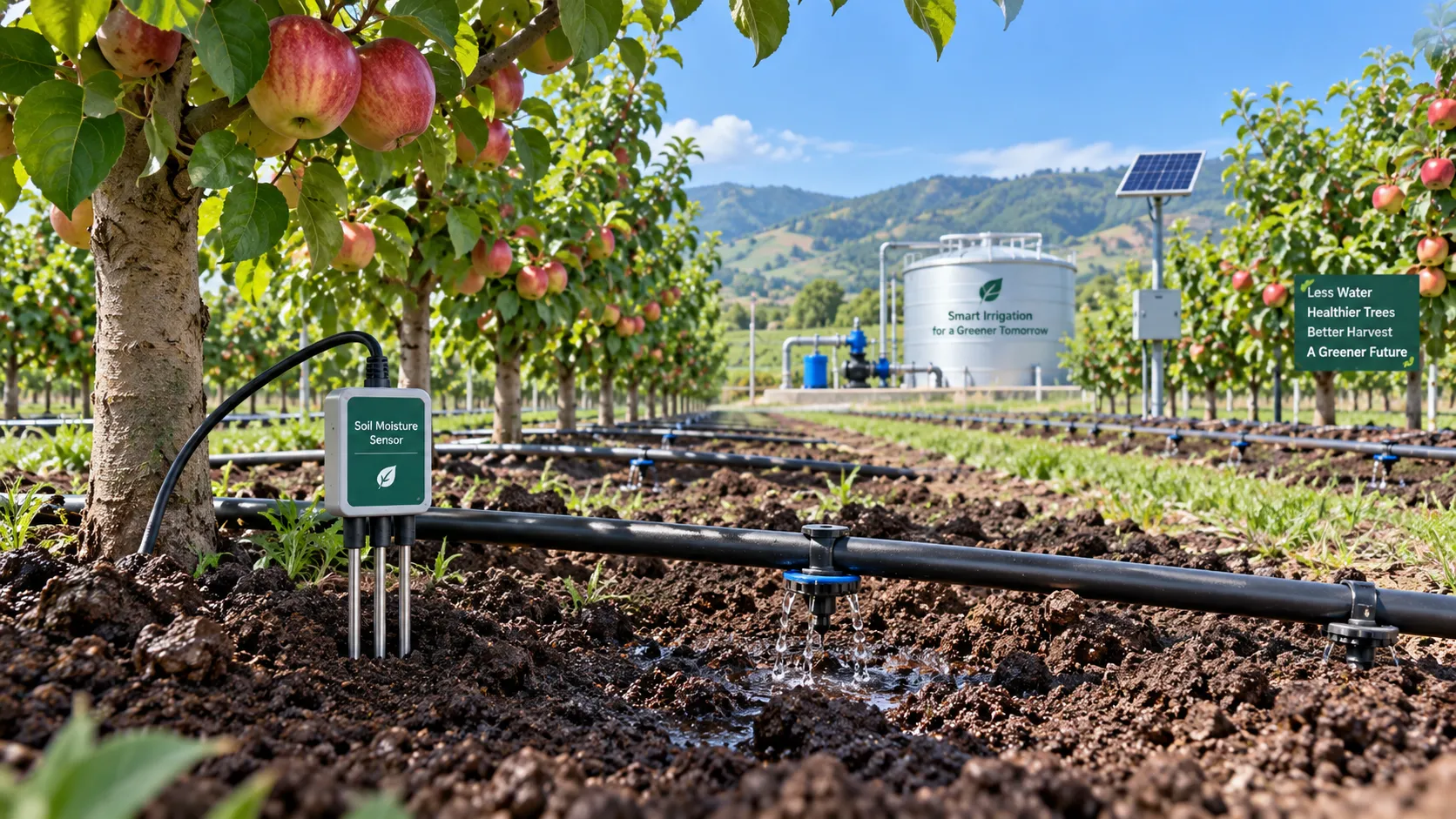
Orchard Water Management: Using Soil Moisture Data to Schedule Irrigation
Agricultural water management for orchards made practical: use soil moisture data to optimize irrigation timing, protect yield, reduce costs, and improve resilience.
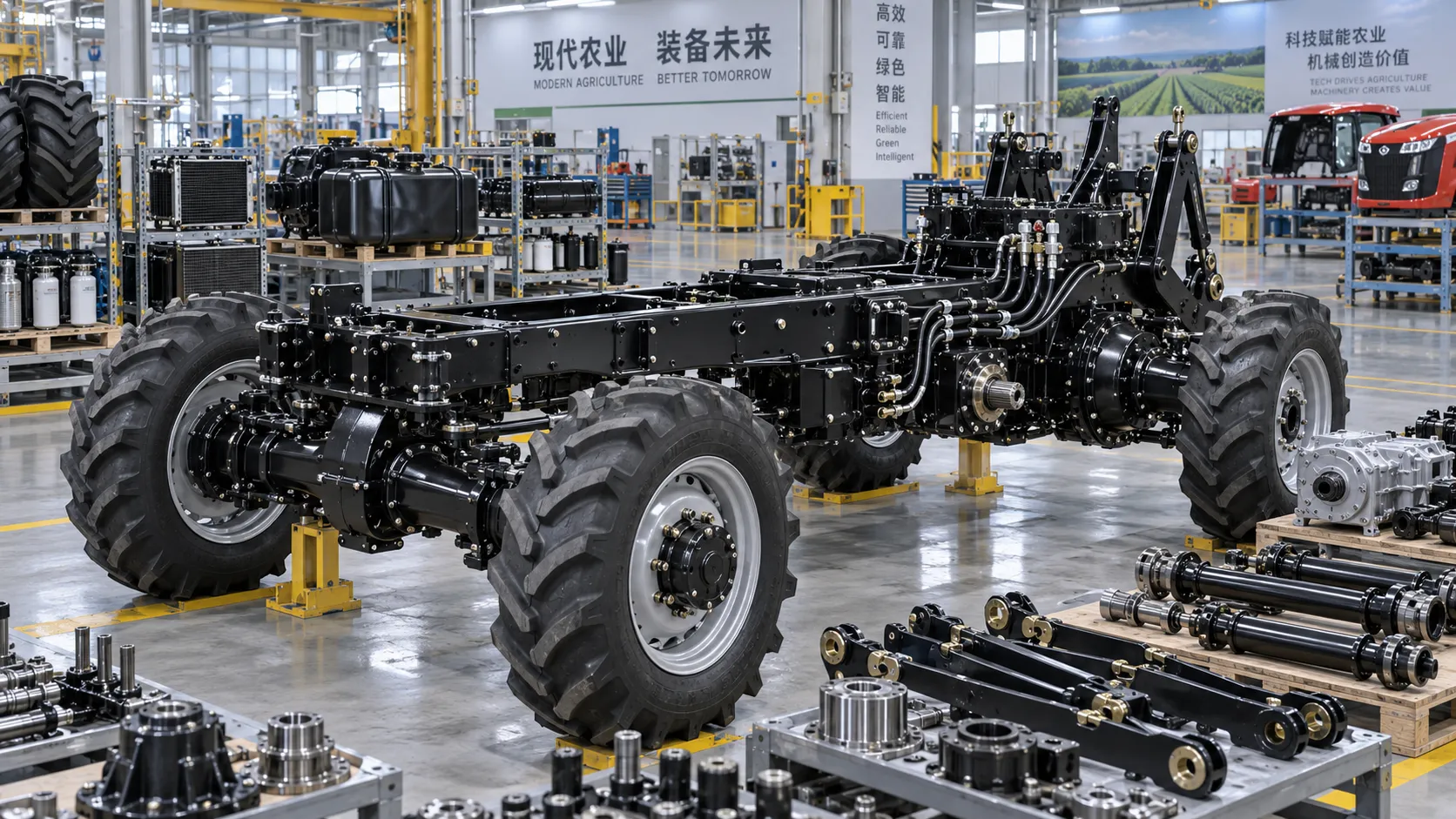
Tractor Chassis Price: What Buyers Should Compare Beyond the Initial Quote
Tractor chassis price is only the start. Compare load capacity, compatibility, durability, and lifecycle costs to choose a reliable, high-value chassis.
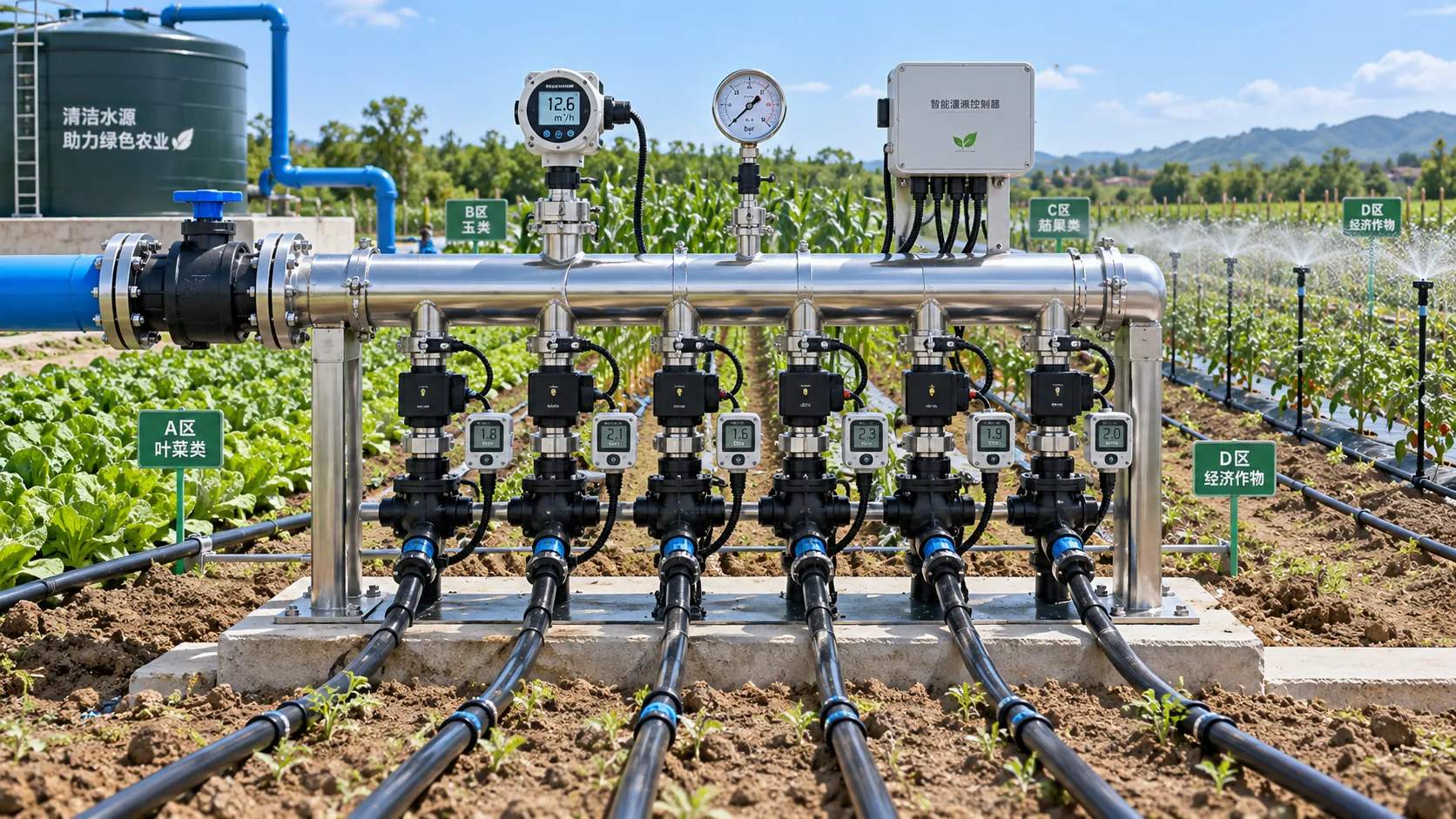
How to Select Smart Irrigation Valves for Multi-Zone Water Management?
Intelligent irrigation systems valves: learn how to match smart valves with multi-zone flow, pressure, control, feedback, and communication needs for reliable water management.
Climate-Smart Farming for Drought: A Practical Plan for Protecting Yields
Climate-smart farming for drought: build smarter water budgets, protect critical crop stages, improve irrigation uniformity, and safeguard yields with practical field-proven strategies.
How Digital Agriculture Platforms Turn Field Data Into Better Input Decisions
Digital agriculture platforms turn field data into smarter fertilizer, water, seed, and equipment decisions—helping farms cut risk, improve margins, and scale sustainability.
GPS-Guided Farm Machinery: Where It Delivers Measurable Field Efficiency Gains
Agri-mechanization GPS guided systems deliver measurable field efficiency gains through reduced overlap, precise planting, smarter inputs, and reliable farm data.
How Sensor Feedback Enables Accurate Variable-Rate Fertilization in Field Conditions
Precision fertilization systems with sensor feedback improve variable-rate accuracy by verifying flow, managing latency, and ensuring reliable field application.
How to Select Precision Crop Protection Equipment for Variable Field Conditions
Precision crop protection equipment selection made simple: compare terrain, canopy, weather, control accuracy, and data workflows for reliable applications.

When Does Agricultural Machinery Leasing Cost Less Than Owning Equipment?
Agricultural machinery leasing can lower farm costs when use is seasonal or uncertain. Compare utilization, maintenance, cash flow, and risk to make a smarter equipment decision.
Related News
- 00
0000-00
Tractor Hydraulic Systems Troubleshooting: Diagnosing Weak Lift and Slow Implements - 00
0000-00
Which Implements Are Compatible With a 200 HP Tractor for Mixed Cropping? - 00
0000-00
How to Select Agricultural Hydraulic Systems for Sprayers by Flow, Pressure, and Boom Demand - 00
0000-00
Australia Tightens Carbon Rules for Hydraulic Lift System Imports - 00
0000-00
ANATEL Sets New Rules for Wireless Hydraulic Lift Systems
Popular Tags
Tractor Power Architect
Weekly Insights
Stay ahead with our curated technology reports delivered every Monday.