
China-US Trade Talks Yield Tariff Cuts, Rare Earths Easing, Boeing Orders
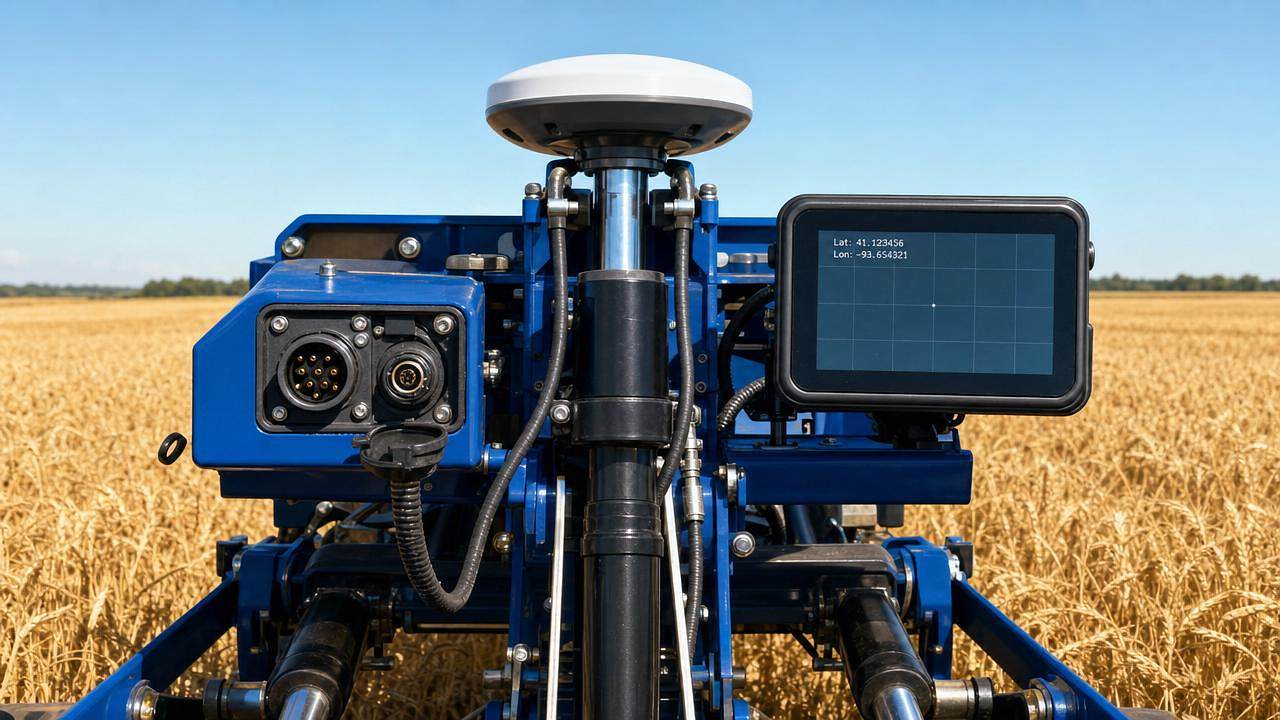




On May 20, 2026, China’s Ministry of Commerce held a briefing confirming outcomes from recent U.S.-China economic and trade consultations. Key measures — including reciprocal tariff reductions on agricultural machinery components and the lifting of U.S. export restrictions on EDA software for Chinese GPS-based farm equipment terminals — take effect June 1, 2026. This development is particularly relevant for agricultural machinery manufacturers, precision agriculture technology providers, global distribution networks, and cross-border supply chain service firms.
Event Overview
On May 20, 2026, the Ministry of Commerce of the People’s Republic of China held a press briefing to communicate results of the latest round of U.S.-China economic and trade consultations. It confirmed that both sides reached agreement on reciprocal tariff adjustments concerning key components for agricultural machinery: effective June 1, 2026, China will reduce tariffs on U.S.-imported hydraulic lift systems and electronic steering modules from 7.5% to 3.5%; in parallel, the United States will remove export controls on EDA (Electronic Design Automation) software used in Chinese-made GPS-enabled farm equipment terminals.
Industries Affected
Direct Trade Enterprises
Companies engaged in bilateral import-export of agricultural machinery components face immediate tariff changes. The 4-percentage-point reduction lowers landed cost for U.S.-sourced hydraulic and electro-mechanical parts entering China, improving margin visibility for importers. Conversely, removal of EDA software export restrictions enables Chinese terminal makers to access updated design tools, supporting faster iteration of navigation hardware.
Component Manufacturing Enterprises
Manufacturers producing hydraulic lift systems or electric steering modules in the U.S. may see increased order volumes from Chinese OEMs seeking to upgrade system integration capabilities. On the Chinese side, producers of GPS-based farm terminals can now incorporate more advanced EDA toolchains — potentially accelerating R&D cycles for intelligent navigation modules intended for global markets.
Distribution & Channel Operators
Global distributors offering integrated agricultural machinery solutions — especially those marketing hybrid U.S.-Chinese platforms — stand to benefit from improved performance-cost ratios in next-generation hydraulic and autonomous guidance systems. Enhanced interoperability between U.S. hardware and Chinese software ecosystems may simplify configuration and after-sales support across multiple regional markets.
Supply Chain Service Providers
Firms offering customs brokerage, logistics coordination, or compliance advisory services for agri-tech trade must update tariff classifications and licensing protocols ahead of June 1. The change affects Harmonized System (HS) codes related to hydraulic control units (e.g., HS 8412.29) and embedded navigation terminals (e.g., HS 8526.91), requiring verification against updated national tariff schedules and U.S. BIS licensing determinations.
What Relevant Enterprises or Practitioners Should Focus On
Monitor official implementation notices and classification updates
Both Chinese Customs and the U.S. Bureau of Industry and Security are expected to issue technical clarifications before June 1. Importers and exporters should track published tariff schedule amendments and verify whether specific part numbers fall within the defined scope of ‘hydraulic lift systems’ and ‘electronic steering modules’ — as narrowly defined in the briefing.
Verify eligibility of GPS terminal models under revised EDA controls
The U.S. export restriction removal applies specifically to EDA software used in GPS terminals for agricultural machinery. Firms must confirm whether their existing or planned terminal designs meet the functional and end-use criteria outlined in the U.S. Department of Commerce’s updated license exception or policy statement — not all EDA applications qualify.
Distinguish between policy announcement and operational readiness
While the tariff cut takes legal effect June 1, actual customs clearance may require updated documentation, new tariff line assignments, or pre-clearance validation. Companies should test declarations with pilot shipments in late May to identify procedural bottlenecks before full rollout.
Assess implications for joint development roadmaps
With aligned regulatory conditions now in place, U.S. and Chinese engineering teams may accelerate co-development of next-gen smart farming systems. Firms involved in such partnerships should review IP frameworks, data governance provisions, and testing protocols to ensure compatibility with both countries’ evolving export control and cybersecurity requirements.
Editorial Perspective / Industry Observation
Observably, this outcome reflects a targeted, functionally grounded recalibration rather than a broad-based trade détente. The focus on agricultural machinery components — a sector where both sides hold complementary technological strengths and shared market interests — suggests a pragmatic, sector-by-sector approach to de-escalation. Analysis shows the measures are designed to lower barriers for specific high-value integration points, not to signal systemic liberalization. From an industry perspective, it is better understood as a calibrated signal: one that creates near-term operational opportunities but does not yet indicate broader tariff normalization or export control reform across other dual-use technology domains. Sustained attention remains warranted as follow-up technical guidelines and enforcement practices emerge.
This development marks a concrete step toward operational alignment in a strategically significant subsector of agri-tech trade. Its significance lies less in scale than in specificity: it establishes a precedent for coordinated, application-focused adjustments where mutual technical interdependence exists. At present, it is most accurately interpreted as a facilitative measure — enabling nearer-term collaboration — rather than a structural shift in bilateral trade posture.
Information Source: Ministry of Commerce of the People’s Republic of China, official briefing held on May 20, 2026. Note: Implementation details — including precise HS code mappings, EDA software scope definitions, and customs declaration procedures — remain subject to further notice by Chinese Customs and the U.S. Bureau of Industry and Security.
Related News
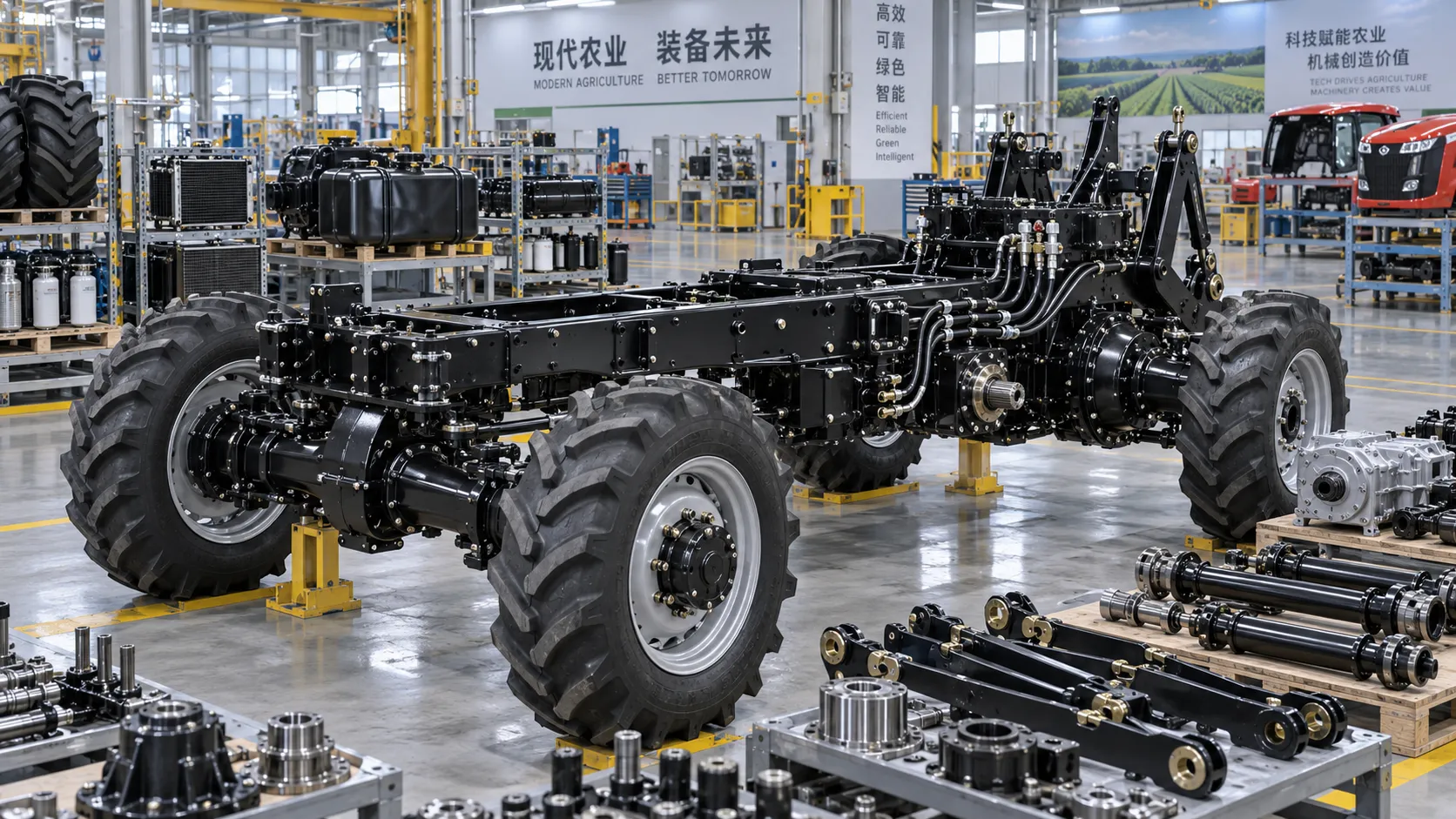
Tractor Chassis Price: What Buyers Should Compare Beyond the Initial Quote
Tractor chassis price is only the start. Compare load capacity, compatibility, durability, and lifecycle costs to choose a reliable, high-value chassis.
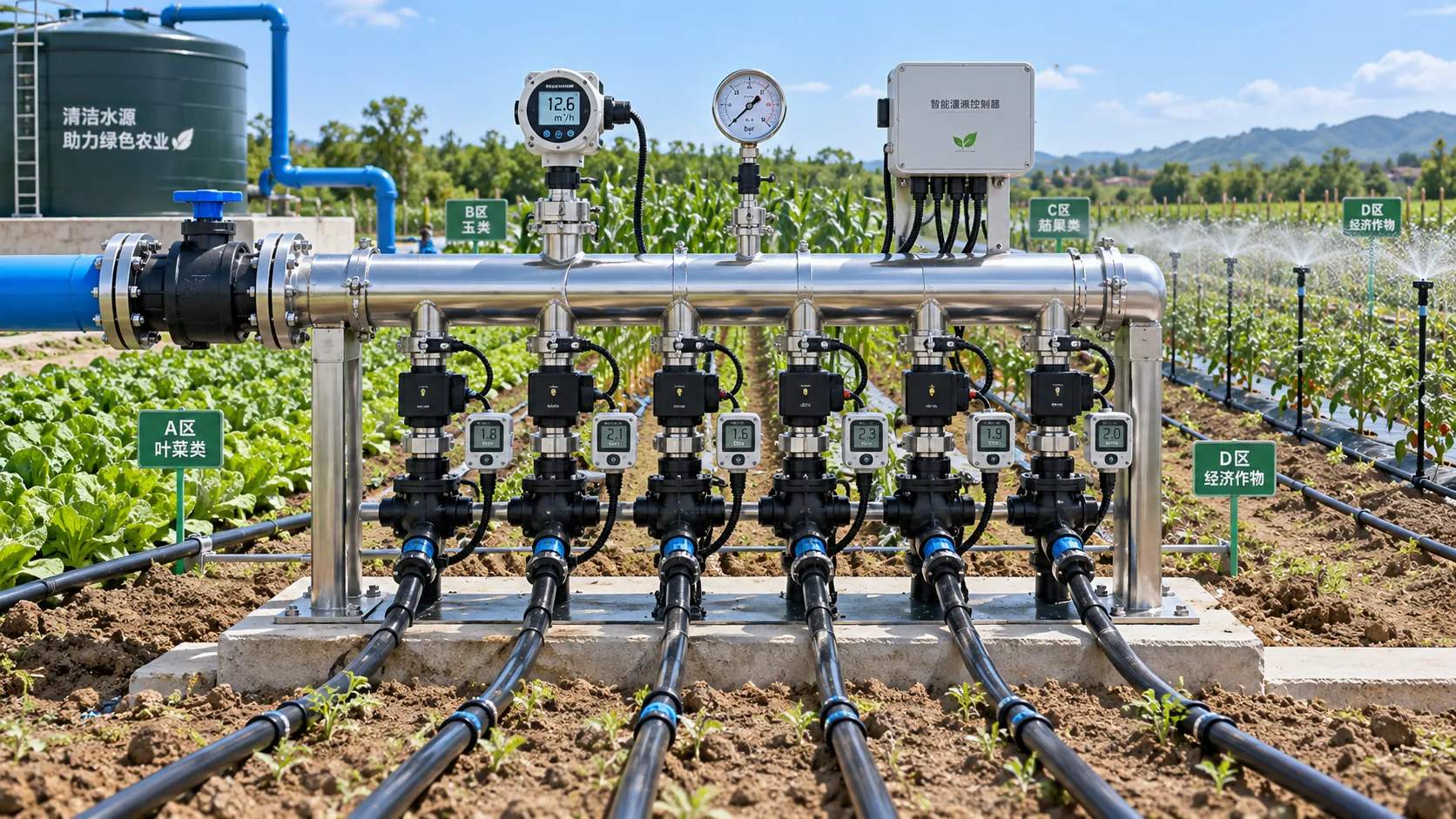
How to Select Smart Irrigation Valves for Multi-Zone Water Management?
Intelligent irrigation systems valves: learn how to match smart valves with multi-zone flow, pressure, control, feedback, and communication needs for reliable water management.
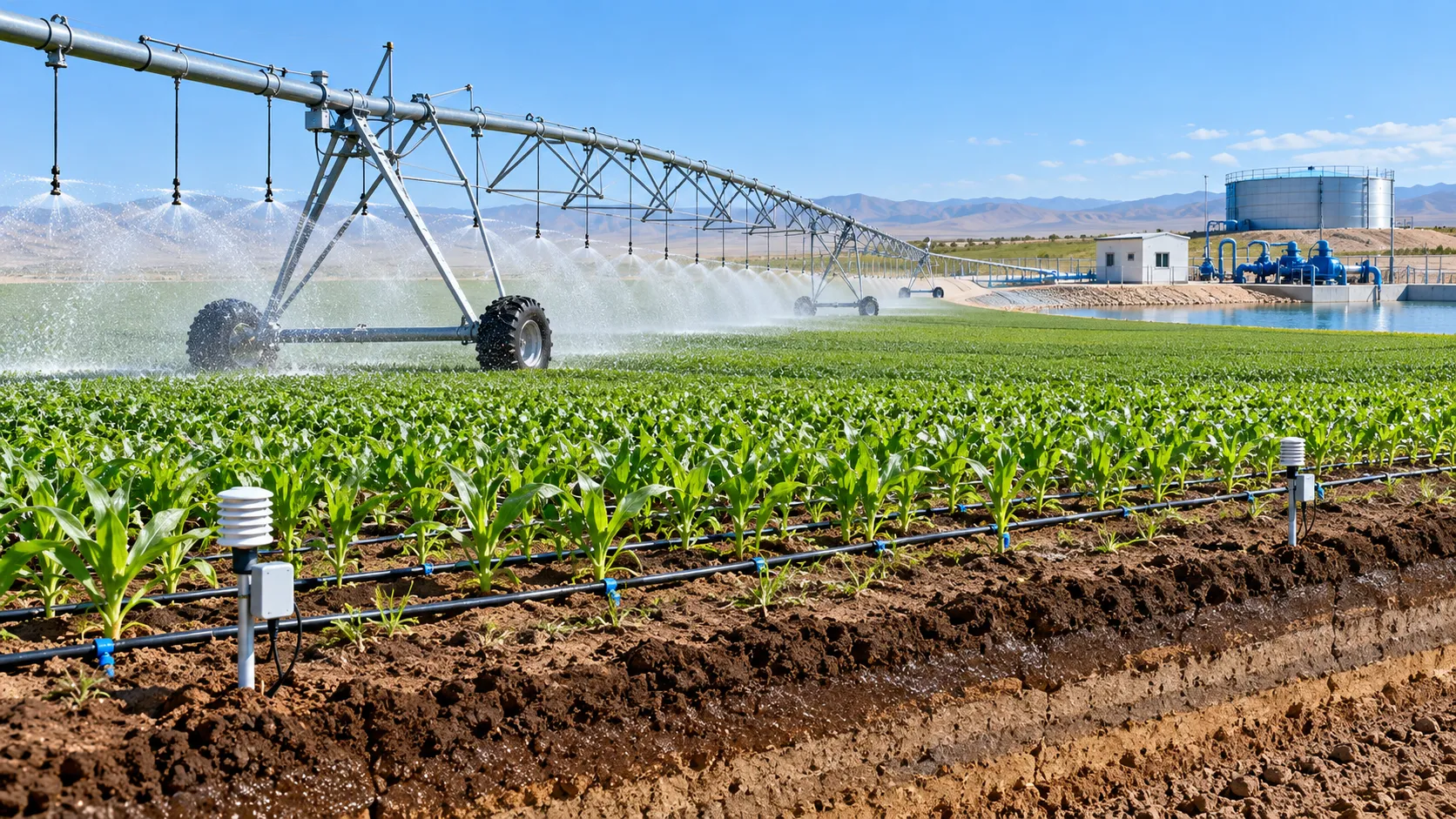
Climate-Smart Farming for Drought: A Practical Plan for Protecting Yields
Climate-smart farming for drought: build smarter water budgets, protect critical crop stages, improve irrigation uniformity, and safeguard yields with practical field-proven strategies.
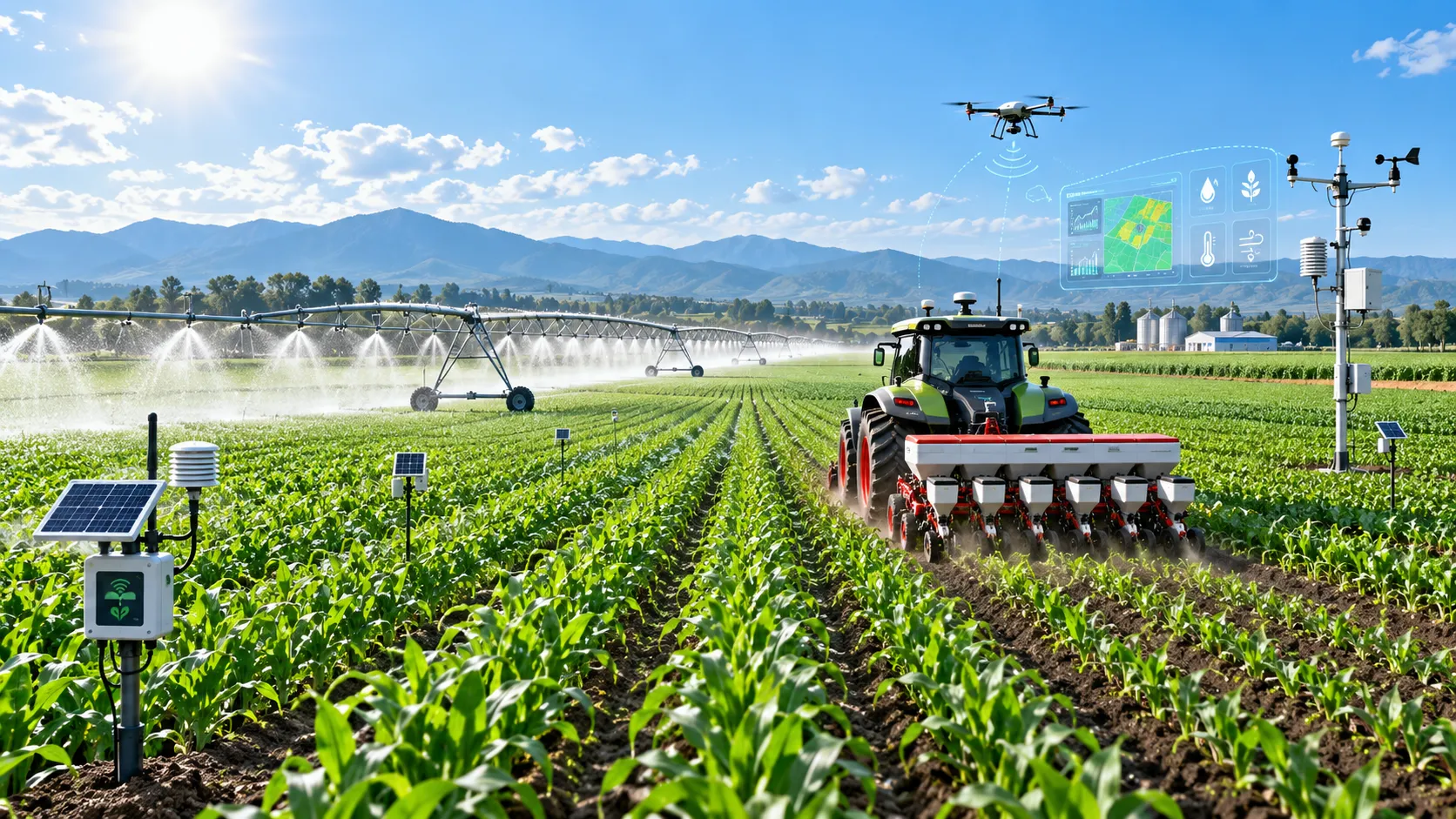
How Digital Agriculture Platforms Turn Field Data Into Better Input Decisions
Digital agriculture platforms turn field data into smarter fertilizer, water, seed, and equipment decisions—helping farms cut risk, improve margins, and scale sustainability.
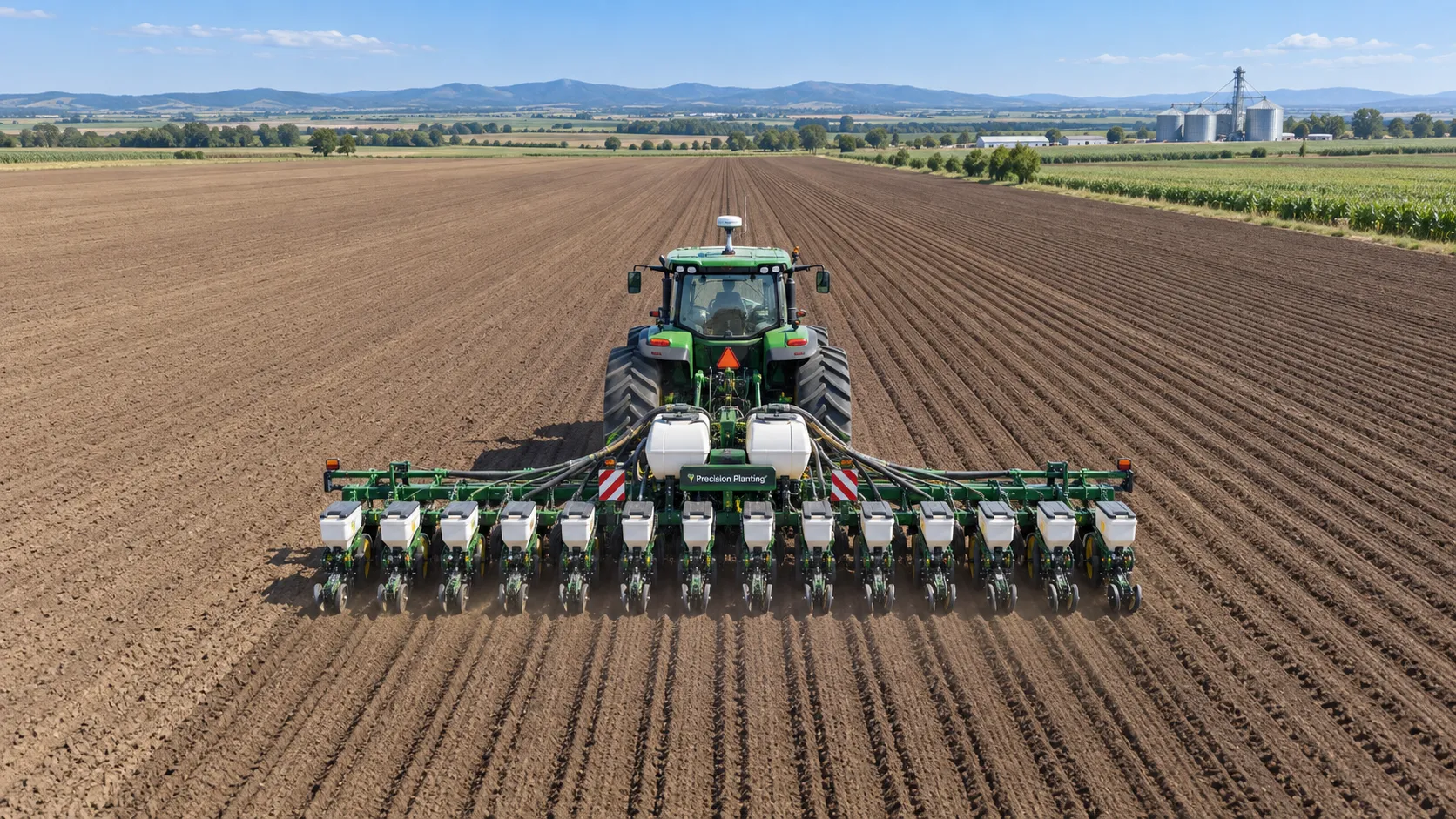
GPS-Guided Farm Machinery: Where It Delivers Measurable Field Efficiency Gains
Agri-mechanization GPS guided systems deliver measurable field efficiency gains through reduced overlap, precise planting, smarter inputs, and reliable farm data.
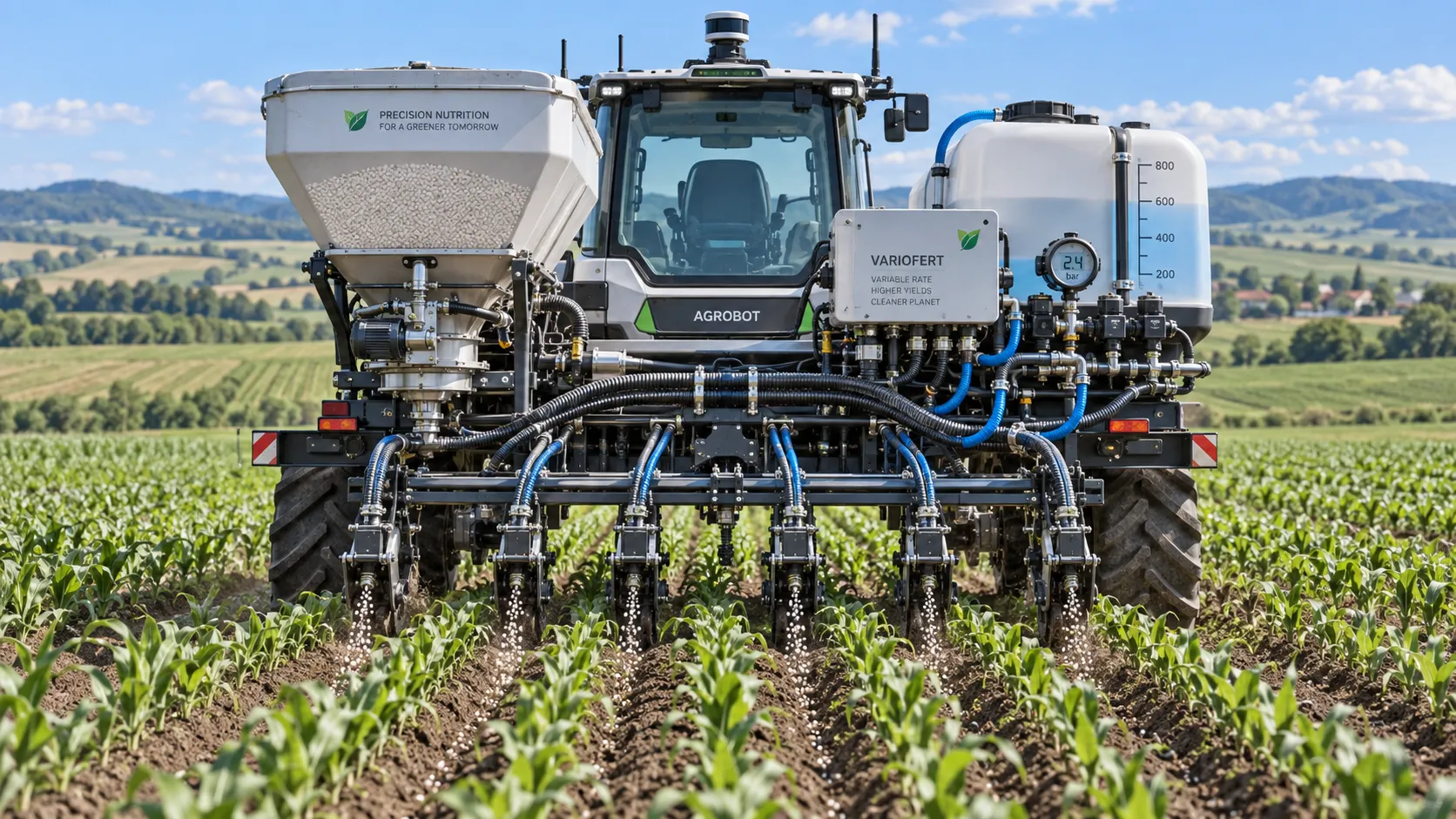
How Sensor Feedback Enables Accurate Variable-Rate Fertilization in Field Conditions
Precision fertilization systems with sensor feedback improve variable-rate accuracy by verifying flow, managing latency, and ensuring reliable field application.

How to Select Precision Crop Protection Equipment for Variable Field Conditions
Precision crop protection equipment selection made simple: compare terrain, canopy, weather, control accuracy, and data workflows for reliable applications.

When Does Agricultural Machinery Leasing Cost Less Than Owning Equipment?
Agricultural machinery leasing can lower farm costs when use is seasonal or uncertain. Compare utilization, maintenance, cash flow, and risk to make a smarter equipment decision.

How to Evaluate Precision Fertilization System Suppliers for Farm-Scale Deployment
Precision fertilization systems suppliers: learn how to compare accuracy, integration, uptime, service, and total cost for confident farm-scale deployment.
Related News
- 00
0000-00
Tractor Hydraulic Systems Troubleshooting: Diagnosing Weak Lift and Slow Implements - 00
0000-00
Which Implements Are Compatible With a 200 HP Tractor for Mixed Cropping? - 00
0000-00
How to Select Agricultural Hydraulic Systems for Sprayers by Flow, Pressure, and Boom Demand - 00
0000-00
Australia Tightens Carbon Rules for Hydraulic Lift System Imports - 00
0000-00
ANATEL Sets New Rules for Wireless Hydraulic Lift Systems
Popular Tags
Tractor Power Architect
Weekly Insights
Stay ahead with our curated technology reports delivered every Monday.