
What the global grain market is signaling for 2026 planning
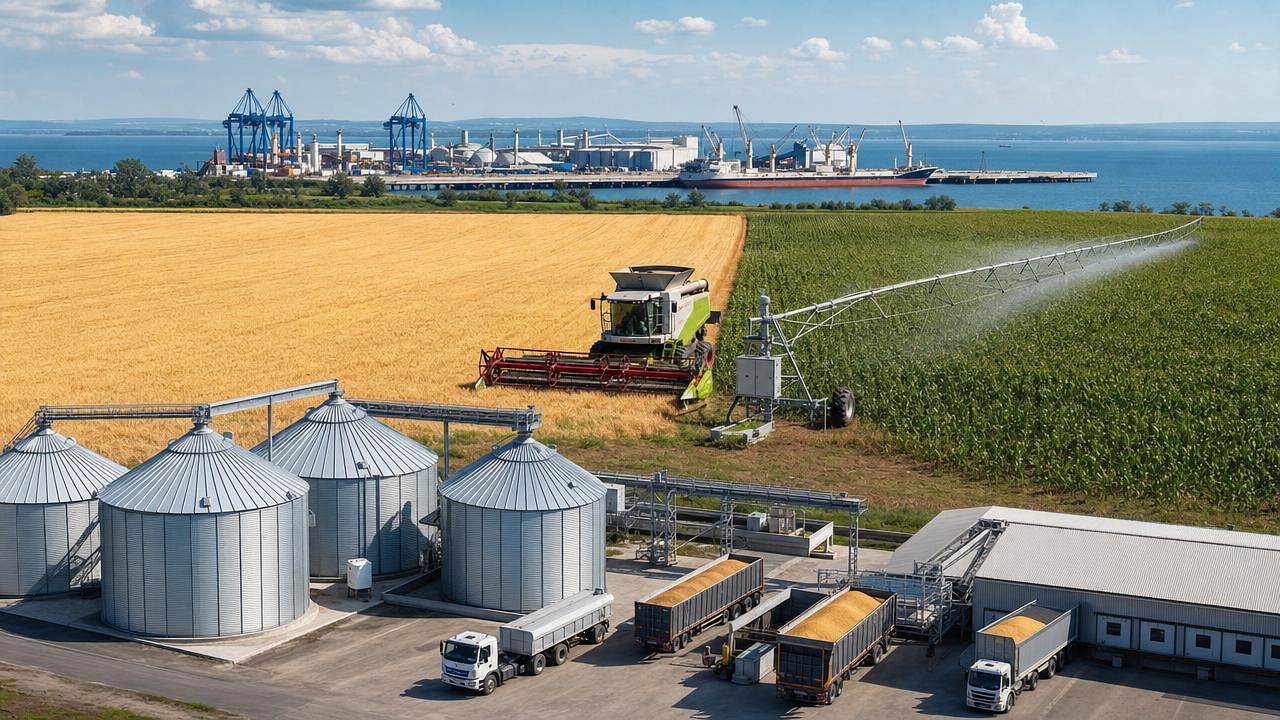




For business evaluators shaping 2026 strategies, the global grain market is sending clearer signals than headline volatility suggests. Shifts in crop pricing, trade flows, policy pressure, and climate-linked production risk are beginning to redefine capital priorities across machinery, harvesting, and irrigation. This article outlines what those signals mean for investment timing, demand forecasting, and competitive positioning in the next agricultural cycle.
Why a checklist matters for reading the global grain market
The global grain market no longer moves on yield alone. It now reflects freight costs, export controls, water stress, subsidy redesign, and energy-linked input inflation.
That complexity creates noise. A checklist turns noise into a planning structure. It helps compare short-term price swings with medium-term signals that shape 2026 capital decisions.
For agriculture intelligence, the value is practical. The same market signal can affect combine utilization, tractor replacement cycles, irrigation adoption, and financing appetite differently.
Core checklist: what the global grain market is signaling for 2026 planning
- Track price spreads, not just flat prices. Corn, wheat, and soybean relative margins often reveal acreage shifts earlier than annual planting guidance.
- Compare export competitiveness by origin. Black Sea recovery, South American logistics, and North American basis levels indicate where demand may consolidate.
- Watch inventory-to-use ratios closely. Tight stocks amplify weather shocks and usually accelerate demand for harvesting efficiency and storage upgrades.
- Measure fertilizer and diesel cost direction. Input cost relief can improve grower cash flow even when grain benchmarks remain range-bound.
- Evaluate water availability by basin. The global grain market increasingly prices irrigation security, not just land area and seasonal rainfall.
- Monitor policy intervention frequency. Export restrictions, biofuel mandates, carbon rules, and subsidy revisions distort normal price discovery and equipment demand timing.
- Read crop quality data alongside volume. Protein, moisture, and damage rates influence processing value and determine post-harvest handling needs.
- Assess replacement demand for large machinery. Aging fleets often convert commodity optimism into orders faster than greenfield expansion does.
- Link labor constraints to mechanization interest. Where labor remains scarce, the global grain market supports stronger adoption of automation and guidance systems.
- Stress-test logistics assumptions. Port congestion, rail bottlenecks, and inland freight volatility can erase margins despite favorable crop pricing.
What these signals mean across agricultural equipment and systems
Large-scale machinery
When the global grain market points to stable margins rather than boom pricing, buyers usually favor productivity upgrades over fleet expansion. Transmission durability, fuel efficiency, and implement compatibility gain priority.
This favors equipment with lower total operating cost. It also rewards platforms that can switch efficiently between tillage, seeding, spraying, and transport tasks.
Combine harvesting technology
In a tight global grain market, grain loss becomes a major profit leak. Even modest price strength increases the value of cleaner threshing, smarter separation, and faster in-field adjustments.
That makes sensor-based loss monitoring more attractive. Harvester upgrades tied to throughput, residue control, and crop adaptability become easier to justify.
Intelligent irrigation systems
Water risk has become a direct market variable. The global grain market increasingly rewards regions that can protect yields under heat stress and rainfall irregularity.
That lifts the case for telemetry, variable-rate irrigation, and evapotranspiration-based scheduling. Systems that reduce water use while preserving yield resilience fit 2026 planning best.
Scenario guidance: how to interpret the global grain market under different conditions
Scenario 1: Prices stay moderate, but input costs ease
This is a constructive scenario for selective capital spending. The global grain market would not signal urgency, but improved margins could support disciplined replacement cycles.
Focus would likely shift toward reliable tractors, retrofit precision kits, and harvest optimization rather than large speculative acreage expansion.
Scenario 2: Weather disruption tightens supply
Here, the global grain market would likely reprice risk quickly. Regions with dependable irrigation, storage, and rapid harvest capacity could gain disproportionate advantage.
Under this scenario, speed matters. Delayed maintenance, low machine availability, and weak logistics planning become expensive operational mistakes.
Scenario 3: Trade policy reshapes flows
If tariffs, export limits, or sanctions intensify, the global grain market may remain supplied overall while regional pricing diverges sharply.
That environment rewards flexibility. Multi-crop harvesting capability, localized service networks, and adaptive inventory positioning become more valuable than static growth assumptions.
Commonly missed signals and risk reminders
Ignoring basis and local freight
The global grain market may look healthy on futures charts while local returns weaken. Basis deterioration and inland transport costs often distort real purchasing power.
Overreading one-season weather events
One drought or flood can move prices, but 2026 planning needs trend discipline. Multi-season water stress, heat frequency, and crop insurance changes matter more.
Separating grain analysis from equipment utilization
A common planning error is reading the global grain market without modeling machine hours, maintenance windows, and seasonal labor exposure. Revenue signals must translate into field operations.
Underestimating financing conditions
Even a supportive global grain market can fail to trigger purchases if credit costs remain high. Interest rates and lease structures need equal attention.
Practical execution steps for 2026 planning
- Build a quarterly signal dashboard combining grain prices, regional basis, fuel, fertilizer, weather anomalies, and policy changes.
- Separate replacement investment from growth investment so the global grain market does not drive all capital choices through one assumption.
- Prioritize technologies that improve resilience first, especially harvest efficiency, guidance accuracy, water productivity, and uptime predictability.
- Run best-case, base-case, and disruption scenarios using export flow shifts and climate shocks rather than price averages alone.
- Review service capacity and parts exposure because the value of machinery rises sharply when market windows narrow.
Summary and next-step action guide
The global grain market is signaling a more selective 2026 environment, not a simple upcycle or downturn. Margin quality, water security, policy interference, and logistics resilience are becoming the decisive variables.
That means planning should move beyond commodity headlines. Stronger decisions come from connecting grain signals to machinery utilization, harvest loss control, and irrigation performance.
The most effective next step is to convert the checklist above into a recurring review process. Reassess the global grain market every quarter, test operating assumptions, and rank investments by resilience, efficiency, and response speed.
For organizations following Agriculture 4.0 transitions, that disciplined approach will do more than protect budgets. It will improve timing, sharpen competitive positioning, and align 2026 decisions with the real direction of the global grain market.
Related News
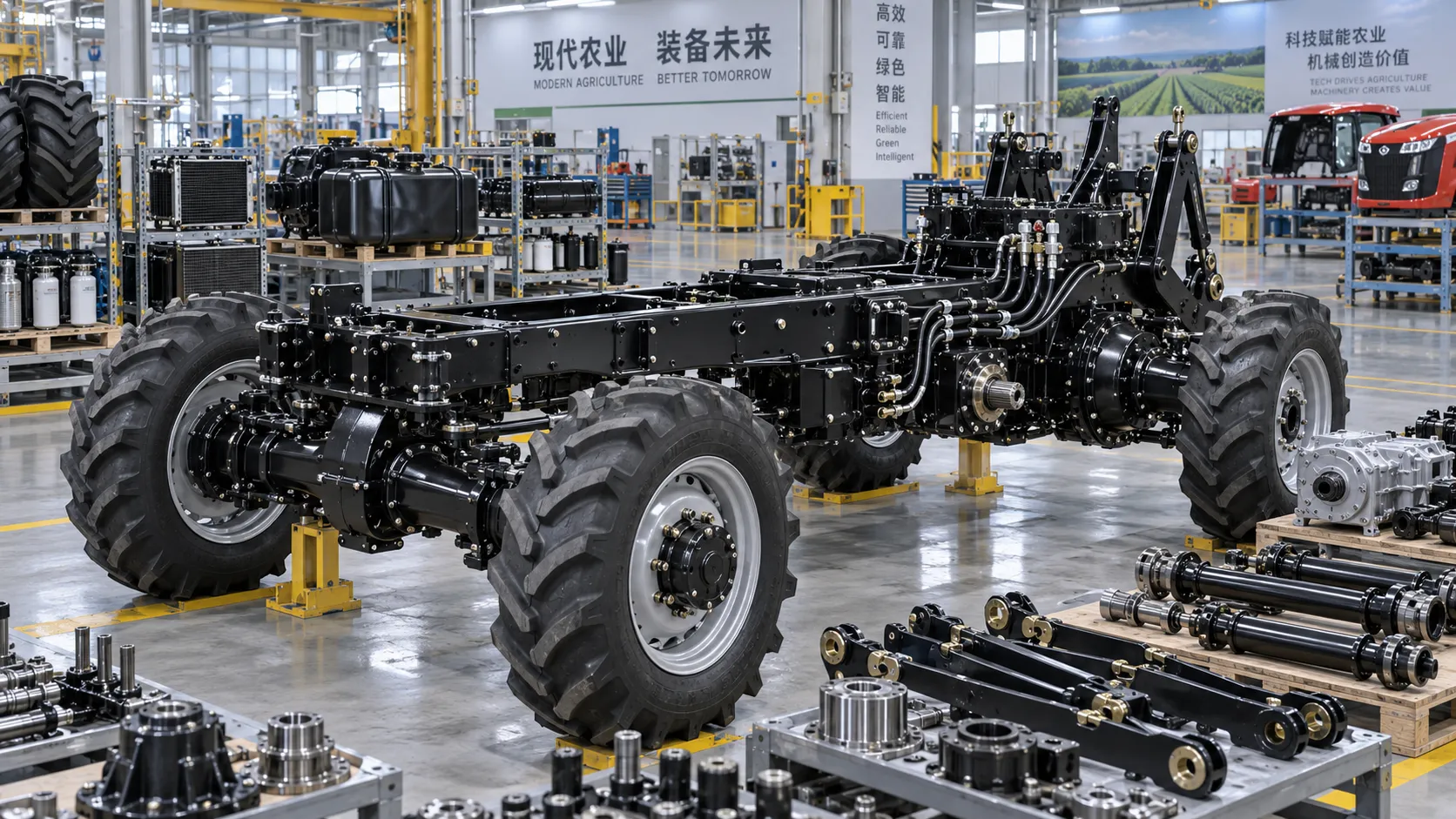
Tractor Chassis Price: What Buyers Should Compare Beyond the Initial Quote
Tractor chassis price is only the start. Compare load capacity, compatibility, durability, and lifecycle costs to choose a reliable, high-value chassis.
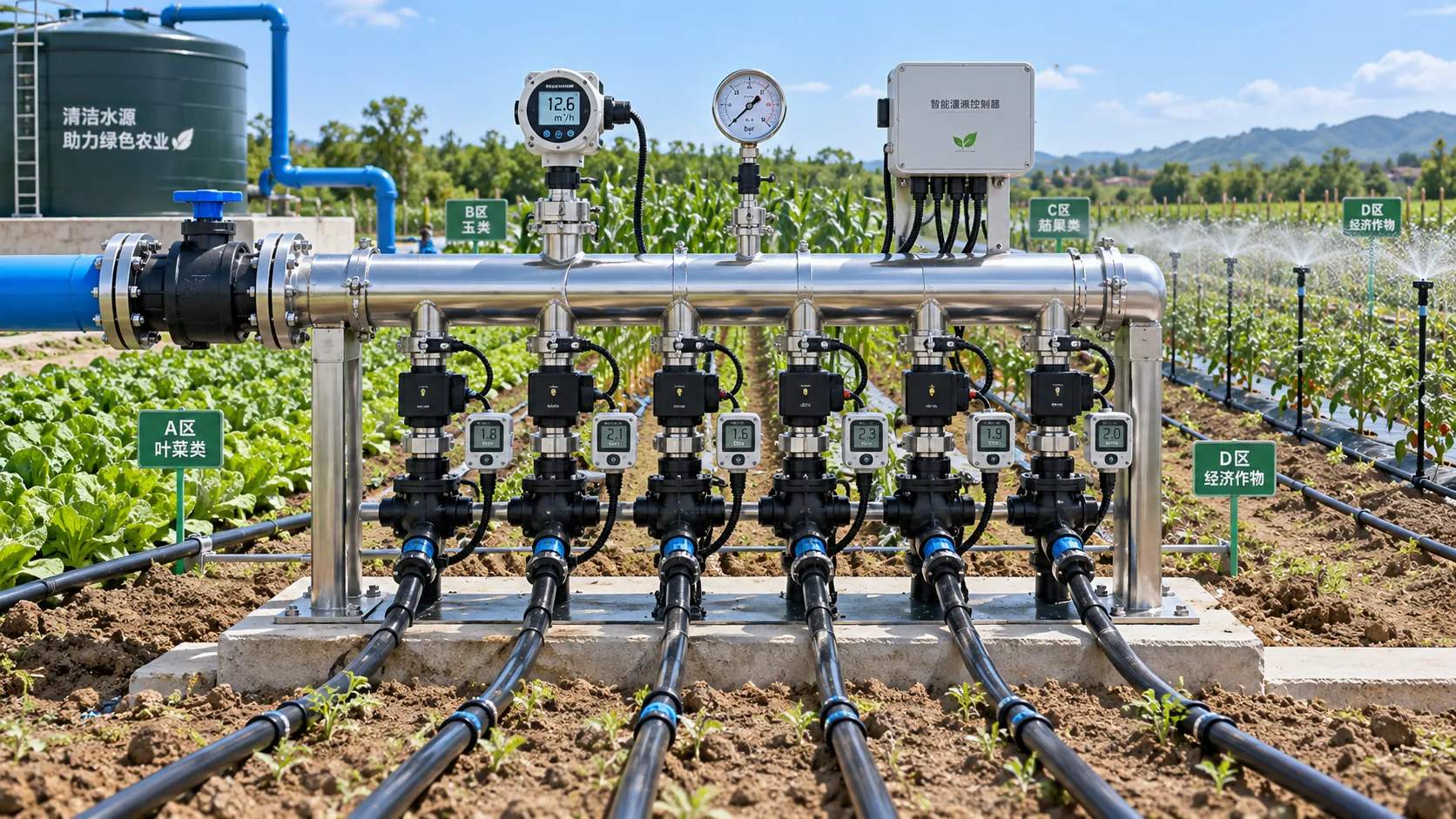
How to Select Smart Irrigation Valves for Multi-Zone Water Management?
Intelligent irrigation systems valves: learn how to match smart valves with multi-zone flow, pressure, control, feedback, and communication needs for reliable water management.
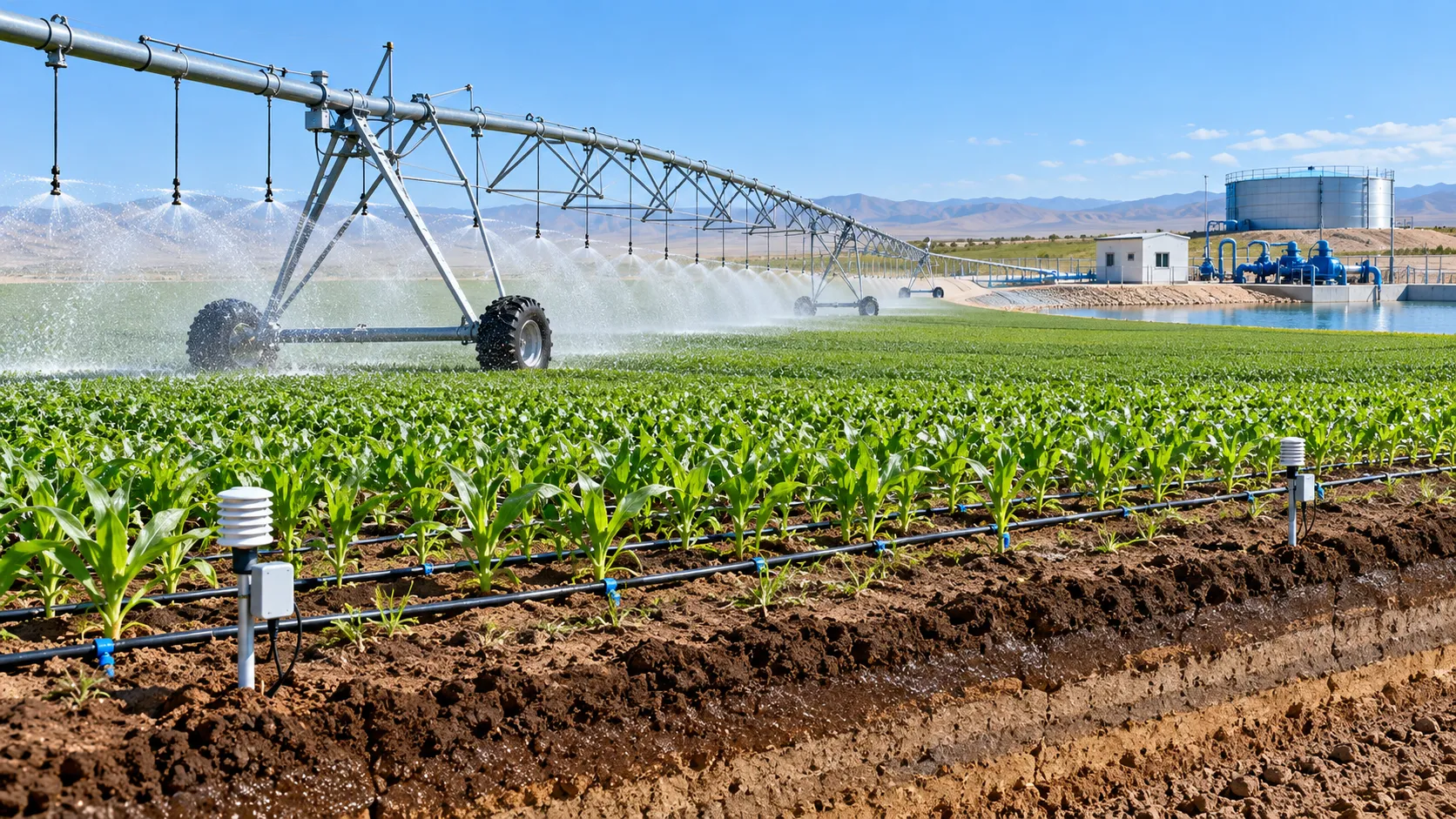
Climate-Smart Farming for Drought: A Practical Plan for Protecting Yields
Climate-smart farming for drought: build smarter water budgets, protect critical crop stages, improve irrigation uniformity, and safeguard yields with practical field-proven strategies.
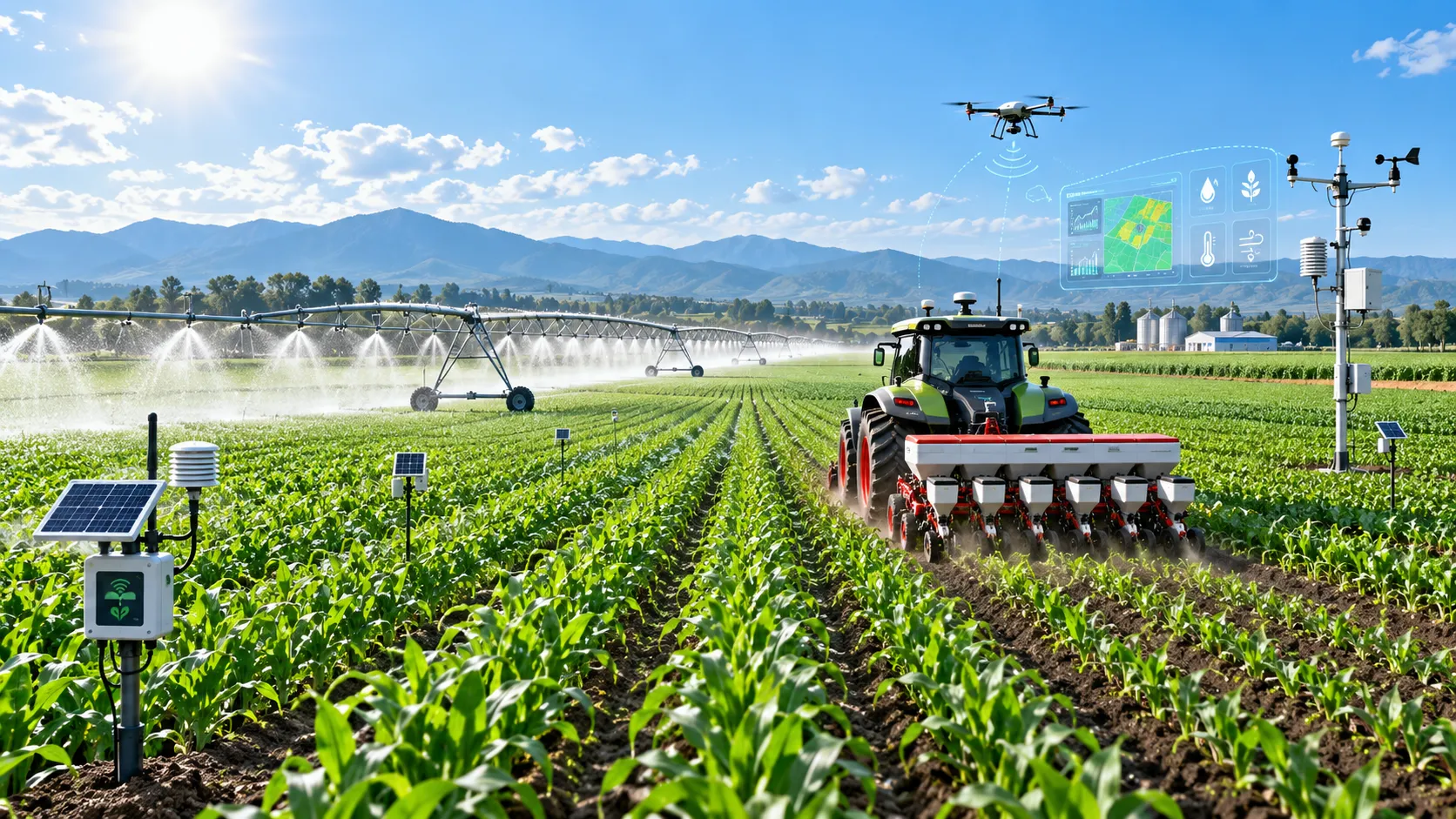
How Digital Agriculture Platforms Turn Field Data Into Better Input Decisions
Digital agriculture platforms turn field data into smarter fertilizer, water, seed, and equipment decisions—helping farms cut risk, improve margins, and scale sustainability.
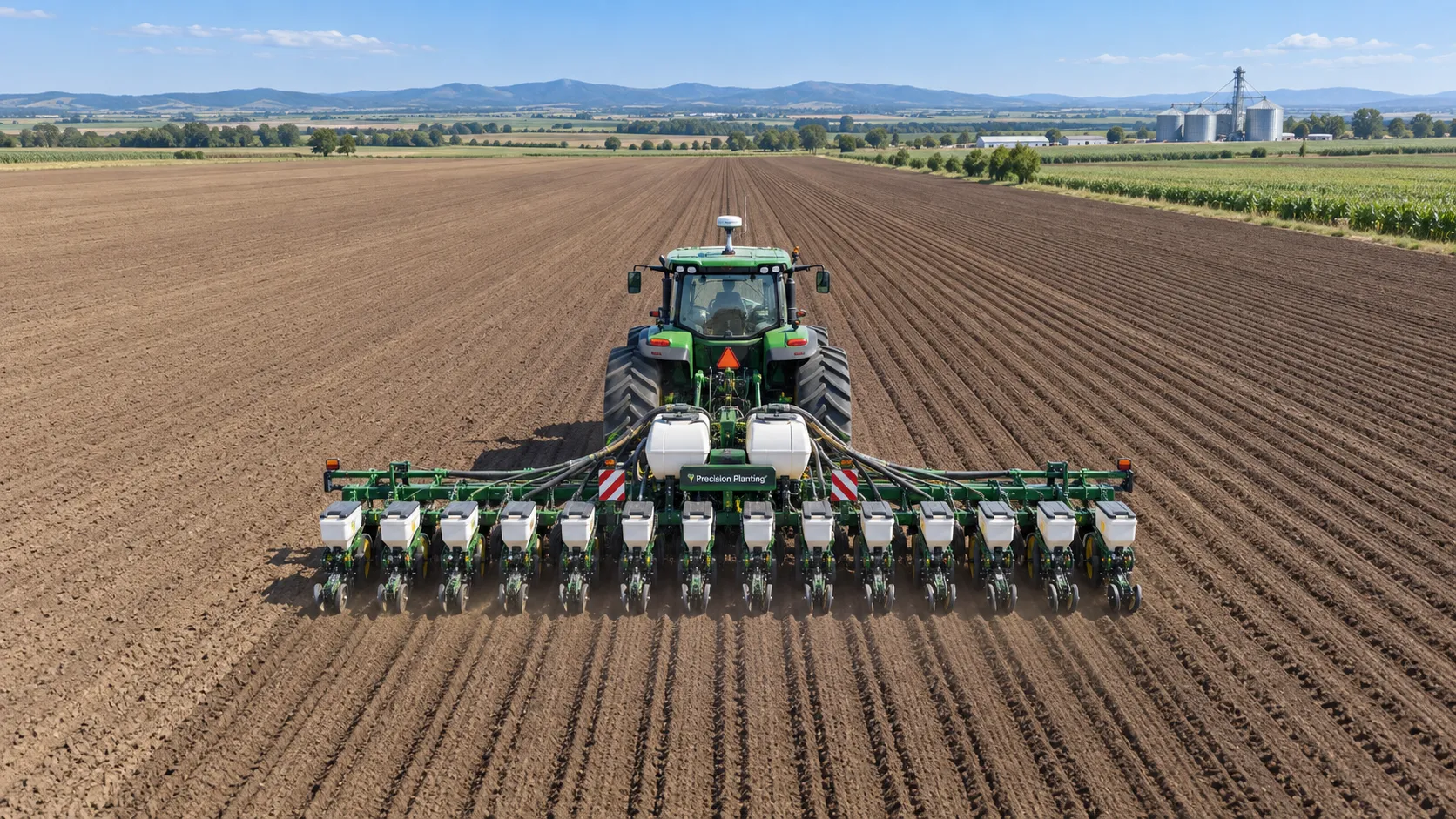
GPS-Guided Farm Machinery: Where It Delivers Measurable Field Efficiency Gains
Agri-mechanization GPS guided systems deliver measurable field efficiency gains through reduced overlap, precise planting, smarter inputs, and reliable farm data.
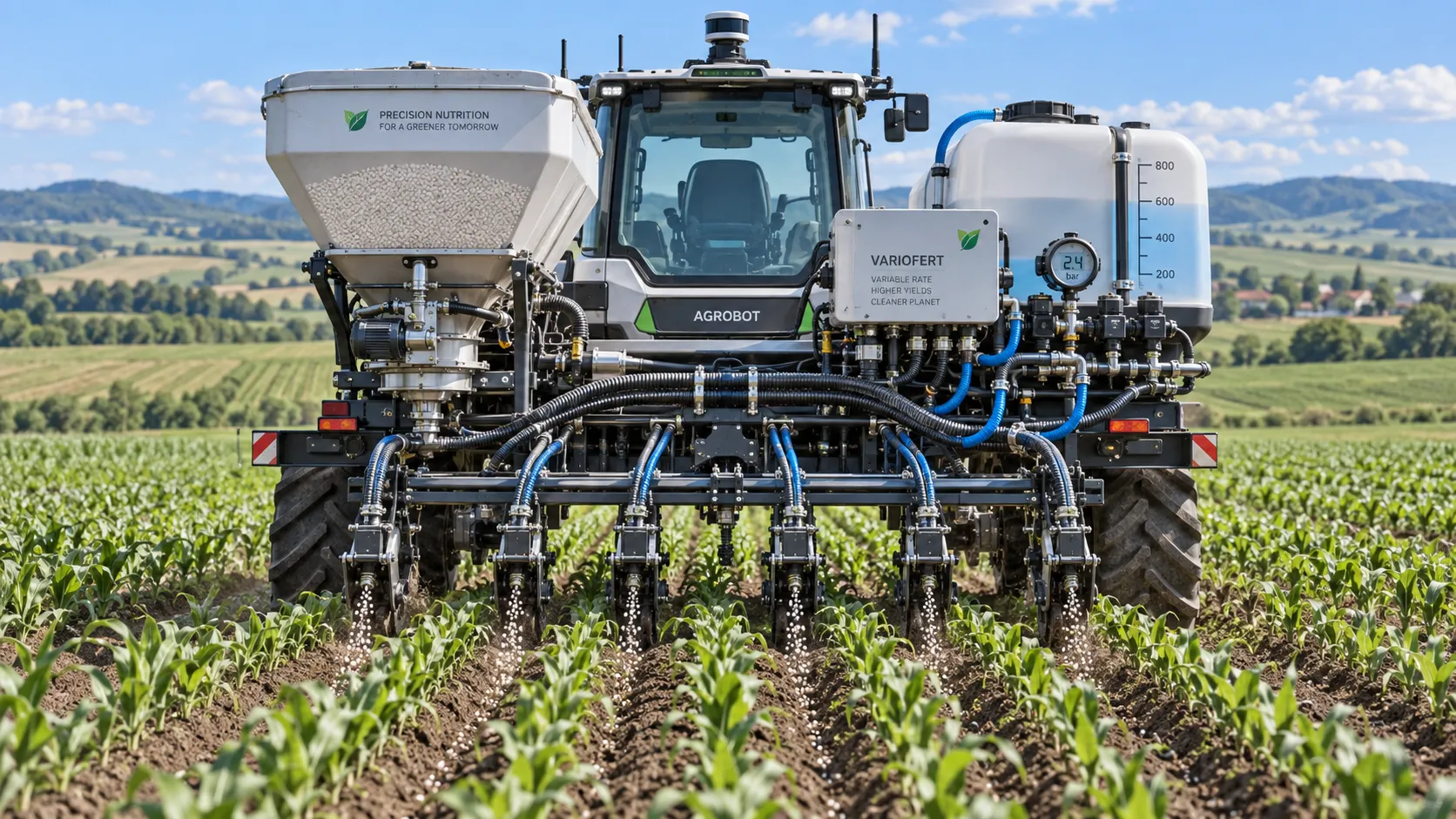
How Sensor Feedback Enables Accurate Variable-Rate Fertilization in Field Conditions
Precision fertilization systems with sensor feedback improve variable-rate accuracy by verifying flow, managing latency, and ensuring reliable field application.
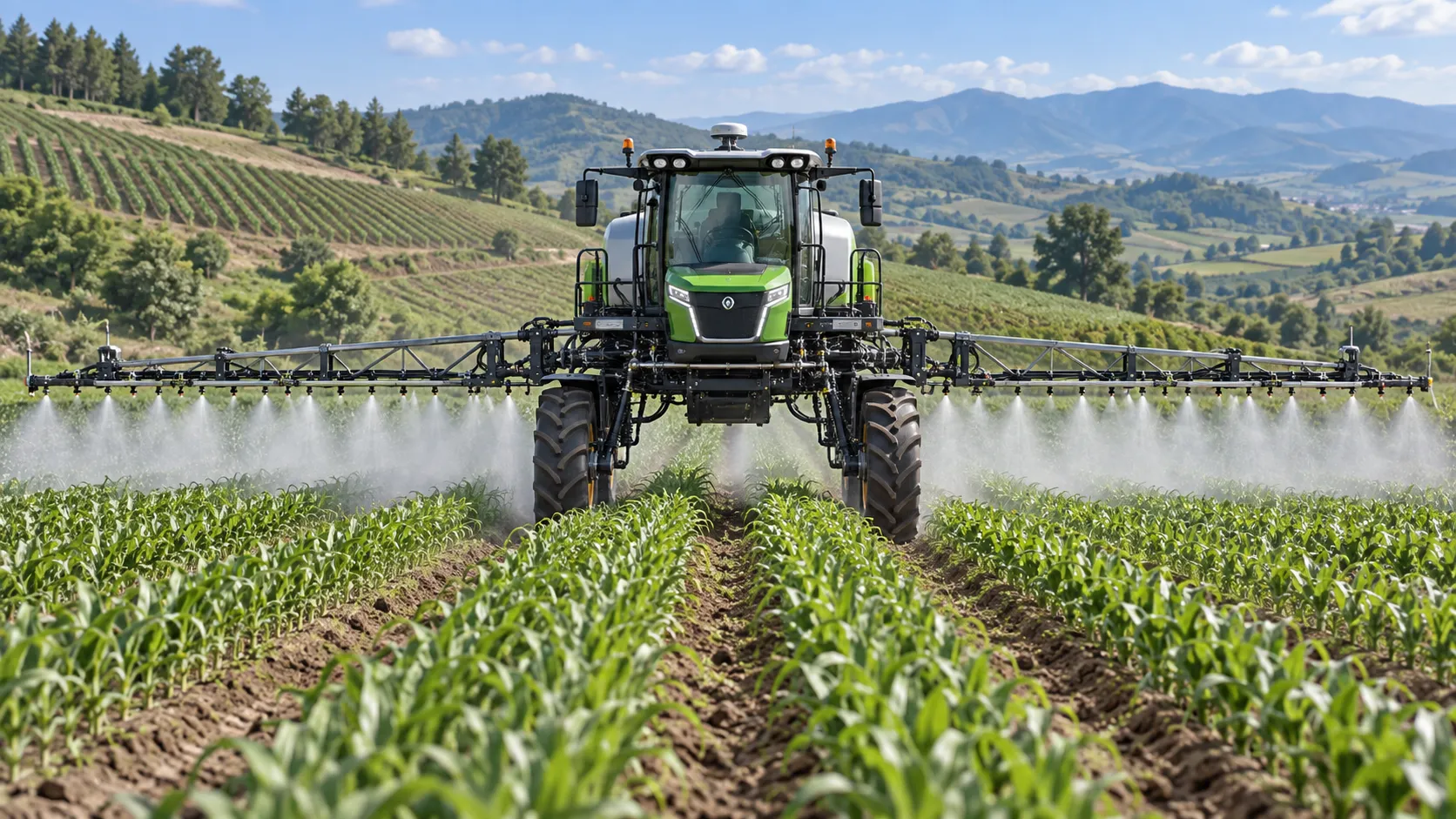
How to Select Precision Crop Protection Equipment for Variable Field Conditions
Precision crop protection equipment selection made simple: compare terrain, canopy, weather, control accuracy, and data workflows for reliable applications.
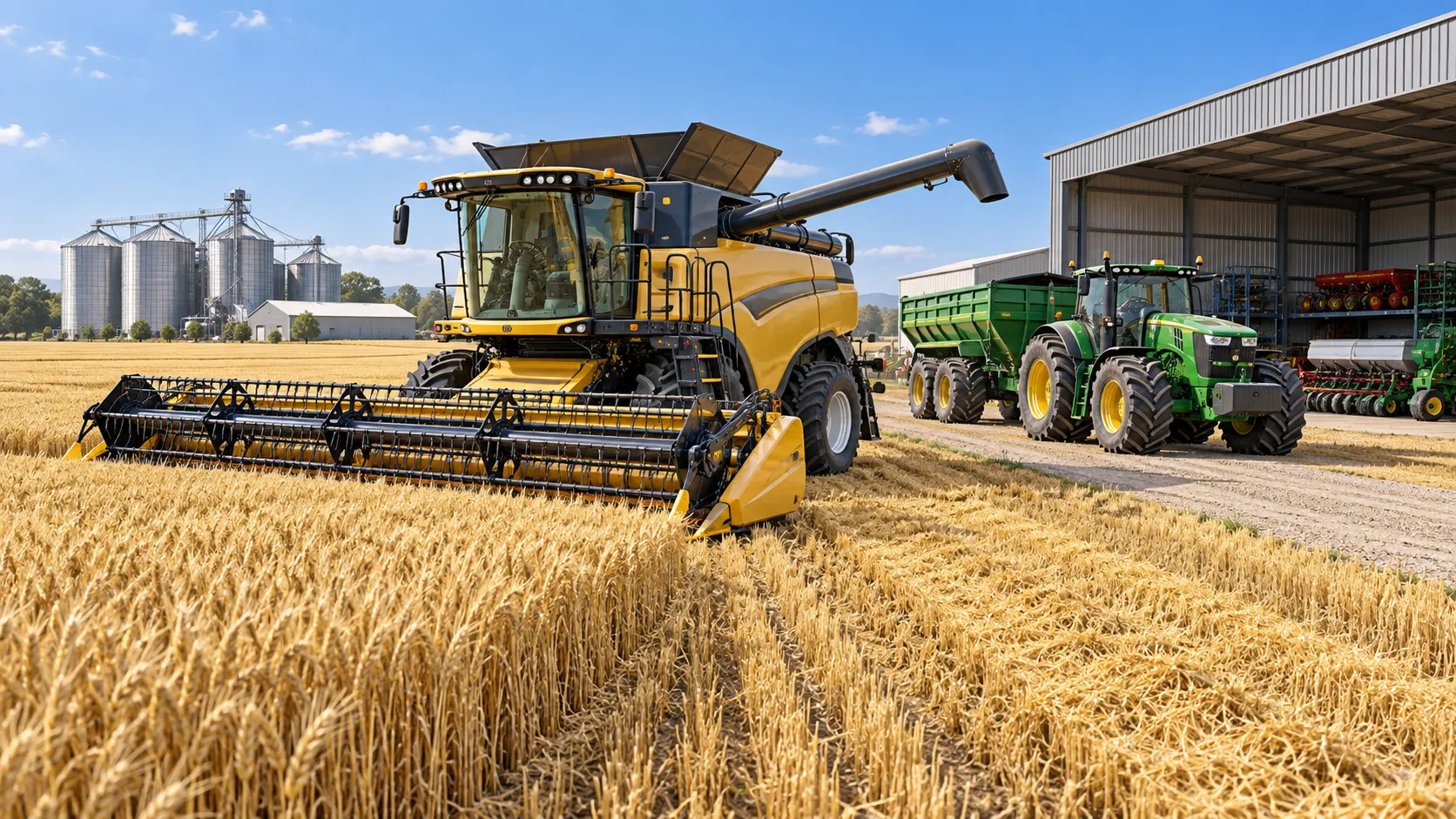
When Does Agricultural Machinery Leasing Cost Less Than Owning Equipment?
Agricultural machinery leasing can lower farm costs when use is seasonal or uncertain. Compare utilization, maintenance, cash flow, and risk to make a smarter equipment decision.
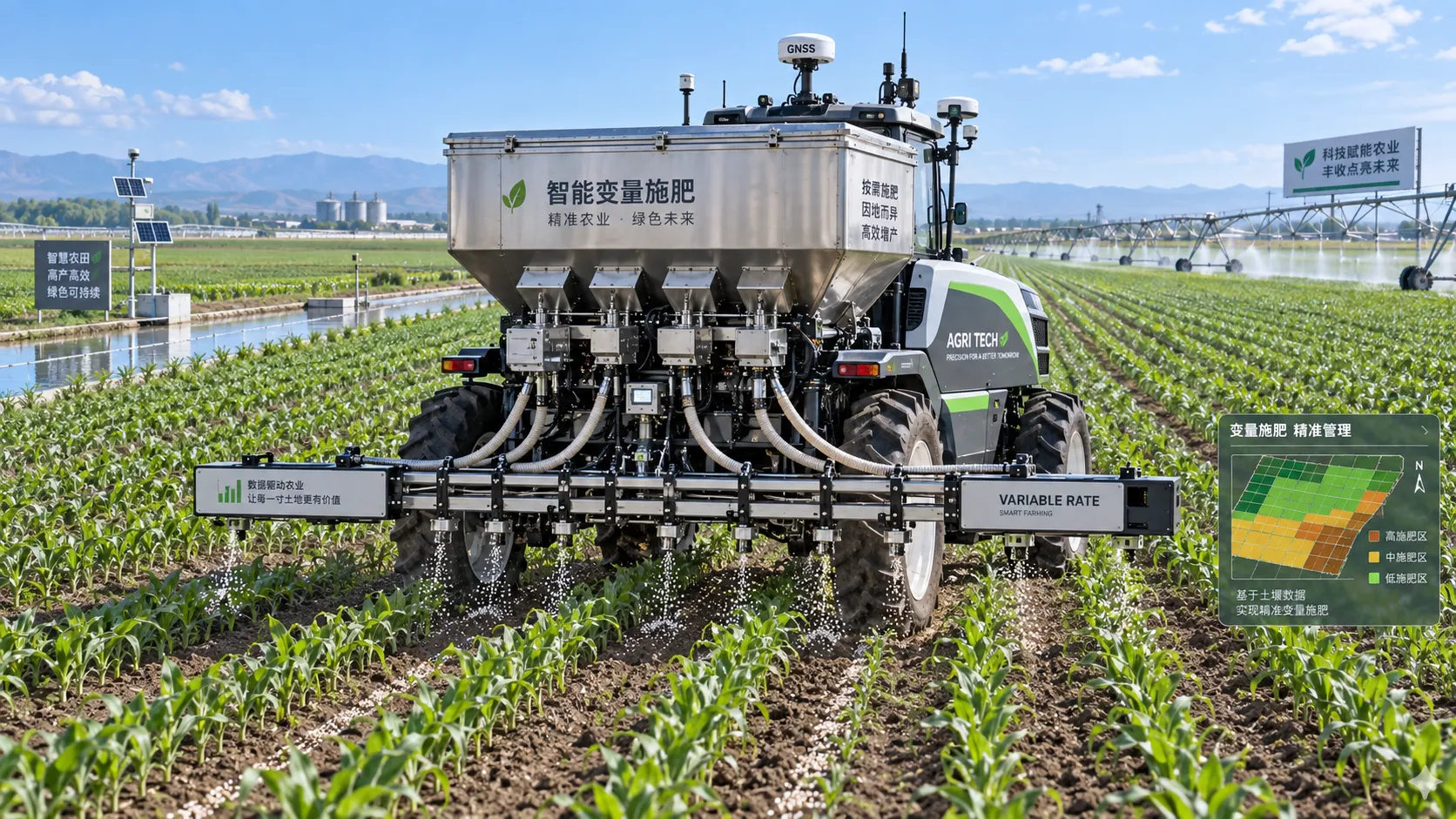
How to Evaluate Precision Fertilization System Suppliers for Farm-Scale Deployment
Precision fertilization systems suppliers: learn how to compare accuracy, integration, uptime, service, and total cost for confident farm-scale deployment.
Related News
- 00
0000-00
Food Security Risks in Modern Supply Chains: What Businesses Should Track First - 00
0000-00
Farm Machinery Innovations Worth Tracking in 2025: ROI, Adoption Barriers, and Use Cases - 00
0000-00
What agricultural environmental policies mean for compliance - 00
0000-00
Why hybrid farm machinery is gaining serious traction - 00
0000-00
Japan's April CPI Up 1.4%: Pricing Strategy Adjustment Urged for Farm Machinery Exports
Popular Tags
Dr. Alistair Vaughn
Weekly Insights
Stay ahead with our curated technology reports delivered every Monday.